Categories
Audio Sources - Full Text Articles

US stocks dip as investors further digest hawkish guidance from Fed Chair Jerome Powell

Federal Reserve Chair Powell Speaks At The Brookings InstitutionJerome Powell

Drew Angerer/Getty Images

  • US stocks opened lower on Wednesday, with investors processing comments from Jerome Powell. 
  • The Federal Reserve chair said Tuesday that benchmark rates will likely increase. 
  • On Wednesday, New York Fed President John Williams further echoed Powell’s remarks.

US stocks ticked down at the open on Wednesday, with investors reflecting worry over higher benchmark interest rates. 

A day earlier, Federal Reserve Chair Jerome Powell cautioned that the strong jobs report from Friday could mean more rate hikes in the future beyond what the market has priced in. Still, he also reiterated that disinflation has already started. 

On Wednesday, New York Fed President John Williams further echoed Powell’s remarks, warning that the labor remains strong and that policymakers still have more work to do on rate hikes while the outlook on inflation continues to be uncertain. 

Here’s where US indexes stood at the 9:30 a.m. opening bell on Wednesday: 

Here’s what else is going on: 

  • Tesla CEO Elon Musk says “the future is bright” for his electric vehicle company.
  • Former Coinbase employees pleaded guilty to insider trading charges. 
  • Crypto exchange Binance is thriving ever since rival firm FTX collapsed despite a recent sell-off in digital tokens. 

In commodities, bonds, and crypto: 

Read the original article on Business Insider
Categories
Audio Sources - Full Text Articles

These heat maps show the dramatic change in the movements of oligarchs’ superyachts since Russia invaded Ukraine

Heat map showing Russian oligarch yacht traffic across the world before and after the invasion of Ukraine, next to a picture of Roman Abramovich's superyacht Solaris.Heat map showing Russian oligarch yacht traffic across the world before and after the invasion of Ukraine in February 2022.

Spire Maritime/Ali Balli/Anadolu Agency via Getty Images

  • Russian oligarchs’ superyachts were detected in different regions after the Ukraine war began.
  • Heat maps show oligarchs’ yachts have avoided America’s west coast and the Mediterranean.
  • Turkey, Dubai, the Maldives, and the Seychelles, were popular destinations for the superyachts.

Some Russian oligarchs have kept their luxurious superyachts at bay from Western sanctions since President Vladimir Putin ordered his troops into Ukraine in February last year.

Heat maps from data and analytics firm Spire, obtained by Insider, showed that oligarchs’ superyachts were located in completely different destinations in January this year compared with before the war started in February 2022.

While some of the yachts trekked across the world to steer clear of sanctions against Russian oligarchs, others turned off their tracking signals to avoid detection. The Galactica Super Nova reportedly stopped sending tracking signals in March, though the reasons for this were unclear. Per multiple reports, the vessel was owned by Vagit Alekperov, CEO of Russian oil firm Lukoil.

Below is a world map from Spire displaying the movements of Russian oligarchs’ superyachts between February 2021 and February 2022, and then from February 2022 to January 2023. The yellow spots represent the most heat, indicating there were a high number of yachts detected in the area.

Worldwide

A heat map showing Russian oligarch yacht traffic across the world before and after the invasion of Ukraine.

Spire Maritime

The first map shows two popular paths for the yachts — one was straight down the west coast of America all the way to Chile, and another was across the Atlantic Ocean. The luxury vessels were also common in Iceland, the Mediterranean Sea, and along the coastline of France, Portugal, and Norway, per the map. 

One year on, the trends have distinctly changed. The second map shows within a year, oligarchs’ superyachts avoided most of America’s west coast and floated close to the Hawaiian Islands, Mexico, and The Caribbean. Fewer vessels crossed the Atlantic Ocean, and the vast majority stayed away from the Mediterranean.

The Mediterranean

A heat map showing Russian oligarch yacht traffic in the Mediterranean before and after the invasion of Ukraine

Spire Maritime

Spire’s data found that the Mediterranean was a hotspot for Russian oligarchs’ superyachts before Russia invaded Ukraine. Many vessels would linger around Spain, northern Italy, south of France, Croatia, Greece, and Sicily, according to the first heat map.

The second map shows that after Putin invaded Ukraine, there was very little activity from Russian oligarchs’ yachts around the Mediterranean coast and some of the popular routes disappeared. 

The only country in the region attracting the yachts was Turkey, per Spire’s map. Turkey still offers a safe haven for Russian oligarchs’ assets because it’s yet to sanction Russia for its aggression against Ukraine.

Two superyachts owned by sanctioned billionaire Roman Abramovich both sailed to Turkey in March and have remained there ever since, according to Marine Traffic data.

“With the yachts steering clear of once favorite vacation spots like Sicily in favor of safe havens like Turkey – and sometimes avoiding detection altogether by turning off their tracking signals – it’s clear that the Russian oligarchs who still have their ships know that the threat of seizure is real and have completely changed their travel plans to avoid capture,” John Lusk, CEO of Spire Maritime, told Insider.

Northern Europe

A heat map showing Russian oligarch yacht traffic in Northern Europe before and after the invasion of Ukraine.

Spire Maritime

Before the war, Russian oligarchs’ yachts stuck around Iceland, the north coast of France and Germany, and parts of Norway and the UK, per Spire’s first map.

From February 25, 2022, Spire said its data showed there was barely any activity from oligarchs’ superyachts in Northern Europe. Only one yacht was detected in the area since the war began, Spire said.

Arabian Sea

A heat map showing Russian oligarch yacht traffic around Arabian Sea before and after the invasion of Ukraine

Spire Maritime

Spire’s data also honed in on the movements of Russian oligarchs’ yachts around the Arabian Sea.

The path down the Red Sea still proved a favored sailing route for the vessels after the Ukraine war started in February last year, according to the maps.

Fewer yachts were detected in Dubai, the Maldives, and the Seychelles, but the yellow heat spots on the second map indicate they were still popular destinations. These sunny locations don’t have an extradition treaty with the US and therefore attracted many Russian oligarchs’ yachts, including Clio, which is owned by Oleg Deripaska.

Read the original article on Business Insider
Categories
Audio Sources - Full Text Articles

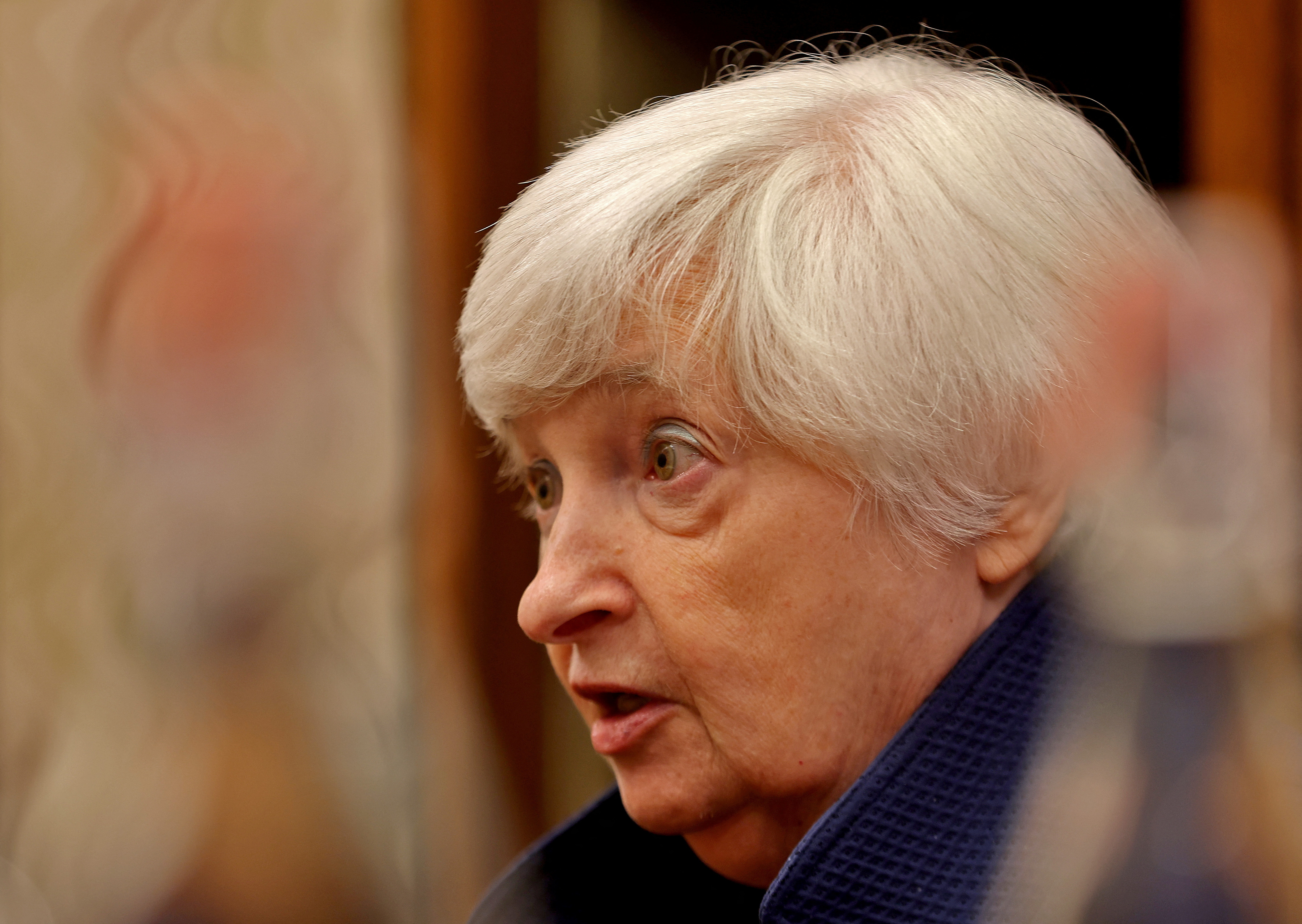
Yellen touts battery investments in Tennessee after Biden speech

2023-02-08T15:21:58Z

U.S. Treasury Secretary Janet Yellen speaks during her interview with Reuters in New Delhi, India, November 11, 2022. REUTERS/Altaf Hussain

U.S. Treasury Secretary Janet Yellen visits an electric vehicle battery plant in Tennessee on Wednesday, touting the U.S. clean energy investments enabled by President Joe Biden’s climate legislation just hours after Biden did the same in his State of the Union address.

The trip to a General Motors (GM.N) and LG Energy Solution (373220.KS) joint venture facility under construction near Nashville also comes a day after Yellen heard more pleas from French and German ministers not to exclude their companies from tax incentives in the Inflation Reduction Act.

Biden said the act, passed only by his fellow Democrats last year, would help rebuild the U.S. manufacturing base in a speech that served as a blueprint for an expected 2024 re-election bid. He also touted bipartisan infrastructure and semiconductor investment laws.

“We’re going to make sure that the supply chain for America begins in America,” Biden said.

The 2.8 million-square-foot (260,130-square-meter), $2.6 billion Ultium Cells plant in Spring Hill, Tennessee, is set to begin production later this year and is the second of three planned Ultium JV plants. It is expected to eventually employ 1,700 people and will produce cells for the Cadillac Lyriq sport-utility vehicle, which is assembled at a nearby General Motors Co (GM.N) plant.

“The Inflation Reduction Act is offering meaningful tax credits to spur clean energy investment and production. Importantly, the law deliberately encourages place-based investments,” Yellen said in excerpts of remarks for delivery at the Ultium Cells plant.

But European and Asian allies have complained that the Inflation Reduction Act’s tax subsidies will pull green investments away from those regions toward the United States. The European Union is readying its own competing incentives, and French Finance Minister Bruno Le Maire told reporters on Tuesday in Washington that U.S. officials agreed that the two sides should be transparent about their subsidies.

Le Maire also said that U.S. rules on the tax credits, now being finalized by Yellen’s staff, should be made available to a “maximum” of European components.

The U.S. Treasury has already tweaked some rules to make more electric vehicles eligible for up to $7,500 tax credits — including the Lyriq — by revising how they are classified.

The Treasury announcement allowed vehicles that automakers consider crossover SUVs to qualify for credits. The decision raises the retail price cap to $80,000 from $55,000 for GM’s Cadillac Lyriq, Tesla’s (TSLA.O) five-seat Model Y, Volkswagen’s ID.4 (VOWG_p.DE), and Ford’s (F.N) Mustang Mach-E and Escape Plug-in Hybrid.

The Treasury drew the ire of Senate Energy Committee Chair Joe Manchin after the department said it would not issue proposed guidance on battery sourcing rules until March, effectively giving some EVs not meeting new requirements a few months of eligibility in 2023 before the battery rules take effect.

The tax incentives are designed to shift the U.S. battery supply chain away from China. China currently produces 70% of batteries for electric vehicles, the Treasury said.

Categories
Audio Sources - Full Text Articles

Putin Likely Approved MH17 Missile Supply, Investigators Say

1133603e7e6d5a57828963258338b503.jpg?w=1

The announcement comes less than three months after a Dutch court convicted two Russians and a Ukrainian in absentia over the downing of MH17.

Categories
Audio Sources - Full Text Articles

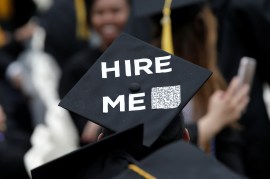
What are the labor market returns to MBAs from broad-access institutions?

By Christopher T. Bennett

During the past few decades, there has been substantial growth in graduate school enrollment. In fact, the number of people in the U.S. with a graduate degree doubled between 2000 and 2018.

With rising costs for attending graduate school and the ability to borrow Grad PLUS Loans up to their full cost of attendance (minus any other aid received), graduate students take out a disproportionate share of federal student loans. In 2017-18, for instance, just 19% of federal student loan borrowers were graduate students, but their loans for graduate school amounted to 40% of student debt issued that year.

The overwhelming majority of graduate students are pursuing master’s degrees, and there are now about two master’s degrees awarded for every five bachelor’s degrees. On average, borrowers take out over $55,000 for a master’s degree, roughly twice the amount borrowed for a bachelor’s degree. The scale and cost of master’s enrollment makes it especially important to understand the labor market returns to master’s degrees, which have long been heralded as the “new bachelor’s” degree.

“In 2017-18, for instance, just 19% of federal student loan borrowers were graduate students, but their loans for graduate school amounted to 40% of student debt issued that year.”

In an article recently published in the Journal of Policy Analysis and Management (JPAM), I examine how employers respond to job candidates with one of the most prominent master’s degrees: a Master of Business Administration (MBA). MBAs make up about one-fourth of master’s degrees awarded.

Using a field experiment to detect employer perceptions of job candidates with MBAs

Building on prior research at the undergraduate level, I conducted a field experiment to examine the extent to which employers differentiate between job candidates based on the type of institution where they earned their MBA (or if they did not receive an MBA at all). To do so, I created fictitious résumés that were designed to look authentic. I then used the résumés to apply to thousands of real job openings and tracked employer responses. By randomly assigning key information that was shown on the résumés, I was able to assess how employers respond to applicants who differ on those dimensions but are otherwise equivalent.

First, within each set of four applications submitted to a job opening, I randomly assigned the MBA institution type. I decided not to focus on business schools at institutions like Harvard and the University of Michigan, which tend to receive an outsize share of media attention but enroll a smaller share of MBA students. Instead, I chose to list MBAs from three types of broad-access institutions that collectively enroll the vast majority of MBA students: for-profit institutions, other primarily online institutions, and regional institutions. In addition to these three MBA treatment groups, one group (one-fourth of the applications) listed that the applicant had only earned a bachelor’s degree. In all cases, the applicant’s bachelor’s-granting institution was listed as a large, broad-access public university in a nearby state.

Second, based on longstanding evidence of racial discrimination in hiring, I also randomly varied the implied race and gender of the applicant. The names listed on the applications suggested the applicants were Black women, Black men, White women, or White men (for more details on the process used to select these names, see the full paper). For each job opening, all four applicants had names suggesting they were the same race and gender as one another.

Overall, I submitted 9,480 job applications to employers in 16 large U.S. metropolitan areas for a variety of management, marketing, and sales positions that required at least a bachelor’s degree. The experiment took place between April 2020 and November 2020, coinciding with the early months of the COVID-19 pandemic. During this tumultuous period, many applicants would likely expect an MBA credential to help them stand out in the labor market, and calls for racial equity were receiving widespread attention.

MBA recipients fared no better than applicants with only a bachelor’s degree

Applicants in the three MBA treatment groups (for-profit, online, and regional institutions) received positive responses from employers (e.g., interview callbacks) at essentially the same rate as one another. Further, as shown in Figure 1, the positive responses for applicants in the MBA treatment groups were not meaningfully different than those for applicants with only a bachelor’s degree. Thus, employers’ response rates did not differ across the treatment groups overall, despite the substantial time and cost required for an MBA. Even for job openings that listed a preference for candidates with master’s degrees, applicants in the MBA treatment groups did not receive meaningfully different rates of positive responses than applicants with just a bachelor’s degree.

Black men received 30% fewer positive responses than White applicants

The study also revealed that employers offered 30% fewer positive responses to applicants whose names suggested they were Black men than they did to presumably White applicants (see Figure 2). Since all other résumé elements were randomly assigned, no other applicant characteristics would explain these differential response rates by race and gender. Given that the study mainly occurred during the supposed racial reckoning of 2020, this finding offers stark evidence of ongoing racial discrimination at a time when many employers were publicly proclaiming a greater commitment to equity in their hiring practices.

Implications

These findings offer several key insights about the modern MBA landscape, which is increasingly comprised of online programs and other formats designed to meet the needs of working adults.

“First, for students expecting that an MBA from a broad-access institution will dramatically boost their likelihood of receiving positive responses from a new employer, these results offer reason for caution.”

First, for students expecting that an MBA from a broad-access institution will dramatically boost their likelihood of receiving positive responses from a new employer, these results offer reason for caution. Of course, many students pursue an MBA for other reasons not examined in this study, such as advancing in their career path at the current employer, and concerns about the affordability of, and economic returns to, master’s degrees are not unique to broad-access institutions. Further, it is important to remember that this experiment did not include hyperselective MBA programs or other types of master’s degrees, for which the outcomes may differ.

Second, these findings reinforce the importance of ensuring that graduate students are able to comfortably repay their student loans. Institutions and policymakers concerned about rising student debt will need to work to ensure that borrowing for these programs does not unduly burden students, a formidable challenge for the years ahead.

Finally, the results also reaffirm the persistence of racial discrimination in the labor market across a variety of industries and metropolitan areas. To adequately guard against racial discrimination, the U.S. Equal Employment Opportunity Commission (EEOC) may require additional investigative or enforcement mechanisms. Only by identifying and addressing the sources of disparate hiring outcomes—such as hiring managers’ evaluations of candidates, algorithmic bias, the use of information outside the application, and employers’ recruitment strategies—will it be possible to achieve racial/ethnic equity in hiring.

2016-06-03T120000Z_358980711_D1BETHVCKUA
fblike20.png pinterest20.png twitter20.png email20.png rss20.png  
Categories
Audio Sources - Full Text Articles

Wall Street edges lower on rate hike worries

2023-02-08T14:36:45Z

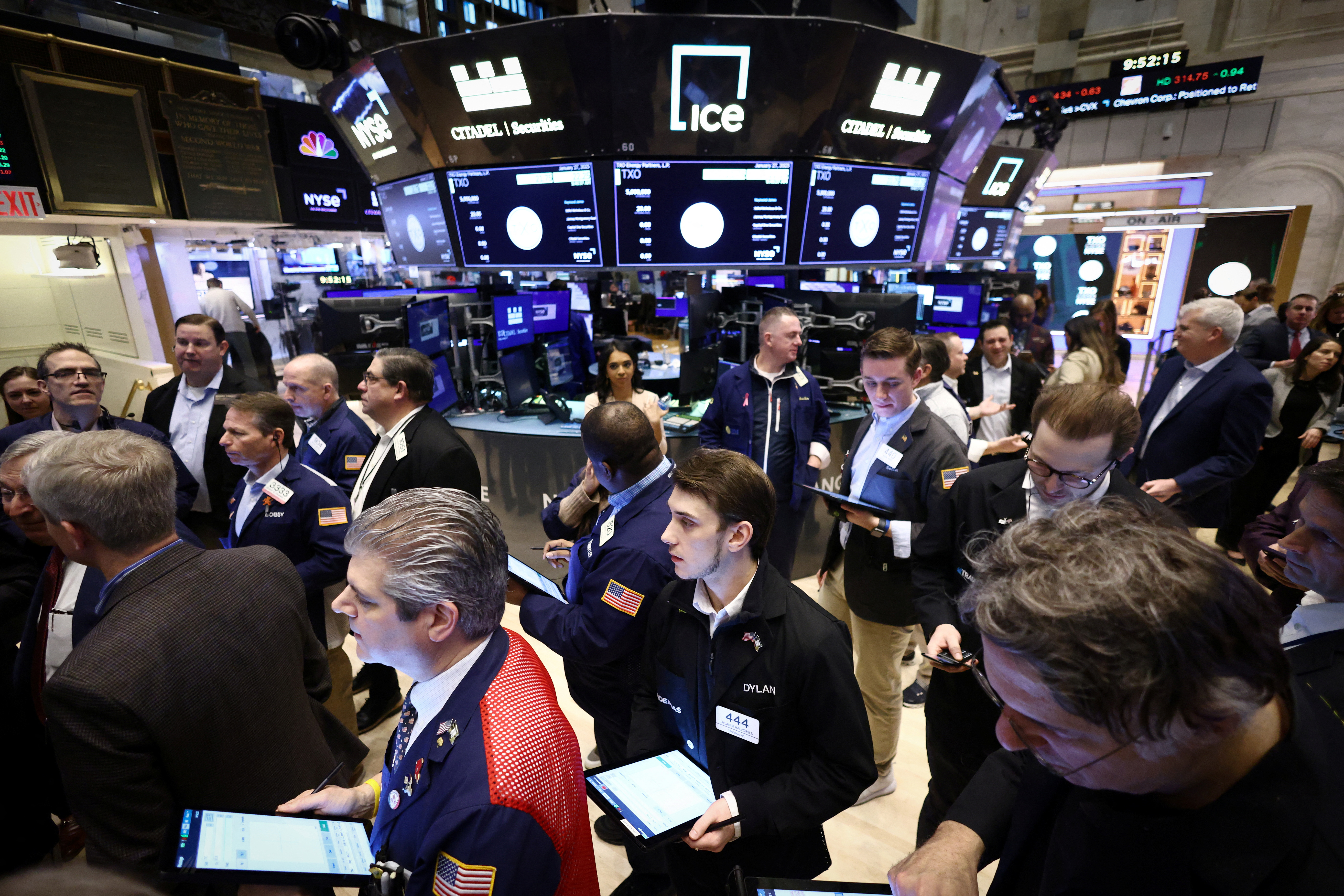
Traders work on the trading floor at the New York Stock Exchange (NYSE) in New York City, U.S., January 27, 2023. REUTERS/Andrew Kelly

U.S. main stock indexes slipped at the open on Wednesday as investors worried the Federal Reserve would keep hiking interest rates this year, while Microsoft rose after laying out its AI push.

The Dow Jones Industrial Average (.DJI) fell 23.79 points, or 0.07%, at the open to 34,132.90. The S&P 500 (.SPX) opened lower by 10.53 points, or 0.25%, at 4,153.47, while the Nasdaq Composite (.IXIC) dropped 44.67 points, or 0.37%, to 12,069.12 at the opening bell.

Categories
Audio Sources - Full Text Articles

In black body bags, Syrians in Turkey make final journey home

2023-02-08T14:52:37Z

They arrived at the border in taxis, run-down vans and in piles atop flatbed trucks: black body bags carrying Syrian refugees killed by the earthquake in Turkey, now being taken to final resting places in their war-ravaged homeland.

Relatives clutched paperwork issued by local authorities that would let the dead – but not their living relatives – pass into Aleppo province through Turkey’s Cilvegozu border-crossing, closed to regular traffic since Syria’s conflict began 12 years ago.

Across the border, family members will pick them up for burials.

Hussein Ghandoura crouched inside a truck and put his cheek to one of five black bags. Inside, the body of his 16-year-old son Mohammad.

“I just said goodbye to him before his final journey,” Ghandoura told Reuters on Wednesday.

More than 8,500 people died in Turkey as a result of record-breaking earthquakes that struck on Monday. Among the casualties are Syrians who since 2011 have fled the conflict raging in their home country. The tremors killed 2,500 more in Syria.

The border between the two neighbours remains closed to most traffic and, so far, to aid operations. But Turkish authorities were allowing bodies certified by Turkish hospitals to cross into northern Syria, much of which is held by rebel forces opposed to the Damascus government.

A man held back two crying women as they tried to stay near one of the trucks full of bodies.

“Let the dead go first, then maybe one day the living can go,” he told them.

Ossama Abdulrazzaq, a tall Syrian, eyes bleary with tears, checked the paperwork for his sister’s body.

“She’s pregnant in her final month. She was supposed to give birth in two days. She’s supposed to go into labour,” Abdulrazzaq said.

Many extended Syrian families live in the hard-hit city of Antakya and in Kirikhan, a small Turkish town about 50 km (30 miles) from the border.

In Kirikhan, Turkish rescue teams with cranes were pulling back rubble from homes on Wednesday, aided by Syrians in work gloves looking for their own relatives.

One body after the other, Salah al-Naasan, 55, found his family.

Carrying crumpled family photographs, the Syrian man wept on the sidewalk as rescuers brought his daughter-in-law, also pregnant, then his two grandchildren. His son was still missing.

Naasan, screaming with grief, begged rescuers to check if the unborn child had survived. Few medics were visible.

A rescuer pulled back the blankets covering one of the toddlers, revealing a lifeless hand with a purple bruise and a pale face covered in dirt.

Zaher Kharbotly, a stocky 43-year-old man from the Syrian province of Idlib, somehow still had hope.

He stood in front of the apartment where his two sisters and their children lived on the ground floor. Over and over, he counted the floors that had pancaked atop one another.

“We fled to Turkey under the bombs to protect our children. Now look at us. We’re just fleeing from death to death,” he said.

Kharbotly said that if his worst fears were confirmed, he also would bury the family in Syria.

“Our land kicked us out – but when we perish, it will accept us.”

Related Galleries:
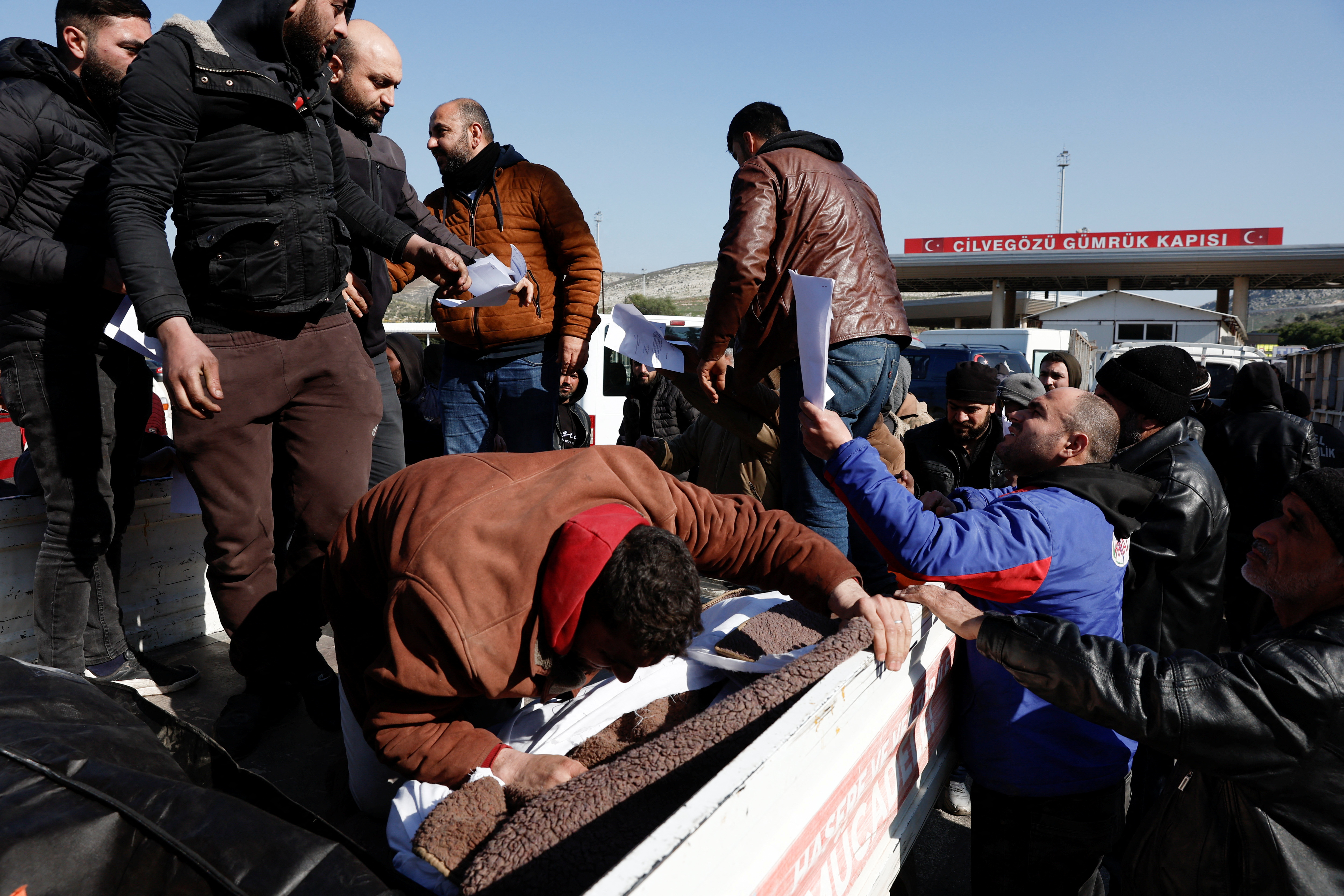
Relatives surround a truck carrying bodies of Syrians killed in an earthquake in Turkey, upon their arrival through the border crossing of the Cilvegozu border gate, Turkey, February 8, 2023. REUTERS/Benoit Tessier
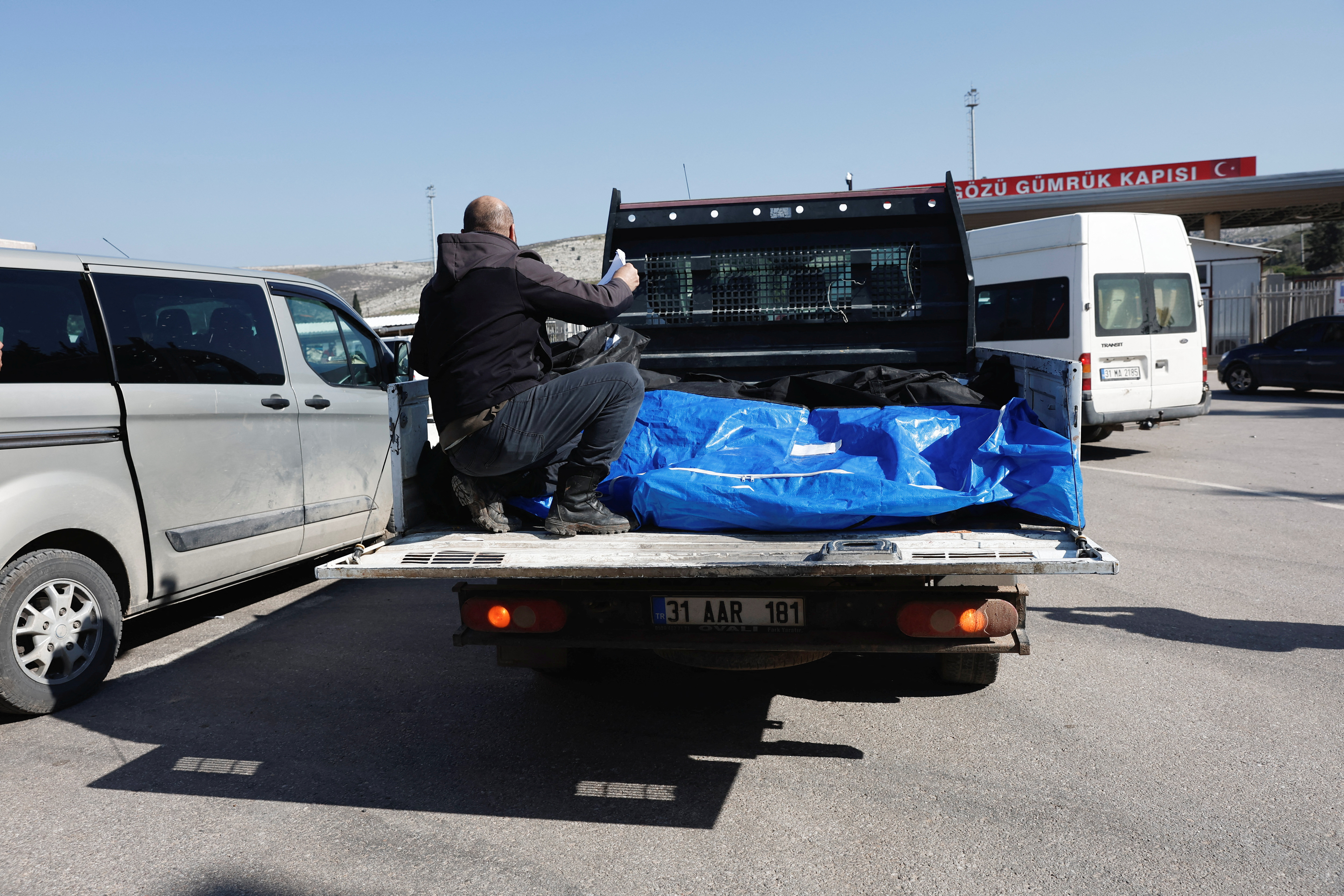
A relative sits near bodies, on a truck, of Syrians killed in an earthquake in Turkey, upon their arrival through the border crossing of the Cilvegozu border gate, Turkey, February 8, 2023. REUTERS/Benoit Tessier
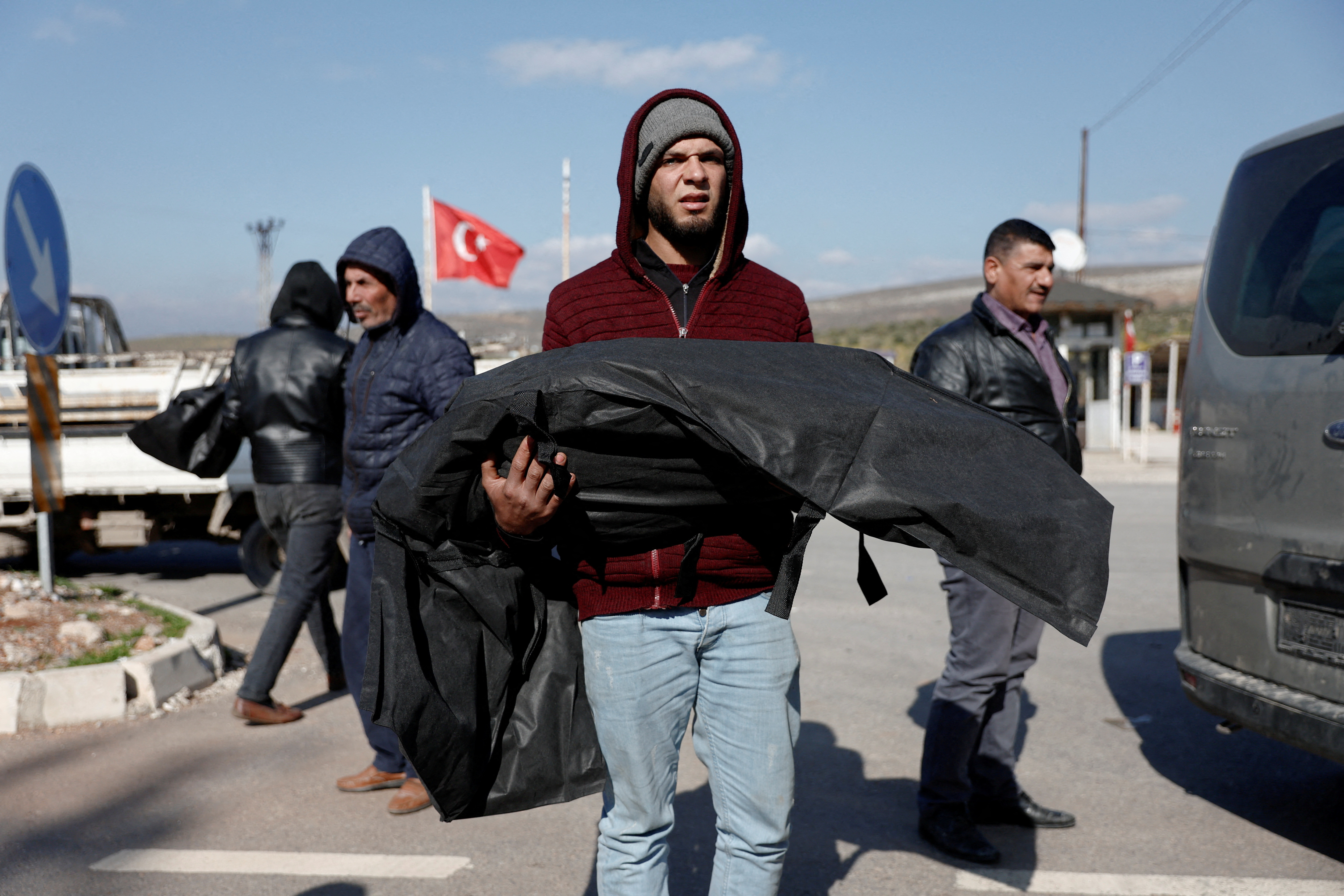
A relative carries a body of a Syrian child killed in an earthquake in Turkey, upon their arrival by trucks through the border crossing of the Cilvegozu border gate, Turkey, February 8, 2023. REUTERS/Benoit Tessier
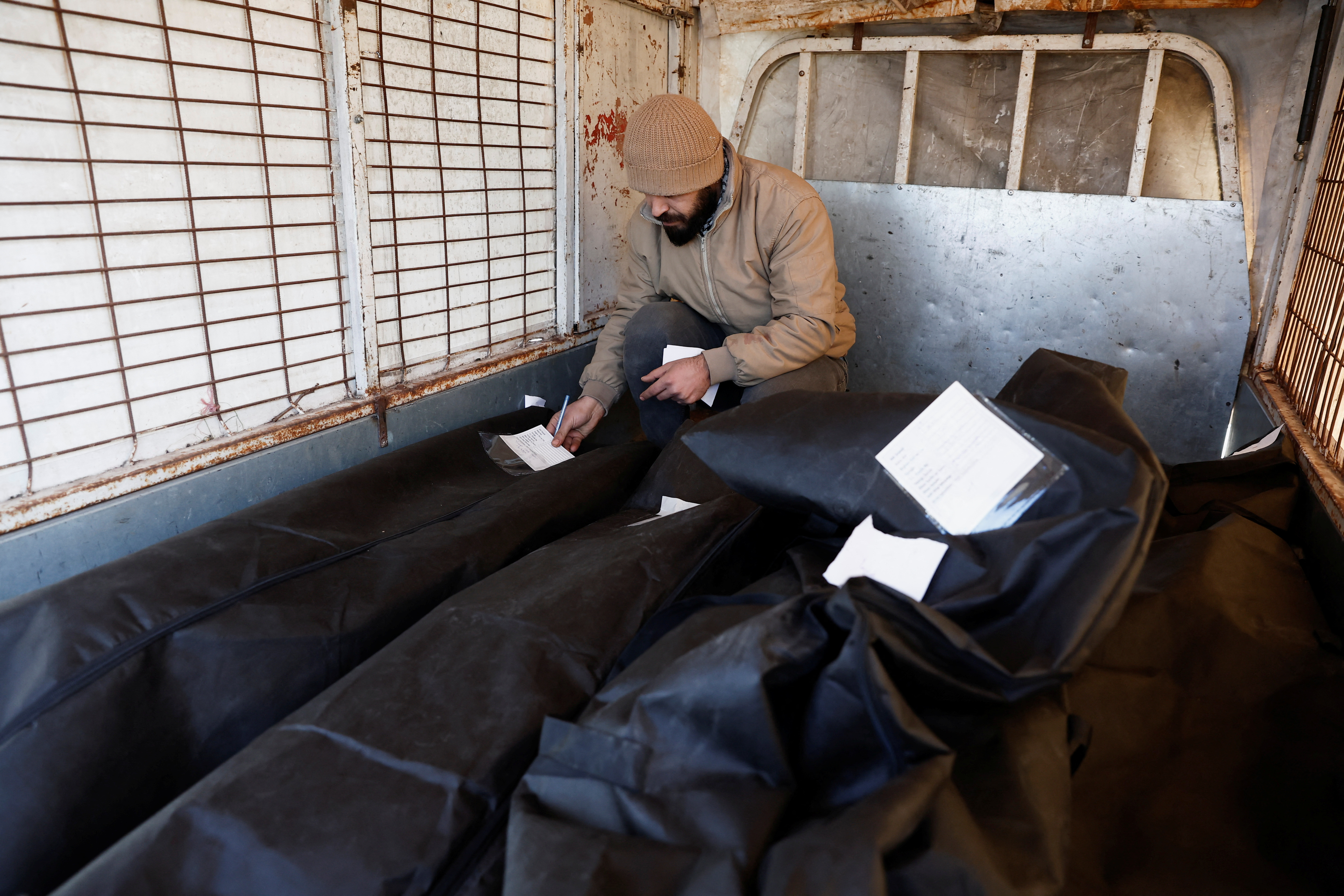
Osama Abdulrazzaq, a relative of a Syrian killed in an earthquake in Turkey, checks the names of bodies in black bags in a truck, upon their arrival through the border crossing of the Cilvegozu border gate, Turkey, February 8, 2023. REUTERS/Benoit Tessier
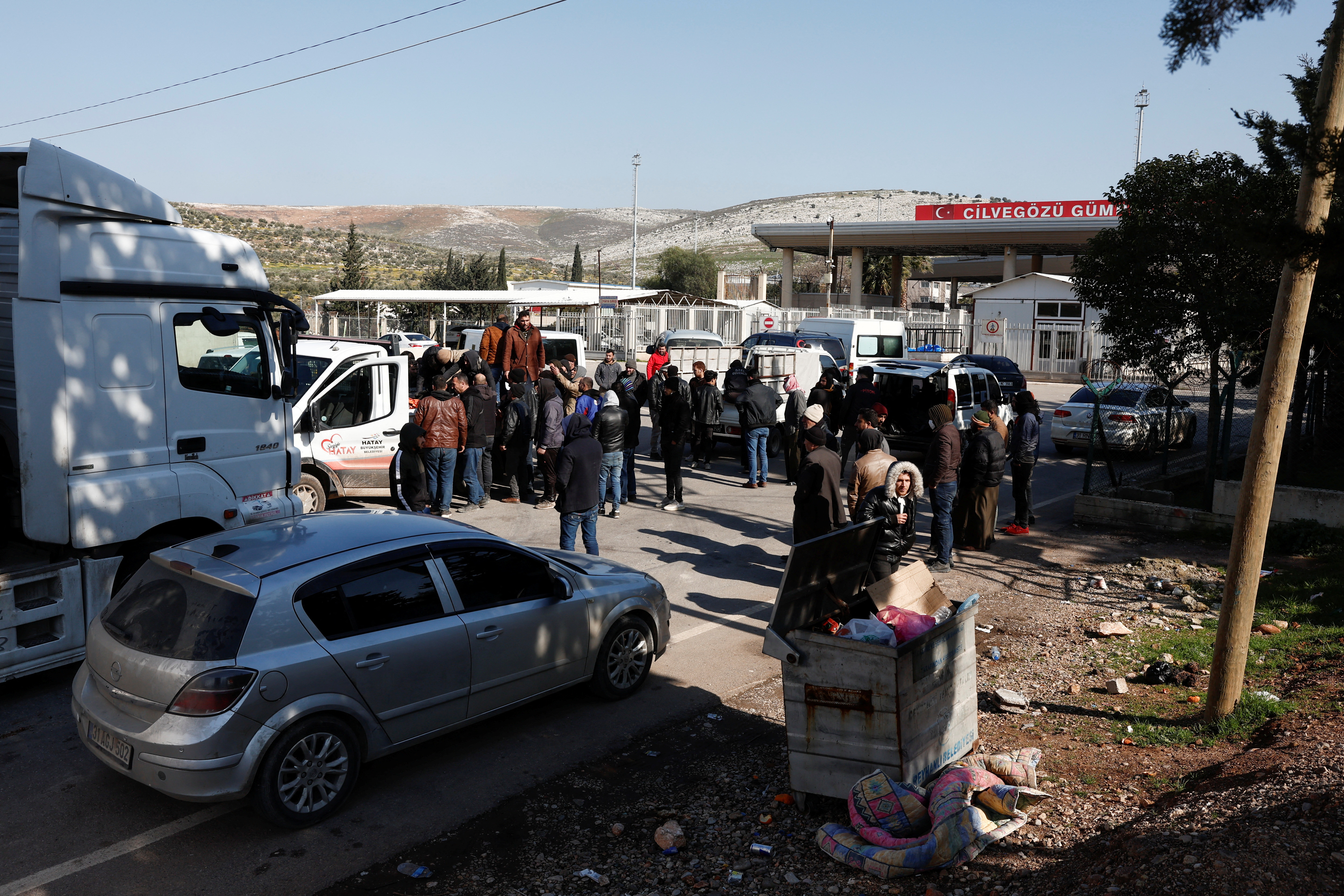
Relatives surround a truck carrying bodies of Syrians killed in an earthquake in Turkey, upon their arrival through the border crossing of the Cilvegozu border gate, Turkey, February 8, 2023. REUTERS/Benoit Tessier

Categories
Audio Sources - Full Text Articles

Fed“s Williams: Financial conditions seem broadly consistent with the Fed“s outlook on policy

2023-02-08T14:42:28Z

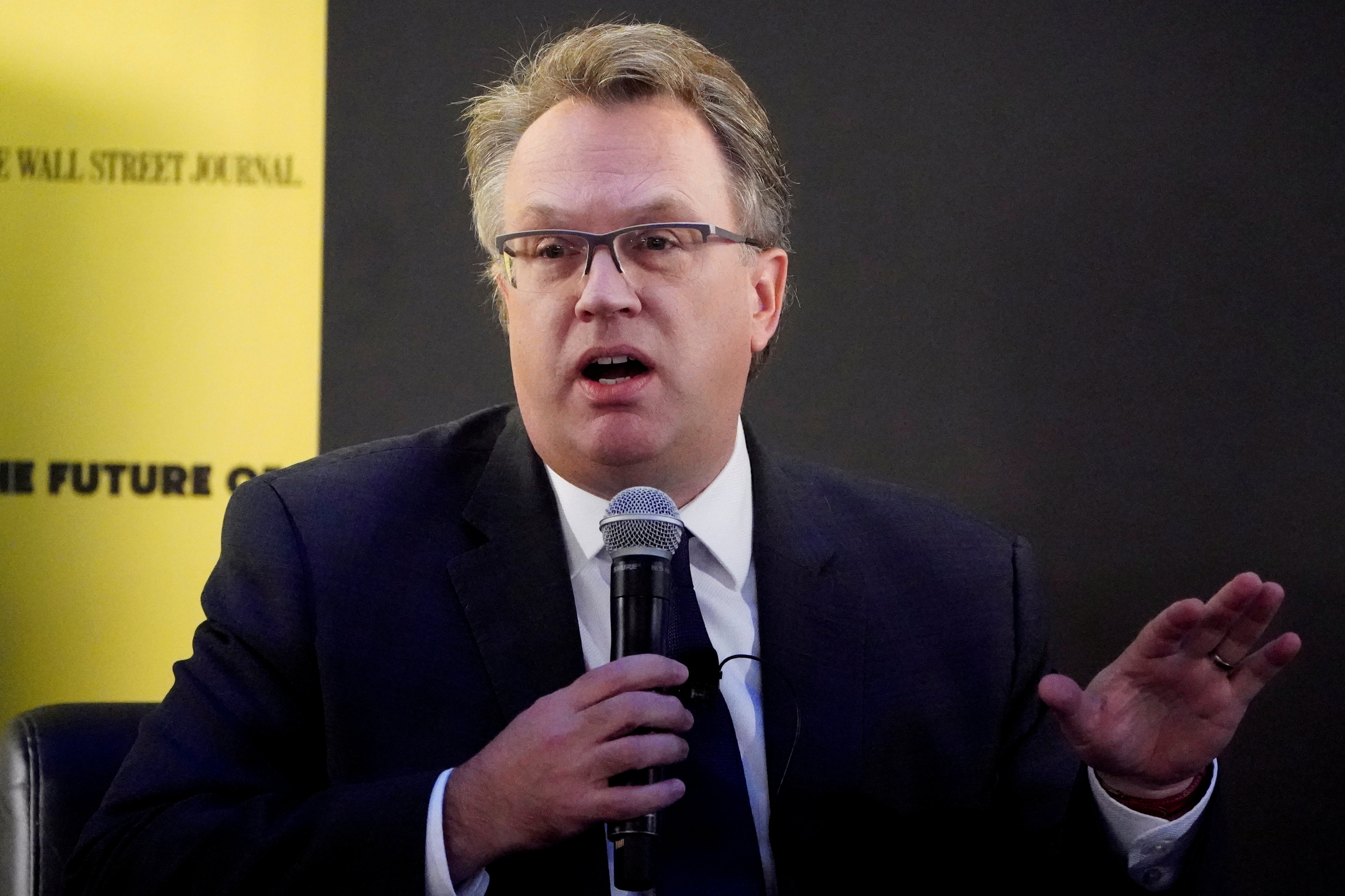
John Williams, chief executive officer of the Federal Reserve Bank of New York, speaks at an event in New York, U.S., November 6, 2019. REUTERS/Carlo Allegri

New York Fed President John Williams said financial conditions are roughly in line with what central bankers want to see.

“We still have work to do” on raising rates but financial conditions look roughly in line with the likely outlook for monetary policy, Williams said at a Wall Street Journal event.

Categories
Audio Sources - Full Text Articles

From the Trenches of the Ukrainian Culture War in New York

0edd62437e0501775b11d8c6ead12b7b.jpeg?w=

A prestigious college in New York City, which is literally across the street from the Ukrainian community’s biggest church, is under fire for its tone-deaf promotion Russian culture.

Categories
Audio Sources - Full Text Articles

UN experts: North Korean hackers stole record virtual assets

UNITED NATIONS (AP) — North Korean hackers working for the government stole record-breaking virtual assets last year estimated to be worth between $630 million and more than $1 billion, U.N. experts said in a new report.

The panel of experts said in the wide-ranging report seen Tuesday by The Associated Press that the hackers used increasingly sophisticated techniques to gain access to digital networks involved in cyberfinance, and to steal information that could be useful in North Korea’s nuclear and ballistic missile programs from governments, individuals and companies.

With growing tensions on the Korean Peninsula, the report said North Korea continued to violate U.N. sanctions, producing weapons-grade nuclear material, and improving its ballistic missile program, which “continued to accelerate dramatically.”

In 2022, the Democratic People’s Republic of Korea – the North’s official name – launched at least 73 ballistic missiles and missiles combining ballistic and guidance technologies including eight intercontinental ballistic missiles, the panel said. And 42 launches, including the test of a reportedly new type of ICBM and a new solid-fueled ICBM engine, were conducted in the last four months of the year.

North Korea’s leader Kim Jong Un ordered an “exponential increase of the country’s nuclear arsenal” in January, and the panel said “a new law discussed an increased focus on tactical nuclear capability, a new first-use doctrine, and the `irreversible nature’ of the DPRK’s nuclear status.”

“The ability to carry out an unexpected nuclear strike on any regional or international target, described in DPRK’s new law on nuclear doctrine and progressively in public statements since 2021, is consistent with the observed production, testing, and deployment of its tactical and strategic delivery systems,” the experts said in the report to the U.N. Security Council.

The panel said that South Korean authorities quoted in media reports “estimated that state sponsored DPRK cyber threat actors had stolen virtual assets worth around $1.2 billion globally since 2017, including about $630 million in 2022 alone.”

The experts monitoring sanctions against North Korea said an unnamed cybersecurity firm “assessed that in 2022, DPRK cybercrime yielded cyber currencies worth over $1 billion at the time of the threat, which is more than double the total proceeds in 2021.”

The variation in the U.S. dollar value of cryptocurrency in recent months is likely to have affected these estimates, the panel said, “but both show that 2022 was a record-breaking year for DPRK virtual asset theft.”

The panel said three groups that are part of the Reconnaissance General Bureau, North Korea’s primary foreign intelligence organization, “continued illicitly to target victims to generate revenue and solicit information of value to the DPRK including its weapons programs” – Kimsuky, Lazarus Group and Andariel.

Between February and July 2022, the panel said, the Lazarus Group “reportedly targeted energy providers in multiple member states using a vulnerability” to install malware and gain long-term access. It said this “aligns with historical Lazarus intrusions targeting critical infrastructure and energy companies … to siphon off proprietary intellectual property.”

Lazarus Group’s primary focus is on specific types of industry, aerospace and defense and conventional finance and cryptocurrencies, with the objective of accessing the internal knowledge bases of the compromised companies, the experts said. They quoted the cybersecurity section of an internet technology company as saying Lazarus has been targeting engineers and technical support employees “using malicious versions of open source applications.”

In December 2022, the panel said, South Korea’s national police agency announced that Kimsuky had targeted 892 foreign policy related experts “in an effort to steal personal data and email lists.”

The police reported that the hackers didn’t manage to steal sensitive information, but they “laundered IP addresses of the victims and employed 326 detour servers and 26 member states to make tracing difficult,” the experts said. The police noted it was the first time they detected Kimsuky using ransomware, saying 19 servers and 13 businesses were affected, of which two paid 2.5 million South Korean won ($1,980) in Bitcoin to the hackers.

On military-related issues, the experts said they investigated the “apparent export” of military communications equipment from a North Korean company under U.N. sanctions to Ethiopia’s defense ministry in June 2022.

The panel said it has not yet received a reply from Ethiopia’s government about a photo published by the Ethiopian media in November allegedly showing a piece of equipment from the Global Communications Co., known as Glocom, being used by a top military official. Eritrea also hasn’t responded to questions about its alleged procurement of Glocom equipment, the experts said.

North Korea may also have illegally traded arms and related material with a number of countries, including sending artillery shells, infantry rockets and missiles to Russia – claims Pyongyang and Moscow have consistently denied, the panel said. And the experts said they are investigating the reported sale of weapons from a North Korean company on the U.N. sanctions list to the Myanmar military through a Myanmar company.

WP Radio
WP Radio
OFFLINE LIVE