Russian Hackers’ Latest Target Is Cab Dispatch Line at J.F.K., U.S. Says – The New York Times nytimes.com/2022/12/20/nyr…
Day: December 21, 2022
2022-12-21T10:26:14Z
Russian President Vladimir Putin said the situation in Russian-held parts of Ukraine was “extremely difficult” on Tuesday while his Ukrainian counterpart drove home the message by visiting a frontline city that Russia has long tried and failed to capture. Olivia Zollino has more.
Ukrainian President Volodymyr Zelenskiy is travelling to the United States on Wednesday to meet President Joe Biden, address Congress and seek “weapons, weapons and more weapons” in his first overseas trip 300 days since Russia invaded its neighbour.
Zelenskiy said he was going to Washington for talks with Biden to strengthen Ukraine’s “resilience and defence capabilities” amid repeated Russian attacks on energy and water supplies in the dead of winter.
His adviser said the trip showed the high degree of trust between the two countries.
“This finally puts an end to the attempts by the Russian side … to prove an allegedly growing cooling in our bilateral relations,” Mykhailo Podolyak told Reuters.
“This, of course, is not even close. The United States unequivocally supports Ukraine.
“…Weapons, weapons and more weapons. It is important to personally explain why we need certain types of weapons. In particular, armoured vehicles, the latest missile defence systems and long-range missiles,” he said.
Biden will announce nearly $2 billion in new military assistance for Ukraine that will include a Patriot missile battery to help it defend itself against barrages of Russian missiles, a senior U.S. official said.
Zelenskiy’s visit, details of which emerged on Tuesday night, was expected to last several hours.
He will meet Biden and top national security aides at the White House, participate in a joint news conference with the U.S. president and then go to Capitol Hill to address a joint session of the U.S. Senate and House of Representatives.
Russia invaded Ukraine on Feb. 24 with the aim of capturing Kyiv in days, a goal that quickly proved out of reach. Russian President Vladimir Putin casts what he calls Russia’s “special military operation” to “denazify” Ukraine as the moment Moscow finally stood up to the West seeking to capitalize on the 1991 fall of the Soviet Union by destroying Russia.
Thousands of troops and civilians have since been killed, millions have been forced to flee their homes and entire cities have been turned to ruins.
Biden will be face-to-face with the man he has spoken with regularly over the past 10 months but not met in person since the war broke out. He will not use the talks to push Zelenskiy towards the negotiating table with Putin, the U.S. official said.
The Kremlin said on Wednesday it saw no chance of peace talks with Kyiv. In a call with reporters, spokesman Dmitry Peskov said that continued Western arms supplies to Ukraine would lead to a “deepening” of the conflict.
The Biden administration has provided about $20 billion in military assistance to Ukraine, including artillery ammunition, munitions for NASAMS air defence systems and for high mobility artillery rocket systems (HIMARS).
Zelenskiy has repeatedly called on the West to supply more weaponry.
On Tuesday, he made a surprise trip to the eastern frontline city of Bakhmut, his office said, underlining the importance of its defence against Russia’s stuttering but persistent attempts to capture it.
In his nightly video address, Zelenskiy called it a trip to “Fortress Bakhmut” in Donetsk, a province Russia claimed in September. Most countries reject Russia’s claim as an illegal occupation.
Dressed in combat khaki, Zelenskiy handed out medals to soldiers in a tumble-down industrial complex to applause, video released by his office showed.
In contrast, Putin awarded medals in the comfort of the Kremlin to the Russian-appointed leaders of four regions of Ukraine that Russia claims to have annexed.
Video footage released on Ukrinform TV, part of Ukraine’s state news agency, showed servicemen in Bakhmut handing Zelenskiy a Ukrainian flag with their signatures on it.
“We will turn it over to the Congress and to the U.S. president from the guys,” Zelenskiy said in the video. “We are grateful for the support. But it’s not enough,” he added.
He has urged the troops to keep up their spirits, as the battle for Bakhmut illustrates the grinding brutality of the war.
“The east is holding out because Bakhmut is fighting. In fierce battles and at the cost of many lives, freedom is being defended here for all of us,” Zelenskiy wrote on the Telegram messaging app.
Putin on Tuesday acknowledged problems for Russian forces in parts of Ukraine, including what Russia calls the Donetsk and Luhansk People’s Republics in the east.
Ukraine’s Luhansk regional military administration said Russian mining had slowed down Ukrainian forces in the area.
“The most difficult direction along the entire frontline is Bakhmut,” it said on Telegram. “Russians set a goal to win at least some victory there.”
The U.S. Senate has advanced a government-funding bill that includes $44.9 billion in emergency assistance to Ukraine and NATO allies. The money would be used for military training, equipment, logistics and intelligence support, as well as for replenishing U.S. equipment sent to Ukraine.
The World Bank on Tuesday said it had approved an additional financing package for Ukraine totalling $610 million to address urgent relief and recovery needs.
Ukraine’s power grid operator, Ukrenergo, reported a “significant power shortage” and restrictions caused by missile and drone attacks.
“At night, the enemy again shelled the de-occupied areas in the east and south with artillery, which damaged the power grids,” it said on Telegram. “Repair works have already started.”
Prime Minister Denys Shmyhal said Ukrainians should prepare for new attacks by Russia on energy infrastructure because it wanted them to spend Christmas and the New Year in darkness.
Related Galleries:
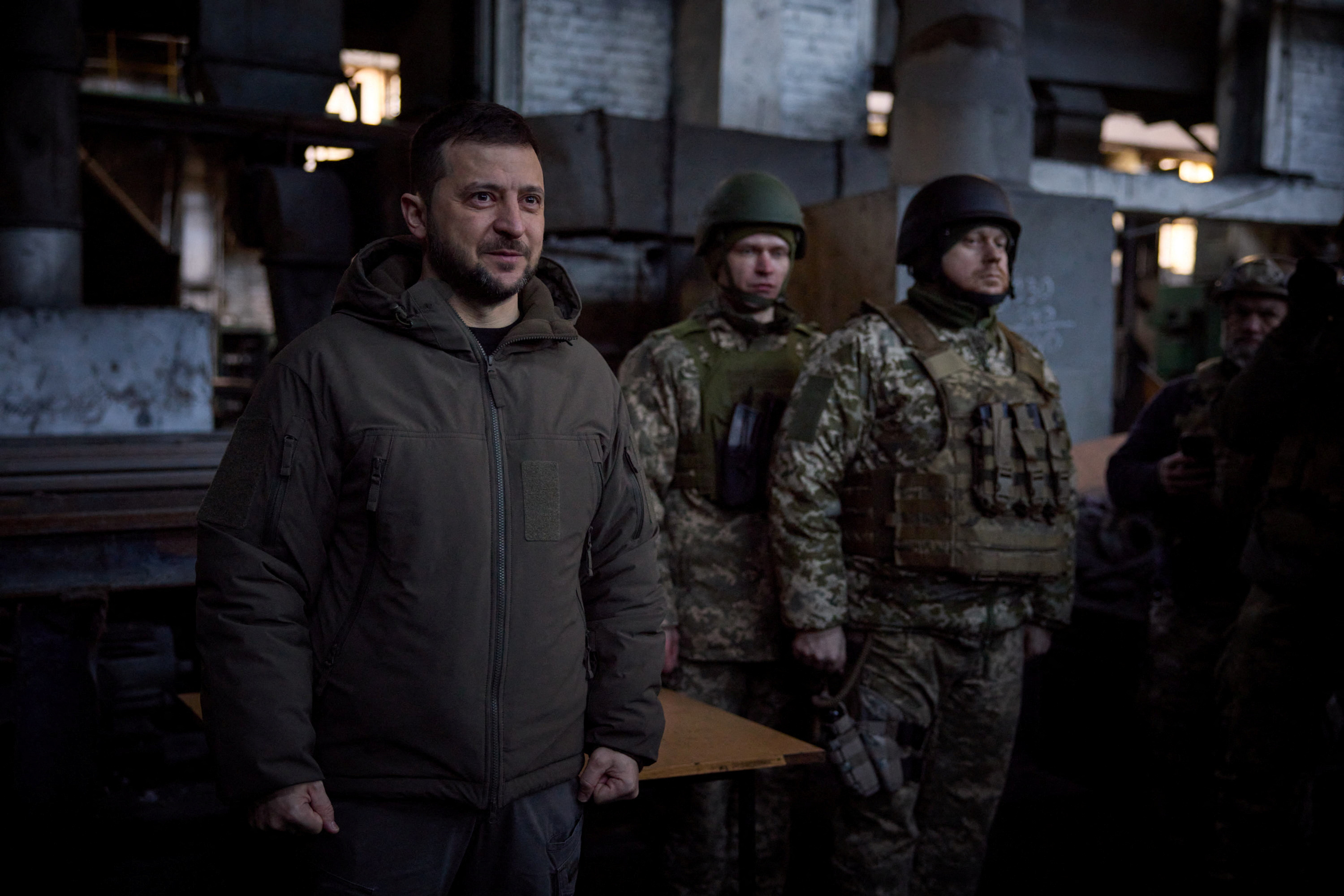
Ukraine’s President Volodymyr Zelenskiy visits Ukrainian service members at their position in the frontline town of Bakhmut, amid Russia’s attack on Ukraine, in Donetsk region, Ukraine December 20, 2022. Ukrainian Presidential Press Service/Handout via REUTERS
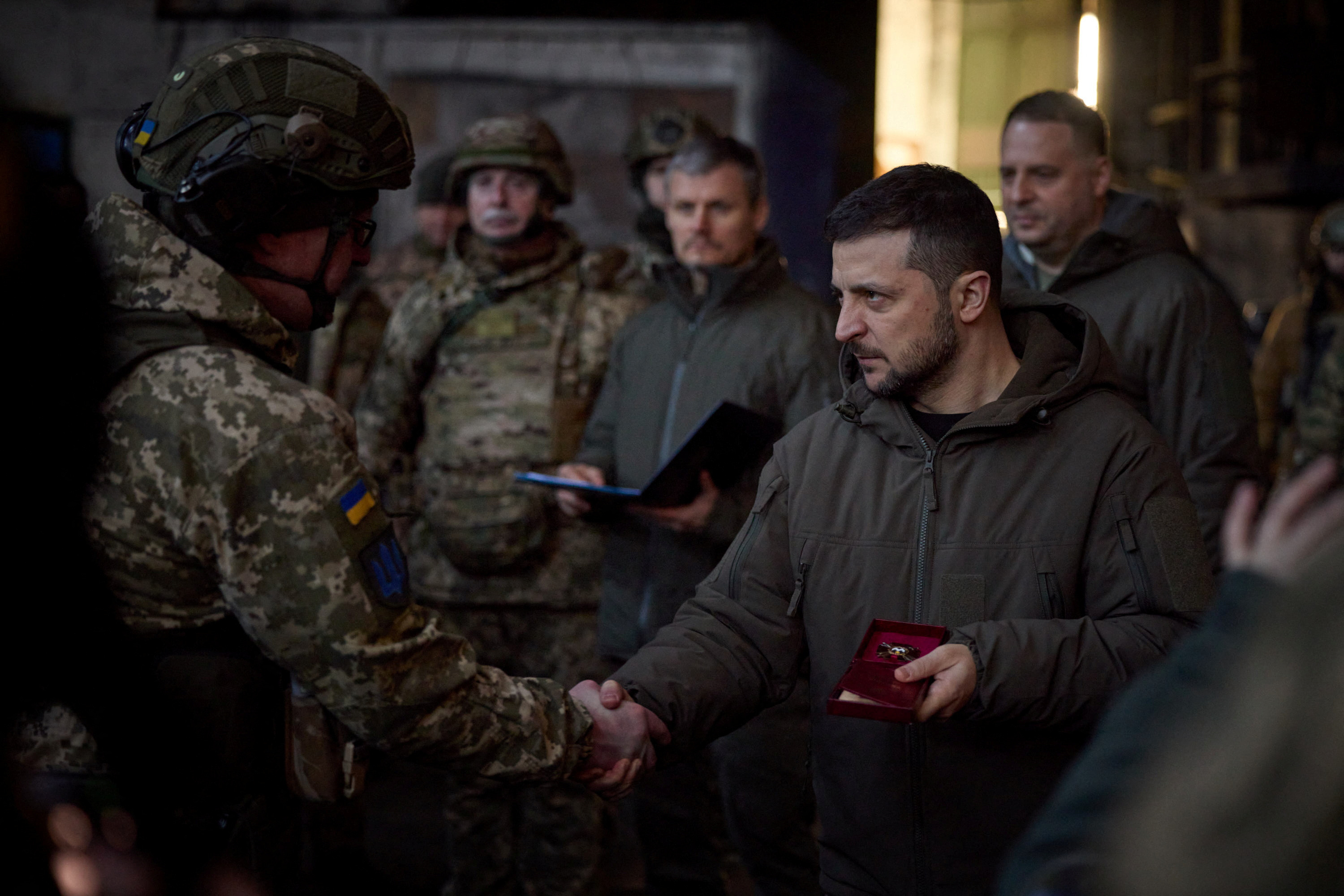
Ukraine’s President Volodymyr Zelenskiy awards a Ukrainian service member at a position in the frontline town of Bakhmut, amid Russia’s attack on Ukraine, in Donetsk region, Ukraine December 20, 2022. Ukrainian Presidential Press Service/Handout via REUTERS
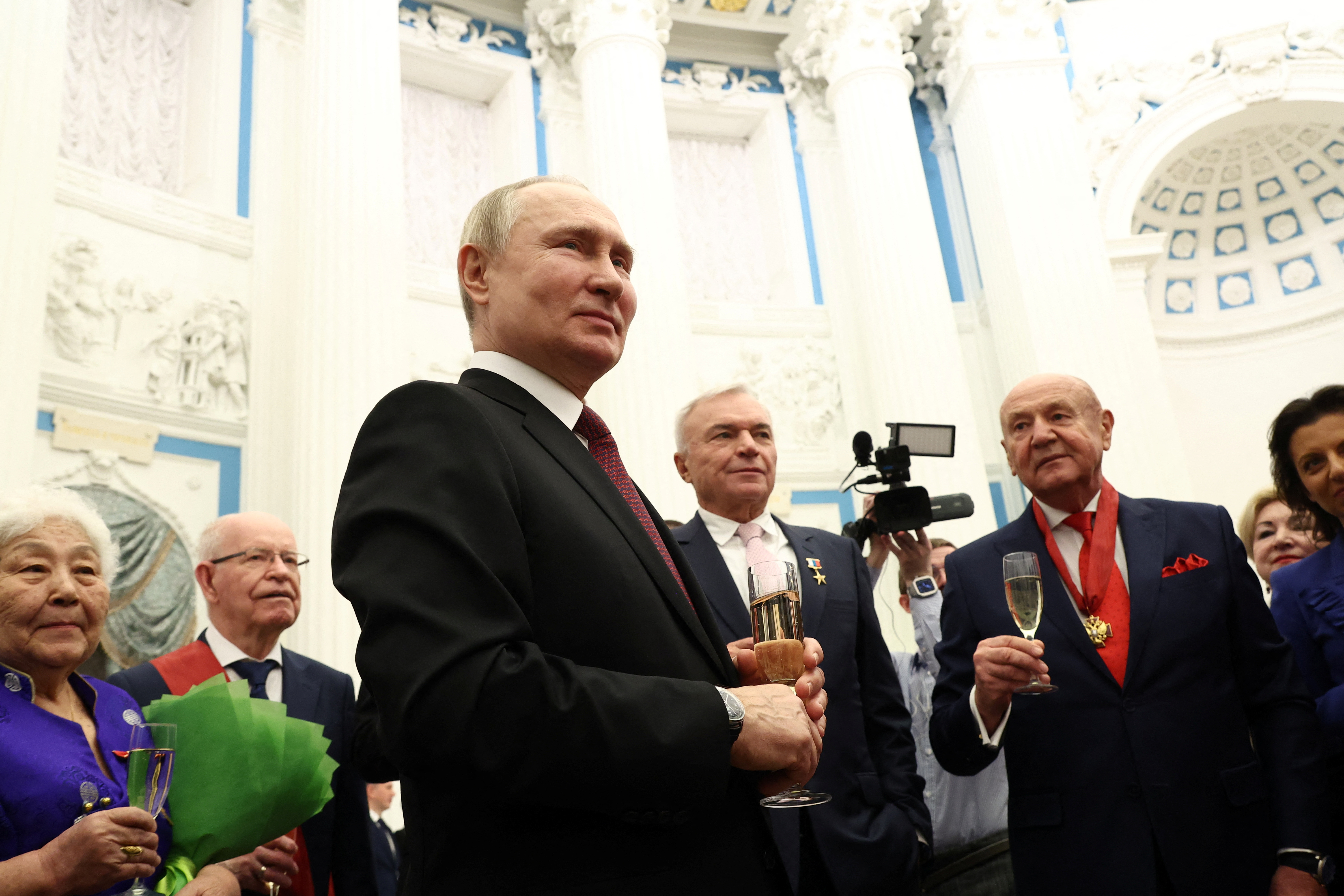
Russian President Vladimir Putin toasts with honorees of Russian state awards after a ceremony at the Kremlin in Moscow, Russia December 20, 2022. Sputnik/Valery Sharifulin/Pool via REUTERS
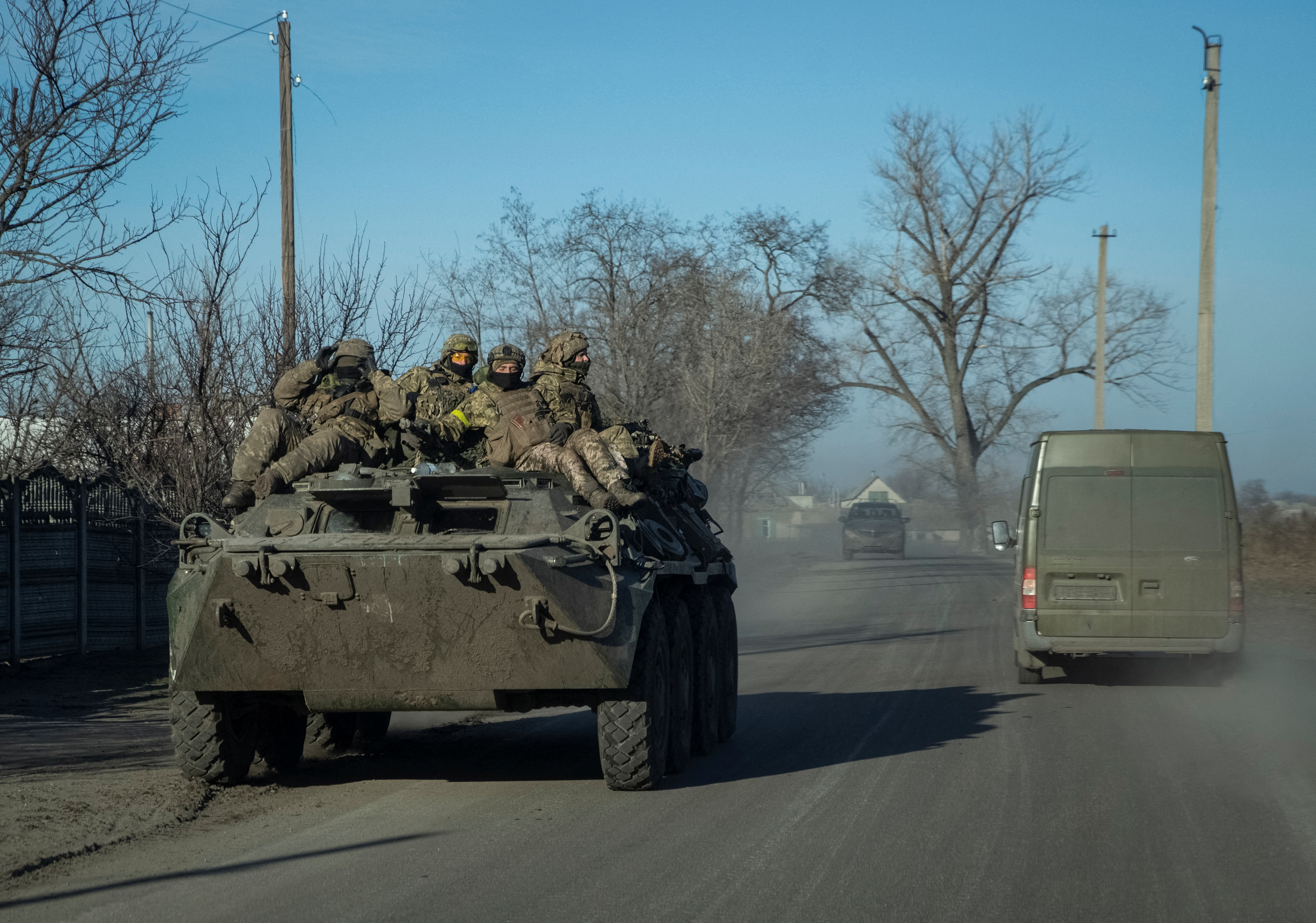
Ukrainian servicemen ride an Armoured Personnel Carrier (APC), as Russia’s attack on Ukraine continues, in Lyman, Donetsk region, Ukraine December 20, 2022. REUTERS/Oleksandr Ratushniak
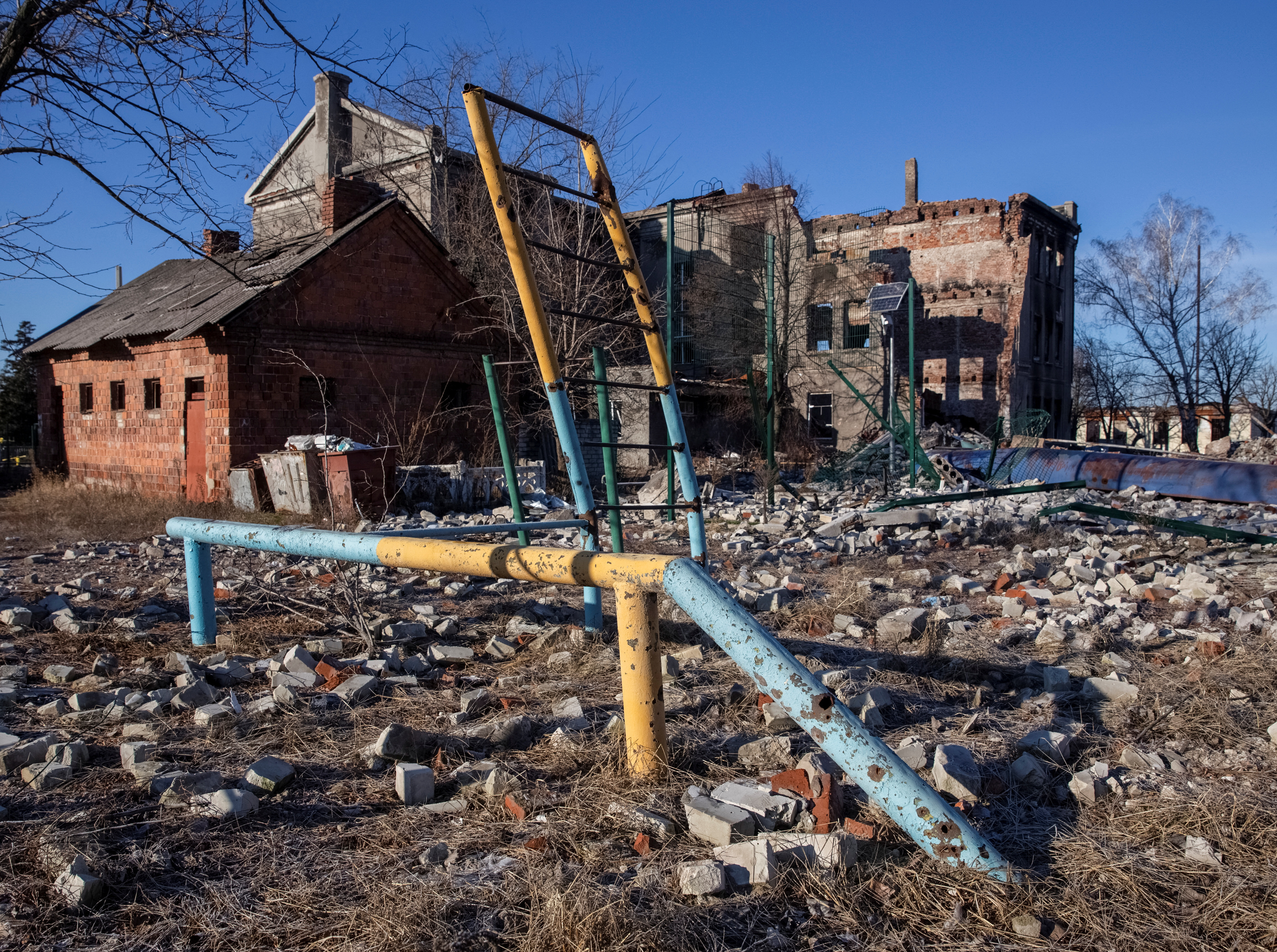
Destroyed a playground and a school are seen, as Russia’s attack on Ukraine continues, in Lyman, Donetsk region, Ukraine December 20, 2022. REUTERS/Oleksandr Ratushniak
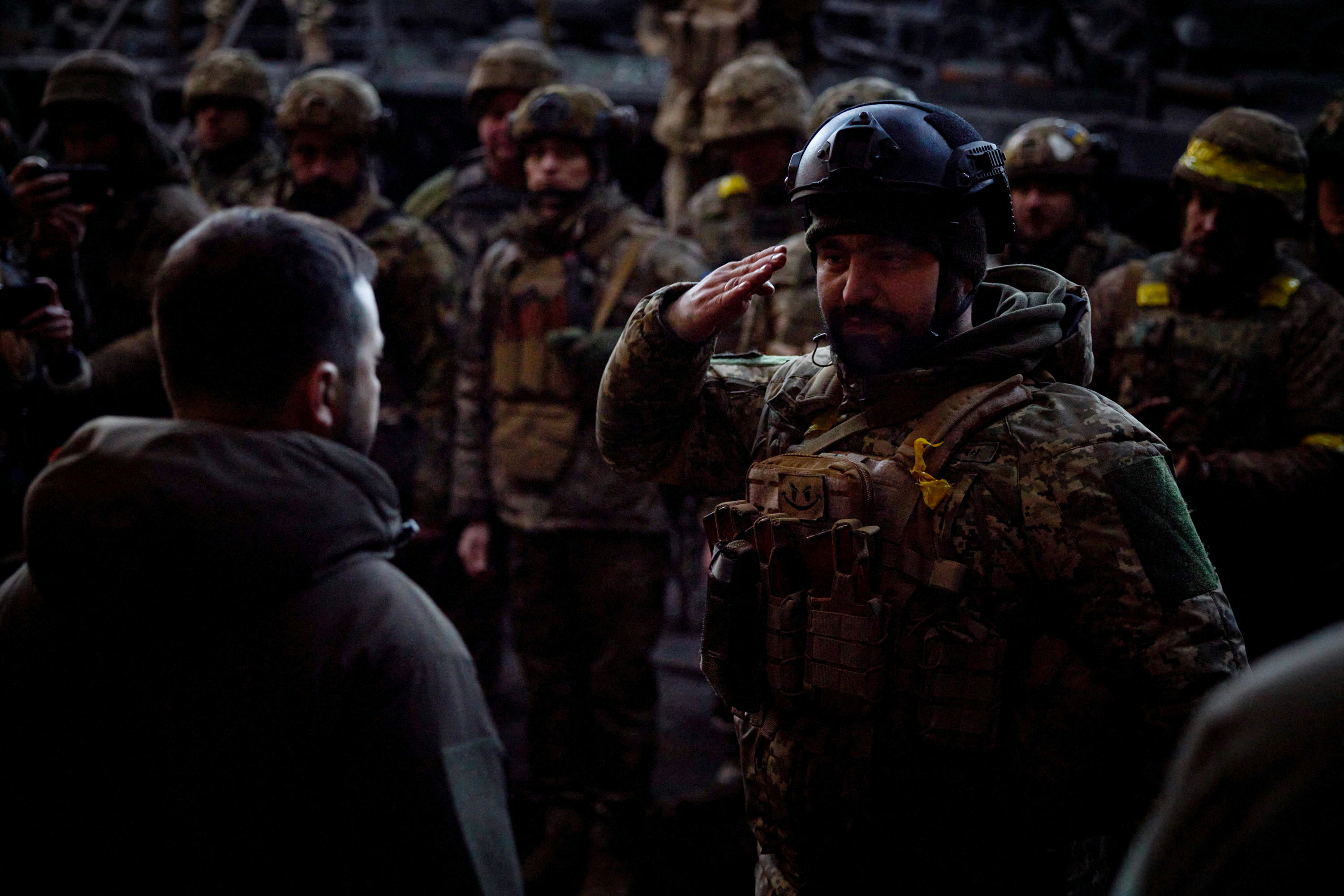
Ukraine’s President Volodymyr Zelenskiy visits Ukrainian service members at their position in the frontline town of Bakhmut, amid Russia’s attack on Ukraine, in Donetsk region, Ukraine December 20, 2022. Ukrainian Presidential Press Service/Handout via REUTERS
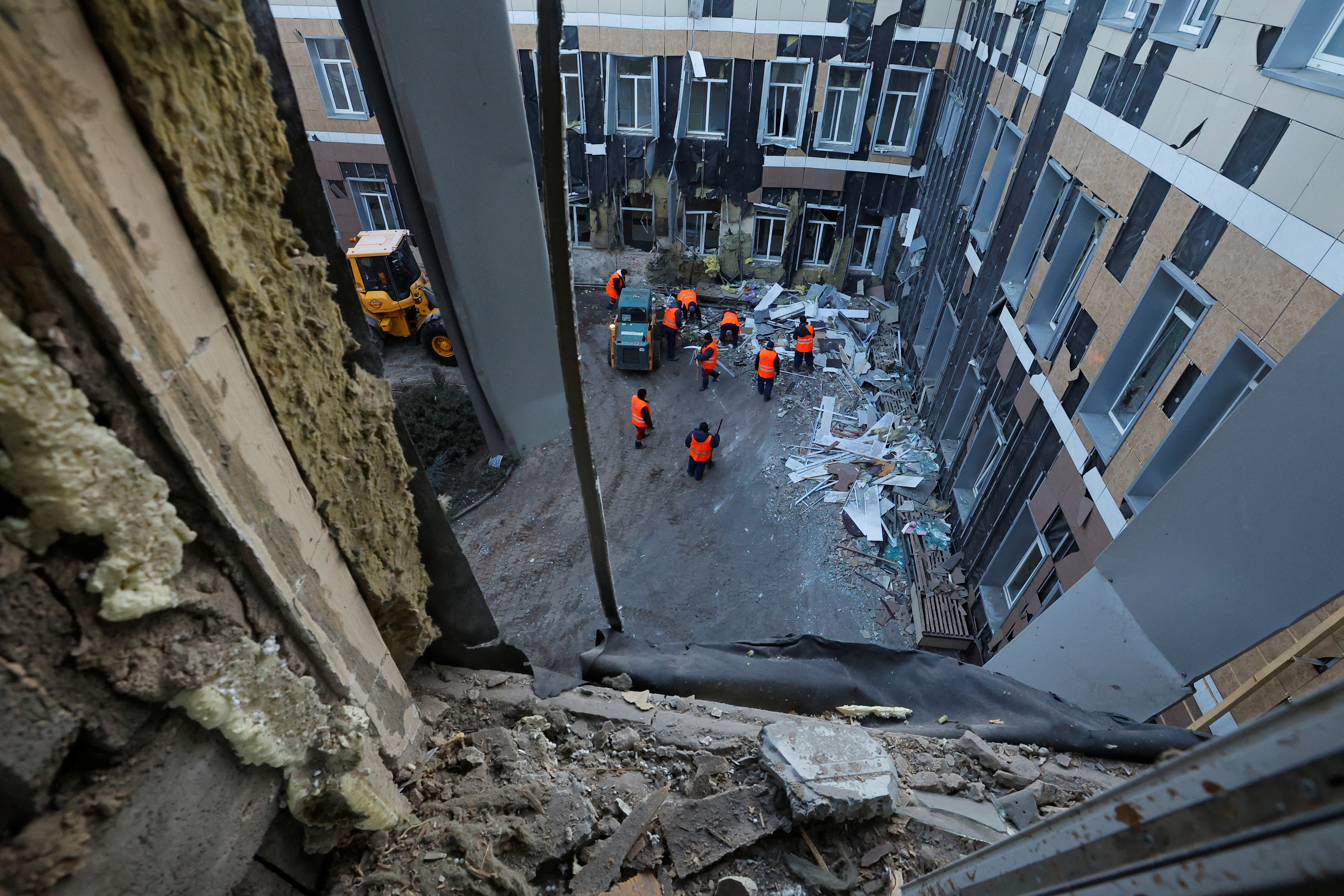
Workers remove debris outside a hospital damaged by recent shelling in the course of Russia-Ukraine conflict in Donetsk, Russian-controlled Ukraine, December 20, 2022. REUTERS/Alexander Ermochenko
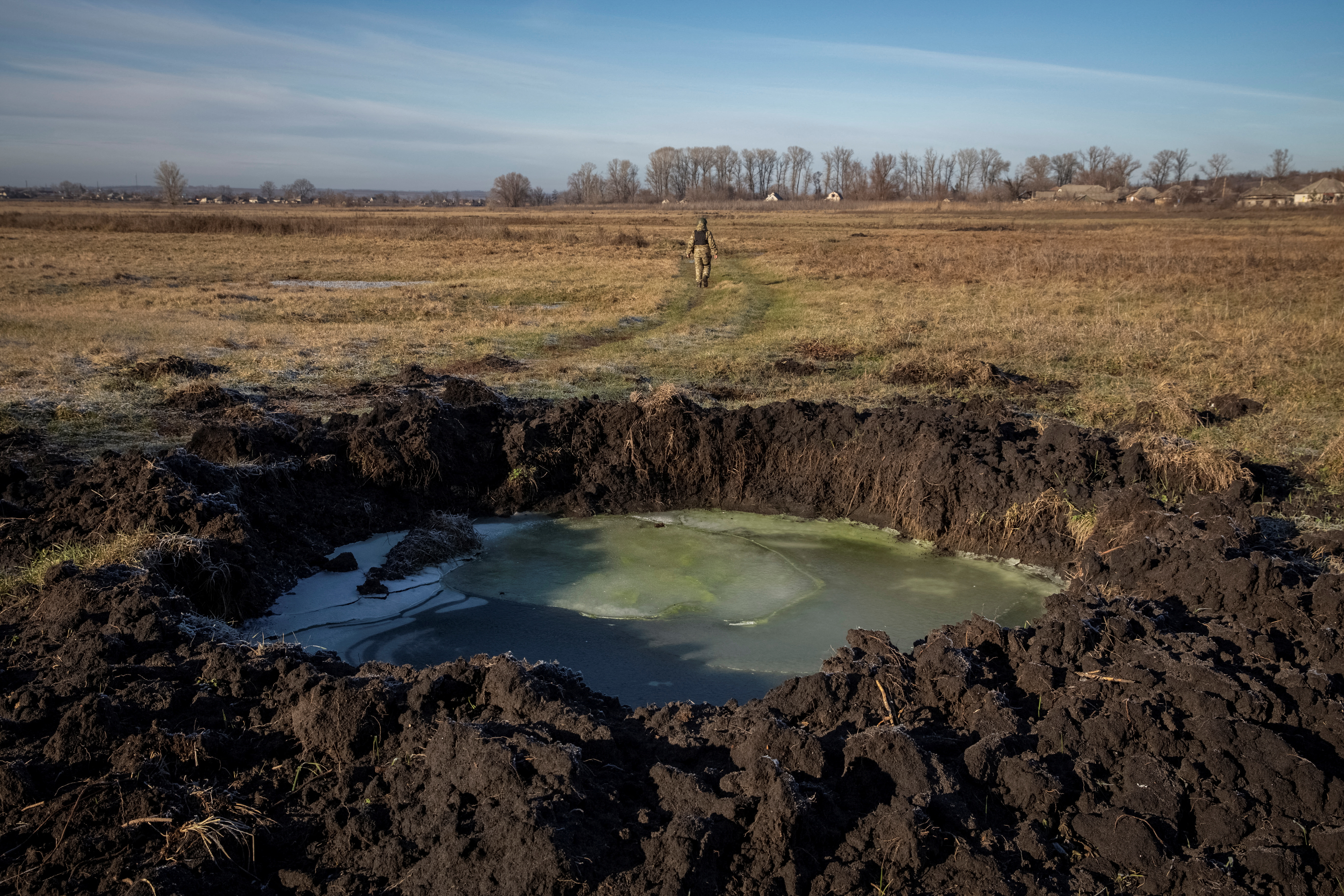
A general view of the crater left by a Russian military strike, as Russia’s attack in Ukraine continues, in the village of Torske, Donetsk region, Ukraine December 20, 2022. REUTERS/Oleksandr Ratushniak
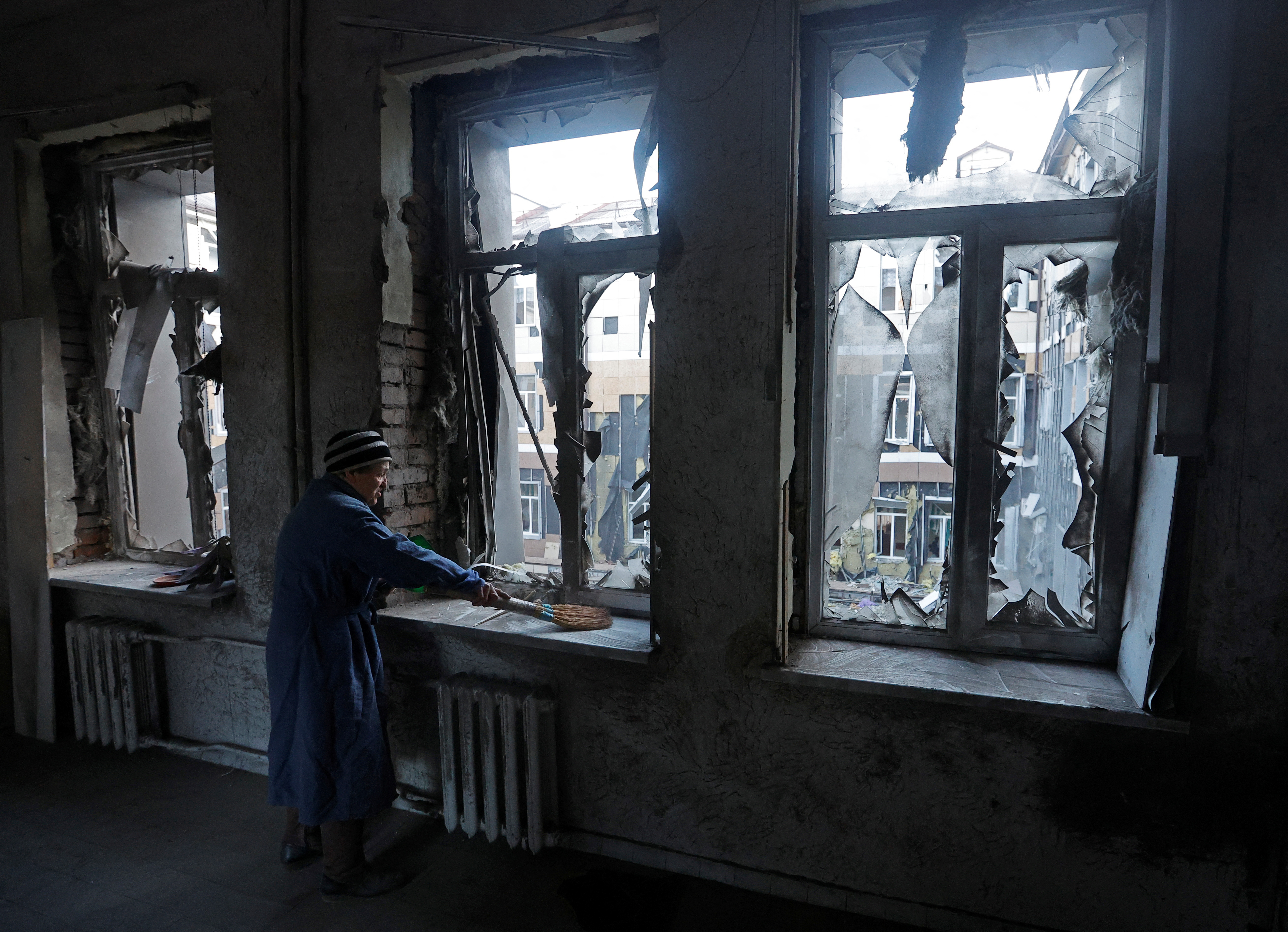
A woman removes broken glass inside a hospital damaged by recent shelling in the course of Russia-Ukraine conflict in Donetsk, Russian-controlled Ukraine, December 20, 2022. REUTERS/Alexander Ermochenko
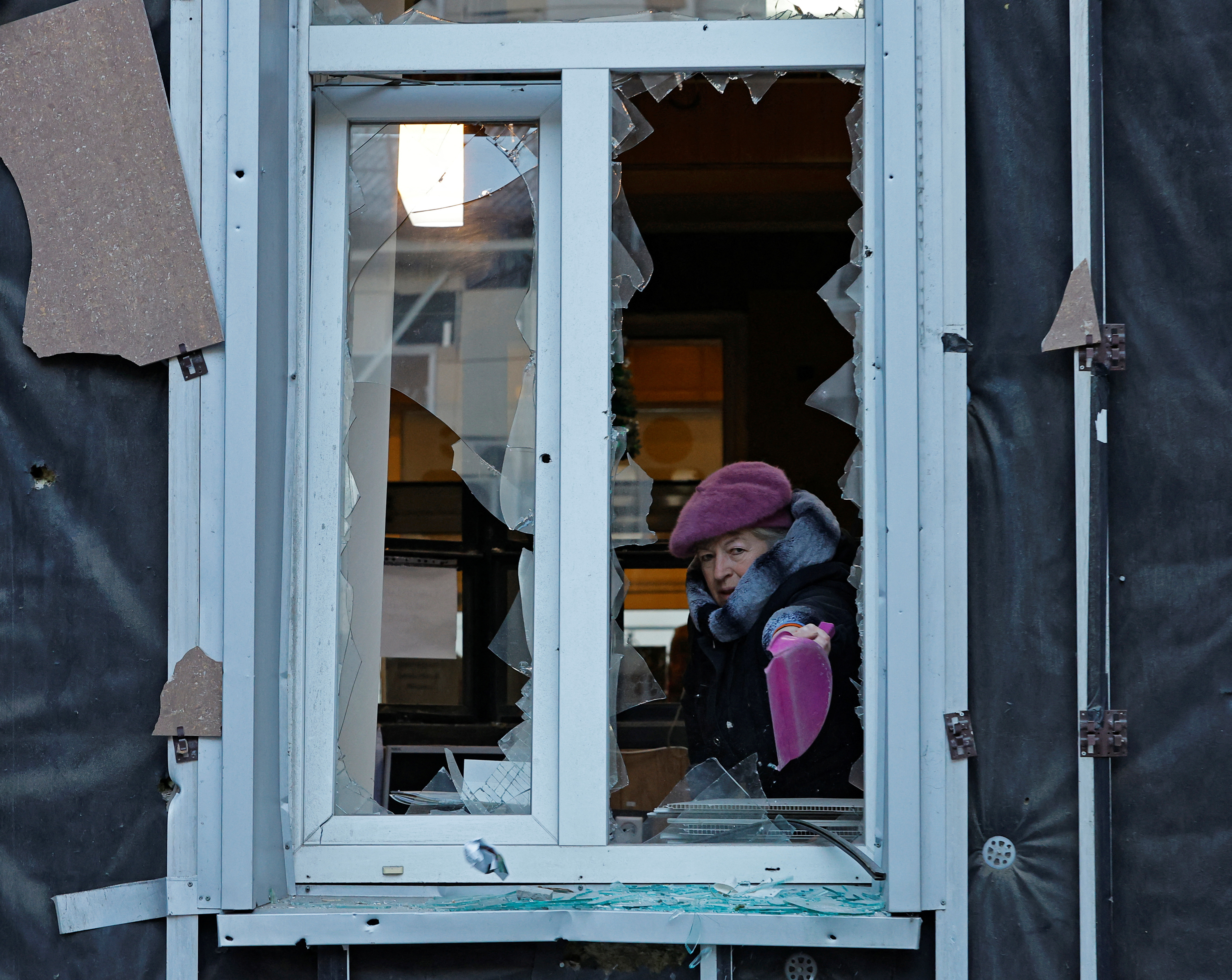
A woman removes broken glass inside a hospital damaged by recent shelling in the course of Russia-Ukraine conflict in Donetsk, Russian-controlled Ukraine, December 20, 2022. REUTERS/Alexander Ermochenko
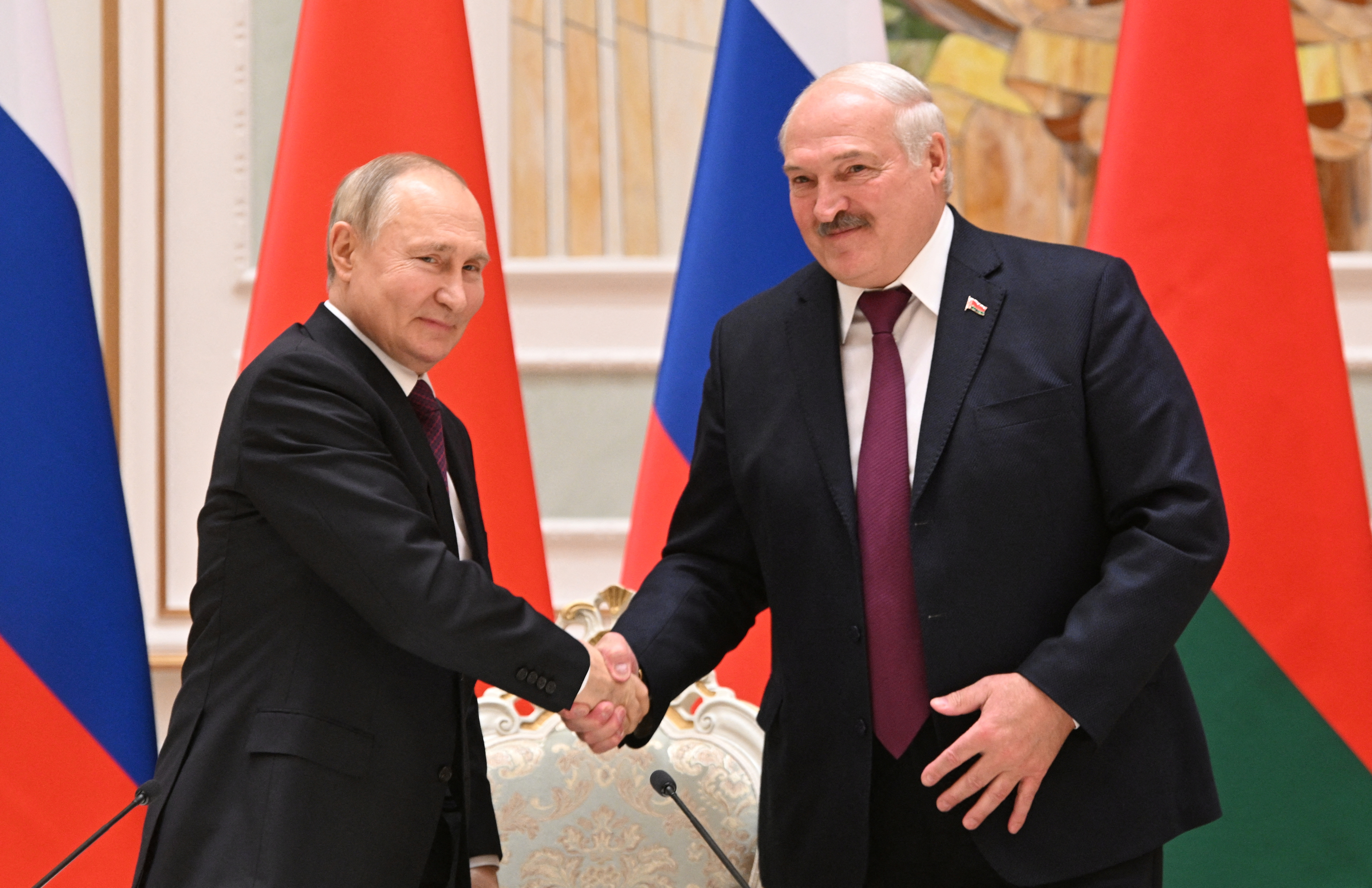
Russian President Vladimir Putin shakes hands with Belarusian President Alexander Lukashenko during a news conference following their meeting in Minsk, Belarus December 19, 2022. Sputnik/Pavel Bednyakov/Kremlin via REUTERS
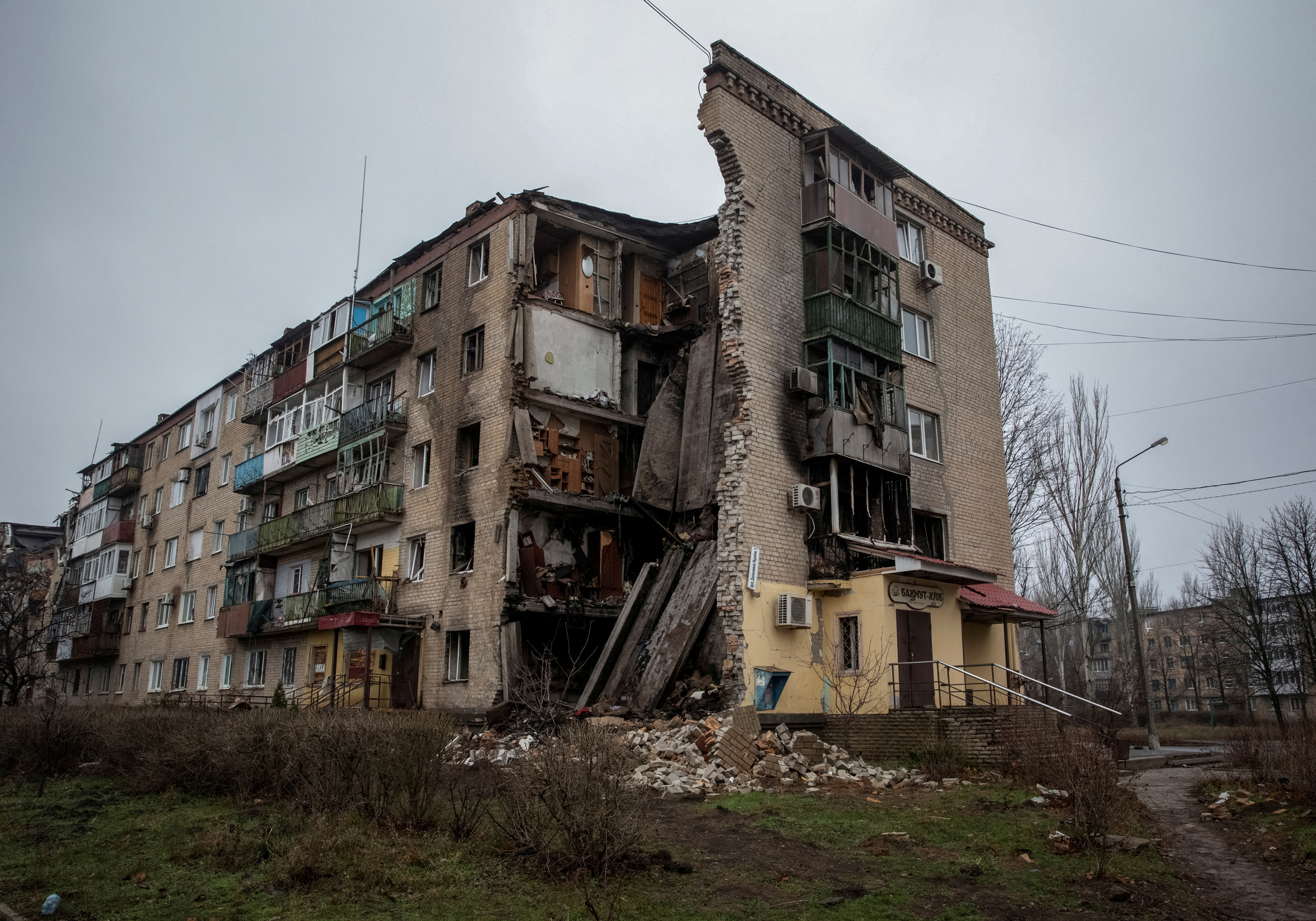
A view shows a residential building damaged by a Russian military strike, amid Russia’s attack on Ukraine, in Bakhmut, Ukraine December 18, 2022. REUTERS/Oleksandr Ratushniak
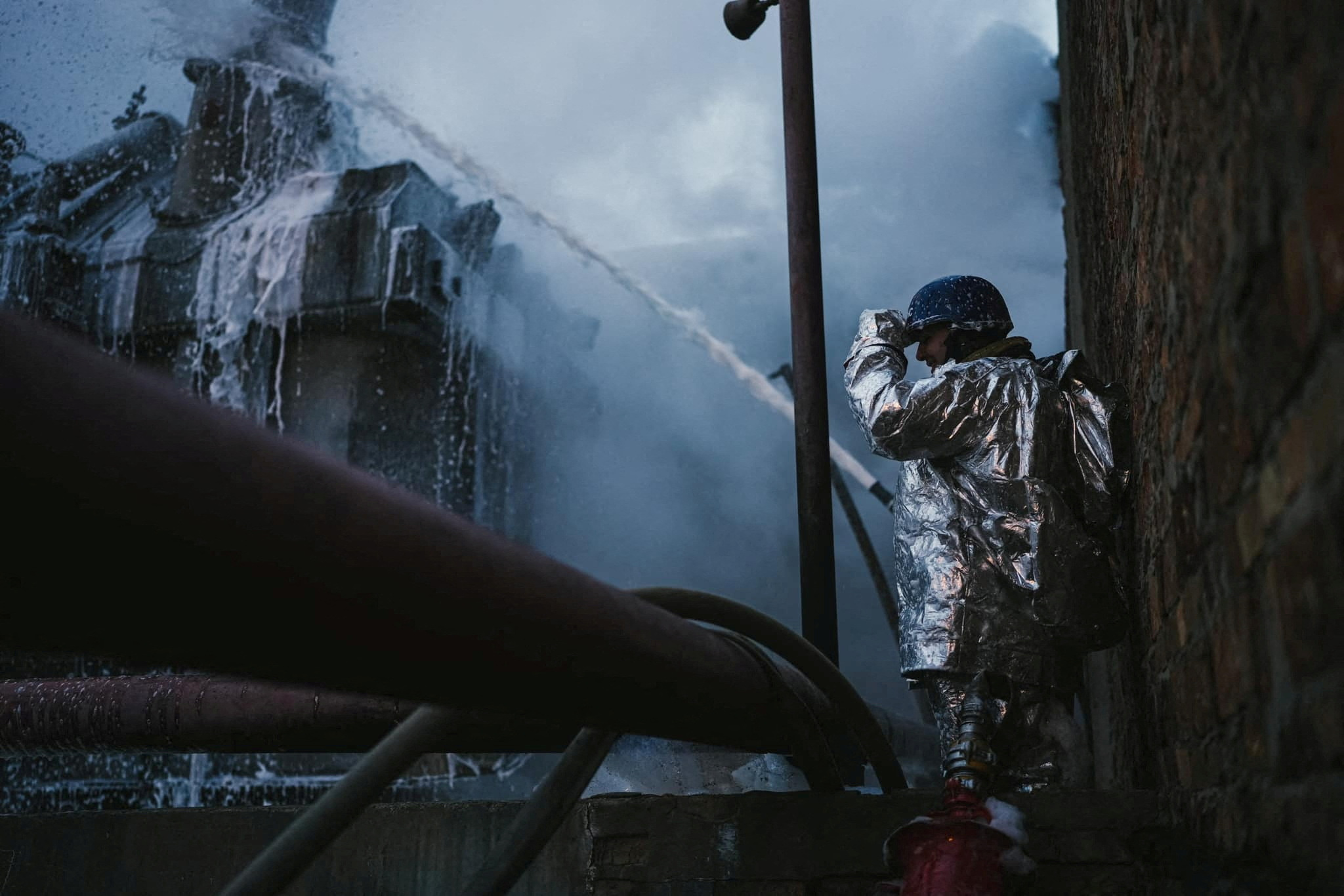
A firefighter works at a site of a critical power infrastructure object, which was hit during Russia’s drones attacks in Kyiv, Ukraine, in this handout picture released December 19, 2022. Press service of the State Emergency Service of Ukraine/Handout via REUTERS
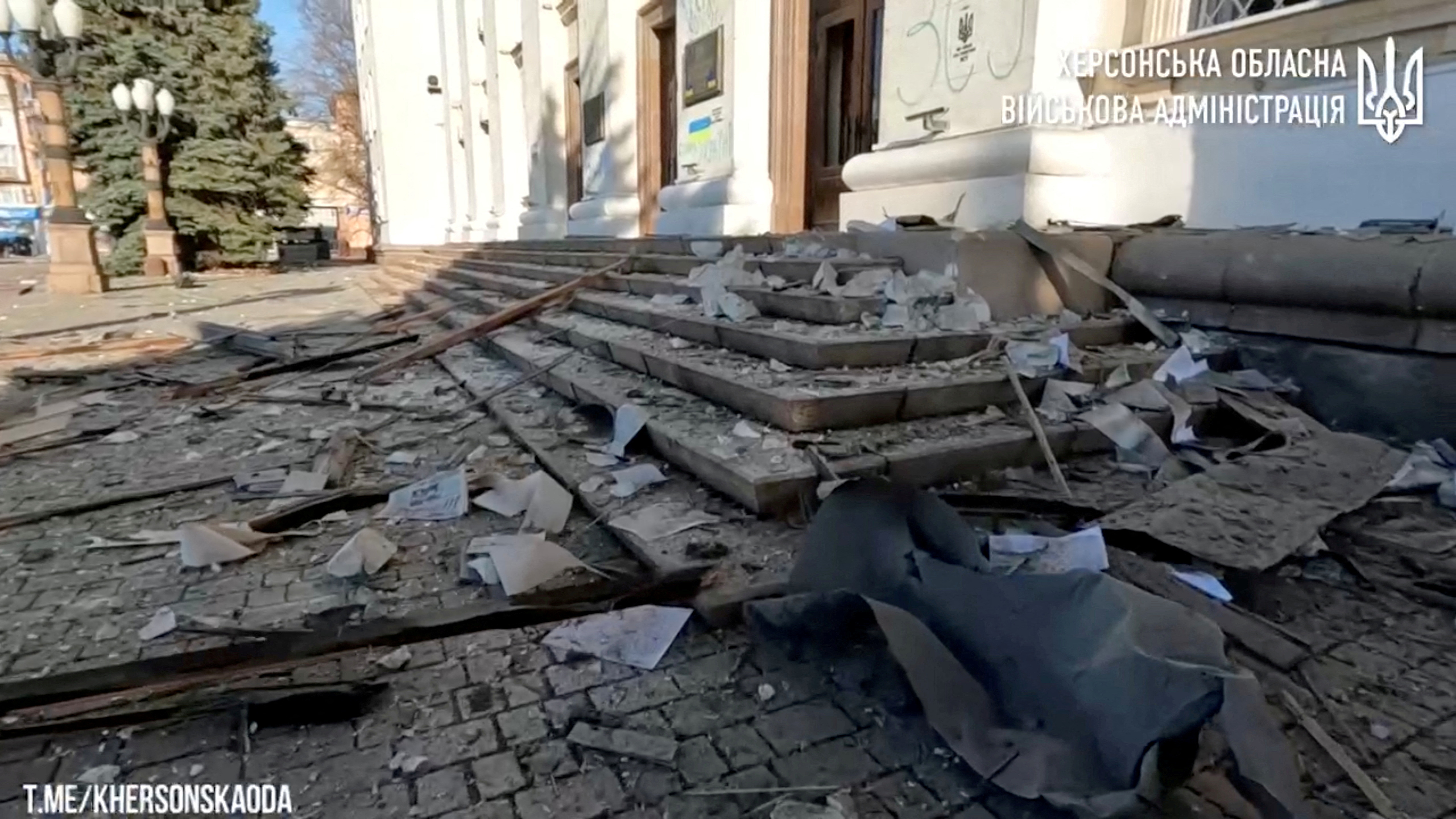
View of the damage at Svobody Square after the landmark Kherson Regional State Administration building was reportedly hit by rocket fire by Russia amid their ongoing invasion in Kherson, Ukraine in this still image from video released December 14, 2022. Ukrainian forces recaptured the city from Russia in November. Kherson Regional State Administration/Handout via REUTERS
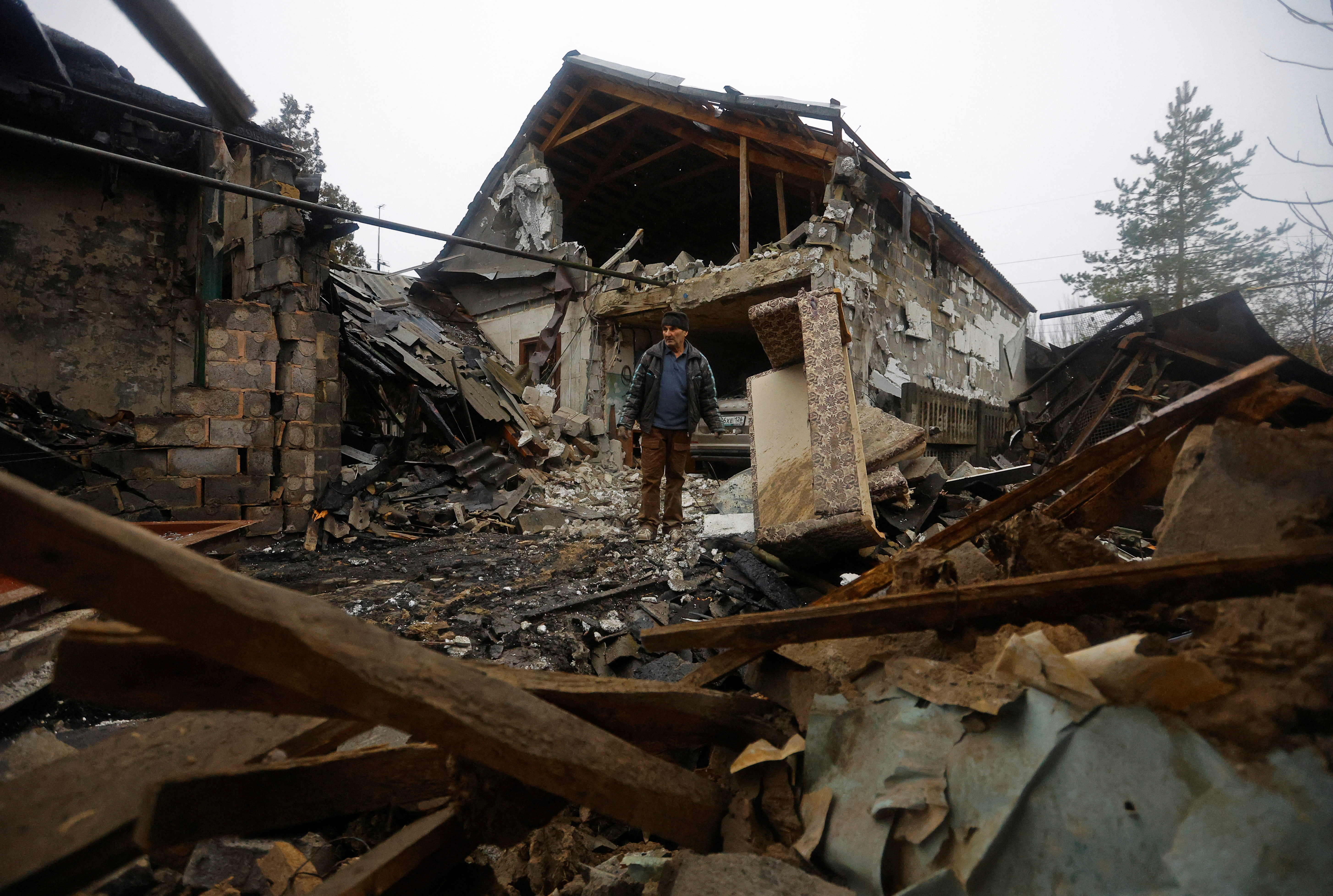
Local resident Amiram stands next to his friend’s house destroyed by recent shelling in the course of Russia-Ukraine conflict in Donetsk, Russian-controlled Ukraine, December 17, 2022. REUTERS/Alexander Ermochenko
2022-12-01T14:49:31Z
Fears that the Ukraine war could spill over its borders and escalate into a broader conflict eased on Wednesday, as NATO and Poland said it seemed likely a missile that struck a Polish village was a stray from Ukraine. Kyiv, which has blamed Russia, demanded access to the site. Lucy Fielder has more.
Ukraine’s military said Russia had pulled some troops from towns on the opposite bank of the Dnipro River from Kherson city, the first official Ukrainian report of a Russian withdrawal on what is now the main front line in the south..
* Spain has stepped up security at public and diplomatic buildings after a spate of letter bombs, including one sent to Prime Minister Pedro Sanchez and another to the Ukrainian embassy in Madrid, where an official suffered minor injuries.
* Air raid alerts were issued across all of Ukraine following warnings by Ukrainian officials that Russia was preparing a new wave of missile and drone strikes. “An overall air raid alert is in place in Ukraine. Go to shelters,” country’s border service wrote on Telegram messaging app.
* Ukraine’s military said it had found fragments of Russian-fired nuclear-capable missiles with dud warheads in west Ukraine, and that their apparent purpose was to distract air defences.
* The recently liberated Ukrainian city of Kherson has lost its power supply after heavy shelling by Russian forces, the regional governor said.
* European Union governments tentatively agreed on a $60 a barrel price cap on Russian seaborne oil, with an adjustment mechanism to keep the cap at 5% below the market price, an EU diplomat said.
* Russian Foreign Minister Sergei Lavrov said on that big problems had accumulated in the Organization for Security and Cooperation in Europe (OSCE), accusing the West of spurning the chance to make it a real bridge with Russia after the Cold War.
* Lavrov said that discussions with Washington about potential prisoner exchanges were being conducted by the two countries’ intelligence services, and that he hoped they would be successful.
* The European Union needs patience as it sanctions Russia for its invasion of Ukraine, as most measures will only have an impact in the medium and long term, Lithuania’s prime minister said in an interview at the Reuters NEXT conference.
* Switzerland has frozen financial assets worth 7.5 billion Swiss francs ($7.94 billion) as of Nov. 25 under sanctions against Russians to punish Moscow for its invasion of Ukraine, the State Secretariat for Economic Affairs (SECO) said.
* Russia said the German parliament’s move to recognise the 1932-33 famine in Ukraine as a Soviet-imposed genocide was an anti-Russian provocation and an attempt by Germany to whitewash its Nazi past.
* Ukraine sacked a top engineer at the Russian-occupied Zaporizhzhia nuclear power plant, accusing him of collaborating with Russian forces, and urged other Ukrainian staff at the plant to remain loyal to Kyiv.
* Russia must withdraw its heavy weapons and military personnel from the Zaporizhzhia plant if the U.N. atomic watchdog’s efforts to create a protection zone are to succeed, Ukrainian Foreign Minister Dmytro Kuleba said.
* In a grim sign of the energy crisis caused by Russian attacks on Ukraine’s electricity grid, nine people have been killed in fires over the past 24 hours as Ukrainians resorted to emergency generators, candles and gas cylinders in violation of safety rules to try to heat their homes after power outages.
* “Remember one thing – the Russians are afraid. And they are very cold and no one will help them, because they do not have popular support,” – Andriy Yermak, chief of Ukrainian presidential staff.
Related Galleries:
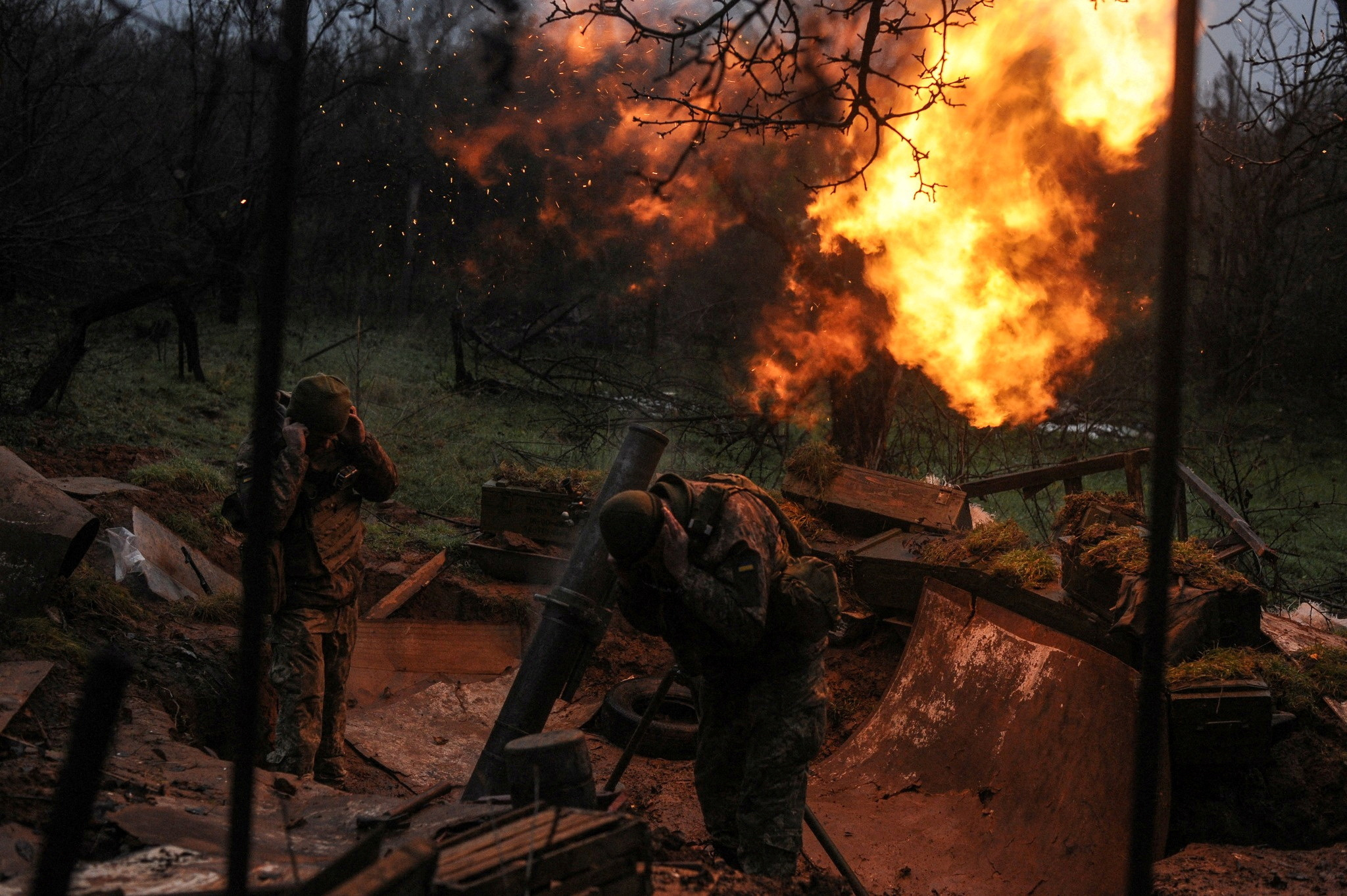
Ukrainian servicemen fire a mortar on a front line, as Russia’s attack on Ukraine continues, in Donetsk region, Ukraine, in this handout image released November 20, 2022. Iryna Rybakova/Press Service of the 93rd Independent Kholodnyi Yar Mechanized Brigade of the Ukrainian Armed Forces/Handout via REUTERS
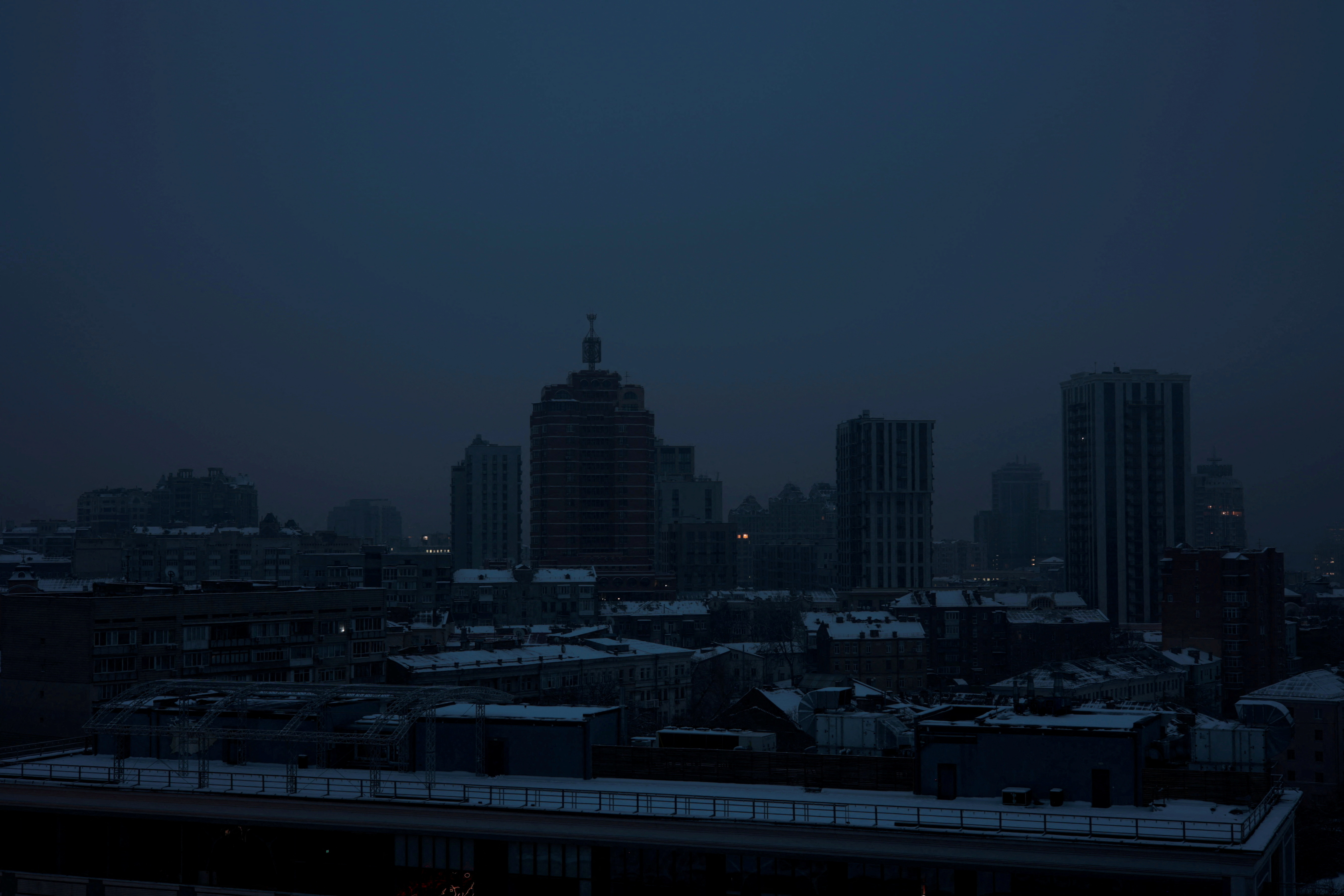
A view shows the city without electricity after critical civil infrastructure was hit by Russian missile attacks, amid Russia’s invasion of Ukraine, in Kyiv, Ukraine November 23, 2022. REUTERS/Vladyslav Sodel/File Photo
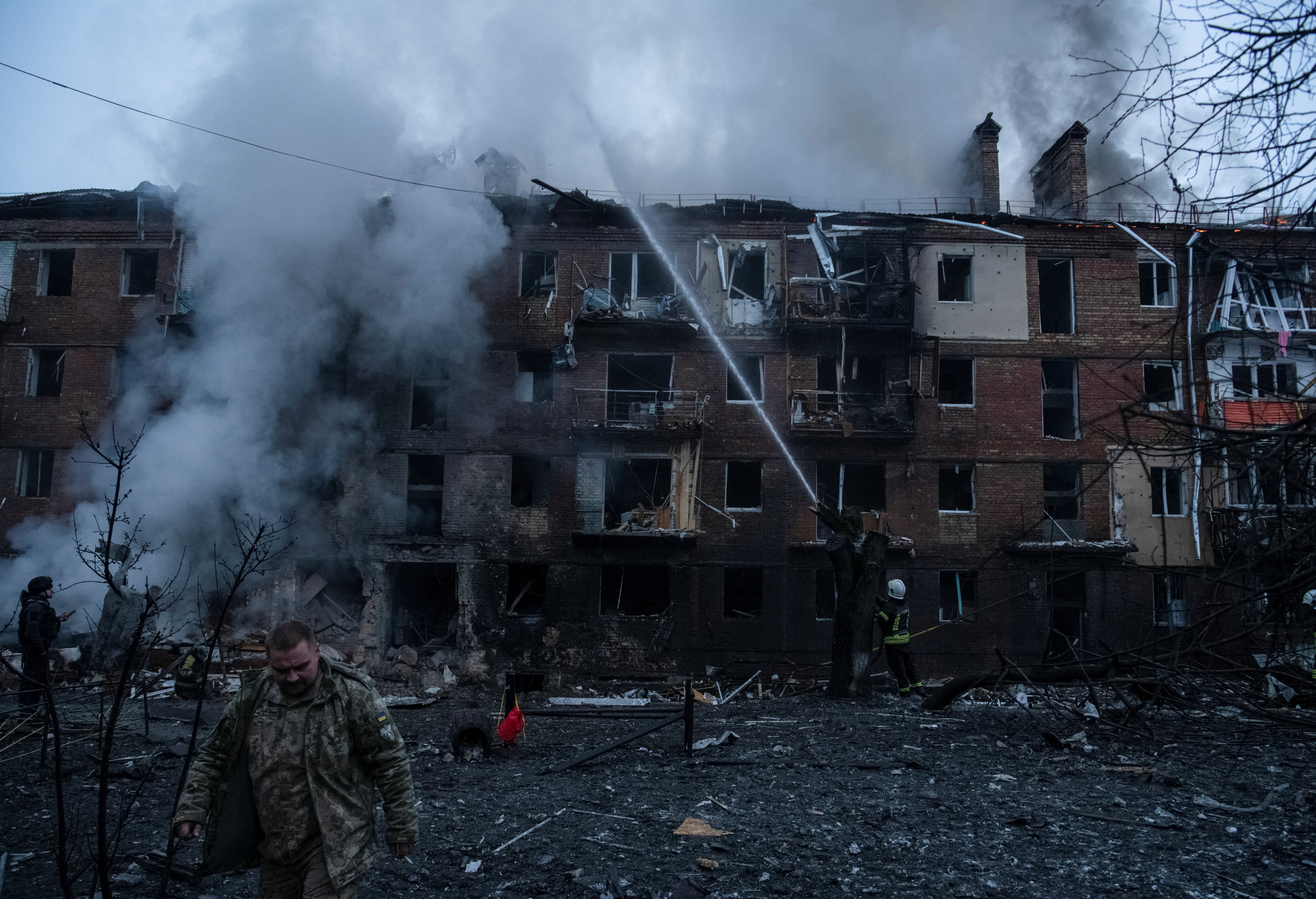
Rescuers work at a site of a residential building destroyed by a Russian missile attack, as Russia’s attack on Ukraine continues, in the town of Vyshhorod, near Kyiv, Ukraine, November 23, 2022. REUTERS/Vladyslav Musiienko
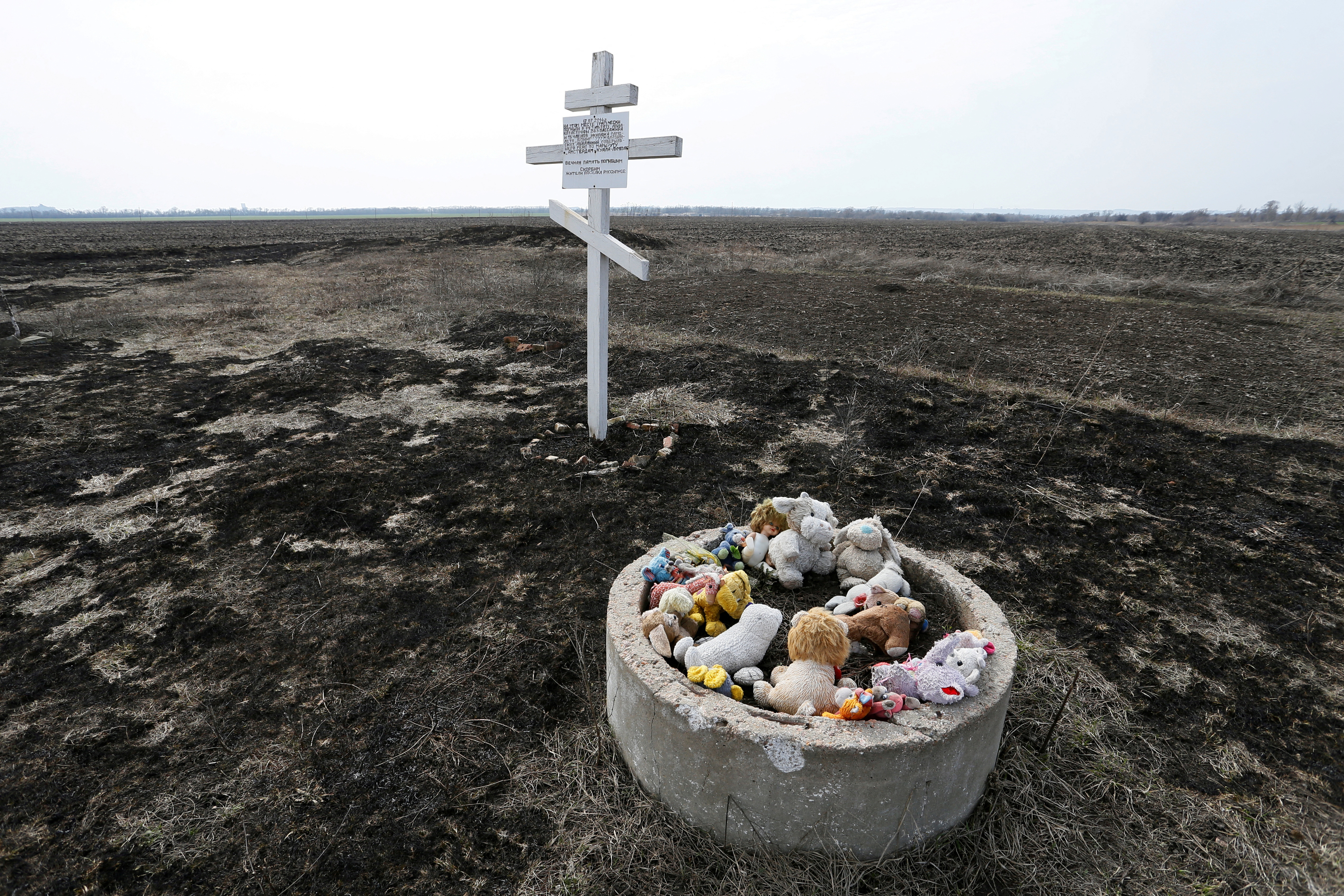
Toys are placed near the cross in memory of victims of Malaysia Airlines Flight MH17 plane crash in the village of Rozsypne in Donetsk region, Ukraine March 9, 2020. REUTERS/Alexander Ermochenko
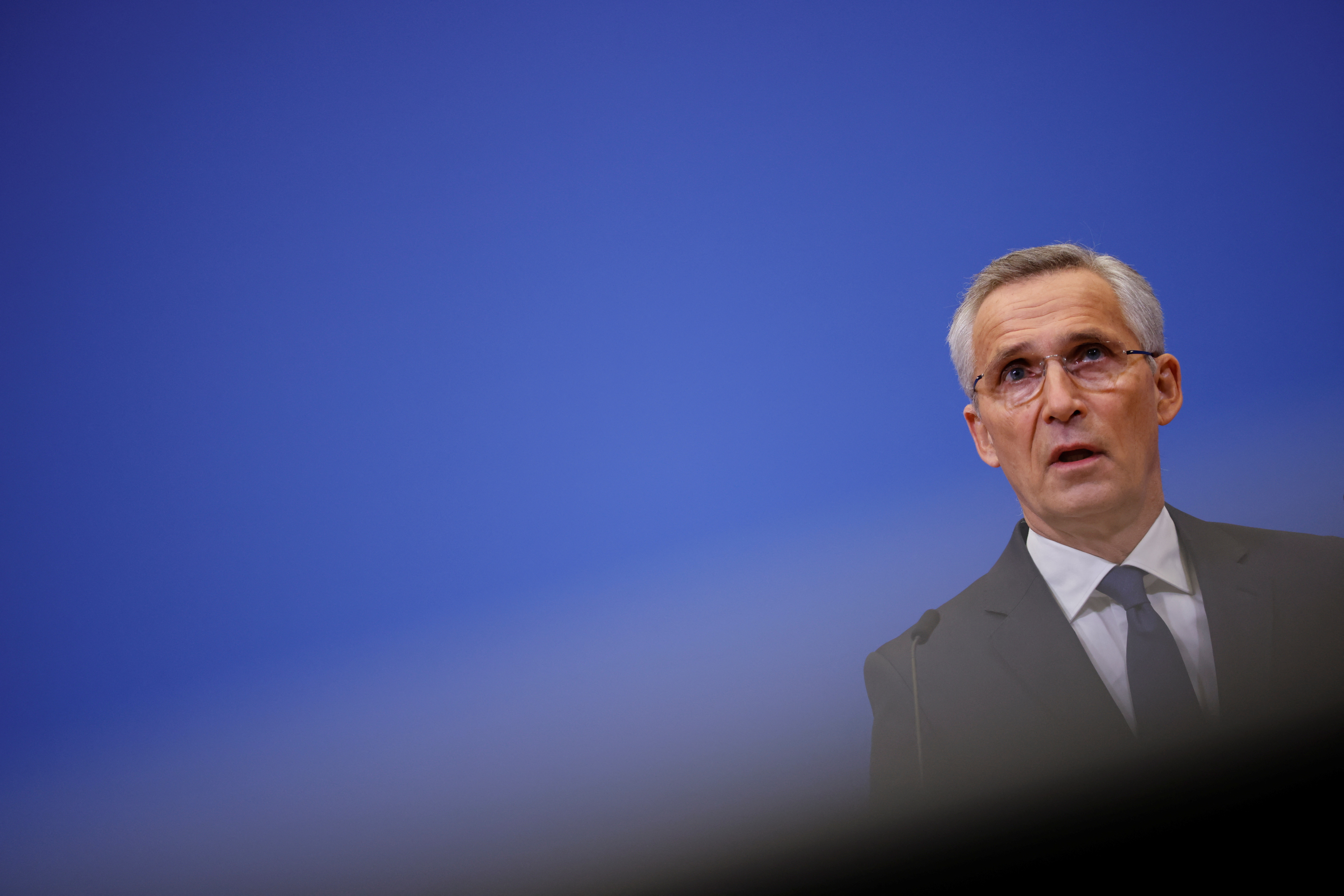
NATO Secretary General Jens Stoltenberg speaks during a news conference at the Alliance’s headquarters in Brussels, Belgium November 25, 2022. REUTERS/Johanna Geron
Charles Sykes/Invision/AP, File
- Elon Musk said Tuesday that Tesla is headed for its worst year ever because rising interest rates have made cash more attractive than stocks.
- Tesla shares have plummeted 38% since Musk finalized his Twitter takeover on October 27.
- The tech-heavy Nasdaq index has fallen 2% over the same period.
Elon Musk has fired back at claims that he’s to blame for Tesla‘s share price cratering this year – saying that rising interest rates have fueled a broader market sell-off by making cash more attractive than stocks.
“In simple terms: as bank savings account interest rates, which are guaranteed, start to approach stock market returns, which are not guaranteed, people will increasingly move their money out of stocks into cash, thus causing stocks to drop,” the world’s second-richest man tweeted Tuesday.
The Federal Reserve has raised interest rates from near-zero to around 4.5% this year in a bid to tame inflation, which is running close to forty-year highs.
That means that cash held in savings accounts now offers higher yields to investors, who may already be cautious about snapping up stocks in a year when the benchmark S&P 500 index has plummeted nearly 20%.
Rising interest rates also weigh on growth stocks like Tesla because borrowing becomes more expensive, chipping away at the company’s future cash flows.
Musk has repeatedly blamed the Fed for Tesla’s poor performance in 2022, when shares have cratered 61% – putting the EV manufacturer on course for its worst year ever.
“We don’t control the Federal Reserve,” he said Monday. “That is the real problem here.”
But shareholders are worried that Twitter, which Musk acquired for $44 billion on October 27, has become a costly distraction for the Tesla and SpaceX chief.
Tesla shares have plummeted 38% since Musk finalized his takeover of the social-media company – with the tech-heavy Nasdaq index down just 2% over the same period.
Musk was responding to longtime Tesla bull Ross Gerber, who tweeted earlier on Tuesday that the company’s current share price “reflects the value of having no CEO“.
Read the original article on Business Insider
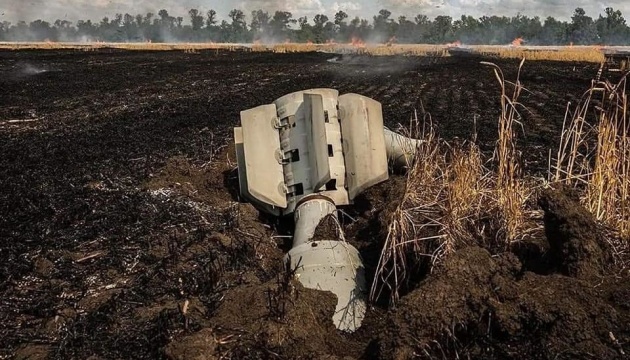
On December 20, 2022, 5 civilians ended up killed and 17 wounded in Russian assaults on the territory of Ukraine.
The appropriate statement was designed by Deputy Head of the Workplace of the President of Ukraine Kyrylo Tymoshenko on Telegram, an Ukrinform correspondent experiences.
According to the information from regional navy administrations, four civilians have been killed (two bodies discovered of all those killed before) and 8 injured in the Donetsk region, two injured in the Zaporizhzhia area, just one hurt in the Kharkiv location, one killed and six injured in the Kherson location.
A reminder that, on December 20, 2022, Russian troops opened fireplace on the Kherson location 71 moments. 1 civilian was killed and six hurt.
mk
The post Five killed, 17 injured in Russian attacks on Ukraine over past day appeared first on Ukraine Intelligence.
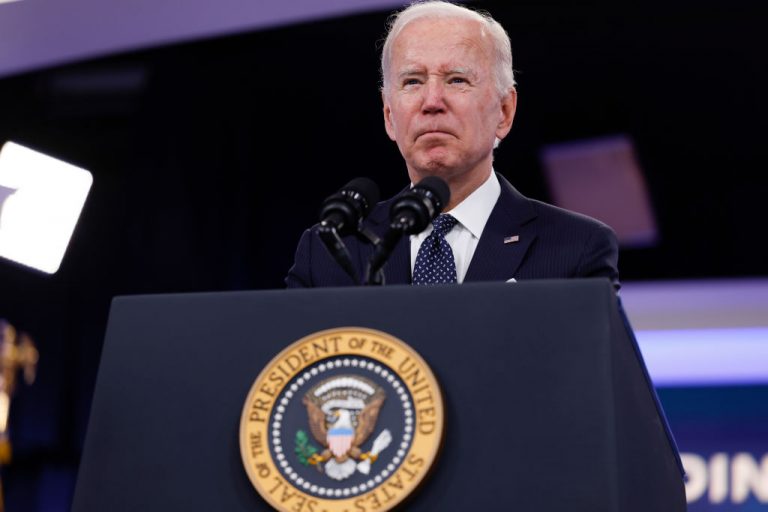
The Biden administration is set to dole out more than $550,000 in grants to develop an artificial intelligence model that can automatically detect and suppress microaggressions on social media, government spending records show.
The award, funded through President Joe Biden’s $1.9 trillion American Rescue Plan, was granted to researchers at the University of Washington in March to develop technologies that could be used to protect online users from discriminatory language. The researchers have already received $132,000 and expect total government funding to reach $550,436 over the next five years.
The researchers are developing machine-learning models that can analyze social media posts to detect implicit bias and microaggressions, commonly defined as slights that cause offense to members of marginalized groups. It’s a broad category, but past research conducted by the lead researcher on the University of Washington project suggests something as tame as praising meritocracy could be considered a microaggression.
The Biden administration’s funding of the research comes as the White House faces growing accusations that it seeks to suppress free speech online. Biden last month suggested there should be an investigation into Tesla CEO Elon Musk’s acquisition of Twitter after the billionaire declared the social media app would pursue a “free speech” agenda. Internal Twitter communications Musk released this month also revealed a prolonged relationship between the FBI and Twitter employees, with the agency playing a regular role in the platform’s content moderation.
Judicial Watch president Tom Fitton likened the Biden administration’s funding of the artificial intelligence research to the Chinese Communist Party’s efforts to “censor speech unapproved by the state.” For the Biden administration, Fitton said, the research is a “project to make it easier for their leftist allies to censor speech.”
A spokesman for the National Science Foundation, which issued the research grant, rebuffed criticism of the project, which he said “does not attempt to hamper free speech.” The project, the spokesman said, creates “automated ways of identifying biases in speech” and addresses the biases of human content moderators.
The research’s description doesn’t give examples of what comments would qualify as microaggressions—though it acknowledges they can be unconscious and unintentional. The project is led by computer science professor Yulia Tsvetkov, who has authored studies that suggest the artificial intelligence model might identify and suppress language many would consider inoffensive, such as comments praising the concept of meritocracy.
Tsvetkov coauthored a 2019 study titled “Finding Microaggressions in the Wild,” which categorized microaggressions into subcategories, one of which was the “myth” that “differences in treatment are due to one’s merit.” Examples of microaggressions laid out in the paper included statements like “Your mom is white, so it’s not like you’re really black,” and questions including “But where are you from, originally?”
Tsvetkov also coauthored a July article that analyzed the “prominence of positivity in #BlackLivesMatter tweets” during the June 2020 George Floyd riots. Tsvetkov and her colleagues determined positive emotions like “hope, pride, and optimism” were prevalent in pro-Black Lives Matter tweets, evidence they said contradicts narratives framing Black Lives Matter protesters as angry.
Conservative watchdog groups raised alarm over the Biden administration’s funding of the research, telling the Washington Free Beacon the project represents a White House effort to curb free speech online.
“It’s not the role of government to police speech that some might find either offensive or emotionally draining,” said Dan Schneider, vice president of the Media Research Center’s free speech division. “Government is supposed to be protecting our rights, not suppressing our rights.”
Tsvetkov did not respond to requests for comment regarding free speech advocates’ concerns about the research.
The research is the latest instance of the government assuming a role in online content moderation. The Biden Department of Homeland Security established a Disinformation Governance Board with the goal of “countering misinformation,” only to scrap the controversial board after intense backlash.
The post Biden Admin To Drop Half a Million on Artificial Intelligence That Detects Microaggressions on Social Media appeared first on Washington Free Beacon.
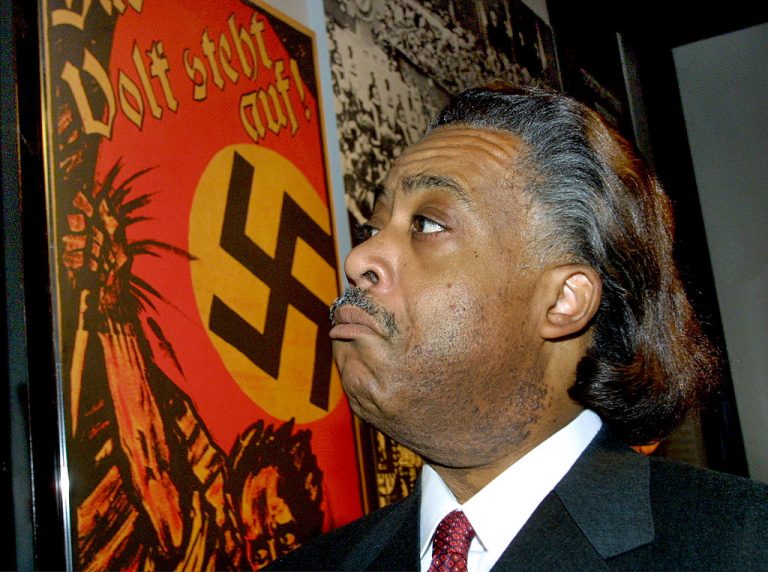
From Kanye West endorsing Hitler to Kyrie Irving inviting followers to watch a documentary about how blacks are the true Jews, anti-Semitism from prominent black figures has been in the news. A recent study explores the phenomenon of black anti-Semitism more broadly, ruling out popular explanations—and excuses—for its frequency.
Black anti-Semitism is nothing new. It has appeared in the works of black intellectuals since at least the early-20th-century black nationalist Marcus Garvey, as Elliot Kaufman observed in Commentary, and defined politics in New York City—the American metropolis where blacks and Jews most often rub shoulders—for generations.
But where does it come from? A new paper by sociologists Eitan Hersh of Tufts University and Laura Royden of Harvard explores this question. The pair reveal—using a survey of thousands of Americans—some shocking statistics, including that black and Hispanic young adults report anti-Semitic views at rates similar to white young adults who self-identify as “alt-right.”
The paper torpedoes popular explanations for black anti-Semitism, like the claim that anti-Semitism is just “anti-whiteness” or an expression of solidarity with the Palestinians. But it does not, despite its attempts to do so, pinpoint the source of this prejudice, so their findings suggest simply that views like Irving and West’s are more common than we’d like to believe, and aren’t going away any time soon.
Their finding is important nonetheless, particularly as anti-Semitic incidents reach record highs amid a surge in major cities. They clarify that these attacks are not, as some still maintain, exclusively the work of white supremacists like the shooter who targeted Pittsburgh’s Tree of Life synagogue in 2018. Rather, attacks like the stabbing and car assaults that left three men injured in Lakewood, N.J., in April exemplify the persistence of this black anti-Semitism.
To measure anti-Semitism, Hersh and Royden asked their survey respondents three questions: Are Jews more loyal to Israel than America, is it appropriate to boycott Jewish-owned businesses to oppose Israel’s policies, and do Jews in the United States have too much power?
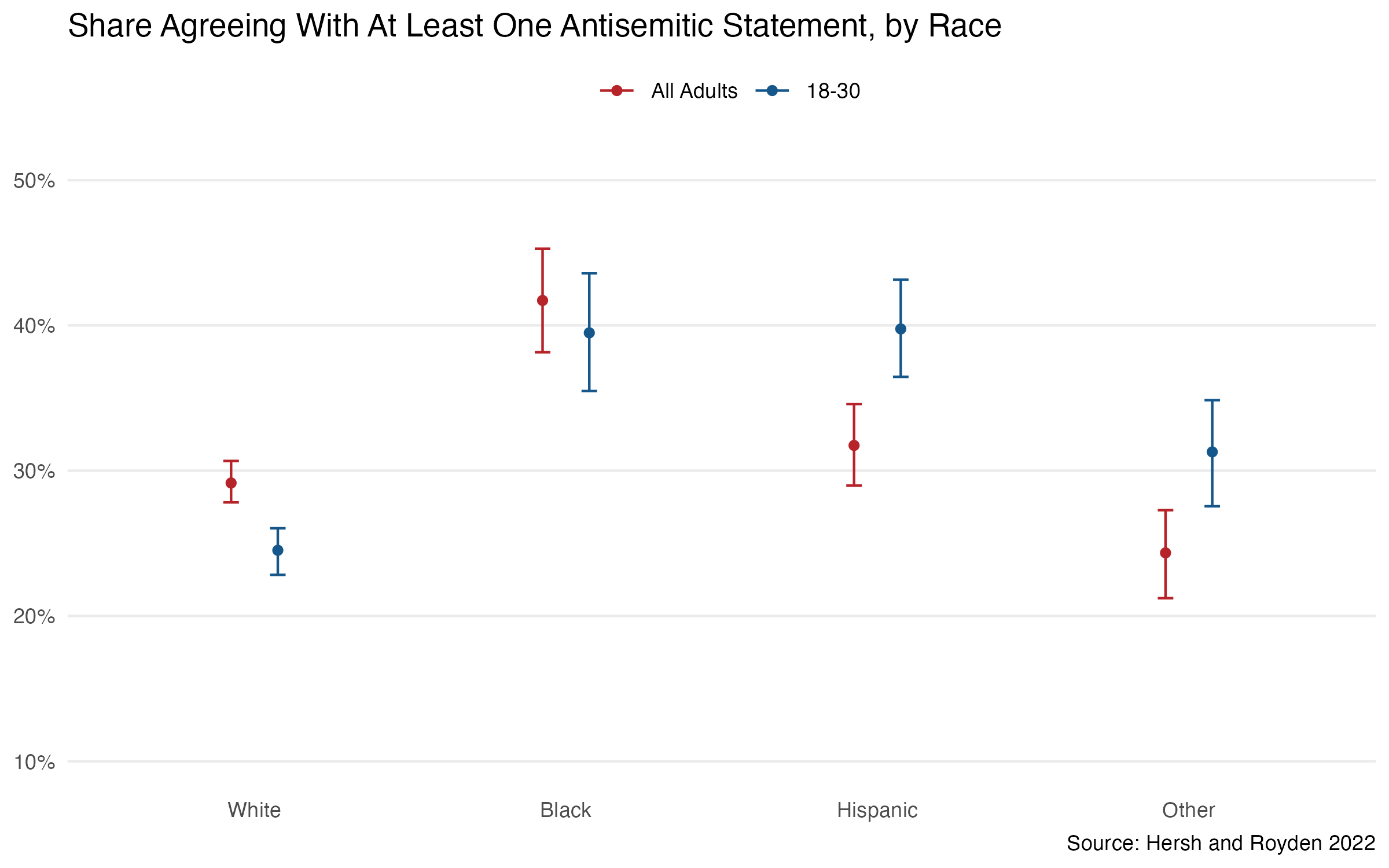
The majority of respondents said no to these questions, but black respondents were much more likely than whites to say yes to at least one—13 percentage points more, after accounting for differences in age, sex, and education. Hispanic respondents were also slightly more likely to agree, though the difference was not statistically distinguishable from zero.
The effect was most pronounced among young blacks and Hispanics. Both groups were 16 percentage points more likely to agree than whites in their age group. Anti-Semitism was particularly common among young blacks and Hispanics who called themselves “conservative.” But that was a small group, and anti-Semitism was more common even among liberal blacks compared with liberal whites. Black and Hispanic young adults, in fact, were about as likely to agree with at least one of the statements as were white “alt-right” identifiers in the same age group.
Hispanics are often lumped with whites in hate crime data, so it is difficult to trace precisely the implications of this prejudice among Hispanics, which is an under-discussed and undercovered aspect of the story.
Hersh and Royden’s survey also allowed them to examine several theories of the causes of anti-Semitism. One was “minority group competition”: the idea that fighting over scarce resources like housing provokes anti-Semitism. Another was the idea that anti-Semitism is a manifestation of anti-whiteness: As James Baldwin put it, “Negroes are anti-Semitic because they’re anti-white.” A third, opposite possibility was the idea that people disliked Jews because they dislike Israel and because they supported the Palestinians. And fourth is that demographic or behavioral differences—for example, that minority groups are less well-educated or more likely to go to church—explains the variation.
None of these explanations stood up to scrutiny.
Take group differences. Hersh and Royden statistically controlled for both church and college attendance. While each mattered for whether or not someone held anti-Semitic beliefs, holding them constant blacks are still much more likely than whites to have anti-Semitic views. The authors also compare respondents in states with and without a lot of Jewish people (doable because most Jews live in just a few states). Again, race still predicts anti-Semitic views, meaning that proximity to Jews—”minority group competition”—doesn’t explain the difference.
Similarly, Hersh and Royden argue that black anti-Semitism is more than just anti-white bias. That’s because they measure views, like whether Jews are more loyal to Israel than America, that only apply to Jews, not whites. They also rule out the idea that anti-Semitism is just a function of pro-Palestinian views: Remarkably, blacks and Hispanics were more favorable toward Israel than whites across three separate measures.
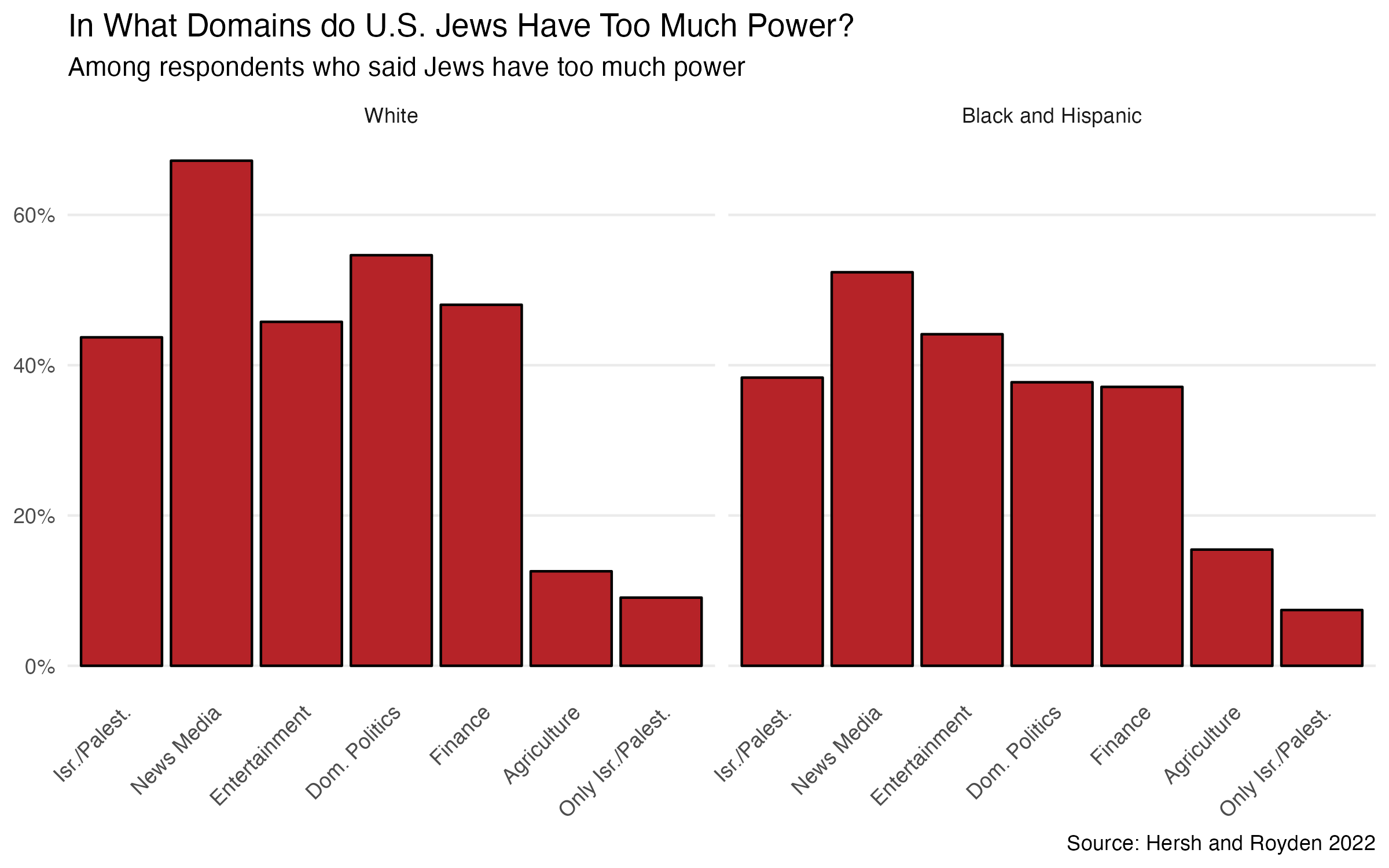
To supplement this, Hersh and Royden asked respondents who said they believed Jews had too much power in which domains they had such power. Very few respondents—7 percent of blacks/Hispanics and 9 percent of whites—selected only Israel and Palestine. Instead, these respondents said Jews had too much power in areas like news media, finance, and entertainment. This suggests that anti-Semitic bias is not driven by anti-Israel views.
Having ruled out these popular explanations, Hersh and Royden are left only to speculate on the causes of black anti-Semitism. They point to the rising salience of victimhood in American culture, arguing that it may either make people more prone to embracing conspiracy theories or provoke competition over “victim” status. It is also possible, of course, that anti-Semitic views are just a product of prejudice—no need for further explanation.
What is apparent is that the views propounded by individuals like West and Irving are not unusual, particularly among black Americans. Unlike other forms of prejudice, Hersh and Royden observe, anti-Semitism is not fading among younger Americans: At least among minorities, the oldest hatred isn’t going away any time soon.
Charles Fain Lehman is a fellow at the Manhattan Institute and a contributing editor to City Journal.
The post Black America’s Anti-Semitism Problem appeared first on Washington Free Beacon.
Michael Novakhov retweeted:
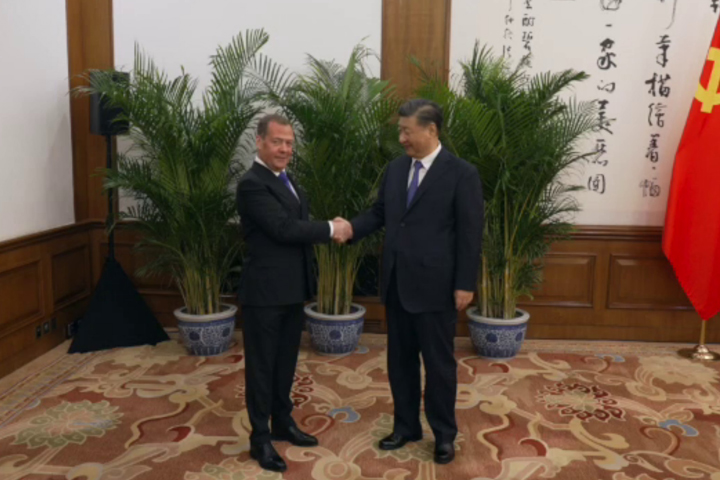
Китай готов идти на сближение с Россией ради более справедливого глобального управления, заявил председатель КНР Си Цзиньпин

Michael Novakhov retweeted:
Why? Because. Remember Trump, GOP, conservatives, Kellyanne Conway…there are now “alternative facts”.
We’re in their post truth world of the toxicity of conservatism that has been evolving for several decades.
Just…say….NO.
We will make THEM ReJoin OUR world!