Categories
Audio Sources - Full Text Articles

Fed seen tapering rate hikes, likely ending them by March

2022-12-13T15:07:12Z

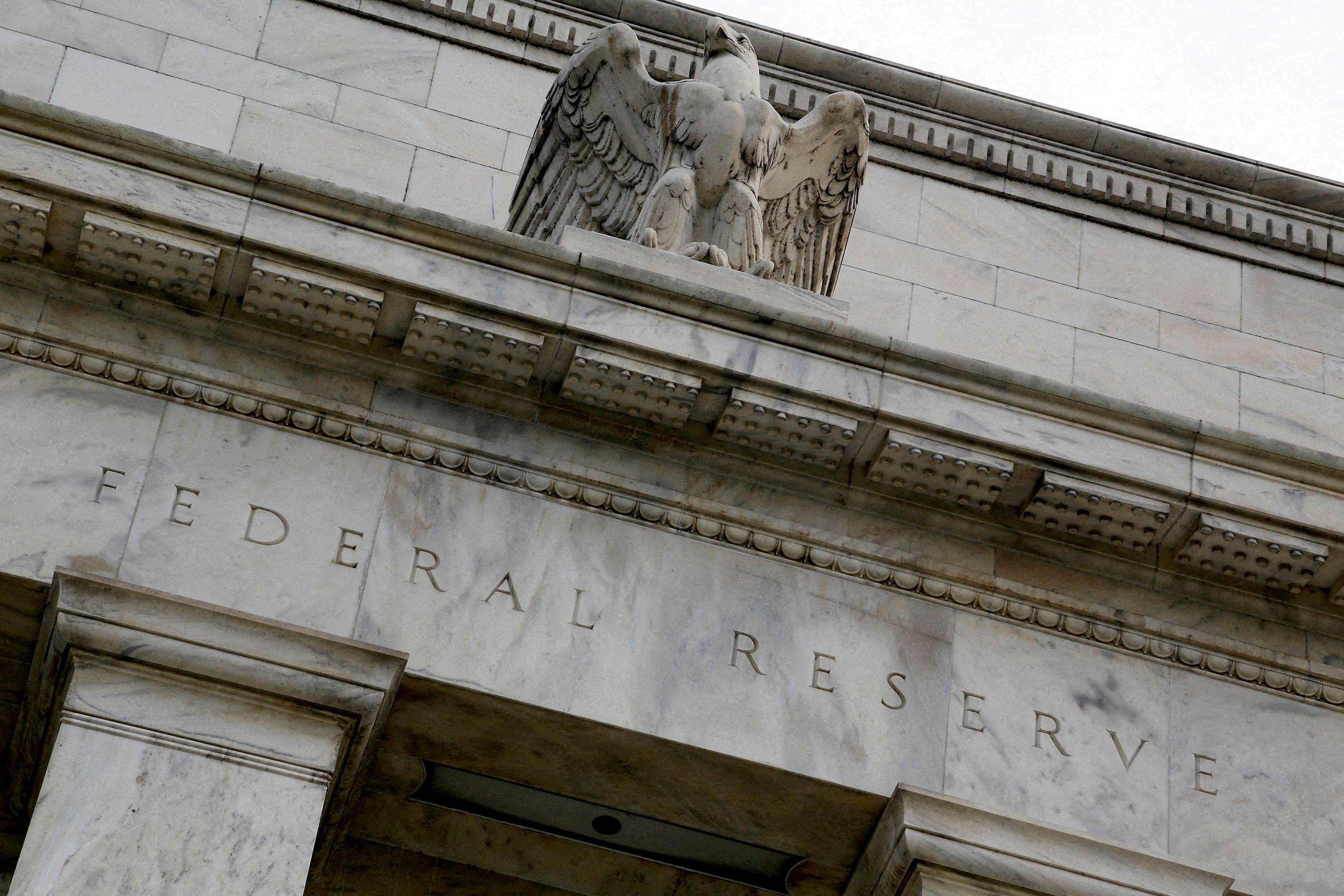
An eagle tops the U.S. Federal Reserve building’s facade in Washington, July 31, 2013. REUTERS/Jonathan Ernst/File Photo

Traders boosted bets Tuesday that cooling inflation will allow the Federal Reserve to continue to taper its interest-rate hikes into next year and likely end them in March, after a government report showed consumer prices last month rose at their slowest pace in nearly a year.

Fed funds futures prices implied a better-than-even chance that the Fed will follow an expected half-point interest-rate hike at its policy-setting meeting this week with smaller 25-basis-point rate hikes at its first two meetings of 2023, with some chance the last hike could come in May instead of March.

That would bring the policy rate to the 4.75%-5% range, lower than some economists have expected and markets had been betting, given what has been stubbornly high inflation and a stronger-than-expected labor market.

The shift in expectations came after a Labor Department report showed consumer prices rose 0.1% in November from the month prior, less than forecast. The slowdown, from a 0.4% pace in October, suggests the Fed’s most aggressive set of interest-rate hikes in 40 years may finally be starting to slow demand and ease price pressures. Consumer prices rose 7.1% on year, the smallest increase since December 2021.

After the report traders also increased bets on the Fed starting to cut rates by September, with rate-futures contracts pricing in slightly more than a half a percentage point decrease by the end of 2023. That would take the policy rate back down to the 4.25%-4.5% range where policymakers are expected to lift it to at the close of their two-day meeting Wednesday.


Categories
Audio Sources - Full Text Articles

U.S. inflation subsides further in November

2022-12-13T15:17:41Z

Vegetables are pictured at a produce shop at Reading Terminal Market after the inflation rate hit a 40-year high in January, in Philadelphia, Pennsylvania, U.S. February 19, 2022. REUTERS/Hannah Beier

U.S. consumer prices rose less than expected for a second straight month in November, resulting in the smallest annual increase in inflation in nearly a year and giving the Federal Reserve cover on Wednesday to start scaling back the size of its interest rate increases.

The consumer price index readings last month reflected declines in the costs of gasoline, healthcare and used cars and trucks, the Labor Department reported on Tuesday. But Americans still faced higher prices for food and rental housing.

The report, which also showed underlying inflation posting its smallest monthly gain in more than a year, was published as officials at the U.S. central bank were gathering for their final two-day policy meeting of the year.

The Fed – in the midst of its fastest rate-hiking cycle since the 1980s – is expected to lift its benchmark overnight interest rate by 50 basis points on Wednesday, snapping a string of four straight 75-basis-point increases.

“It looks increasingly like inflation has reached a turning point where price increases are falling or little changed for many categories of goods and services that consumers buy,” said Christopher Rupkey, chief economist at FWDBONDS in New York.

“For the first time we can say the Fed is winning its war on inflation.”

The consumer price index increased 0.1% last month after advancing 0.4% in October. Gasoline prices dropped 2.0% after rising 4.0% in October. The cost of natural gas fell as did prices for electricity.

But food prices climbed 0.5% after rising 0.6% in October. The cost of food consumed at home increased 0.5%, driven by rises in prices of fruits and vegetables, cereals and nonalcoholic beverages. But meat, fish and eggs cost less last month.

Economists polled by Reuters had forecast the CPI would gain 0.3%. In the 12 months through November, the CPI climbed 7.1%. That was the smallest advance since December 2021, and followed a 7.7% rise in October. The annual CPI peaked at 9.1% in June, which was the biggest increase since November 1981.

U.S. stocks opened higher. The dollar fell against a basket of currencies. U.S. Treasury prices rose.

Annual inflation is slowing in part as last year’s big increases drop out of the calculation. The Fed’s aggressive monetary policy stance is also dampening demand.

Excluding the volatile food and energy components, the CPI increased 0.2% last month. That was the smallest increase in the so-called core CPI since August 2021 and followed a 0.3% rise in October. The core CPI was restrained by prices for used cars and trucks, which dropped 2.9% and were down for a fifth straight month.

Prices for new motor vehicles and household furnishings were unchanged. Healthcare costs decreased 0.5%, while prices for airline tickets fell 3.0%.

Despite declining core goods prices, also the result of businesses discounting merchandise to lure cash-strapped holiday shoppers and clear inventory amid slowing demand and improved supply chains, sticky rents are keeping overall core inflation elevated. Owners’ equivalent rent, a measure of the amount homeowners would pay to rent or would earn from renting their property, jumped 0.7% after increasing 0.6% in October.

Though independent rent measures suggest rental inflation is moderating, that is not expected to show up in the CPI data until sometime next year.

In the 12 months through November, the so-called core CPI advanced 6.0% after increasing 6.3% in October. The Fed has a 2% inflation target. Pressure is also coming from services, reflecting higher wages as the labor market remains tight.

The still-high core inflation readings have left economists anticipating that the Fed will continue to tighten monetary policy for a while even as it slows the pace of rate increases on Wednesday.

Economists expect the Fed to lift its policy rate to a level higher than the recently projected 4.6%, where it could stay for some time. They expect the central bank to raise its estimate for the so-called terminal rate on Wednesday.

The Fed has raised its policy rate by 375 basis points this year from near zero to a 3.75%-4.00% range.

Categories
Audio Sources - Full Text Articles

Congressman: Mayorkas has lost control of the border

(NewsNation) — A Republican congressman said Homeland Security Secretary Alejandro Mayorkas has lost control of the situation at the U.S. border.

Republican Rep. Mike Carey said it’s good that Mayorkas is visiting the border to see the situation on the ground. But he said the Biden administration’s response to the border isn’t working, especially plans to send air marshals to assist.

“We’ve got 2.9 million people who travel every single day in this country, and to say that you’ve got 1,800 [air marshals], whether it’s 3,000 or 1,800, whatever the number is, I mean, that is a very small number,” Carey said, explaining why he thinks air marshals shouldn’t be re-assigned to border work.

Carey said the solution is to change immigration policies and allow agents who already work on the border to do the job they are meant to do.

“I mean, the one thing that when I talk to border security agents, and I’ve been to the border, when I talked to him, they they’re very clear. I mean, every single person that comes across the border right now has been touched by the cartels in one way, shape, or form or the other,” Carey said.

Carey admitted there may not be much room for Congress to reform policy until the new session is seated in January, when Republicans will take control of the House of Representatives.

Republican suggestions on how to resolve the issue have included launching investigations and even possibly impeaching Mayorkas as well as resuming plans to build a border wall.

The bottom line, Carey said, is that more needs to be done to secure the border and throttle the amount of money that flows into cartels that smuggle drugs and people across.

“The cartels are making billions of dollars doing human trafficking. So we’ve got a real problem,” Carey said.

Categories
Audio Sources - Full Text Articles

Moderna’s mRNA Skin Cancer Vaccine Shows Early Promise in a New Study

Coming off the success of its mRNA vaccine for COVID-19, Moderna announced on Dec. 13 that it achieved encouraging results when it turned its vaccine technology against cancer.

The company reported in a release that among 157 people with stage 3 or stage 4 melanoma, a personalized cancer vaccine that Moderna developed with Merck—created using mRNA genetic material from each patient’s respective tumors—reduced the risk of recurrence or death by 44% compared to standard care.

“For the first time ever, we have evidence that it’s possible to develop a functional immune response that can treat patients’ cancer from a randomized controlled trial,” says Dr. Stephen Hoge, president of Moderna.

[time-brightcove not-tgx=”true”]

In the study, patients were randomly assigned to receive one of two treatments. One group was treated with the drug pembrolizumab, or Keytruda, an existing medication that releases the brake that the immune system normally has on attacking cancer cells, since cancer cells grow from the body’s own cells. The other group received Keytruda and a personalized cancer vaccine using mRNA technology. All of the patients had surgery to remove their melanoma, and for the vaccine group, Moderna scientists biopsied and genetically sequenced those tumors, then identified nearly three dozen genetic, personalized tumor flags, in the form of mRNA, for each patient’s immune system to recognize. These were then combined and injected in patients’ arms—in the same way that the COVID-19 vaccine delivered instructions to target the virus’ spike protein genes. Except in this case, the immune system was trained to target and destroy melanoma cells rather than a virus.

In the trial, patients received up to nine doses of the personalized cancer vaccine. “It’s much easier for the immune system to get hold of a virus and prevent a viral infection than it is to destroy cancer,” says Hoge. “So it takes a lot more doses to get the immune system built up with the right force and strength against [cancer] antigens to impact a patient’s cancer.”

Read More: The Race to Make a Vaccine for Breast Cancer

Patients were treated and monitored for at least two years. The company has only reported patient outcomes so far—not details of the vaccinated patients’ immune responses, such as their T-cell levels, which vaccines train to recognize and eliminate pathogenic cells. They are collecting that data and will provide that analysis in future presentations or publications.

Hoge says the key to the vaccine’s success is that it was tailored to each patient’s tumor, allowing each patient to mount a precise and targeted response to their cancer. The flexibility of the mRNA technology makes that possible, as COVID-19 vaccine development demonstrated. New COVID-19 shots with different viral targets were created and manufactured in about six weeks by both Moderna and Pfizer-BioNTech, makers of another mRNA COVID-19 vaccine. It also took about six weeks for Moderna’s scientists to generate each personalized mRNA cancer vaccine.

Hoge says the patients will be followed for at least one more year, and possibly more after completing the treatment. The company’s scientists will monitor how long-lasting the immune response is, and how well it holds up to future recurrences or metastases. If the results are confirmed, Hoge says it may also be possible to use the vaccine in people at earlier stages of the disease, or even in people without melanoma who are at higher risk for it to prevent them from developing tumors in the first place.

“We’re not there yet, and there is more work to do to figure out if we can push the 44% reduction even further,” he says. “But I do think this is a transformational moment for the field [of cancer treatment], for the company, and, we hope, for patients. We had a lot of success going after viruses, but nobody has ever demonstrated that mRNA vaccines could work in a randomized controlled trial in cancer. We are starting to show with data that they absolutely can, and that they can have a bigger impact in other fields than the one for which they became famous.”

BioNTech has also been working on mRNA cancer vaccines since before the pandemic. Its scientists have tested versions of its vaccine in smaller studies without rigorous controls yet.

Categories
Audio Sources - Full Text Articles

How 2022 Became the Year of Gossip

Buzz about celebrity flings and feuds kicked into high gear this year, and the Internet was eager to comment on every twist and turn in A-listers’ lives. There was romantic intrigue: Adam Levine’s flirty direct messages sent to at least one woman who was not his wife; Pete Davidson’s unquenchable charisma propelling him into relationships with first Kim Kardashian and then Emily Ratajkowski; Tom Brady and Gisele Bündchen’s divorce, reportedly because he chose football over family; an alleged affair between Good Morning America co-hosts T.J. Holmes and Amy Robach.

There were celebrity disputes: Cantankerous restaurateur Keith McNally booted James Corden from his famous eatery Balthazar for the way he spoke to the waitstaff. Lea Michele manifested her long-stated wish to star in Funny Girl on Broadway, leading to an early exit by Beanie Feldstein. And, of course, there was the Don’t Worry Darling chaos: A romantic tryst between director Olivia Wilde and pop music icon and the movie’s leading man Harry Styles overshadowed the film itself, and a tension-filled promotional tour shined a light on Wilde’s custody battle with her ex Jason Sudeikis; her rumored feud with star Florence Pugh; Styles’ fans’ discontent with his relationship with Wilde; her claim that she fired Shia LaBeouf from the film, and his denial of her story; and (if only in fans’ imaginations) Styles’ beef with co-star Chris Pine.

[time-brightcove not-tgx=”true”]

We took these tidbits and ran with them. We dug up old tales of Lea Michele allegedly terrorizing the cast of Glee and perpetuated the “Lea can’t read” conspiracy theories, which grew so loud that the actor herself tried to get in on the joke. We latched onto minute yet bizarre details, like the fact that James Cordon’s wife apparently orders an all-egg-yolk omelet. We scrutinized Harry Styles’ alleged globule of spit flying into Chris Pine’s lap, even though it definitely did not exist. (Pine’s reps had to release a denial to quell the Internet frenzy.) It was all largely in jest, though the line between fun, harmless gossip and the malicious kind can be blurry: A celebrity breakup can seem like no big deal until you think of the couple’s children.

@leamichele

lol 😉🤪😌

♬ original sound – Tik Toker

Gossip is eternal. The spread of rumors didn’t start in 2022. But this year, after a pandemic lull, we were collectively jonesing for gossip. Being cooped up meant our friends and acquaintances could not stir up the sort of drama that, when disseminated to friends and friends of friends, keeps our social circles connected. In that time, celebrities did not seem quite up to the task of breaking up and breaking down with the same flair we’d come to expect from them. The settings for such drama were missing: Awards ceremonies had gone remote, sets had shut down, parties had gone private. “I’m not surprised that years of social crisis—in a society that barely qualifies as such—have created an audience for low-stakes sensationalism with a human-interest angle,” says Maha Jafri, a professor at Sewanee: The University of the South, who has written about how gossip was deployed in Victorian literature.

Read more: The Science Behind Why People Gossip

The few resources we did have in recent years for rumormongering shot up in popularity: For instance, Deux Moi, an Instagram account that posts unverified tidbits of celebrity scuttlebutt and pictures of A-listers wandering around New York and Los Angeles, blew up in 2020 after its creator (whose name is still a secret) began working remotely that March and dedicated her ample spare time in quarantine to curating what celebrity gossip did still exist. That many of her posted “tips” stretched credulity or were proved outright false had little impact on the account’s growth. Reddit, meanwhile, has been littered with communities digging up dirt on their favorite YouTube personalities: When the Bon Appetit Test Kitchen imploded in the summer of 2020 after accusations of racism and unequal pay, fans took to the platform to analyze the stars’ posts on social media and theorize about who played what role in the demise of the cast.

Those who study gossip for a living suggest we need it to distract ourselves, to socialize, and even to establish our values as a culture. “This has really been the first full year in the United States where society is back to a more fully face-to-face experience,” says Andrea McDonnell, a professor of communication at Providence College and co-author of the upcoming book A Gossip Politic, about the role of gossip in our political discourse. “And we can use celebrity gossip in particular as a kind of currency where when we talk to friends and family, it gives us a common topic of discussion: ‘Can you believe?’ ‘Did you see?’ ‘Did you know?’”


Scandals of the rich and famous were so abundant this year that it would seem there’d be little need for delving into the lives of normal people. Newsletters from the media company Puck, which launched in September 2021, have quickly cemented themselves as must-reads for Hollywood power players because of both their insider knowledge—they reported Bob Iger’s replacement of Bob Chapek at Disney early—and their conspiratorial tone that blurs the line between news and gossip. And yet non-celebrity scandals have gone viral too, often on TikTok. When several women discovered they had been romanced then ghosted by the same Hinge serial dater, whom they dubbed West Elm Caleb because of his job at the furniture store, they banded together to cancel him. Even the cheating scandal surrounding the YouTube the Try Guys dominated social media for days.

Perhaps the most remarkable example, Normal Gossip—a podcast in which the host Kelsey McKinney shares anonymized gossip about friends of her friends—just launched in January and ranked among the top 1% of podcasts shared globally on Spotify in 2022. Some of the prurient interest in these stories is rooted in their niche and fascinating settings: One story takes place in a knitting group, another in an all-gay men’s choir with a love triangle at its center, a third among coworkers in an escape room. But Jafri argues the show also offers a safe way to indulge in what might otherwise be the hurtful habit of rumormongering. “If you could design a version of gossip that was defensible but still pleasurable, what would it look like? I think it’s this show,” she says.

Read More: The 10 Best Podcasts of 2022

McDonnell says these stories aren’t just entertaining—they also have social and moral value for listeners. We identify with the characters and draw conclusions about our own behavior as a result. McKinney invites this level of empathy by pausing at pivotal moments to ask her guests, “What would you do?” You think your boss and coworker are hooking up in a back room: Do you investigate or leave it alone? You discover that the queen bee of your neighborhood knitting group is hiding something: Do you take photographic evidence? We suddenly have to reckon with our own choices and morals. Random TikTok users sharing embarrassing or dramatic stories about themselves, their friends, or their exes forced us to do the same.

Celebrity stories, too, can serve as morality tales. “On the surface, it’s this really fizzy, salacious, some might even say trashy story,” McDonnell says of the Don’t Worry Darling fiasco. “But there’s also issues embedded in that story about gender, about sexuality. Even though we might engage with it in what seems like a fun way, there can be more salient, sometimes political themes that run through the stories we tell.”

The moral of Olivia Wilde’s saga depends on who is telling the tale. One lesson may be, don’t sleep with people who work for you. But, as my colleague Stephanie Zacharek pointed out, there was a misogynist tinge to the way people shamed Wilde for doing what male directors do all the time, as if warning women, specifically, against on-set dalliances. “Gossip can be a way for people without power to deflate or subvert people with power,” says Jafri. “For better or worse.”

Read More: If Olivia Wilde Were a Man


Celebrity gossip is, for the most part, good fun. No matter who Olivia Wilde, Pete Davidson, or the GMA co-hosts date, they will remain, at the end of the day, rich and powerful. “Gossip about people we don’t know, whether they be celebrities or anonymous people, tends to feel pretty game-like and lighthearted. There’s very little chance a celebrity will hear what we said about them or it will impact someone’s mental health directly,” says McDonnell.

But Megan Robbins, a professor of psychology at the University of California, Riverside, argues that gossip can be deployed by society as a form of punishment. “If I’m gossiping about someone who cheats a lot, then that in itself is sort of a consequence of cheating, of something that in our culture we consider wrong,” she says. “So not only does gossip teach you what people consider good or bad behavior, but it can also serve itself as a consequence of bad behavior.” And when gossip becomes the prevailing media narrative about a person, that can cause serious damage. “I think of the way we talked about Britney Spears or Amy Winehouse in the 2000s,” says McDonnell, “calling them crazy or making fun of addiction issues. There’s a darker side there.”

@laurenashleybeck

Did Harry Styles spit on Chris Pine at the Dont Worry Darling Premiere? #harrystyles #chrispine #dontworrydarling #celebritygossip #laurenashleybeck

♬ original sound – Lauren Ashley Beck

The meme-ified videos of Styles’ supposed spit were harmless diversions. But that same treatment applied to Amber Heard’s testimony during a defamation trial this summer spotlighted a disturbing corner of the internet. Heard’s ex-husband Johnny Depp sued her after she called herself “a public figure representing domestic abuse” in a Washington Post op-ed. Depp supporters edited videos and added voiceovers to create false and sexist accounts of Heard taking drugs while on the stand, analyzed her body language to claim she was herself an abuser, and pushed a rumor that Depp was dating his lawyer—conjuring moments that simply were not present. (The jury awarded Depp awarded $15 million in damages in his lawsuit and Heard $2 million in her countersuit.) Again, at Queen Elizabeth II’s funeral, body-language “experts” analyzed the slightest movements of Meghan Markle and Prince Harry to spin narratives about Markle that perpetuate the racist and sexist narratives that have long plagued her. It sometimes seems we’ve learned little from that era of 2000s malicious gossip that McDonnell cites.

Read More: The Depp-Heard Trial Perpetuates the Myth of the Perfect Victim

Still, Robbins argues that cruel gossip is the exception, not the rule. For a 2019 study, she and her colleagues listened in on participants over the course of several days and coded their gossip as “positive,” “negative,” or “neutral.” They found that common beliefs around gossip—that it’s deployed primarily by women, backed by ill intent—were inaccurate. Everyone engages in gossip, not just women, and negative gossip is far less common than one might expect. They determined that most gossip was “neutral,” simply an exchange of information about mutual acquaintances’ jobs, preferences, or relationship status. “I think it gets a bad rap because we’ve all been burned by negative gossip before,” she says. “But on the whole, gossip is neutral to beneficial to society. We have to talk about people to function in a social world.”

One could take a look at the increased interest in gossip this past year and point to it as yet another sign of our society’s demise. Robbins would object: “It seems to me that people are just so excited to be back together and have anything to gossip about.”

Categories
Audio Sources - Full Text Articles

What Advent Means to Me as a Black Christian

I came to Advent as an Umbros-wearing ‘90s kid, sitting in the pews of a predominately Black cathedral in Ohio, waiting for someone to light a candle so the show could go on. Advent was a long yellow light leading up to Christmas, a ritualistic slowing down led by dudes in robes that reminded me my Christmas presents were close but just out of reach. And with the added liturgy and singing on those four Sundays, I’d have to wait an extra five minutes to grab a glazed doughnut in the back after Mass. How long, O Lord?

[time-brightcove not-tgx=”true”]

The only church tradition that kept my attention back then was the Christmas pageant. That’s when Mary, always embodied by a Black woman in a leotard and flowy skirt, danced across the stage to “Go Tell It on the Mountain” and my silly cousin, cast as an innkeeper, yelled at Joseph to go away while trying to keep a straight face. One year my grandfather, who’d served as Ohio’s first Black state highway patrolman, played the role of a magi, marching to the beat through the darkness of the center aisle.

I’m learning more about Advent as I near 40. I’m no longer Catholic, but I find myself looking back on Christmas at the cathedral with a new appreciation. For the meaning behind the rituals and liturgy, sure. It turns out the pink and purple candles aren’t just mismatched. They symbolize hope, faith, joy, and peace. And the waiting is intentional. It’s a designated time to sit in the mess and mystery of what it means to be human. To feel frail and uncertain, sad and disappointed. Angry at the imbalance of injustice to healing. We wait for the time when things will be made right. There’s a marked space during Advent for the sort of grief that can’t be cured by Starbucks red cups or Black Friday deals.

Read More: Why We Say ‘Merry Christmas.’ The Surprising Origins of 5 Christmas Traditions

But also, after 20 years of attending nondenominational and evangelical churches, I’m even more interested in the ways we, as Black parishioners, were integral to that church’s rendering of Christ’s birth. There was no cosmic story, no arrival of the Messiah, without us. No nativity scene worth beholding without our faces, bodies, and voices. We were central to the mystery and the hope. Not bystanders, nor passersby, nor stand-ins for a white or colorblind Jesus.

The priest didn’t just pluck a brown-skinned baby from the pews every winter to play Jesus. Throughout the year, a tapestry of a Black Jesus with an Afro hung above the altar, and our church had a gospel choir that sang Kirk Franklin songs, along with a minister of music who got down on the organ. When our white priest wanted to paint an image of Mary and Jesus, he asked my oldest sister to be the model. Do you know what it’s like to see your sister, your fierce protector and advocate, as the mother of God? It orients you to the cosmos in a way some Christians will have you believing is sinful or divisive. It reminds you that no matter what anyone says, you have never been an afterthought.

Read More: How Christmas Trees Became a Holiday Tradition

I never heard the sentiment “Jesus doesn’t see color” or “You’re being divisive” until I attended evangelical churches that prioritized whiteness. Sometimes I could sense it as soon as I stepped inside; other times, it took me longer to discern that my Blackness or “politics” were best checked at the door. I remember sitting in church as a young 20-something, wracking my brain over how to live as a person who loved Christ and loved being Black and studying our history. That divide existed in part because I’d listened to leaders who proclaimed that I was a “Christian first” and a Black person second. As though the two needed ranking for me to live in peace. As though my faith would be acceptable only if I discounted my skin, shed my body and, thus, myself, in service to a Common Denominator Jesus. The common denominator, while never articulated, always took the shape of American whiteness.

I am thinking about Advent now, as a mother of three Black children, wondering how I can shape my babies in both humility and enough-ness. Humility because Ain’t nobody Jesus but Jesus. And enough-ness because the world will threaten to break their spirits if they won’t part with themselves, swallow themselves, hide themselves. And one day, they might turn to the Church for comfort, only to find the same question being asked of them, dressed in Biblical language: Lose yourself, your Black self, for the sake of unity in Christ. Keep the bond of peace by keeping quiet.

As a Black mother, I’ve come to see Advent as both a home and a calling. On one hand, I am keenly aware of my personal lack and my need for Jesus. I feel at home in acknowledging the uncertainty of life, how little control I actually have as a mere human. On the other hand, I sense a deep calling to help my children understand they are not incidental to the story of Jesus coming to earth, and neither is their skin. Cole Arthur Riley, bestselling author and creator of Black Liturgies, a project that’s been a salve to me, writes, “Let us remind ourselves that there is goodness in our skin, our womb, our bones.”

For my family, sometimes that reminder looks like attending a Black Baptist church, the kind in which Herschel Walker might be offered the “right hand of fellowship” but never ever a vote. Some Sundays it looks like the five of us gathering around our scratched-up dining table to remember Jesus with tiny plastic cups of grape juice and wafers bought online. I show up with my caffeine addiction, the kids fight over who will collect the empty cups, and the 70-pound goldendoodle breaks up our prayer circle when he’s feeling left out. It’s far from orderly, but somehow it feels holy.

There’s so much I can’t promise my children, so many stories I cannot revise. But this Advent, as my family waits, we can tell the story central to our faith. And we can do it in the fullness of who we are.

Categories
Audio Sources - Full Text Articles

Pentagon calls for investigation into Reuters report of Nigeria child killings

2022-12-13T14:51:26Z

The U.S. military on Tuesday called on Nigeria to conduct an independent investigation of allegations in a Reuters report that the Nigerian army killed children in its fight against insurgents.

“The Department of Defense is concerned by the allegations reported in the Reuters article, and we join our colleagues from the State Department in urging the Government of Nigeria to conduct an independent investigation,” a Pentagon spokesperson said in a statement.

The spokesperson added that the U.S. military had no planned or scheduled meetings with the Nigerian armed forces or leadership at this week’s U.S.-Africa Leaders Summit.

Related Galleries:

The Pentagon logo is seen behind the podium in the briefing room at the Pentagon in Arlington, Virginia, U.S., January 8, 2020. REUTERS/Al Drago

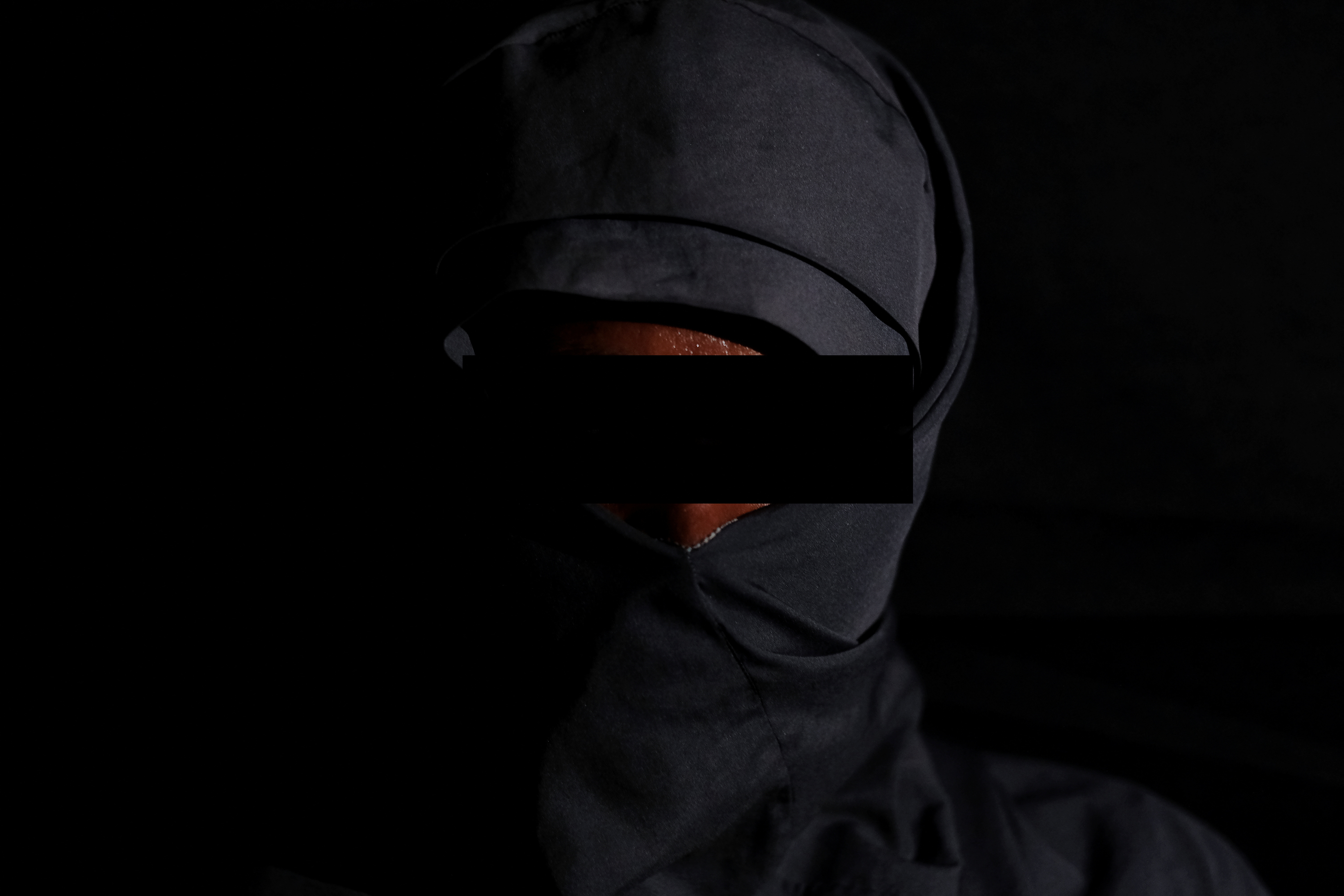
Felerin, a Nigerian woman, who told Reuters her two toddlers were killed by Nigerian soldiers during their detention at the army’s Giwa Barracks after escaping Islamist insurgents, poses for a portrait in an undisclosed location in Nigeria, August 13, 2021. Nigerian military leaders told Reuters the army has never targeted children for killing. REUTERS/Paul Carsten
Categories
Audio Sources - Full Text Articles

FTX founder faces U.S. fraud charges in collapse of crypto exchange

2022-12-13T14:47:29Z

Sam Bankman-Fried, the founder and former CEO of crypto currency exchange FTX, was charged by U.S. regulators on Tuesday with defrauding investors in what regulators called “a house of cards,” with more charges expected later on Tuesday.

Both the U.S. Securities and Exchange Commission (SEC) and the Commodity Futures Trading Commission (CFTC) alleged Bankman-Fried committed fraud in lawsuits filed on Tuesday. Criminal charges from the U.S. Department of Justice are also expected.

The 30-year-old Bankman-Fried was arrested Monday at his home in the Bahamas, where FTX was based, ahead of a possible legal fight over whether he would be extradited to the United States.

“While he spent lavishly on office space and condominiums in The Bahamas, and sank billions of dollars of customer funds into speculative venture investments, Bankman-Fried’s house of cards began to crumble,” the filing said.

The CFTC sued Bankman-Fried, his hedge fund Alameda Research LLC and FTX on Tuesday, alleging fraud involving digital commodity assets.

A spokesperson for FTX Debtors declined to comment.

Separate charges are expected to be announced by the U.S. Attorney’s Office for the Southern District for New York later on Tuesday.

Since at least May 2019, FTX raised more than $1.8 billion from equity investors in a years-long “brazen, multi-year scheme” in which Bankman-Fried concealed that FTX was diverting customer funds to its affiliated crypto hedge fund, Alameda Research LLC, the SEC alleged.

While the public believed Bankman-Fried’s “lies” and sent billions of dollars to FTX, he improperly diverted customer funds to his hedge fund, the SEC said in a court filing. He continued to divert FTX customer funds even as it was increasingly clear that Alameda and FTX could not make customers whole, the SEC said.

Representatives for Bankman-Fried declined comment. Bankman-Fried has apologized to customers and acknowledged oversight failings at FTX, but said he doesn’t personally think he has any criminal liability.

Bankman-Fried founded FTX in 2019 and rode a cryptocurrency boom to build it into one of the world’s largest exchanges of the digital tokens. Forbes pegged his net worth a year ago at $26.5 billion, and he became a substantial donor to U.S. political campaigns, media outlets and other causes.

A crypto exchange is a platform on which investors can trade digital tokens such as bitcoin.

FTX filed for bankruptcy on Nov. 11, leaving an estimated 1 million customers and other investors facing losses in the billions of dollars. The collapse reverberated across the crypto world and sent bitcoin and other digital assets plummeting.

The SEC alleged Bankman-Fried exempted hedge fund Alameda from the risk mitigation measures he publicly touted, giving the firm special treatment and a “virtually unlimited ‘line of credit’ funded by the platform’s customers.”

The SEC said it was charging Bankman-Fried with violating anti-fraud provisions of U.S. securities laws and would seek a director and officer bar and a penalty against Bankman-Fried. It would also seek to prevent Bankman-Fried from participating in future securities purchases, offers and sales except for his personal account.

“We allege that Sam Bankman-Fried built a house of cards on a foundation of deception while telling investors that it was one of the safest buildings in crypto,” said SEC Chair Gary Gensler in a statement.

Bankman-Fried was arrested Monday evening in the Bahamas and was expected to appear before a magistrate on Tuesday, marking his first in-person public appearance since the stunning collapse of FTX, which filed for bankruptcy in November.

Police in the Bahamas, where FTX was based, said he was arrested Monday evening at his luxury gated community called the Albany in the capital, Nassau.

Damian Williams, the U.S. Attorney for the Southern District of New York, said in a statement on Monday evening the arrest came at the request of the U.S. government, and an indictment against Bankman-Fried would be unsealed on Tuesday.

The Bahamas’ attorney general’s office said it expected him to be extradited to the United States. Bahamas Police said he was arrested due to “various Financial Offences against laws of the United States, which are also offences” in the Bahamas.

It was not immediately clear what would take place at the hearing or whether Bankman-Fried would decide to fight extradition, potentially setting up a high-stakes battle.

The charges come hours before Bankman-Fried was previously scheduled to testify before Congress about the collapse of the exchange.

FTX’s liquidity crunch came after Bankman-Fried secretly used $10 billion in customer funds to support his proprietary trading firm, Alameda Research, Reuters has reported. At least $1 billion in customer funds had vanished, the people said.

Bankman-Fried resigned as FTX’s chief executive officer the same day as the bankruptcy filing.

Unlike other customers, Alameda was allowed to hold a negative account on FTX’s platform, the SEC said. Bankman-Fried directed code to be written that allowed this, the agency said.

The U.S. Attorney’s Office in Manhattan, led by veteran securities fraud prosecutor Williams, in mid-November began investigating how FTX handled customer funds, a source with knowledge of the probe told Reuters.

Related Galleries:

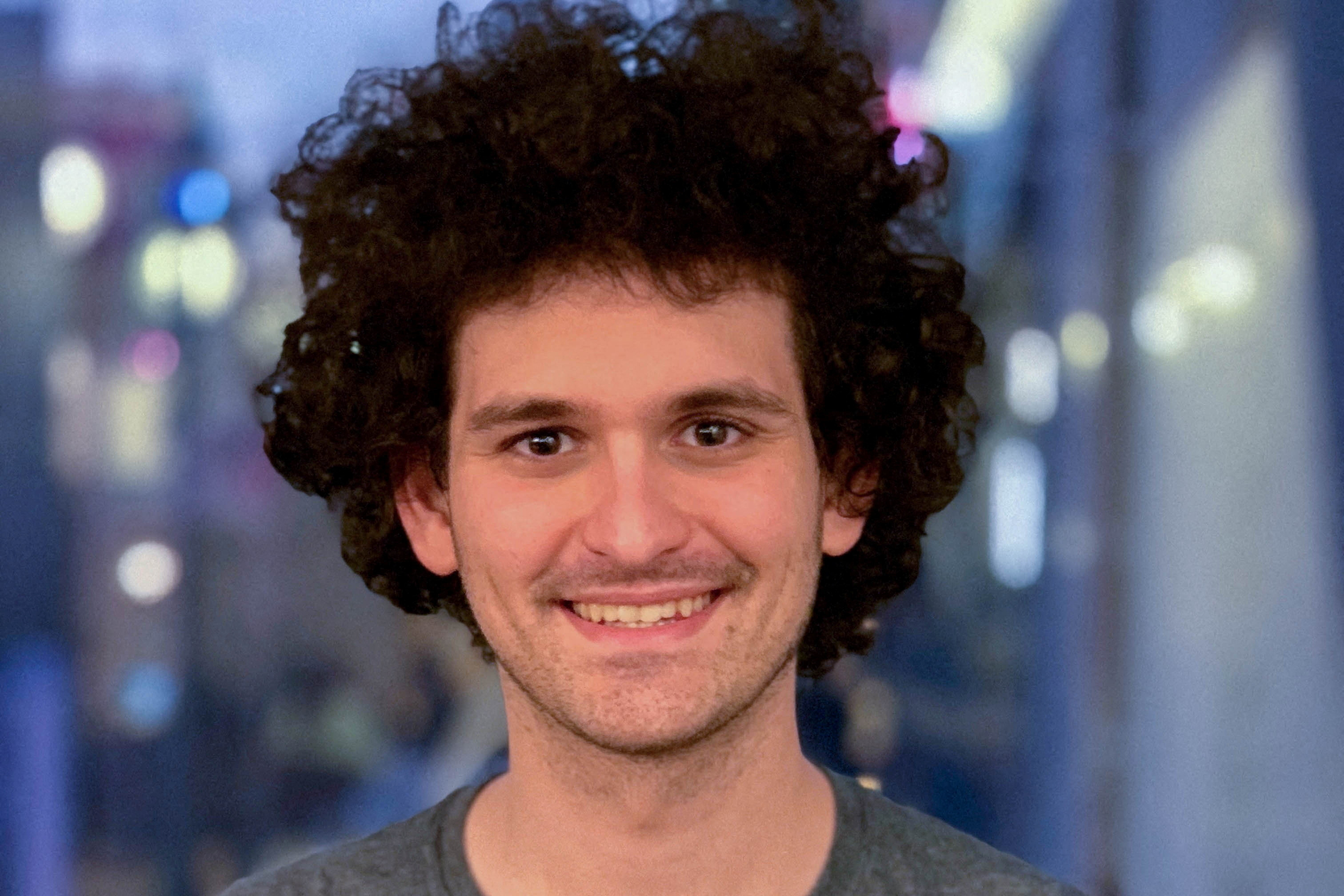
FTX CEO Sam Bankman-Fried poses for a picture, in an unspecified location, in this undated handout picture, obtained by Reuters on July 5, 2022. FTX/Handout via REUTERS/File Photo

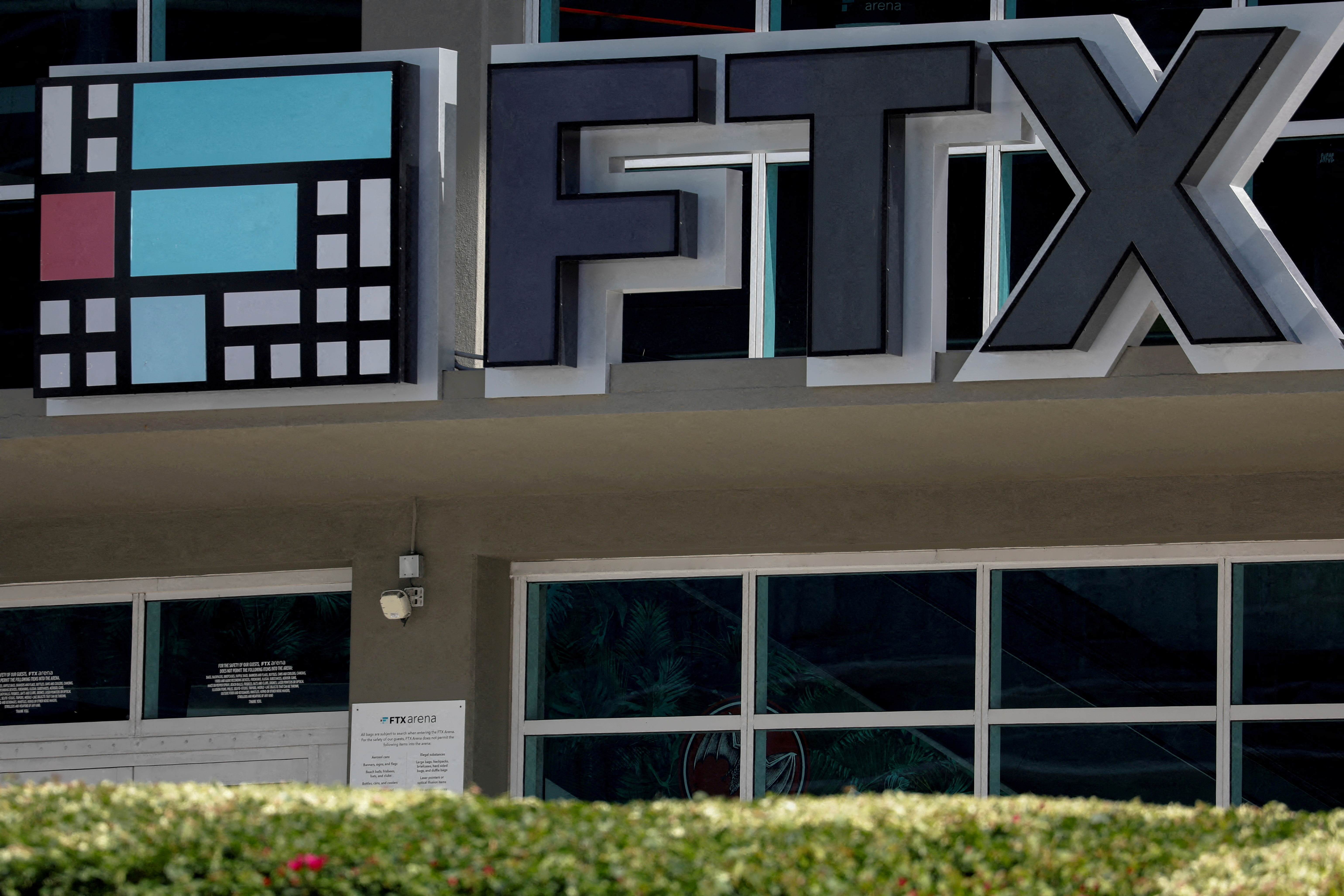
The logo of FTX is seen at the entrance of the FTX Arena in Miami, Florida, U.S., November 12, 2022. REUTERS/Marco Bello/File Photo/File Photo/File Photo

FTX founder Sam Bankman-Fried poses for a picture, in an unspecified location, in this undated handout picture, obtained by Reuters on July 5, 2022. FTX/Handout via REUTERS/File Photo/File Photo


Categories
Audio Sources - Full Text Articles

China reportedly delays key economic meeting amid signs of COVID surge

2022-12-13T14:37:45Z

Dozens queued while paramedics rushed the seriously ill into a fever clinic in eastern Beijing on Tuesday (December 13), almost a week after Chinese authorities scrapped major COVID restrictions across the country.

Chinese leaders have reportedly delayed a key economic policy meeting amid growing signs that COVID-19 infections are surging nearly a week after Beijing jettisoned some of the world’s toughest restrictions meant to prevent the spread of the virus.

President Xi Jinping and other Politburo members and senior government officials had been expected to attend the closed-door Central Economic Work Conference, most likely this week, to chart a policy course for the embattled Chinese economy in 2023.

A Bloomberg News report on Tuesday night, citing people familiar with the matter, said the meeting had been delayed and there was no timetable for rescheduling.

Policy insiders and business analysts said the leadership was expected to map out further stimulus steps and discuss keenly anticipated growth targets in the annual three-day session.

The delay came as authorities continued to overturn the previously resolute “zero-COVID” policy championed by Xi.

Long queues are appearing outside fever clinics in a worrying sign that a wave of infections is building, even though official tallies of new cases have dropped in recent weeks as authorities reduce testing.

And companies in China, from e-commerce giant JD.com to cosmetics brand Sephora, are rushing to minimise the impact of surging infections – doling out test kits, encouraging more work from home and, in some cases, procuring truckloads of medicine.

The signs come as China attempts to swiftly align with a world that has largely reopened, following unprecedented popular protests against rigorously enforced mass lockdowns, three years into the pandemic.

The protests were the strongest show of public defiance during Xi’s decade-old presidency and come amid growth figures for China’s $17 trillion economy, the world’s second largest, that were some of the worst in 50 years.

Despite spreading infections, people in China cheered the withdrawal on Tuesday of a state-mandated app used to track whether they had travelled to COVID-stricken areas.

As authorities deactivated the “itinerary code” app at midnight on Monday, China’s four telecoms firms said they would delete users’ data associated with the app.

“Goodbye itinerary code, I hope to never see you again,” said a post on social media platform Weibo, where people cheered the demise of an app that critics feared could be used for mass surveillance of the public.

“The hand that stretched out to exert power during the epidemic should now be pulled back,” wrote another user.

And in a further sign of policy easing, Chinese healthcare company 111.inc has started selling Pfizer’s Paxlovid for COVID-19 treatment in China via its app – medicine previously only available in some hospitals.

It sold out just over half an hour after the listing was reported by local media, according to the platform’s customer service.

For all the relief over last week’s decision to begin dismantling the government’s zero-COVID policy, there are fears that China may now pay a price.

Infections are expected to rise further during the Chinese New Year holiday next month, when people travel across country to be with their families, – a risk for a 1.4 billion population that lacks “herd immunity” after prolonged isolation under lockdowns, and has relatively low vaccination rates among the elderly, according to some analysts.

Experts say China’s fragile healthcare system could be quickly overwhelmed if those fears are realised.

The moves made last week to unwind the COVID curbs included dropping mandatory testing prior to many public activities and reining in quarantine.

Prominent Chinese commentator Hu Xijin, a former editor-in-chief of the nationalist state tabloid Global Times, said Beijing was now the epicentre of a rapid new wave of infections but the city had the resources to cope.

“The speed of new infections is really astonishing, and I believe that what we are witnessing here must be one of the most violent virus transmission speeds in the world since the onset of the COVID pandemic,” Hu said.

Beijing’s envoy to the United States said on Monday he believes China’s COVID-19 measures will be further relaxed in the near future and international travel to the country will also become easier.

China has all but shut its borders to international travel since the pandemic originated in the central Chinese city Wuhan in late 2019. International flights remain at a fraction of pre-pandemic levels and arrivals face eight days in quarantine.

Financial hub Hong Kong, which already maintains less stringent border controls than mainland China, said on Tuesday it would drop a requirement for incoming travellers to avoid bars and restaurants in the three days after arrival.

Hong Kong will also scrap its mobility-tracking app governing access to restaurants and venues such as gyms, clubs and salons, Chief Executive John Lee said.

While the lifting of controls is expected to brighten the prospects for global growth longer term, analysts say Chinese businesses will struggle in the weeks ahead, as a wave of infections creates staff shortages and makes consumers wary.

China stocks (.CSI300) edged lower on Tuesday as a recent rebound triggered by reopening hopes gave way to concerns about spreading infections. The yuan currency was little changed, but it is already set for its worst year since 1994, when China unified the official and market exchange rates.

Related Galleries:
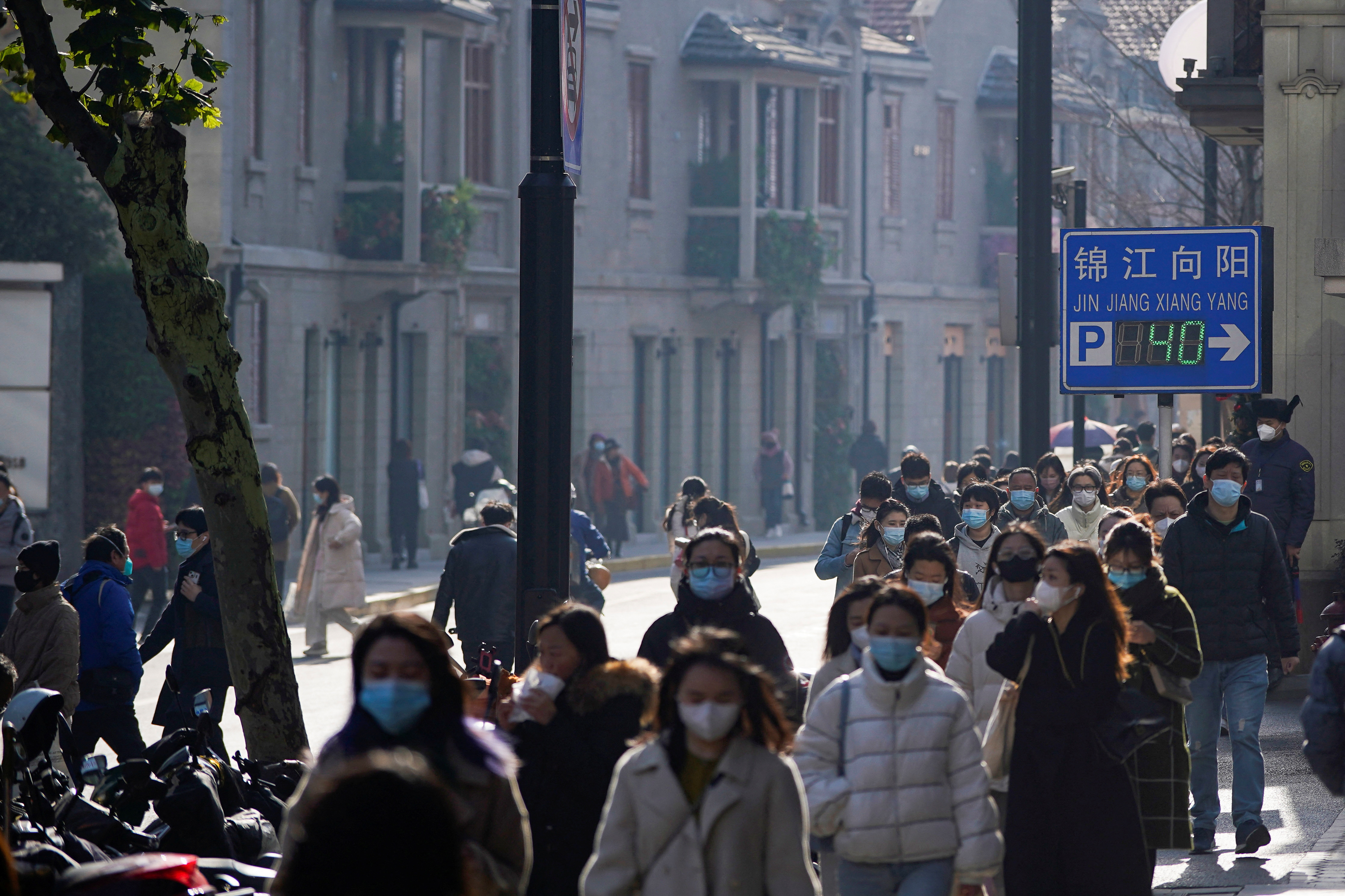
People wearing face masks walk on a street, as coronavirus disease (COVID-19) outbreaks continue in Shanghai, China, December 13, 2022. REUTERS/Aly Song
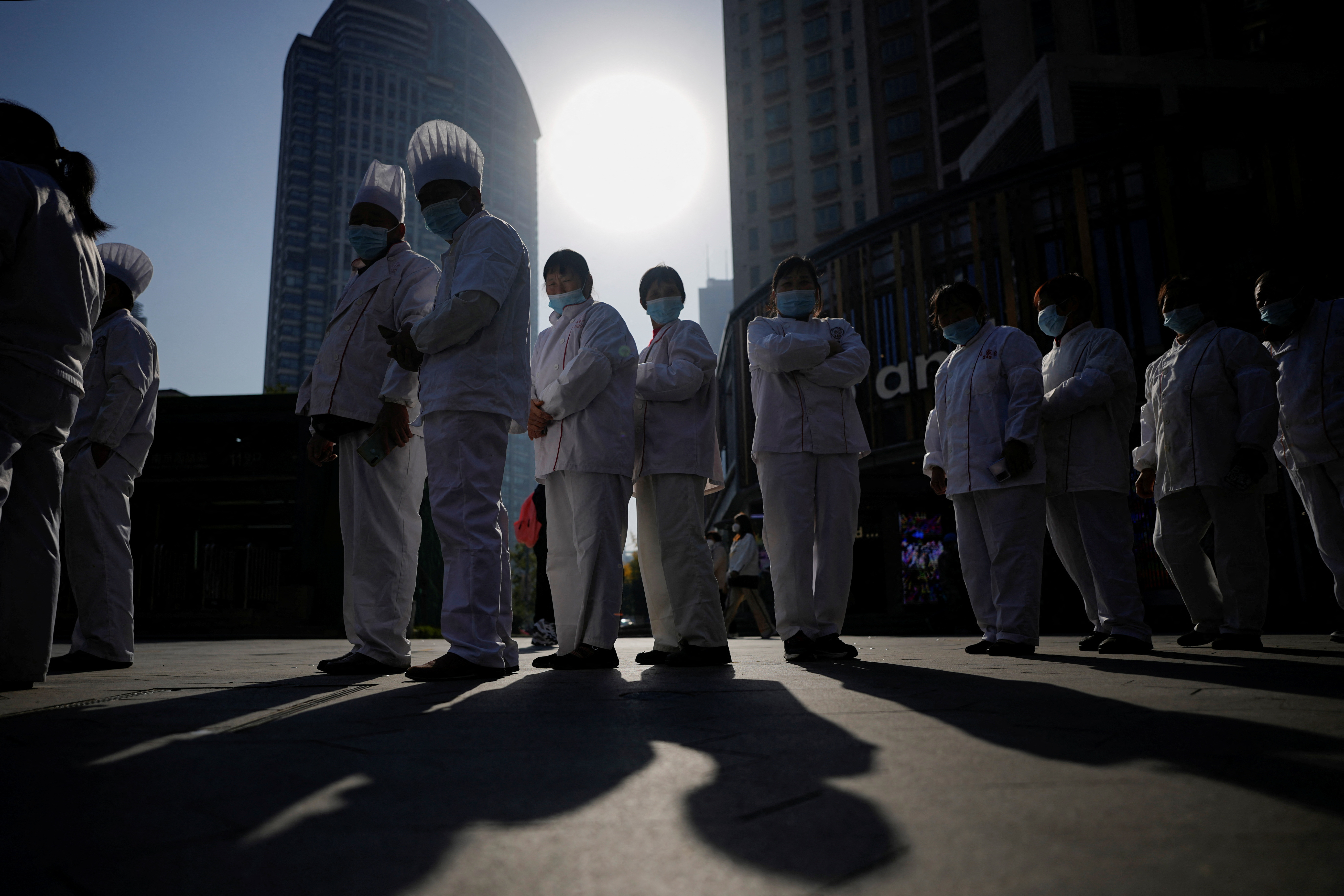
Restaurant workers wearing face masks line up to get tested for the coronavirus disease (COVID-19) at a nucleic acid testing site, as coronavirus disease (COVID-19) outbreaks continue in Shanghai, China, December 13, 2022. REUTERS/Aly Song
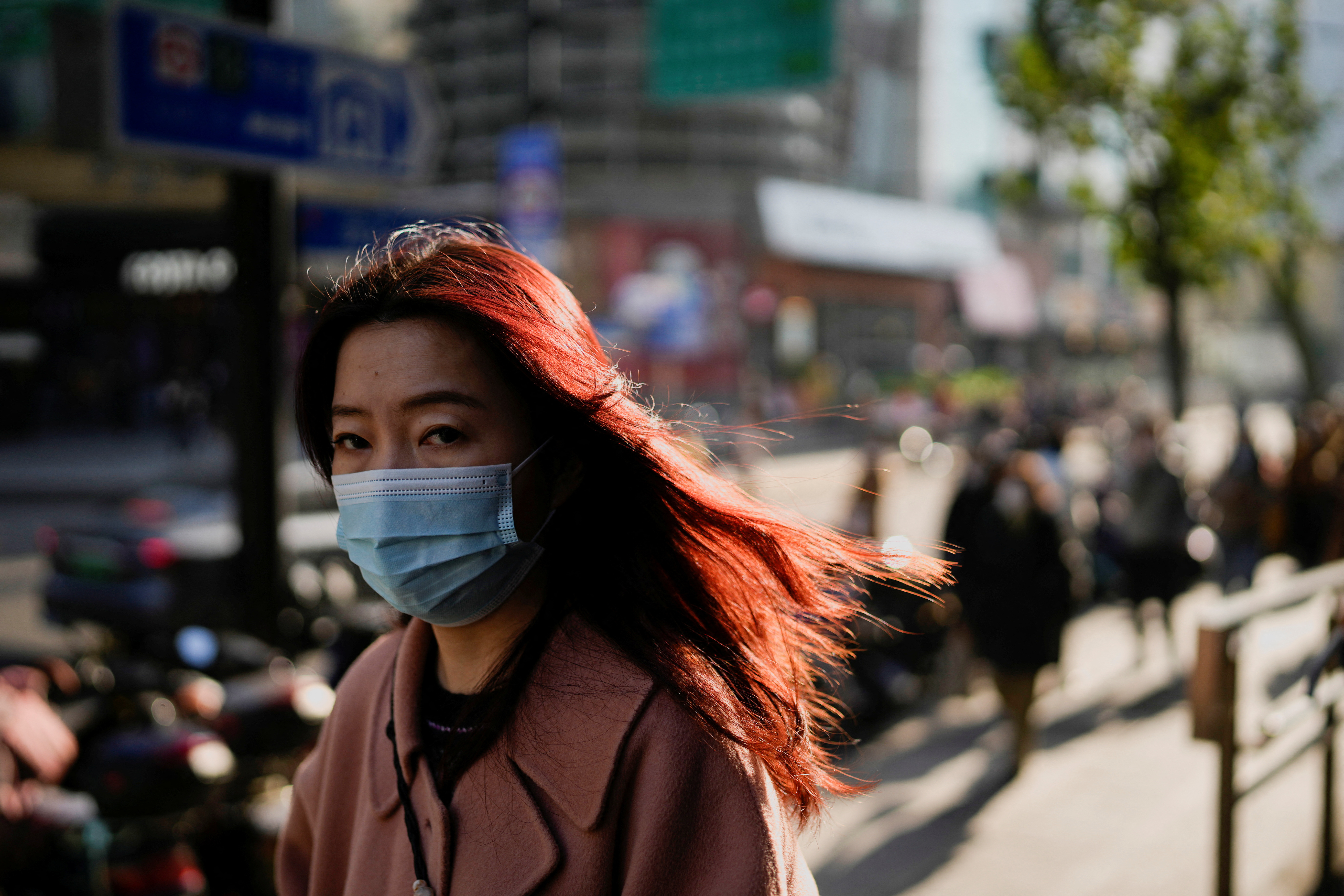
A woman wearing a face mask walks on a street, as coronavirus disease (COVID-19) outbreaks continue in Shanghai, China, December 13, 2022. REUTERS/Aly Song
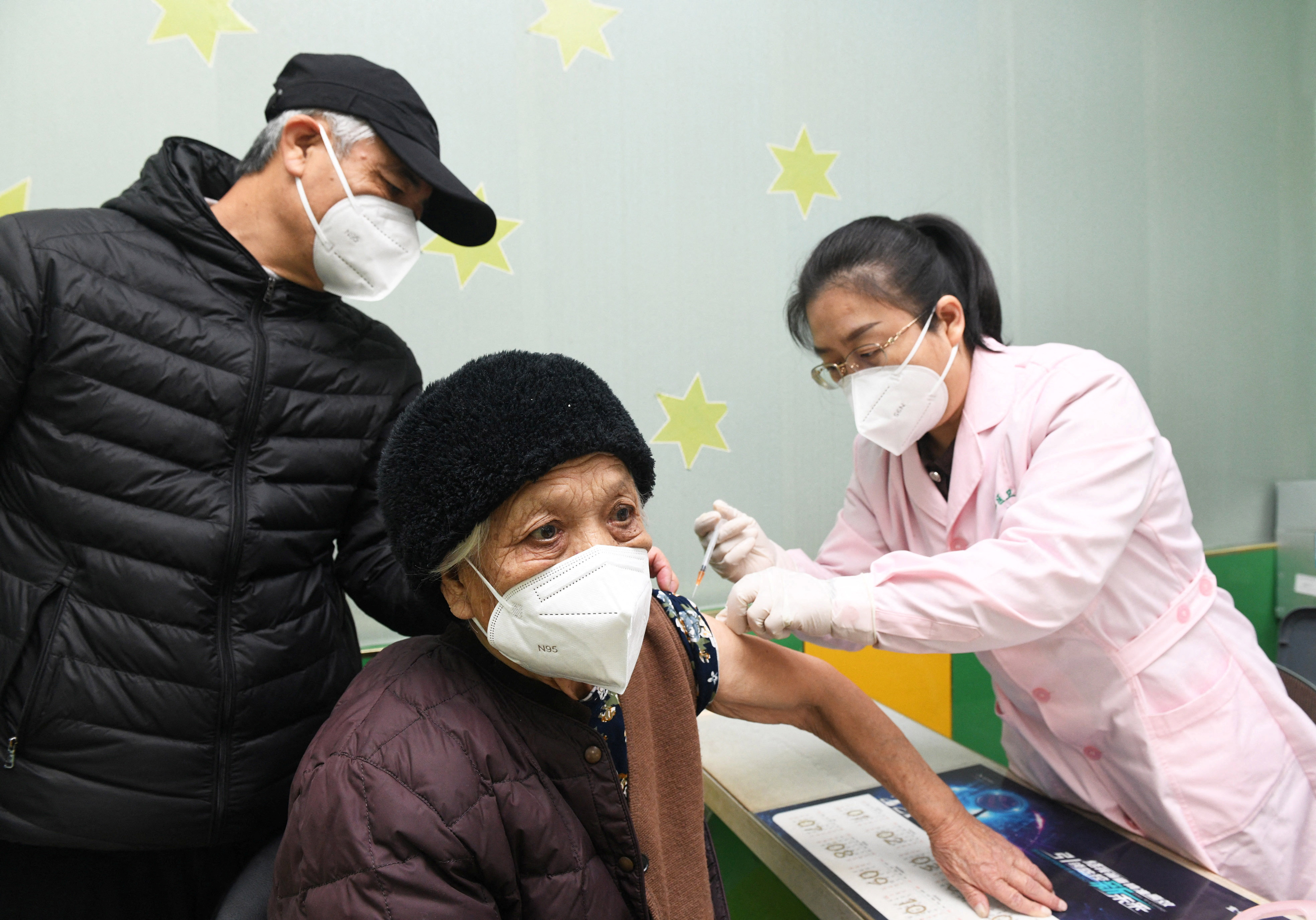
A medical worker administers a dose of the vaccine against coronavirus disease (COVID-19) to an elderly person at a community health service centre in Shijiazhuang, Hebei province, China December 12, 2022. China Daily via REUTERS

People wearing masks line up outside a pharmacy, as coronavirus disease (COVID-19) outbreaks continue, in Beijing, China December 13, 2022. REUTERS/Alessandro Diviggiano
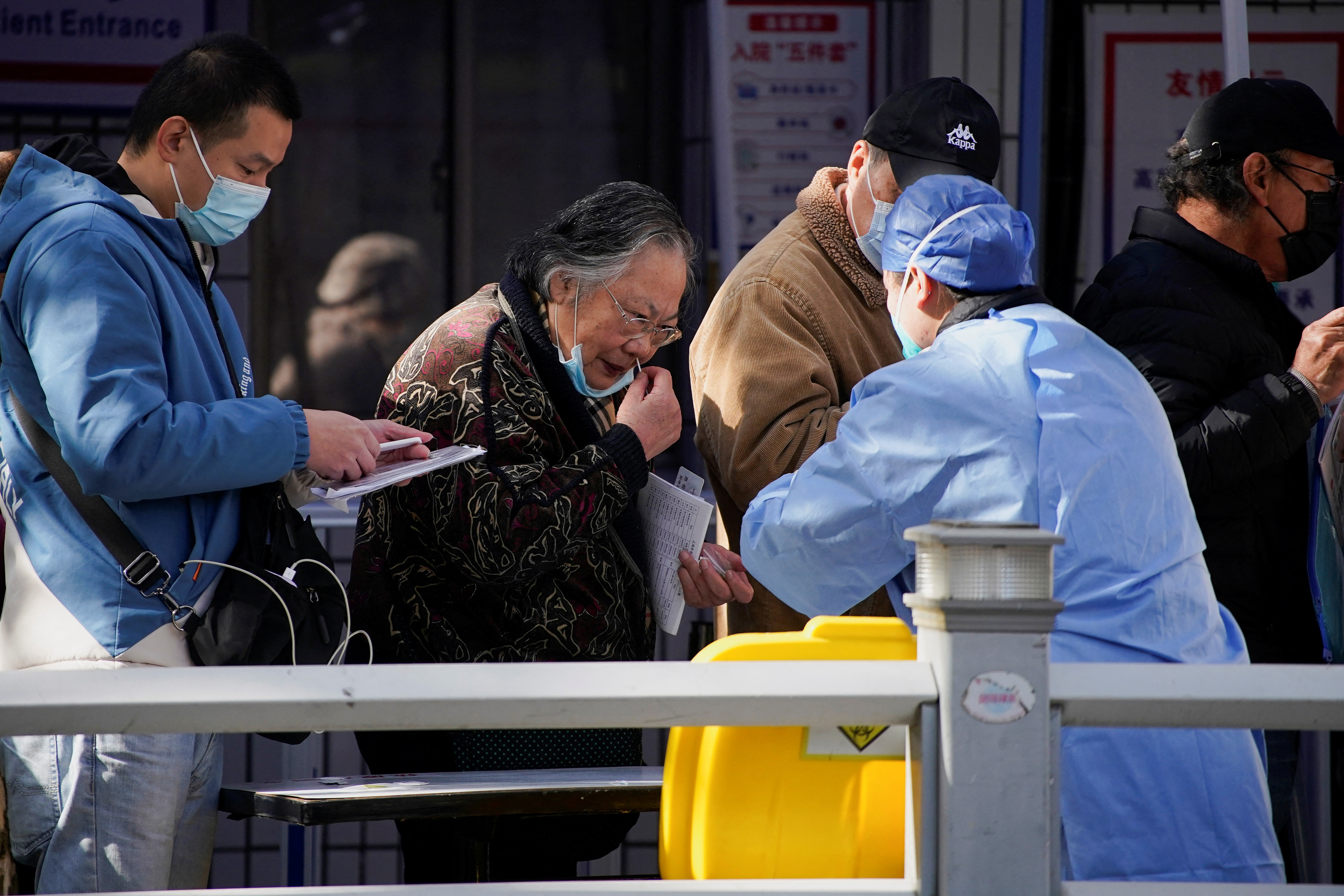
A woman takes a rapid antigen test for COVID-19 at an entrance of a hospital, as coronavirus disease (COVID-19) outbreaks continue in Shanghai, China, December 13, 2022. REUTERS/Aly Song
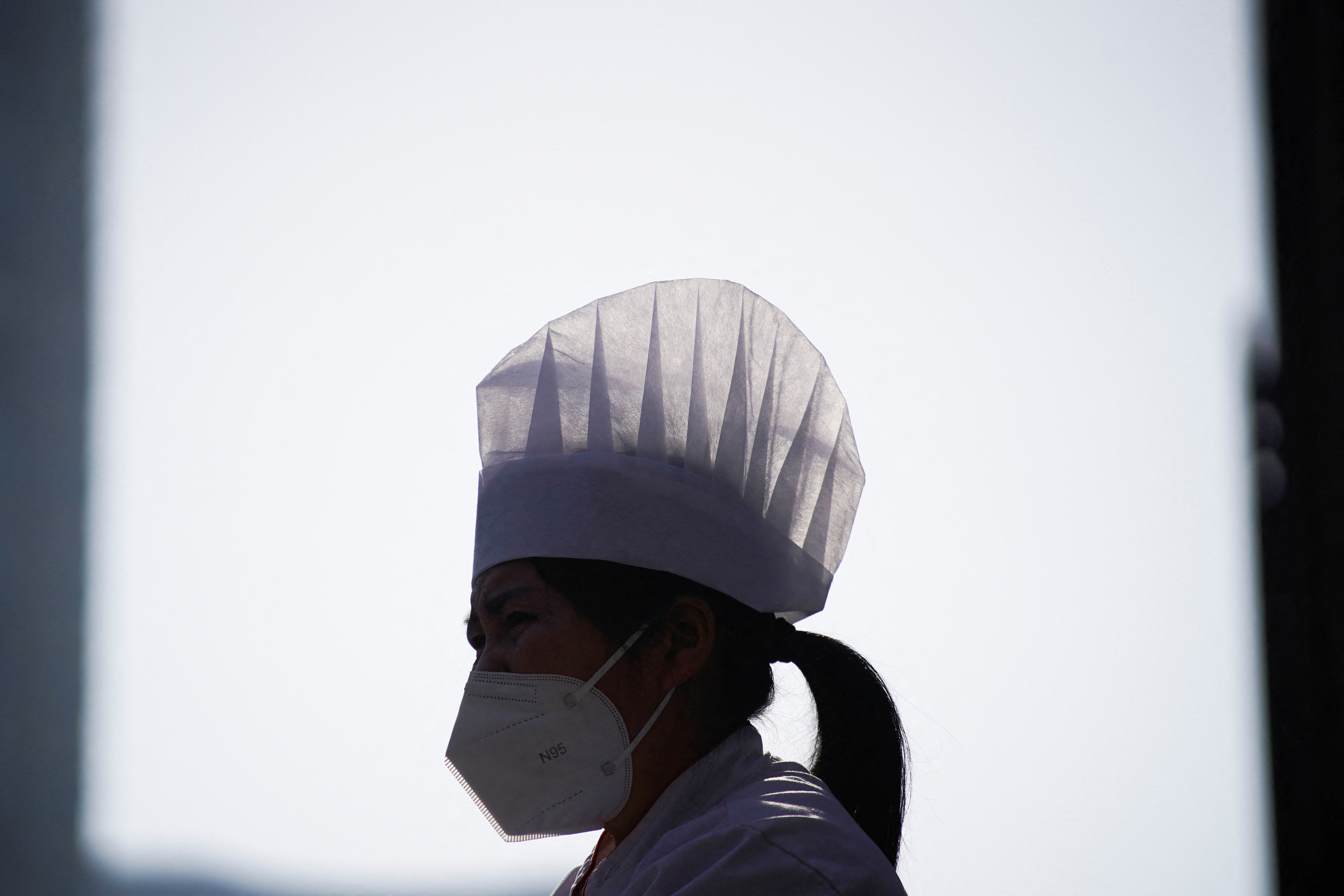
A restaurant worker wearing a face mask lines up to get tested for the coronavirus disease (COVID-19) at a nucleic acid testing site, as coronavirus disease (COVID-19) outbreaks continue in Shanghai, China, December 13, 2022. REUTERS/Aly Song
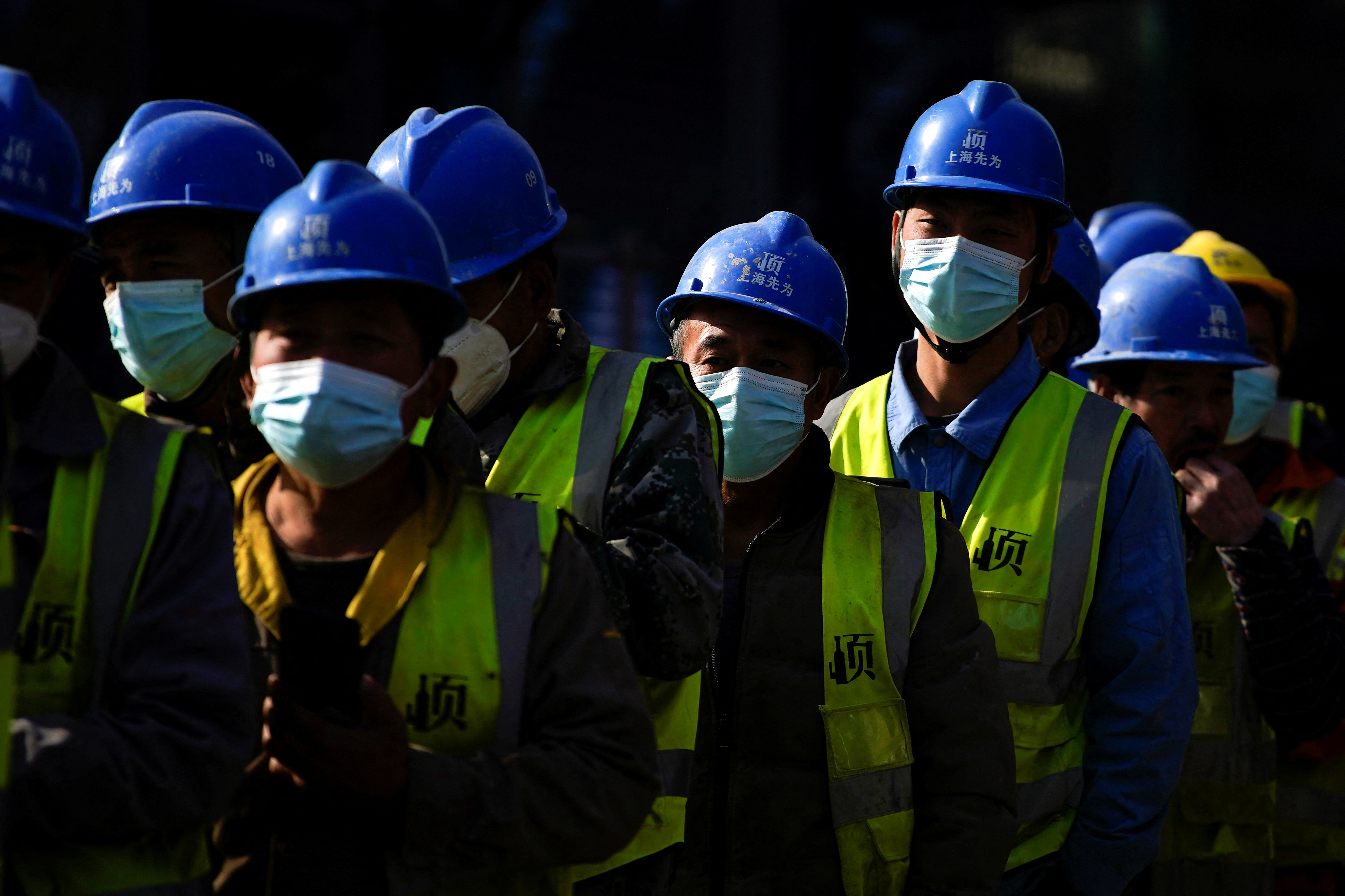
Workers wearing face masks line up to get tested for the coronavirus disease (COVID-19) at a nucleic acid testing site, as coronavirus disease (COVID-19) outbreaks continue in Shanghai, China, December 13, 2022. REUTERS/Aly Song
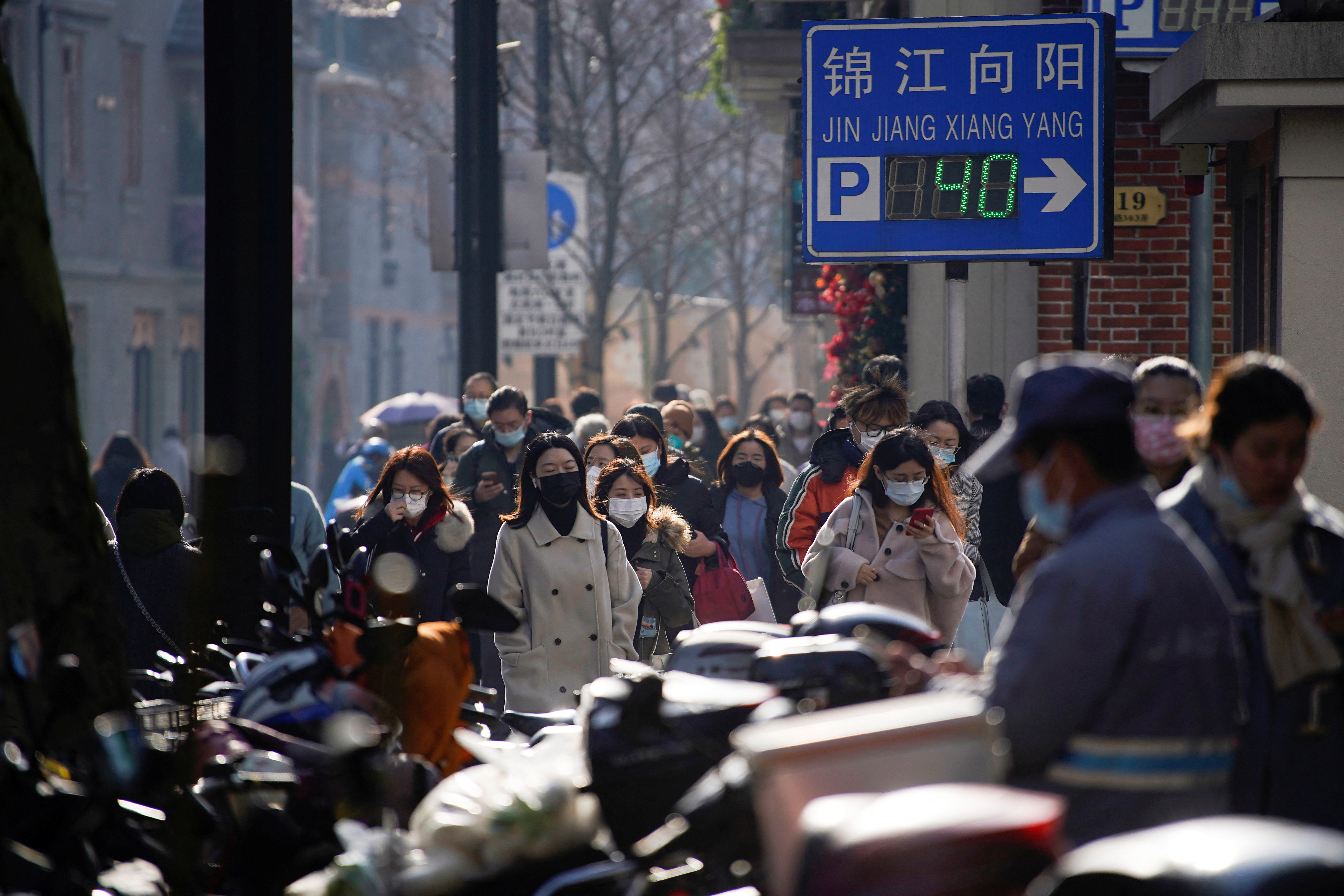
People wearing face masks walk on a street, as coronavirus disease (COVID-19) outbreaks continue in Shanghai, China, December 13, 2022. REUTERS/Aly Song
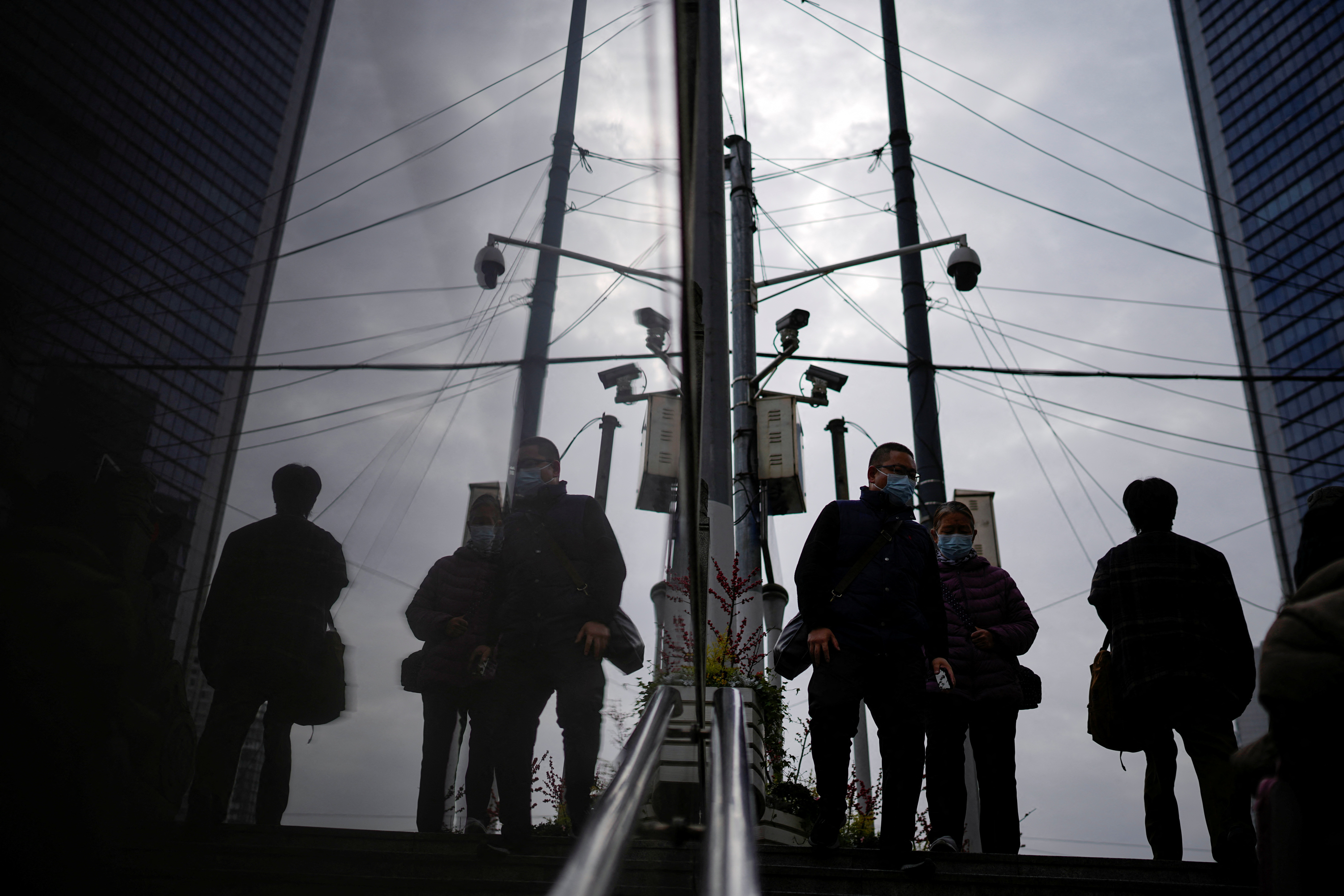
People wearing face masks walk under surveillance cameras on a street, as coronavirus disease (COVID-19) outbreaks continue in Shanghai, China, December 12, 2022. REUTERS/Aly Song
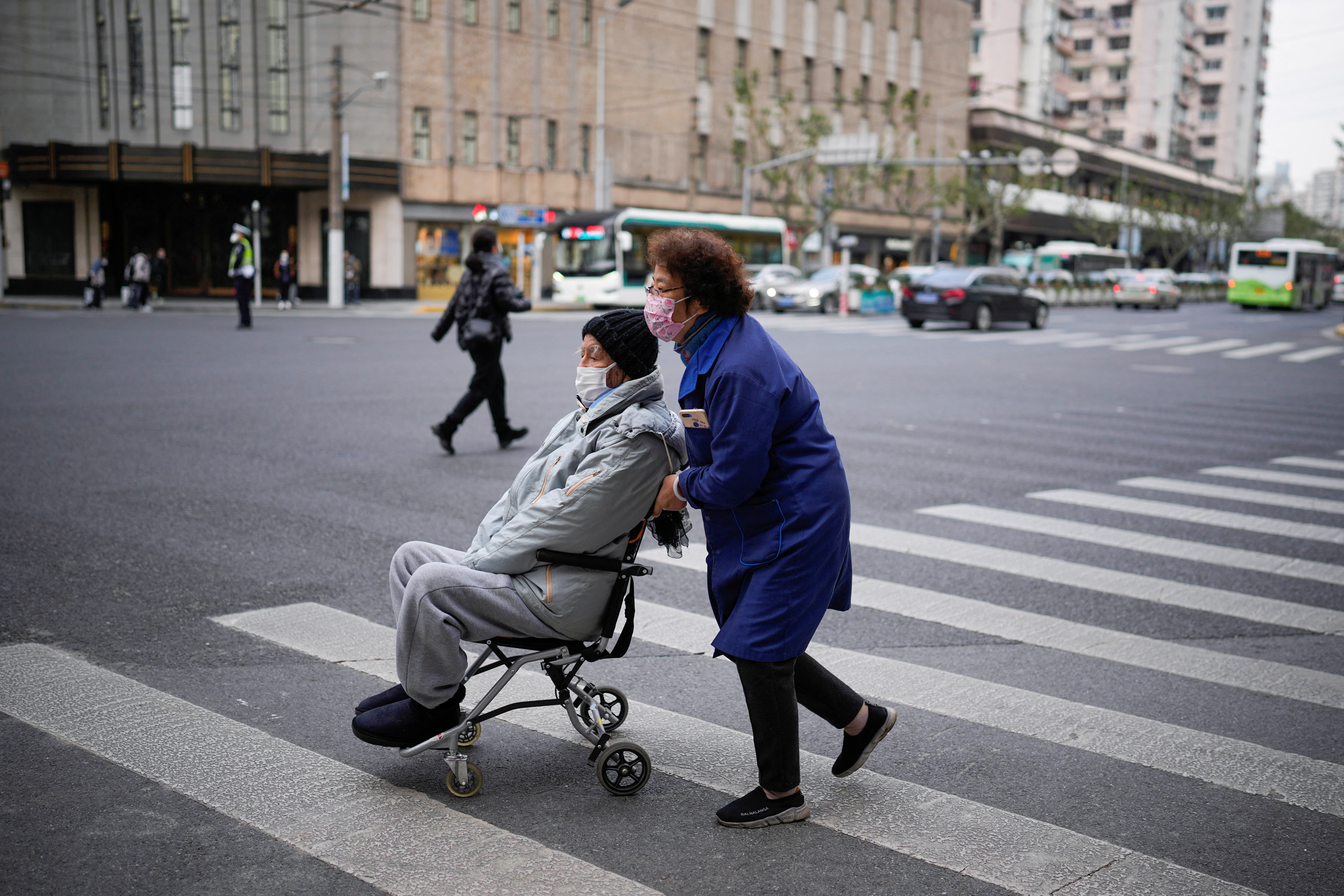
A woman pushes an old man in wheelchair to cross a street, as coronavirus disease (COVID-19) outbreaks continue in Shanghai, China, December 12, 2022. REUTERS/Aly Song

Categories
Audio Sources - Full Text Articles

Enemy shelling villages in Zaporizhzhia region, a woman killed

The Russian military is shelling the civilian infrastructure of Zaporizhzhia region. An 83-yr-aged female was killed.

“An 83-year-outdated regional girl gained fatal injuries for the duration of the artillery shelling of Mala Tokmachka. Her property and the territory of her residence were broken,” the Zaporizhzhia Location Division of the Nationwide Law enforcement studies.

About the earlier day, legislation enforcement agencies been given 23 studies on destruction as a final result of enemy shelling.


The Russian military services attacked Zaporizhzhia region with artillery, MLRS, and rocket launchers. Huliaypole, Orikhiv, Novodanylivka, Dorozhnianka, Olhivske, Chervone, Poltavka, Mala Tokmachka, Zhovta Krucha, Stepove, Plavni came less than fire.

The tensest problem is noticed in Polohy area. The properties of the community population had been ruined by the armed aggression in Orikhiv and close by settlements.

At night, Russian troops fired two S-300 missiles on the village of Zhovta Krucha. The missiles slammed into the location in the vicinity of the monument to soldiers fallen in Entire world War II. The blast wave damaged a historic setting up and a cultural centre.

Nearby properties have broken home windows, weakened facades, roofs, fences.

Proof was gathered and prison proceedings were being opened pursuant to Part 1, Element 2 of Art. 438 (Violation of regulations and customs of war) of the Criminal Code of Ukraine.

ol

Source link

The post Enemy shelling villages in Zaporizhzhia region, a woman killed appeared first on Ukraine Intelligence.

WP Radio
WP Radio
OFFLINE LIVE