|
|||||||||||||||||||||||||||||||||||||||||||||||||||||||||||||||||||||||||||||||||||||||||||||||||||||||||||||||||||||||||||||||||||||||||||||||||||||||||||||||||||||||||||||||||||||||||||||||||||||||||||||||||||||||||||||||||||||||||||||||||||||||||||||||||||||||||||||||||||||||||||||||||||||||||||||||||||||||||||||||||||||||||||||||||||||||||||||||||||||||||||||||||||||||||||||||||||||||||||||

 а>
а>  а>
а> 

The News And Times Information Network – Blogs By Michael Novakhov – thenewsandtimes.blogspot.com
 The Brooklyn Times - bklyntimes.com
|
|||||||||||||||||||||||||||||||||||||||||||||||||||||||||||||||||||||||||||||||||||||||||||||||||||||||||||||||||||||||||||||||||||||||||||||||||||||||||||||||||||||||||||||||||||||||||||||||||||||||||||||||||||||||||||||||||||||||||||||||||||||||||||||||||||||||||||||||||||||||||||||||||||||||||||||||||||||||||||||||||||||||||||||||||||||||||||||||||||||||||||||||||||||||||||||||||||||||||||||

U.S. Senate Majority Leader Chuck Schumer on Tuesday said he expects a year-long government funding bill to include more funding for Ukraine and measures to reform the way Congress certifies presidential elections.
The Senate will aim to vote on a bill to keep the federal government operating for one week past a Friday deadline, as Democrats and Republicans bicker over a longer-term measure likely to spend more than $1.5 trillion, Schumer said.

Binance, the world’s biggest crypto exchange, said on Tuesday it had “temporarily paused” withdrawals of the major stablecoin USDC.
“On USDC, we have seen an increase in withdrawals,” Binance’s chief executive Changpeng Zhao tweeted at around 0820 GMT.
Swapping USDC Coin with two other crypto tokens – Paxos Standard and Binance USD – requires using traditional dollars at a bank in New York, Zhao added. “The banks are not open for another few hours. We expect the situation will be restored when the banks open.”
The swaps are “1:1 conversions, no margin or leverage involved. We will also try to establish more fluid swap channels in the future,” he added.
Binance said in a separate tweet the halt was due to “token swap” – where digital token holders exchange their crypto coins, typically over different blockchains.
Binance said in September it would automatically convert user balances and new deposits of USD Coin and other stablecoins Pax Dollar and True USD into its own stablecoin, Binance USD.
Binance did not immediately respond to a request for comment.
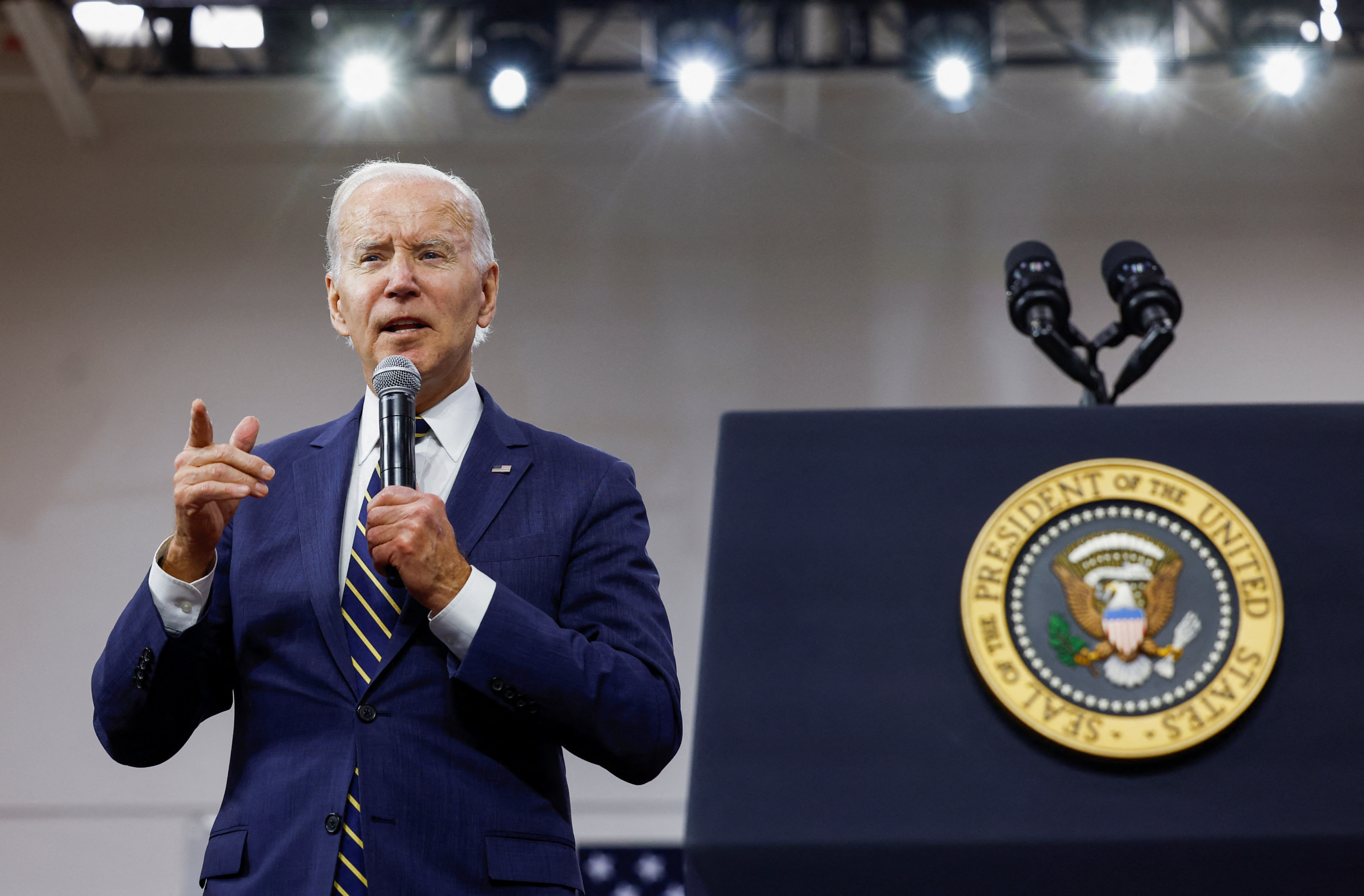
President Joe Biden said on Tuesday that inflation in the United States was coming down and things were headed in the right direction even as more work remained to be done.
“I want to be clear, it’s going to take time to get inflation back to normal levels. As we make the transition to a more stable growth, we could see setbacks along the way as well. We shouldn’t take anything for granted,” he said.
Biden said his goal was to get price increases under control without hurting economic growth and to lower inflation while keeping the labor market resilient.
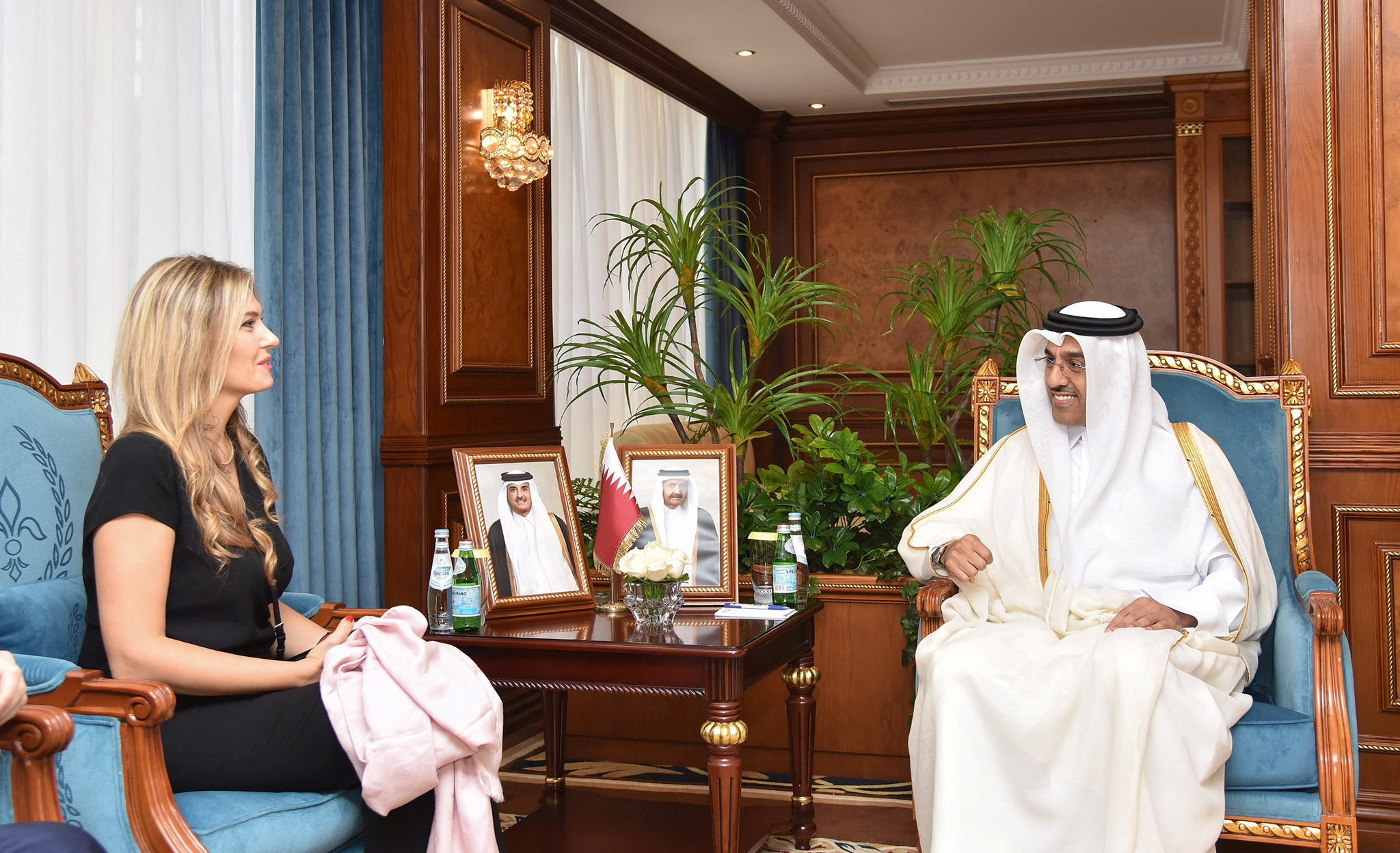
The European Parliament removed Greek MEP Eva Kaili as a vice president of the assembly on Tuesday after she was accused of accepting bribes from Qatar in one of the biggest graft scandals to hit Brussels.
Kaili has denied any wrongdoing, but European lawmakers have moved rapidly to isolate her, worrying that the Belgian investigation will badly dent the assembly’s efforts to present itself as a sound moral compass in a troubled world.
“There will be no sweeping under the carpet. Our internal investigation will look at what has happened and how our systems can be made more watertight,” European Parliament President Roberta Metsola said as 625 MEPs voted to deprive Kaili of her VP role, with only one voting against and two abstaining.
Kaili, who is in police detention, was one of 14 vice presidents in the parliament.
Belgian prosecutors charged her and three Italians at the weekend of taking part in a criminal organisation, money laundering and corruption.
A source close to the investigation has said they are believed to have pocketed money from World Cup host Qatar. The Gulf state has denied any wrong doing.
Police have raided numerous buildings in Brussels, including parliament offices and 19 homes, discovering around 1.5 million euros ($1.58 million), some of it stashed in a suitcase in a hotel room, a source close to the investigation said.
Kaili’s lawyer in Greece, Michalis Dimitrakopoulos, said on Tuesday that she was innocent. “She has nothing to do with financing from Qatar, nothing, explicitly and unequivocally,” he told Open TV in a first public comment.
Several MEPs nonetheless called for the 44-year-old Socialist politician to quit the assembly altogether.
“Given the extent of the corruption scandal, it is the least we could expect of her,” said MEP Manon Aubry, who co-chairs the Left group.
Countries which have faced criticism from the assembly said it had lost the moral high ground.
“From now on the European Parliament will not be able to speak about corruption in a credible manner,” Hungary Foreign Minister Peter Szijjarto wrote on Facebook.
Belgian prosecutors said they had suspected for more than four months that a Gulf state was trying to buy influence in Brussels. Although no state was publicly named by prosecutors, a source with knowledge of the case said it was Qatar.
None of the four people charged have been formally identified, but their names were rapidly leaked to the press.
According to a source familiar with the case, the other accused are former EU lawmaker Pier Antonio Panzeri, Kaili’s partner Francesco Giorgi, who is a parliamentary assistant, and Niccolo Figa-Talamanca, secretary-general of a human rights campaign group.
There were no replies to calls and emails made by Reuters to their respective offices or homes.
Kaili was among a stable of young aspiring Greek politicians who emerged in the debilitating debt crisis which swept Greece from 2010 to 2015. The Greek socialist PASOK party has said it will expel her from its ranks.
In a speech in the European Parliament on Nov. 21, at the start of the month-long World Cup, she lashed out at Qatar’s detractors and hailed the energy-rich Gulf state as “a frontrunner in labour rights.”
Qatar has faced fierce criticism of its human rights record in the run up to the World Cup, including its treatment of migrant workers.

Social media platform Twitter Inc will see an exodus of users due to changes being made by new owner and Chief Executive Officer Elon Musk and flat revenue growth for the next two years, according to a report by Insider Intelligence on Tuesday.
Experts and users have had concerns about Twitter’s ability to fight misinformation after it let go about half of its staff, including those involved in content moderation.
Twitter, which went private in October, will lose more users in the United States than in any of the countries Insider Intelligence tracks, the report said, adding that monthly users will fall to 50.5 million in 2024, the lowest level since 2014.
“Users will start to leave the platform next year as they grow frustrated with technical issues and the proliferation of hateful or other unsavory content,” said Jasmine Enberg, principal analyst at Insider Intelligence.
The market research firm said Twitter’s revenue growth will be flat for the next two years as revenue and staffing losses have made it more difficult for Musk to ship new products to increase usage and engagement on the platform.
Musk in November attributed a “massive drop in revenue” to civil rights groups that have pressured brands to pause their Twitter ads. The social media firm earns about 90% of its revenue from selling advertisements.
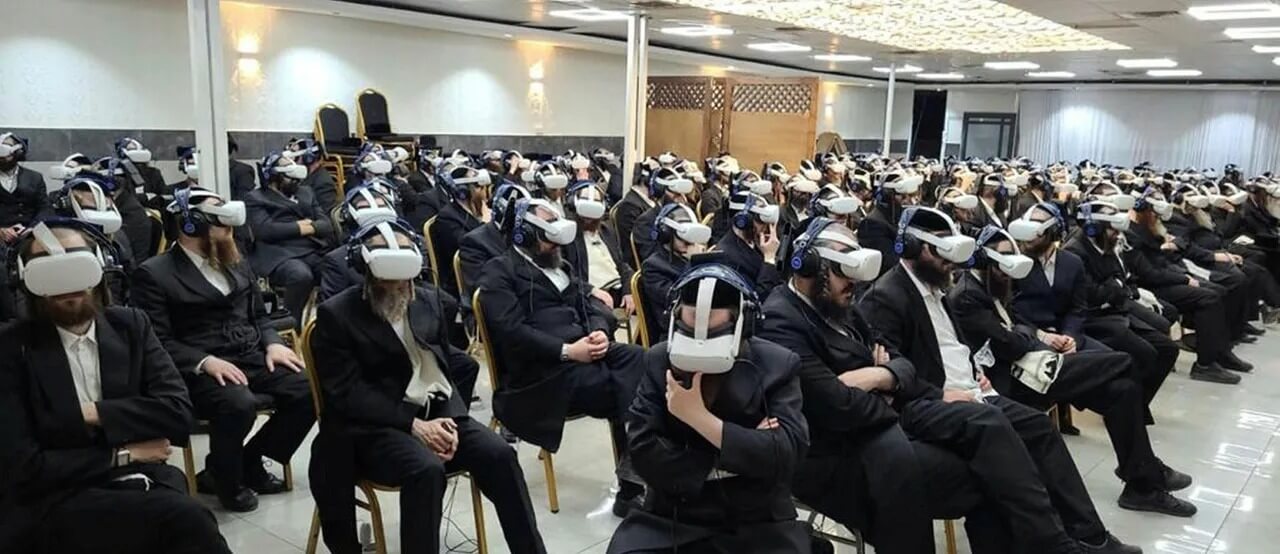
This article originally appeared on Haaretz, and was reprinted here with permission. Sign up here to get Haaretz’s free Daily Brief newsletter delivered to your inbox.
The brochure promises a 360-degree view of Auschwitz, announcing, “For the first time in Israel: A virtual-reality tour of the Auschwitz-Birkenau camp, using a VR headset.” How can you refuse?
In Israel, sometimes it feels like you don’t need a VR headset. Auschwitz is present 24/7 and all around. It’s there every time the threat of Iran is mentioned, every time the Israeli flag is raised at the World Cup stadium in Qatar, and every time Israel wins the Eurovision Song Contest or the UEFA Champions League. It’s there at the end of every election, every war, every ritual circumcision and every wedding. We remember and never forget.
Now Auschwitz has become an attraction at Jerusalem’s Mamilla open-air mall. “Feeling as if you’re there: The VR headsets enable you to be present at the camp,” the brochure promises. Great, Auschwitz is now available at the mall. An essential commodity.
At the end of the avenue of shops, a man of the “dapper homeless” type limps along, wearing cotton trousers and a dirty sweater and blazer. His sartorial choice might be misleading, but the smell gives him away. “I was king of the house,” he mumbles, and occasionally roars: “I was king of the house!”
I ask the barista at the café if this is an example of Jerusalem syndrome. She says it’s blackjack syndrome. The man lost his home playing cards. I’m reminded of my grandparents’ neighborhood in Rehovot, where there was a woman who walked around mumbling to herself: “tomorrow is laundry day, tomorrow is laundry day.” We called her Madame Laundry until we were told that “she was in the Holocaust” and that one day her children were taken to “help with the laundry,” and she never saw them again.
My grandfather immigrated to Israel from Germany before Hitler rose to power. Throughout the years, up until he lost his eyesight, he drove a German-made Volkswagen Beetle. My grandparents on the other side were Russian halutzim. The Holocaust didn’t seem to be ours. Still, almost all my parents’ uncles disappeared somewhere in the smoke plumes of Europe.
Try as we may, we cannot escape Auschwitz. “You can look 360 degrees around you and even gain a bird’s-eye-view with the help of a drone hovering above,” the brochure says. “You feel the earth and see the ashes. You’re physically there; you hear your own footsteps. Follow the guide as he makes his way from the crematoria to the showers, from the barracks to the train tracks to the lineup area. Touch the wooden bunks. Experience the same emotional impact experienced by those who travel to Poland.” Who could say no to that?
The mall’s Time Elevator space looks completely empty on this Sunday afternoon, anyway. It offers various attractions, like a virtual trip inside the human body or a multimedia show about the history of Jerusalem. The Auschwitz show – “360 degrees in Auschwitz VR” – is the latest one.
I reserve a ticket for the 3 P.M. show and arrive a minute or two late. There’s no one at the entrance and the lobby is silent. I worry I’m late and that the show has started without me. Then it turns out that I’m the only one there. I decide to do what I’ve been taught and follow the proverb: “In a place where there are no men, try to be a man.”
It’s a small room with bare walls, a black curtain and a linoleum floor, about a third of the area of an average classroom with nothing on the wall but six remembrance candles and the inscription “yizkor.”
A young woman with her hair covered sits next to a computer stand. An open bag of snacks is on her table near some nuts. The tiny room has 14 computer seats, each with a VR headset. For some reason, it reminds me of a doctor’s examination. The nice woman asks me to put on the glasses, and with a push of a button transports me to Auschwitz-Birkenau.
The first thing is a short explanation video about the virtual reality experience. A breathtaking VR view of mountaintops appears, with soothing meditation music in the background. A narrator says you can look up and to the sides. It’s important that we feel comfortable. “If you run into a problem or feel discomfort, raise your hand,” says the voice.
It sounds so vulgar that I’m almost disappointed when the video starts playing and I discover how serious the experience is. The presentation doesn’t reproduce Auschwitz via computerized graphics, or simulate the life of a camp inmate.
It’s merely a film of about one hour, in which a guide leads us among the paths and blocks of Auschwitz-Birkenau as they look today and teaches us about the Holocaust through the stories of those who were imprisoned there. I came expecting to see a display of bad taste, the commercialization of the Holocaust. I got a surprise.
Through the VR glasses, I float above the railway tracks and am pulled forward to the camp gates. The rattle of train carriages crackles from the earphones. The VR headset creates a realistic illusion, and now I am inside. You can argue about the necessity of Israeli students’ trips to Poland and their negative aspects, but the kitsch in this experience is no different from any other display about Auschwitz.
The guide leads us to the selection area, Josef Mengele’s “clinic,” the gas chambers and the crematoria. He outlines the process that every new arrival went through. Alongside archival black-and-white photos, we see from up close the exhibits at the camp today, and you can almost smell the shoes in the huge pile.
The three ultra-Orthodox creatives behind the project are Miriam Cohen, Yuti Neiman and Chani Koplowitz, who have been managing production studios for years.
“I hear from so many people that they were put off,” says Koplowitz. It looked to them like making a game of the Holocaust, like a gaming version of Auschwitz. It sounds terrible. They don’t know what happens there. Ultimately, when you experience it you see it’s the furthest thing from that.”
Koplowitz, 35, has nine children. Her parents aren’t Holocaust survivors, she says, but she has been what she calls an “amateur Holocaust researcher” from a young age. As a child, she spent hours in the Ginzach Kiddush Hashem archive, a center for Holocaust research and documentation across the street from her family’s home in Bnei Brak.
What characterizes Holocaust education in the Haredi community?
“Holocaust education is there all the time, it’s just less systematic, it isn’t necessarily linked to Holocaust Remembrance Day. Yes, there’s a peak, which is during Three Weeks, which is a period of mourning over the destruction of the Temple [in Jerusalem]. Then there are more lectures and talks with survivors. There’s a lot of material about the Holocaust, but we’ve detected a lack of [seeing it] face-to-face. We didn’t know how to solve that, and then we encountered VR technology.”
Haredim don’t send yeshiva students to trips to the Nazi German camps in Poland. Koplowitz says she and her two partners looked for a way to fill that lack of knowledge. They are promoting the VR tour to various schools, companies and institutions.
“No need to leave your workplace or school,” the brochure states. “Skip the hassle of arranging transportation and traveling; save the extra expense and spare yourself physical exertion. Our staff comes to you with a personal headset comprised of earphones and VR glasses.” A delivery of Auschwitz to your home, just like Uber.
“We went through agony,” says Koplowitz. “Nobody understood what we wanted, because VR is used for gaming, apps, avatars, and suddenly three women filmmakers arrive and say, ‘let’s make cinema out of it.’ You’re a passive viewer, with no control over space. Nobody in the business agreed with us and refused to take it to such a place. Nobody believed that someone would sit with a VR headset for more than a quarter of an hour without doing anything.”
Where did they want to take it?
“They wanted to make a model of Auschwitz. Just hearing that phrase, I was appalled. Someone told us, ‘let the viewer control the space.’ I said to him, ‘you want to make a “catch the Nazi” app?’ It’s appalling in every way, that kind of talk, That’s what all the companies and all the people suggested we do. They tried to play on the field they were familiar with, and we insisted that it’s a game we won’t take part in. We simply decided to go it alone.”
Koplowitz says they bought a small camera and started researching the technology. They watched VR National Geographic tours, trying to figure out what works and what doesn’t. Then came the coronavirus pandemic. “All of Europe was shut down. Auschwitz also closed to visitors,” she says.
She saw it as a great opportunity. “In my experience, they sometimes let us use a classroom at a school or a film laboratory. So I naively thought, ‘please, let them open Auschwitz for shooting. It’s empty now, anyway.”
She says she didn’t realize how difficult it would be to get a permit to film there: “Spielberg was also forced to film outside.” When Steven Spielberg was filming “Schindler’s List,” Polish authorities gave him permission to film at the camp, but opposition from Jewish organizations led to the possibility being scrapped.
“We went to Yad Vashem and they cooperated with us, but on the issue of filming in Auschwitz, we had to find a solution ourselves,” Koplowitz says.
She and her partners were determined and sought to make contact with the Auschwitz-Birkenau Museum’s board of directors. Their liaison convened a meeting of the board to discuss the request, and one day told them: “I’m going into a meeting; say a prayer.”
Koplowitz recalls: “We turn off the computers and pray. Light candles. I, the Moroccan, light about 6 million candles, and after four and a half hours, she calls and says, ‘I fought until the last moment. You have a permit next week to come for three days to film in the camp.’ Imagine the screams in the studio.”
They organized the trip in three days. The production team managed to land in Warsaw despite the ban on flights, but it then transpired that the country was under lockdown and they couldn’t leave the airport. “We told them we had a special permit and had to film there that day,” Koplowitz says. “Finally, they allowed us to go on the condition that we promised not to go out of Auschwitz’s borders.”
Apart from the guide, it was everyone’s first visit to the camp. “We went in, and it took us time to find our way around, to understand that place,” she says. “Then the escort came and closed the gate behind us, because the site was closed to visitors. That key is locked behind us with a clang, the drone in the air broadcasts footage, and then we begin to understand the magnitude of the place. We stood there paralyzed and couldn’t do anything.”
They filmed in the camp for three days, from sunrise to sundown. At night, they slept in the town of Oświęcim.
In the short film, the guide leading viewers is Yisrael Goldwasser, an observant Jew. “We are about to enter a site of greatness and exaltedness,” he proclaims, preparing us for the tales of martyrdom. And that is the overriding tone of the entire film. If there is anything truly surprising about it, and induces any feelings of discomfort about the activity, it is that this is a faith-based version of Auschwitz. We are compelled to join the guide as he recites the prayer for rain, and hear anecdotes about Jews who were shot to death because they insisted on taking their tefillin (phylacteries) with them from the train.
“Every Jew has his own personal tefillin bag,” Goldwasser tells us. He describes “the sanctified” who were “taken into heaven by a whirlwind,” quoting from the Bible.
One of the most noteworthy shots in the film shows Goldwasser, wrapped in a tallit, walking the paths of the camp. The drone camera captures him from above, marching alone through the immense camp. “The Jews here went to their funeral without a tallit,” he explains to the viewers. “They are up on high, without their atarot” – the distinctive mesh-metal collars of prayer shawls – “basking in the radiance of the divine spirit.”
The film also features the story of a prisoner who concealed a shofar beneath the floorboards of the barrack and the story of Reb Moishe Peshigorski, who gave up a slice of bread in exchange for a siddur (prayer book).
There is also the testimony of a survivor who, in the face of deep despair, ran toward the electrified fence in order to kill himself, but heard as he was running heard a barely audible rendition of “Ma’oz Tzur” – a Hebrew song sung during the Hanukkah candle-lighting ceremony – sung by members of the Sonderkommando, who were lighting candles in secret. The finger of God prompted him to change his mind, and he lived.
Koplowitz acknowledges her declared choice to tell the story of the Holocaust by way of a faith-based narrative: “Nearly 40 percent of the victims looked like and spoke like the guide. We didn’t try to be a historical research project; we do not offer a whole lot of numbers and data. We set out to focus on a religiously observant demographic group and on how it dealt with being in the camp. Which is why it is very important for us to say so in a clear voice.
“We are not saying that this is how all of them looked; we came to tell a certain story. It’s like a single episode of a series in which there is a directed focus on the faith-based narrative. When you say so in advance, it is accepted with love.”
Such a narrative also invites additional questions, such as the classic question of where God was during the Holocaust.
“It’s true. I see that this question arises in the wake of the conversations we conduct in schools after the experience.”
The film doesn’t touch on this question.
“No, but I’m glad it comes up. Both when we presented the experience at Bleich High School [in Ramat Gan] and when we staged it at a super Haredi school.”
You’ve presented it at Bleich and at other secular schools. No one complains that you’re trying to push religious values?
“No, because this is a display window of religious values. That is what we are: three female Haredi filmmakers. We say so ahead of time and if anyone isn’t OK with that, then it’s perfectly fine for them to forgo the experience. There’s no coercion here; what there is here is a focus on specific values that gave people strength.”
Indeed, as the film shows the barracks in Auschwitz, there is suddenly the eyewitness testimony of survivor Rivka Binyamini, who recounts how she tried to light Shabbat candles in Auschwitz and how miraculously enough, the candles lit. “It gave me a great deal of strength,” she says.
One could think cynically about the question of where as God was in the Holocaust, but in this instance, Binyamini offers an answer. He was within her, she says and if he – imagined or real – gave her the strength to survive, as she attests, then perhaps he fulfilled his role in that atrocity.
At the end of the film, our guide delivers a Shema prayer over the gas chambers with particular intensity. And amazingly, we are transported from Holocaust to rebirth; we find ourselves far, far away from Auschwitz, at a ceremony in which Israeli paratroopers are sworn in at the Western Wall.
One after another, the native-born Israeli warriors walk into the plaza and are handed their weapons from their commanders, while in the background Yehoram Gaon sings from the Book of Psalms: “Our mouths shall be filled with laughter, our tongues with songs of joy.
Then shall they say among the nations,
the Lord has done great things for them!”
The ceremony has ended. Congratulations, we have been liberated from Auschwitz. Good luck in your civilian lives.
The post Jerusalem mall offers virtual reality Holocaust attraction appeared first on The Forward.
Ukraine’s military said Russia had pulled some troops from towns on the opposite bank of the Dnipro River from Kherson city, the first official Ukrainian report of a Russian withdrawal on what is now the main front line in the south..
* Spain has stepped up security at public and diplomatic buildings after a spate of letter bombs, including one sent to Prime Minister Pedro Sanchez and another to the Ukrainian embassy in Madrid, where an official suffered minor injuries.
* Air raid alerts were issued across all of Ukraine following warnings by Ukrainian officials that Russia was preparing a new wave of missile and drone strikes. “An overall air raid alert is in place in Ukraine. Go to shelters,” country’s border service wrote on Telegram messaging app.
* Ukraine’s military said it had found fragments of Russian-fired nuclear-capable missiles with dud warheads in west Ukraine, and that their apparent purpose was to distract air defences.
* The recently liberated Ukrainian city of Kherson has lost its power supply after heavy shelling by Russian forces, the regional governor said.
* European Union governments tentatively agreed on a $60 a barrel price cap on Russian seaborne oil, with an adjustment mechanism to keep the cap at 5% below the market price, an EU diplomat said.
* Russian Foreign Minister Sergei Lavrov said on that big problems had accumulated in the Organization for Security and Cooperation in Europe (OSCE), accusing the West of spurning the chance to make it a real bridge with Russia after the Cold War.
* Lavrov said that discussions with Washington about potential prisoner exchanges were being conducted by the two countries’ intelligence services, and that he hoped they would be successful.
* The European Union needs patience as it sanctions Russia for its invasion of Ukraine, as most measures will only have an impact in the medium and long term, Lithuania’s prime minister said in an interview at the Reuters NEXT conference.
* Switzerland has frozen financial assets worth 7.5 billion Swiss francs ($7.94 billion) as of Nov. 25 under sanctions against Russians to punish Moscow for its invasion of Ukraine, the State Secretariat for Economic Affairs (SECO) said.
* Russia said the German parliament’s move to recognise the 1932-33 famine in Ukraine as a Soviet-imposed genocide was an anti-Russian provocation and an attempt by Germany to whitewash its Nazi past.
* Ukraine sacked a top engineer at the Russian-occupied Zaporizhzhia nuclear power plant, accusing him of collaborating with Russian forces, and urged other Ukrainian staff at the plant to remain loyal to Kyiv.
* Russia must withdraw its heavy weapons and military personnel from the Zaporizhzhia plant if the U.N. atomic watchdog’s efforts to create a protection zone are to succeed, Ukrainian Foreign Minister Dmytro Kuleba said.
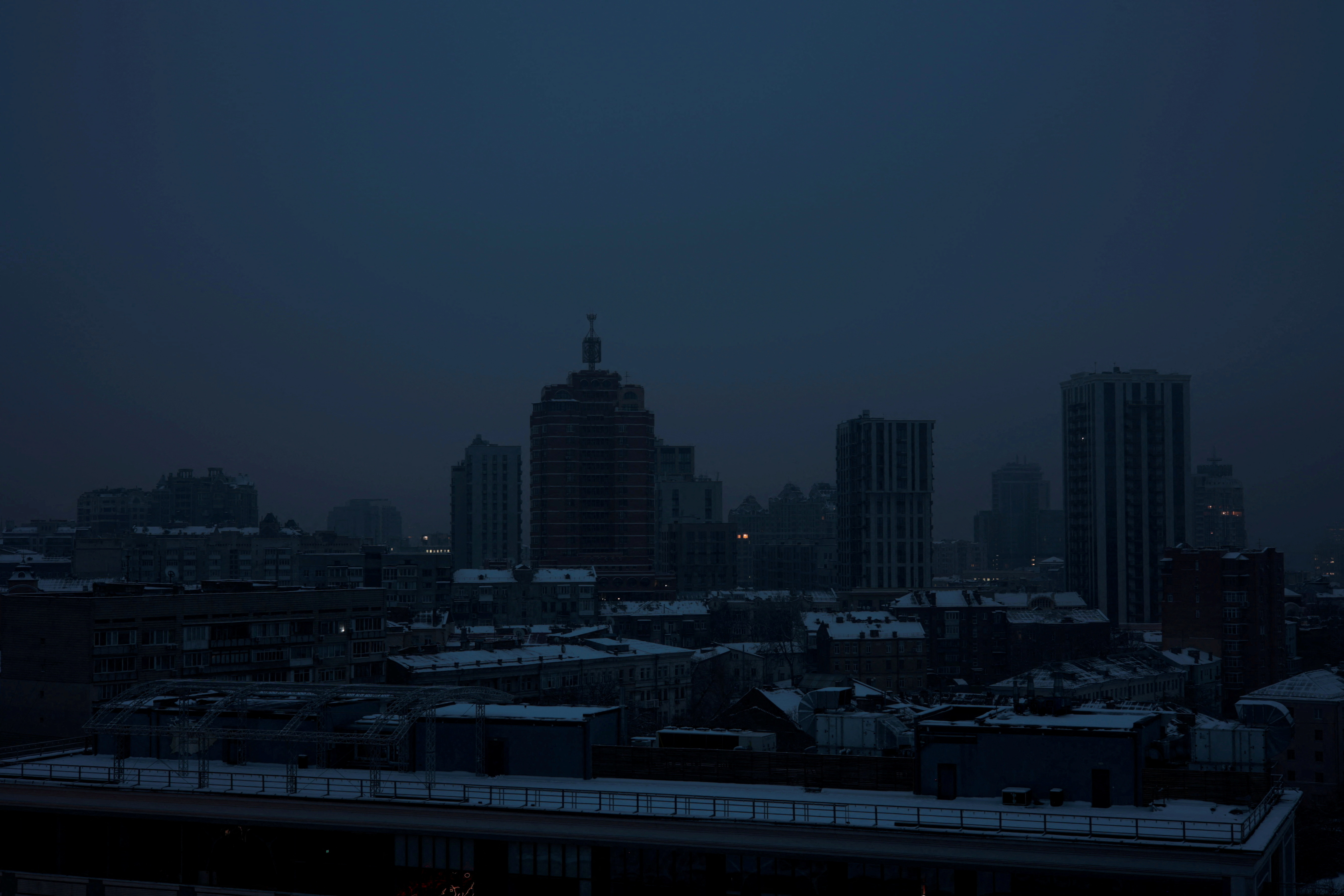
* In a grim sign of the energy crisis caused by Russian attacks on Ukraine’s electricity grid, nine people have been killed in fires over the past 24 hours as Ukrainians resorted to emergency generators, candles and gas cylinders in violation of safety rules to try to heat their homes after power outages.
* “Remember one thing – the Russians are afraid. And they are very cold and no one will help them, because they do not have popular support,” – Andriy Yermak, chief of Ukrainian presidential staff.

Binance, the world’s biggest crypto exchange, said on Tuesday it had “temporarily paused” withdrawals of the major stablecoin USDC.
“On USDC, we have seen an increase in withdrawals,” Binance’s chief executive Changpeng Zhao tweeted at around 0820 GMT.
Swapping USDC Coin with two other crypto tokens – Paxos Standard and Binance USD – requires using traditional dollars at a bank in New York, Zhao added. “The banks are not open for another few hours. We expect the situation will be restored when the banks open.”
The swaps are “1:1 conversions, no margin or leverage involved. We will also try to establish more fluid swap channels in the future,” he added.
Binance said in a separate tweet the halt was due to “token swap” – where digital token holders exchange their crypto coins, typically over different blockchains.
Binance said in September it would automatically convert user balances and new deposits of USD Coin and other stablecoins Pax Dollar and True USD into its own stablecoin, Binance USD.
Binance did not immediately respond to a request for comment.
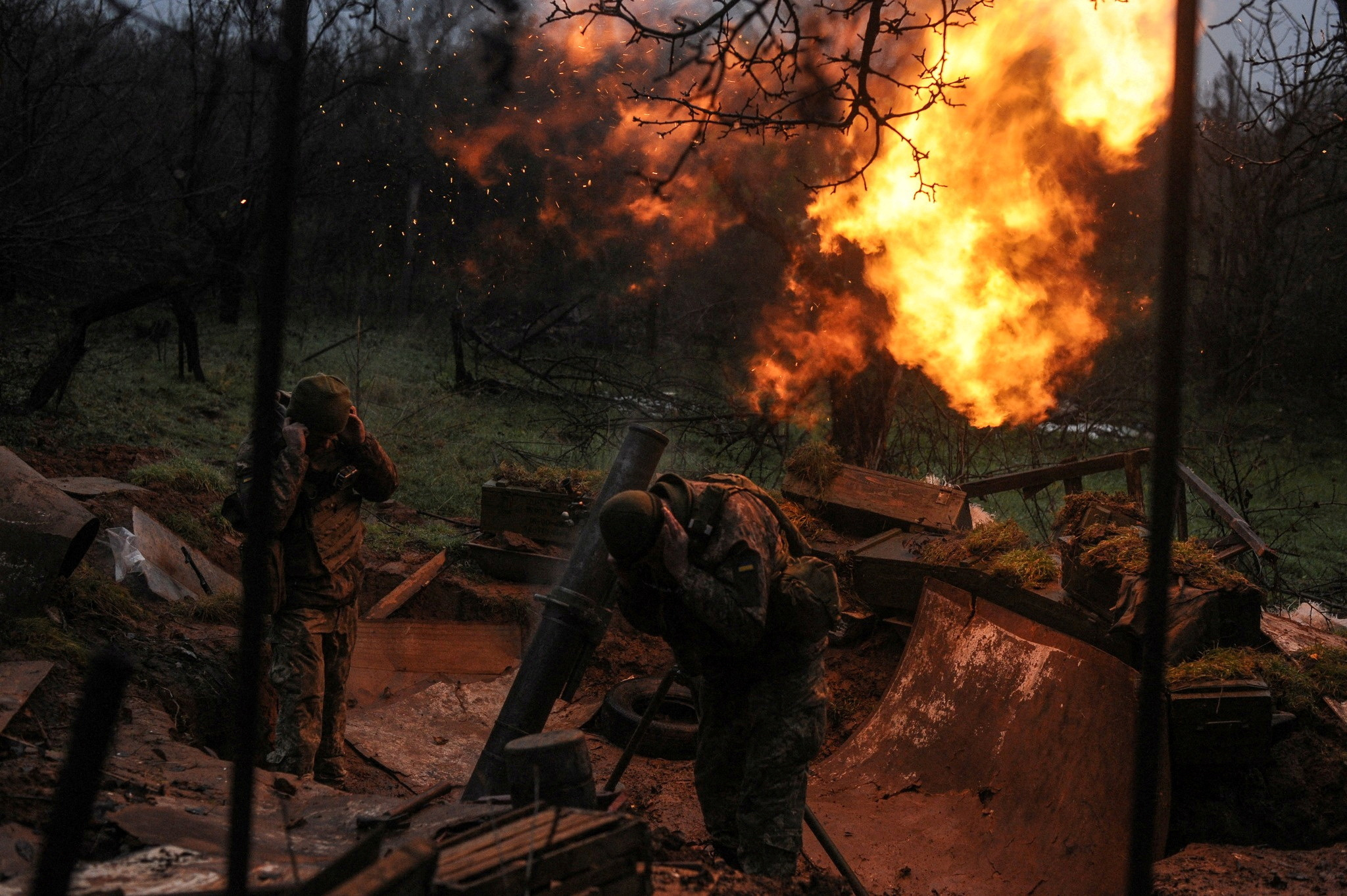
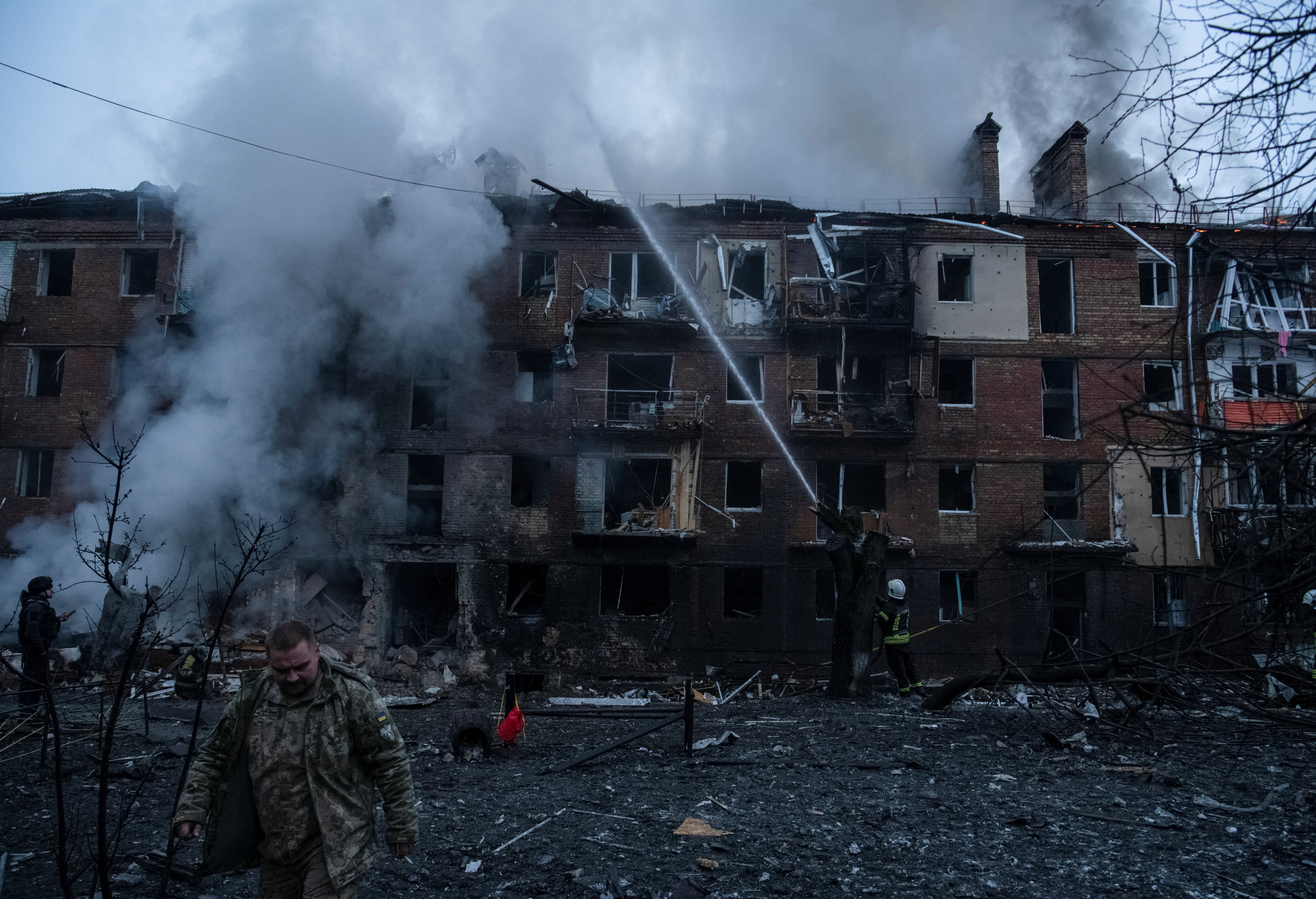
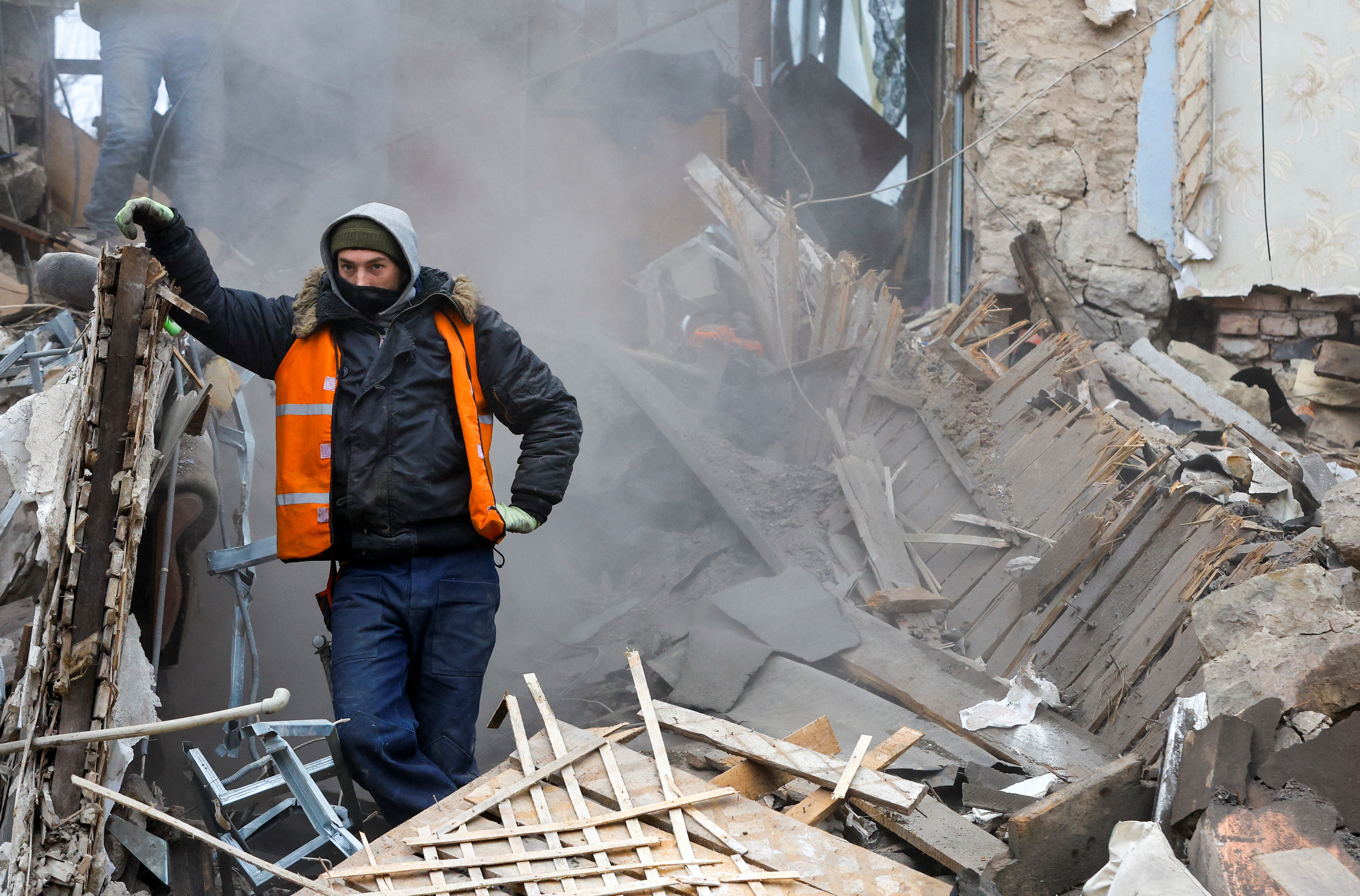
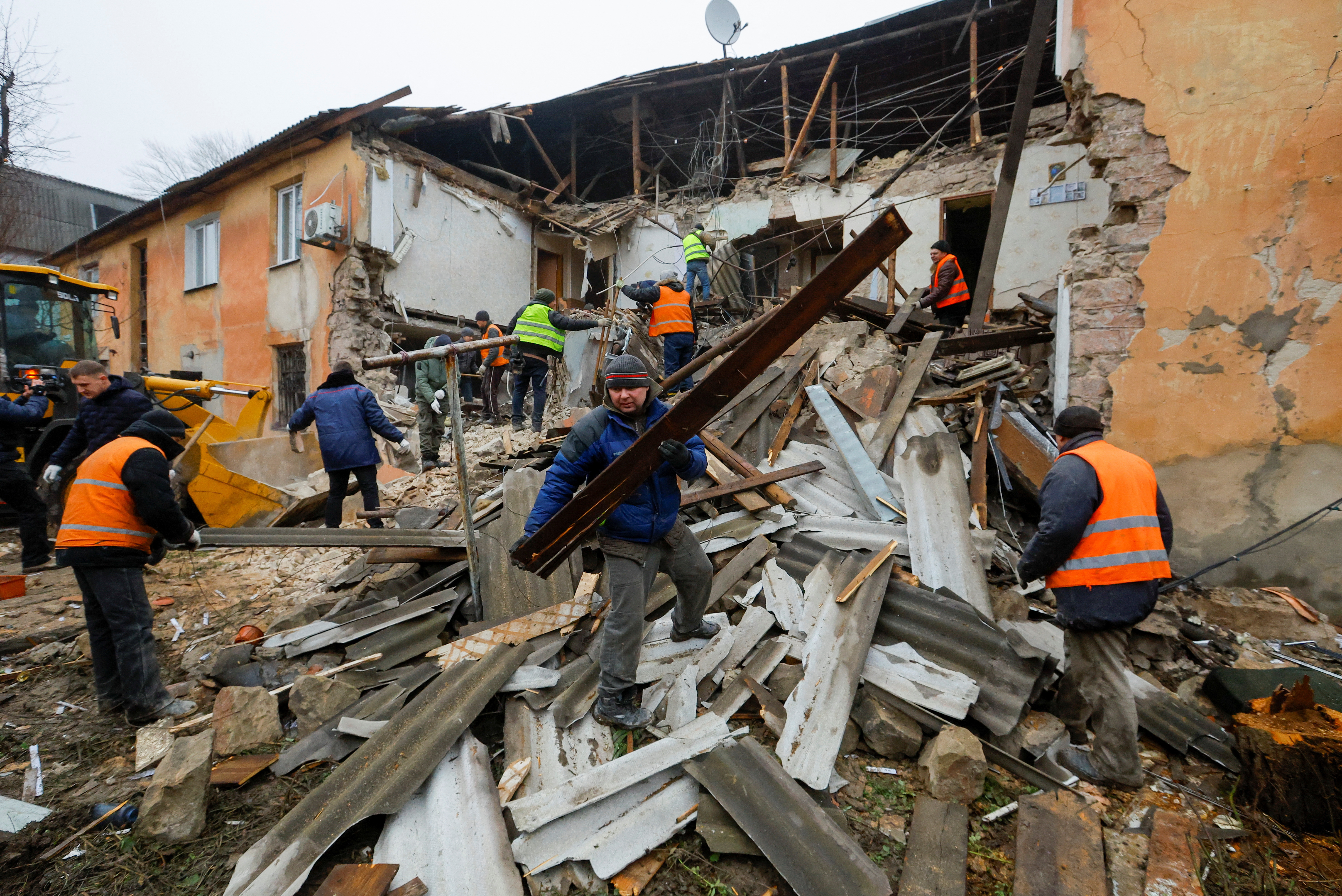
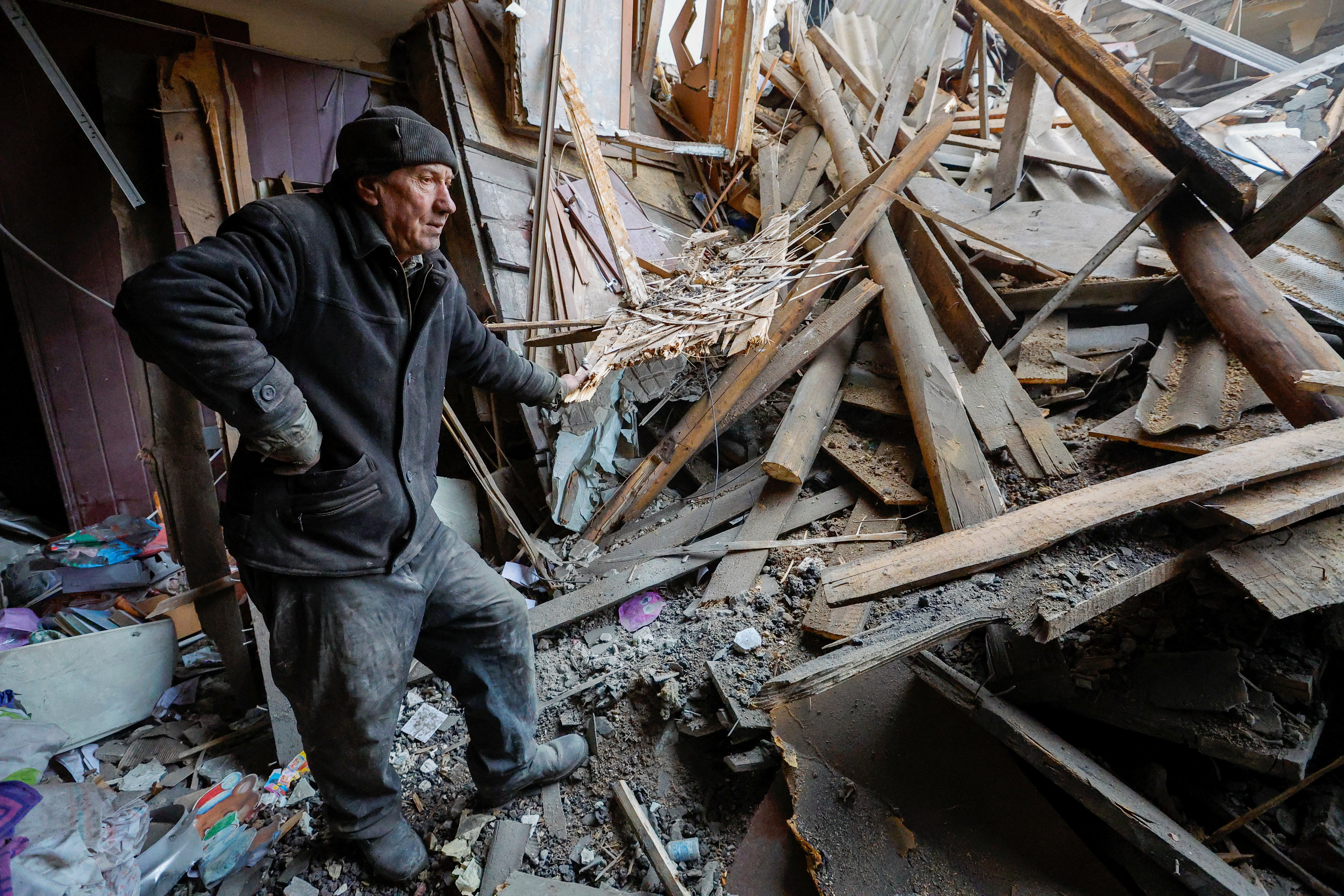
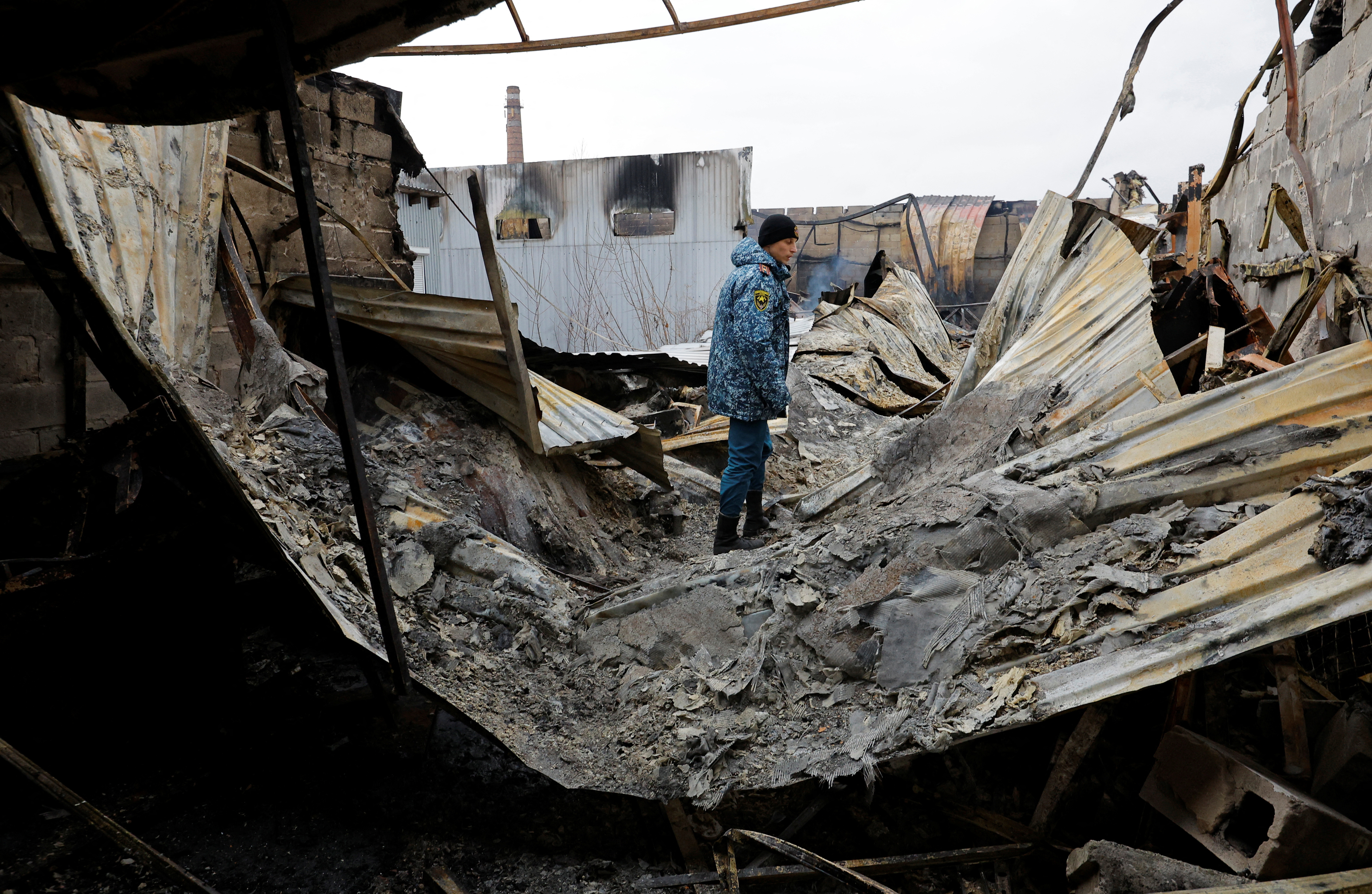
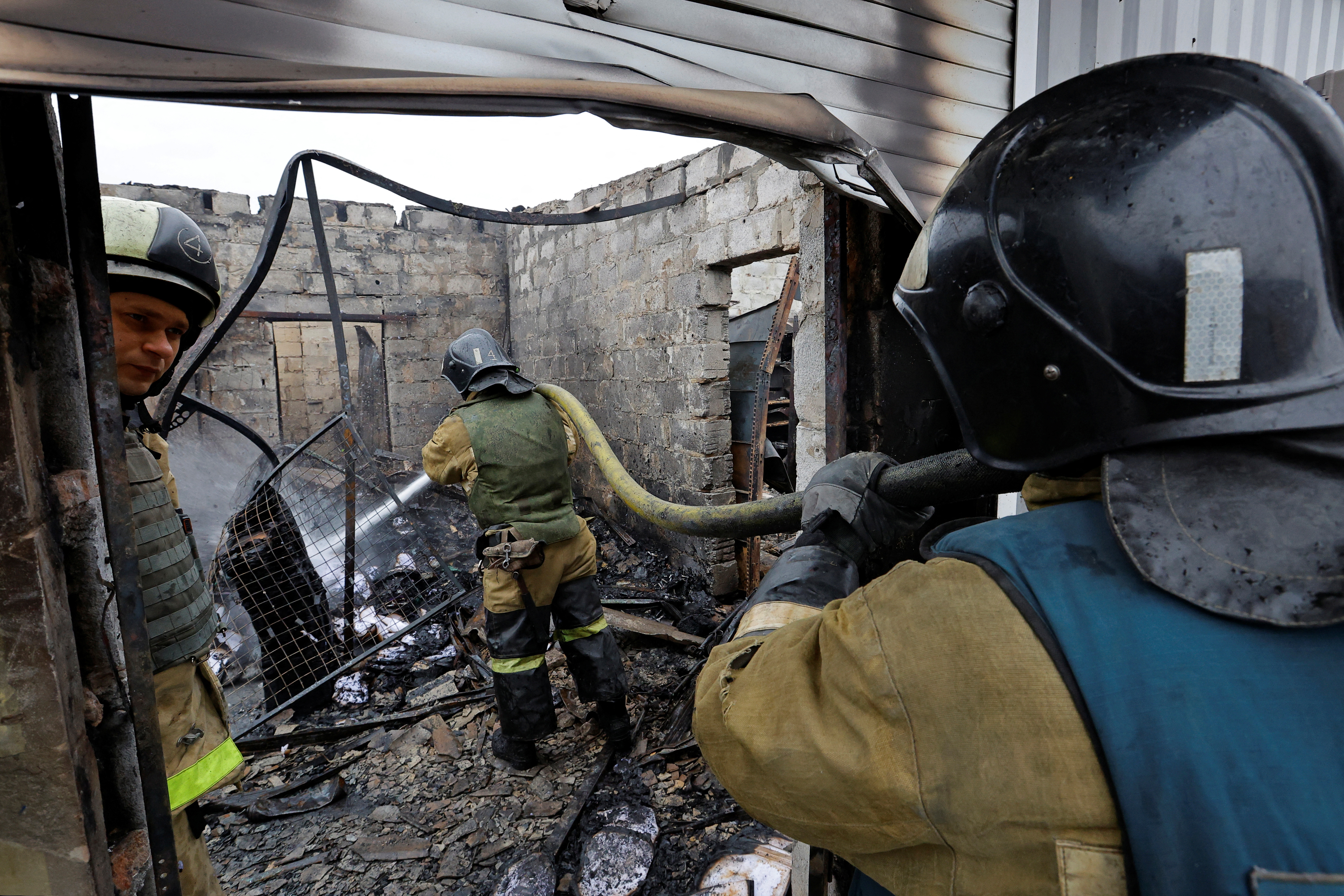
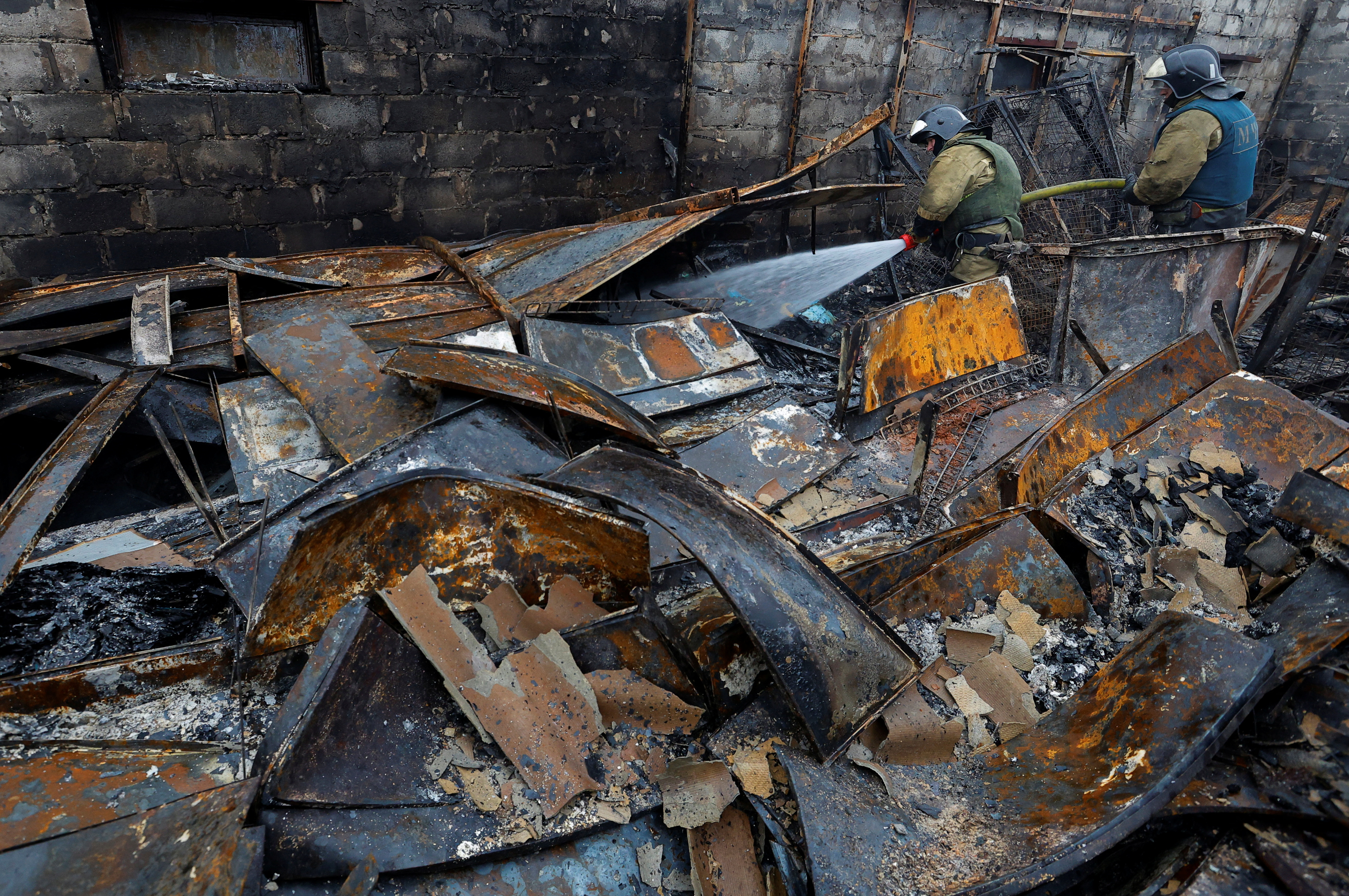
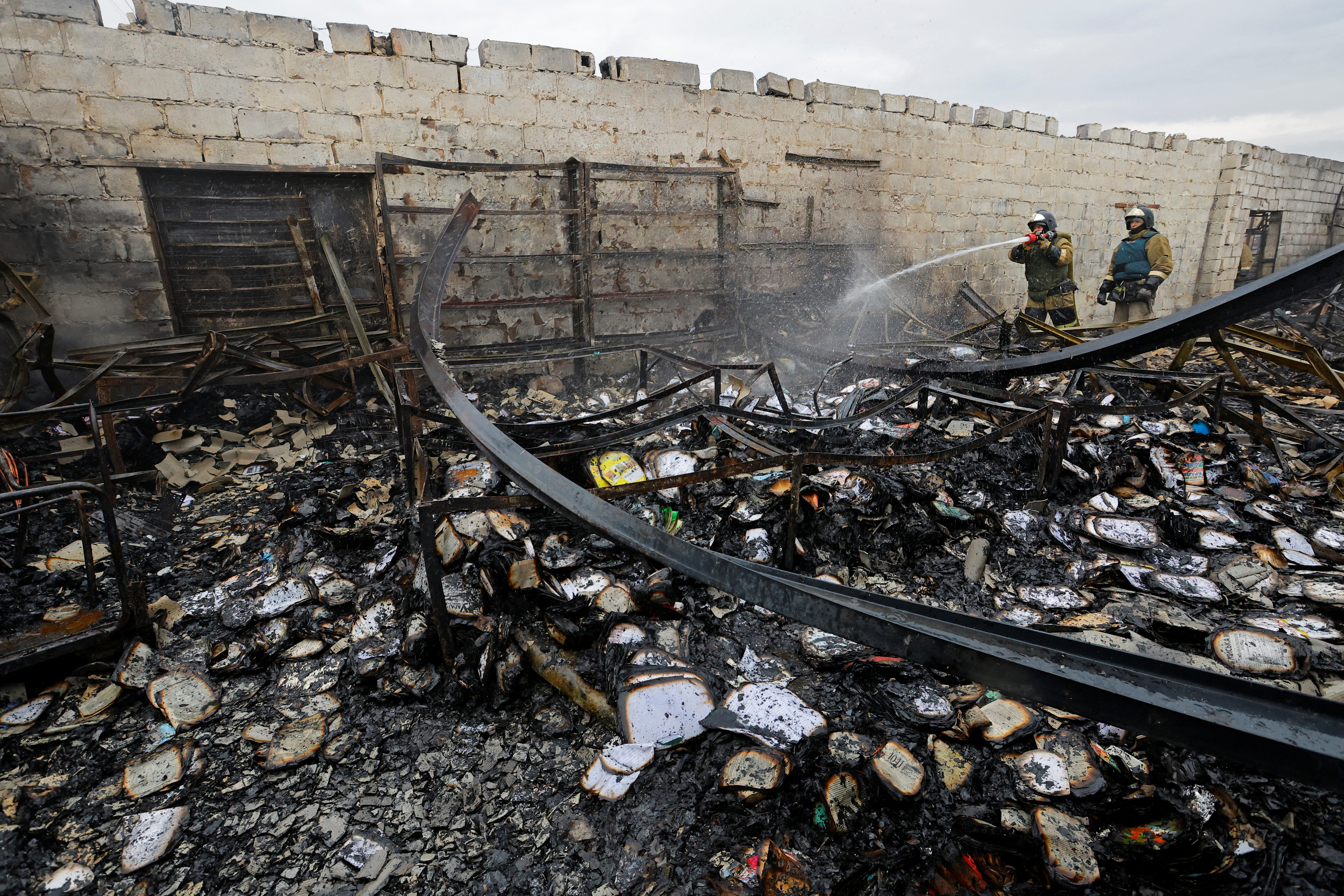
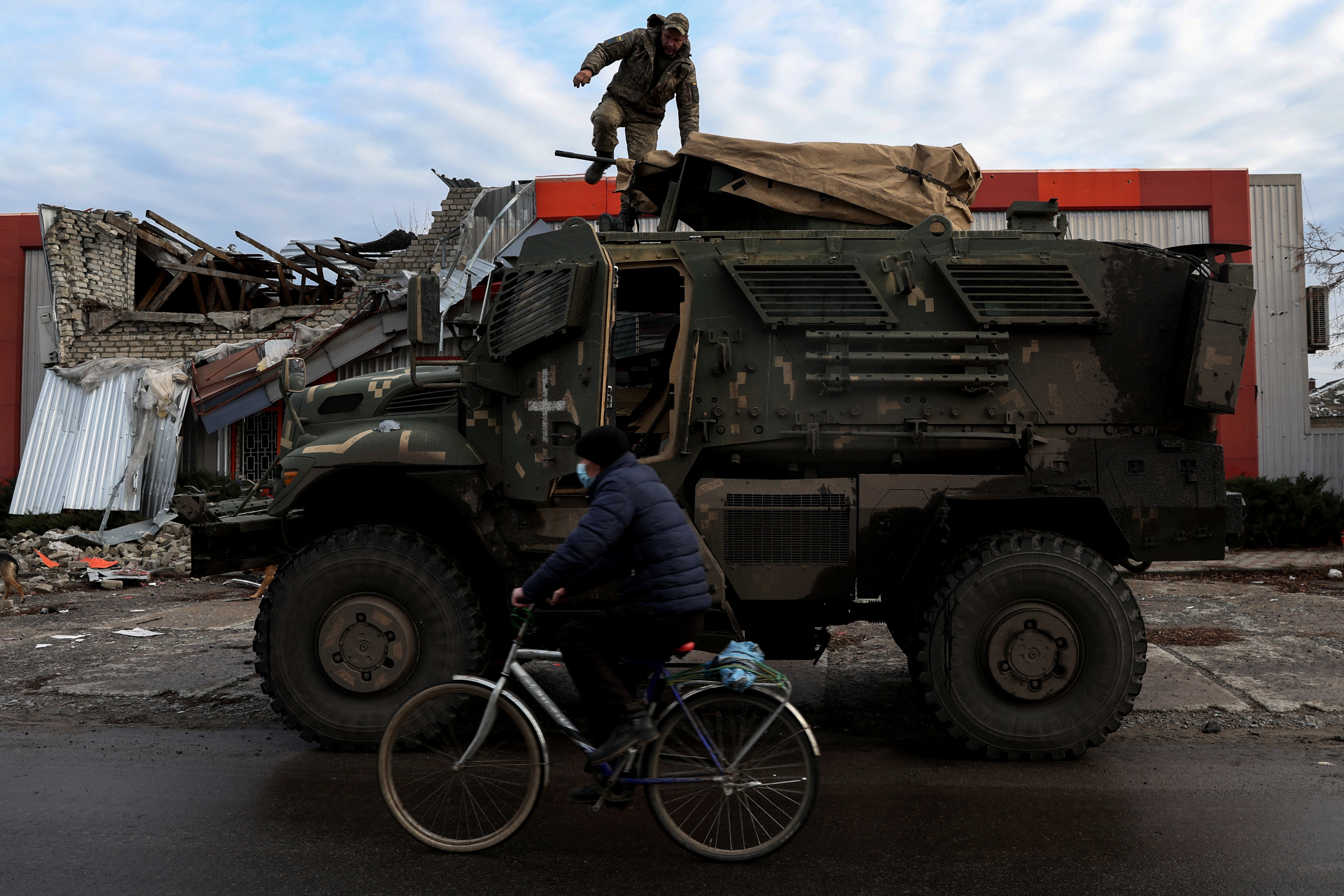
Russia and Ukraine pounded each other’s forces in heavy fighting in the eastern region of Donetsk on Tuesday as Kyiv’s allies meeting in Paris pledged just over 1 billion euros ($1.05 billion) to help Ukrainians survive the freezing winter.
Russian forces are battling to take control of the Donetsk and Luhansk regions, two of four territories the Kremlin claims to have annexed in votes rejected by most countries as illegal.
Moscow is also attacking Ukraine’s energy infrastructure with waves of missile and drone strikes, at times cutting off electricity for millions of civilians enduring Europe’s deadliest conflict since World War Two.
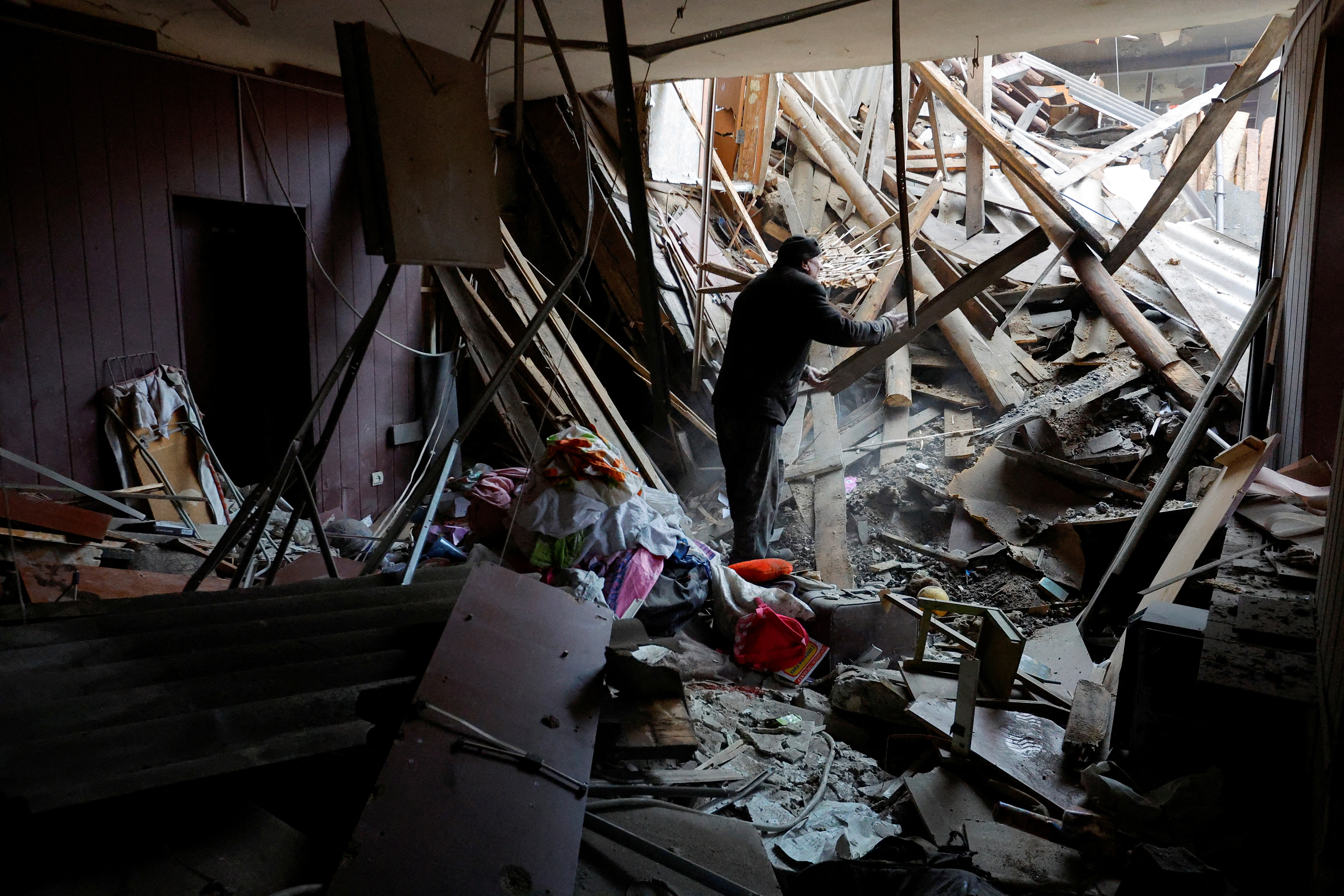
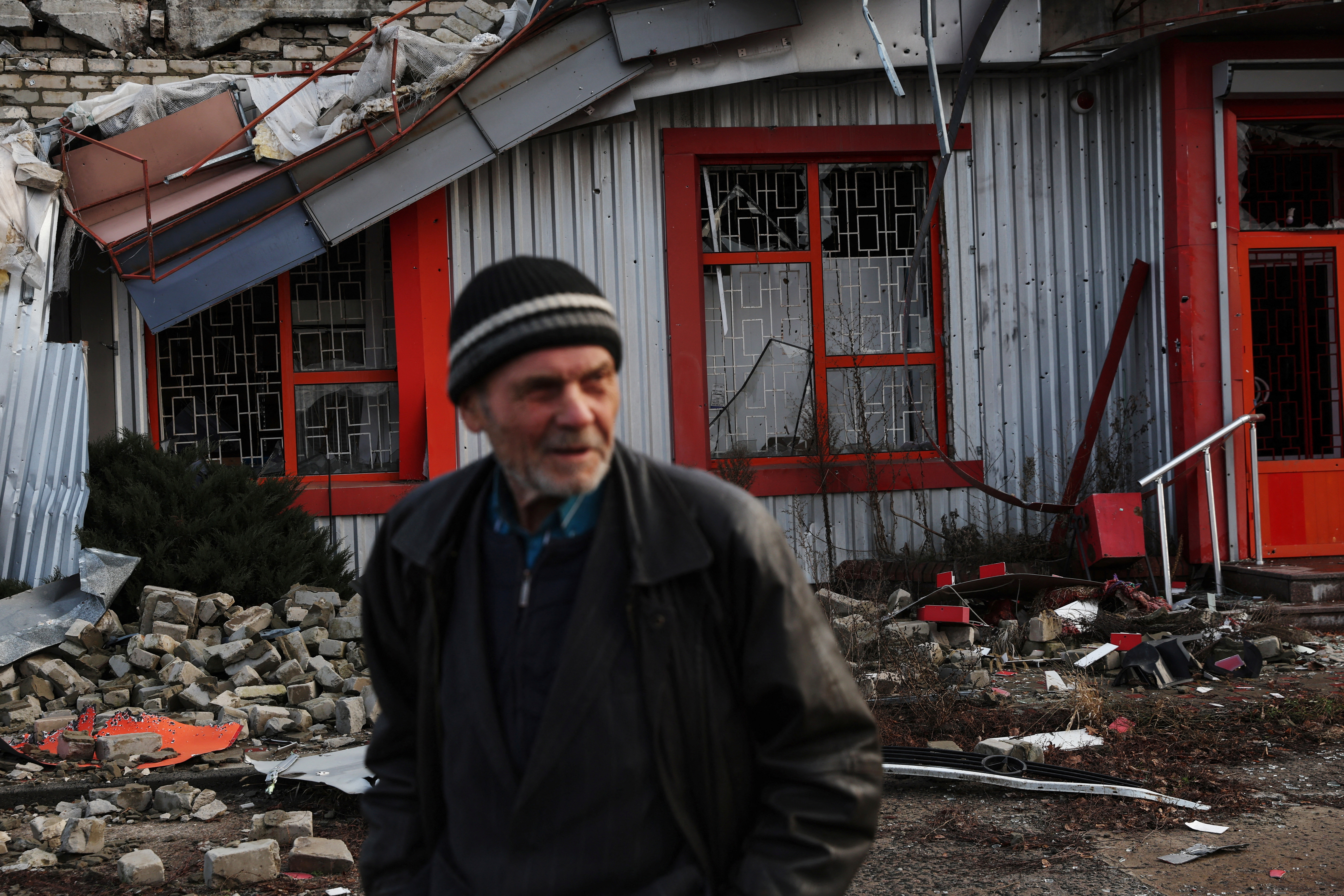
“They’re shelling really hard, there’s shelling, especially at night,” Valentyna, 70, told Reuters as she fled the Ukrainian-held city of Bakhmut, which Moscow seeks to capture but which is now largely in ruins because of incessant bombardment.
Valentyna, who declined to give her surname, spoke in a van driving to the relative safety of Ukrainian-controlled Pokrovsk.
“The house would shake and every minute, second you expect it could crumble around you and that’d be it. I couldn’t even sleep in the last week, so I decided to leave,” she added.
Air raid sirens wailed across Ukraine on Tuesday afternoon, but no new attacks were reported and the all clear was given.
In Paris, about 70 countries and institutions pledged payments of just over 1 billion euros ($1.05 billion) to help maintain Ukraine’s water, food, energy, health and transport, French Foreign Minister Catherine Colonna said.
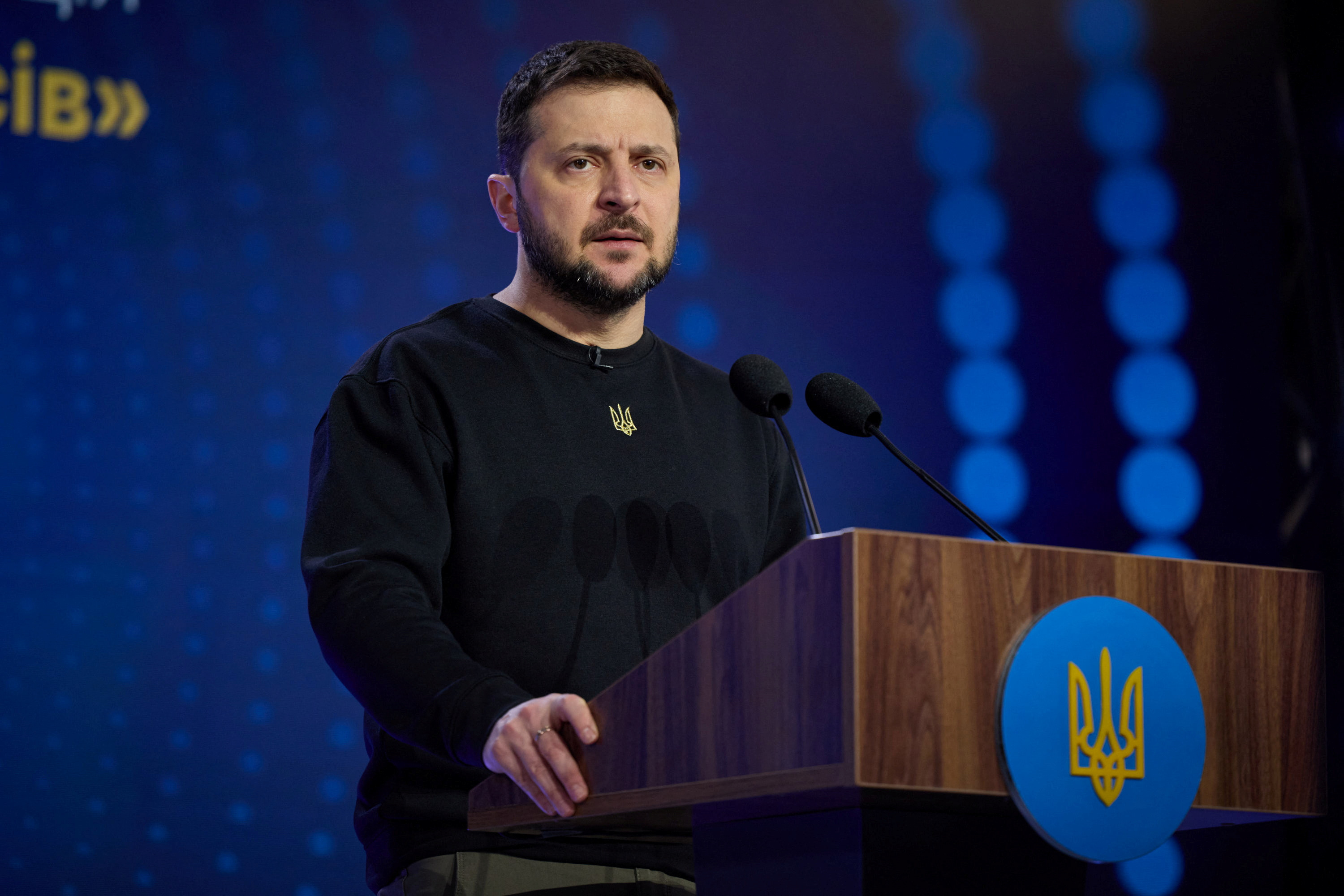
Ukrainian President Volodymyr Zelenskiy had said Ukraine needed at least 800 million euros ($840 million). “It’s a lot, but the price is less than the cost of blackout,” Zelenskiy told the meeting via video link.
French President Emmanuel Macron said there was an agreement on removing heavy weapons from Ukraine’s Zaporizhzhia nuclear power plant and that talks were under way on the way to do this.
Denis Pushilin, Russian-installed administrator of the portion of Donetsk controlled by Moscow, told Russian media that just over half of the Donetsk People’s Republic had been “liberated”. The self-styled republic is a breakaway Russian-backed entity that has fought Ukrainian forces since 2014.
Reuters was unable to independently verify the report.
Fighting in the region in recent weeks has left unclear which parts of Donetsk are under Russian and Ukrainian control.
Three civilians were killed in Donetsk over the past 24 hours, regional Governor Pavlo Kyrylenko said on his Telegram channel, while in the southern Kherson region, governor Yaroslav Yanushevych reported three people killed by Russian artillery.
Russian troops shelled the part of the Kherson region under Ukrainian control 57 times, he said.
Russia’s sustained shelling of the frontline in Donetsk has destroyed Bakhmut city and heavily damaged the city of Avdiivka, which lies in the region’s centre, Zelenskiy said on Friday.
On Monday, Ukraine’s armed forces said Russia kept concentrating its efforts to advance and capture both cities.
Vladimir Rogov, a Russian-installed official in the Zaporizhzhia region, late on Monday shared video on Telegram of what he said was a damaged bridge connecting a suburb to Melitopol, a Russian-occupied city Ukraine sees as vital to Russia’s defence of territory it holds in the south, including Crimea.
Reuters could not independently confirm the report. Ivan Fedorov, Melitopol’s exiled mayor, also shared video taken from the perspective of a vehicle approaching what appeared to be the bridge and then reversing away from a section that had buckled.
Fedorov drew a parallel with an attack in October on a more strategically significant road-and-rail bridge linking Russia and the Crimean peninsula. Russian President Vladimir Putin said that blast was orchestrated by Ukraine and unleashed retaliatory strikes on Ukrainian cities including Kyiv.
Alexander Bortnikov, head of Russia’s Federal Security Service (FSB), said there had been a significant increase in “terrorist manifestations” in Russia this year, mostly in regions close to Ukraine, according to the Interfax news agency.
Interfax cited the National Anti-Terrorist Committee, which Bortnikov chairs, as saying 123 such crimes were averted this year, including 64 terrorist acts. Bortnikov said these acts were due to the activities of Western-backed Ukrainian “special services” and those of “international terrorist organisations”.
Reuters could not independently verify the latest battlefield accounts.
Russia’s close ally Belarus announced a snap military inspection on Tuesday including increased combat readiness in the south of the country, the latest in a burst of exercises that have prompted concern from neighbouring Ukraine.
The Group of Seven on Monday promised to “meet Ukraine’s urgent requirements” after Zelenskiy appealed for modern tanks, artillery and long-range weapons. He also urged the G7 to support his idea of convening a special Global Peace Summit.
Russia on Tuesday dismissed a peace proposal from Zelenskiy that would involve a pullout of Russian troops and demanded Kyiv accept new territorial “realities” which included Russia’s addition of four Ukrainian regions as its “new subjects”.
U.S. President Joe Biden told Zelenskiy on Sunday that Washington’s priority was to boost Ukraine’s air defences. The United States also shipped the first batch of power equipment to Ukraine under an aid package agreed last month.
Moscow denies deliberately attacking civilians, but the war has displaced millions and killed thousands of non-combatants.
There are no peace talks under way to end the conflict, which Moscow describes as a “special military operation” against security threats posed by its neighbour. Ukraine and its Western allies call it an unprovoked, imperialist land grab.
Advertisements – Advertising at The News And Times – advertising-newsandtimes.com | WE CONNECT!
Audio | Video | Top News | On Twitter | Security | FBI | Capitol Riot | JOSSICA | Trump | Russia | Putin | Russia – Ukraine War | Covid-19 | Brooklyn NY | Puerto Rico | World
September 26, 2026 9:15 pm
The News And Times | Featured Posts | All Articles | Current News | Selected Articles | Shared Links | Opinions | In My Opinion | Sites | Blogs | Links | Twitter | Facebook

Contact Form | Blogs | Sites | News Reviews | Links | Advertising
All The News That’s Fit To Web
