Categories
Audio Sources - Full Text Articles

Indonesia raises volcano warning to highest after Semeru erupts, evacuates 90 people

2022-12-04T09:12:07Z

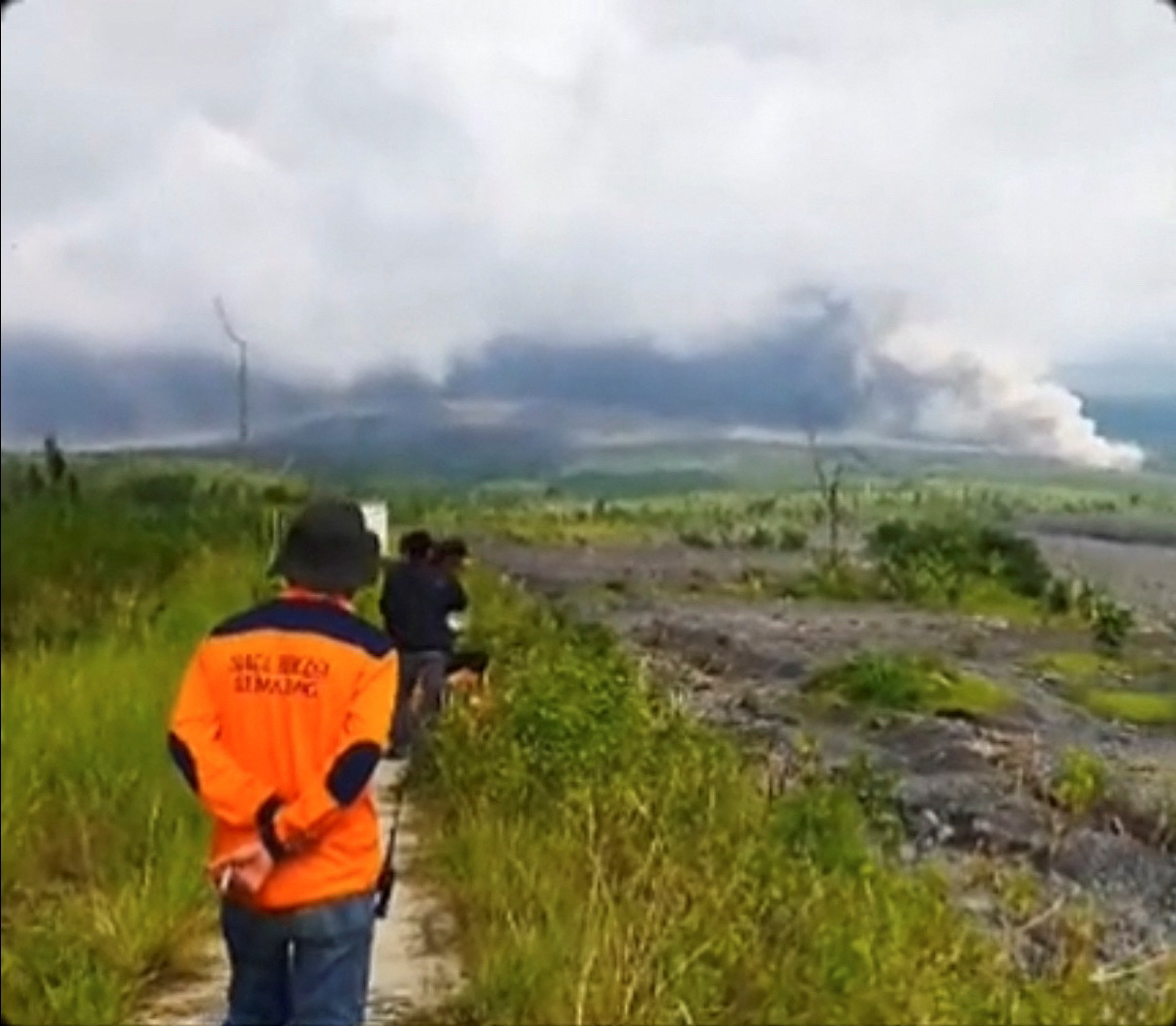
People look on as volcanic ash fills the sky during an eruption of the Semeru volcano in Lumajang, East Java Province, Indonesia December 4, 2022 in this screen grab obtained from a social media video. Instagram/@Gustiallah Foundation/via REUTERS

Indonesian authorities raised the warning on Semeru volcano on the island of Java to the highest level on Sunday after an eruption spewed a column of ash high into the air.

The evacuation of people, which includes children and seniors, living near the volcano in East Java province had also begun with 93 residents so far evacuated to shelters, Indonesia’s disaster mitigation agency, BNPB said in a statement.

The plume from the volcano reached a height of 50,000 feet (15 km), said Japan’s Meteorology Agency, which was monitoring for the possibility of a tsunami there.

The eruption on the eastern part of Java, some 640 km (400 miles) east of the capital Jakarta, follows a series of earthquakes on the west of the island, including one last month that killed more than 300 people.

Indonesia’s Center for Volcanology and Geological Hazard Mitigation, PVMBG, raised the level of volcanic activity to IV from III, its chief said in a text message.

With the raised alert level, authorities warned residents not to conduct any activities within 8 km (5 miles) of Semeru’s eruption centre, adding hot ash clouds had reached as far as 11.8 miles (19km) from the centre of eruption.

PVMBG chief Hendra Gunawan said the agency saw the potential for a bigger supply of magma this year compared to previous eruptions in 2021 and 2020.

“Therefore Semeru’s hot clouds could reach further (this year) and at that distance there are many residences,” he said.

Around the same time last year, the eruption of Semeru, Java’s tallest mountain, killed more than 50 people and left several missing, while thousands were displaced.

Some residents nearby have evacuated independently to safer buildings like mosques and schools, according to a statement from the regional government of Lumajang, where Semeru is located.

“Most of the roads have been closed since this morning. Now its raining volcanic ash and it has covered the view of the mountain,” Bayu Deny Alfianto, a local volunteer told Reuters by phone.

Small eruptions were continuing and it was raining in the area, he said.

The volcano began erupting at 2:46 a.m. (1946 GMT on Saturday), BNPB, said in a statement. Videos posted on social media showed grey ash clouds in nearby areas.

With 142 volcanoes, Indonesia has the largest population globally living in close range to a volcano, including 8.6 million within 10 km (6 miles).

The deadly late-November quake that hit West Java’s Cianjur was a shallow temblor of 5.6 magnitude. A much deeper quake on Saturday in Gurat of 6.1 magnitude sent people running from buildings but did not cause major damage.

Categories
Selected Articles

A Killer on the Loose Leaves an Idaho College Town Shaken – The New York Times nytimes.com/2022/12/03/us/…

A Killer on the Loose Leaves an Idaho College Town Shaken – The New York Times nytimes.com/2022/12/03/us/…

FjH170jXgAEOrjz.jpg:large

Categories
Audio Sources - Full Text Articles

AP PHOTOS: Camels a common sight for World Cup visitors

DOHA, Qatar (AP) — Two weeks into the first World Cup in the Middle East, fewer teams are at the tournament and some fans are starting to make long journeys home.

But there is still plenty to see and do in Qatar for those who remain.

Camels are a common sight in Doha. In front of Qatari government palace Amiri Diwan, guards ride camels to patrol the area with the city’s glittering skyline as a backdrop.

In a dusty lot on the fringes of the Souq Waqif bazaar in the capital, dozens of camels rest as herders try to draw in tourists for photos with the animals. There’s even a camel beauty pageant called the Mzayen World Cup outside Doha.

Besides camel-watching, the golden sand and warm turquoise waters are a big draw for those who live in colder climates and for the locals.

At Katara Beach in Doha, a group of local men pray with their backs to the coastline. Women sit on swings at a beach in Al Khor in northern Qatar.

At night, fireworks light up the sky near the official fan festival as people watch from across the bay. Tourists can also take a boat trip to admire the sunset over the West Bay skyline in Doha.

___

AP World Cup coverage: https://apnews.com/hub/world-cup and https://twitter.com/AP_Sports

Categories
Selected Articles

A Killer on the Loose Leaves an Idaho College Town Shaken

03IDAHO-DEATHS-top-1-f71e-facebookJumbo.

A third of the students living in the dorms at the University of Idaho have not returned after the Thanksgiving break, as residents worry about their safety.

  • Send any friend a story

    As a subscriber, you have 10 gift articles to give each month. Anyone can read what you share.

    Give this articleGive this articleGive this article
Attendees at a vigil at the University of Idaho hold up lights in the darkness.

A moment of silence during a vigil at the University of Idaho on Wednesday.Credit…Rajah Bose for The New York Times

MOSCOW, Idaho — Every few hours comes another call. A food delivery driver who heard a woman screaming. A mother asking the police to walk her daughter to her car after work. A woman who woke up at 3 a.m. to find her front door wide open.

The flood of calls to the Moscow Police Department is a sign of just how afraid people in this college town have become, three weeks after four University of Idaho students were fatally stabbed by an unknown assailant in their bedrooms in the middle of the night.

Many students refused to come back to campus after Thanksgiving, and some classrooms at the university now sit half empty. Those who did return said they bought doorbell cameras, put rods in their windows to lock them shut or began hunkering down with roommates at night.

“I ask my friends for rides all the time,” said Jemimah Tudi, a sophomore from India who said she no longer walks alone after dark and expects to get pepper spray for Christmas.

Students at the University of Idaho on Wednesday. Some classrooms at the university now sit half empty. Credit…Rajah Bose for The New York Times

The fear that sits over this city of 25,000 people in the rolling hills of northern Idaho is unlikely to ease until the killer or killers are caught. But there is little indication that the police are any closer to making an arrest than they were on the day of the killings, Nov. 13, when news of the stabbings sickened residents and turned this normally idyllic college town into the scene of a national mystery.

The police have issued sometimes contradictory statements, leading at least one victim’s family to question whether investigators are up to the task of solving a quadruple homicide in a city that had not seen a murder since 2015.

“So frustrating. No info at all,” Alivea Goncalves, the older sister of one victim, Kaylee Goncalves, said in a text message last week after the police held their most recent news conference. “They have done nothing to gain any of our trust.”

The number of F.B.I. and Idaho State Police investigators working on the case — including behavioral analysts trained to outline a possible profile of the killer — now vastly outnumbers the 36 total employees in the Moscow Police Department.

“We may not have identified a suspect yet, but we are getting a clearer picture of what happened,” said Aaron Snell, a spokesman for the State Police.

  • The Victims: Ethan Chapin, Madison Mogen, Xana Kernodle and Kaylee Goncalves were found dead on Nov. 13, in what the local mayor described as a “crime of passion.”
  • Fear on Campus: After the bodies were discovered, some students at the university prepared to leave town. Others stayed behind, fearing the uncertainty around them.
  • A Lingering Threat?: As the police struggled to identify a suspect, officials said they could not rule out risks for the community in the college town.
  • Key Facts: Detectives, internet sleuths and the victims’ relatives have been trying to figure out who might have had a motive to kill the students. Here is what we know.
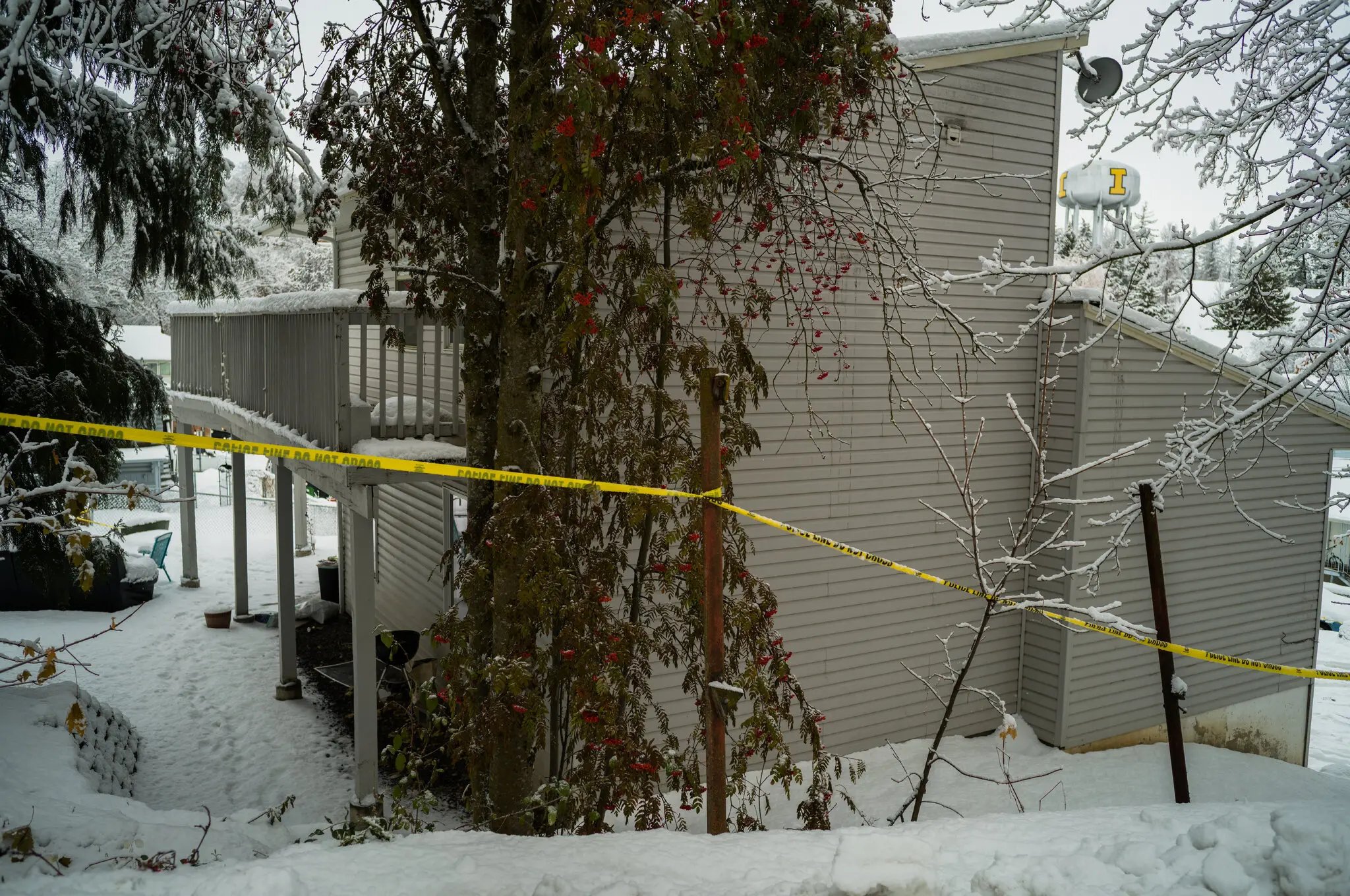
The home in Moscow, Idaho, where four students were killed.Credit…Rajah Bose for The New York Times

The house at 1122 King Road is tucked away on a dead-end street about a five-minute walk from the fraternity houses that line one edge of campus, with cars packed tightly into driveways and students often walking to and from class along snowy pathways.

The three-story house was a place where friends often socialized and posed for smiling pictures, social media posts from earlier this year show. But for the past three weeks, it has sat empty, marked off by police tape and guarded day and night by a police officer.

The slain students’ possessions remain behind: a pair of pink cowboy boots just inside a third-floor window, a neon sign on a wall that reads “good vibes,” a couch collecting snow on the back patio.

Killed in the early-morning attack were Kaylee Goncalves, 21, who was planning to graduate in the winter and move to Austin, Texas; Madison Mogen, 21, who loved concerts and had worked from a young age to help support herself; Xana Kernodle, 20, a marketing major who had begun to blossom while living away from home; and Ethan Chapin, 20, Ms. Kernodle’s boyfriend and a triplet who seemed to be always smiling or telling a joke. The three women lived in the home, and Mr. Chapin was visiting his girlfriend.

On Saturday, Nov. 12, Mr. Chapin and Ms. Kernodle spent the evening at a fraternity party while Ms. Goncalves and Ms. Mogen went to a sports bar in town. They all returned shortly before 2 a.m., and phone records show that a series of calls were soon placed from Ms. Goncalves’s phone to her former longtime boyfriend, Jack DuCoeur, who is also a student at the university, her older sister said.

Kaylee Goncalves, left, and Madison Mogen.
Ethan Chapin, left, and Xana Kernodle.Credit…Jazzmin Kernodle, via Associated Press

Mr. DuCoeur did not pick up, and there were six more calls until 2:52 a.m., when they stopped. Several calls to the same number were also placed at about the same time using Ms. Mogen’s phone, the police said.

Little is known about what happened after that.

What the authorities have said is that, at some point in the night, someone armed with a large knife attacked the victims, likely as they slept, and managed to escape without waking the two additional roommates. Ms. Goncalves’s father said that Ms. Goncalves and Ms. Mogen were in the same bed when they were killed.

It was not until just before noon that the two surviving roommates realized something was wrong. The police said that they first called friends over to the apartment, believing that one of their roommates was passed out, and that someone called 911 shortly after.

When the police arrived, they found a gruesome scene, but no murder weapon or sign of forced entry. No possible motive has been disclosed and there are no suspects. The police said they had learned through interviews that Ms. Goncalves may have told friends she was worried about a stalker, but the authorities have not been able to verify that.

University of Idaho students sending their condolences to the families of the four victims.Credit…Rajah Bose for The New York Times

The shock of neighbors and students quickly gave way to fear. Residents began checking their locks, texting one another their whereabouts and calling the police over everything that seemed out of place — a revved engine in a Walmart parking lot, a man seen “wandering around.”

Neighbors also began sharing the story of a man on the outskirts of town who reported that his neighbor’s dog had been found a few weeks before the murders, skinned from neck to legs. (The police reassured the public that they “do not believe there is any evidence” that the incident was related to the students’ deaths.)

Seeking to calm the community, the police quickly said they believed there was no “ongoing community risk” or “imminent threat.” An initial statement from the police that the attacks were “targeted” was walked back and forth, with Bill Thompson, the Latah County prosecutor, saying at one point that he had no more information than the public about why the police had called it that.

“That’s what they told us and we accepted that at face value,” he said.

The claims never made sense to locals, students or their parents, since the police were also saying they did not know who had committed the killings, or where they might be. Chief James Fry of the Moscow Police Department ultimately conceded, three days after the crimes, that the police “cannot say that there is no threat.”

The back and forth has done little to calm residents like Angelica Silva, who said her husband had come home last week to find one of their windows wide open. What might have been considered odd in normal times was instead “super unsettling,” Ms. Silva said, with their young daughter at home.

A memorial near the University of Idaho campus. Credit…Rajah Bose for The New York Times

“The curtains were hanging out the window,” said Ms. Silva, who has lived in Moscow since she was a child. “We are definitely triple-checking everything now.”

As the case drags on, there are worries that the investigation could go cold, leaving the town in a state of paralysis. But Chief Fry dismissed that idea this week.

“We’re going to solve this,” he told The Moscow-Pullman Daily News. “We’re going to continue to work until we solve it.”

Blaine Eckles, the dean of students at the university, said about a third of students who live in residence halls had not returned, though he did not have a figure for how many of the vast majority of students who live off campus have switched to online learning. As some students returned to campus on Monday following the holiday break, they said their classes were emptier than usual, and a heaviness could be felt over campus.

“It’s still so unknown and you don’t know what’s going on,” said Helen C., a senior who declined to give her full last name because she feared for her safety. “I’m hopeful, but it also seems like the further you get away from it, the easier it is to not find anyone, and then — not to be scary — you start thinking about Ted Bundy and all the stuff he did.”

Helen said she and her roommate had recently invited a friend to spend the night with them after learning that the friend’s roommates had not yet returned to town, leaving her alone at home.

Some students said that even though they worried about the possibility of another attack, they did not like the thought of returning to remote classes after doing so for long stretches during the coronavirus pandemic.

“Being an engineering student, I didn’t really have a choice,” Jaydon Morgan, a freshman, said after attending a noticeably empty calculus class. “It’s either in-person or struggling at home.”

A vigil at the University of Idaho on Wednesday. Credit…Rajah Bose for The New York Times

At a vigil on the football field of the Kibbie Dome this week, students wiped their eyes as relatives of the victims spoke of their grief.

Ms. Mogen’s father, Ben Mogen, said he had always been proud to brag about his daughter to friends or people he was meeting for the first time, rattling off her academic accomplishments and pulling out pictures.

“I just would tell them all about Maddie,” he said.

All of the victims were members of fraternities and sororities, and many of those in attendance were in the university’s Greek organizations.

Chris Bofenkamp, a University of Idaho graduate, attended the vigil and said the killings had hit her especially hard because she had been a member of the same sorority as Ms. Kernodle and Ms. Mogen.

“That hit home for me because I remember how tight it was with the people I lived with,” Ms. Bofenkamp said. “You’re away from home, they become your family, and when they say, ‘It’s your sisters,’ it really feels like that.”

Mike Baker and Serge F. Kovaleski contributed reporting. Sheelagh McNeill and Kitty Bennett contributed research.

Categories
Audio Sources - Full Text Articles

IAEA to Organize Missions to Khmelnytsky, Rivne NPPs Next Week

000_32nm3ql.jpeg

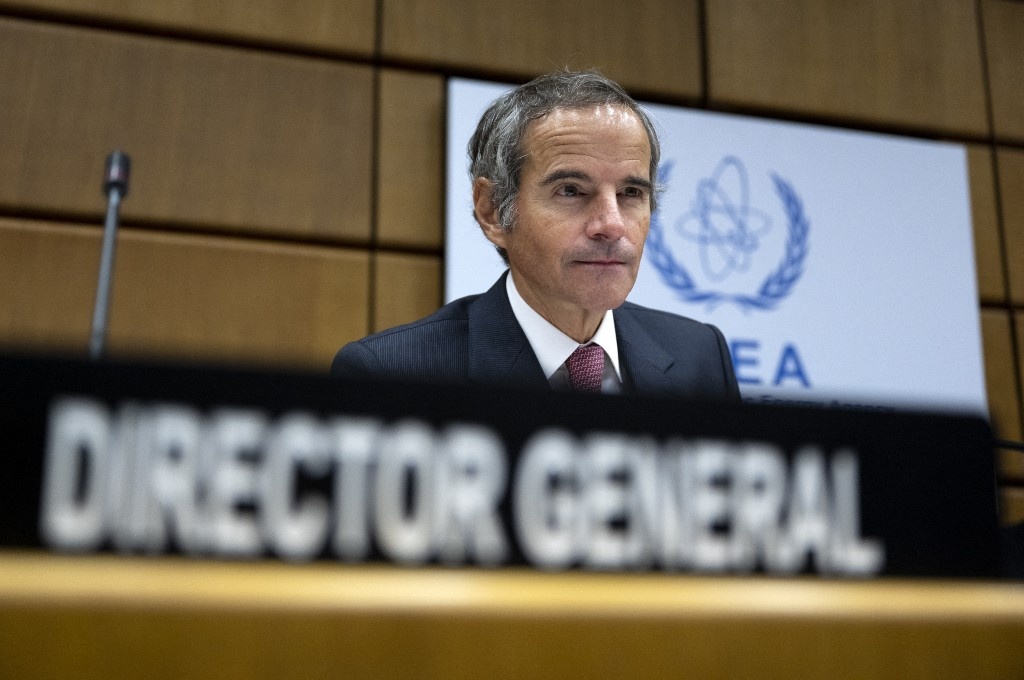
The International Atomic Energy Agency (IAEA) carried out a nuclear safety and security mission to the Pivdennoukrainska Nuclear Power Plant (PNPP) this week as it steps up its efforts to help prevent a nuclear accident during the current armed conflict in the country, Director General Rafael Mariano Grossi said.

“The IAEA team’s assessments will help inform the follow-up missions to the PNPP to provide the Agency’s continuing assistance and support. The IAEA’s initial missions to the Rivne and Khmelnytsky plants will take place next week,” he said in a statement on Friday night.

The Director General clarified that a high-level IAEA delegation to the PNPP, after their visit headed by him in late March stayed for the first time at the site for several days to acquire a better understanding of the nuclear safety and security situation and of the plant’s needs.

According to him, the IAEA experts observed that the PNPP staff continue to operate the plant with high professionalism and in accordance with the design and in compliance with the approved operational license, in particular with operational procedures and safety limits, despite the very challenging conditions arising from the armed conflict in Ukraine, with numerous air raid warnings.

The IAEA team also learned more about the loss of external power on 23 November, and the subsequent shutdown of the two operating units, that resulted from attacks on Ukraine’s energy infrastructure. “The site’s diesel generators were able to provide power to maintain nuclear safety and security systems, but there were some plant challenges and there was also an impact on on-site and off-site communications,” the Director General noted.

He also added that the team also assessed logistics and spare parts management and reviewed the list of support equipment earlier requested through the Ukraine regulator. This led to a better understanding of site needs and how the IAEA can provide further assistance with regard to nuclear safety and security.

With regard to ZNPP, Grossi expressed concern about the latest personnel decisions demonstrating open contradictions regarding subordination at the plant, which could negatively affect nuclear safety and physical security. He clarified that this week it was announced on site and by the Russian Federation that ZNPP’s Chief Engineer Yuri Chernichuk has been appointed as plant director, while the Ukraine operator Energoatom has rejected this appointment and has appointed Dmytro Verbytsky as acting director general of the plant, and Ihor Murashov as chief engineer, who are not on the site.

Director General Grossi reiterated that the IAEA regards ZNPP as a Ukrainian facility.

He also reported that up to 70 mobile diesel boilers are being gradually deployed in the nearby city of Enerhodar to provide for heating of communal buildings, houses and flats. Currently, these boilers operate at a local school, kindergarten and the hospital. In addition, up to seven mobile diesel boilers are being deployed on the ZNPP site to heat buildings at the site.

Four of the reactor units remain in cold shutdown, while the two other units are in hot shutdown – enabling them to provide steam to the plant and heat to Enerhodar. The city also continues to receive electricity from the off-site power lines through the ZNPP and thermal power plant switchyards system.

The post IAEA to Organize Missions to Khmelnytsky, Rivne NPPs Next Week appeared first on Kyiv Post.

Categories
Audio Sources - Full Text Articles

Austin: Putin’s War is Cause, Not Result of NATO Expansion

lloyd-austin.jpeg

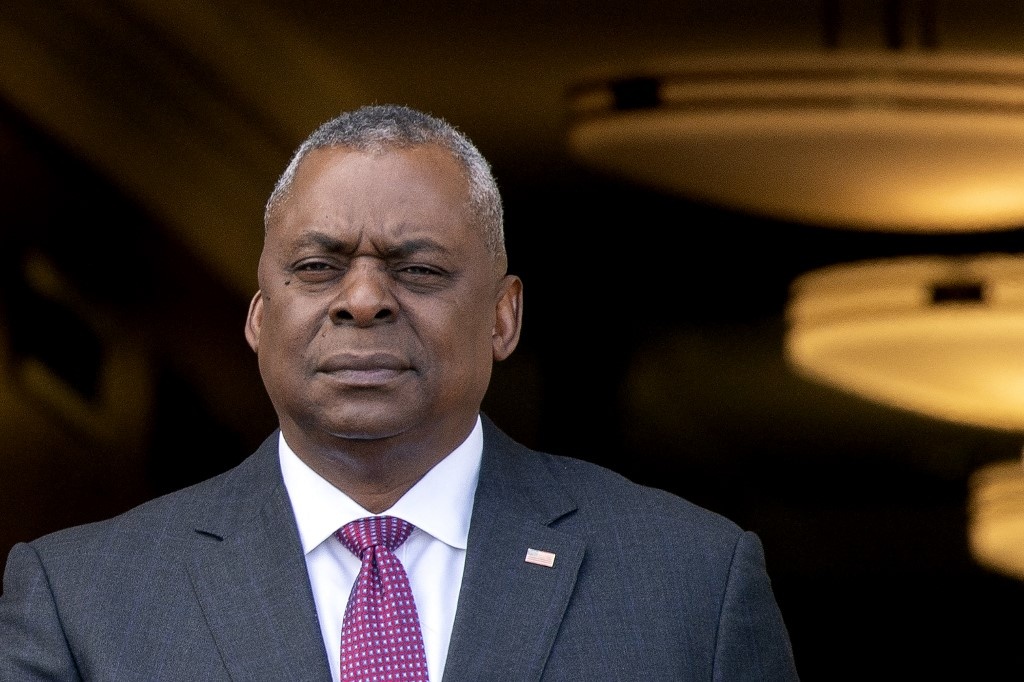
The war started by Russian President Vladimir Putin is not the result, but the cause of NATO expansion, according to U.S. Defense Secretary Lloyd Austin.

According to Ukrinform, he said this in his remarks at the Reagan National Defense Forum in Simi Valley, California.

“Russia wasn’t provoked. Russia wasn’t threatened. Russia wasn’t attacked. Instead, one man chose war. And Putin’s war is not the result of NATO expansion. It is the cause of NATO expansion. And now, because of the Kremlin’s longing for a vanished empire, Europe faces its worst security crisis since the end of World War II,” Austin said.

He recalled that Russia, as a member of the UN Security Council, “is waging war to deny democracy to more than 43 million people.”

Putin’s war has given everyone on Earth a preview of a world of tyranny and turmoil that nobody would want to live in, he added.

Austin said that NATO allies have reinforced its eastern flank, and the United States has raised its total number of service members deployed in Europe from 80,000 to more than 100,000.

“We will not be dragged into Putin’s war. But we will stand with Ukraine as it fights to defend its citizens and its sovereignty. […] We are going to support Ukraine’s right to defend itself for as long as it takes,” Austin said.

The post Austin: Putin’s War is Cause, Not Result of NATO Expansion appeared first on Kyiv Post.

Categories
Audio Sources - Full Text Articles

Zelensky: Price Cap Level on Russian Oil ‘Not Serious’

zelka.png

A $60 price cap set on Russian oil agreed by the EU, G7 and Australia is not “serious” because it is “quite comfortable” for Moscow, Ukrainian President Volodymyr Zelensky said Saturday.

“Russia has already caused huge losses to all countries of the world by deliberately destabilizing the energy market,” he argued in his nightly address, describing the decision on the price cap as “a weak position”.

It is “only a matter of time when stronger tools will have to be used anyway”, Zelensky added. “It is a pity that this time will be lost.

“The logic is obvious: if the price limit for Russian oil is $60 instead of, for example, $30, which Poland and the Baltic countries talked about, then the Russian budget will receive about a hundred billion dollars a year…

“This money will also be used to further destabilize precisely those countries that are now trying to avoid big decisions.”

During the negotiations on where to set the price cap, Poland in particular tried to hold out for a lower level of $30, before finally agreeing on Friday to the higher ceiling.

The post Zelensky: Price Cap Level on Russian Oil ‘Not Serious’ appeared first on Kyiv Post.

Categories
Audio Sources - Full Text Articles

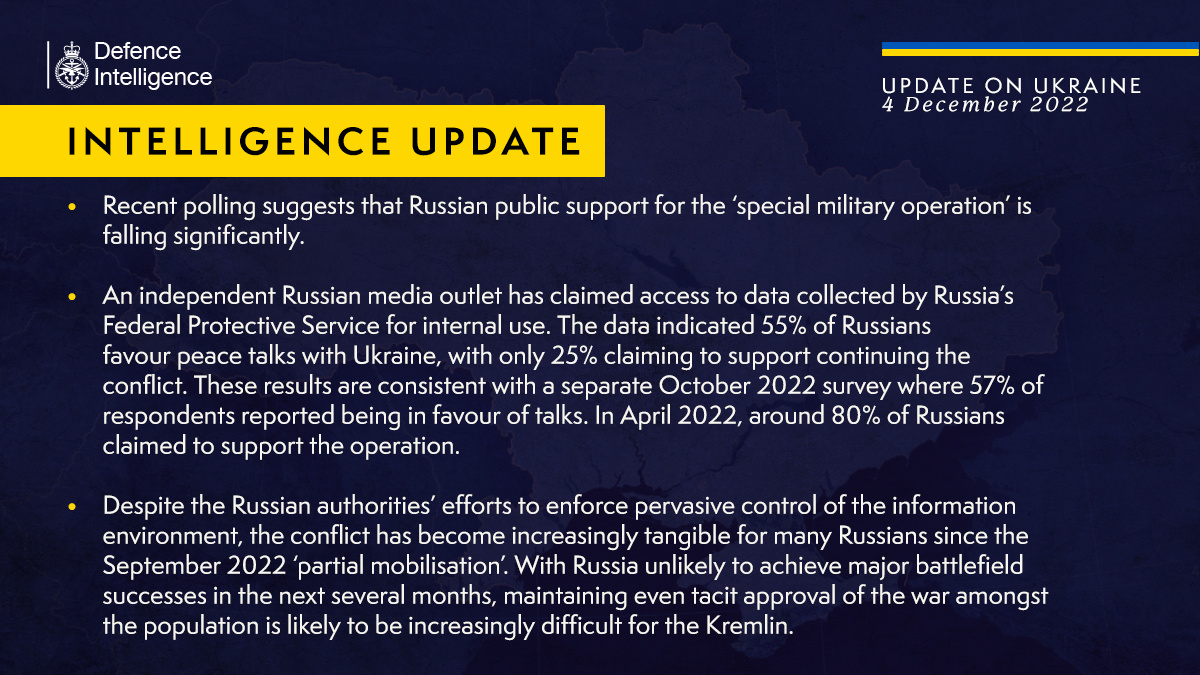
British Defence Intelligence Update Ukraine – 04 December 2022

1-5.jpeg

  • Recent polling suggests that Russian public support for the ‘special military operation’ is falling significantly.
  • An independent Russian media outlet has claimed access to data collected by Russia’s Federal Protective Service for internal use. The data indicated 55% of Russians favour peace talks with Ukraine, with only 25% claiming to support continuing the conflict. These results are consistent with a separate October 2022 survey where 57% of respondents reported being in favour of talks. In April 2022, around 80% of Russians claimed to support the operation.
  • Despite the Russian authorities’ efforts to enforce pervasive control of the information environment, the conflict has become increasingly tangible for many Russians since the September 2022 ‘partial mobilisation’. With Russia unlikely to achieve major battlefield successes in the next several months, maintaining even tacit approval of the war amongst the population is likely to be increasingly difficult for the Kremlin.


The post British Defence Intelligence Update Ukraine – 04 December 2022 appeared first on Kyiv Post.

Categories
Audio Sources - Full Text Articles

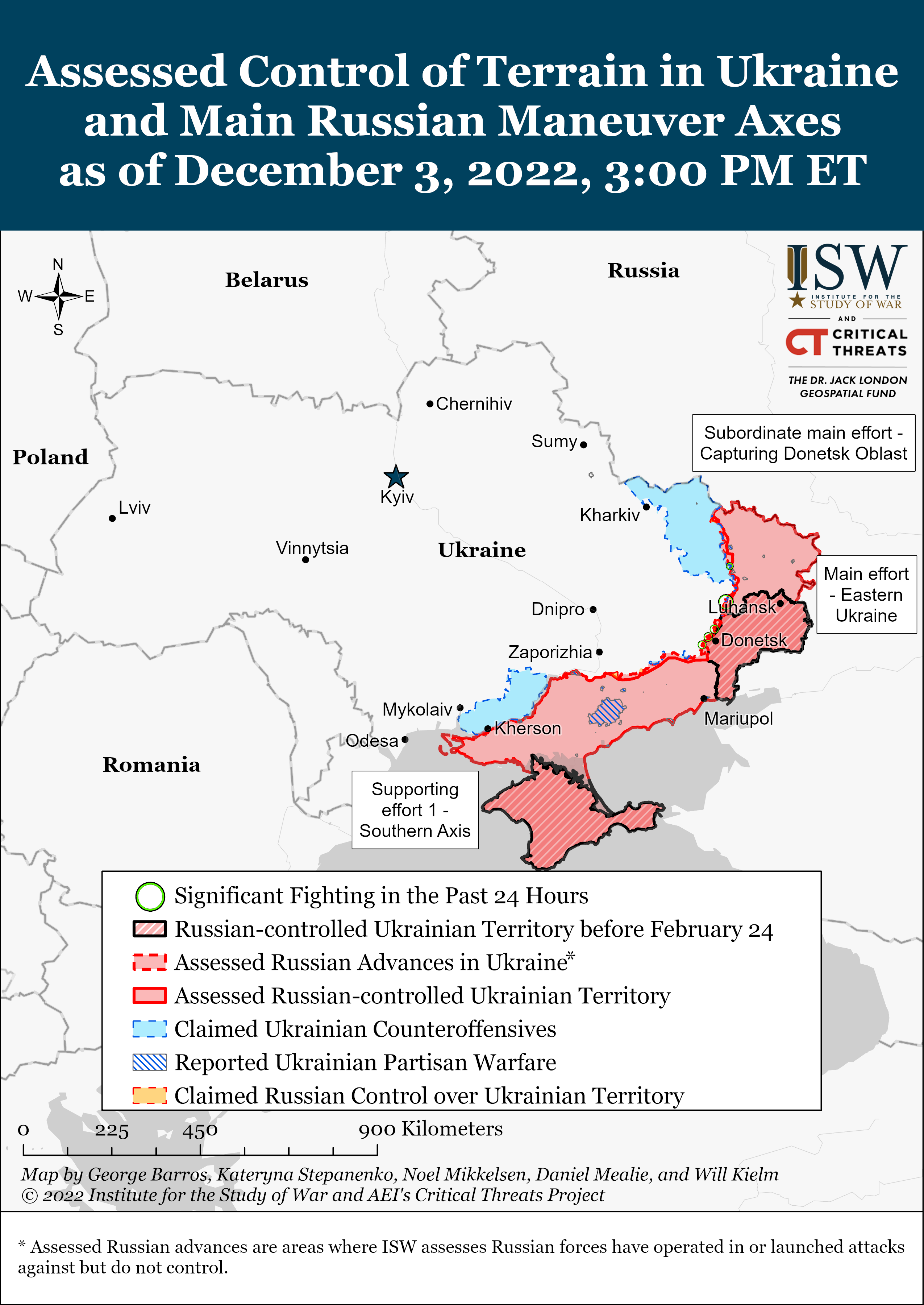
ISW Russian Offensive Campaign Assessment, December 3

1-1.png

Key Takeaways

  • Ukrainian forces reportedly reached the east (left) bank of the Dnipro River across from Kherson City.
  • French President Emmanuel Macron amplified Russian information operations about the need for NATO to consider “security guarantees” to be given to Russia during putative negotiations in a televised interview on December 3.
  • Conditions in eastern Ukraine are likely becoming more conducive to a higher pace of operations as winter sets in.
  • The Russian and Belarusian Ministers of Defense met in Minsk likely to further strengthen bilateral security ties between Russia and Belarus.
  • Ukrainian forces likely continue to advance northwest of Kreminna.
  • Russian forces continued ground attacks around Bakhmut, in the Avdiivka-Donetsk City area, and in western Donetsk and eastern Zaporizhia oblasts.
  • Russian authorities reportedly evacuated Russian collaborators from Oleshky.
  • The Russian National Guard’s (Rosgvardia) Organizational and Staff Department confirmed that mobilization continues despite Russian President Vladimir Putin’s announcement of the formal end of partial mobilization on October 31.
  • Russian authorities are continuing to use judicial measures to consolidate administrative control of occupied territories.

Ukrainian forces reportedly reached the east (left) bank of the Dnipro River across from Kherson City. The Ukrainian “Carlson” volunteer special air intelligence unit posted footage on December 3 of Ukrainian servicemen traversing the Dnipro River in boats, reaching a wooden marina-like structure on the east bank, and raising a Ukrainian flag on a tower near the shore.[1] Special Unit “Carlson” reported that this is the first instance of a Ukrainian flag flying over the east bank of the Dnipro River and emphasized this operation will provide a springboard for subsequent Ukrainian operations on the east bank.[2] If confirmed, this limited Ukrainian incursion onto the east bank could open avenues for Ukrainian forces to begin to operate on the east bank. As ISW has previously reported, observed Russian fortifications on the left bank indicate Russian forces are anticipating Ukrainian offensive actions on the east bank and have been constructing defensive lines south of the Dnipro River.[3] The establishment of positions along the eastern riverbank will likely set conditions for future Ukrainian offensive operations into occupied Kherson Oblast if Ukrainian troops choose to pursue this line of advance in the south.

French President Emmanuel Macron amplified Russian information operations about the West’s need to discuss Russian “security guarantees” in a televised interview on December 3.[4] Macron stated that the West should consider how to address Russian security guarantees if President Vladimir Putin agrees to negotiations about ending the war in Ukraine: “That topic will be part of the topics for peace, so we need to prepare what we are ready to do, how we protect our allies and member states, and how to give guarantees to Russia the day it returns to the negotiating table.”[5] ISW has extensively documented how the Kremlin demanded “security guarantees” and declared  “lines” as part of the ultimatum it presented the US and NATO before launching the February 2022 invasion.[6] Russia’s demanded security guarantees entail partially dismantling NATO by returning NATO to its 1997 borders and grants Russia a veto on future NATO expansion by demanding NATO suspend its “Open Door” policy.[7]  Russian Foreign Minister Sergei Lavrov referred to these precise demands on December 1, as ISW previously reported.[8]  The Russian demand for supposed “security guarantees” is part of a larger Russian information operation that portrays NATO as having provoked the 2022 Russian invasion by threatening Russia. The security guarantees that Ukraine, NATO, and the rest of Europe would accept from Russia following the Kremlin’s unprovoked and brutal war of conquest against Ukraine might be a more appropriate topic of conversation for Western leaders considering negotiations with Moscow.

Independent Russian polling data indicates that Russian citizens still support Russia’s military operations in Ukraine despite growing war weariness over the past six months. Independent Russian polling organization Levada Center found that 74 percent of Russians support Russian forces’ actions in the war in Ukraine in a November poll published on December 2.[9] The poll found that 42 percent of respondents “strongly support” and 32 percent “somewhat support” Russian forces’ actions in Ukraine.[10] The poll also found that only 41 percent of respondents favored Russia continuing military operations in Ukraine, however, whereas 53 percent said that Russia should begin peace negotiations.[11] Levada Center polling between July and November 2022 shows small but consistent erosion in support for the war among Russians.[12] Levada Center findings are similar to a reported internal Kremlin-commissioned poll from November that found that 55 percent of Russians favor peace talks with Ukraine and only 25 percent favor continuing the war.[13]

Both polls indicate that a shrinking but still significant portion of Russian citizens support—and are even enthusiastic about—continuing the war in Ukraine despite Russian military failures. Russian morale and political support for the war will likely further degrade with time if current trends hold. The longer the war continues to produce Russian casualties while Ukrainian forces gain ground the more the socio-political dynamics will likely continue to turn against the Kremlin. An operational pause under the guise of peace negotiations could alleviate growing political pressure on the Kremlin and allow Russia to reconstitute its forces for subsequent renewed offensive operations.

Conditions in eastern Ukraine are reportedly becoming more conducive for a higher pace of operations as winter sets in. A Russian milblogger claimed on December 3 that the ground has frozen along the Kreminna-Svatove line and that he expects that Ukrainian forces will likely increase the pace of their counteroffensive operations in the area as a result.[14] Luhansk Oblast Head Serhiy Haidai also stated on December 2 that weather is finally changing on the Kreminna-Svatove line and that he expects that Ukrainian forces will soon be able to improve their counter-offensive maneuver operations as mud in the area fully freezes.[15] ISW has previously assessed that the overall pace of operations is likely to increase in the coming weeks as consistent cold weather allows the ground to freeze throughout the theater, especially in eastern Ukraine where operations on both sides have been bogged down by heavy mud.[16] Neither Russians nor Ukrainians will likely suspend offensive operations in one of the most optimal times of year for mechanized maneuver warfare in this region.

The Russian and Belarusian Ministers of Defense met in Minsk likely to further strengthen bilateral security ties between Russia and Belarus. Russian Minister of Defense Army General Sergei Shoigu met with Belarusian Minister of Defense Major General Viktor Khrenin and signed amendments to the Agreement on the Joint Provision of Regional Security in the Military Sphere.[17] Shoigu also met with Belarusian President Alexander Lukashenko during which Lukashenko stated that Belarusian and Russian forces continue to train together on Belarusian territory so that the “Union State [can] repel any aggression.[18] Shoigu likely met with Khrenin and Lukashenko in an attempt to place pressure on Belarus to further support Russia’s offensive campaign in Ukraine. ISW has previously assessed that Belarus is highly unlikely to enter the war in Ukraine due to domestic factors that constrain Lukashenko’s willingness to do so.[19]

Iranian Armed Forces General Staff Chief Major General Mohammad Bagheri reportedly met with Russian Deputy Defense Minister Colonel General Alexander Fomin in Tehran on December 3.[20] The two discussed unspecified military cooperation, according to official readouts from Iranian state media. They may have discussed the sale of Iranian drones and missiles to Russia for use in Ukraine. Bagheri is Iran’s chief of defense and is responsible for military policy and strategic guidance. The meeting has not been reported in Russian media as of this writing.

See the full report here.

The post ISW Russian Offensive Campaign Assessment, December 3 appeared first on Kyiv Post.

Categories
Audio Sources - Full Text Articles

Chinese cities ease curbs but full zero-COVID exit seen some way off

2022-12-04T07:50:48Z

More Chinese cities including Urumqi in the far west announced an easing of coronavirus curbs on Sunday as China tries to make its zero-COVID policy more targeted and less onerous after unprecedented protests against restrictions last weekend.

Urumqi, the capital of the Xinjiang region and where the protests first erupted, will reopen malls, markets, restaurants and other venues from Monday, authorities said, ending strict lockdowns after months.

There was no sign of any significant unrest this weekend, although police were out in force in the Liangmaqiao area of Beijing and in Shanghai around Wulumuqi Road, which is named after Urumqi. Both sites saw protests a week ago.

A deadly fire last month in Urumqi sparked dozens of protests against COVID curbs in over 20 cities after some social media users said victims had been unable to escape the blaze because their apartment building was locked down. Authorities denied that.

The protests were an unprecedented show of civil disobedience in mainland China since President Xi Jinping took power in 2012.

In the days since, numerous cities have announced the easing of lockdowns, testing requirements, and quarantine rules.

Vice Premier Sun Chunlan, who oversees COVID efforts, said last week the ability of the virus to cause disease was weakening – a change in messaging that aligns with what many health authorities around the world have said for more than a year.

China is set to further announce a nationwide easing of testing requirements as well as allowing positive cases and close contacts to isolate at home under certain conditions, people familiar with the matter told Reuters last week.

For the time being, steps to ease restrictions have varied across the country.

From Monday, people in Shanghai will no longer have to show a negative COVID test to take public transport and visit parks, authorities announced on Sunday.

Earlier on Sunday, the city of Nanning, capital of the southern region of Guangxi, cancelled a requirement for a negative COVID test to take the subway.

On Saturday in Beijing, authorities said the purchase of fever, cough and sore throat medicines no longer required registration. The restriction had been imposed because authorities believed people were using the medication to hide COVID infections.

Authorities in various districts in the capital have in recent days announced that people who test positive for the virus can quarantine at home.

Some inconsistencies as the restrictions are eased have angered people, including a requirement in some places for a negative COVID test even though mass testing centres were closing.

In Beijing and Wuhan city, where the virus first emerged in late 2019, that caused lengthy queues at the few remaining testing booths.

“Are they stupid or just plain mean?” one social media user asked. “We shouldn’t shut down COVID testing stations until we get rid of the COVID test pass.”

New daily case numbers dropped nationwide to 31,824, authorities said on Sunday, which may be due in part to fewer people being tested. Authorities also reported two new COVID deaths.

Xi’s zero-COVID policy has made China had a devastating impact on the world’s second-largest economy and roiled global supply chains.

China argues the policy, which has all-but-shut its borders to travel, is necessary to save lives and prevent the health care system from being overwhelmed.

Despite the easing of restrictions, many experts said China was unlikely to begin significant reopening before March at the earliest, given the need to ramp up vaccinations, especially among its vast elderly population.

“Although there have been quite a few local changes to COVID policies lately, we do not interpret them as China abandoning zero-COVID policy just yet,” Goldman Sachs said in a note on Sunday.

“Rather, we see them as clear evidence of the Chinese government preparing for an exit, and trying to minimize the economic and social cost of COVID control in the meantime. The preparations may last a few months and there are likely to be challenges along the way.”

Estimates for how many deaths China could see if it pivots to a full reopening have ranged from 1.3 million to more than 2 million, though some researchers said the death toll could be reduced sharply if there was a focus on vaccination.

Authorities recently announced they would speed up COVID vaccinations for elderly people but many remain reluctant to get the jab.

“Some people have doubts about the safety and effectiveness of the country’s new coronavirus vaccine,” an article in the ruling Communist Party’s official People’s Daily said on Sunday.

“Experts say this perception is wrong,” it said, adding that domestically made vaccines were safe.

Foreign COVID vaccines are not approved in China and Xi is unwilling to change that, U.S. Director of National Intelligence Avril Haines said on Saturday.

Related Galleries:
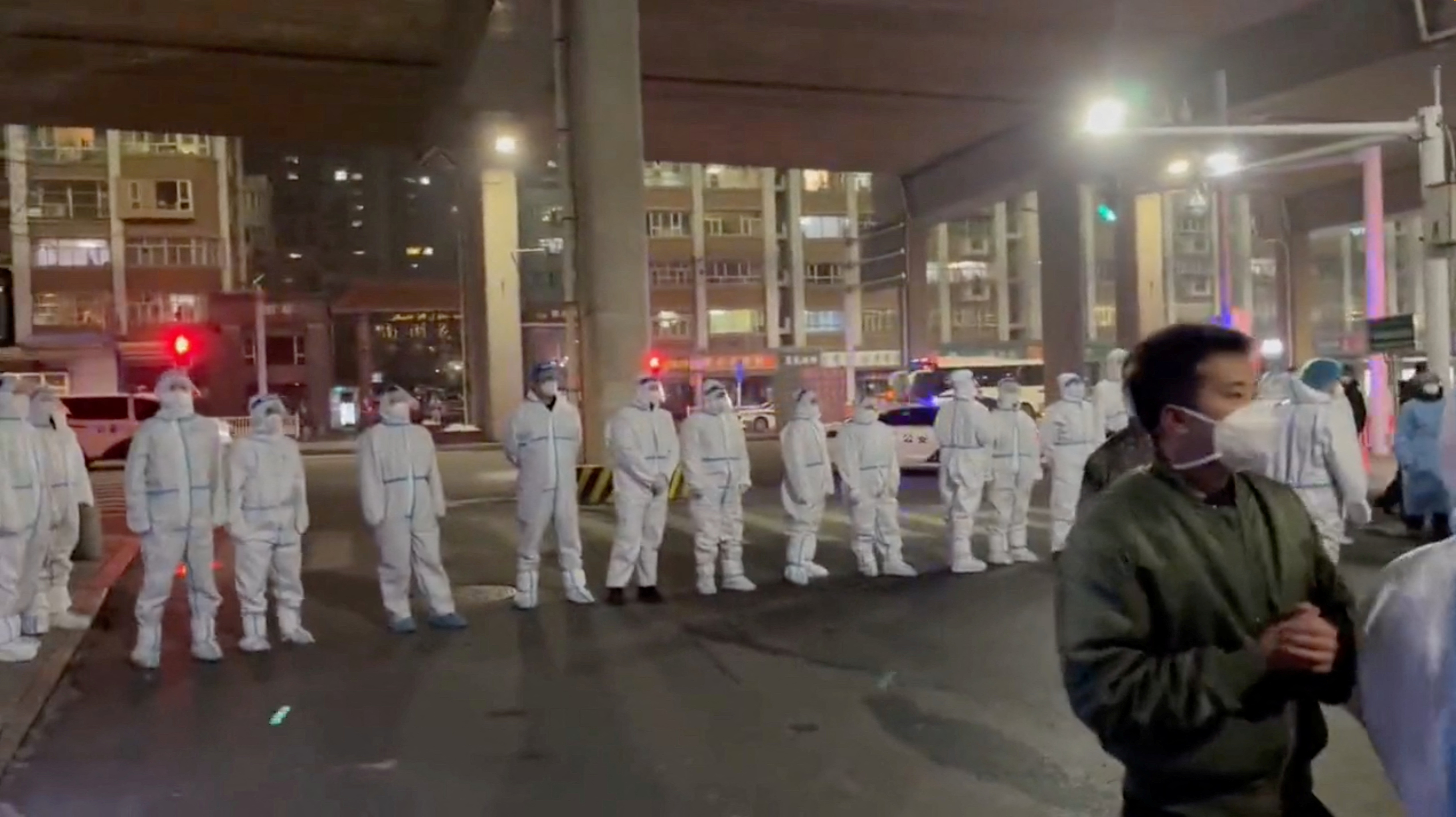
Protests against coronavirus disease (COVID-19) outbreak measures in Urumqi city, Xinjiang, Uygur, China in this screen grab obtained from a video released November 25, 2022. Video obtained by Reuters/via REUTERS

Health workers in protective suits ride bicycles while on their tour to administer nucleic acid tests as coronavirus disease (COVID-19) outbreaks continue in Beijing, December 4, 2022. REUTERS/Thomas Peter
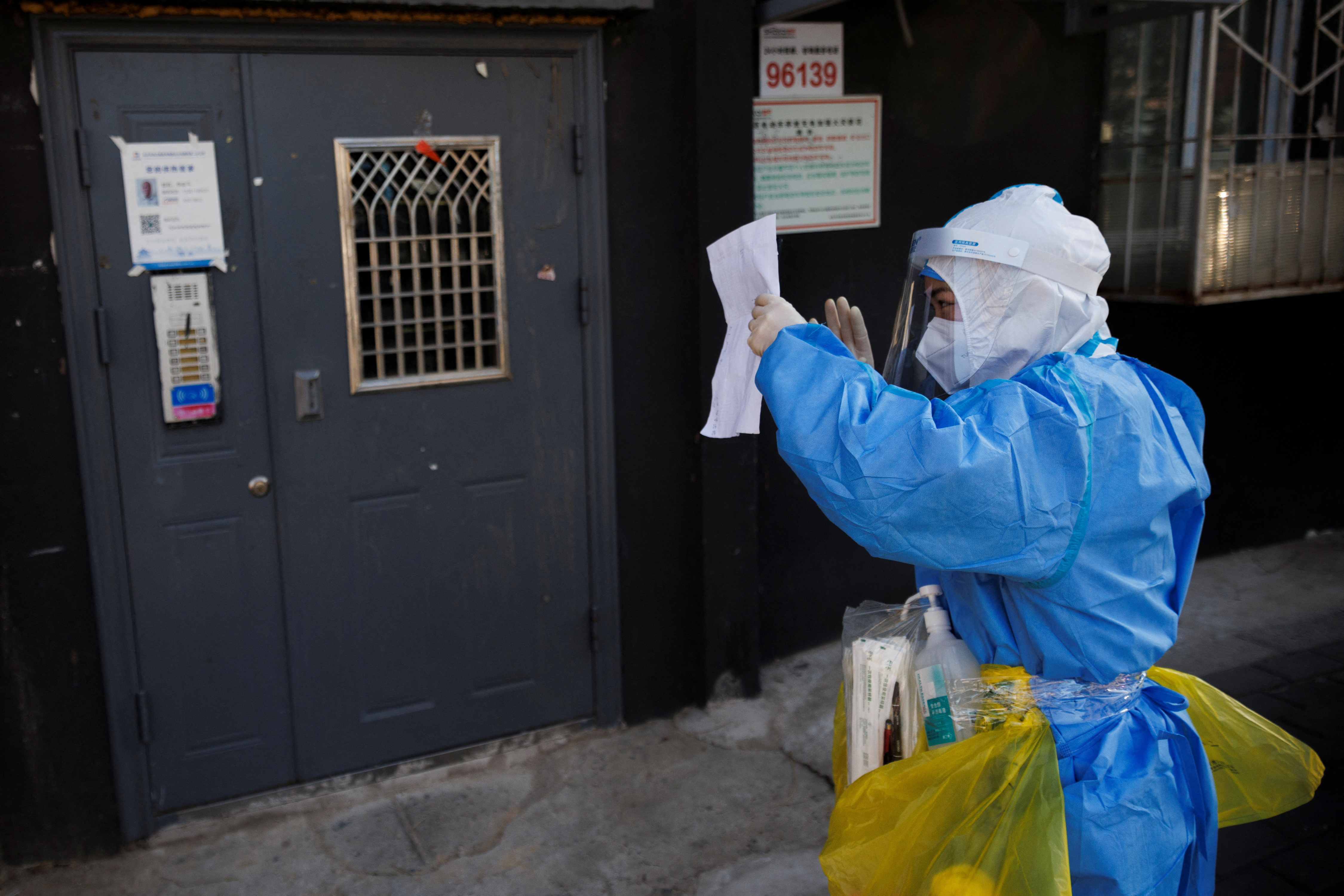
A health worker in protective suit checks the address of a resident to administer a nucleic acid test as coronavirus disease (COVID-19) outbreaks continue in Beijing, December 4, 2022. REUTERS/Thomas Peter
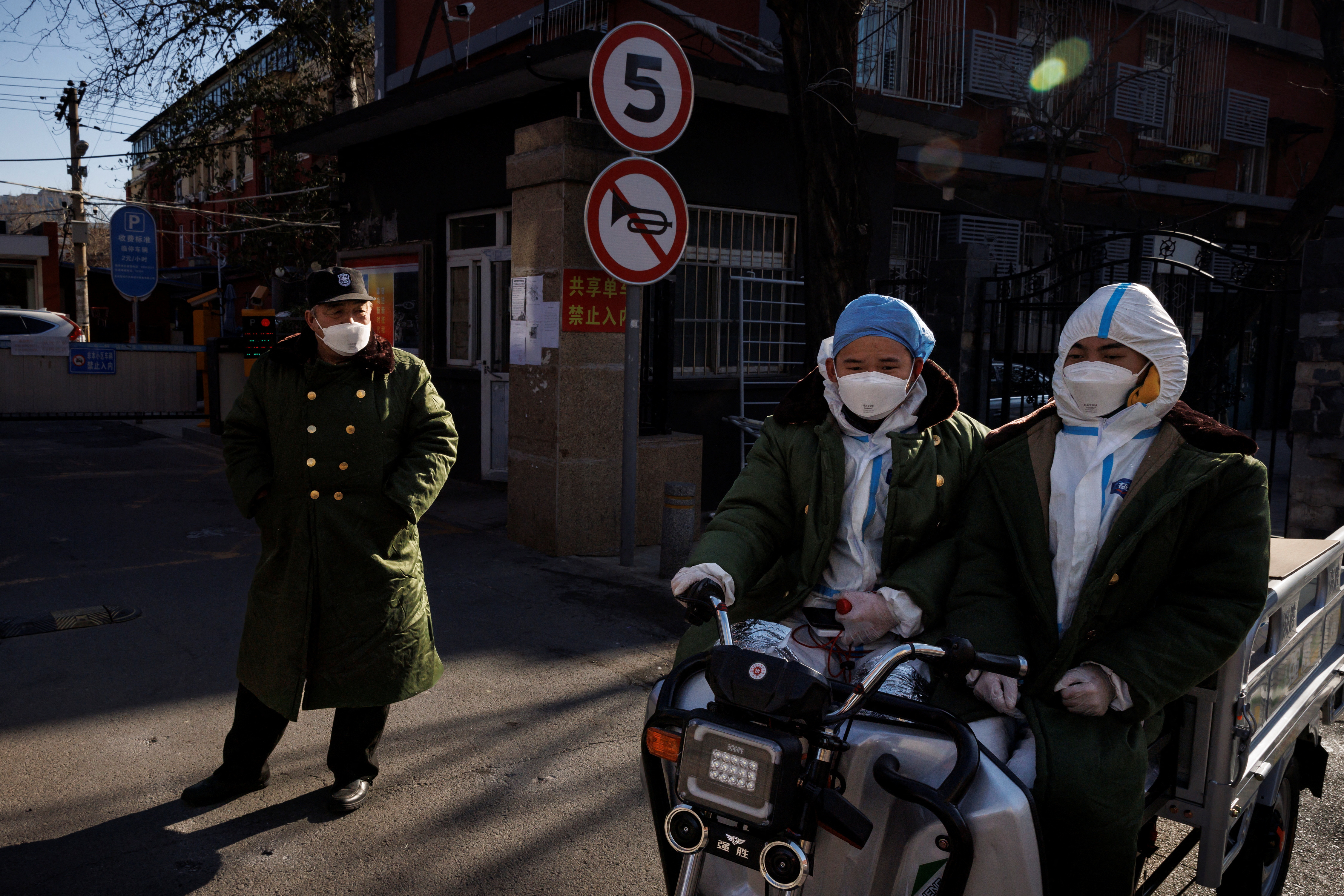
Pandemic prevention workers in protective suits ride an electric vehicle as coronavirus disease (COVID-19) outbreaks continue in Beijing, December 4, 2022. REUTERS/Thomas Peter
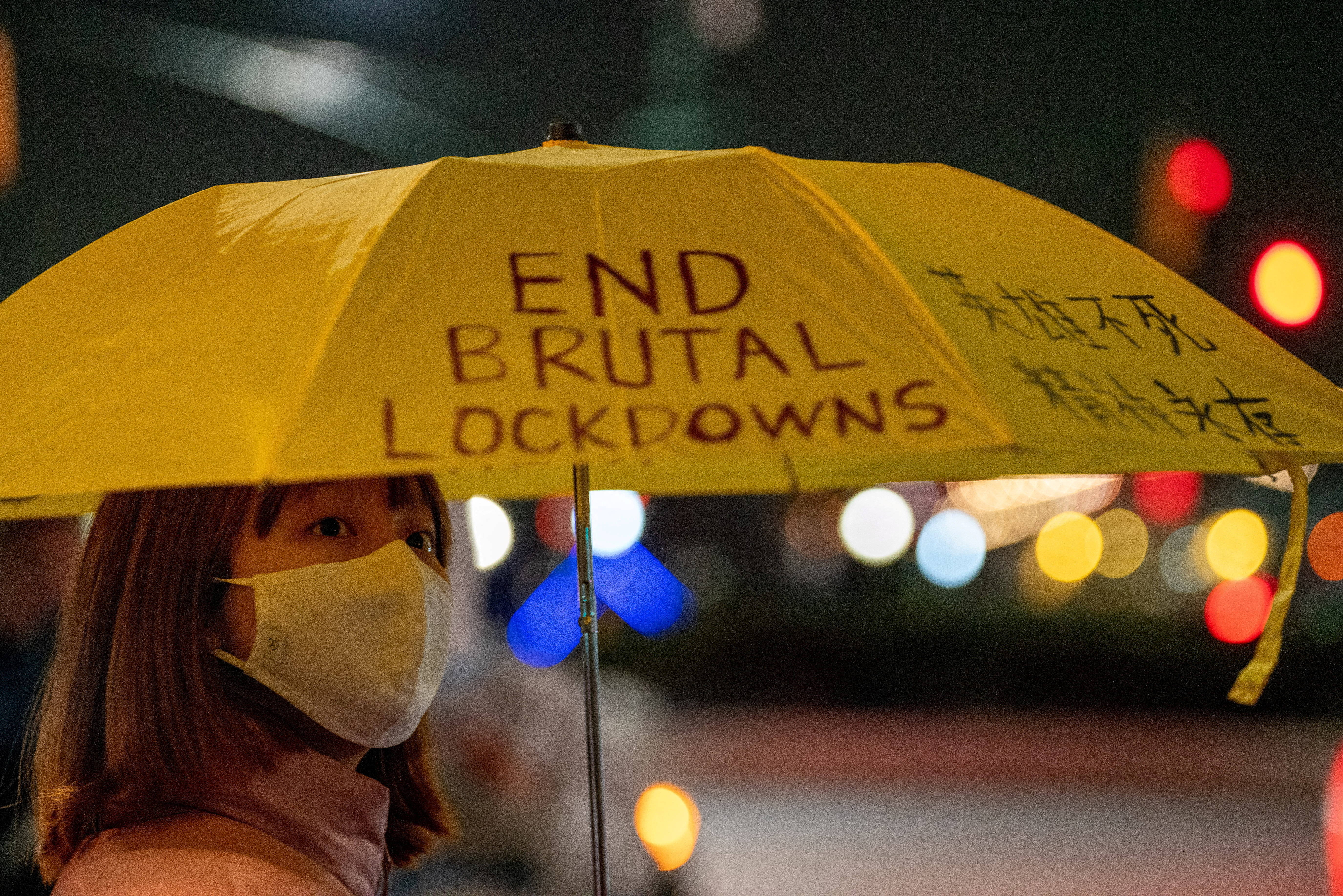
A person holding an umbrella with a slogan on it takes part in anti-Chinese government protests, amid China’s “zero-COVID” policy, near the Chinese consulate in New York City, U.S., November 29, 2022. REUTERS/David ‘Dee’ Delgado
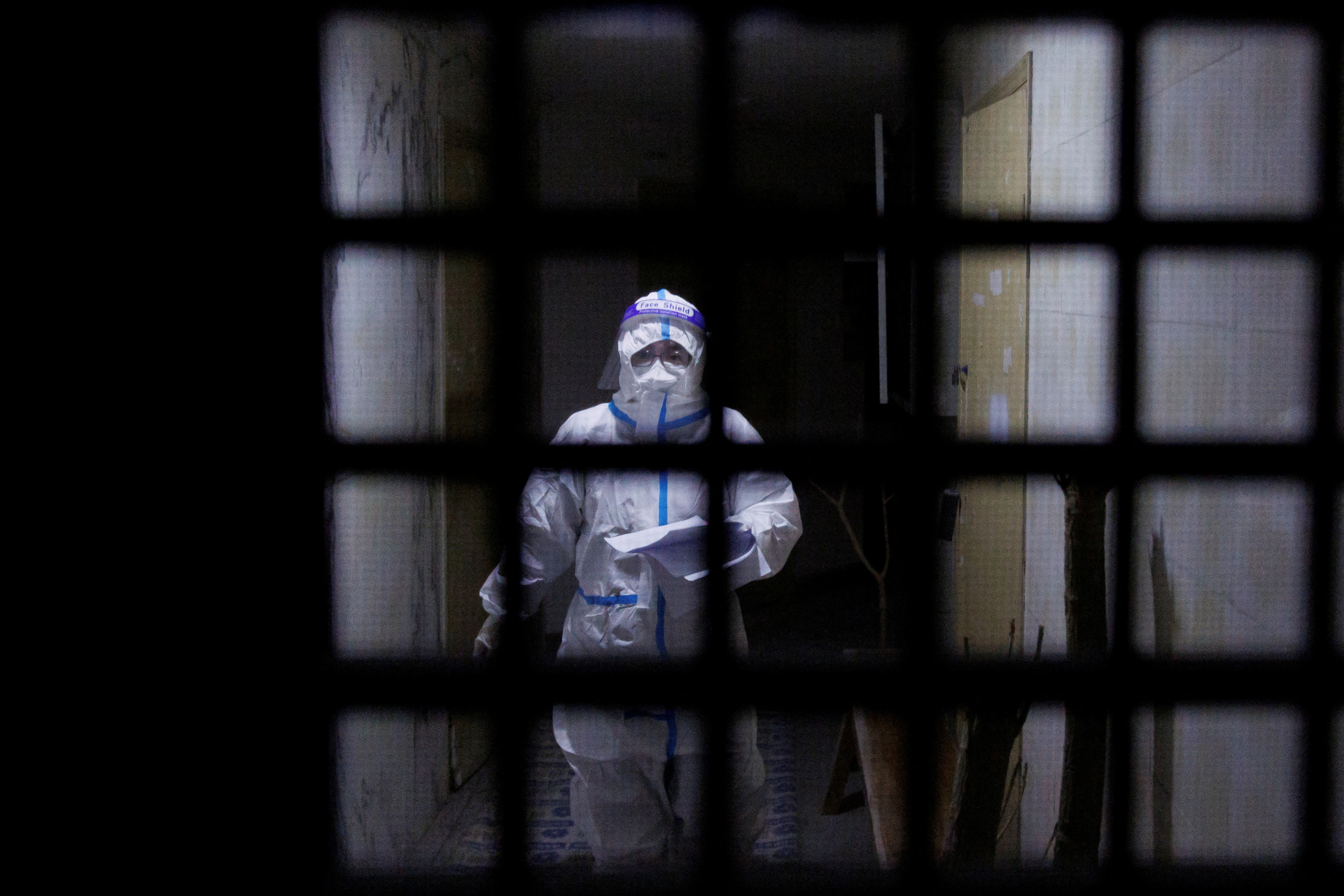
A pandemic prevention worker in a protective suit approaches an apartment in a building that went into lockdown as coronavirus disease (COVID-19) outbreaks continue in Beijing, December 2, 2022. REUTERS/Thomas Peter
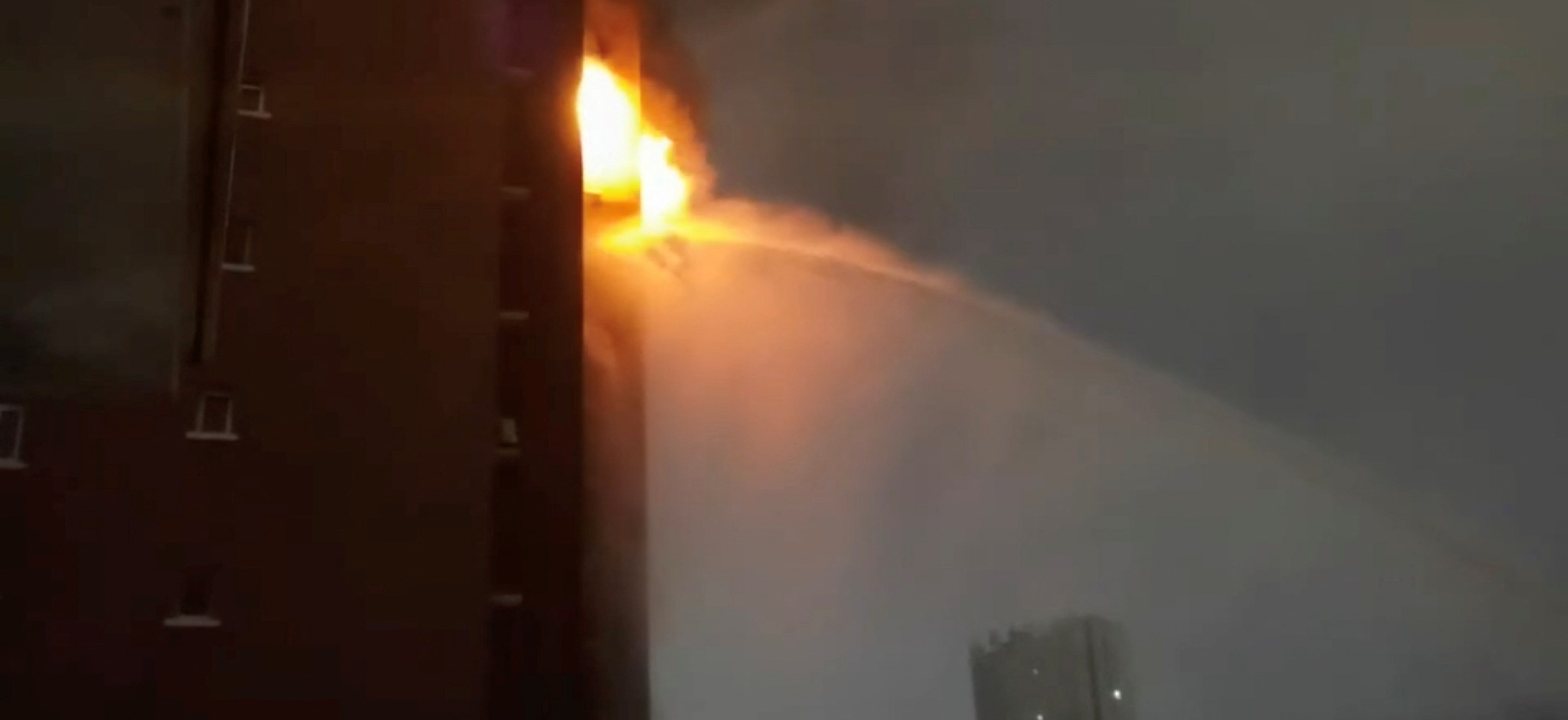
A fire truck shoots water at a burning residential building in Urumqi, Xinjiang, China in this still image obtained from undated social media video released November 24, 2022. The fire killed 10 people and was a catalyst for nationwide protests against COVID-19 lockdowns. Video obtained by REUTERS
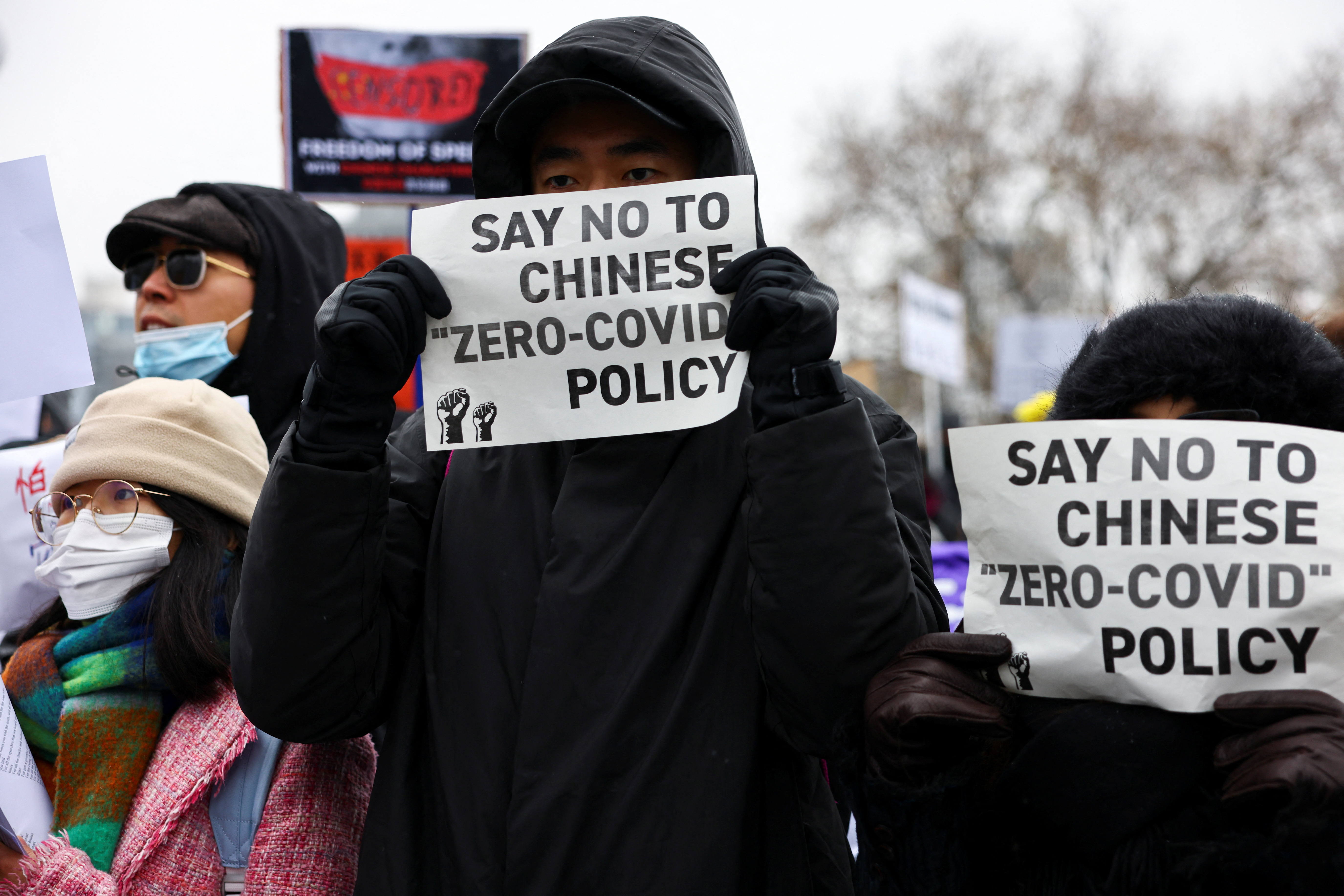
Demonstrators hold placards during a protest against China’s coronavirus disease (COVID-19) restrictions, in Berlin, Germany, December 3, 2022. REUTERS/Christian Mang

WP Radio
WP Radio
OFFLINE LIVE