Categories
Audio Sources - Full Text Articles

Amazon deforestation in Brazil remains near 15-year high

RIO DE JANEIRO (AP) — Deforestation in the Brazilian Amazon slowed slightly last year, a year after a 15-year high, according to closely watched numbers published Wednesday. The data was released by the National Institute for Space Research.

The agency’s Prodes monitoring system shows the rainforest lost an area roughly the size of Qatar, some 11,600 square kilometers (4,500 square miles) in the 12 months from August 2021 to July 2022.

That is down 11% compared to the previous year, when over 13,000 square kilometers (5,000 square miles) were destroyed.

For more than a decade it looked as though things were getting better for the Brazilian Amazon. Deforestation had declined dramatically and never rose back above 10,000 square kilometers. That was before the presidency of far-right President Jair Bolsonaro, beginning in January 2019.

This will be the last report published under Bolsonaro, as he lost his reelection bid and will leave office Jan. 1. But part of the destruction that took place on his watch will not appear until next year, including the key months from August to October of 2022. A preview of those months comes from a different federal satellite system that issues faster but less accurate data: It shows deforestation skyrocketed 45% over the August to October period the prior year. Traditionally, that time of year sees peak destruction, due to the dry season.

An analysis of the new yearly data from Climate Observatory, a network of environmental groups, shows that in the four years of Bolsonaro’s leadership, deforestation rose 60% over the previous four years. That is the largest percentage rise under a presidency since satellite monitoring began in 1998.

In one state, Para, a fierce rate of destruction went down by 21% yet it was still the center of one-third of all Brazil’s Amazon forest loss. Part of the tree cutting and burning happens in areas that are ostensibly protected. One such area is Paru State Forest, where the nonprofit Amazon Institute of People and the Environment registered 2 square kilometers (0.7 square miles) of deforestation in just October.

“In recent years, deforestation has reached protected areas where previously there was almost no destruction,” Jacqueline Pereira, a researcher with the Amazon Institute, told The Associated Press. “In Paru’s region, the destruction is driven by lease of land for soybean crops and cattle.”

Another critical area is the southern part of the state of Amazonas, the only state that increased deforestation in the most recent data, by 13% compared to the year before. It’s largely attributable to Bolsonaro’s push to pave about 400 kilometers (250 miles) of the only road that connects Manaus, home to 2.2 million people, with Brazil’s larger urban centers further south. Most Amazon deforestation occurs alongside roads where access is easier and land value is higher.

Researchers and environmentalists have blamed Bolsonaro’s policies for the surge in deforestation. The administration weakened environmental agencies and backed legislative measures to loosen land protections in the name of economic development, paired with a view of occupying a sparsely-populated territory at any cost. This policy has emboldened land robbers and spurred more illegal mining.

Bolsonaro’s successor, leftist former President Luiz Inácio Lula da Silva, promised cheering crowds at the recent U.N. climate conference in Egypt to end all deforestation in the whole country by 2030. “There will be no climate security if the Amazon isn’t protected,” he said.

The last time da Silva was president, from 2003 to 2010, deforestation fell sharply. On the other hand, he backed initiatives that set in motion destruction in the long run, such as the construction of the mammoth Belo Monte hydroelectric dam and generous loans to the beef industry. Chopping down forest for pasture is the primary driver of deforestation.

The Amazon rainforest, which covers an area twice the size of India, acts as a buffer against climate change by absorbing large amounts of carbon dioxide. It’s also the most biodiverse forest in the world, and the home of tribes that have lived in the forest for thousands of years, some of them living in isolation.

“If da Silva wants to decrease forest destruction by 2023, he must have zero tolerance for environmental crime from Day One of his administration. That includes holding accountable those who sabotaged environmental governance in the country while in office over the past four years,” says Marcio Astrini, executive secretary of the Climate Observatory.

___

Associated Press climate and environmental coverage receives support from several private foundations. See more about AP’s climate initiative here. The AP is solely responsible for all content.
Categories
Audio Sources - Full Text Articles

Ukraine“s Kherson loses power supply after Russian shelling – governor

2022-12-01T08:50:52Z

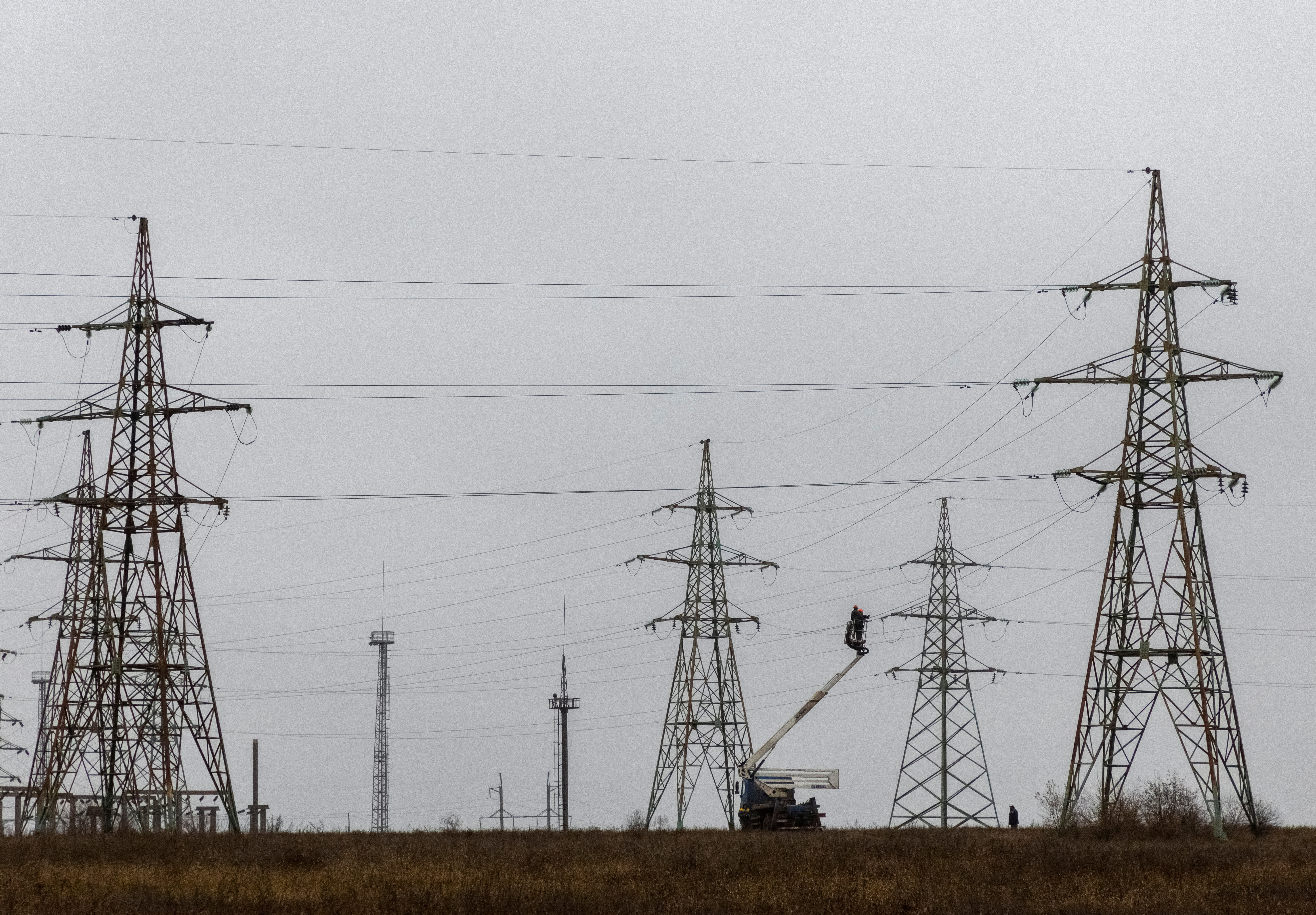
Electric power lines damaged by Russian military strikes in Kherson region, Ukraine November 30, 2022. REUTERS/Anna Voitenko/File Photo

The recently liberated Ukrainian city of Kherson has lost its power supply after heavy shelling by Russian forces, the regional governor said on Thursday.

Kherson, which had endured weeks without basic utilities such as running water and electricity, partially regained its power supply last week after Ukrainian forces recaptured the southern city from Russian forces earlier in November.

Yaroslav Yanushevych, the governor of the Kherson region, blamed Russian shelling for the new power cut and said in a statement on the Telegram messaging platform that energy workers were working to fix the problem.

After living under Russian occupation for almost nine months, Kherson residents now face the danger of regular shelling in some parts of the city from Russian troops who retreated only to the opposite side of the Dnipro River.

Other Ukrainian cities are suffering power cuts after Russian air strikes.

The Ukrainian General Staff said in its daily update on the fighting that the number of Russian soldiers and military equipment had decreased in Oleshky, a town not far from Kherson on the Russian-controlled side of the Dnipro.

“Enemy troops were withdrawn from certain settlements of the Kherson (region) and dispersed in forest strips along the section of the Oleshky – Hola Prystan highway,” it said, referring to a highway that runs roughly parallel to the river on Russian-held territory. “The main part of the troops are mobilised personnel.”

Categories
Audio Sources - Full Text Articles

China set to loosen COVID curbs after week of historic protests

2022-12-01T08:52:08Z

China is set to announce in coming days an easing of its COVID-19 quarantine protocols and a reduction in mass testing, sources told Reuters, a marked shift in policy after anger over the world’s toughest curbs fuelled widespread protests.

Cases nationwide remain near record highs but the changes come as some cities have been lifting their lockdowns in recent days, and a top official said the ability of the virus to cause disease was weakening.

Health authorities announcing the easing in their areas have not mentioned the protests – the biggest show of civil disobedience in China for years which ranged from candle-lit vigils in Beijing to street clashes with police in Guangzhou.

The measures due to be unveiled include a reduction in mass testing and regular nucleic acid tests and moves to allow positive cases and close contacts to isolate at home under certain conditions, the sources familiar with the matter said.

That is a far cry from earlier protocols that led to public frustrations as entire communities were locked down, sometimes for weeks, after even just one positive case.

The frustration boiled over last week in demonstrations of public defiance unprecedented in mainland China since President Xi Jinping took power in 2012, and come as the economy is set to enter a new era of much slower growth than seen in decades.

Less than 24 hours after violent protests in Guangzhou on Tuesday, authorities in at least seven districts of the sprawling manufacturing hub, said they were lifting temporary lockdowns. One district said it would allow schools, restaurants and businesses including cinemas to reopen.

Cities including Chongqing and Zhengzhou also announced easings.

Adding to the sense of a shift in direction, Vice Premier Sun Chunlan, who oversees COVID efforts, said the virus’s ability to cause disease was weakening, state media reported.

“The country is facing a new situation and new tasks in epidemic prevention and control as the pathogenicity of the Omicron virus weakens, more people are vaccinated and experience in containing the virus is accumulated,” Sun said in comments reported in state media.

Sun also urged further “optimisation” of testing, treatment and quarantine policies.

The mention of a weakening pathogenicity contrasts with earlier messages from authorities about the deadliness of the virus.

“Sun’s speech, in addition to the notable easing of COVID control measures in Guangzhou yesterday, sends yet another strong signal that the zero-COVID policy will end within the next few months,” analysts at Nomura said in a research note.

“These two events perhaps point to the beginning of the end of zero-COVID.”

In the capital, Beijing, some communities have begun preparing for changes.

One community in the east of the city holding an online poll this week on the possibility of positive cases isolating at home, residents said.

“I certainly welcome the decision by our residential community to run this vote regardless of the outcome,” said resident Tom Simpson, managing director for China at the China-Britain Business Council.

He said his main concern was being forced to go into a quarantine facility, where “conditions can be grim to say the least”.

Prominent nationalist commentator Hu Xijin said in a social media post on Wednesday that many asymptomatic carriers of coronavirus in Beijing were already quarantining at home.

Expectations have grown around the world that China, while still trying to contain infections, could look to re-open its borders at some point next year once it achieves better vaccination rates among its hesitant elderly.

Health experts warn of widespread illness and death if COVID is let loose before vaccination is ramped up.

Chinese stocks and markets around the world dipped initially after the weekend protests in Shanghai, Beijing and other cities, but later recovered on hopes that public pressure could lead to a new approach by authorities.

More COVID outbreaks could weigh on China’s economic activity in the near term, the International Monetary Fund said on Wednesday, adding it saw scope for a safe recalibration of policies that could allow economic growth to pick up in 2023.

China’s strict containment measures have dampened domestic economic activity this year and spilled over to other countries through supply chain interruptions.

Following downbeat data in an official survey on Wednesday, the Caixin/S&P Global manufacturing purchasing managers’ index showed factory activity shrank in November for a fourth consecutive month. read more

While the change in tone on COVID appears a response to the public discontent with strict measures, authorities are also seeking out for questioning those present at the demonstrations.

China Dissent Monitor, run by U.S. government-funded Freedom House, estimated at least 27 demonstrations took place across China from Saturday to Monday. Australia’s ASPI think tank estimated 51 protests in 24 cities.

Related Galleries:

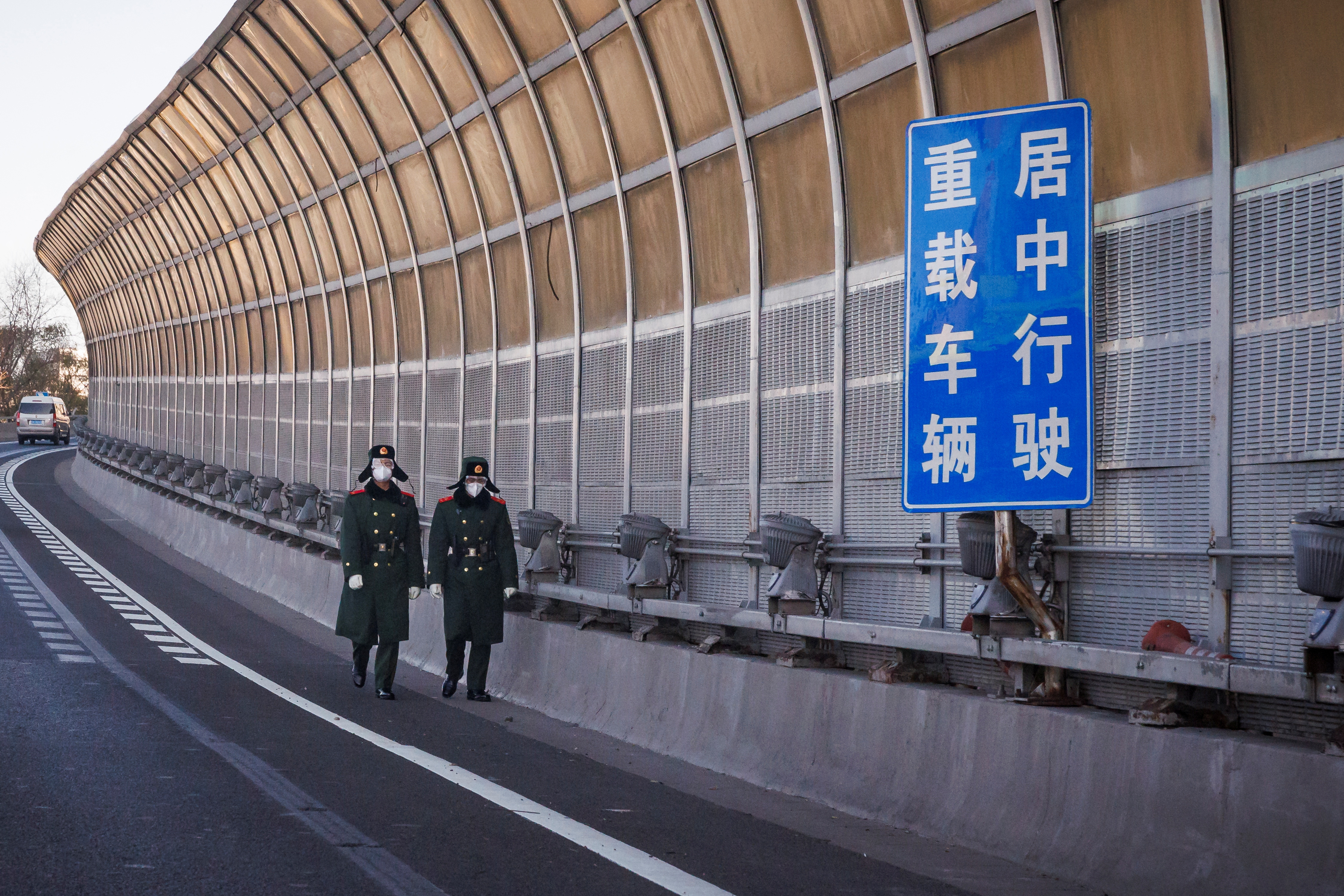
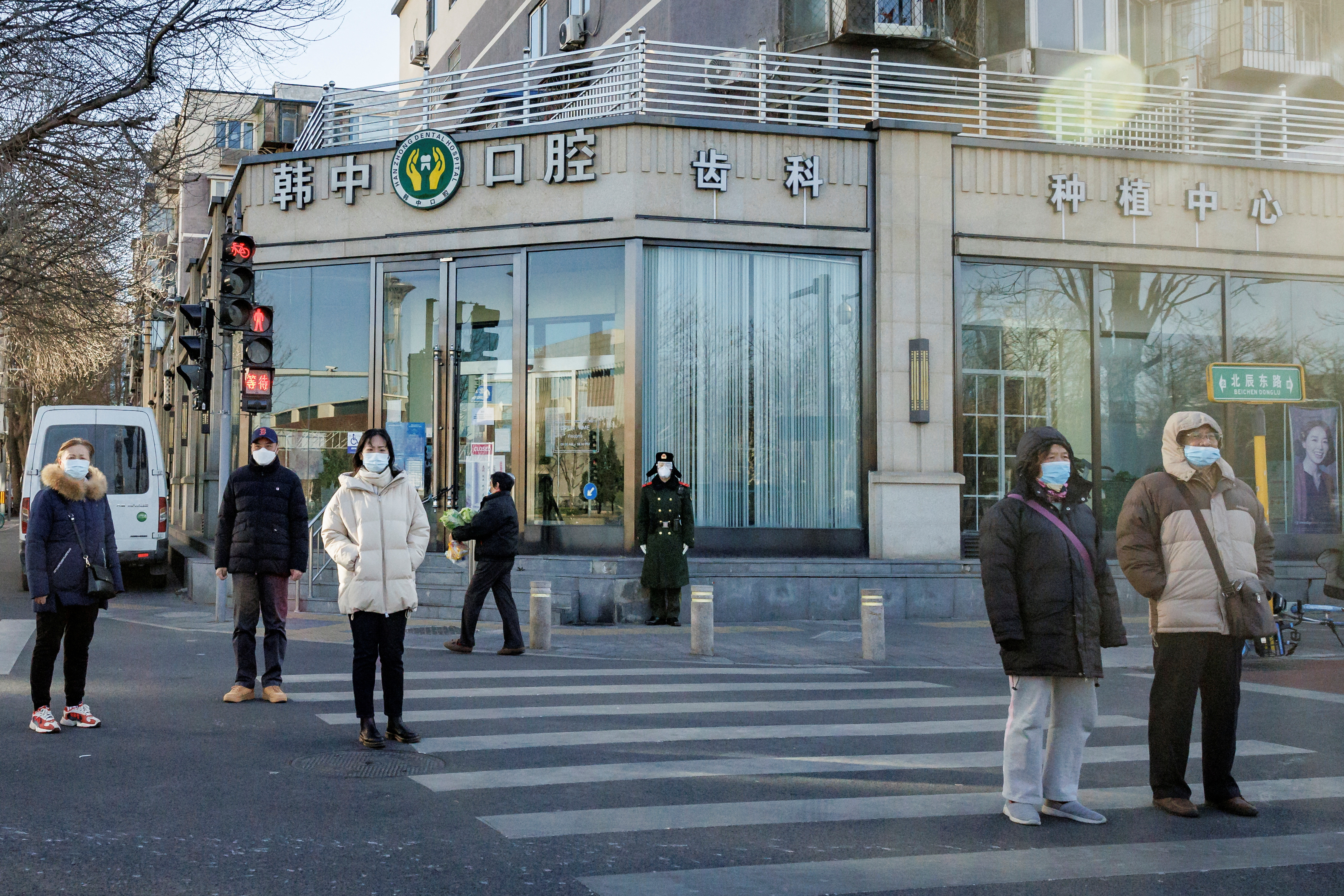
A member of the Chinese People’s Armed Police Force wears a face mask as he keeps watch on a street amid coronavirus disease (COVID-19) outbreaks in Beijing, December 1, 2022. REUTERS/Thomas Peter

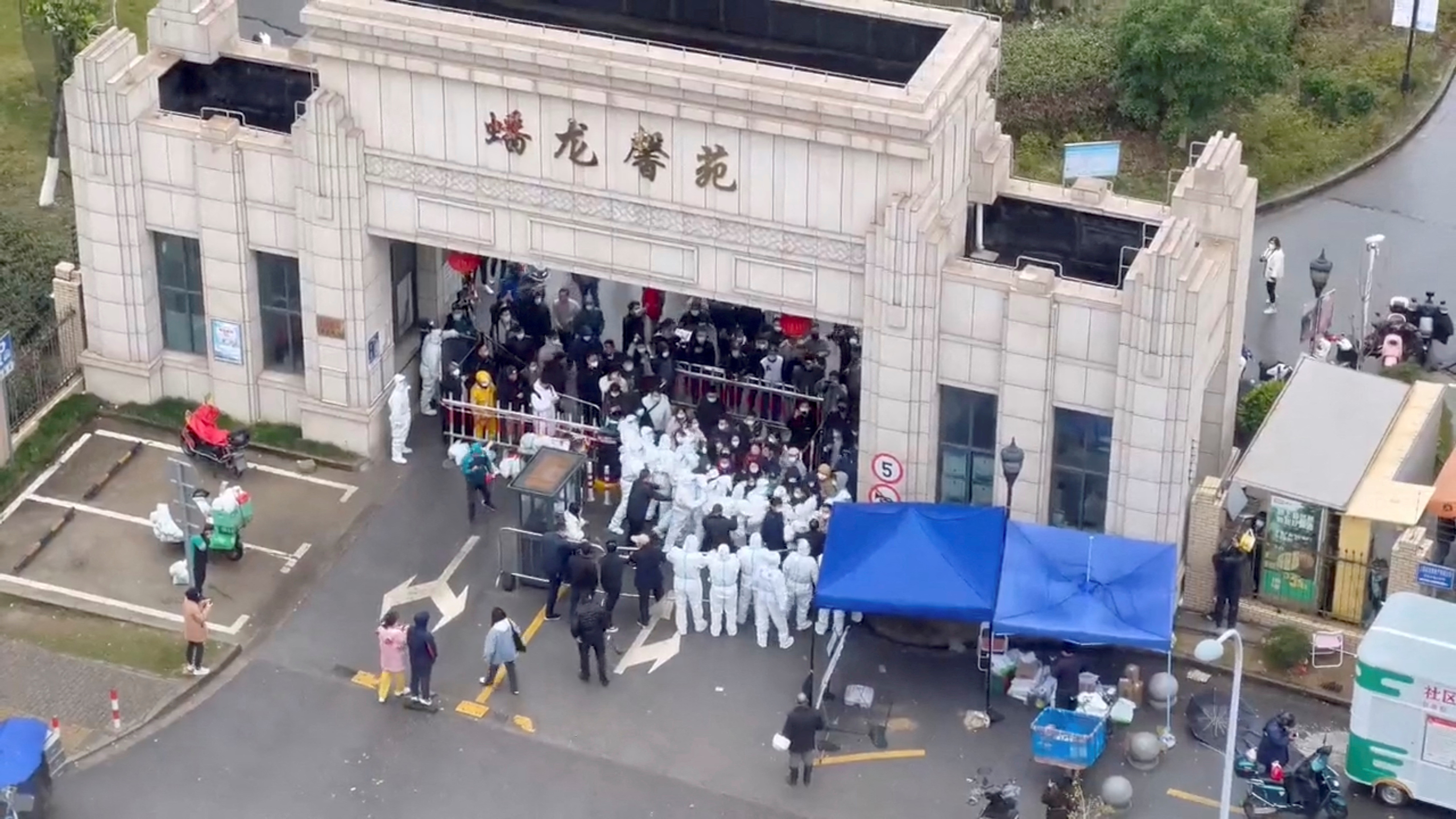
Residents confront workers donned in protective suits who are blocking the entrance of a residential compound, amid the coronavirus disease (COVID-19) outbreak in Shanghai, China, in this still image obtained from a social media video released November 30, 2022.Video obtained by Reuters/via REUTERS THIS IMAGE HAS BEEN SUPPLIED BY A THIRD PARTY. NO RESALES. NO ARCHIVES

Members of the Chinese People’s Armed Police Force wear face masks as they patrol a street amid coronavirus disease (COVID-19) outbreaks in Beijing, December 1, 2022. REUTERS/Thomas Peter

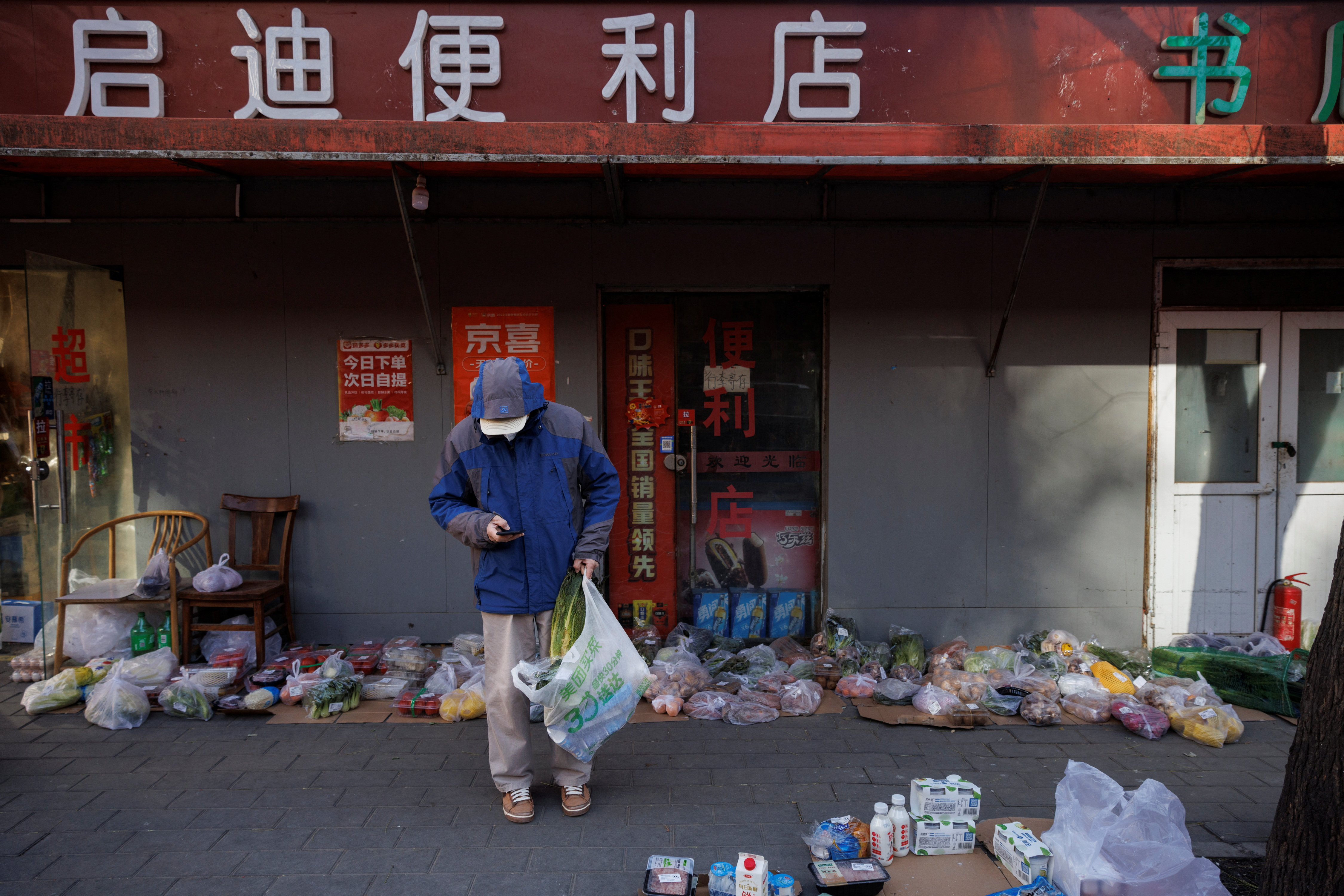
A man picks his grocery purchases in a street as many shops remain closed because coronavirus disease (COVID-19) curbs in Beijing, China November 30, 2022. REUTERS/Thomas Peter

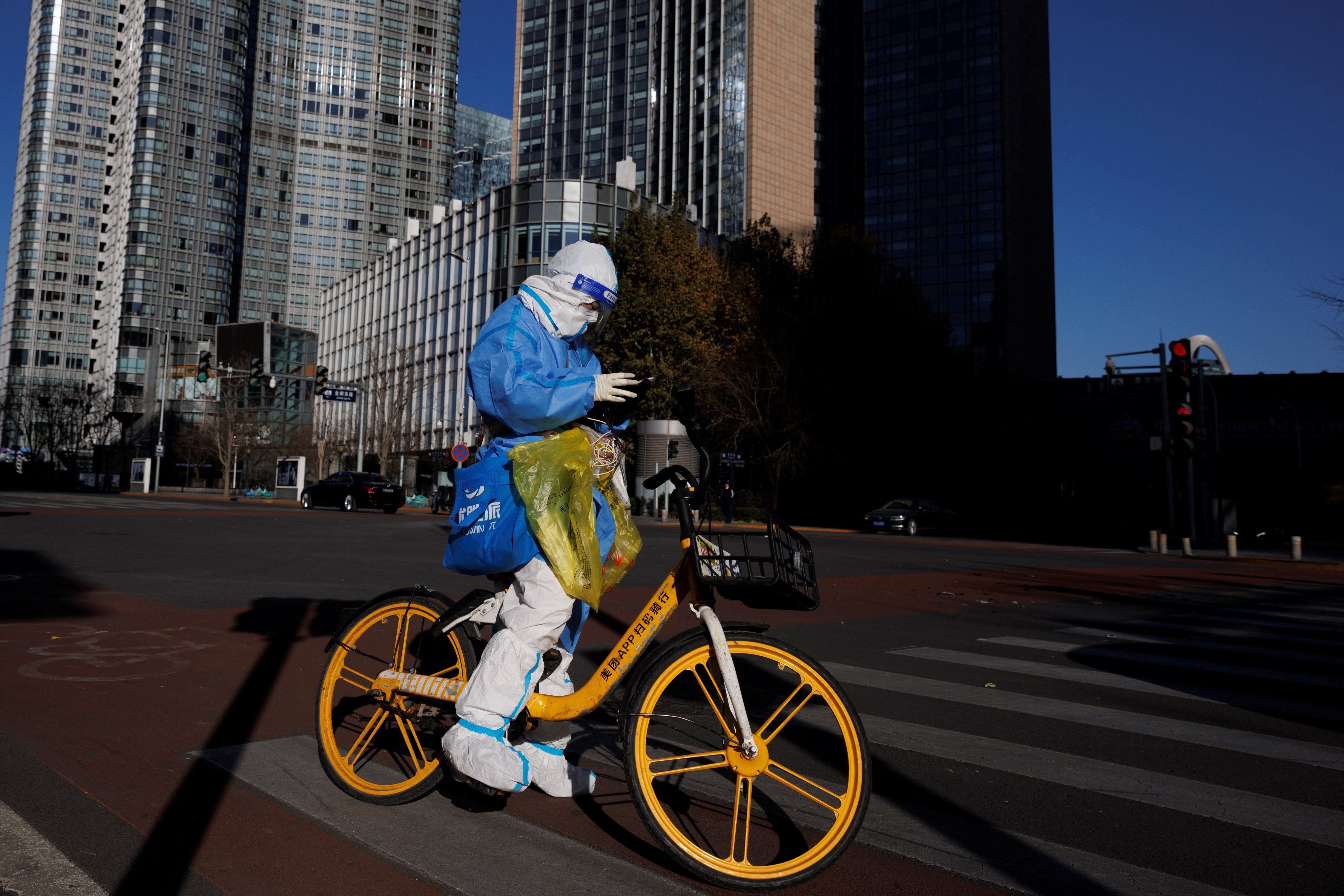
A health worker in a protective suit waits at a traffic light in a street in the central business district (CBD) that is largely deserted because of work-from-home orders as coronavirus disease (COVID-19) outbreaks continue in Beijing, China November 30, 2022. REUTERS/Thomas Peter TPX IMAGES OF THE DAY
Categories
Audio Sources - Full Text Articles

Kyiv Post Morning Memo – Everything You Need to Know on Thursday, Dec. 1

memo_1-1024x576.png

Good morning from Kyiv where the sun is shining for the first time this week, though it’s still a very chilly -3 degrees and there is snow everywhere.

What’s happening today?

Ukraine is still braced for an expected mass missile attack from Russian forces as they continue their campaign to destroy Ukraine’s energy infrastructure as temperatures plummet. Yesterday was a quiet day with no air raid alerts in the capital, but that could change today.

In more positive news, Germany last night passed a motion recognizing the Holodomor, or death by starvation of millions of Ukrainians in 1932-33, as an act of genocide.

Awareness of the Holodomor has been slow to come to light in the 90 years since it began, so the move is highly welcome.

And elsewhere, President Zelensky has reignited his feud with Elon Musk and invited him to Ukraine so he can see for himself just what Russia has done to the country. You can read more about that story here.

What was Zelensky’s latest message?

Well, it was very intriguing indeed. During his daily address on Wednesday evening and without going into specifics, the president spoke of preparing a “more powerful countermeasure” for areas of Ukraine currently occupied by Russia.

He said: “We are analyzing the intentions of the occupiers and are preparing a countermeasure – an even more powerful countermeasure than now.

“We considered the issue of providing for the military and supplying new equipment and ammunition.”

So watch this space.

What’s the latest military situation?

The U.K. Ministry of Defence discusses Russia’s ongoing missile attacks against Ukrainian energy infrastructure, saying it is causing “indiscriminate, widespread humanitarian suffering across Ukraine”.

It notes however that the effectiveness of the campaign has “likely been blunted because Russia has already expended a large proportion of its suitable missiles against tactical targets”.

It adds: “Also, with Ukraine having successfully mobilised for nine months, material and psychological effect of the [bombing] is likely less than if it was deployed in the initial period of a war.”

The Institute for the Study of War’s Nov. 30 daily assessment covers a multitude of topics, most notably:

Anything else I need to know about?

Absolutely. While Kyiv is almost solely portrayed in the international media as a country where missiles explode, the power goes out and people queue in the streets for water, life here does go on even if you don’t see it on the news.

To highlight this, Kyiv Post has compiled “7 Totally Normal Things You Can Still Do in Wartime Kyiv“.

And that’s it for today’s Morning Memo.

Kyiv Post will bring you the latest news throughout the day and we’ll be back with another edition tomorrow.

The post Kyiv Post Morning Memo – Everything You Need to Know on Thursday, Dec. 1 appeared first on Kyiv Post.

Categories
Audio Sources - Full Text Articles

Idaho college murder investigators hit roadblock in search for knife origin: ‘No real help’ news.yahoo.com/idaho-college-… via @YahooNews

Idaho college murder investigators hit roadblock in search for knife origin: ‘No real help’ news.yahoo.com/idaho-college-… via @YahooNews
Categories
Audio Sources - Full Text Articles

Nature needs $384 billion annually by 2025, U.N. says

2022-12-01T08:13:26Z

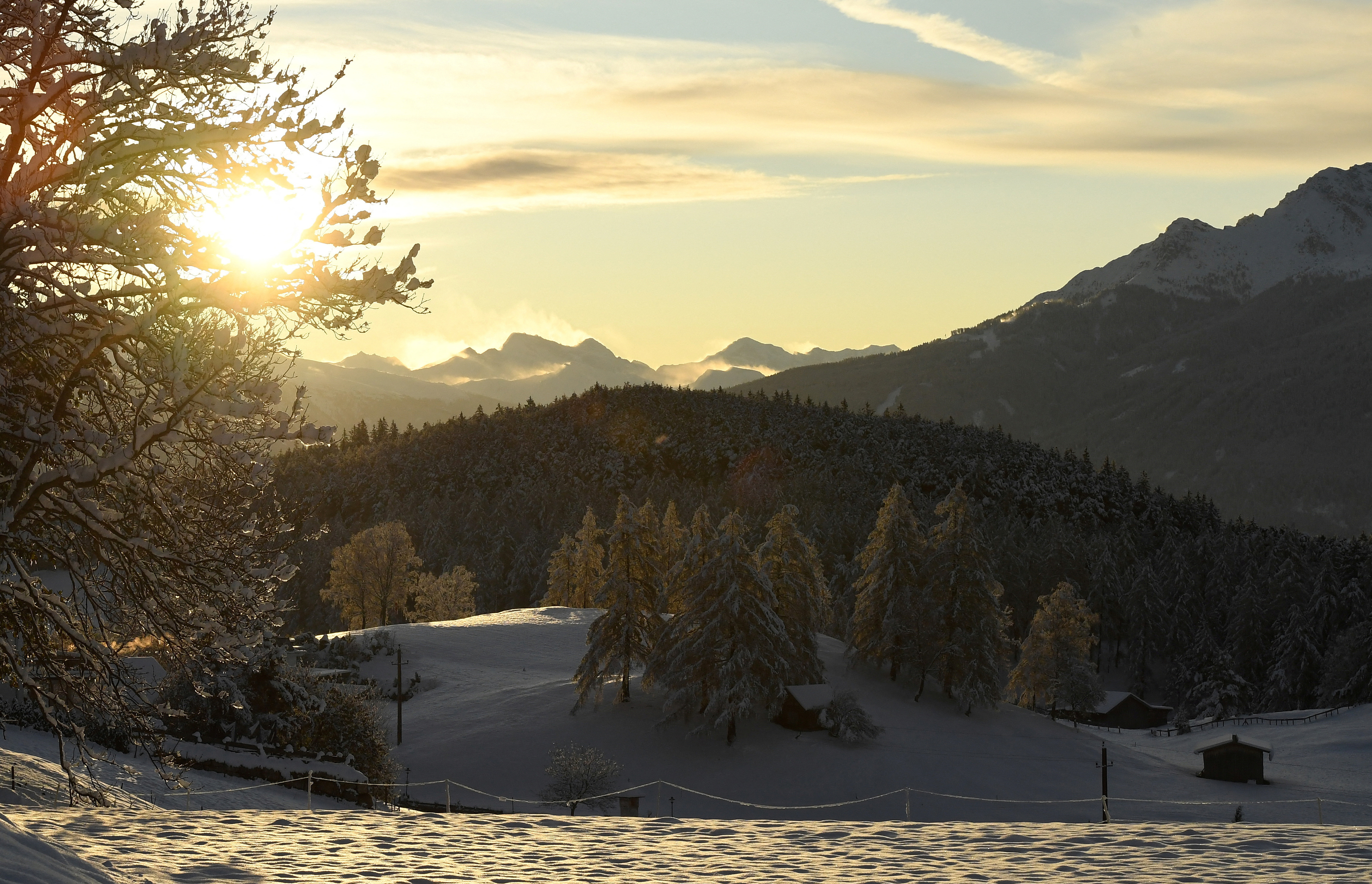
Larches stand in the snow near the village of Seefeld, Austria, November 14, 2019 REUTERS/Angelika Warmuth/File Photo

Investments into protecting and better managing the world’s ecosystems need to reach $384 billion a year by 2025, more than double their current levels, to guard against the threats of climate change and loss of natural resources, the U.N.’s environment watchdog said on Thursday.

The calculation will inform a biodiversity summit starting next week in Montreal, Canada, where countries will try to agree on a deal to protect nature and wildlife from further losses and degradation of species and landscapes.

Currently, $154 billion is spent every year, mainly by governments, on actions to protect and better manage waters, land, air and wildlife, known as “nature-based solutions,” the U.N. Environment Programme (UNEP) said in a report.

“This will have to increase by several orders of magnitude if we are to tackle the triple crisis of land degradation, climate and nature,” said Ivo Mulder, head of UNEP’s climate finance unit.

“About 50% of global GDP is dependent on healthy and well-functioning ecosystems (so) it shouldn’t be too hard a stretch even if we are living through multiple crises” such as war in Ukraine and spiralling inflation, he added.

Meanwhile, governments are spending $500 billion-$1 trillion a year on potentially damaging subsidies to fisheries, agriculture and fossil fuels, the report found.

More than 100 nations signed up last year in the Chinese city of Kunming to work toward biodiversity protection, but they failed to agree on issues including funding conservation in poorer countries.

This year’s meeting was due to take place in Kunming, but the venue was changed because of its zero-COVID curbs. China will continue to serve as president.

The last time world leaders signed a biodiversity pact, in Aichi, Japan, in 2010, they set targets to try to slow loss by 2020, none of which were met.

Private sector actors, who account for just 17% of spending on nature-based solutions despite their commitments to reducing carbon emissions and deforestation, “will have to combine ‘net zero’ with ‘nature positive'” UNEP said.

Categories
Audio Sources - Full Text Articles

Germans spending less as soaring power, food costs gnaw finances

2022-12-01T08:09:14Z

For 25 years, Theo Jost served the German Christmas dish of goose in his restaurant near the Black Forest. The birds were fresh, reared by farmers in northern Germany. But this year he took the dish off the menu because rising costs all along the supply chain would have doubled its price compared to last year.

“I said to my son: ‘We can’t expect our guests to pay 60-70 euros ($62-75) for a serving of goose,'” Jost told Reuters.

That would be beyond the budgets of Germans looking to cut back on non-essentials amid a cost of living crisis fuelled by rising energy prices. They surged as the world emerged from pandemic lockdowns in 2021 and have been pushed yet higher in the stand-off between gas-rich Russia and the West.

Germans interviewed by Reuters said they were putting off spending decisions as inflation bit into their income, while a broad range of economic data suggest the picture will not improve for months into 2023.

Heavily dependent on Russian gas, Germany saw inflation at 11.3% in November according to the official European Union-wide harmonised measure – higher than the 10% average among countries that use the euro and well above the 7.1% of neighbour France.

It is set to become the biggest Group of Seven economy to fall into recession next year. The International Monetary Fund sees output shrinking 0.3% compared to albeit modest average growth of 1.1% across its benchmark of advanced economies.

As Europe’s largest economy, high inflation and weak growth in Germany matter for the region: on the one hand, it could help prompt the European Central Bank towards tighter policy; on the other, it drags on overall activity.

While its dependence on Russian energy is already stoking fears of long-term damage to Germany’s industrial might, the 43.5 percent annual increase it has seen in energy prices is also hitting consumers hard, fuelling wider price increases and biting into their disposable income.

“This is not just your regular recession,” says Ulrike Malmendier, an economics professor at the University of California, Berkeley who is a member of Germany’s SVR council of economic experts that advises the government on policy.

“We are dealing with the fact that we will have long term, significantly higher energy prices,” Malmendier told Reuters, adding that this could have a similarly long-term impact on consumer spending, which policy-makers would need to address.

Already, the SVR sees weak private consumption scraping 0.3 percentage points off total German growth in 2023, contributing to the recession that the IMF and others now predict.

As in other European countries, German wages adjusted for inflation were lower in mid-2022 than at the end of 2019, according to SVR figures.

But recent wage deals suggest they have more to fall: an agreement struck by the IG Metall trade union in southwest Germany that will set a trend for other deals fell short of inflation with a cumulative 8.5% increase spread over two years.

While some economists see inflation in Germany peaking by early next year, a number of domestic factors mean its impact on consumers will resonate for months to come in a country with a deep-seated cultural aversion to price rises.

Tobias Rademacher, a software developer from Leipzig, just received his new power bills for the upcoming year. He says he will have to set aside twice as much of his income to cover the bills in 2023, compared to this year.

But, in common with many in the local rental sector, his biggest fear is what comes later that year. German tenants pay monthly heating bills to their landlords – priced depending on the usage in the previous year. At some point in 2023, he and hundreds of thousands of others will receive a bill for his 2022 heating to recover additional costs from rising prices.

“For now, I’ve decided against planning a major vacation next year, because you simply don’t know what you’re up against,” the 42-year-old told Reuters, adding that even with what he calls a comfortable salary, he was also putting a new bicycle on hold.

Rademacher is not alone. Travel bookings are down 15% on last year, German travel agency ta.ts says, while OpenTable data point to a trend downwards in restaurant reservations.

The HDE retail association has warned its sector faces the biggest slump in Christmas sales this year since 2007. Discount retailer Primark said in November it was looking to reduce its presence in Germany as it grappled with weak sales and rising costs. read more

There is no easy fix to Germany’s energy problem, with research group Prognos predicting wholesale power prices rising to twice their pre-Ukraine war levels by the end of 2023.

Joerg Angelé, senior economist at asset manager Bantleon, says he expects consumers to keep saving on non-essentials.

“You can’t save on power or gas, and those are going to be more expensive next year,” Angelé said. “I fear that housing rents are going to increase more over the next years, and you cannot save on groceries.”

This bleak consumer sentiment is mirrored in polls conducted by the GfK research group. Latest figures showed a slight uptick in consumer sentiment compared to October. But the sentiment remains at some of the lowest levels of the past two decades.

The low morale readings were further underlined in a recent cross-country study by EY consultancy which showed that 23% of Germans fear for their finances compared to just 16% in France.

That may come as no surprise. Not just energy costs but also food prices have increased more in Germany than in France: 18.9% in Germany in October compared to 12.9% in France, according to a harmonised index.

This is all the more of a shock in the land of low-cost retail forerunners like Aldi and Lidl because Germans for years could rely on relatively cheap groceries.

Hitting all food-importing nations, the war in Ukraine stifled supply of sunflower oil and raised prices for fertilizer, feed, and energy, necessary for the heating of barns, running production facilities, and transportation.

Local food industry officials also point to a recent move to increase Germany’s minimum wage to 12 euros per hour, adding more costs to production.

National policy has been a factor too. Some point to Germany’s late move to cap energy prices and contrast it with the much earlier move by France to support consumers with subsidies at petrol pumps and elsewhere.

Jeromin Zettelmeyer, director of the Brussels-based Bruegel think tank, said France may have acted faster because of “the higher sensitivity” to social unrest after the “gilets jaunes” (yellow vest) protests launched in 2018 against a government attempt to hike energy taxes.

All these factors are combining to make Germans more worried about inflation going forward: Five-year inflation expectations of German households stood at 6 percent in September, according to the OECD. The ECB reports three-year inflation expectations of European consumers as a whole at 3 percent.

Referring to ECB projections of returning to target inflation rates soon, Malmendier said: “I’m a little worried that they’re too optimistic.”

Related Galleries:

People walk through the Mall of Berlin shopping centre during its opening night in Berlin, Germany, September 24, 2014. REUTERS/Thomas Peter

A man walks past at a kitchen by German kitchen maker Haecker inside a furniture shop in Berlin March 6, 2015. REUTERS/Fabrizio Bensch/Files
Categories
Audio Sources - Full Text Articles

Islamic State leader Quraishi blew himself up after being surrounded -sources

2022-12-01T08:24:19Z

Islamic State (IS) militant leader Abu al-Hassan al-Hashemi al-Quraishi, who was killed in mid-October in Syria, blew himself up after he and his aides were surrounded by local fighters in the town of Jasem, fighters involved in the clash told Reuters.

The U.S. military said on Wednesday he was killed in an operation carried out by the rebel Free Syrian Army (FSA) in the southern Deraa province.

The province was brought under the control of the Syrian army following Russian-brokered reconciliation agreements in 2018 that gave control of southern Syria back to Damascus.

Quraishi and his aides had been discovered in a secret hideout in a house, said the sources, who included SFA fighters, relatives of comrades who died in the clash and residents of Jasem.

“The leader and a companion blew themselves up with suicide belts after our fighters succeeded in storming their hideout,” said Salem al Horani, a resident of Jasem and former fighter who participated in the siege of the three houses where the IS cell was discovered.

The FSA had received backing from the West and Gulf states until they withdrew support in 2018, but its fighters remained in the area after the reconciliation deals under which they handed over heavy weapons but were allowed to keep light arms.

Islamic State has selected Abu al-Hussein al-Husseini al-Quraishi as its new leader, a spokesman for the group said in a recording. He did not offer further details on the new leader.

The spokesman said Quraishi was killed while “fighting enemies of God”, without elaborating.

Islamic State emerged from the chaos of the civil war in neighbouring Iraq and took over vast swathes of Iraq and Syria in 2014. Former IS leader Abu Bakr al-Baghdadi declared an Islamic caliphate from a mosque in the northern Iraqi city of Mosul that year and proclaimed himself caliph of all Muslims.

Islamic State’s brutal rule, during which it killed and executed thousands of people in the name of its narrow interpretation of Islam, came to an end in Mosul when Iraqi and international forces defeated the group there in 2017.

It then lost its last sliver of territory in neighbouring Syria in the spring of 2019, but maintains sleeper cells in various provinces that wage hit-and-run attacks.

Categories
Audio Sources - Full Text Articles

Myanmar democracy leader says 2,000 dead fighting junta, urges military aid

2022-12-01T08:02:34Z

BANGKOK (Reuters) – At least 2,000 pro-democracy fighters have been killed in Myanmar battling a military junta that seized power last year, the head of a parallel civilian government said in an interview aired on Thursday, urging allies to provide military aid.

?m=02&d=20221201&t=2&i=1615843936&r=LYNX

A video grab shows acting President of Myanmar’s National Unity Government, Duwa Lashi La, speaking during an interview as part of the Reuters Next conference, from an undisclosed location in Myanmar November 14, 2022. REUTERS

Duwa Lashi La, acting president of the National Unity Government (NUG), comprised of remnants of the administration of deposed leader Aung San Suu Kyi and others, was speaking to the Reuters NEXT conference from an undisclosed location in Myanmar.

“We regard (the deaths) as the price we must pay,” said Duwa Lashi La, a former teacher and lawyer in his seventies who fled his home in Kachin State in northern Myanmar with his family.

The military has branded him and his colleagues terrorists and banned citizens from communicating with them, but their parallel civilian government enjoys widespread support. Allied armed groups known as People’s Defense Forces have emerged across the country.

Duwa Lashi La has been pictured visiting troops, who include former students and professionals driven to the jungles by military crackdowns, clad in a flak jacket and helmet.

“I have no idea when I will give up my life,” he said. “It is up to God’s will. I am already committed to sacrificing anything for my country,” he said.

The Southeast Asian nation has been in turmoil since the military seized power in February last year, reversing a decade-long democratic experiment, and used deadly force to crush protests.

In addition to the 2,000 deaths in fighting, more than 2,500 civilians have been killed elsewhere, mostly in crackdowns on protests, according to the Assistance Association for Political Prisoners, a rights group that has been monitoring the unrest.

Pro-democracy fighters are out-gunned by an army equipped by Russia, China and India, which uses fighter jets to carry out deadly bombing raids. More than 1.3 million people have been internally displaced since the coup, according to the United Nations, which has said military attacks may constitute war crimes.

The junta did not respond to requests for comment by Reuters. It has said it does not target civilians with air strikes and its operations are responding to attacks by “terrorists”.

Duwa Lashi La said the opposition fighters had killed about 20,000 junta troops. It was not possible to independently confirm the numbers.

“If we had anti-aircraft weapons, safe to say that we could win in six months,” he said. “If only we received the same support that Ukraine receives from the US and EU, the sufferings of the people who are being slaughtered would cease at once.”

While Western nations have voiced support for the NUG and sanctioned military commanders and companies, they have stopped short of military aid for the opposition and say the regional Association of Southeast Asian Nations, which has a convention of non-interference in each other’s affairs, is best placed to solve the crisis.

Last month, Southeast Asian heads of government issued a “warning” to Myanmar to make measurable progress on a peace plan or risk being barred from the bloc’s meetings.

The military has refused to engage opponents or civil society groups.

Duwa Lashi La said the door was not closed to negotiation but the military had to stop killing civilians, vow to withdraw from politics and abolish the constitution that enshrines their power.

“Then … we would probably have dialogue,” he said.

To view the Reuters NEXT conference live on Dec. 1, please click here

Categories
Selected Articles

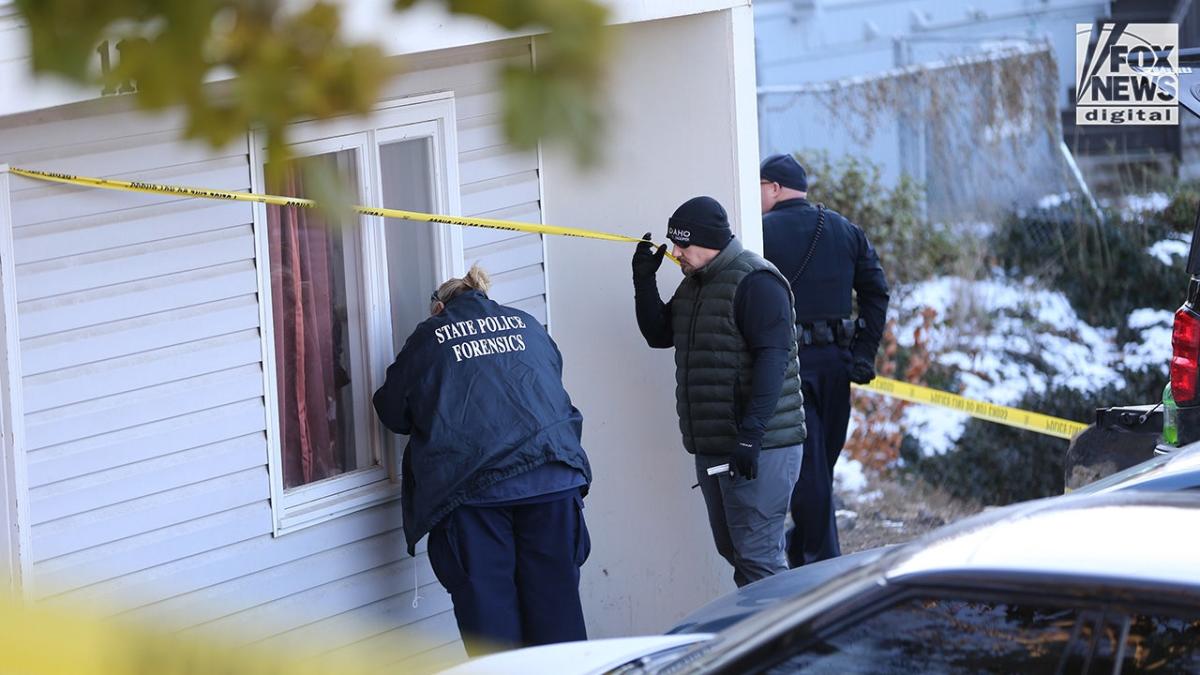
Idaho college murder investigators hit roadblock in search for knife origin: ‘No real help’

c9e522eb5a0fa7bd15064b11001367f6

University of Idaho students Ethan Chapin, 20; Kaylee Goncalves, 21; Xana Kernodle, 20; and 21-year-old Madison Mogen were stabbed several times and killed on November 13.

WP Radio
WP Radio
OFFLINE LIVE