Categories
Audio Sources - Full Text Articles

Exclusive: How FTX bought its way to become the “most regulated“ crypto exchange

2022-11-18T01:21:48Z

The logo of FTX is seen on a flag at the entrance of the FTX Arena in Miami, Florida, U.S., November 12, 2022. REUTERS/Marco Bello/File Photo

Before it collapsed this month, FTX stood apart from many rivals in the largely unsupervised crypto industry by boasting it was the “most regulated” exchange on the planet and inviting closer scrutiny from authorities.

Now, company documents seen by Reuters reveal the strategy and tactics behind founder Sam Bankman-Fried’s regulatory agenda, including the previously unreported terms of a deal announced earlier this year with IEX Group, the U.S. stock trading platform featured in Michael Lewis’s book “Flash Boys” about fast, computer-driven trading.

As part of that deal, Bankman-Fried bought a 10% stake in IEX, with an option to buy it out completely in the next two and half years, according to a June 7 document. The partnership gave the 30-year-old executive the opportunity to lobby IEX’s regulator, the U.S. Securities and Exchange Commission, on crypto regulation.

That deal and others referenced in the documents, which include business updates, meeting minutes and strategy papers, illuminate one of FTX’s broader goals: quickly crafting a congenial regulatory framework for itself by acquiring stakes in companies that already had licenses from authorities, shortcutting the often drawn-out approval process.

FTX spent some $2 billion on “acquisitions for regulatory purposes,” the FTX documents seen by Reuters from a Sept 19 meeting show. Last year, for example, it bought LedgerX LLC, a futures exchange, which gave it three Commodity Futures Trading Commission licenses in one swoop. The licenses gave FTX access to U.S. commodities derivatives markets as a regulated exchange. Derivatives are securities that derive their value from another asset.

FTX also saw its regulatory status as a way of luring new capital from major investors, the documents show. In documents to support its ask for hundreds of millions of dollars in funds, it held out its licenses as a key competitive advantage. The “regulatory moats,” it said, created barriers for rivals and would give it access to lucrative new markets and partnerships beyond the reach of unregulated entities.

“FTX has the cleanest brand in crypto,” the exchange proclaimed in a June document presented to investors.

Bankman-Fried did not respond to a request for comment on questions about FTX’s regulatory strategy. FTX did not respond to requests for comment.

An SEC spokesperson declined to comment for this article. The CFTC also declined to comment.

In a text exchange this week with Vox, Bankman-Fried made an about-face on regulatory matters. Asked if his prior praise of regulations was “just PR,” he said in a sequence of texts: “yeah, just PR… fuck regulators… they make everything worse… they don’t protect customers at all.”

An IEX spokesperson declined to confirm details of the transaction with FTX, except to say that FTX’s “small minority stake” in IEX cannot be sold to a third party without its consent. “We are currently evaluating our legal options with respect to the prior transaction,” the spokesperson said.

FTX collapsed last week after a futile bid by Bankman-Fried to raise emergency funds. It had come under some regulatory oversight through the dozens of licenses it picked up via its many acquisitions. But that didn’t protect its customers and investors, who now face losses totaling billions of dollars. As Reuters reported, FTX had been secretly taking risks with customer funds, using $10 billion in deposits to prop up a trading firm owned by Bankman-Fried.

Four lawyers said the fact that Bankman-Fried was courting regulators while taking massive risks with customer funds without anyone noticing exposes a yawning regulatory gap in the cryptocurrency industry. “It’s a patchwork of global regulators — and even domestically there are huge gaps,” said Aitan Goelman, an attorney with Zuckerman Spaeder and former prosecutor and CFTC enforcement director. “That’s the fault of a regulatory system that has taken too long to adjust to the advent of crypto.”

A person familiar with the SEC’s thinking on crypto regulation said the agency believes crypto firms are illegally operating outside of U.S. securities laws and instead lean on other licenses that provide minimal consumer protection. “Those representations, while nominally true, don’t cover their activity,” the person said.

‘STEP 1: LICENSES’

Bankman-Fried had big ambitions for FTX, which by this year had grown to more than $1 billion in revenues and accounted for about 10% of trading in the global crypto market, from a standing start in 2019. He wanted to build a financial app, where users could trade stocks and tokens, transfer money and bank, according to an undated document titled, “FTX Roadmap 2022.”

“Step 1” toward that goal, the “Roadmap” document said, “is to become as licensed as reasonably possible.”

“Partially this is to make sure that we’re regulated and compliant; partially this is to be able to expand our product offering,” the document said.

That’s where FTX’s acquisition spree came in, according to the documents. Instead of applying for every license, which can take years and sometimes uncomfortable questions, Bankman-Fried decided to buy them.

But the strategy also had its limits: At times, the companies it acquired didn’t have the precise licenses it needed, the documents show.

One of FTX’s goals, according to the documents, was to open up the U.S. derivatives markets to its customers in the country. It estimated the market would bring additional trading volume to the tune of $50 billion a day, generating millions of dollars in revenue. To do that, it needed to persuade the CFTC to amend one of the licenses held by LedgerX, FTX’s newly acquired futures exchange.

The application process went on for months, and FTX had to pony up $250 million for a default insurance fund, a standard requirement. FTX anticipated the CFTC could ask it to increase the fund to $1 billion, according to minutes of a March meeting of its advisory board.

FTX collapsed before it could get the approval, and has now withdrawn its application.

Buying companies for licenses also had other advantages, the documents reviewed by Reuters demonstrate: It could give Bankman-Fried the access he desired to regulators.

A prime example is the IEX deal, which was announced in April. In a joint interview to CNBC, Bankman-Fried and IEX CEO Brad Katsuyama said they wanted “to shape regulation that ultimately protects investors.” What matters the most here, Bankman-Fried added, is that “there is transparency and protection against fraud.”

Reuters could not determine how much FTX paid for the stake.

Bankman-Fried was invited to meet SEC Chairman Gary Gensler and other SEC officials along with Katsuyama in March.

A source close to IEX said the purpose of the meeting was to let the SEC know in advance about its deal with FTX, which had not been publicly announced at that point, and to discuss the possibility of IEX creating a trading venue in digital assets, such as bitcoin. FTX’s role was to provide the crypto-trading infrastructure, the source said.

SEC officials outright rejected their initial plan because it would have involved the creation of a non-exchange trading venue that is more lightly regulated, something the agency opposes for cryptocurrencies, the source familiar with the SEC’s thinking said.

Reuters could not determine the extent of Bankman-Fried’s involvement in subsequent conversations with the SEC. In their mind, SEC officials had agreed to meet with Katsuyama in March, and Bankman-Fried was just tagging along, the source familiar with the SEC’s thinking said. He kept mostly silent during the meeting, with Katsuyama in the “driver’s seat,” the source added.

Whatever his involvement, FTX talked up its discussions to its investors. In a September meeting of its advisory board, FTX said talks with the SEC were “extremely constructive.”

“We are likely to have pole position there,” it said, according to the meeting minutes.

The person familiar with the SEC’s thinking said they would dispute FTX was in the “pole position.” Anything the SEC did to regulate crypto trading would be open to all market participants, the source said.

The source close to IEX said the exchange never entered into any operational agreements with FTX, adding that it never got to that point.

A May FTX document provides a rundown of FTX’s contacts with individual regulators. The document, which has not been previously reported, shows how in most cases FTX was able to resolve the issues that cropped up.

In February, for example, South African authorities published a warning to consumers that FTX and other crypto exchanges were not authorized to operate there. So FTX entered into a commercial agreement with a local exchange to continue providing the services. “FTX is now fully regularised in respect of its current activities in South Africa,” FTX said.

The regulator, South African Financial Sector Conduct Authority, did not respond to a request for comment.

The May document also shows that FTX had a brush with the SEC. The SEC had conducted inquiries earlier this year into how crypto companies were handling customer deposits. Some firms were offering interest on deposits, which the SEC said could make them securities and should be registered under its rules. In the list of its regulatory interactions, FTX noted that the inquiry was looking at whether those assets were being “lent out or otherwise used for operational purposes.”

This month, as Reuters has reported, it emerged that FTX had done just that, moving billions of dollars in client funds to Bankman-Fried’s trading firm, Alameda Research.

In the May document, FTX said the SEC’s exam staff, which scrutinizes market practices that could present a risk to investors, was concerned about a different matter: a rewards program that it offered to customers, under which it paid interest on crypto deposits.

According to the document, FTX told the regulator it did not have the same issues as products from other providers that the agency had investigated.

“We confirmed these were solely rewards based and do not involve lending (or other use) of the deposited crypto,” FTX wrote. The SEC wrote back, saying it had completed its “informal inquiry” and did not need further information “at this time.”

The SEC had no comment on the inquiry. In an email to Reuters, Bankman-Fried wrote: “FTX’s response there was accurate; FTX US’s rewards program did not involve lending out any assets.”
Categories
Audio Sources - Full Text Articles

China threat vaults local issues onto centre stage in Taiwan elections

2022-11-18T01:22:20Z

China’s belligerence towards Taiwan and the future of the island’s democracy are taking centre stage in campaigns ahead of local elections next week, a key test of the ruling party’s support before a presidential vote in early 2024.

The Nov. 26 mayoral and councillor polls are nominally about domestic issues such as transport and the COVID-19 pandemic rather than China, which claims Taiwan as its own territory. Those running do not have direct say in China policy.

But President Tsai Ing-wen and her ruling Democratic Progressive Party (DPP) have turned up the heat in the past week or so, portraying the poll as a way to stand up to Beijing and show the world Taiwan’s democracy won’t give in to threats.

Tsai gave a fiery speech at a huge election rally on Saturday, saying this was more than just a simple local election given China’s menace, a message other senior DPP members have pressed home.

“Russia has invaded Ukraine and Taiwan is facing the threat of China,” Premier Su Tseng-chang told reporters this week. “The whole world is watching whether the Taiwanese people want to choose a pro-China political party or family, or a candidate or political party that defends democracy and supports national sovereignty and independence.”

China mounted war games near the island in August after U.S. House Speaker Nancy Pelosi visited Taipei, and China’s military activities have continued around Taiwan.

Although Tsai and the DPP swept the 2020 presidential and parliamentary elections, the main opposition party, the Kuomintang (KMT), performed strongly in the 2018 local elections, winning 15 cities and counties to the DPP’s six.

The KMT, which traditionally favours closer ties with China but strongly denies being pro-Beijing, has hammered the DPP on its handling of the pandemic, especially after a surge in domestic cases this year.

It is now firing back at DPP implications that a vote for the KMT is essentially a vote for China, a strategy that took Tsai and the DPP into a second term in power in 2020.

KMT Chairman Eric Chu told supporters on Saturday the party would defend Taiwan’s freedoms.

The party has bristled at the China issue and DPP’s claims that it is the only defender of democracy.

“It’s misleading political language,” said Ho Chih-yung, the KMT’s deputy head of communications, who is also standing for election as a city councillor in the tech hub of Hsinchu.

“The China issue is not an issue for local elections,” he told Reuters. “The election is nothing to do with a Chinese invasion.”

The DPP and KMT are focusing efforts on populous and wealthy northern Taiwan, especially the capital, Taipei, whose mayor is from the small Taiwan People’s Party and is barred by term limits from running again.

There, the DPP has put up former health minister Chen Shih-chung, the architect of Taiwan’s pandemic policy, against the telegenic Wayne Chiang, a rising KMT star.

Even if the DPP does badly next week, it does not mean they will lose the presidency in 2024.

“It’s two different elections. In 2018 we lost the election but we won in 2020. But I think the political momentum is very important,” senior DPP lawmaker Lo Chih-cheng told Reuters.

(This story has been refiled to remove repeated word “local” from the headline)

Related Galleries:

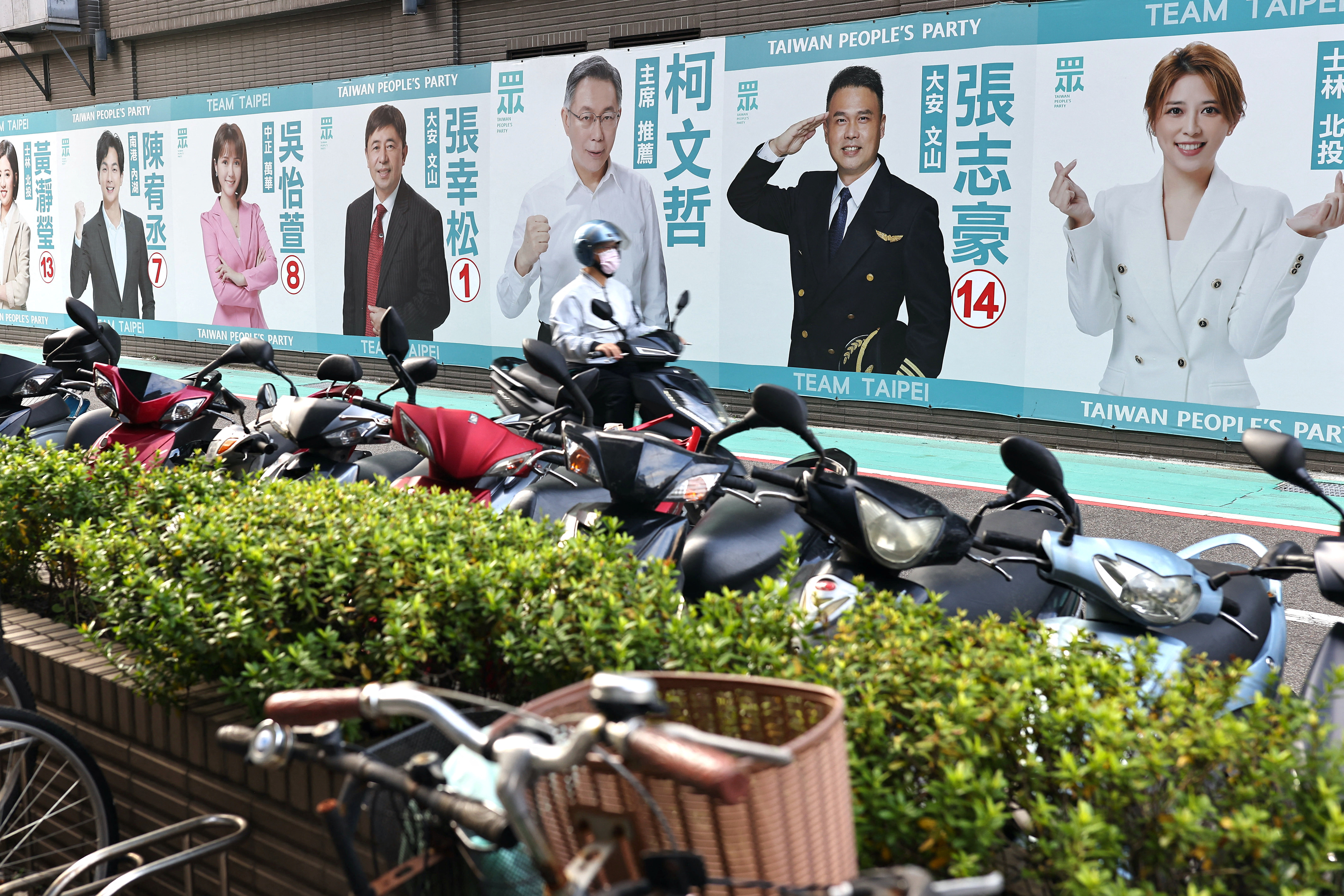
Posters from Taiwan People’s Party can be seen on the streets ahead of the election in Taipei, Taiwan, November 18, 2022. REUTERS/Ann Wang

Wayne Chiang, Taipei mayoral candidate of the oppositions party Kuomintang (KMT), takes part in an election campaign in Taipei, Taiwan, November 17, 2022. REUTERS/Ann Wang

Election posters can be seen on the streets in Taipei, Taiwan, November 18, 2022. REUTERS/Ann Wang

Taiwan’s President Tsai Ing-wen speaks at the pre-election campaign rally ahead of mayoral elections in Taipei, Taiwan, November 12, 2022. REUTERS/Ann Wang

Traffic can be seen with the backdrop of election campaign posters put up in Taipei, Taiwan, November 14, 2022. REUTERS/Ann Wang
Categories
Audio Sources - Full Text Articles

Then there were none

19121c5c768fb6ee35d5576afe2d9a7f?s=100&d

Keep Palmer Report going! Our articles are all 100% free to read, with no forced subscriptions and nothing hidden behind paywalls. If you value our content, you’re welcome to pay for it:

Pay $5 to Palmer Report:

Pay $25 to Palmer Report:

Pay $75 to Palmer Report:


Keep Palmer Report going! Our articles are all 100% free to read, with no forced subscriptions and nothing hidden behind paywalls. If you value our content, you’re welcome to pay for it:

Pay $5 to Palmer Report:

Pay $25 to Palmer Report:

Pay $75 to Palmer Report:

Sign up for the Palmer Report Mailing List.


They all went down in spectacular flames. Of course, they did. Because these midterms were a referendum on lots of things, but one MAJOR thing that loomed large was election denialism. And the deniers lost.

Blake Masters of Arizona was an election denier running for the Senate. He lost.

Mark Finchem was an election denier running for Arizona secretary-of-state. He lost.

Doug Mastriano wanted to be the state of Pennsylvania’s next Governor. He went down hard — and lost.

Tudor Dixon wanted very much to be the state of Michigan’s next Governor. She lost.

Kristina Karamo of Michigan wanted to be Michigan’s secretary of state. She lost.

New Jersey resident and dog killer Mehmet wanted to be Pennsylvania’s next senator. The American people sent him back to New Jersey. (sorry, Jersey.)

And last and certainly least, the witch of Arizona, Kari Lake, an election denier of the utmost degree, was soundly defeated. SHE LOST. (That one deserved all caps.)


And then there were — none. By and large, election denialism lost bigly. It went down in flames and turned to ash. If this election was a battle of good and evil, good won.


And now we can happily say goodbye to some of the biggest creep show candidates we’ve ever had the displeasure of seeing. Because they tried to steal democracy and they tried to corrupt the process. They tried wickedness over good, rage over hope, and hate over love. And then they all lost.

Keep Palmer Report going! Our articles are all 100% free to read, with no forced subscriptions and nothing hidden behind paywalls. If you value our content, you’re welcome to pay for it:

Pay $5 to Palmer Report:

Pay $25 to Palmer Report:

Pay $75 to Palmer Report:

Write for the Palmer Report Community Section.


Keep Palmer Report going! Our articles are all 100% free to read, with no forced subscriptions and nothing hidden behind paywalls. If you value our content, you’re welcome to pay for it:

Pay $5 to Palmer Report:

Pay $25 to Palmer Report:

Pay $75 to Palmer Report:

The post Then there were none appeared first on Palmer Report.

Categories
Audio Sources - Full Text Articles

Pelosi’s big decision: ‘There’s a life out there, right?’

WASHINGTON (AP) — Speaker Nancy Pelosi said the attack on her husband, Paul, by an intruder in their family home made her think about staying on as the House Democratic leader because she “couldn’t give them that satisfaction” of intimidating her out of politics.

But Pelosi said Thursday she was ready to step aside and felt “balanced” about her decision to make way for a new generation of leaders.

She’s staying as the congresswoman of San Francisco but has no plans to endorse a successor or meddle with the new leaders.

“I have no intention of being the mother-in-law in the kitchen saying, ‘My son doesn’t like the stuffing that way,’” Pelosi said in a wide ranging interview with reporters at the Capitol.

“They will have their vision, they will have their plan.”

As for the future direction of the House Democrats, she said: “That’s up to them, I want it to be whatever they want it to be.”

Pelosi, who is 82, spoke to reporters in the “The Board of Education” Room, a historic space once frequented after hours only by the men in Congress, after she announced her decision to step down after 20 years as the party leader. Her action followed the midterm elections t hat gave Republicans control of the House.

First elected in 1987, when there were just 12 Democratic women in Congress, Pelosi said she chose to wear white to deliver her speech on the House floor Thursday in a nod to the suffragettes — noting a painting of the women with the 19th Amendment she had installed in the gilded meeting room alongside one of San Francisco’s Golden Gate bridge.

Digging into a package of cookies — chocolate chip, of course — the speaker would not say exactly when she made her decision to step aside.

She keeps a close hold on her most important decisions, and even now, once it had spilled out in the open, said how she finally arrived at her choice was something she might have to think more about. It was known that she took two versions of her speech home with her for review Wednesday night.

“I, quite frankly, personally, have been ready to leave for a while,” she said. “Because there are things I want to do. I like to dance, I like to sing. There’s a life out there, right?”

Pelosi said that after 20 years, “I don’t feel sad about not having a leadership position. …I feel balanced about it.”

She has said that the attack on Paul Pelosi, who suffered a fractured skull when an intruder broke into their home weeks before the election searching for her, had weighed on her decision. But she said Thursday that it had the “opposite effect” from what some had interpreted.

“It made me think again about staying,” she said. “I couldn’t give them that satisfaction.”

Had Democrats been able to retain majority control of the House, she indicated, that too might have prompted a different outcome: “I would have prayed over it.”

Pelosi insisted she has much to do representing her California district, but said she won’t likely be taking any committee assignments typically coveted by other lawmakers — particularly a seat on the Appropriations Committee that crafts federal funding bills that are important for states.

And she plans to get to work reviewing the 2022 election results and preparing for the next big votes in 2024.

Long seen as a powerful figure, one who controls and even micromanages many aspects of House leadership —- from the way the bills are written to the timing of votes to the running of congressional campaigns — she said she expects to play no role guiding the next generation of leaders.

“They have to bring their own fresh perspective, thinking entrepreneurially,” she said.

She won’t be endorsing a successor ahead of party elections at the end of the month — “I didn’t think that was the right approach, to anoint somebody,” she said. She said it’s “really important for people to have the legitimacy that they were chosen” by their colleagues.

Her advice to those who follow her leadership: “Be yourself.”

As for upcoming political battles, she questioned whether Republican Kevin McCarthy, a fellow Californian, would have the support needed to become speaker.

And she said she doesn’t “take any responsibility” for the political divisions in Congress, blaming it on Republican extremism: “They do not believe in governance.”

While Pelosi expressed some regret that Democrats were unable to make permanent an expanded child tax credit or paid family medical leave as they had considered at the start of Joe Biden’s presidency, she believes her party will have some leverage in the new Congress because of the House Republicans’ slim majority.

“There has to be work for other people to do,” she said.

Pelosi said her husband of nearly 60 years continues to recover from the assault — the intruder struck him in the head with a hammer — but that the road ahead is long.

Sitting still, without too many people — limiting visits with the children and grandchildren — and avoiding recurring memories of the assault are key, she explained.

“It’s really hard,” she said, acknowledging a form of “survivor’s guilt” since the attack was aimed at her and turned their home into a “crime scene.”

But the leader long reviled by Republicans as a San Francisco liberal announced she was off to do the most very un-California thing she does most workdays: “I will now have a very nutritious hot dog for lunch.”

Categories
Audio Sources - Full Text Articles

Prosecution rests case at Harvey Weinstein sex assault trial

LOS ANGELES (AP) — Prosecutors in Los Angeles rested their case Thursday in the trial of Harvey Weinstein, who they allege raped two women and sexually assaulted two others.

The move from Deputy District Attorney Paul Thompson came after nearly four weeks of testimony from 44 witnesses.

Weinstein is charged with crimes against four of them: one a model, another a model and actor, a third a massage therapist.

The fourth, Jennifer Siebel Newsom, a documentary filmmaker who was an actor at the time of her alleged rape and is now married to California Gov. Gavin Newsom, provided the most dramatic moments at the trial so far with her emotional testimony.

Four other women who are not involved with the charges testified that Weinstein sexually assaulted them, as prosecutors sought to show he had a propensity for such acts.

Superior Court Judge Lisa Lench denied a motion from Weinstein’s lawyers to dismiss all of the counts against Weinstein, which they said prosecutors failed to prove.

“We are nearing the end of this case if you haven’t already picked up on that fact,” Lench told the jurors, who will get Thanksgiving week off and return for testimony by defense witnesses on Nov. 28.

She warned them not to consume any trial-related media singling out “any movie trailers that may be related to this case or movies that may be related to this case – well, not related to this case, but related to this issue.”

Without saying the name of the movie, she was clearly referring to the Friday release of “She Said,” a film about the New York Times reporting of the 2017 stories that put Weinstein at the center of the #MeToo movement.

Once the jury was excused, Weinstein’s lawyer entered a new not guilty plea for him to an amended indictment that drops four of the 11 previous counts against him. The move became necessary when prosecutors said earlier this week that the accuser known in court as Jane Doe #5 would not be appearing to testify and that the counts would no longer be pursued. They would not give a reason when asked.

Weinstein spokesman Juda Engelmayer said in response to the dropped charges that “this witness could have felt uneasy about being scrutinized knowing the truth of the matter.”

Nor did prosecutors explain why Mel Gibson was missing. They never called the actor, director and one of the trial’s most anticipated witnesses to the stand. The judge had ruled at the start of trial that Gibson could testify about a conversation he had with the massage therapist Weinstein is charged with sexually assaulting.

In moving to have them dismissed, Weinstein attorney Alan Jackson went through the seven remaining counts against his client, and provided a likely preview of the defense’s closing arguments.

Jackson said the allegations that in 2013 Weinstein raped and sexually assaulted an Italian model known at the trial as Jane Doe 1 were especially unfounded, arguing that there is no convincing evidence that “the interlude occurred at all.”

Jackson said there was no evidence that there was “any restraint whatsoever,” as required for a count of sexual battery, in the part of the case involving model Lauren Young.

Young, the only Weinstein accuser to testify at his trials in both New York and Los Angeles, said she was paralyzed by fear when Weinstein blocked her from leaving the bathroom, masturbated in front of her and groped her breasts in a hotel in 2013.

Jackson said there was ample evidence, including emails the two exchanged in the ensuing years, that Siebel Newsom and Weinstein had a consensual sexual encounter that she later reframed as rape.

“The defendant’s motion is denied,” Lench responded. “I think there is enough evidence to send all these counts to the jury, and I will do so.”

Weinstein is two years into a 23-year sentence for his conviction in New York, and has been held in a Los Angeles jail throughout the trial.

The Associated Press typically does not publish the names of people alleging sexual assault unless they come forward publicly, as Young and Siebel Newsom have done through their lawyers.

___

Follow AP Entertainment Writer Andrew Dalton on Twitter: twitter.com/andyjamesdalton

___

For more on the Harvey Weinstein trial, visit: https://apnews.com/hub/harvey-weinstein

Categories
Audio Sources - Full Text Articles

Busing migrants, Title 42: What’s happening at the border?

(NewsNation) — Secretary of Homeland Security Alejandro Mayorkas said Thursday the U.S. will continue to explore ways to stop Venezuelan migrants who seek to enter the country after a federal judge blocked Title 42 earlier this week.

Mayorkas told lawmakers Thursday that migration patterns have changed dramatically.

“When I was deputy secretary we were very concerned about migration from the Central American countries of El Salvador, Guatemala and Honduras,” Mayorkas said. “We have encountered now, the highest level of encounters by Venezuelans, Cubans and Nicaraguans and that changed demographic makes the challenge even more acute because our diplomatic relations with these countries is obviously quite strained and we’re unable to remove as easily individuals from these countries of origin.”

The southern border was a hot topic leading up to last week’s midterm elections it continued to make headlines in the days that followed.

Here’s a summary of what happened this week:

Title 42


Title 42
 allowed U.S. Customs and Border Patrol agents to turn away migrants with the goal of preventing the spread of COVID-19.

A federal judge on Tuesday blocked the COVID-19 pandemic-era public health policy. That same judge issued another order Wednesday granting a stay — that is, a period of time before his previous order takes effect.

DHS now has until Dec. 21 to transition away from Title 42 and send additional resources to the border.

The department’s approach for Venezuelans, which expanded Title 42 along with a program that allowed for 24,000 Venezuelans to enter the country, has been underway for just a few weeks, NewsNation partner The Hill reported.

Busing migrants

As of Monday, Texas has bused more than 13,200 migrants to so-called sanctuary cities, Gov. Greg Abbott said in a tweet earlier this week. Of those:

  • 8,300 were taken to D.C.
  • 3,700 were taken to NYC
  • 1,200 were taken to Chicago

Abbott also announced on Tuesday that a group of migrants departed for Philadelphia, where they arrived Wednesday morning.

Philadelphia’s Office of Immigrant Affairs and Office of Emergency Management coordinated with 15 community-based organizations to plan a local response for the migrants’ arrival, city officials said.

Recently re-elected Florida Gov. Ron DeSantis also has a history of transporting migrants across state lines.

A federal lawsuit filed in September accused DeSantis of acting in “inhumane and repugnant conduct” when he arranged to have immigrants flown to Martha’s Vineyard.

The migrants who filed the suit say they were given $10 McDonald’s gift certificates and were promised that if they boarded airplanes to other states, they would be met with jobs,  housing, educational opportunities and other assistance.

They were told they were going to Boston or Washington, D.C., but instead landed in Martha’s Vineyard, according to the suit.

Abbott’s ‘invasion’ declaration

Abbott made headlines Tuesday after tweeting that he was invoking the state constitution’s invasion clause in an effort to better secure the border. The tweet included a screengrab of bullet-pointed border actions that Abbott laid out in a recent letter to county judges — but none of those efforts were new, despite the timing of Abbott’s tweet.

Abbott cited the same clause four months earlier in a July executive order with the intention of taking “unprecedented measures to fight back against the invasion at our border.”

Abbott recently won an election to keep his seat over Democrat Beto O’Rourke. Immigration and the border were among several issues the candidates debated.

Categories
Audio Sources - Full Text Articles

Dutch court sentences three to life in prison for 2014 downing of MH17 over Ukraine

2022-11-18T00:10:26Z

Dutch judges on Thursday convicted three men of murder for their role in the 2014 shooting down of Malaysia Airlines flight MH17 over Ukraine, and sentenced them to life in prison. Matthew Larotonda reports.

Dutch judges convicted two Russian men and a Ukrainian man in absentia of murder for their role in the shooting down of Flight MH17 over Ukraine in 2014 with the loss of 298 passengers and crew, and handed them life sentences.

Ukraine welcomed the ruling, which will have implications for other court cases Kyiv has filed against Russia, while Moscow called the ruling “scandalous” and said it would not extradite its citizens.

Malaysian Airlines Flight MH17 departed from Amsterdam and was bound for Kuala Lumpur when it was shot down over eastern Ukraine on July 17, 2014, as fighting raged between pro-Russian separatists and Ukrainian forces, the precursor of this year’s conflict.

The ruling came as a relief to victims’ family members, more than 200 of whom attended the court in person, wiping away tears as the judgement was read.

“Only the most severe punishment is fitting to retaliate for what the suspects have done, which has caused so much suffering to so many victims and so many surviving relatives,” Presiding Judge Hendrik Steenhuis said.

The three men convicted were former Russian intelligence agents Igor Girkin and Sergey Dubinskiy, and Leonid Kharchenko, a Ukrainian separatist leader.

The three were all found to have helped to arrange the transport into Ukraine of the Russian military BUK missile system that was used to shoot down the plane, though they were not the ones that physically pulled the trigger.

They are fugitives and believed to be in Russia. A fourth former suspect, Russian Oleg Pulatov, was acquitted on all charges.

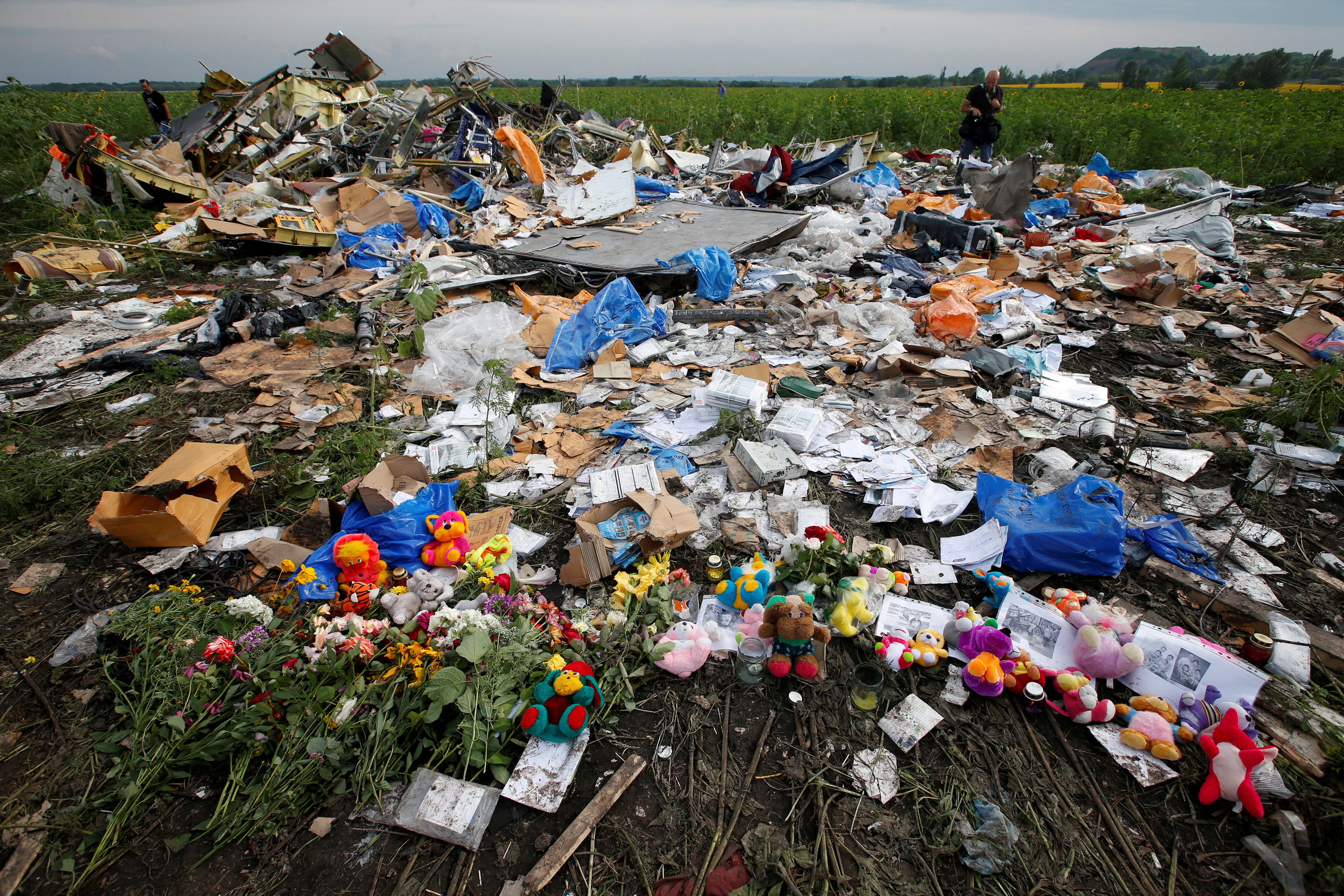
The incident in 2014 left the plane’s wreckage and victims’ remains scattered across fields of corn and sunflowers.

Russia invaded Ukraine in February and claims to have annexed the Donetsk province where the plane was shot down.

“The families of victims wanted the truth and they wanted justice to be done and those responsible to be punished and that is what happened. I am pretty satisfied,” Piet Ploeg, who heads a foundation representing victims, told Reuters. Ploeg’s brother, his brother’s wife and his nephew died on MH17.

Meryn O’Brien of Australia, who lost her 25-year old son Jack, said she felt relieved. “Everyone was relieved the process has come to an end, and it is very fair, and it has been meticulous.”

“There’s no celebration,” said Jordan Withers of Britain, whose uncle Glenn Thomas died. “Nothing is going to bring any of the victims back.” They came from 10 different countries.

The judgment included a 16 million euro damages award.

Ukrainian President Volodymyr Zelenskiy hailed the first sentences handed down over MH17 as an “important decision” by the court in The Hague.

“But it is necessary that those who ordered it also end up in the dock because the feeling of impunity leads to new crimes,” he wrote on Twitter. “We have to dispel this illusion. Punishment for all Russian atrocities – both then and now – will be inevitable.”

The ruling found that Russia had “overall control” over the forces of the Donetsk People’s Republic in Eastern Ukraine from mid May 2014.

“This is groundbreaking,” said Marieke de Hoon, assistant professor of international law at Amsterdam University. The ruling was “authoritative” and would likely boost Ukraine’s other international cases against Russia relating to the 2014 conflict.

Judge Steenhuis said there was ample evidence from eyewitness testimony and photographs which tracked the missile system’s movements into and back out of Ukraine to Russia.

“There is no reasonable doubt” that MH17 was shot down by a Russian missile system, Steenhuis said.

Moscow denies any involvement or responsibility for MH17’s downing and in 2014 it also denied any presence in Ukraine.

In a statement, the Russian foreign ministry said “throughout the trial the court was under unprecedented pressure from Dutch politicians, prosecutors and the media to impose a politically motivated outcome”.

“We deeply regret that the District Court in The Hague disregarded the principles of impartial justice in favour of the current political situation, thus causing a serious reputational blow to the entire judicial system in the Netherlands,” it added.

Prosecutors had charged the four men with shooting down an airplane and with murder in a trial held under Dutch law, as more than half of the victims were Dutch. Phone call intercepts that formed a key part of the evidence suggested the men believed they were targeting a Ukrainian fighter jet.

Steenhuis said that, while that counted for something in terms of lessening the severity of their criminal responsibility, they still had a murderous intent and the consequences of their actions were huge.

Of the suspects, only Pulatov had pleaded not guilty via lawyers he hired to represent him. The others were tried in absentia and none attended the trial.

The police investigation was led by the Netherlands, with participation from Ukraine, Malaysia, Australia and Belgium.

Thursday’s ruling is not the final word on holding people accountable for MH17, Dutch and Australian authorities said.

Andy Kraag, the head of the police investigation, said research was continuing into possible suspects higher in the chain of command. Investigators are also looking at the crew of the missile system which launched the fatal rocket.

The Dutch and Australian governments, which hold Russia responsible, have started a proceeding against the Russian Federation at the International Civil Aviation Organization (ICAO).

Related Galleries:

Lawyers attend the judges’ inspection of the reconstruction of the MH17 wreckage, as part of the murder trial ahead of the beginning of a critical stage, in Reijen, Netherlands, May 26, 2021. REUTERS/Piroschka van de Wouw/Pool

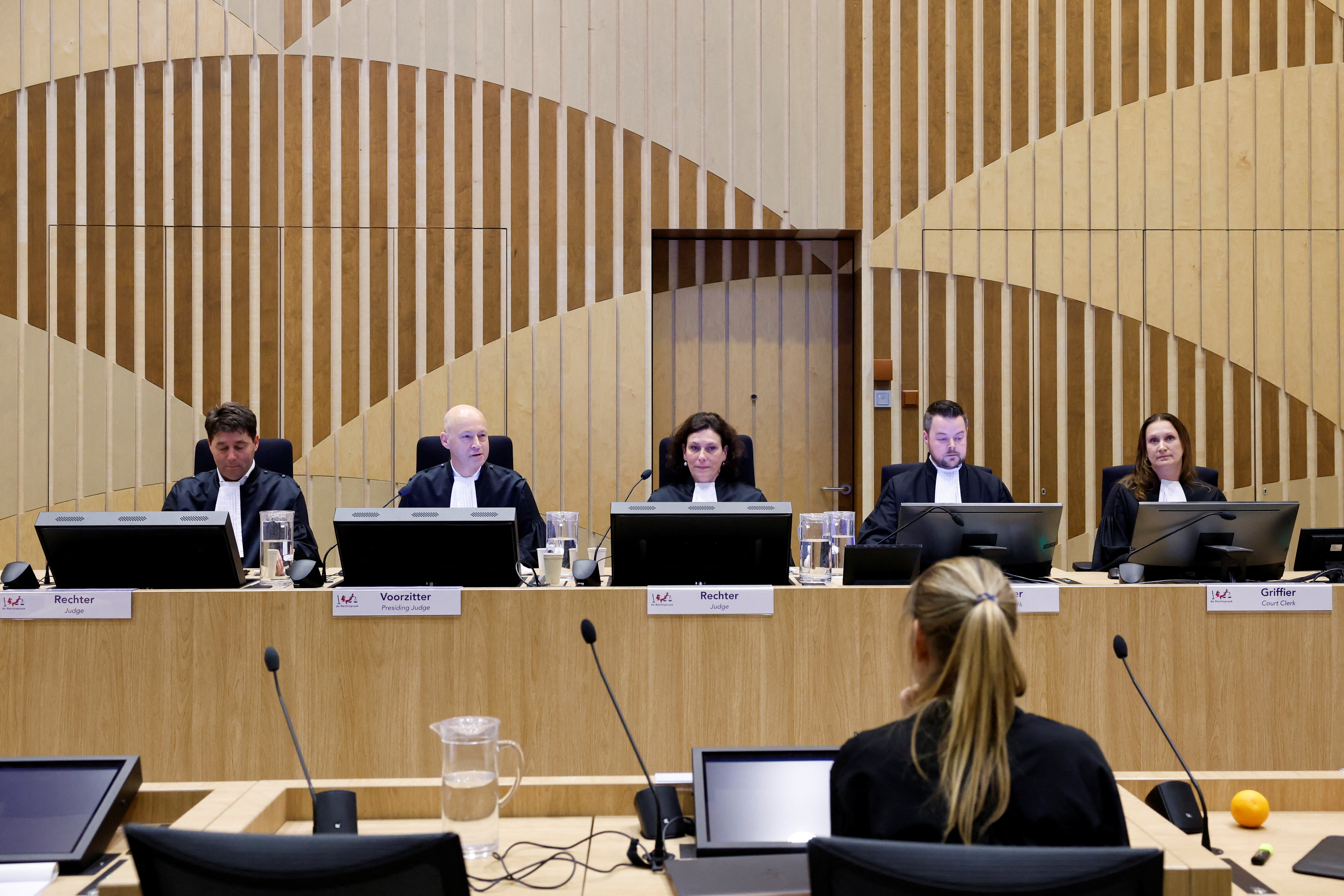
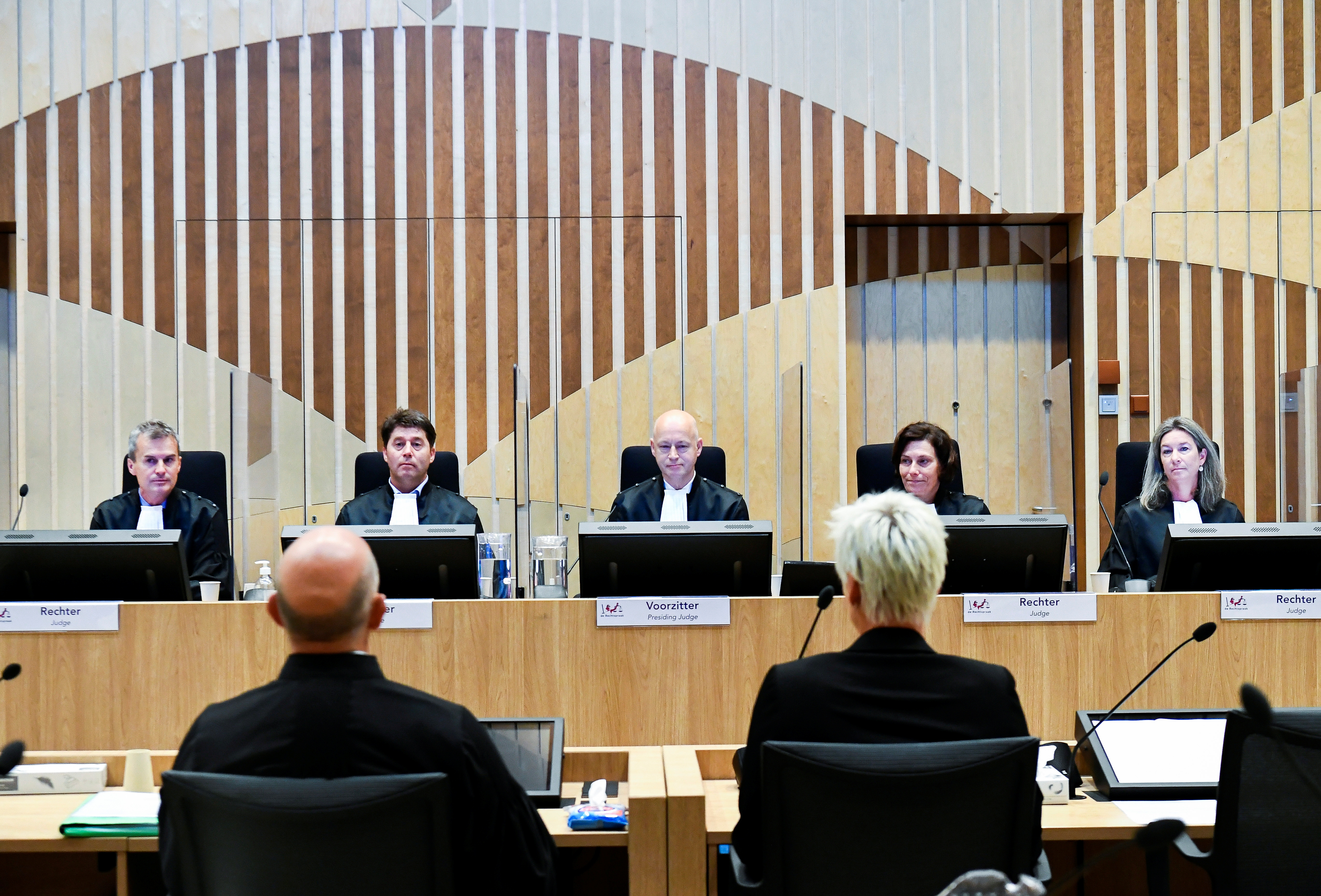
Judges sit in the courtroom as the Dutch court announces its ruling in the MH17 trial of three Russians and a Ukrainian in the Schiphol Judicial Complex, Badhoevedorp, Netherlands, November 17, 2022. REUTERS/Piroschka van de Wouw

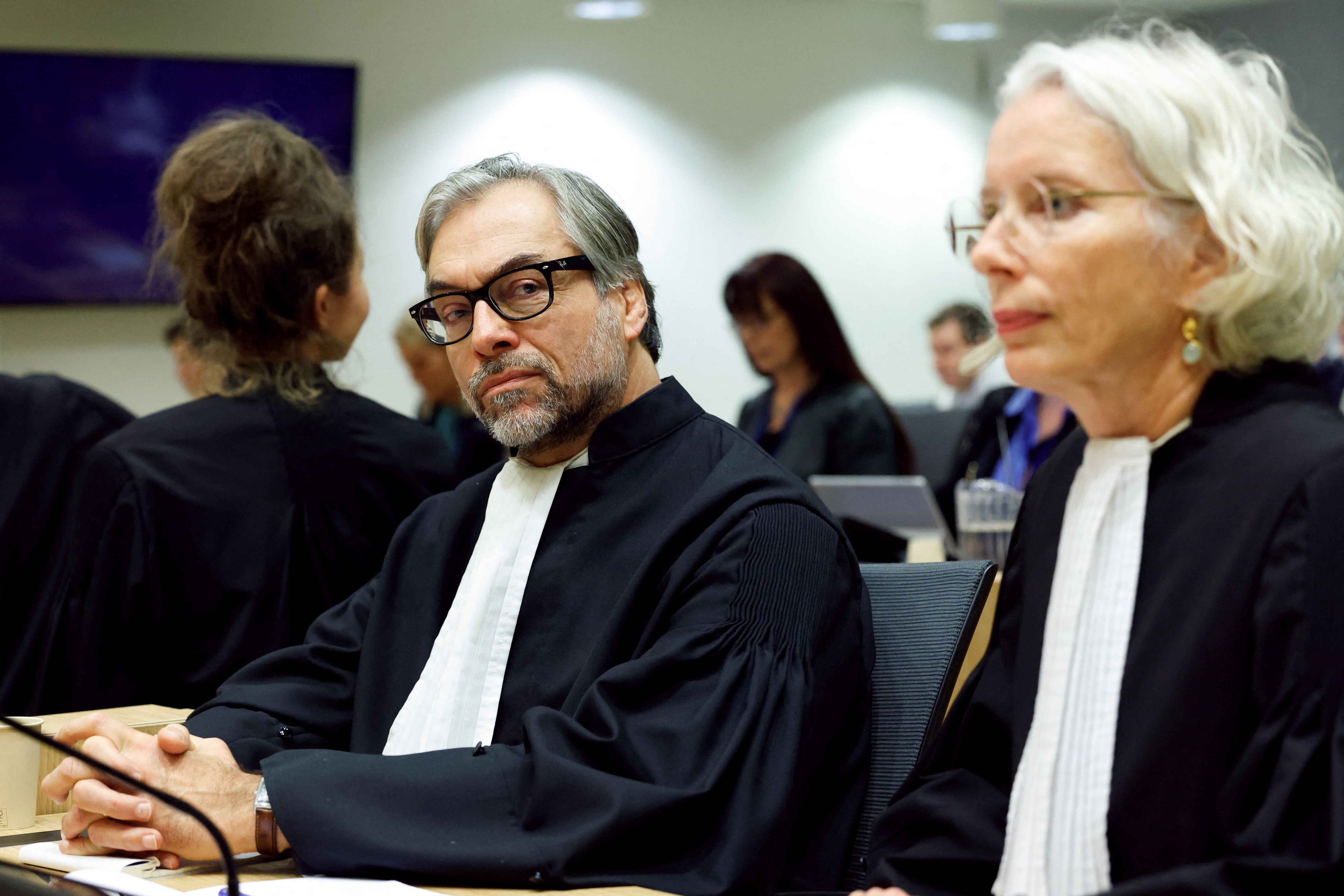
Lawyer Peter Langstraat looks on in the courtroom as the Dutch court announces its ruling in the MH17 trial of three Russians and a Ukrainian in the Schiphol Judicial Complex, Badhoevedorp, Netherlands, November 17, 2022. REUTERS/Piroschka van de Wouw

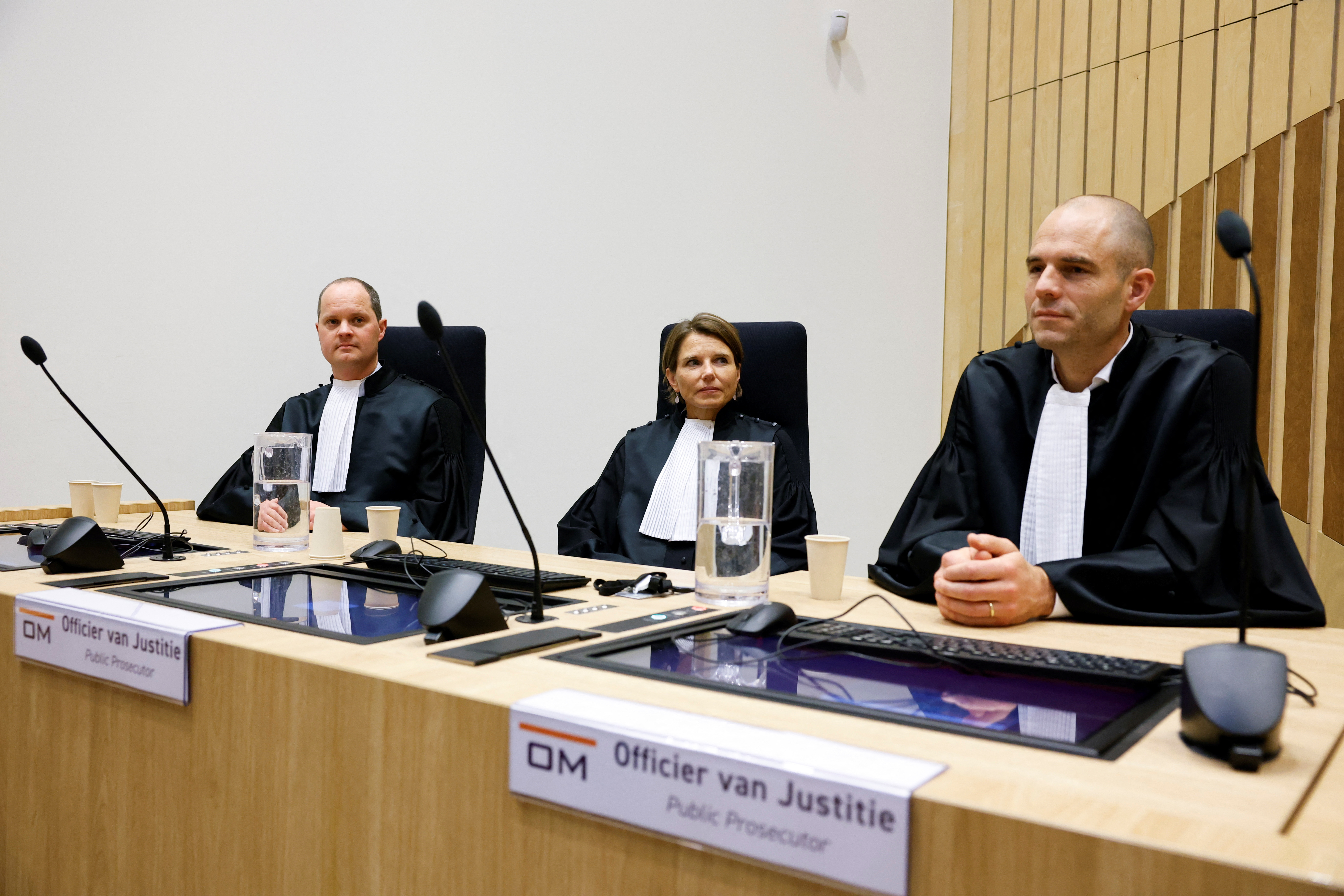
Public prosecutors Ward Ferdinandusse, Manon Ridderbeks, and Thijs Berger sit in the courtroom as the Dutch court announces its ruling in the MH17 trial of three Russians and a Ukrainian in the Schiphol Judicial Complex, Badhoevedorp, Netherlands, November 17, 2022. REUTERS/Piroschka van de Wouw

Flowers and mementos left by local residents at the crash site of Malaysia Airlines Flight MH17 are pictured near the settlement of Rozspyne in the Donetsk region July 19, 2014. REUTERS/Maxim Zmeyev/File Photo

A general view of the courtroom where the MH17 trial of three Russians and a Ukrainian is taking place as it enters a new stage where families of victims of the MH17 plane crash give testimony in Badhoevedorp, Netherlands, September 6, 2021. REUTERS/Piroschka van de Wouw
Categories
Audio Sources - Full Text Articles

Trump signed checks at issue in tax fraud scheme, ex-CFO testifies

2022-11-18T00:13:49Z

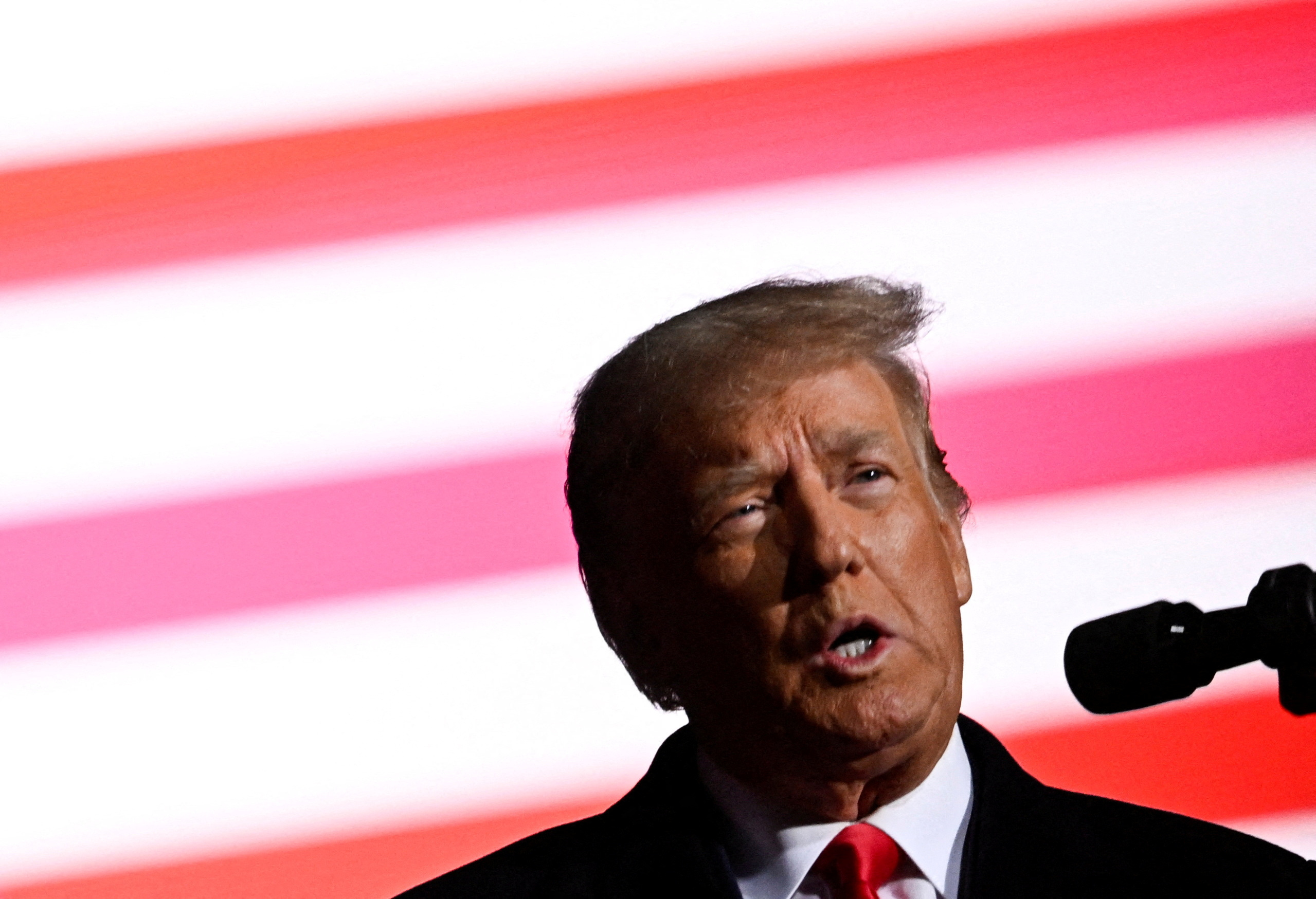
Former U.S. President Donald Trump speaks at a rally to support Republican candidates ahead of midterm elections, in Dayton, Ohio, U.S. November 7, 2022. REUTERS/Gaelen Morse/File Photo

Former U.S. President Donald Trump signed checks for Christmas bonuses for executives at his namesake company as if they were independent contractors, longtime chief financial officer Allen Weisselberg testified on Thursday.

But Weisselberg said Trump did not conspire with him on the tax fraud scheme for which the Trump Organization is on trial.

Paying employees as independent contractors is one way prosecutors in the Manhattan district attorney’s office say Trump’s real estate company misled tax authorities during a 15-year period. The scheme also included paying personal expenses for employees, prosecutors said.

Trump has not been accused of wrongdoing. Weisselberg pleaded guilty in August and agreed to testify as part of a plea deal.

Weisselberg said on Thursday that he, controller Jeffrey McConney, and a handful of other executives at Trump’s real estate company between around 2005 and 2017 received bonuses from Trump Organization companies as non-employee compensation that saved them and the company taxes.

“For years, Donald Trump always wanted to sign the bonus checks,” Weisselberg said. “I would usually bring them in.”

Asked by prosecutor Susan Hoffinger if Trump understood they were for employees, Weisselberg said, “Correct.”

But under cross-examination by Trump Organization lawyer Alan Futerfas, Weisselberg said he conspired with McConney, but not with any member of the Trump family.

“It was my own personal greed that led to this,” said Weisselberg, who is on paid leave from the company. He testified that he is still receiving his salary of $640,000 per year and hopes to get another $500,000 bonus in January.

Weisselberg, 75, admitted to evading taxes on $1.76 million of income when he pleaded guilty. McConney is immune from prosecution for the tax fraud because he testified before the grand jury that indicted both Weisselberg and the Trump Organization.

The company has pleaded not guilty and has argued that Weisselberg acted to benefit himself.

Weisselberg on Thursday also said Trump cut checks for his grandchildren’s private school tuition. He said Trump himself offered to make the payments after Weisselberg saw him do so for his own grandchildren’s tuition.

“I said, ‘Don’t forget I’m going to pay you back for this,'” Weisselberg said. But he said he and Trump never discussed how.

Weisselberg said he eventually reduced his salary and bonus by the amount of the tuition payments Trump covered, as well as rent for a luxury Manhattan apartment paid for by the company. That reduced his taxable income.

The questionable practices eventually came to an end in 2017 when Trump became president, Weisselberg said.

“We were going through an entire cleanup process of the company to make sure that since Mr. Trump is now president, everything was being done properly,” Weisselberg said.

Under questioning by Futerfas, Weisselberg said he betrayed the trust the company placed in him.

Asked whether he was embarrassed by what he did, he choked up and replied, “More than you can imagine.”


Categories
Audio Sources - Full Text Articles

Is this the news we’ve been waiting for?

robert-harrington.jpg

Keep Palmer Report going! Our articles are all 100% free to read, with no forced subscriptions and nothing hidden behind paywalls. If you value our content, you’re welcome to pay for it:

Pay $5 to Palmer Report:

Pay $25 to Palmer Report:

Pay $75 to Palmer Report:


Keep Palmer Report going! Our articles are all 100% free to read, with no forced subscriptions and nothing hidden behind paywalls. If you value our content, you’re welcome to pay for it:

Pay $5 to Palmer Report:

Pay $25 to Palmer Report:

Pay $75 to Palmer Report:

Sign up for the Palmer Report Mailing List.


I realize how much what I’m about to tell you, brothers and sisters, sounds like idle gossip, but sometimes that’s where real leaks come from. So here it is: according to “The View” host Sunny Hostin, one of her sources inside the Justice Department said that an indictment is coming down, it’s coming for Donald Trump and it’s coming sometime in the next 30 to 90 days.

Let’s put that in subjective terms, shall we? That is, sometime between ten days before Christmas and Valentine’s Day, somewhere between 3 and 9 Scaramuccis from now, Donald J. Trump v. The People of the United States of America will become official. Donald Trump will be criminally indicted by the very same government he used to be in charge of.

I know it’s only symbolic but I’m kind of partial to Valentine’s Day. I would then think of it as the St. Valentine’s Day massacre 2.0. I like the fact that it’s, symbolically, a bad news day for punks and mobsters. Or maybe it should be Groundhog Day so we can, metaphorically speaking, enjoy it over and over and over again. Or New Year’s Day would be nice, symbolising a new beginning. Christmas Day would be awfully nice too. I know there would be a lot of screaming in MAGAland about that, but that’s okay with me.

All I know is, when it comes, I plan to enjoy it. I’m gonna have me a little schadenfreude party inside my head. I plan to spend the whole day smiling. I feel like an abused child or the victim of a bully that knows in advance that his abuser or his bully is about to get a giant whipping.

Of course, if all this is true we all need to manage our expectations. It won’t mean that Trump will immediately go to prison. There’s Due Process to think about too. If he’s indicted he will need to be arraigned, a trial date — unquestionably billed as the Trial of the Century if not the Trial of the Millennium — will be set. That date will probably be sometime far into 2023, possibly the end. The trial itself could take anywhere from 9 to 18 months for it to play out. It might even be televised, and become one of the greatest entertainment spectacles in world history.


The trial will almost certainly slop over into the 2024 presidential election. It will be interesting to see how that plays out. Will Trump become, by then, so toxically unpopular that he will be a burden on the Republican Party? Or will he remain popular with his poisonous base, so much so that he divides the party and the Democrats will sweep the presidential election as well as the race for the House and the Senate? I don’t see any way that the whole thing won’t be good for us.


Whatever happens, brothers and sisters, we truly live in interesting times. One thing I do know: Trump’s candidacy will not serve as some kind of criminal prophylactic. He may fool himself, but declaring himself a candidate for the presidency will not save him from an indictment. It will just prove to be one more contest for Trump, and like most contests he’s fought in his miserable life, it’s just another one he’s going to lose. And, as ever, ladies and gentlemen, brothers and sisters, comrades and friends, stay safe.

Keep Palmer Report going! Our articles are all 100% free to read, with no forced subscriptions and nothing hidden behind paywalls. If you value our content, you’re welcome to pay for it:

Pay $5 to Palmer Report:

Pay $25 to Palmer Report:

Pay $75 to Palmer Report:

Write for the Palmer Report Community Section.


Keep Palmer Report going! Our articles are all 100% free to read, with no forced subscriptions and nothing hidden behind paywalls. If you value our content, you’re welcome to pay for it:

Pay $5 to Palmer Report:

Pay $25 to Palmer Report:

Pay $75 to Palmer Report:

The post Is this the news we’ve been waiting for? appeared first on Palmer Report.

Categories
Audio Sources - Full Text Articles

Cory Booker Implores Judge To Give Theranos Fraudster Holmes a ‘Fair’ Sentence

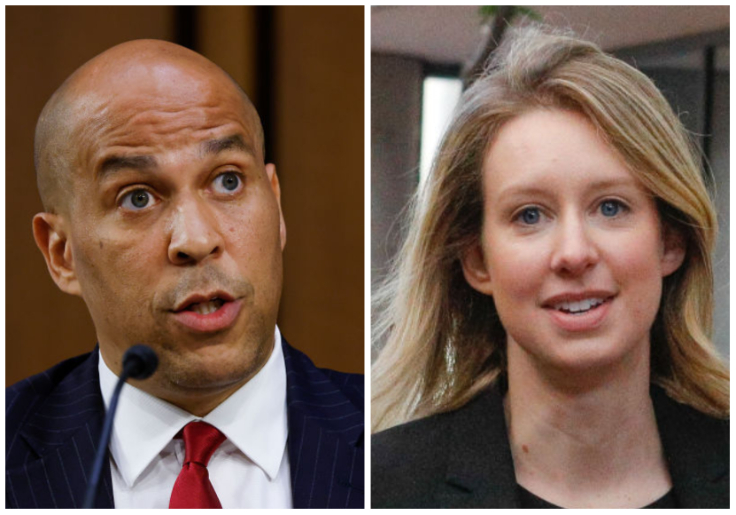
Sen. Cory Booker (D., N.J.) last week requested that a federal judge give Theranos fraudster Elizabeth Holmes a “fair and just sentence.”

Holmes, who was convicted in January on four counts of defrauding investors and faces up to 20 years in prison, “has within her a sincere desire to help others” by fighting world hunger and climate change, Booker wrote in a letter to Judge Edward Davila. “I knew Ms. Holmes for about six years before charges were brought.”

Davila is expected to issue a sentence Friday for Holmes, who was found guilty of lying to investors about her company’s blood testing machines, which she falsely claimed could run multiple tests on a single drop of blood. Theranos was once valued at $9 billion.

Booker’s letter comes as critics compare Democratic megadonor Sam Bankman-Fried’s crypto company FTX, which is under federal investigation for defrauding investors of billions of dollars, to Holmes’s failed company.

Theranos made Holmes a favorite among Democrats and the Obama administration, which named her a Presidential Ambassador for Global Entrepreneurship. Then-vice president Joe Biden toured her Newark, Calif., facilities in 2015, praising the company for its “confidence.”

“Talk about being inspired,” Biden said at the event. “This is inspiration. It is amazing to me, Elizabeth, what you’ve been able to do.”

Former president Bill Clinton hosted Holmes at the Clinton Global Initiative’s annual meeting in 2015. The discussion revolved around bringing “equality” into health care.

The post Cory Booker Implores Judge To Give Theranos Fraudster Holmes a ‘Fair’ Sentence appeared first on Washington Free Beacon.

WP Radio
WP Radio
OFFLINE LIVE