Categories
Saved Web Pages

Wanda Vázquez Garced se enfrenta a cargos que podrían llevarla a cumplir una condena de hasta 20 años

S5G673A4NVCIXAFVREQXFXGWZU.jpg

Wanda Emilia Vázquez Garced, quien habiendo partido de un origen de clase media baja logró escalar los puestos más importantes en el gobierno de Puerto Rico, en una vertiginosa y a menudo improbable carrera que un día -para asombro de ella y de todo el país- la llevó, por pura carambola, a la mismísima gobernación, fue arrestada ayer y acusada de cargos de corrupción que pueden enviarla a la cárcel hasta por 20 años.

Se trata, como se ve, de una de las caídas más estrepitosas en la historia política puertorriqueña. Una exfiscal, exfiscal de distrito, exprocuradora de la Mujer, exprofesora de justicia criminal y exgobernadora a cuya casa, en una lujosa urbanización de San Juan, ayer en la mañana, llegó un contingente de agentes del Negociado Federal de Investigaciones (FBI) armados con un pliego acusatorio que le imputa cargos de soborno, fraude y conspiración por presuntamente haberle aceptado a un banquero venezolano, que también fue acusado, sobornos ascendentes a $500,000 a cambio de quitarle de encima un regulador que tenía bajo la lupa a la institución del presunto sobornador.

Así, entonces, una mujer que hasta hace poco se representaba ante el país como el epítome de la ley y el orden, que como fiscal estuvo décadas en las cortes procesando delincuentes, cuyo esposo fue juez y aspirante a ascenso judicial hasta hace unas semanas, terminó durante un amanecer saliendo esposada de su casa y enfrentada -de ir a juicio y resultar convicta- a una larga sentencia que, a sus 62 años, puede ser casi de por vida.

“La fiscalía federal tiene recursos evidenciarios para intentar presentar el patrón de abuso de poder de Wanda Vázquez al jurado. Si lo intentan, y el juez lo permite, saldrán a relucir situaciones que van más allá de lo que dice el pliego acusatorio y que mostrarán que la llamada mujer de ley y orden está asediada por la ley y el orden”, dijo el abogado y analista Leo Aldridge.

Junto a Vázquez Garced, fueron acusados Julio Martín Herrera Velutini, un banquero natural de Venezuela cuya institución, Bancrédito, estaba bajo la mirilla de la Oficina del Comisionado de Instituciones Financieras de Puerto Rico (OCIF) y Mark T. Rossini, un exagente del FBI que fungía como asesor del venezolano.

Ninguno de los dos está en jurisdicción estadounidense, ni han sido arrestados. Según el jefe de la Fiscalía federal en Puerto Rico, Stephen Muldrow, Herrera Velutini está en el Reino Unido, y Rossini, en España. Los trámites para detenerlos y extraditarlos apenas comienzan.

Otros dos participantes del esquema, John Blakeman y Frances Díaz, de quienes se ha reportado que son pareja, se declararon ya culpables.

Blakeman, un veterano operador político del Partido Nuevo Progresista (PNP) con un larguísimo historial de controversias, fue asesor en la campaña que enfrentó a Vázquez Garced con Pedro Pierluisi en el 2020 y, según la acusación, sirvió de enlace entre el banco y la exgobernadora. Díaz, por su parte, presidía Bancrédito.

Esquema de soborno

A grandes rasgos, y apoyados -hasta el momento- por mensajes de texto y correos electrónicos, el gobierno federal alega que, a través de Blakeman, Herrera Velutini y Rossini acordaron hacer cuantiosas contribuciones a la campaña primarista de Vázquez Garced, con la condición de que ella destituyera al entonces comisionado de la OCIF, George Joyner, y lo sustituyera con alguien de la confianza del venezolano. Este resultó ser Víctor Rodríguez Bonilla, quien había sido asesor de Bancrédito y ocupó el cargo desde la salida de Joyner, en marzo de 2020, hasta el 11 de enero de 2021, ya bajo la gobernación de Pierluisi.

La gobernadora accedió a las peticiones de Herrera Velutini y Rossini y, de inmediato, estos comenzaron, básicamente, a correr la campaña de Vázquez Garced contra Pierluisi, principalmente a través de pagos a un consultor político no identificado en Puerto Rico, a una firma de consultoría estadounidense y donativos a un comité de acción política (Súper PAC) creado especialmente para tramitar los sobornos, según el pliego acusatorio.

“Aproximadamente, entre diciembre de 2019 y junio de 2020, Herrera Velutini, Rossini y sus coconspiradores (Blakeman y Díaz) dieron, ofrecieron y prometieron cosas de valor a Vázquez Garced”, dice la acusación, “a cambio de actos específicos favorables a Herrera Velutini y el banco, incluyendo Vázquez Garced destituyendo al comisionado de OCIF y nombrando a un comisionado escogido por Herrera Velutini”.

La acusación vincula a Vázquez Garced directamente con las acciones para sustituir a Joyner por Rodríguez Bonilla.

Por ejemplo, dice que, en febrero de 2020, la exmandataria se reunió en La Fortaleza con Blakeman y dos ayudantes suyos que no son identificados “para discutir la oferta de Herrera Velutini de apoyar financieramente la campaña de Vázquez Garced a cambio de la destitución del comisionado de OCIF A”, en alusión a Joyner.

La acusación también dice que “Herrera Velutini, Rossini, Vázquez Garced y sus coconspiradores se comunicaban en secreto unos con otros directamente y a través de intermediarios, mediante mensajes de texto, correos electrónicos, aplicaciones de mensajería de internet y en reuniones presenciales, para discutir aspectos del pago de sobornos a Vázquez Garced”. Por ejemplo, la acusación dice que Vázquez Garced se reunió con Herrera Velutini, Rossini y otros, el 28 de febrero de 2020, en un hotel en el Condado, para discutir su ofrecimiento de pagar la campaña primarista.

Tras la destitución de Joyner, que fue efectiva precisamente el 28 de febrero, Herrera Velutini comenzó a sufragar gastos de campaña de Vázquez Garced a través de la firma de consultoría internacional y del Súper PAC que acordaron crear en la reunión con la entonces gobernadora.

Herrera Velutini y Rossini estaban tan interesados en la campaña de Vázquez Garced que, incluso, discutieron entre ellos elegir su propio director de campaña.

En un mensaje de texto que Herrera Velutini envió a Rossini, el 3 de marzo de 2020, le dijo que necesitaban un director de campaña de su confianza y que no quería en el puesto “a un mono de Puerto Rico”. La firma estadounidense de consultoría conseguiría a alguien “que sea nuestro”, le respondió Rossini.

Para efectos oficiales, la campaña primarista de Vázquez Garced la dirigió el ingeniero Jorge Dávila, quien no ha sido acusado ni vinculado de ninguna otra manera a estos alegados crímenes.

Tras la derrota de Vázquez Garced en las primarias del PNP, en agosto de 2020, Herrera Velutini hizo donativos a las campañas de Pierluisi y de Carlos “Charlie” Delgado, candidato a la gobernación del Partido Popular Democrático (PPD).

Tras la victoria de Pierluisi, él y Rossini intentaron sobornar al hoy gobernador para que ajustara regulaciones de la OCIF a sus intereses. Pero la persona a través de la cual lo hicieron, que no fue identificada en el pliego, colaboraba con el FBI y, según el fiscal Muldrow, Pierluisi nunca estuvo al tanto de dichos acercamientos.

Enfrentados a predicamentos así, los políticos por lo regular callan. Se les ve salir, apresurados y cabizbajos, rodeados de abogados o colaboradores, entre enjambres de periodistas que hacen preguntas que no reciben respuestas. Vázquez Garced, por el contrario, no respondió preguntas, pero hizo expresiones.

“Soy inocente”

Con medio rostro cubierto por una mascarilla, sin maquillaje y el pelo no del todo arreglado, la exgobernadora, a las afueras del tribunal federal, declaró: “Me reitero, a mi pueblo y a todos ustedes, que soy inocente… no he cometido delito alguno, ninguna irregularidad. A mi pueblo, siempre le he hablado de frente, y ahora me toca defenderme de lo que han hecho. Pero les aseguro que han cometido una gran injusticia conmigo en esta radicación de cargos”.

Vázquez Garced no hizo ninguna alegación y fue liberada bajo una fianza de $50,000 tras entregar su pasaporte. Por el momento, continuará disfrutando de la escolta policiaca que le fue asignada en su capacidad de exgobernadora.

El arresto causó una tremenda sacudida telúrica en el panorama político, no vista desde la acusación, el 27 de marzo de 2008, del entonces gobernador Aníbal Acevedo Vilá, quien un año después resultó absuelto de los cargos de delitos electorales que le imputó la fiscalía federal.

“Hoy, vemos, una vez más, que nadie está por encima de la ley en Puerto Rico. Ante esta noticia, que ciertamente afecta y lacera la confianza de nuestro pueblo, reitero que, en mi administración, seguiremos teniendo un frente común con las autoridades federales contra todo el que cometa un acto indebido, venga de donde venga e implique a quien sea”, dijo el gobernador Pierluisi.

Vázquez Garced ha estado en puestos de alto relieve público por casi 30 años. Con el tiempo, se fue viendo que, donde quiera que estuvo, dejó incontables heridas sangrantes.

Fue fiscal por dos décadas, hasta que en 2010, el entonces gobernador Luis Fortuño la designó procuradora de las Mujeres, un puesto que nunca le sentó del todo bien y en el que protagonizó grandes batallas con activistas de los derechos de las féminas, que la acusaron de prácticamente desmantelar la oficina.

“Cualquier acusación se queda corta frente al daño irreparable que le provocó a nuestro país y, en particular, a las mujeres por las que debía trabajar”, dijo Amárilis Pagán, fundadora de Matria, una organización de ayuda a mujeres víctimas de maltrato.

“Podríamos resumir su gestión en la Oficina de la Procuradora de la Mujer (OPM) con dos palabras: desmantelamiento y persecución. Desmanteló la OPM y también organizaciones a las que redujo fondos. Persiguió a defensoras de derechos humanos y organizaciones que le hicieron frente. Al final, fue el país quien perdió”, agregó Pagán.

Al ganar la gobernación en 2016, Ricardo Rosselló Nevares la designó su secretaria de Justicia, un puesto en el que tampoco estuvo exenta de controversias.

En diciembre de 2018, la Oficina del Panel sobre el Fiscal Especial Independiente (FEI) la acusó por supuestamente haber intervenido de manera irregular en el caso de un joven acusado de haber escalado la casa de una hija suya. El caso no pasó de vista de causa para arresto.

En Justicia, también la acompañó la fama de ser una persona ambiciosa e irascible, que, según personas que trabajaron con ella, no reconocía límites para lograr sus objetivos. “Wanda Vázquez siempre operó con un nivel de impunidad tal que la cegó el poder”, dijo Yanira Liceaga, una exfiscal que trabajó directamente bajo el mando de Vázquez Garced cuando dirigió la División de Integridad Pública del Departamento de Justicia.

Liceaga dice que, durante la investigación del chat que le costó la carrera al expresidente de la Comisión Estatal de Elecciones (CEE) y exjuez Rafael Ramos Sáenz, Vázquez Garced intentó presionarla para que encausara también al hoy senador William Villafañe y a la abogada Itza García, quienes eran secretario y subsecretaria de la Gobernación en La Fortaleza de Rosselló Nevares. Ambos renunciaron, pero no fueron imputados de delitos.

Liceaga terminó renunciando por la presión que dice le ponía Vázquez Garced. “Entendí que yo no debía estar donde había una persona que ejercía presiones indebidas y tenía fijaciones con ciertas personas”, dijo Liceaga. “No tengo ninguna duda de que ella es capaz de eso (aceptar sobornos) y más”, agregó.

Por carambola a La Fortaleza

El 13 de julio de 2019, en horas de la madrugada, el Centro de Periodismo Investigativo (CPI) dio a conocer las 889 páginas de un chat entre Rosselló Nevares y sus más cercanos allegados, del que ya se habían revelado varias páginas unos días antes. La conversación repleta de vulgaridades y burlas causó, en pocas horas, la desintegración del círculo cercano de Rosselló Nevares. Entre las bajas de aquel sábado estuvo Luis Rivera Marín, secretario de Estado y sucesor inmediato del gobernador.

Cuando Rosselló renunció 12 días después, no había secretario de Estado confirmado por ambos cuerpos legislativos. Pierluisi, quien había sido confirmado por la Cámara de Representantes, pero no por el Senado, juramentó a la gobernación en la sala de la casa de su hermana.

Varios días después, el Tribunal Supremo decidió que ocupaba el puesto de manera ilegal y le ordenó desalojarlo.

Llegó, entonces, la tercera en sucesión, Vázquez Garced, entonces secretaria de Justicia. Juramentó el 7 de agosto de 2019, de lo cual se cumplen tres años este domingo. Decía que no le interesaba el puesto, y parecía sincera. Al asumir, dio la impresión de que solo venía a cuidar la silla hasta las elecciones siguientes.

En el camino, le fue gustando el puesto. Creyó, o se le hizo creer, que podía ganar las elecciones y extender su estadía en La Fortaleza más allá de diciembre del 2020. El 16 de diciembre de 2019, anunció su candidatura a la gobernación. Ya, para esos días, según la fiscalía federal, andaban rondándola Herrera Velutini, Rossini y otros.

El resto de la historia, que incluyó antes vuelcos de película como un terremoto, una pandemia y otra pesquisa criminal a nivel estatal que no prosperó por haber tratado de detener un trámite que había hecho contra ella su propia secretaria de Justicia, lo conoció el país en las primeras horas del jueves, 4 de agosto de 2022.

Categories
Saved Web Pages

FBI Director Wray Testifies at Senate Judiciary Committee Oversight Hearing

eyJidWNrZXQiOiJwaWN0dXJlcy5jLXNwYW52aWRl


August 4, 2022

Report Video Issue
Go to Live Event

For quick viewing, C-SPAN provides Points of Interest markers for some events.

Click the play button and tap the screen to see the at the bottom of the player. Tap the to see a complete list of all Points of Interest – click on any moment in the list and the video will play.

For quick viewing, C-SPAN provides Points of Interest markers for some events.

Click the play button and move your cursor over the video to see the . Click on the marker to see the description and watch.

You can also click the in the lower left of the video player to see a complete list of all Points of Interest from this program – click on any moment in the list and the video will play.

More People


  • Senate Judiciary Committee Vote on Judge Ketanji Brown Jackson Nomination

    April 4, 2022

    The Senate Judiciary Committee met to vote on President Biden’s Supreme Court nomination of Judge Ketanji Brown…


  • Senate Judiciary Committee Meeting on Judge Ketanji Brown Jackson's Nomination

    March 28, 2022

    The Senate Judiciary Committee held a business meeting to consider Judge Ketanji Brown Jackson’s nomination to the Supreme…


  • Jackson Confirmation Hearing, Day 3 Part 1

    March 23, 2022

    Judge Ketanji Brown Jackson testified before the Senate Judiciary Committee during the third day of her confirmation…


  • Department of Homeland Security Oversight Hearing

    November 16, 2021

    Homeland Security Secretary Alejandro Mayorkas testified at a Senate Judiciary Committee oversight hearing on the Biden…

View all clips from this video

Categories
Saved Web Pages

Lies, Damned Lies, and the January 6 Committee

Reuters_Jan6_Committee-1200x801.jpg

Commentary

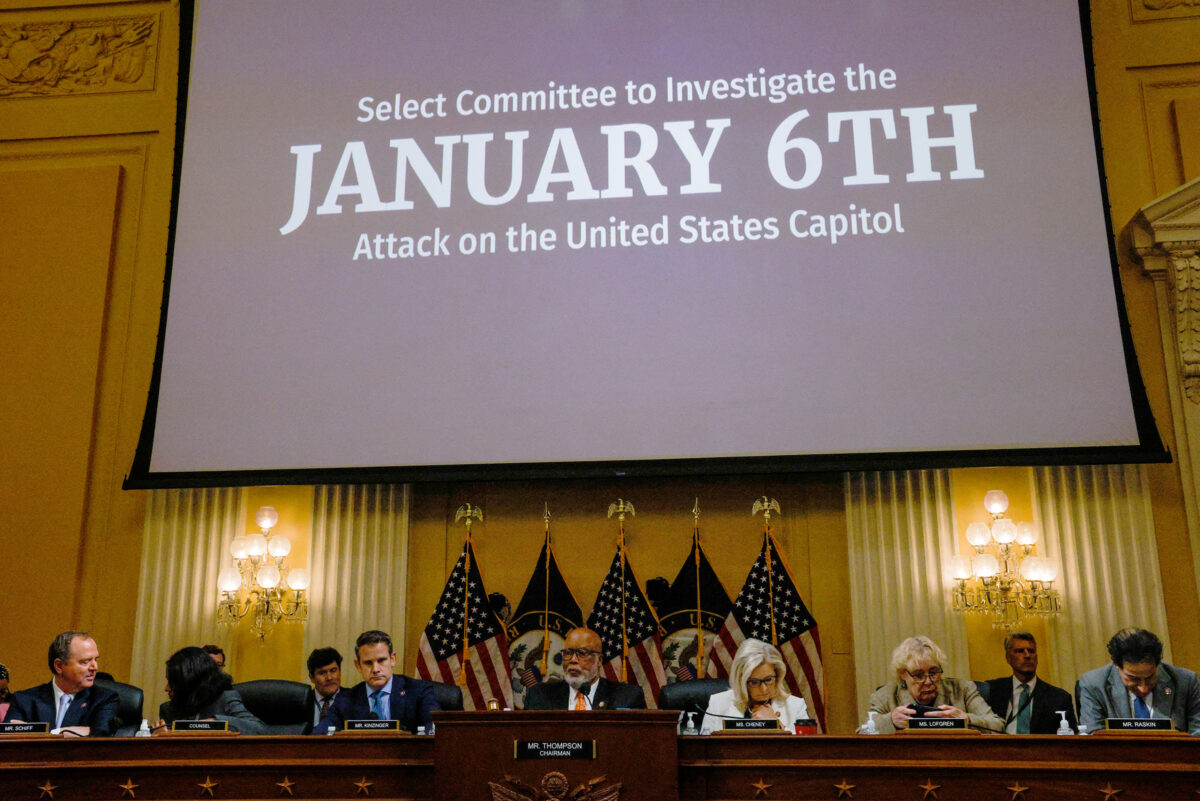
The Select Committee to Investigate January 6 has adjourned for a well-deserved summer break. Misleading the public is exhausting work.

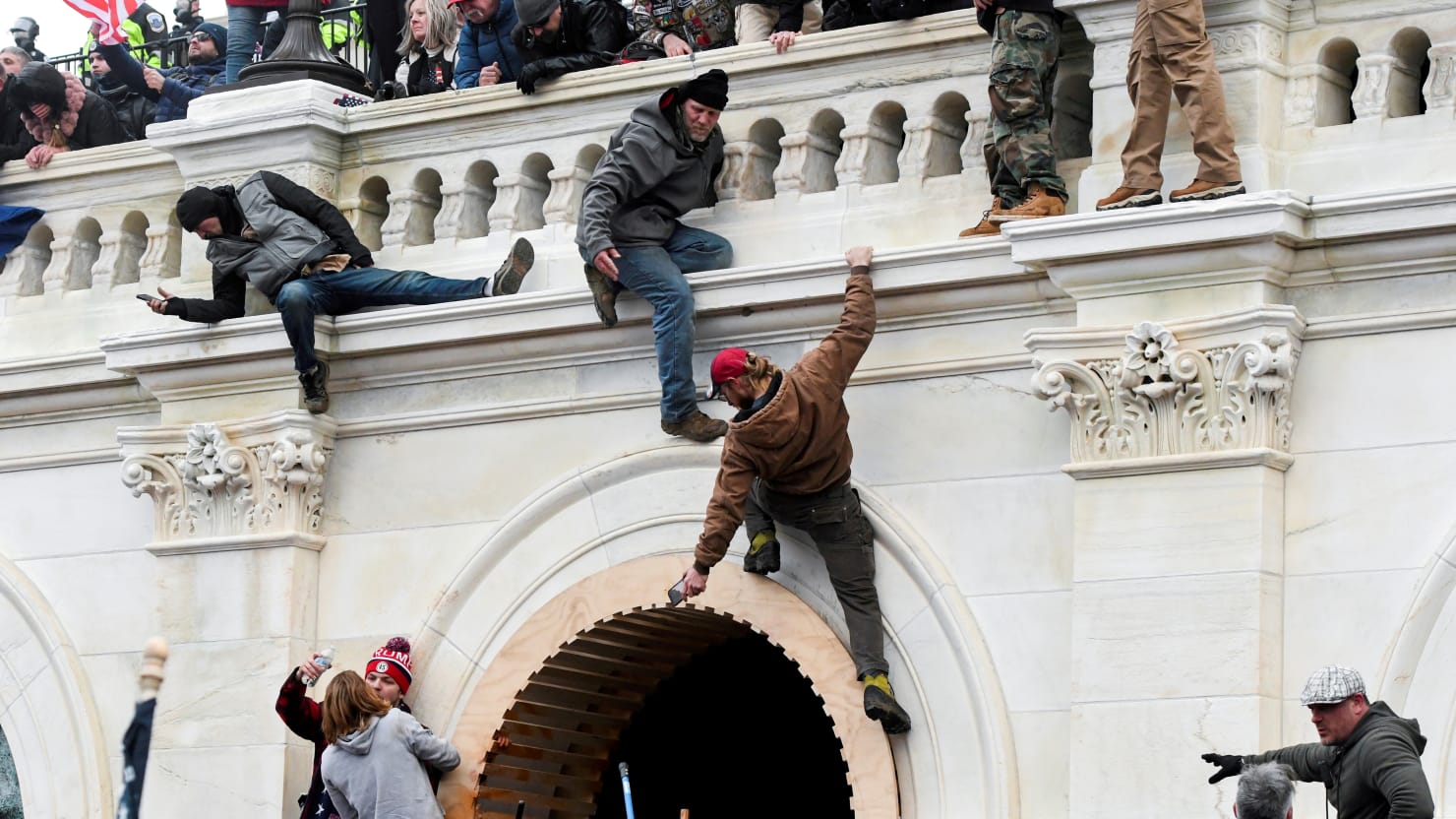
A careful review of the official transcripts of its eight long hearings shows the committee repeatedly made connections that weren’t there, took events and quotes out of context, exaggerated the violence of the Capitol rioters, and omitted key exculpatory evidence otherwise absolving former President Donald Trump of guilt. While in some cases it lied by omission, in others it lied outright. It also made a number of unsubstantiated charges based on the secondhand accounts—hearsay testimony—of a young witness with serious credibility problems.

These weren’t off-the-cuff remarks. Panelists didn’t misspeak. Their statements were tightly scripted and loaded into teleprompters, which they read from verbatim.

In other words, the committee deliberately chummed out disinformation to millions of viewers of not just cable TV, but also the Big Three TV networks—ABC, CBS, and NBC—which agreed to pre-empt regular daytime and even primetime programming to air the Democrat-run hearings. And because Democrats refused to allow dissenting voices on the panel or any cross-examination of witnesses, viewers had no reference points to understand how they, along with the two Trump-hating Republicans they allowed on the committee, shaded the truth.

This charade of an honest investigation appears to have had the desired effect. Polls show the Jan. 6 hearings hurt Trump, who plans to run again, with Independents. Unaffiliated voters have grown more likely to blame Trump for the Capitol riot and to show support for Democrats in the midterms, according to a new Morning Consult/Politico survey.

With the November elections fast approaching, Democrats plan to hold another round of hearings next month, hoping voters pay even closer attention. With that in mind, it’s important to examine the false claims and distortions they no doubt will repeat. They are legion. Here’s the fact-checking the viewing public—and electorate—thus far has been denied.

CLAIM: While committee chair Bennie Thompson (D-Miss.) excoriated Trump for not calling off the Capitol rioters earlier, he claimed they were “savagely beating and killing law enforcement officers,” according to the transcript of his remarks from the prime-time July 21 hearing, carried live by the networks.

FACT: No police officer was killed during the riot.

CLAIM: During the same hearing, committee member Elaine Luria (D-Va.) faulted Trump for his “glaring silence” about the “tragic death of Capitol Police Officer Brian Sicknick, who succumbed to his injuries” suffered during the riot.

FACT: The D.C. medical examiner ruled Sicknick died of “natural causes,” not injuries, well after the riot. Luria seemed to perpetuate false rumors started by the New York Times that Sicknick was struck with a fire extinguisher, a fable debunked by both the coroner and the Sicknick family.

CLAIM: Thompson asserted Trump “summoned” a mob that was “heavily armed and angry.”

FACT: Not a single gun was recovered in the riot. For that matter, the only gun used during the four-hour melee was fired by a Capitol police officer, who killed an unarmed rioter, Ashli Babbitt—whose name was never mentioned in any of the hearings. Despite airing endless footage of rioters breaching the Capitol and fighting police, the committee omitted footage of USCP Lt. Michael Byrd shooting Babbitt from behind a doorway without warning, which was the most violent incident that occurred that day.

CLAIM: The committee put a former far-right extremist on as a witness to testify that rioters built “a gallows” to allegedly hang then-Vice President Mike Pence.

FACT:  The witness, Jason Van Tatenhove, was not at the Capitol that day. He had no insider knowledge about the purpose of the flimsy wooden structure erected across from the Capitol. In any case, it was a mock gallows, not a functional one. Even the New York Times recently acknowledged it “was too small to be used.”

CLAIM: Committee Vice Chair Liz Cheney (R-Wyo.) proclaimed in the hearing curtain-raiser—also held in primetime and broadcast live by all three networks—that the panel had evidence Trump said Pence “deserves” to be hanged, a chilling claim if true. “Aware of the rioters’ chants to hang Mike Pence,” she asserted, “the president responded with this sentiment: ‘Maybe our supporters have the right idea,’ Mike Pence quote ‘deserves it.’”

FACT: Her “evidence” turned out to be a secondhand retelling by witness Cassidy Hutchinson, a White House assistant fresh out of college who overheard a paraphrasing of what Trump may have thought about the chants, not a direct Trump quote as Cheney implied. Hutchinson later testified Trump said, “something to the effect of,” Pence “deserves it.”

CLAIM: Hutchinson also swore she wrote a note dictated by then-White House Chief of Staff Mark Meadows suggesting a more forceful White House response to the riot.

FACT: Former White House lawyer Eric Herschmann insisted that he actually wrote the note, not Hutchinson, adding a serious chink in her credibility as the committee’s star witness. “The handwritten note that Cassidy Hutchinson testified was written by her was in fact written by Eric Herschmann on January 6, 2021,” said a spokesperson for Herschmann, who noted that Herschmann told the committee that in his deposition. The panel never informed the public that Hutchinson’s claim was disputed.

CLAIM: Based on Hutchinson’s testimony, the committee also claimed that former White House Counsel Pat Cipollone said Trump’s plan to march to the Capitol would cause Trump officials to be “charged with every crime imaginable.”

FACT: Cipollone did not corroborate the claim in his sworn deposition before the committee.

CLAIM: The committee relied on another second-hand account by Hutchinson to broadcast to the world the alleged bombshell Trump tried to physically commandeer his Secret Service limo to the Capitol. “When the president got in ‘The Beast’ … he thought they were going up to the Capitol,” Hutchinson testified, relaying what she’d heard from a security official who had heard it from another source. But when Trump was told he had to go back to the White House, she continued, Trump got “irate” and said “something to the effect of ‘I’m the [expletive] president, take me to the Capitol now,’” and proceeded to “grab at the steering wheel.” She claimed he even “lunged” at a Secret Service agent inside the vehicle.

FACT: Trump rode in a different motorcade vehicle than “The Beast” that day (an SUV, not the famous Cadillac limo), and several Secret Service agents have denied any physical altercation took place, casting further doubt on Hutchinson’s reliability as a key witness for the panel (records show she kept working for Trump in his post-presidential office for nine weeks after he left the White House, even though she claimed to be “disgusted” by what happened on Jan. 6, which she said was based on “a lie” peddled by Trump that the election was stolen). After pushback from the Secret Service, the committee leaked to CNN that a D.C. police officer “has corroborated” Hutchinson’s testimony. But when DCPD Sgt. Mark Robinson testified in the final hearing, he failed to corroborate her tale of Trump grabbing the steering wheel or lunging at a member of his security detail. “The only description I received was that the president was upset and was adamant about going to the Capitol and there was a heated discussion about that,” Robinson said.

CLAIM: Throughout the hearings, the committee cited Trump’s speech at the Ellipse as the spark that ignited the riot. “There can be no doubt that [Trump] commanded a mob, a mob he knew was heavily armed, violent, and angry, to march on the Capitol to try to stop the peaceful transfer of power,” Thompson said in the last hearing. Emphasized Luria: “Donald Trump summoned a violent mob and promised to lead that mob to the Capitol.”

FACT: While Trump did urge supporters to “walk” with him down to the Capitol after the rally, he specifically asked them to do so “peacefully.” The committee left that key exculpatory phrase out of the hearings. It never aired the footage or transcript of him saying, “I know that everyone here will soon be marching over to the Capitol building to peacefully and patriotically make your voices heard.” If it had, it would have ruined the carefully crafted narrative that Trump incited violence. The omission was a critical deception.

CLAIM: In the opening hearing, Cheney read out loud a tweet Trump sent during the riot where he said: “These are the things and events that happen when a sacred landslide victory is so unceremoniously & viciously stripped away from great patriots who have been badly & unfairly treated for so long.” She claimed Trump was justifying more violence.

FACT: But Cheney cut off the next line where Trump called for “peace” and told supporters to leave the Capitol. “Go home with love & in peace,” the rest of the tweet said. Cheney blinded millions of viewers watching to the full picture.

CLAIM: Cheney, who faces a Trump-endorsed challenger in her Aug. 16 primary race, kicked off the hearing with a bold charge: “President Trump summoned a violent mob and directed them illegally to march on the United States Capitol.” She vowed to show “evidence” to back it up. Thompson said they would prove that Trump was “at the center” of a “seditious conspiracy.”

FACT: Not only did they fail to deliver any hard evidence that Trump ordered rioters to attack the Capitol as part of a conspiracy, they also began to contradict themselves as the hearings progressed. Thompson later said Trump merely “spurred” the mob and “energized” extremists, which is quite different from directing them. In an unintended revelation, one of their witnesses presented a timeline that suggested the instigators of the breaches of the Capitol had already headed to the Capitol before Trump spoke at the Ellipse. Documentarian Nick Quested testified the Proud Boys marched to the Capitol at 10:30 a.m., which meant Trump could not possibly have incited them. “I was confused to a certain extent why we were walking away from the President’s speech,” said Quested, who was embedded with the Proud Boys.

Despite taking more than 1,000 depositions and subpoenaing more than 140,000 documents, the committee never found a smoking gun proving Trump was involved in a top-down organization of the riot. There was no coordination or conspiracy, which tracks with what the Biden Justice Department has found. Of the 874 criminal cases prosecutors have brought against Trump supporters at the Jan. 6 riot, none of them names Trump as an unindicted co-conspirator.

But don’t take my word for it.

Former Democratic Sen. Heidi Heitkamp, a former state attorney general, told ABC News‘s “This Week” that the committee has come up short on proof of conspiracy: “They don’t have a nexus yet [between Trump and the Capitol rioters],” she asserted.

Senior CNN legal analyst Laura Coates, moreover, said the committee “fell short in trying to establish very clearly that Donald Trump gave a coherent order that then was followed” to storm the Capitol, adding it presented “innuendo” but no proof of “a conspiracy.”

No one excuses the real crimes committed that day. But the average American deserves to see a fuller picture of what happened, instead of the distorted one lensed by the Jan. 6 Committee, which was charged with presenting all the facts, not just ones that could hurt Republicans or pre-impeach Trump in 2024.

If the committee really had the goods on Trump, it wouldn’t feel the need to deceive the public to the extent it has with all the embellishments, exaggerations, questionable testimony, omissions, and flat-out lies. Why not just play it straight?

Views expressed in this article are the opinions of the author and do not necessarily reflect the views of The Epoch Times.

Categories
Saved Web Pages

Digested week: New York faces triple plague of rats, flies and racist mascots | Emma Brockes

3000.jpg?width=1200&height=630&quality=8

There’s the heat, the smell, and the lingering risk of Covid, but the real menace of summer in New York City this year is the twin plague of rats and lantern flies. Let’s start with the rats. During early lockdown, the city’s rat population had to adapt to survive, as garbage-based food options dwindled. The rats of New York, never known for their modesty, became “more brazen”, as the New York Times put it this week – swaggering across the pavement in the middle of the day to grab at a rare piece of pizza. When restrictions ended, the brazenness remained and now the rat population is booming.

In the first four months of this year, the city received more calls to its rat hotline than at any time since records began –a reported 7,400 sightings. This is, of course, a fraction of the actual number of encounters between humans and rats, which occur every time a New Yorker steps out. My kids refer to the playground at the end of our street as “rat park”. We avoid entire blocks because they are literal rat runs. (Stroll east down 65th Street from West End Avenue at dusk and enjoy the sensation of rats scampering across your feet). The city has responded by inviting concerned citizens to attend something called Rat Academy, a free three-hour course on “rat management”. This does not include details on how to kill a rat. The advisory on lantern flies, meanwhile, is to murder on sight. The invasive species is so prevalent that their red and black corpses litter the pavement and build up in drifts at the side of the road. I’m too weedy to squish them, but my children, with the ferocity of native New Yorkers, have gone full Fury Road and are keeping a body count: 11 kills so far and counting.

Tuesday

The mascot for Chuck E Cheese, the original American kids’ arcade, is a grinning white mouse, but it could just as easily be a rat, an appropriate symbol for the vibe at these places – dim, squalid and guaranteed to bring on feelings of panic in every adult in the place. This week, the franchise became an even less desirable hang-out in the wake of accusations of discrimination.

The allegedly racist Chuck E Cheese mascot appeared at an outlet in Wayne, New Jersey, where video captured someone dressed in the mouse costume high-fiving a bunch of white kids while walking past a two-year-old black child. (The company was “saddened” by this on the basis that the customers had “a less than perfect experience” but declined to discuss what might have happened and why).

The incident followed hard on the heels of a lawsuit targeting Sesame Place, a theme park in Pennsylvania. According to the filing, Sesame Street mascots ignored a five-year-old black girl, just as video from the same venue surfaced showing Rosita, the turquoise muppet, apparently cold-shouldering several black kids. (Sesame Place apologised to the family and said it was “devastated about the misunderstanding”). All of which falls firmly, and grimly, in the tradition of the delinquent mascots of Times Square, where Elmo the hustler, Cookie Monster the stalker and Minnie Mouse the persistent offender have been causing trouble for years.

Wednesday

The list of qualifying tax deductions in the US is famously more liberal than in Europe, with the US government allowing, for example, on-the-books babysitting, pet expenses (if your cat catches mice in your place of business) and the interest on primary mortgages to come off your tax return. This week, however, the state of Georgia took this principle to new absurdist heights by ruling, in the wake of the overturning of Roe v Wade, that from 20 July taxpayers could list a foetus with a detectable heartbeat as a dependent on their tax return.

Heartbeats can be detected as early as six weeks; the rate of miscarriage in the US is 15%; the value of the tax deduction is a hefty $3,000 off your gross income. You can see where this is heading. Not content with involving the police and the criminal justice system in a woman’s pregnancy and potential miscarriage, let’s welcome the auditors of the IRS as they scrub in!

The move by Georgia state legislators is a gesture designed, like so many others, to persuade voters that a bunch of cells is a person. And the tax thing may have some small effect. (In December 2014, I was offered two dates either side of the New Year for a semi-urgent c-section for my twins. “I’d take the first and bank this year’s $6000 deduction,” said the consultant, half-jokingly. I took the first).

Evidence this week from the polling booth, however, suggests Americans aren’t that persuadable. In Kansas, a state only marginally less conservative than Georgia, residents voted overwhelmingly against a constitutional amendment that would have permitted state legislators to restrict or ban abortion. A whopping 59% of voters rejected the amendment and turnout was double that of the last state primary in 2018. With something like hope, all eyes swivelled towards November and the midterms.

Thursday

Our summer bucket list takes us to Luna Park on Thursday, the theme park in Coney Island where there are no mascots but plenty of other provocations. Wrist-banded entrance fees don’t cover the coconut shy-type games where you compete to win large furry prizes. “It’s all rigged,” I mutter bitterly, but drop another $15 on 3 balls to take out the pyramid of cans. How close I came on the last try; how under utilised my amazing and long dormant jock skills are; how desperately I want to win. On the fourth try, I do it and scream louder in triumph than my seven-year-olds. We take home a giant, stuffed sloth the size of an airship, which needs its own seat on the subway and cost more in tickets than anything we could have gone out and bought. Oh, but the unparalleled joy of sporting victory.

Friday

Gertrude “Gertie” Ederle would’ve understood. When we visit our local pool, her photo looms large in reception in a facility bearing her name. Gertrude was born in my neighbourhood over a century ago and, improbably for a child of German immigrants to upper Manhattan, became the first woman to swim the Channel. In August 1926, she swam from France to England in 14 hours and 34 minutes, with her sister and father shouting encouragement from the boat. On returning to the US, she became the first female recipient of a ticker-tape parade in New York, a cheerful corrective to her reception in England. Standing on the beach, awaiting her arrival when she staggered out of the water after her historic swim, stood a man from UK immigration control. He asked to see the 19-year-old’s passport.

Categories
Saved Web Pages

FBI Has Found No Evidence Trump or Allies Organized Capitol Riot, Says Report

2021-08-16T152140Z_2006778429_RC2F6P9M09

Over 570 alleged rioters have been arrested since the storming of the U.S. Capitol in January—but the FBI has reportedly found little evidence that the riot was an organized plot to overturn Donald Trump’s election defeat. Citing four unnamed current and former law enforcement officials said to be familiar with the investigation, Reuters reports that the FBI has so far found scant evidence to suggest that the riot was centrally coordinated by far-right groups, the former president himself, or his close allies. “Ninety to ninety-five percent of these are one-off cases,” one former law enforcement official said of the hundreds of riot-related arrests. “You have five percent, maybe, of these militia groups that were more closely organized. But there was no grand scheme with Roger Stone and Alex Jones and all of these people to storm the Capitol and take hostages.” The Justice Department and U.S. Attorney’s office in Washington, which are leading prosecutions related to Jan. 6, refused to comment on the Reuters report.

Read it at Reuters

Categories
Saved Web Pages

Acusan a Wanda Vázquez, exgobernadora de Puerto Rico, de cargos de corrupción durante su campaña en 2020 – KESQ

CNNEE

(CNN Español) — La exgobernadora de Puerto Rico Wanda Vázquez fue acusada de cargos de soborno relacionados con el financiamiento de su campaña electoral en 2020. De resultar culpable, podría enfrentar una pena de hasta 20 años de prisión.

Vázquez fue arrestada en la madrugada de este jueves en San Juan y se espera que comparezca ante un tribunal en Puerto Rico en las próximas horas.

Arrestan a la exgobernadora de Puerto Rico Wanda Vázquez, dice su abogado

Peter John Porrata, uno de los abogados de Vázquez, dice que su clienta se declarará inocente de los cargos.

Según el FBI, el pliego de la acusación argumenta que entre 2019 y 2020, los asesores políticos de Vázquez recibieron más de US$ 300.000 de varios banqueros internacionales para financiar su campaña electoral a la gobernación de Puerto Rico.

Según detalló en una rueda de prensa el fiscal federal de Puerto Rico, Stephen Muldrow, el dinero fue entregado a cambio de que Vázquez hiciera nombramientos en la Oficina del Comisionado de Instituciones Financieras para beneficiar a los empresarios supuestamente involucrados en el esquema de sobornos.

Vázquez se desempeñó como gobernadora de Puerto Rico de 2019 a 2021 y fue secretaria de Justicia antes de eso.

Exsecretaria de Justicia de Puerto Rico dice que su departamento investigaba a gobernadora Wanda Vázquez

El tiempo de Vázquez como gobernadora fue polémico.

En enero de 2020, los puertorriqueños salieron a las calles de San Juan pidiendo su renuncia después de que se encontraron suministros para los damnificados por el huracán María en un almacén en la ciudad de Ponce, más de dos años después de la tormenta, informó CNN.

Ese mismo año, funcionarios puertorriqueños confirmaron que Wanda Vásquez estaba siendo investigada por sospechas de mal manejo de recursos destinados a mitigar los daños causados por el terremoto ocurrido en enero de ese año.

The-CNN-Wire
™ & © 2022 Cable News Network, Inc., a WarnerMedia Company. All rights reserved.

Categories
Saved Web Pages

Inside a 700-year-old ‘groom market’ in India’s Bihar state

IMG-20220702-WA0010__01.jpg?resize=1040%

Madhubani, India – In the scorching heat of a July afternoon in eastern India’s Bihar state, a man in his mid-thirties nervously stands in the corner of a field. Wearing a pink shirt and black trousers, he waits in anticipation. It is a big day for him.

Nirbhay Chandra Jha, 35, has travelled more than 100km (62 miles), all the way from Begusarai to Madhubani district in the hope of finding a suitable bride for himself in Saurath, a village famous for its “sabha” or annual “groom market”.

Any moment now, Jha expects a girl’s family to come to him and start negotiations for a dowry. The aspiring groom stands there on public display, with a modest dowry tag of 50,000 rupees ($630).

“Had I been younger, I could have easily asked for 2-3 lakh rupees [$2,500-3,700],” he told Al Jazeera.

Nirbhay is a Maithil Brahmin, a subgroup within Hindu Brahmins living in the Mithilanchal region of Bihar. The Brahmin community is the dominant social group in the complex Hindu caste hierarchy and has enjoyed historical privileges.

Hindu endogamy norms generally restrict marriages within the same clan but encourage alliances within the same caste group, the reason why such bonds are mostly “arranged” by the families.

Nirbhay works as a manager at a factory, with a stable income, which he believes makes him a good choice for a husband.

India groom marketNirbhay Chandra Jha has come to the event looking for a bride [Ismat Ara/Al Jazeera]
Dowry, though illegal in India, is prevalent and has a high social acceptance, especially in Bihar and the adjoining northern state of Uttar Pradesh. Experts estimate the total value of dowry payments in a year in India is $5bn – equal to India’s annual spending on public health.

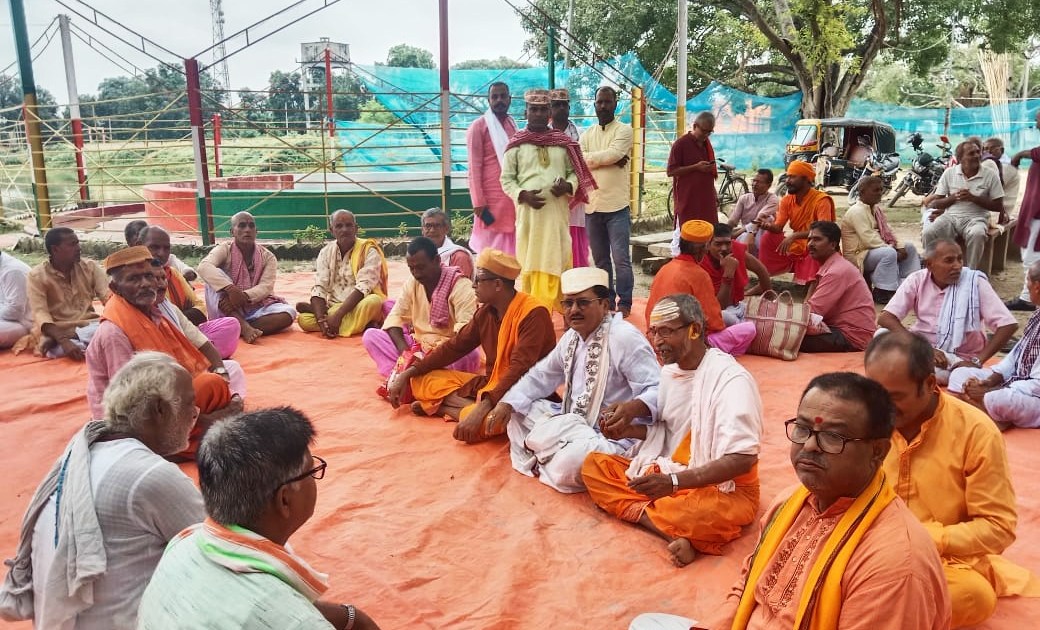
Nearby, about 20 men sit under the trees, calmly discussing the turnout of grooms in this season of “Saurath Sabha”, which they say is one of the world’s oldest matrimonial sites.

Though such traditions have largely disappeared in India, the one in Madhubani – part of Bihar’s Mithilanchal region – seems to have survived modernity.

‘Groom market’

In this unique 700-year-old tradition, the aspiring husbands stand in public display, and the male guardians of girls, usually the father or brother, select the groom. Generally, the bride has no say in the process.

“It is as if the bride’s family can just shop for a groom they like if they can pay the required dowry. It is like a groom market,” a man who lived in an adjoining village told Al Jazeera.

For Maithil Brahmins, the event is sacred.

Locals say the prospective brides’ families visit the village without declaring their intent and observe the men secretly from afar. Once they have made their choices, they put a Mithila gamchha, a red shawl, over the selected groom to make a public statement about his selection.

“It is akin to keeping a handkerchief on a bus seat,” says Madhubani resident Jyoti Raman Jha, referring to a first-come-first-serve system on public transports.

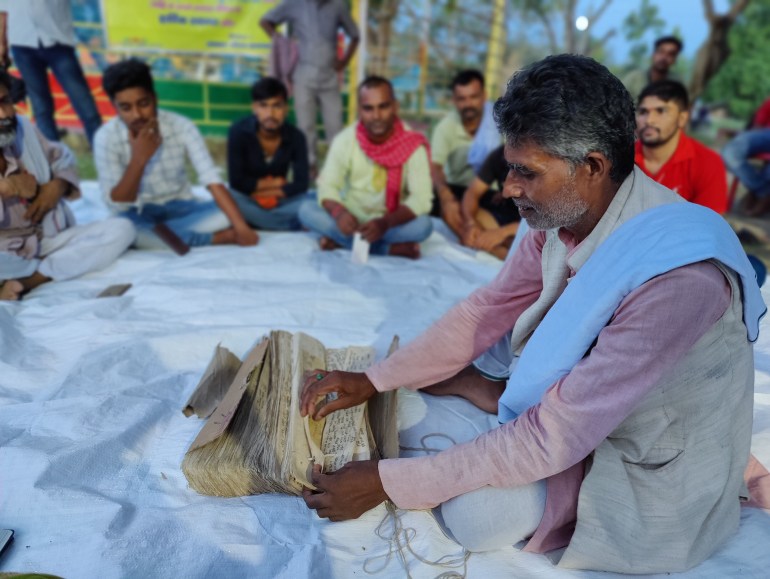
India groom marketA ‘panjikar’ or traditional record-keeper, reads family records maintained over centuries [Ismat Ara/Al Jazeera]
The thin attendance at the event speaks of the waning influence of the tradition. However, the meeting place for one of the highest castes among Hindus still draws people struggling to find matches from a tiny pool of prospects.

Some say there used to be open bidding for grooms in the olden days – with varying dowry tags. The more prestigious the profession of the groom, the higher the demand for dowry. Engineers, doctors and government workers were most sought after.

By their looks, the men now mainly seem to be from villages who have taken an extraordinary interest in keeping the tradition alive. But it has not been easy.

Economic progress and migration to cities have uprooted many Indians from familial land. Parents also now have lesser control over their children’s matrimonial choices. With cheap internet access, arranged matchmaking has increasingly shifted online. India has some of the biggest matrimonial websites in the world.

The Saurath gathering, however, is a remnant of an arranged marriage system that remains unpolluted by technological advancement.

The event is held beside a pond in the village, lined with dozens of peepal, banyan and mango trees. A huge but unused well, freshly painted with an Indian flag, stands as a reminder of the olden days. An ancient Hindu temple stands next to the pond.

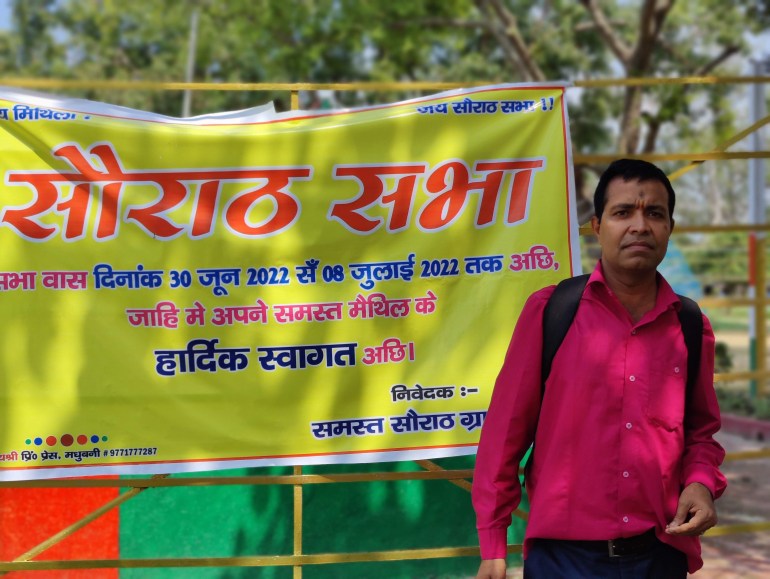
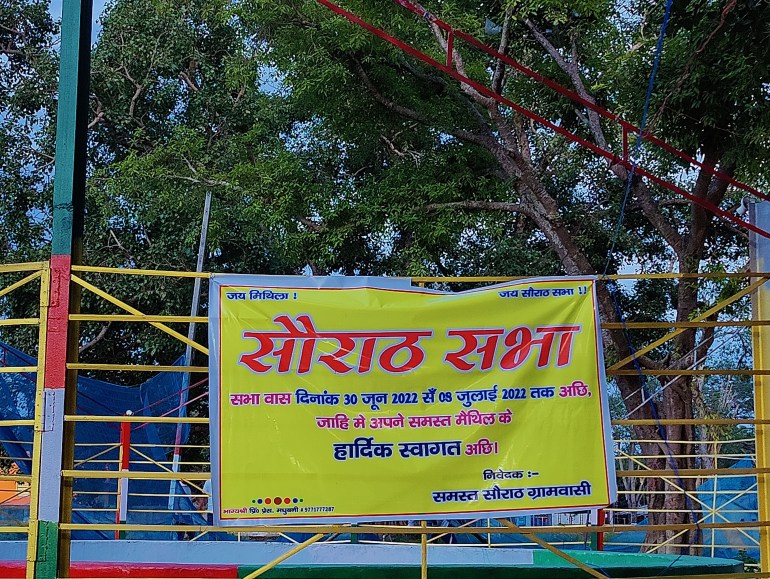
A bright yellow banner, with “Saurath Sabha” written in Hindi in bold red, welcomes the attendees as they trickle in. The legend goes that when 100,000 Brahmins would reach the site, the age-old peepal tree would shed all its leaves.

“In the earlier days, buses would run across the state to bring people to the sabha,” Swaraj Chaudhary, 50, told Al Jazeera. “Now, hardly a few hundred grooms gather during the event.”

The dowry menace

Villager Shekhar Chandra Mishra, one of the organisers of the sabha, blames the media and politicians for its decline.

“The media painted our sabha as a market where men were sold like cattle and had open dowry tags. Terms like Brahmin ‘dulha bazaar’ [groom market] became common,” he told Al Jazeera.

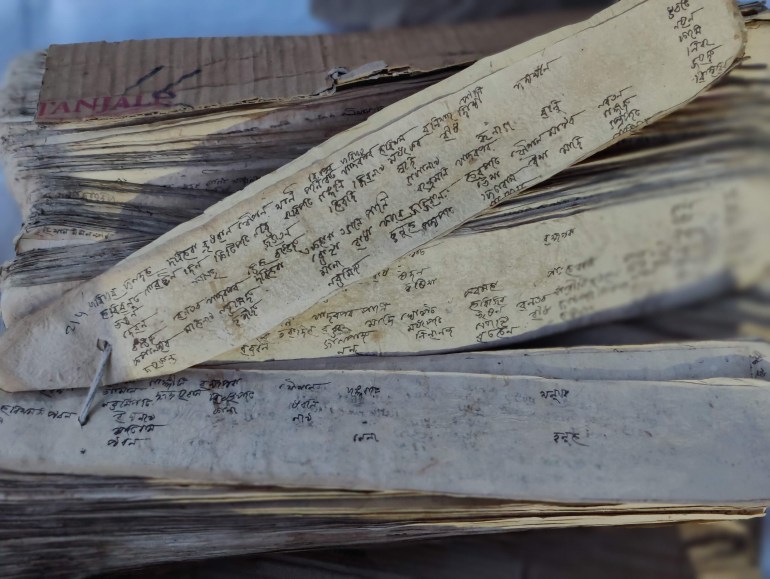
India groom marketA book of family records maintained by the panjikars [Ismat Ara/Al Jazeera]
Mishra, however, does not shy away from acknowledging that the event has been propagating an open dowry culture for centuries.

“Nowadays, dowry is not looked at kindly but still happens under the table,” he says. “If parents have invested money in making their son an engineer or a doctor, they would want a return on the investment, and dowry is seen as one of the ways to do it.”

Dowry is a huge menace in Bihar and dowry deaths and killings are common despite various governments launching anti-dowry campaigns. According to the National Crime Records Bureau data from 2020, Bihar recorded more than 1,000 dowry deaths, the second highest in the country.

A recent campaign by the Bihar government urged people to make an anti-dowry declaration on their wedding cards. It is not uncommon to see walls of homes, businesses and government offices painted with graffiti asking people to shun dowry.

The menace even gave birth to a curious trend in the region, called “pakadwa vivah” or captive marriage, which saw men being kidnapped by a bride’s family to be married at gunpoint to avoid dowry. Such kidnappings are still being reported.

People at the event recall the days when thousands of grooms would come wearing red clothes, ready to be married off after a dowry negotiation was reached. “Without dowry, grooms would not agree to get married,” says a man.

Another man intervenes. “One shouldn’t be shocked to hear about the prevalence of dowry in the sabha. Dowry is normal in India and the sabha is just reflective of that,” he says.

India groom marketA banner welcoming the visitors to the ‘groom market’ [Ismat Ara/Al Jazeera]

One of the reasons, locals say, for the dwindling attendance at the sabha is growing intercaste marriages by the Brahmins, locally called “urhar shadi”, or love marriage.

Manish Jha, 31, from Darbhanga in Bihar, is among those who married outside his caste. His marriage to a Rajput woman faced much opposition from his family and the community.

“I was even put at gunpoint once. But I loved her so much,” he told Al Jazeera, adding that he married his wife amid death threats. They now have a son together.

“The new generation of the community doesn’t want to restrict itself. They want to marry the person they love, no matter what their caste,” he says.

Waning tradition

Despite that, Manish believes the Saurath Sabha should be preserved as an important cultural entity of Mithilanchal.

“It also helps the poor in generating revenue. During the sabha, many people earn enough for the next few months,” he says.

Ghanshyam, a carpenter and therefore belonging to a lower Hindu caste, sells tea near the site of the sabha. He says during the olden days, shopkeepers would rejoice at this time of the year with their sales rocketing.

“But now the number of people who attend are fewer. Earlier, my father tells me, the sabha would be enough to generate revenue for six months,” he says.

Sonu, another shopkeeper, says while sales would go up by a notch during the event, it did not account for much these days.

Some attending the gathering say the ease of internet matchmaking does not appeal to them.

Muktinath Pathak, father of an aspiring groom, believes getting married at the Saurath Sabha will be safer for his son Amarjeet than a matrimonial website.

“When the marriage is done online, there is a risk of divorce and separation, but not when traditions are followed,” he says as he disappears into the crowd.

India groom marketMehek Pandey, right, sits with her brother and mother at the event [Ismat Ara/Al Jazeera]

The organisers claim the method of the Saurath Sabha is way ahead of science as the standing rule here is to avoid marrying within the same clan. Derived from the ancient Hindu text of Manusmriti, locals believe marriage within the same clan leads to “impure” children.

Madhubani resident Jyoti explains that in order to find a match at the event, one has to first approach a panjikar, a traditional record-keeper or registrar, who maintains records of Maithil Brahmin families for centuries in order to ensure there is no blood relationship between prospective couples.

The panjikar system strictly dictates that the bride and groom must not be related by blood for seven generations on their father’s side and five generations from the mother’s.

Once the registrar approves a match for a generous fee, the parents go ahead with marriage preparations.

Pramod Kumar Mishra, a panjikar who has pitched a tent at the sabha, says he himself was married there in 2003. “I was chosen by my wife’s family. We are living happily now,” he says.

The panjikars still maintain a thick book of records and visit homes to note down births and deaths in Brahmin families. With their traditional work not so much in demand, they are looking for alternate ways of income while their children move out of the state in search of other work.

“We are probably the last generation of panjikars,” Kanhaiya Kumar Mishra told Al Jazeera.

It is almost evening now. A woman enters the sabha and loudly declares: “My brother needs to find a bride.”

Mehek Pandey has come from Uttar Pradesh with her husband and mother to find a bride for her 33-year-old brother, Sumit Mohan Mishra. He was set to be married in June but the bride’s family backed out, leaving the family high and dry.

After the family’s attempts to find him a suitable bride failed in their town, they travelled to Madhubani on buses and trains for over 24 hours to join the sabha.

“These days, you cannot rely on online matrimonial apps for weddings, it is just not authentic,” Mehek said.

Categories
Saved Web Pages

FBI says Pegasus spyware was tested, not used in any investigation

ca_fbi_122320istock_0.jpg?w=1280

The FBI tested the NSO Group’s Pegasus spyware for potential use in criminal investigations. 

At the same time, lawyers from the Justice Department have questioned the potential for complicating prosecution efforts that could follow the FBI’s use of the spyware, people familiar with the matter told The Washington Post

The FBI confirmed to The Post that it had tested the technology developed by the Israeli company but said it had not been used “in support of any investigation.”

“The FBI works diligently to stay abreast of emerging technologies and tradecraft — not just to explore a potential legal use but also to combat crime and to protect both the American people and our civil liberties,” the FBI’s statement said.

“That means we routinely identify, evaluate, and test technical solutions and problems for a variety of reasons, including possible operational and security concerns they might pose in the wrong hands,” it added. “There was no operational use in support of any investigation, the FBI procured a limited license for product testing and evaluation only.”

The Hill has reached out to the FBI for comment.

The statement comes after an announcement on Tuesday that new evidence showed that investigators with the Israeli police improperly used spyware to scrutinize citizens’ phones.

That announcement followed an Israeli newspaper’s report that police used the NSO Group’s Pegasus software, without authorization, to spy on people, including protesters and politicians. 

In the United States, NSO technology is blacklisted, and it has been the subject of international controversy as it has been used to snoop on journalists, human rights activists and others. 

Categories
Saved Web Pages

F.B.I. Secretly Bought Israeli Spyware and Explored Hacking U.S. Phones

27xp-pegasustakeaways-facebookJumbo.jpg

Israel used the NSO Group’s software as a tool of diplomacy. The F.B.I. wanted it for domestic surveillance. Then everything soured. Here are highlights of a New York Times Magazine investigation.

The Israeli cyber company NSO Group at one of its branches in the Arava Desert in Sapir, Israel. 

The Israeli cyber company NSO Group at one of its branches in the Arava Desert in Sapir, Israel. Credit…Amir Levy/Getty Images

It is widely regarded as the world’s most potent spyware, capable of reliably cracking the encrypted communications of iPhone and Android smartphones.

The software, Pegasus, made by an Israeli company, NSO Group, has been able to track terrorists and drug cartels. It has also been used against human rights activists, journalists and dissidents.

Now, an investigation published Friday by The New York Times Magazine has found that Israel, which controls the export of the spyware, just as it does the export of conventional weapons, has made Pegasus a key component of its national security strategy, using it to advance its interests around the world.

The yearlong investigation, by Ronen Bergman and Mark Mazzetti, also reports that the F.B.I. bought and tested NSO software for years with plans to use it for domestic surveillance until the agency finally decided last year not to deploy the tools.

The Times found that sales of Pegasus played a critical role in securing the support of Arab nations in Israel’s campaign against Iran and negotiating the Abraham Accords, the 2020 diplomatic agreements, signed at a Trump White House ceremony, that normalized relations between Israel and some of its longtime Arab adversaries.

The U.S. had also moved to acquire Pegasus, The Times found. The F.B.I., in a deal never previously reported, bought the spyware in 2019, despite multiple reports that it had been used against activists and political opponents in other countries. It also spent two years discussing whether to deploy a newer product, called Phantom, inside the United States.

The discussions at the Justice Department and the F.B.I. continued until last summer, when the F.B.I. ultimately decided not to use NSO weapons.

But Pegasus equipment is still in a New Jersey building used by the F.B.I. And the company also gave the agency a demonstration of Phantom, which could hack American phone numbers.

A brochure for potential customers, obtained by The Times, says that Phantom allows American law enforcement and spy agencies to “turn your target’s smartphone into an intelligence gold mine.”

The yearlong Times investigation was based on interviews with government officials, leaders of intelligence and law enforcement agencies, cyber experts, business executives and privacy activists in a dozen countries.

It tells the story of NSO’s rise from a start-up operating out of a converted chicken coop on an agricultural cooperative to its blacklisting by the Biden administration in November because of its use by foreign governments to “maliciously target” dissidents, journalists and others.

NSO began with two school friends, Shalev Hulio and Omri Lavie, hatching start-ups in Bnai Zion, an agricultural cooperative outside of Tel Aviv, in the mid-2000s.

One of their start-ups, CommuniTake, which offered cellphone tech-support workers the ability to take control of their customers’ devices — with permission — caught the attention of a European intelligence agency, Mr. Hulio said.

NSO was born, and the company eventually developed a way to gain access to phones without the user’s permission — no need to click on a malicious attachment or link. (That the company’s name sounded like the N.S.A. was a mere coincidence).

After NSO began selling Pegasus globally in 2011, Mexican authorities used it to capture Joaquín Guzmán Loera, the drug lord known as El Chapo. And European investigators used it to smash a child-abuse ring with dozens of suspects in more than 40 countries.

But abuses have also been revealed in reports by researchers and news organizations, including The Times.

Mexico used the spyware to target journalists and dissidents. Saudi Arabia used it against women’s rights activists and associates of Jamal Khashoggi, the Washington Post columnist who was killed and dismembered by Saudi operatives in 2018.

That year, the C.I.A. bought Pegasus to help Djibouti, an American ally, fight terrorism, despite longstanding concerns about human rights abuses there, including the persecution of journalists and the torture of dissidents.

In the U.A.E., Pegasus was used to hack the phone of an outspoken critic of the government, Ahmed Mansoor.

Mr. Mansoor’s email account was breached, his geolocation was monitored, $140,000 was stolen from his bank account, he was fired from his job and strangers beat him on the street.

“You start to believe your every move is watched,” he said. In 2018, he was sentenced to 10 years in prison for posts he made on Facebook and Twitter.

Through a series of new deals licensed by the Israeli Ministry of Defense, Pegasus has been provided to the far-right leaders of Poland, Hungary, India and other countries.

Mr. Netanyahu did not order the Pegasus system to be cut off, even when the Polish government enacted laws that many Jews inside and outside of Israel saw as Holocaust denial, or when Prime Minister Mateusz Morawiecki, at a conference attended by Mr. Netanyahu himself, falsely listed “Jewish perpetrators” among those responsible for the Holocaust.

American companies have been trying to build their own tools that could hack phones with the ease of NSO’s “zero click” technology.

One of those companies, Boldend, told Raytheon, the defense-industry giant, in January 2021, that it could hack WhatsApp, the popular messaging service owned by Facebook, but then lost the capability after a WhatsApp update, according to a presentation obtained by The Times.

The claim was especially notable because, according to one of the slides, a major Boldend investor is Founders Fund — a company run by Peter Thiel, the billionaire who was one of Facebook’s first investors and remains on its board.

The recent American blacklisting of NSO could suffocate the company by denying it access to the American technology it needs to run its operations, including Dell computers and Amazon cloud servers.

The rebuke has infuriated Israeli officials who have denounced the move as an attack not only on a crown jewel of the country’s defense industry but on the country itself.

“The people aiming their arrows against NSO,” said Yigal Unna, director general of the Israel National Cyber Directorate until Jan. 5, “are actually aiming at the blue and white flag hanging behind it.”

Categories
Saved Web Pages

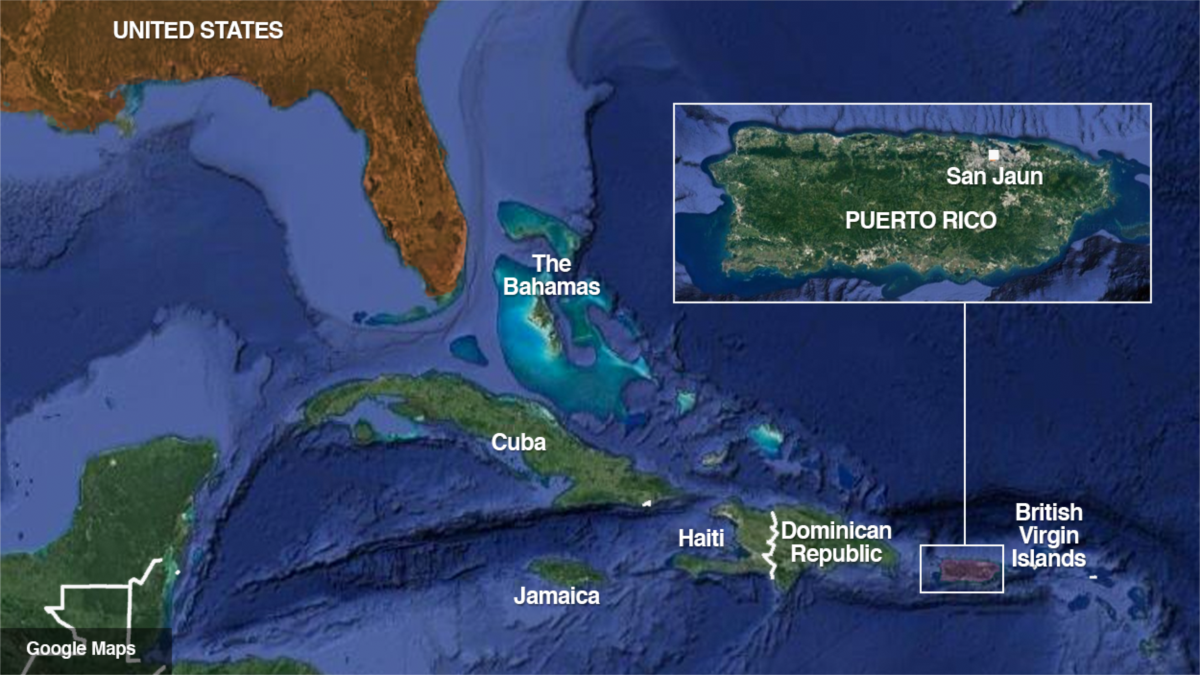
FBI Raids Puerto Rico Bank Amid Venezuela Sanctions Probe

09A9973C-F9FF-4B20-8ECF-76F9F40E42FD_w12

SAN JUAN, PUERTO RICO — 

FBI agents raided a bank in Puerto Rico Wednesday amid allegations over violations of U.S. sanctions imposed on those who do business with Venezuela’s government.

FBI spokesman Luis Rivera-Santana told The Associated Press that agents had a search warrant to identify funds that might be linked to entities or individuals on the sanction list. He said federal officials suspect someone might have used the bank to launder money from a person or entity on that list.

No one has been arrested as part of the investigation against the bank, BSJI, which is located in the capital of San Juan. It lists contact numbers for the U.S. and Venezuela and states that it offers financial services to international customers.

Rivera-Santana said it’s the first operation of its kind in the U.S. territory. The investigation began at a local level after the Office of the Commissioner of Financial Institutions of Puerto Rico found alleged evidence now being investigated at a federal level, said Douglas Leff, FBI special agent in charge of the San Juan division.

He told reporters that the operation took several hours as agents collected paper and digital documents.

“The United States is waging a war against money laundering,” he said. “Puerto Rico and the U.S. Virgin Islands are battlefields in this war.”

Hector Vazquez Muniz, chief financial officer of Banco San Juan Internacional, said in a statement sent to the AP the bank has taken all appropriate measures to comply with the U.S. sanctions, and that he is unaware of any transactions that could violate those.

He rejected the allegations and said they have been cooperating with the FBI investigation.

“We can assure you that once the FBI revises all the documents and those that we can provide, this regrettable situation will be clarified,” Vazquez said.

WP Radio
WP Radio
OFFLINE LIVE