Michael Novakhov retweeted:
“War is the remedy that our enemies have chosen, and I say let us give them all they want.”
— William Tecumseh Sherman, born on this day in 1820.

 The Brooklyn Times - bklyntimes.com
Category Added in a WPeMatico Campaign
Michael Novakhov retweeted:
“War is the remedy that our enemies have chosen, and I say let us give them all they want.”
— William Tecumseh Sherman, born on this day in 1820.

The Biden administration is poised to resurrect a Trump-era policy, the transit ban, which in its most recent form was repeatedly struck down by the courts as unlawful. The new transit ban, the subject of a notice of proposed rulemaking, would create a “rebuttable presumption of asylum ineligibility” for individuals arriving at the southern border who have not sought “protection in a country through which they traveled” on their journey, “unless they meet exceptions that will be specified.” The announcement of the imminent policy change drew quick condemnation in a letter from members of Congress, as well as in separate letters from faith-based and civil rights and human rights organizations.
The new transit ban would violate the United States’ protection obligations to refugees, which are long-standing and solidly based in both international and domestic law. The United States acceded in 1968 to the Refugee Protocol, which incorporates the substantive provisions of the 1951 Refugee Convention. With congressional passage of the Refugee Act in 1980, the United States aligned its federal immigration statute with the provisions of the Refugee Convention and Protocol. The cornerstone of both international and domestic law is the principle of non-refoulement, the prohibition against returning refugees to any country where their lives or freedom would be threatened.
Although the U.S. refugee statute does permit the denial of asylum to those who pass through a “safe third country” en route to the United States and do not apply for protection there, the law sets forth two non-negotiable requirements – the country of transit must not be one where the asylum seeker’s life or freedom would be threatened on account of their race, religion, nationality, membership in a particular social group, or political opinion, and the asylum seeker must have access to a “full and fair” procedure for determining claims to protection. (The United States must also have a formal agreement with the third country.) These conditions are not met in the countries most asylum seekers travel through on their way to the United States.
The Biden administration will undoubtedly argue that because the proposed rule imposes only a rebuttable presumption instead of an outright prohibition, it is distinguishable from Trump’s legal ban and will pass legal muster. But the facts on the ground do not support even a presumption of safety and access to a full and fair procedure.
Furthermore, if the presumption of ineligibility is applied during credible fear screening interviews at the border, as part of the deeply flawed expedited removal process, it will be very difficult for asylum seekers to clear the hurdle it presents. The majority of asylum seekers navigate expedited removal without an attorney, and do not possess detailed knowledge of human rights conditions and asylum procedures in each of the countries they transited in order to make the case that they qualify for an exception. The United Nations High Commissioner for Refugees (UNHCR) has specifically recommended that “exclusion” decisions, which would include decisions such as those made on the applicability of the transit ban, not be made in accelerated procedures such as expedited removal.
All migrants arriving at the southern border have transited Mexico, and depending on their country of origin and route, they may have traveled through Guatemala, El Salvador, Honduras, Nicaragua, Costa Rica, or Panama before arriving to Mexico. With the possible exception of Costa Rica, none of these countries of transit offer the safety or access to a refugee protection system which would justify imposition of the ban.
Pervasive violence against migrants in Mexico, carried out by state as well as non-state actors, has been well-documented. The most recent U.S. State Department country conditions report noted the “targeting and victimization” of migrants, and in striking down the Trump transit ban in July 2020, the Ninth Circuit Court of Appeals cited the high levels of violence, including sexual violence, against asylum seekers in Mexico.
Even if Mexico were safe, which it is not, U.S. policies, such as Title 42, have overwhelmed its refugee system, preventing meaningful access to a “full and fair” procedure. A little over a decade ago – in 2011 – a total of 752 claims for refugee protection were lodged; in 2021 the number had soared to over 130,000. Funding has not kept pace, and the Mexican Commission for Refugee Assistance (COMAR) lacks resources for its core operations.
The four Central American countries south of Mexico – Guatemala, El Salvador, Honduras, and Nicaragua – are even less able to pass the safe third country test. Significant human rights abuses, including extrajudicial killings, torture, and disappearances, prevail at high levels in each country. Honduras, El Salvador, and Guatemala have the highest rates of femicides (gender-motivated killings) in the world, as well as extreme violence against LGBTQ+ individuals, while the brutal suppression of political opponents to the authoritarian regime in Nicaragua is well-documented.
Furthermore, not one of the four countries has anything approaching an adequate refugee protection system. Guatemala’s system has been described as “inadequate” and cumbersome, and El Salvador’s as having “major regulatory and operational gaps.” The system in Honduras is “nascent,” and those individuals who try to access it, especially women, children, and LGBTQ+ individuals, are especially vulnerable to abuse and sexual exploitation. Nicaragua is even more of an outlier, having ceased any cooperation with the UNHCR; in 2015 it suspended meetings of its refugee determination body, the National Commission for Refugees.
This leaves Costa Rica, a country with a population of five million, and Panama, a country of four million, as remaining countries of transit for the majority of asylum seekers arriving to the United States. Although they have human rights records far superior to any of the countries discussed above, access to protection is complicated by the unique circumstances in each.
Costa Rica, with its admirable human rights record, well-established asylum framework, and history of welcoming refugees, has long been viewed as a destination country for those seeking protection. In recent years, however, it has been swamped by claims for protection; in 2021 and 2022, it was among the top four countries globally for asylum claims registered. In the beginning of 2022, the UNHCR reported just under 1.44 million asylum seekers in the United States — a country of 332 million — and 204,730 applications in Costa Rica, a country of 5 million; in other words, Costa Rica is already taking approximately 10 times as many refugees per capita as the United States. The rising numbers have overwhelmed Costa Rica’s systems, resulting in delays, difficulty accessing protection, and a rise in “xenophobic, racist, and discriminatory” attitudes. This has also led to the adoption of restrictive asylum policies, including its own “safe third country” ban, and rules that limit the right to work and freedom of movement.
In contrast to Costa Rica, a country of destination, Panama has been seen as a country of transit. Migrants enter via the Isthmus of Darién, which straddles the border of Panama and Colombia. They then travel north on the infamously dangerous route known as the Darién Gap. Panama has also experienced a dramatic rise in numbers. In the seven years from 2013 to 2020, just over 100,000 migrants entered Panama through the Darién, while in 2021 alone, the number rose to 140,000.
Panama has a refugee protection system, but the process is difficult to access. The country applies its refugee laws in an extremely narrow manner, leading Panama to have an asylum approval rate of only 1 percent, and a record of having only granted asylum to 2,500 refugees since it began hearing claims. In-country experts consider refugee status to be “the single most difficult pathway” to obtain legal status in Panama. Even those who are recognized as refugees find it difficult to integrate due to laws which prohibit non-citizens from a broad range of professions. Human rights groups have proposed and advocated for migration reform so that ultimately Panama can become a “safe harbor for . . . refugees.” However, that day has yet to arrive.
The Biden administration could be forgiven if it were totally unaware of the conditions in the countries of transit – which are either patently unsafe, or beyond capacity. But lack of knowledge is not the case, making the administration’s actions all the more deplorable. With the planned implementation of his own version of a transit ban, Biden stands willing to outsource U.S. protection obligations to countries such as Costa Rica, which are already overwhelmed by a disproportionately high rate of asylum applications per capita, or in the alternative, to return those fleeing persecution to situations as violent as those they have fled.
But beyond the legal folly of resurrecting the ban is the shame that this administration should feel when it repudiates its international and domestic obligations, tries to offload its responsibilities to smaller countries with far less resources, and abandons not only refugees seeking protection, but its own moral high ground. One can only hope that the Biden administration will heed the call of lawmakers, faith leaders, and community groups to reconsider its plan to impose a transit ban. If it does not, it can anticipate a sustained critique throughout the notice and comment period, and beyond.
The post Biden’s Embrace of Trump’s Transit Ban Violates US Legal and Moral Refugee Obligations appeared first on Just Security.
Tennessee quarterbacks coach Pat O’Hara called six-year journeyman Joshua Dobbs hours after a loss on Christmas Eve, asking him to come to the team headquarters on Christmas Day.
Though he had signed just four days earlier, the Titans decided to turn the offense over to Dobbs and coach Mike Vrabel insisted the game plan would remain the same.
Well, it really didn’t. It couldn’t.
Dobbs was just one of many quarterbacks thrown into the heat of battle due to a rash of injuries at the league’s premier position, making devising a game plan even more challenging. Those offensive schemes are tailored around the projected starter with opponents plotting to derail those plans.
Yet league-wide, injuries force continual changes. So coaches and coordinators on both sides of the ball have had to be even more flexible, adapting often at a moment’s notice.
It’s not lost on the Kansas City Chiefs and the Philadelphia Eagles heading into the Super Bowl on Sunday.
Back in December with a playoff berth slipping away, the Titans gambled their postseason streak on Dobbs, going with him over a rookie with three starts and with veteran Ryan Tannehill sidelined by an injury.
The Titans joined a list of 13 franchises starting three quarterbacks, the most ever in the league’s second 17-game season.
The teams squaring off for the Lombardi Trophy on Sunday didn’t have those problems: Patrick Mahomes started every game this season for Kansas City, while Jalen Hurts rested his sore shoulder sitting out two games for the Eagles.
Dobbs had just a handful of practices and a couple of walkthroughs — half as the backup — since signing with Tennessee. A third-round pick, Malik Willis was protected in his first NFL start, throwing only once after halftime with Derrick Henry running for 219 yards in a win in Houston.
Thanks to his experience from previous NFL stops, Dobbs helped the Titans use a game plan that resembled an actual passing offense. Dobbs was much more decisive, allowing him to throw quicker and he had nearly as many yards passing in his first start than Willis had combined in his three.
“Him just being able to see on some of the quick throws or three-steppers, Josh was able to stand in the pocket, being able to deliver it in a timely matter,” Titans veteran receiver Robert Woods said of Dobbs.
The starting quarterback gets most of the snaps with the first-team offense, limiting the backup to running the scout team and no chance to build chemistry with the starters.
That means the backup must do everything else to try to be ready if needed. That includes studying the game plan and watching both film and practice closely. Kliff Kingsbury was fired after Arizona went 4-13 using four quarterbacks once Kyler Murray tore his ACL.
Kingsbury said that’s the job.
“They have to get all the mental reps they can, all the walkthroughs they can and then go out there and try to perform at a high level,” Kingsbury said of backup QBs during the season before his firing.
Miami made the playoffs despite also starting three different quarterbacks with Tua Tagovailoa, Teddy Bridgewater and rookie Skylar Thompson each starting at least two games during the regular season.
First-year coach Mike McDaniel and his coordinator drew up different game plans for Bridgewater and Thompson later in the season.
Playing AFC East rival Buffalo in the wild-card round also helped.
“That gives you a little liberty to have some variance in your plan for each particular quarterback, and then when you get concrete clarity, you have one direction for your entire team to kind of go by and that’s what you stick with,” McDaniel said before Miami’s playoff loss to Buffalo.
Preparing for different quarterbacks means similar adjustments on defense. Jeffery Simmons, the Titans’ two-time Pro Bowl defensive lineman, said he needs to know if the potential quarterback stays in the pocket like Tampa Bay’s Tom Brady or scrambles like Baltimore’s Lamar Jackson.
“My job is to win up front and then focus on the quarterback,” Simmons said.
Defensive coaches and defenders pull film of the potential quarterbacks, even if it means going back to last season. They study the opponent’s offensive scheme as well.
That’s why the Bills looked at all three Dolphins quarterbacks. Buffalo defensive coordinator Leslie Frazier also made sure to focus on Miami’s other offensive playmakers such as wide receivers Tyreek Hill and Jaylen Waddle.
“That definitely presents different challenges when you don’t know who the starting quarterback will be,” Frazier said before Buffalo’s playoff opener. “But we do know who some of the other pieces are, and where they’ll line up at.”
And with the odds of the starting quarterback not finishing the game, planning for the other playmakers was probably a team’s best option.
___
AP Sports Writers John Wawrow, David Brandt and Alanis Thames contributed to this report.
___
AP NFL: https://apnews.com/hub/nfl and https://twitter.com/AP_NFL
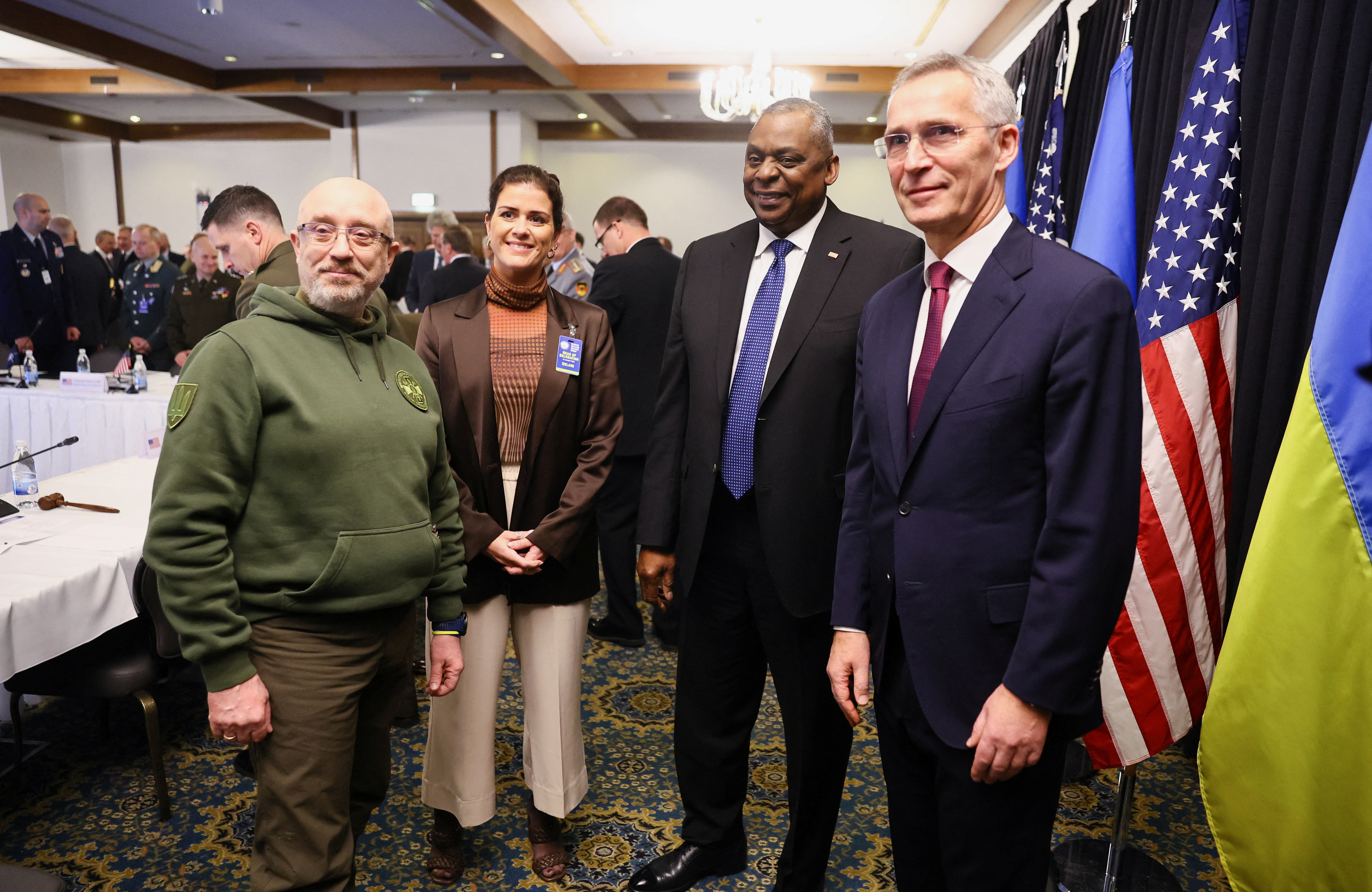
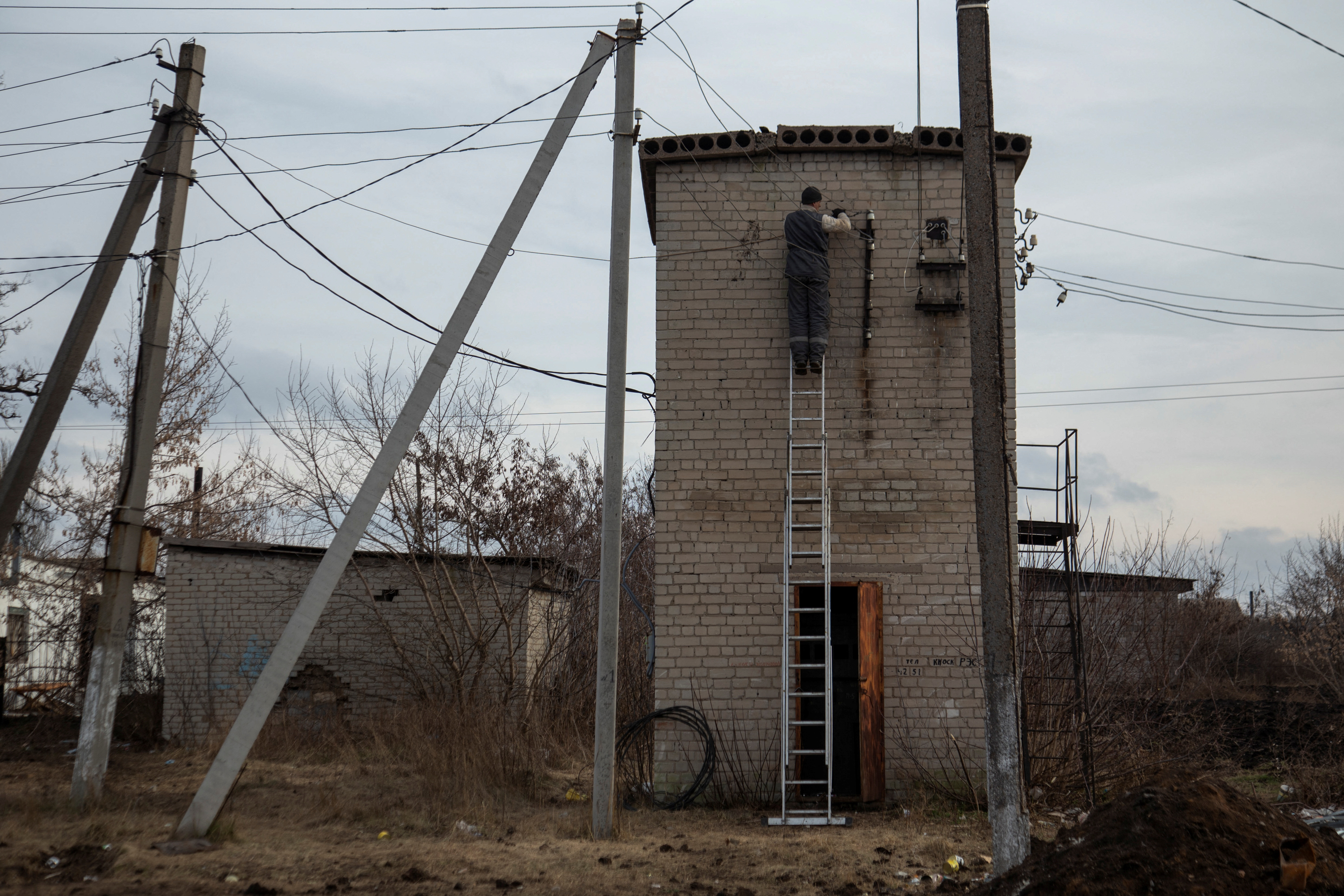
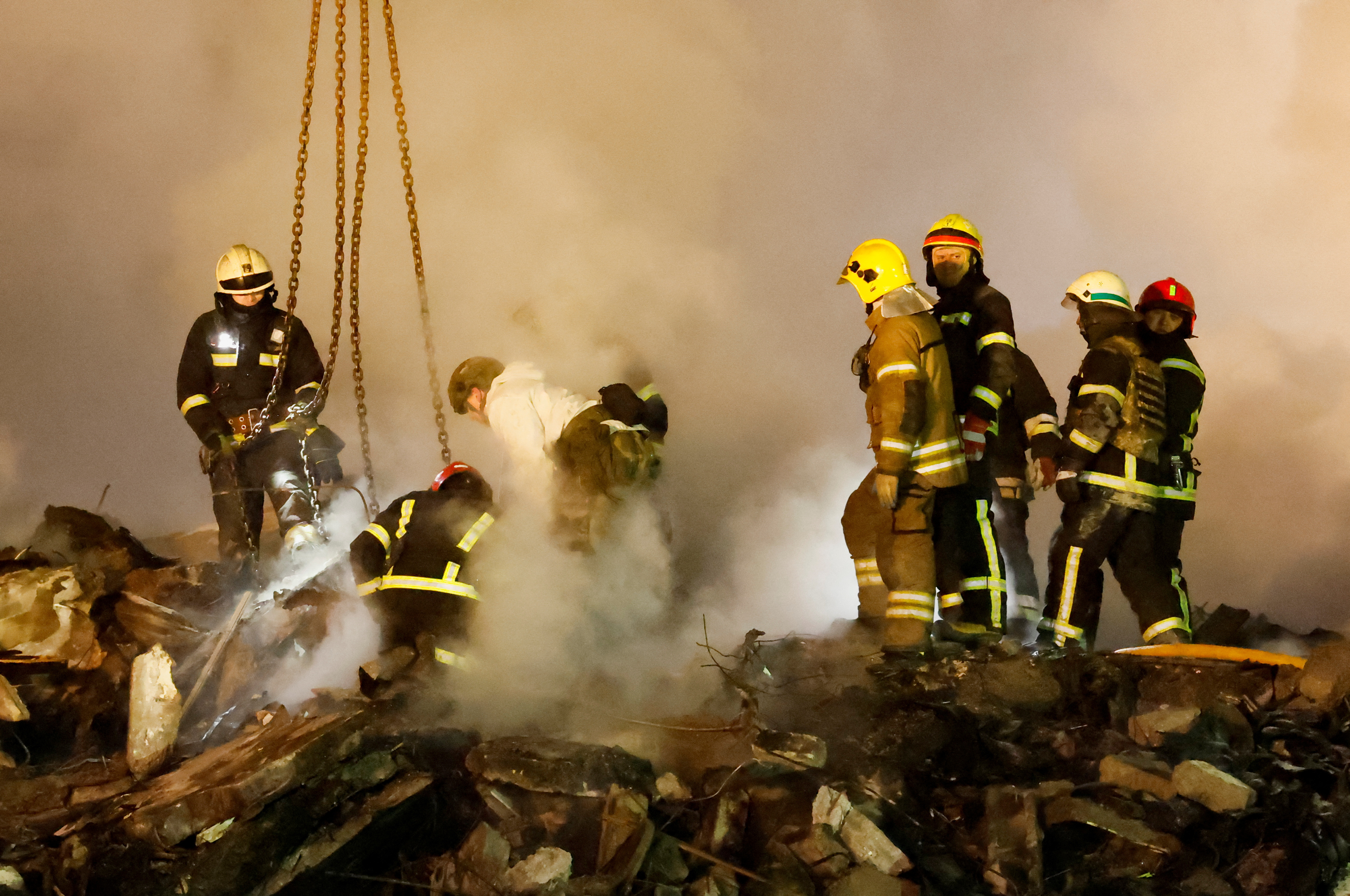
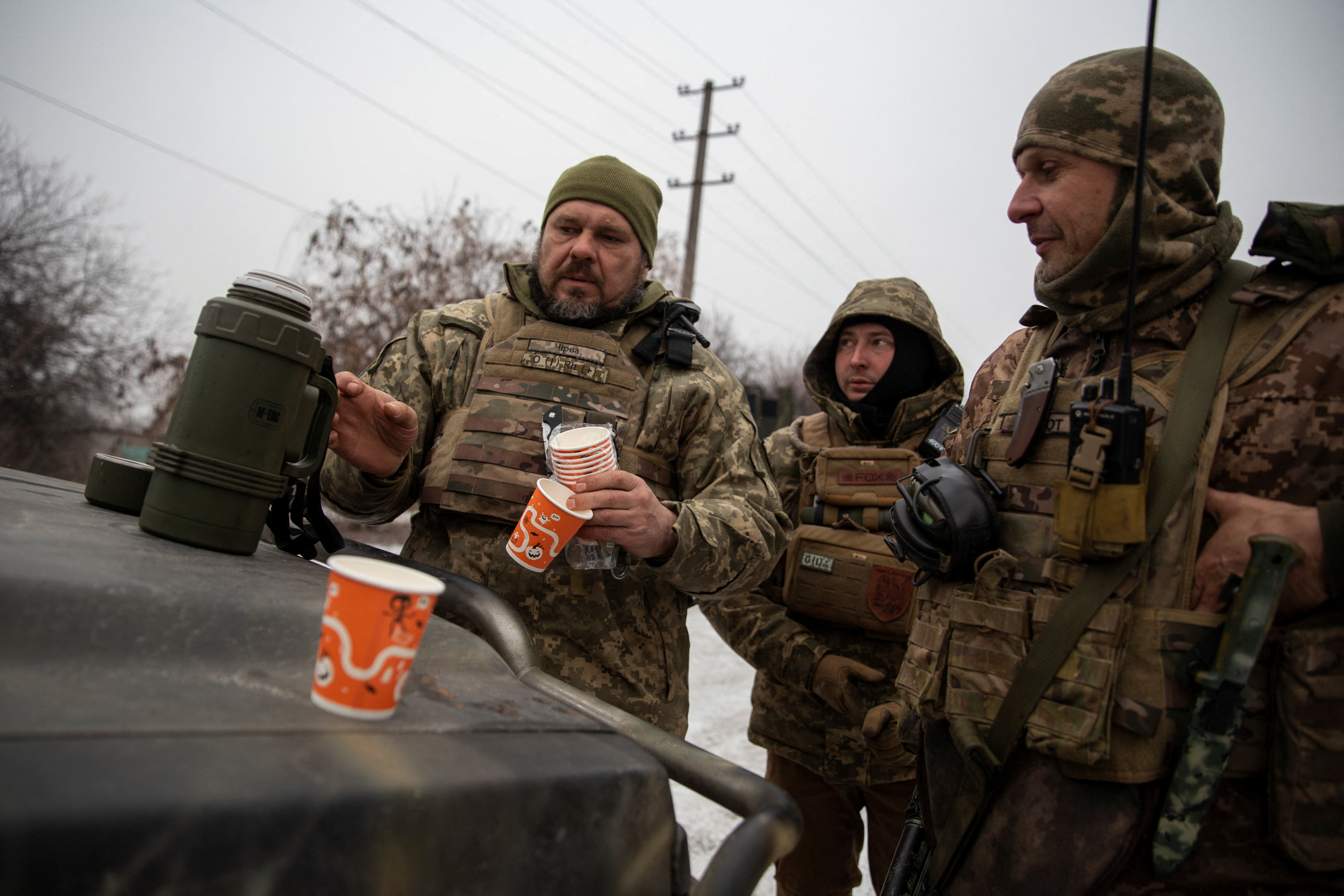
Ukraine’s military said its forces repelled an attack in the area of Blahodatne in the eastern part of the Donetsk region, while Russia’s Wagner private military group said it took control of the village.
* Russia accused the Ukrainian military of deliberately striking a hospital in a Russian-held area of eastern Ukraine on Saturday in what it said was a war crime that killed 14 people and wounded 24 patients and medical staff. There was no immediate response to the allegations from Ukraine. Reuters was not able to independently verify the report.
* Ukrainian President Volodymyr Zelenskiy described the situation at the front as “extremely acute“, especially in the eastern Donetsk region where Russia is stepping up an offensive.
* Tearful mourners in Kyiv commemorated a British volunteer aid worker, Andrew Bagshaw, killed while attempting a rescue mission from the eastern Ukrainian town of Soledar.
* Russian President Vladimir Putin is open to contacts with German Chancellor Olaf Scholz though has no phone call scheduled with him, a Kremlin spokesman said. Scholz, who last week approved providing Leopard 2 battle tanks to Ukrainian forces, was quoted in a published interview as saying he would speak to Putin again but the onus was on the Russian leader to withdraw troops from Ukraine “to end this horrendous, senseless war…”
* Russia’s deputy foreign minister Sergei Ryabkov will hold a meeting with Lynne Tracy, the new U.S. ambassador, early next week, RIA news agency reported.
* Zelenskiy condemned the idea of neutrality in sports at a time when his country’s athletes fight and die in war, while their Russian counterparts might be allowed to compete.
* Russia said it will not hold annual talks with Japan on renewing a pact that allows Japanese fishermen to operate near disputed islands, saying Japan had taken anti-Russian measures.
* Expedited talks are under way among Ukraine and its allies about its requests for long-range missiles that it says are needed to prevent Russia from destroying its cities, a top aide to President Zelenskiy said.
* German arms-maker Rheinmetall is ready to greatly boost output of tank and artillery munitions to satisfy strong demand in Ukraine and the West, and may start producing HIMARS multiple rocket launchers in Germany, CEO Armin Papperger told Reuters.
* Ukraine has been promised 321 heavy tanks by several countries, its ambassador to France said.
* Poland will send an additional 60 tanks to Ukraine on top of 14 German-made Leopard 2 tanks it has pledged, the Polish prime minister said in an interview with Canadian television.
* Ukraine imposed sanctions on 182 Russian and Belarusian companies, and three individuals, in the latest of a series of steps by Zelenskiy to block their links to his country.
* On a trip to Turkey and the Middle East this week, the U.S. Treasury Department’s top sanctions official will warn countries and businesses that they could lose U.S. market access if they do business with entities subject to U.S. curbs as Washington cracks down on Russian attempts to evade sanctions.





















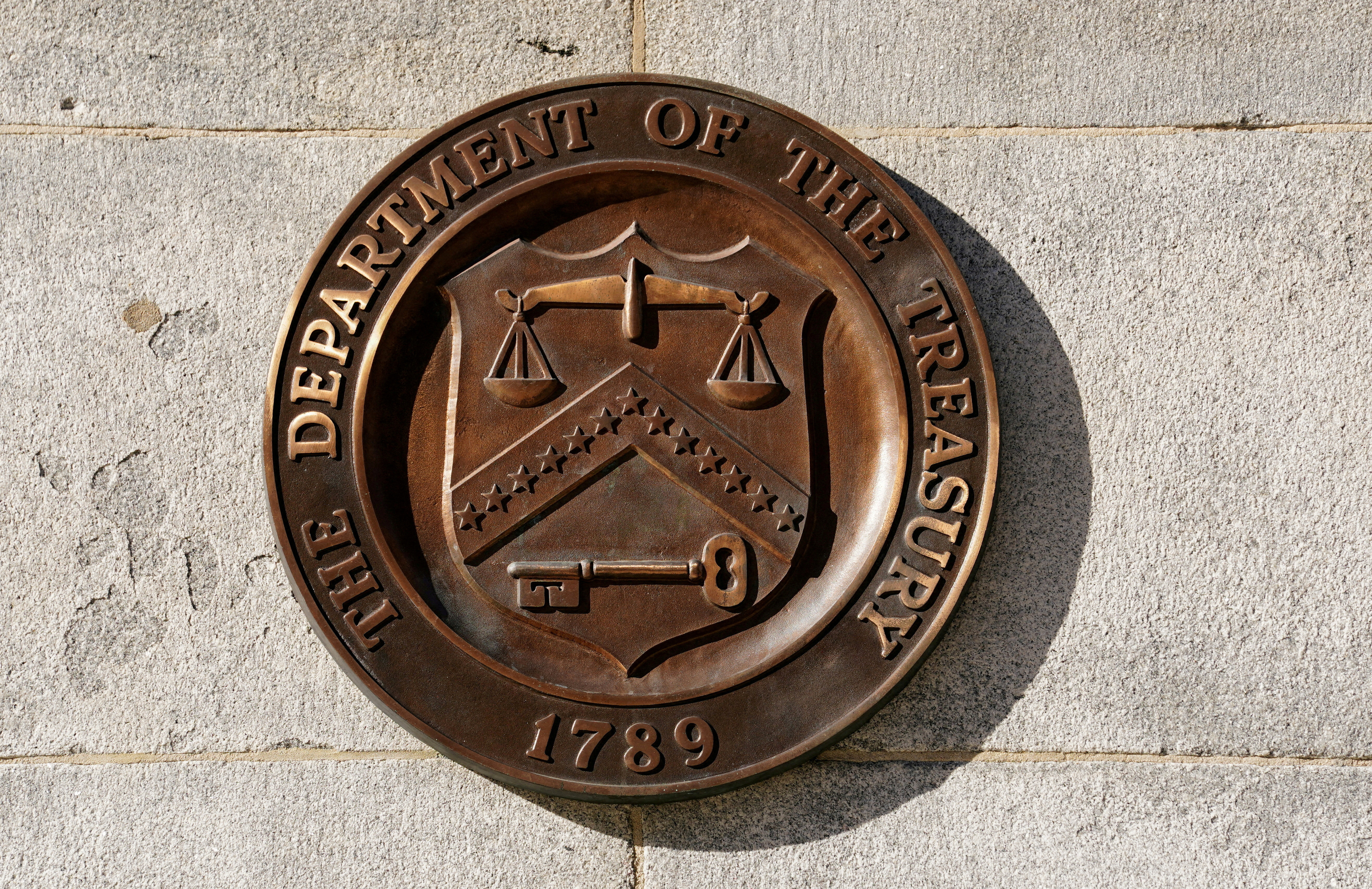
U.S. Treasury Department officials are urging the financial sector to address potential challenges in using cloud computing services, warning in a report on Wednesday that failure to do so could leave them and their customers vulnerable.
The risk was particularly acute for small and medium-sized financial institutions, the department said.
Deputy Secretary of the Treasury Wally Adeyemo said while “there is no question that providing consumers with secure and reliable financial services means greater demand for cloud-based technologies,” there needed to be “safe and effective migration” as banks and other financial companies adopt cloud services.
“Treasury found that cloud services could help financial institutions become more resilient and secure, but that there were some significant challenges that could detract from these benefits,” department officials wrote in their report assessing current cloud adoption in the financial industry.
Those issues include financial firms’ exposure to potential cyber incidents, an industry-wide reliance on a small number of cloud providers and a lack of technology workers able to help financial institutions deploy cloud services, among other challenges, department officials said.
Treasury officials recommended steps that could help the sector adopt cloud computing, adding that it “neither endorses nor discourages cloud service adoption by the sector.”
The department was establishing a working group to address the challenges raised in the report and said it would work with U.S. financial regulators, the industry and international partners to address the risks.
Technology companies that provide cloud computing services include Amazon Inc’s (AMZN.O) Amazon Web Services, Alphabet Inc’s (GOOGL.O) Google, Microsoft Corp (MSFT.O) and Oracle Corp (ORCL.N).
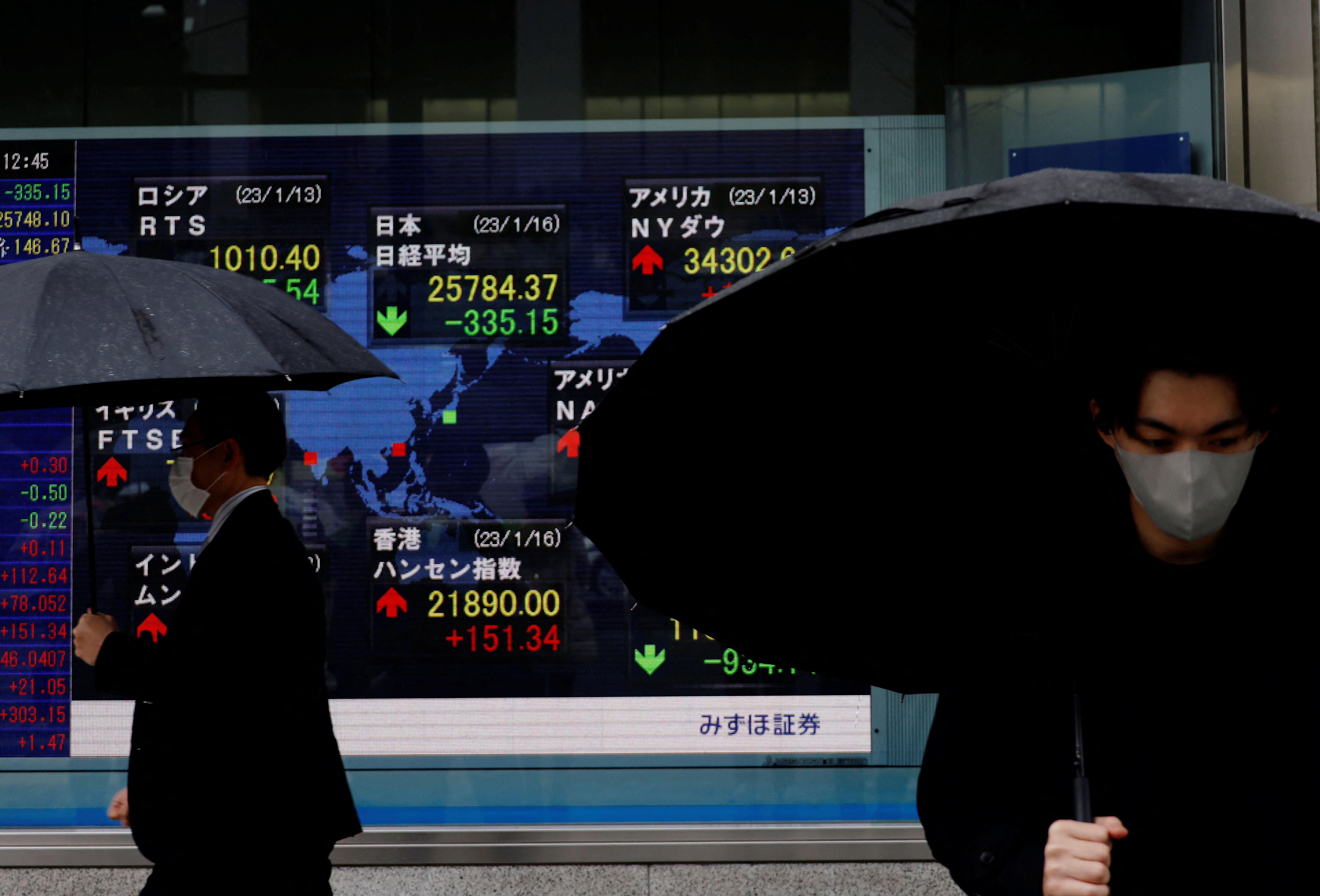
Global shares jumped and most currencies rose against the dollar on Wednesday as investors discerned a dovish tone in comments from Federal Reserve Chair Jerome Powell, though a policy tweak by the ECB meant European bonds sat out the rally.
MSCI’s world share index (.MIWD00000PUS) rose 0.3%, heading back towards the nine-month high it hit in early February, while Europe’s STOXX 600 index (.STOXX) gained 0.85% to a fresh nine-month peak.
Major benchmarks in France, (.FCHI) Britain (.FTSE) and Germany (.GDAXI) were all comfortably in positive territory too, after Wall Street gained overnight and Asia (.MIAPJ0000PUS) rose earlier in the day.
U.S. share futures were around 0.4% lower ahead of Wednesday’s open, however. ,
In an eagerly awaited speech on Tuesday, Powell reiterated that disinflation has begun but warned Friday’s eye-popping jobs report showed why the battle against inflation will “take quite a bit of time”.
The data showed the surprising addition of 517,000 new jobs in January and stoked fears that the tight labour market may compel the Fed to remain hawkish. Investors were relieved that that Powell did not lean further into this argument.
“The market is looking for a dovish message where it can almost regardless. Powell said effectively the terminal rate could be higher than the market expects, but the Nasdaq and S&P500 were up. I think they’re wrong,” said Ben Jones, director of macro research at Invesco.
Aggressive rate increases by the Fed and other central banks last year to tame inflation hurt shares and boosted the dollar, but those trends have reversed this year on signs that inflation has started to slacken, raising hopes of rate cuts towards the end of 2023.
“At the moment (markets are) all about the Fed, but at some point it has to morph into being about growth and earnings growth as well,” said Jones.
Earnings boosted European oil and gas stocks (.SXEP), the top regional sector on Wednesday with a gain of 2%, as Finnish refiner Neste (NESTE.HE) added 10% and Norwegian oil and gas giant Equinor (EQNR.OL) rose 7% after each reported a strong quarter.
French bank Societe Generale (SOGN.PA) fell 3.7% though after a five-fold hike in bad loan provisions.
Powell’s avoidance of a more hawkish tone also guided currency markets, with the euro rising as much as 0.29% against the dollar, and the pound gaining 0.49% at one point.
“The dollar selling also reflected what Powell didn’t say,” said MUFG FX analysts in a morning note to clients.
U.S. Treasuries firmed a little with the benchmark 10-year yield down 3 basis points (bps) to 3.6547% and the two year yield down 4 bps.
Yields move inversely to prices.
In Europe, however, bonds continued to sell off following a sharp tumble the previous day after the European Central Bank said it would cut the interest rate it pays governments on deposits.
Two-year German yields , the most sensitive to any shifts in expectations for interest rates and inflation, rose by as much as 11 bps to 2.725% in early trading, their highest since Jan. 3.
The other overnight news event was U.S. President Joe Biden’s State of the Union speech in which he challenged Republicans to lift the U.S. debt ceiling and support tax policies that were friendlier to middle class Americans.
Assailing oil companies for making high profits and corporate America for taking advantage of consumers, Biden used his prime time speech to outline progressive priorities of his Democratic Party that are anathema to many Republican lawmakers.
Oil prices ticked up on Wednesday, continuing this week’s gains, with Brent crude at $84.05, up 0.4% on the day. U.S. crude rose 0.8% to $77.84 per barrel, helped by the slightly softer dollar.
Gold likewise rose, with the spot price edging up 0.1% to $1876.5 per ounce.


The Netherlands will continue to hold Russia to account for the downing of passenger flight MH17 over eastern Ukraine in 2014, Dutch Prime Minister Mark Rutte said on Wednesday.
Rutte said it was a “bitter disappointment” that the international investigation into the downing of MH17 had ended without further prosecutions for lack of evidence.
“We will continue to call the Russian Federation to account for its role in this tragedy,” Rutte said in a statement.
Russia has denied any involvement with the downing of the civilian airliner, which killed 298 passengers and crew.
It’s been an uncharacteristically Guantanamo-news-filled few weeks – some good, some bad, some ugly. Here’s a quick rundown of recent developments.
Last Thursday, Majid Khan touched down in his new home, Belize, after almost 20 years in U.S. custody – three at CIA black sites (one of which he came to call “The American Torture Palace”), followed by another 16 at Guantanamo. “My name is Majid Khan,” he said in a statement, “and I am a real person. I am a human being. I am a Muslim man, and I first want to thank God for freeing me . . . I have been given a second chance in life and I intend to make the most of it.”
Khan’s case has received a fair amount of attention, in large part because, after pleading guilty in the military commissions, taking responsibility for his prior actions, and cooperating with the government for over a decade, he was the first CIA torture program victim allowed to tell his story, publicly and in his own words. The military jurors to whom he spoke at his sentencing hearing were so disgusted by what they heard that they spontaneously hand-wrote a note to the Convening Authority lambasting Khan’s torture and extra-legal detention, and recommending clemency. As Joe Margulies wrote at the time, in that moment, the jurors saw Khan in a way that people almost never see the men at Guantanamo; the same way Khan reintroduced himself to the world last week: “a human being. Flawed. Weak. Sorrowful. Which is to say . . . one of us.”
Khan’s transfer is notable in a number of other respects as well. He is the first CIA torture program victim released from Guantanamo, and the Biden administration’s first third-country resettlement. The latter is important because resettlements tend to be more complex than repatriations, and, whether due to humane treatment concerns or congressionally-imposed transfer bans, only a handful of the remaining men can return to their home countries.
What’s more, the administration transferred Khan a day after the United Nations announced that the Special Rapporteur on the promotion and protection of human rights and fundamental freedoms while countering terrorism, Fionnuala Ní Aoláin, will undertake a technical visit to the United States, including traveling to Guantanamo this week. Credit the Biden administration for working with Ní Aoláin and her team to negotiate terms that she could accept, in particular allowing her to meet, presumably confidentially and unsupervised, with detainees, and to visit the entire detention facility. In 2012, the Obama administration invited Juan Méndez – then-Special Rapporteur on torture and other cruel, inhuman or degrading treatment or punishment – to visit Guantanamo, but drew a red line on access to detainees and certain parts of the facility, and so Mendez declined. One of Ní Aoláin’s predecessors observed military commission proceedings in 2007, but did not visit the detention facility because he was similarly denied such access.
Breaking with prior administrations on this issue reinforces not only the Biden administration’s commitment to closing Guantanamo, but also its respect for the basic principle that all countries must afford U.N. human rights officials independent and meaningful access to all sites of detention, wherever they may be. It is notable that the United States can now, for the first time, credibly state that it has nothing to fear from such a visit. The Biden administration has strengthened the United States’ hand, and that of other democracies, vis-à-vis authoritarian regimes – like China – that have denied access to places of detention on purported security grounds.
From a policy perspective, Khan’s transfer is perhaps most significant, though, for demonstrating that well-negotiated plea deals are an effective strategy for ending the failed military commissions, and ultimately closing Guantanamo. But only if both parties follow through. Which brings us to the 9/11 case.
Shortly before news of Ní Aoláin’s visit and Khan’s transfer broke, Carol Rosenberg and Charlie Savage at The New York Times reported that the White House has “steadfastly refused to weigh in” on plea negotiations that military commission prosecutors entered into last March with the men alleged to have planned and supported the 9/11 attacks. After several productive weeks of talks, prosecutors identified a set of policy questions they determined they did not have authority to resolve, and sent them up the chain. Those questions apparently involve inter-agency equities, and have been discussed among senior lawyers across the executive branch, but ultimately the White House has “le[ft] it to the Pentagon to decide how best to proceed.” Rosenberg and Savage describe the issue as “politically fraught” – in large measure because some victim family members, among others, still want to see the defendants tried and executed – and suggested those political dynamics are contributing to the almost year-long inertia.
Neither the process nor the substance of this decision should be so hard. First, while the White House’s approach is consistent with the hands-off role that presidents should take when it comes to decision-making in individual criminal proceedings, respecting that rule of law principle doesn’t require sitting idly by when the process stalls – for 11 months – because policy questions that require senior-level, inter-agency agreement haven’t been answered. The White House has plenty of tools at its disposal to encourage, and facilitate, just making the decisions, without weighing in on their substance. If that’s the only way to break the logjam and the White House won’t do it, there’s a real risk that negotiations could falter, in which case one might argue that the White House would have affected a possible plea deal, if indirectly, in the way it was seeking to avoid.
Second, legitimately frustrating as it might be, there is no alternative left to a plea deal in the 9/11 case, at least not if the goals are judicial finality and anything that resembles justice. A plea agreement would require the government to abandon the death penalty, but in practice the death penalty isn’t a realistic possibility. The case is now on its sixth judge (eight if one includes those who played only an administrative role, or had to recuse themselves); torture’s paralyzing impact on the proceedings isn’t going away; and some of the most basic legal questions remain unanswered – like does the Constitution’s Due Process Clause apply at Guantanamo? That is to say nothing of the case’s long history of government intrusions into the defense team. Put simply, there is nothing to suggest that the government will be able even to bring the case to trial, much less convict the defendants, then secure a death sentence that would survive on appeal in federal court.
This is why, as Leila Murphy recently wrote in Just Security, September 11th Families for Peaceful Tomorrows – an organization of family members of those killed on 9/11 – is among the stakeholders that support plea agreements. The plea process is their last best chance of getting answers to questions that they have been denied for two decades, including the most basic details of the accused’s alleged involvement in the attacks. (Jon Hafetz talks in more depth about the why and how of a potential plea here.)
So too does former Solicitor General Ted Olson, whose wife was aboard American Airlines flight 77 when it crashed into the Pentagon, and who subsequently coordinated 9/11-related litigation for the Bush administration. In a Wall Street Journal op-ed last week, Olson reflected that he now understands military commissions were “doomed from the start,” and that the 9/11 case should have been brought in federal court. But he also rightly explains why that’s no longer an option – not only because Congress has foreclosed bringing Guantanamo detainees to the United States, but also because attempting to start cases over from scratch in a new forum would not serve the interests of justice in any event. Even if Congress changed the law (which Members have made clear they will not do), “the only guarantee that federal court prosecution [would] bring[] is years of appeals resulting from the legal morass of the past two decades. This is no resolution.” Instead, Olson argues, “If the [defendants] are willing to plead guilty, and accept a life sentence at the military prison instead of the death penalty, we should accept that deal.”
If indeed this is Defense Secretary Lloyd Austin’s call to make, he should seize the opportunity. Austin didn’t choose military commissions, he was saddled with them. He now has the chance to succeed where none of his predecessors could; to secure a conviction, and salvage whatever justice is left to be had. There may be mixed reactions in the moment, but history will look kindly on the person who refused to pass the buck again, and instead brought this awful chapter to a responsible close.
On Jan. 27, Ammar al Baluchi – who has been held at Guantanamo since 2006, following three years of torture at a CIA black site in Afghanistan – filed a status report in his longstanding habeas case seeking a mixed medical commission (“MMC”), which is an independent medical evaluation, provided for in Army regulations that implement the Geneva Conventions (AR 190-8), to assess whether a detainee is entitled to medical repatriation. Al Baluchi’s counsel filed the report because their client, who already suffers from a traumatic brain injury caused by his torture, has now been diagnosed with a spinal tumor. (Prior his transfer, former Guantanamo detainee Mohammed Al Qahtani had sued in federal court for an MMC, and won. Then-Army Secretary Ryan McCarthy responded by improperly issuing a sweeping memorandum that purports to deny MMC’s by claiming that AR 190-8 “is not applicable to any [Guantánamo] detainee” at all, regardless of the nature of the detainee’s claim, and notwithstanding any court order to the contrary. The Biden administration has so far refused to rescind that memorandum.)
The process through which al Baluchi’s tumor was diagnosed and communicated is almost as alarming as the condition itself. According to his filing: “the Joint Medical Group labeled the 2021 [MRI] image as C-spine, even though it shows Petitioner’s lumbar spine. The 2022 image is labeled brain, when again, it is an image of the lumbar spine. And the metadata for the studies contain three different dates of birth for the Petitioner, none of which are accurate.”
In early January, Guantanamo’s senior medical officer showed al Baluchi his most recent MRI report, but refused to allow him to keep a copy. As of Jan. 27, his lawyers didn’t have the report either, because even such basic medical information is subject to Guantanamo’s often-protracted classification review process.
The news about al Baluchi comes in the midst of a COVID outbreak at Guantanamo, and on the heels of both Guled Duran’s emergency hospitalization and Nashwan al Tamir’s sixth back surgery – which, once again, required rushing a surgical team to Guantanamo at the 11th hour. Al Tamir is now wheelchair bound or requires a walker at all times.
Independent medical experts have been beating the drum for years that the medical care situation at Guantanamo is a ticking time bomb. Testifying in al Tamir’s military commission case last year, Guantanamo’s Chief Medical Officer conceded that that Guantanamo is wholly unprepared to manage an aging population with complex medical needs. There’s a lot that could be done to address the situation, but no administration has. At this point the answer is to get the men out as quickly as possible – through transfer agreements that provide for adequate medical care – and close Guantanamo.
The post A Big Few Weeks for Guantanamo: The Good, the Bad, and the Ugly appeared first on Just Security.
Russian troops shelled the Kharkiv location on February 8, injuring five people today, among them a 10-calendar year-aged youngster.
Oleh Syniehubov, the head of the Kharkiv Regional Armed forces Administration, claimed this in a article on the Telegram messaging app, Ukrinform studies.
“Today, at around 11:00, the occupiers shelled the village of Varvarivka, Chuhuiv district. Two civilians were being wounded in the shelling: a 69-12 months-outdated person and a 66-calendar year-previous female. In addition, at noon, the enemy shelled the city of Vovchansk. A 52-12 months-previous guy, an personnel of the regional electricity corporation, received a shrapnel wound,” Syniehubov reported.

He additional that all the wounded experienced been hospitalized, with medical practitioners providing them with all the important assistance.
Later, Syniehubov claimed that four individuals had been wounded.

“According to an update from the Regional Centre of Emergency Clinical Support, a ten-yr-previous boy been given a shrapnel wound in Vovchansk because of to shelling by the occupiers. The child was hospitalized in a moderate problem,” he claimed.
The press assistance of the Kharkiv Regional Prosecutor’s Workplace reported later that the number of individuals wounded in Russia’s shelling of the Kharkiv region on the afternoon of February 8 had achieved five.

“On February 8, at all over 11:00, the occupiers shelled the village of Varvarivka of the Chuhuiv district. Two civilians were hurt in the shelling: a 69-12 months-aged person and a 65-yr-aged lady. Also, a 52-calendar year-outdated guy, a 10-calendar year-old boy, and a 47-year-old woman have been injured because of to enemy shelling in the city of Vovchansk on February 8 at 12:00,” the company stated.
Picture credit: Kharkiv Regional Prosecutor’s Business office
The post Five injured in Russia’s shelling of Chuhuiv district appeared first on Ukraine Intelligence.
Advertisements – Advertising at The News And Times – advertising-newsandtimes.com | WE CONNECT!
Audio | Video | Top News | On Twitter | Security | FBI | Capitol Riot | JOSSICA | Trump | Russia | Putin | Russia – Ukraine War | Covid-19 | Brooklyn NY | Puerto Rico | World
September 17, 2026 11:26 pm
The News And Times | Featured Posts | All Articles | Current News | Selected Articles | Shared Links | Opinions | In My Opinion | Sites | Blogs | Links | Twitter | Facebook

Contact Form | Blogs | Sites | News Reviews | Links | Advertising
All The News That’s Fit To Web

