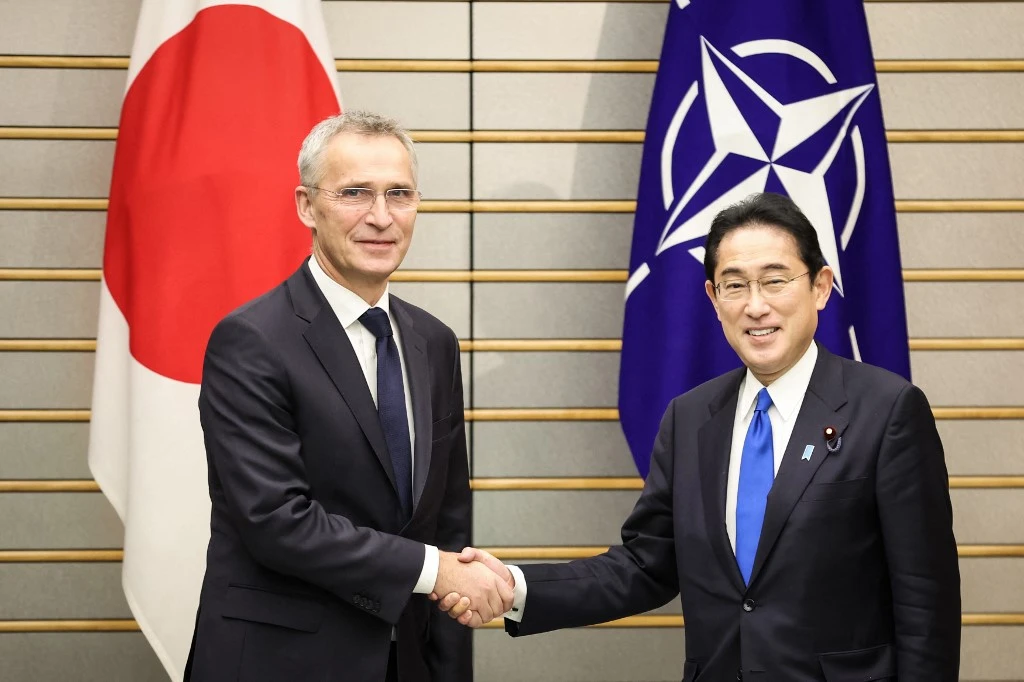
By elevating the issue of anti-Jewish hatred, the second gentleman has become a vital part of the Biden administration.
Washington Post
 The Brooklyn Times - bklyntimes.com
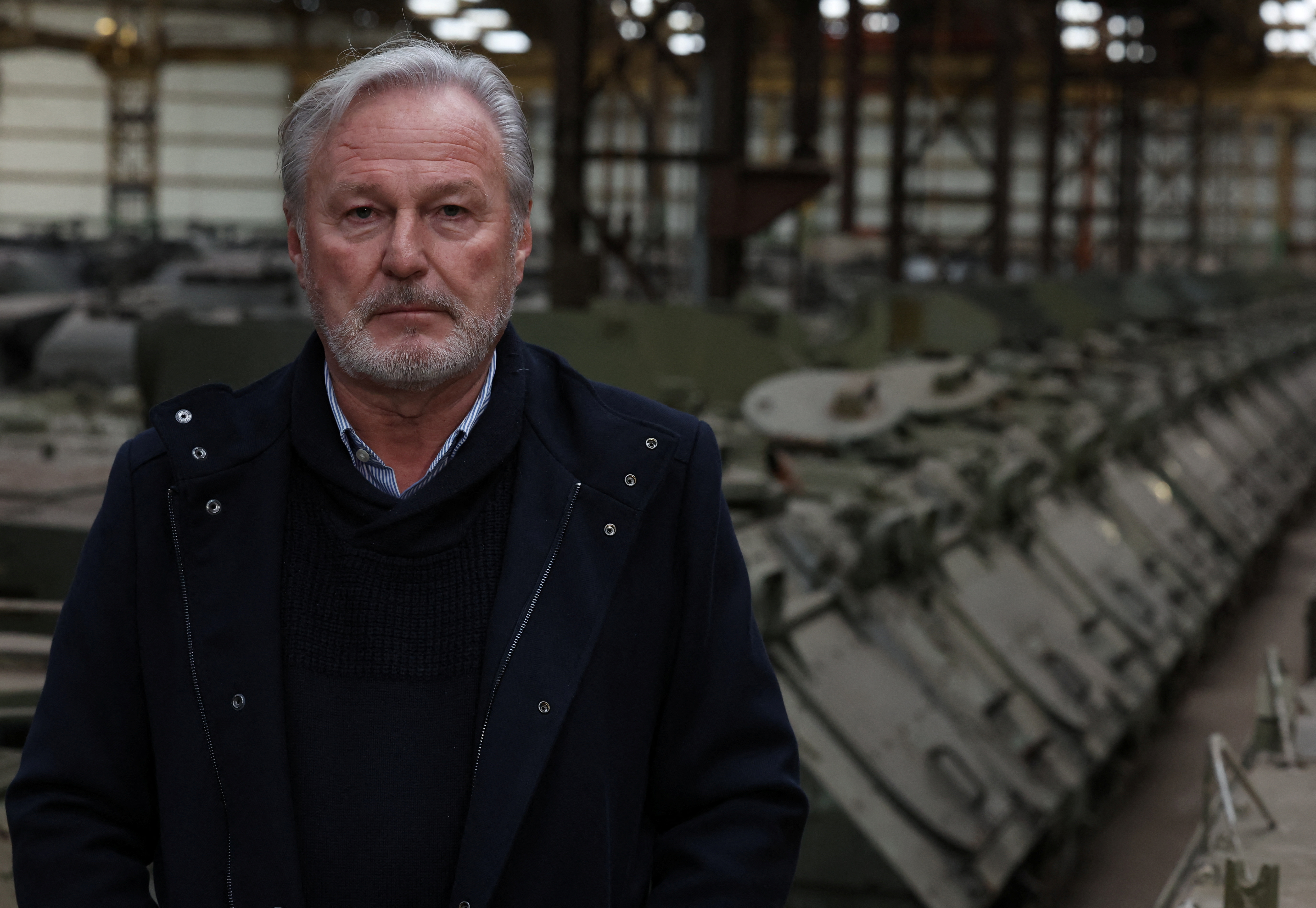
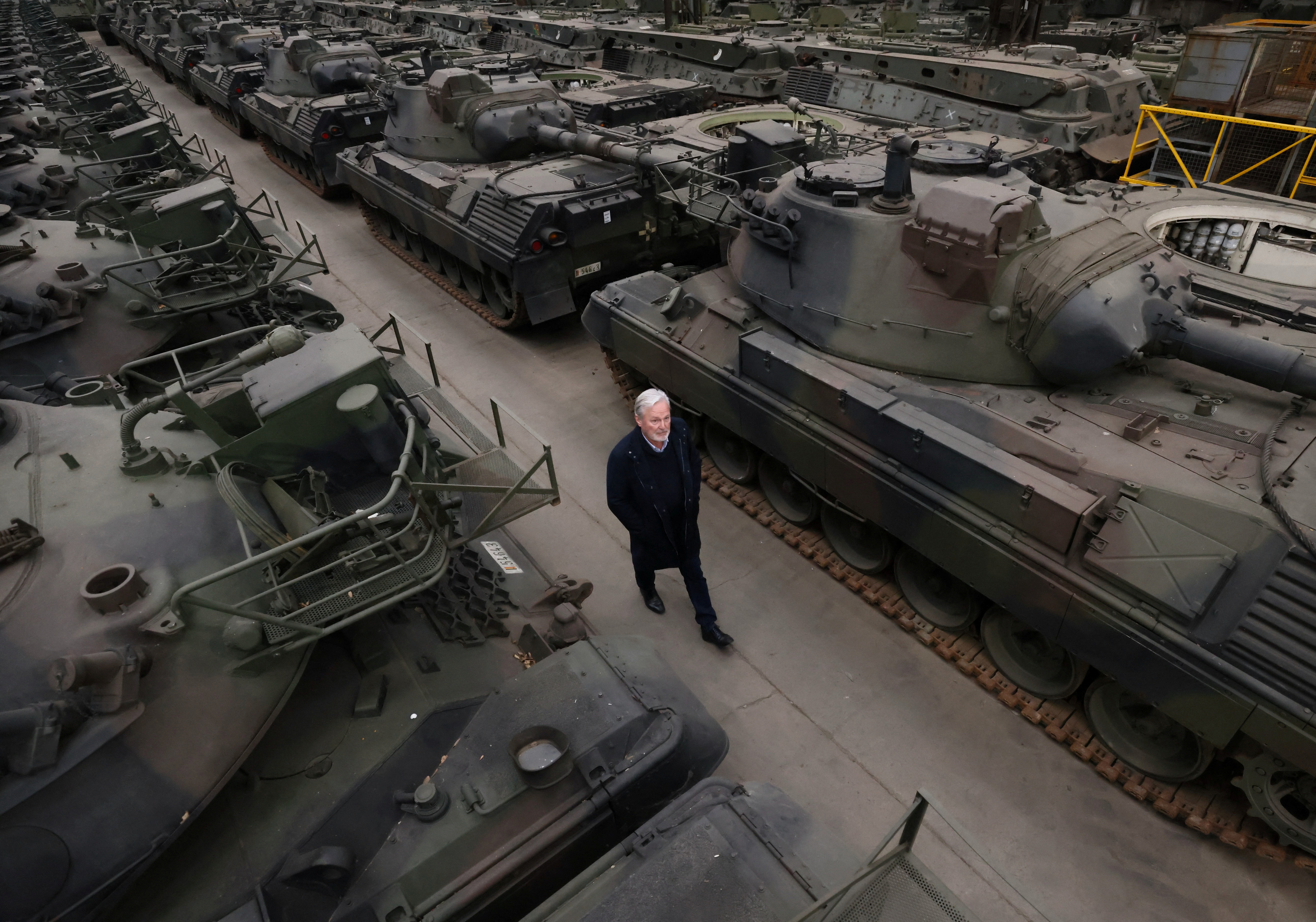
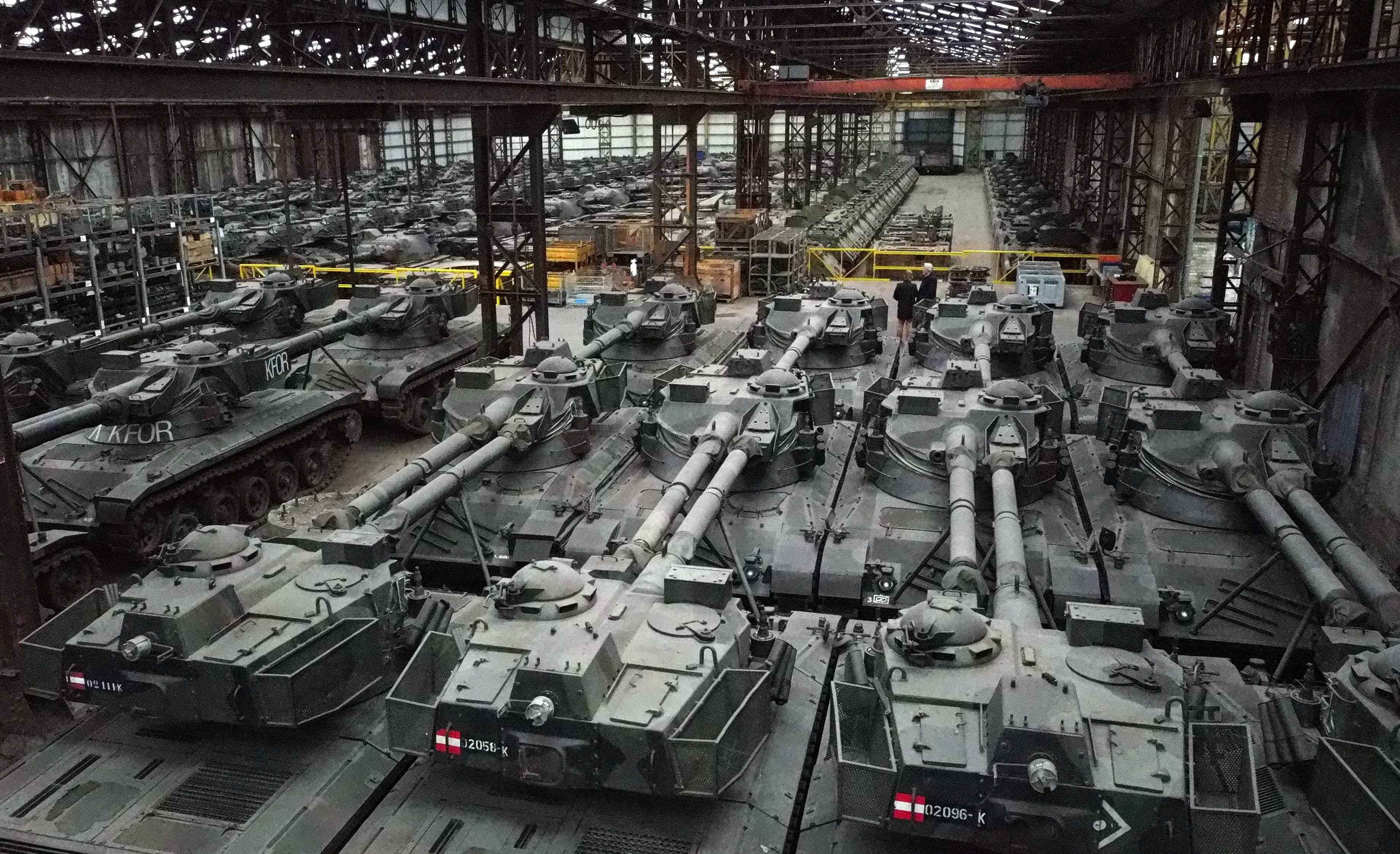
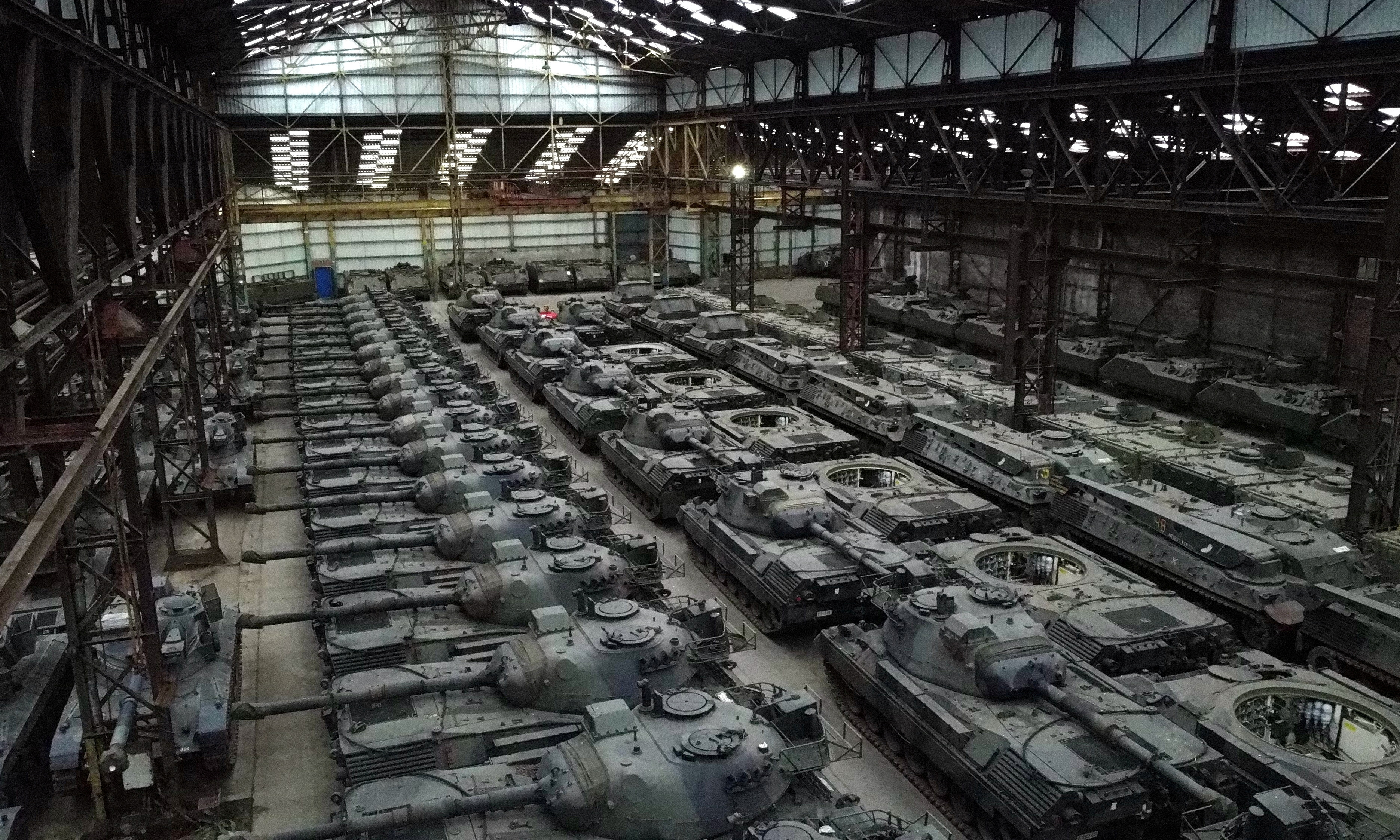
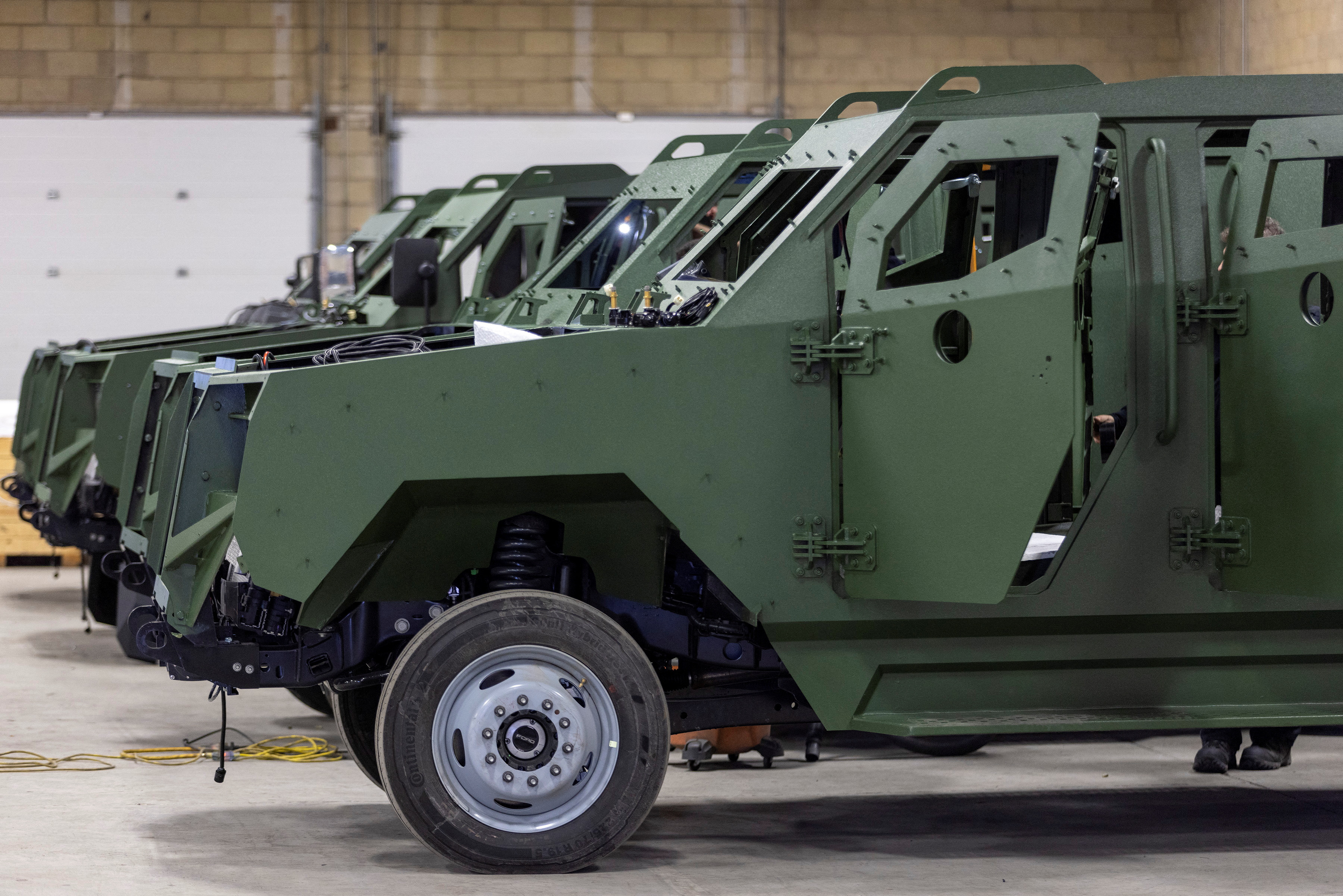
Freddy Versluys does not like to be called an arms dealer. But he does have a big warehouse full of second-hand tanks for sale.
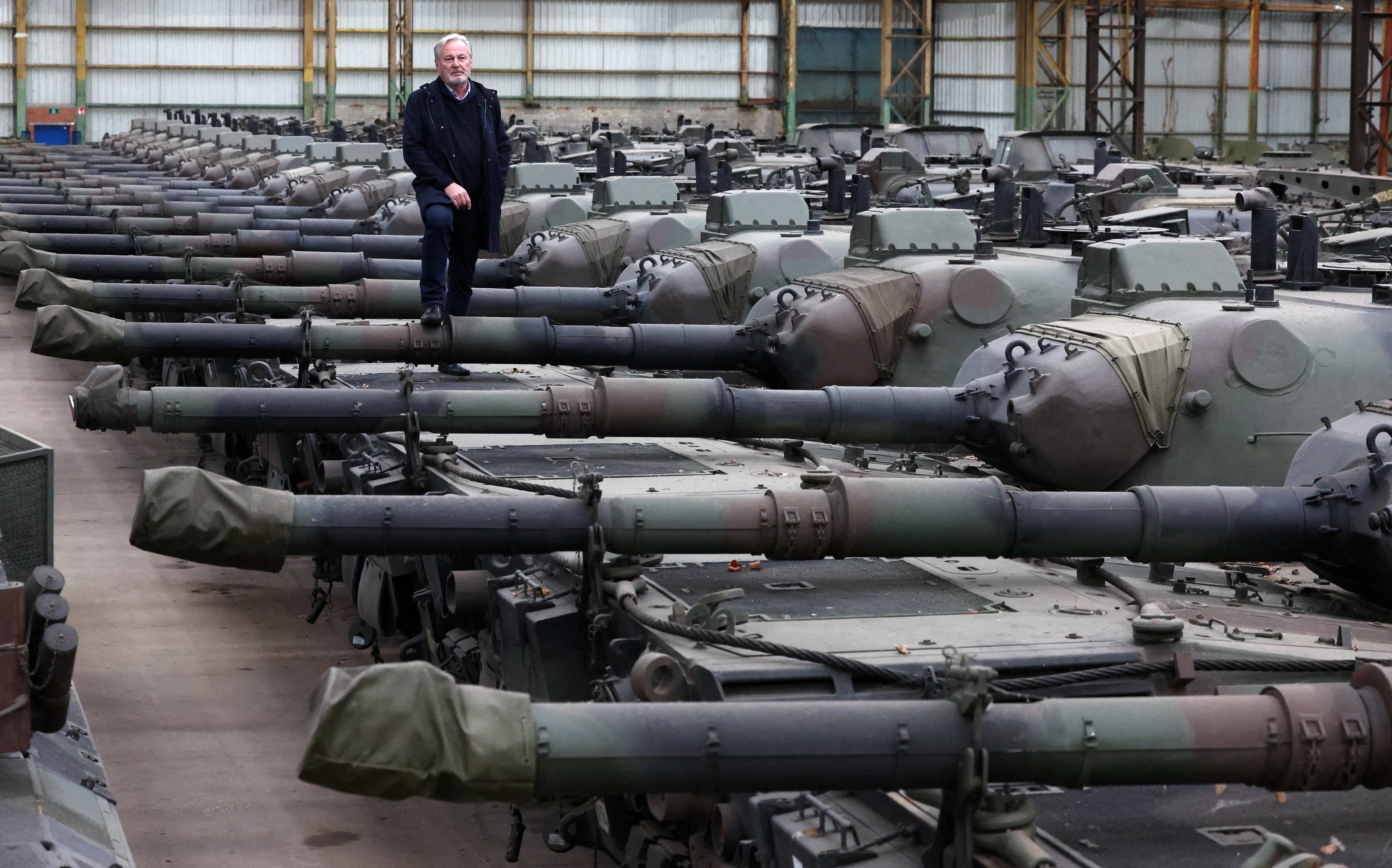
Standing next to dozens of German-made Leopard 1 tanks and other military vehicles in the chilly warehouse in eastern Belgium, Versluys stressed he is the CEO of two defence companies with a broad range of activities, such as making sensors for spacecraft.
But buying and selling weapons is part of his business too. And it’s the tanks that have brought him into the spotlight over the past few days, as he has engaged in a public battle with Belgian Defence Minister Ludivine Dedonder over the possibility of sending them to Ukraine.
While other Western nations have pledged in recent weeks to send main battle tanks to help Ukraine repel Russia’s invasion, Belgium has not joined that group, for one reason above all: It doesn’t have any tanks left. It sold the last of them – a batch of 50 – to Versluys’s company more than five years ago.
Asked why he bought the tanks, Versluys, a silver-haired man in his mid-60s, said that was his company’s business model – it bought unwanted military equipment in the hope that someone else would want it in future.
“There are still countries in the world who have these Leopard 1 tanks. So there’s always a possibility either to sell spare parts or to sell additional tanks,” he said.
But, he added: “Of course, it’s a gamble… Maybe tomorrow we will have to scrap them (or) 10 years later they can still be there.”
Dedonder has said the government has explored the idea of buying back tanks to send them to Ukraine. But she has blasted the prices quoted as “unreasonable” and “extremely high”. Tanks sold for 10-15,000 euros each are being offered for sale at 500,000 euros, despite not being operational, she has said.
The spat highlights a predicament faced by Western governments as they scramble to find more weapons for Ukraine after almost a year of intense warfare – arms they discarded as obsolete are now in high demand, and many are now in the hands of private companies.
Dedonder hasn’t named Versluys’s company, OIP Land Systems, in her accusations. But Versluys is sure he is her target. Dedonder declined a request for an interview.
Versluys has taken the unusual step of going public to dispute the minister’s assertions, offering a rare insight into the workings of a business that often prefers to keep a low profile.
Versluys said his firm bought the 50 tanks for about 2 million euros and only 33 were useable. That would mean a unit price of 40,000 euros for 50 tanks, or some 60,600 euros for 33.
He said his selling price could range anywhere from several hundred thousand to close to a million euros but that would include work to refit the tanks, which he insisted could be highly expensive.
Replacing the system that controls the gunfire could cost 350,000 euros per tank, replacing asbestos in the engine could cost 75,000 euros, he said. Each tank had to be assessed individually.
“We still have to look at what is their actual status and what we have to spend on them to make them suitable,” he said.
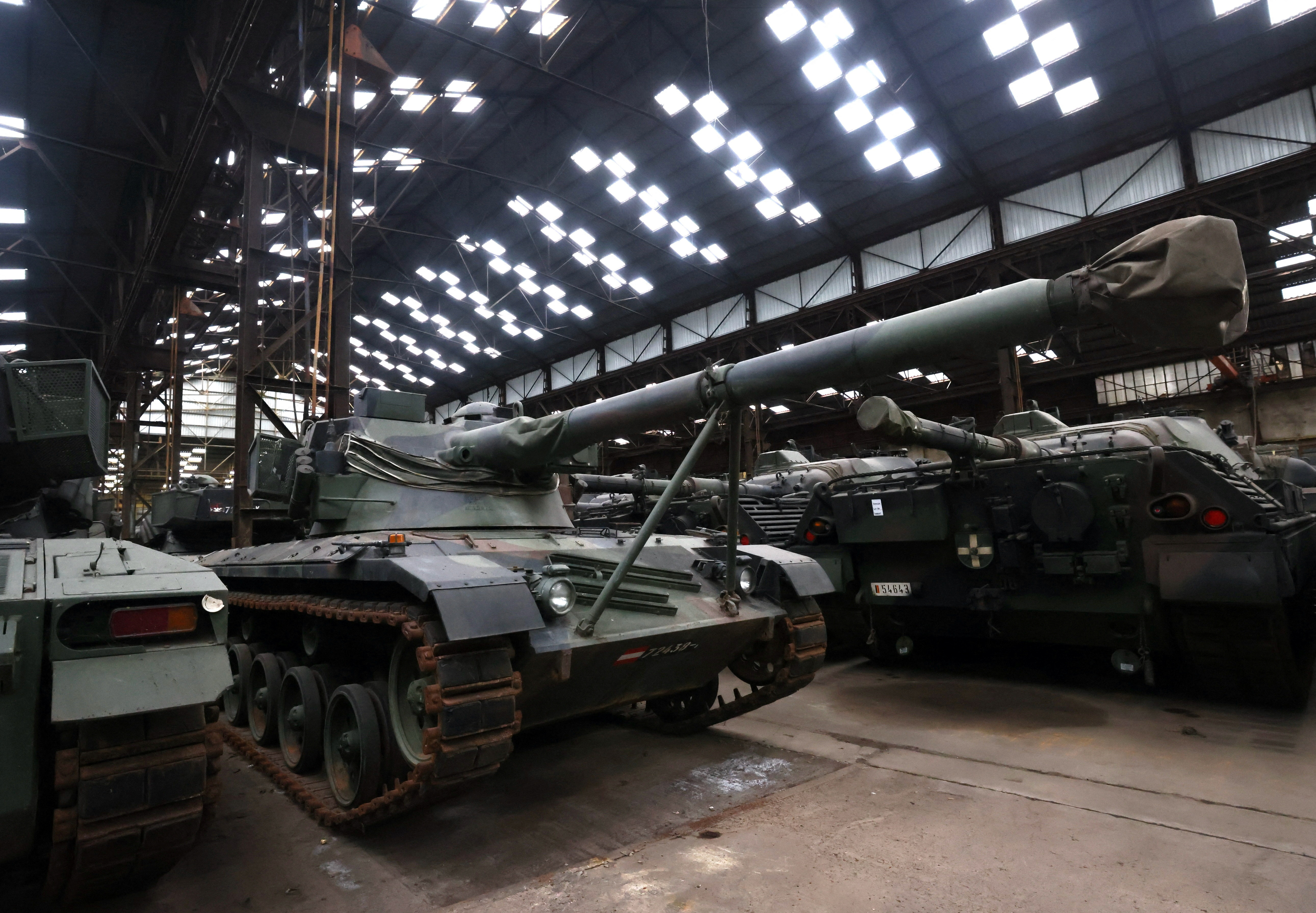
As part of his public offensive, Versluys has given journalists tours of his warehouse on the outskirts of the provincial town of Tournai. It resembles a military hypermarket, filled with lines of Leopard 1 tanks in dusty green and black camouflage and scores of other military vehicles, along with shelves stacked with spare parts and piles of webbing.
In his sales pitch, Versluys also emphasises that refitted Leopard 1 tanks could be battlefield-ready in months – much more quickly than new models ordered today, which will take years to produce.
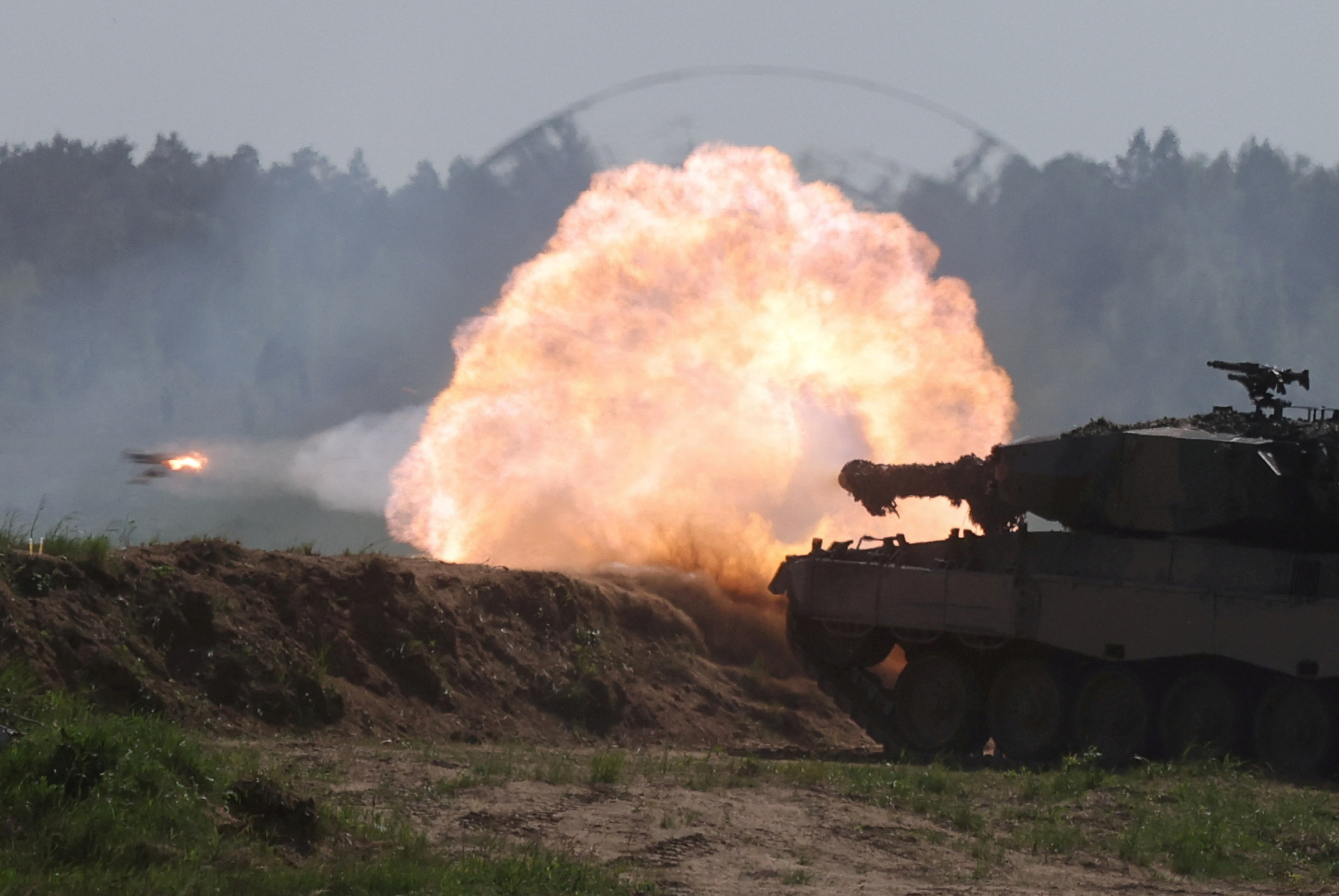
The Leopard 1 is the predecessor of the Leopard 2 tanks that Germany, Poland, Finland and other countries agreed last month to send to Ukraine. It is lighter than the Leopard 2 and has a different type of main gun. The models in Versluys’s warehouse were last upgraded in the 1990s.
Yohann Michel, an analyst at the International Institute for Strategic Studies think tank, said Leopard 1 tanks would not be as valuable on the battlefield as their successors.
But, he said, they could still be of some use in taking on older Russian tanks and in supporting infantry units, particularly if they were refitted to a high standard.
If Belgium does not buy back the tanks, another country could purchase them for Kyiv. Versluys said he had held discussions with several European governments about that option.
Last year, Britain bought 46 infantry fighting vehicles from his firm for Ukraine and sent out engineers who worked round the clock to refit them, Versluys said.
However, any export of Leopard 1s would require the approval from the Belgian region of Wallonia, where the company is based, and from Berlin, as the tanks were made by German firm KMW.
Versluys is a smooth salesman, reeling off names, model numbers and prices of numerous bits of military kit. He worked as an engineer in the Belgian military before going into business.
While he does not like the “arms dealer” label, he said the weapons business is better than its reputation: “Contrary to what people say, it’s quite a civilised market.”
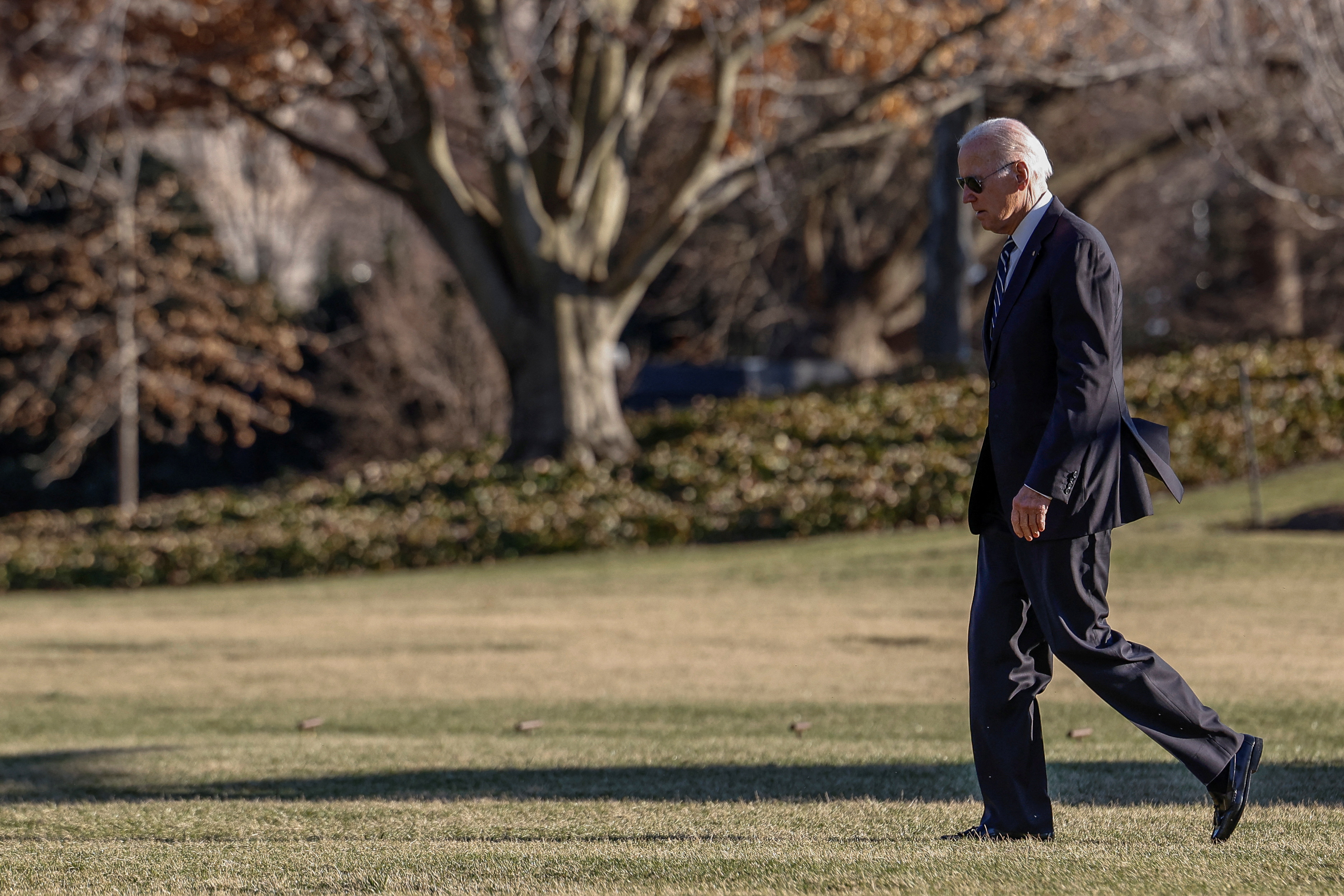
The U.S. Justice Department is conducting a planned search of Joe Biden’s Delaware beach house with the president’s cooperation, his lawyer said on Wednesday.
“We agreed to cooperate,” Biden’s personal lawyer, Bob Bauer, said in a statement, saying more information would be released after the search was concluded.
The Justice Department has previously searched the Democratic president’s home in Wilmington, Delaware, and an office space he had used.
Classified documents have also been found in the homes of former Republican President Donald Trump and his former vice president, Mike Pence.
Biden has vowed to cooperate with the searches and Pence had said he takes responsibility for the found documents. Trump resisted efforts to return materials in his possession, prompting a FBI search of his Florida home and resort last year.
U.S. Attorney General Merrick Garland has appointed two separate special counsels to review Trump and Biden’s handling of such documents as both eye the 2024 presidential election.
Meanwhile, the National Archives has reportedly asked all former U.S. presidents and vice presidents to search their personal records for classified documents or other presidential material that should have been turned over when they left office.
It is unlawful to knowingly or willfully remove or retain classified material, although no current or former president or vice president has been charged with wrongdoing.
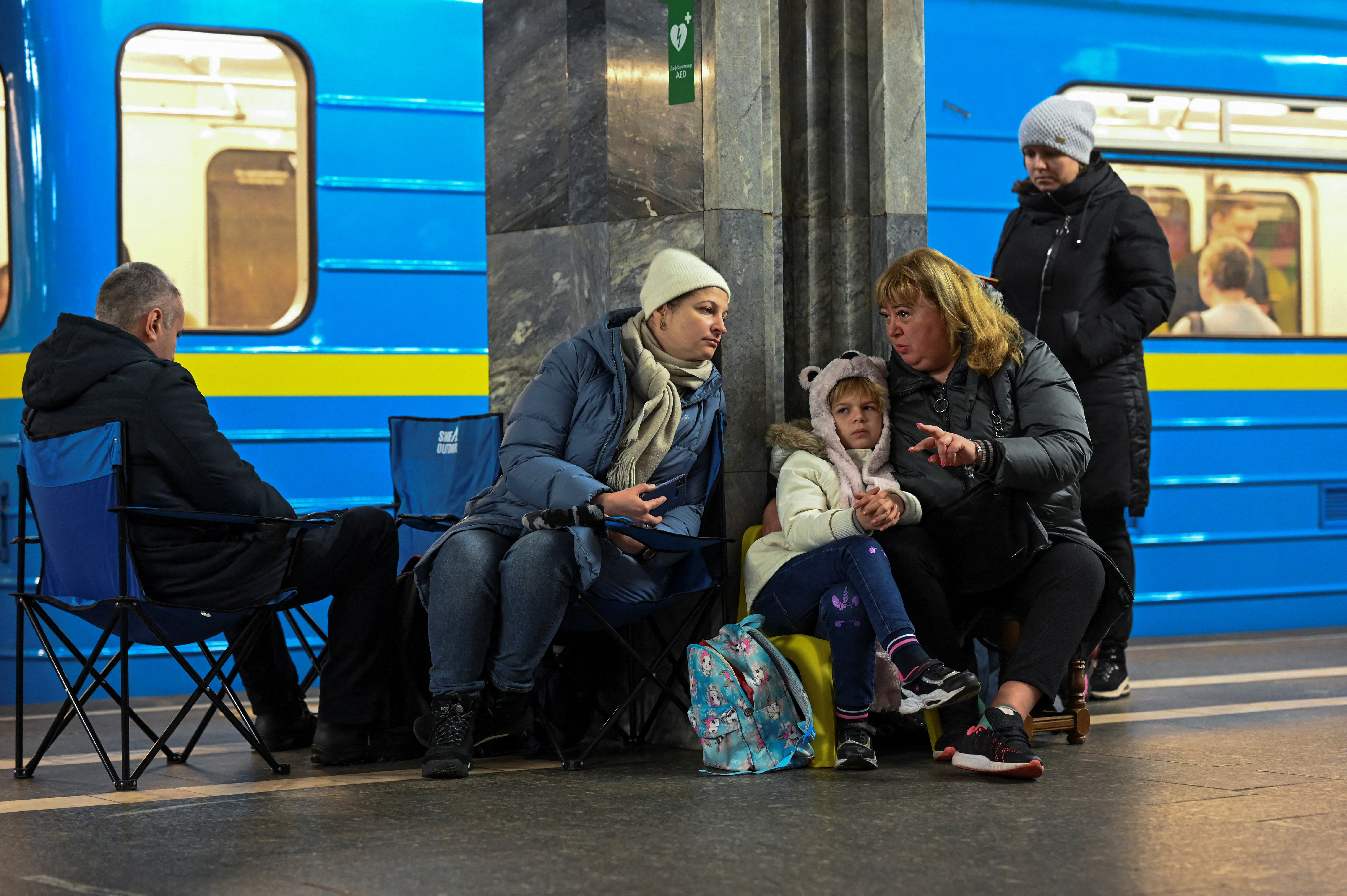
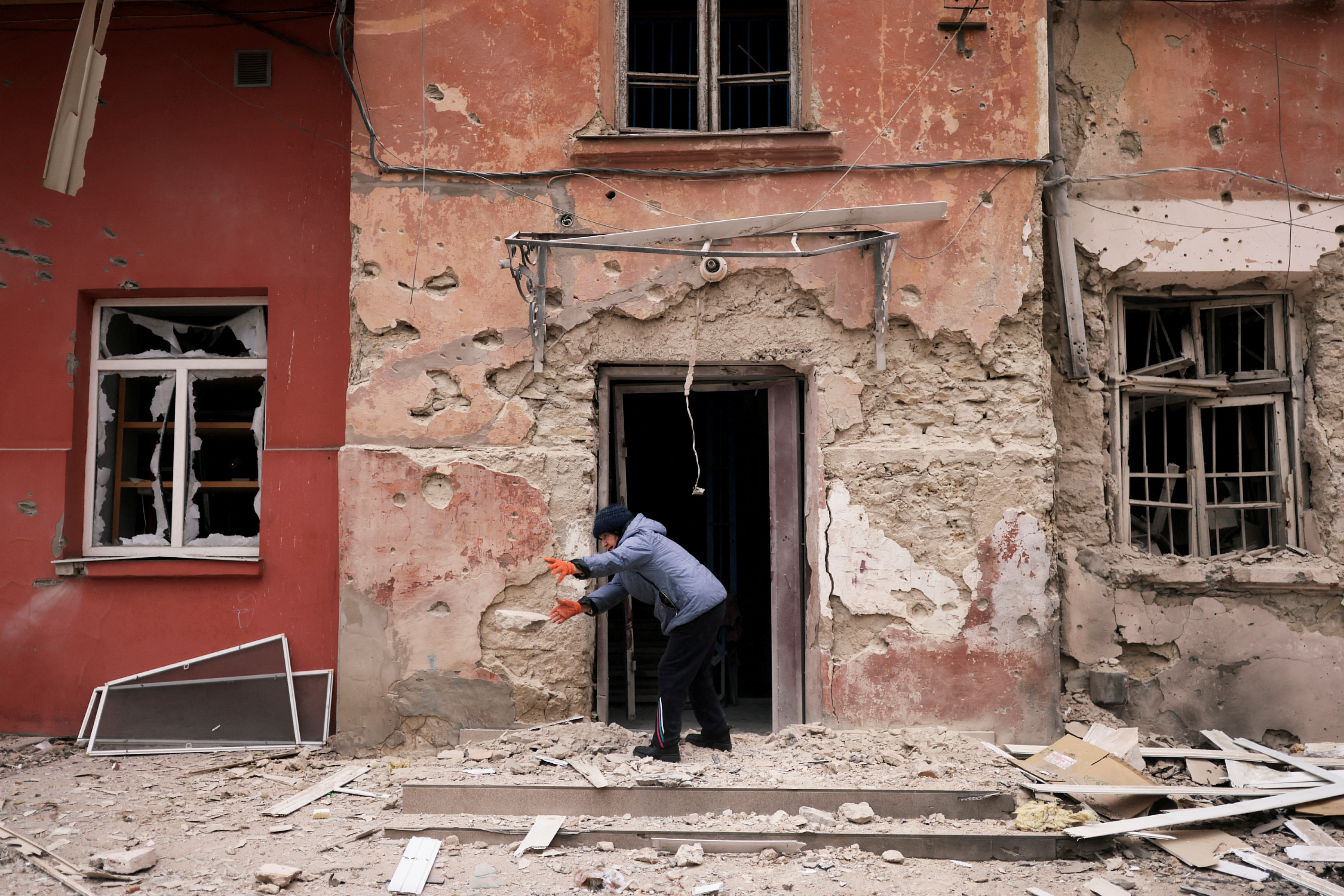
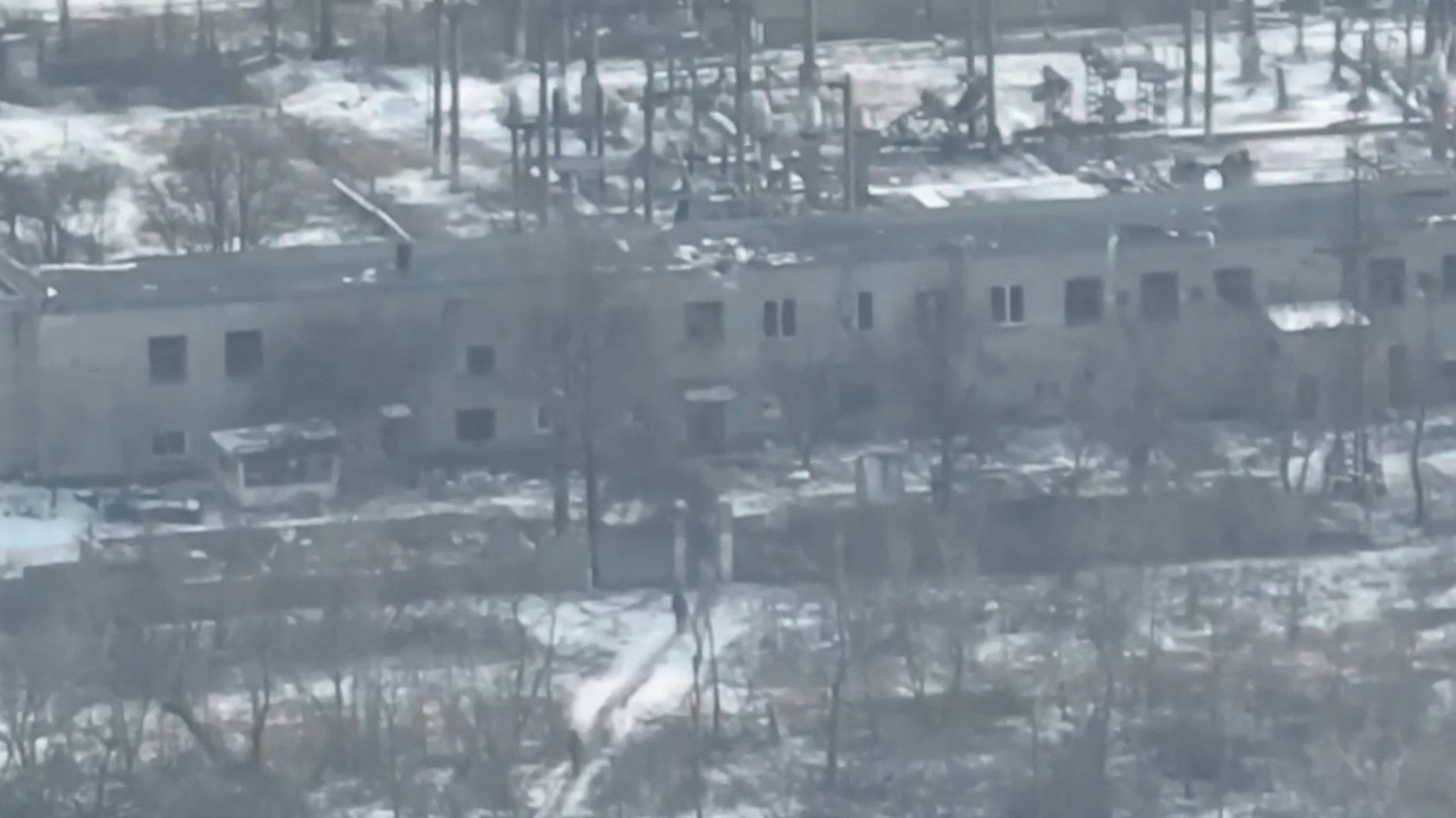
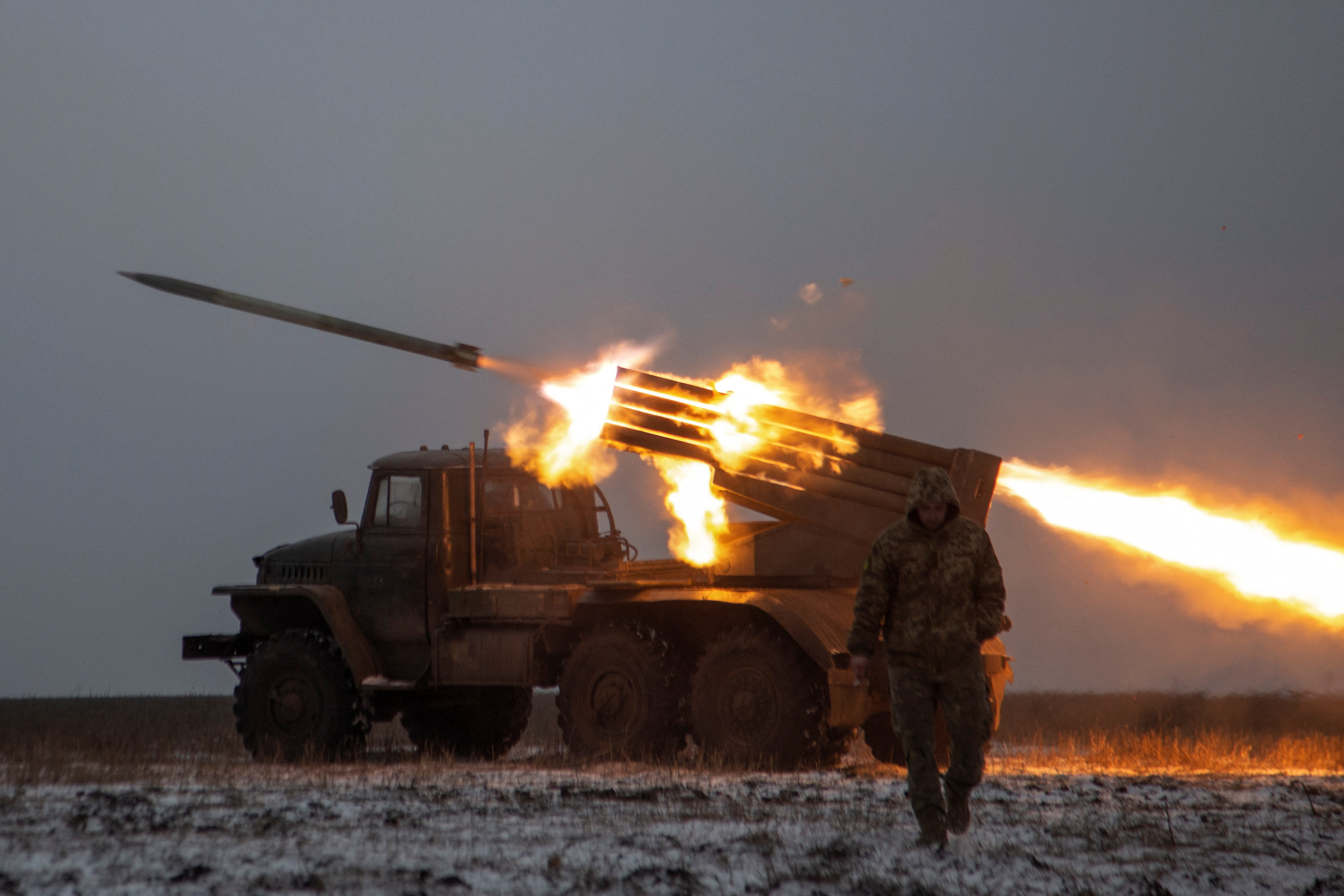
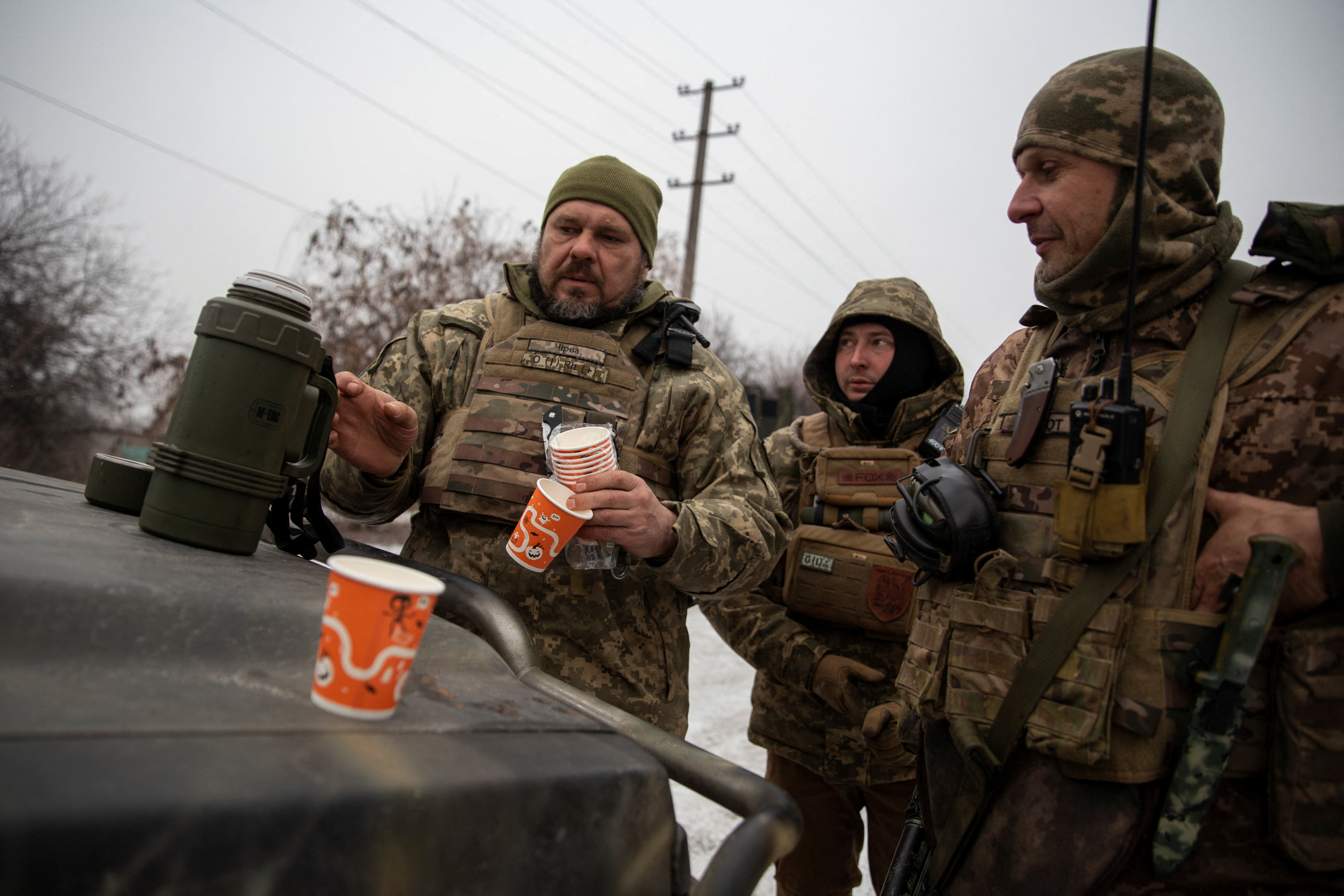
Ukraine’s military said its forces repelled an attack in the area of Blahodatne in the eastern part of the Donetsk region, while Russia’s Wagner private military group said it took control of the village.
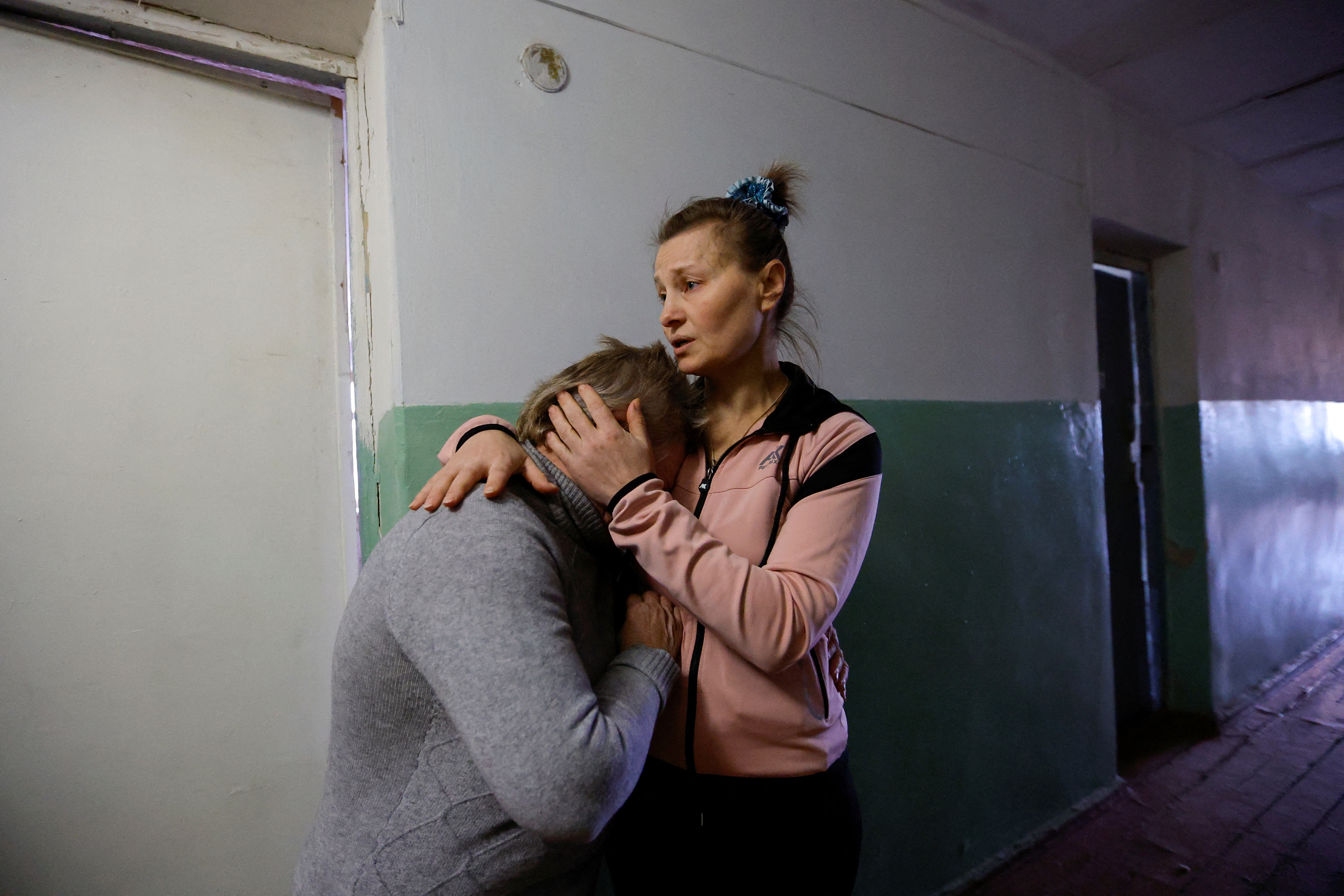
* Russia accused the Ukrainian military of deliberately striking a hospital in a Russian-held area of eastern Ukraine on Saturday in what it said was a war crime that killed 14 people and wounded 24 patients and medical staff. There was no immediate response to the allegations from Ukraine. Reuters was not able to independently verify the report.
* Ukrainian President Volodymyr Zelenskiy described the situation at the front as “extremely acute“, especially in the eastern Donetsk region where Russia is stepping up an offensive.
* Tearful mourners in Kyiv commemorated a British volunteer aid worker, Andrew Bagshaw, killed while attempting a rescue mission from the eastern Ukrainian town of Soledar.
* Russian President Vladimir Putin is open to contacts with German Chancellor Olaf Scholz though has no phone call scheduled with him, a Kremlin spokesman said. Scholz, who last week approved providing Leopard 2 battle tanks to Ukrainian forces, was quoted in a published interview as saying he would speak to Putin again but the onus was on the Russian leader to withdraw troops from Ukraine “to end this horrendous, senseless war…”
* Russia’s deputy foreign minister Sergei Ryabkov will hold a meeting with Lynne Tracy, the new U.S. ambassador, early next week, RIA news agency reported.
* Zelenskiy condemned the idea of neutrality in sports at a time when his country’s athletes fight and die in war, while their Russian counterparts might be allowed to compete.
* Russia said it will not hold annual talks with Japan on renewing a pact that allows Japanese fishermen to operate near disputed islands, saying Japan had taken anti-Russian measures.
* Expedited talks are under way among Ukraine and its allies about its requests for long-range missiles that it says are needed to prevent Russia from destroying its cities, a top aide to President Zelenskiy said.
* German arms-maker Rheinmetall is ready to greatly boost output of tank and artillery munitions to satisfy strong demand in Ukraine and the West, and may start producing HIMARS multiple rocket launchers in Germany, CEO Armin Papperger told Reuters.
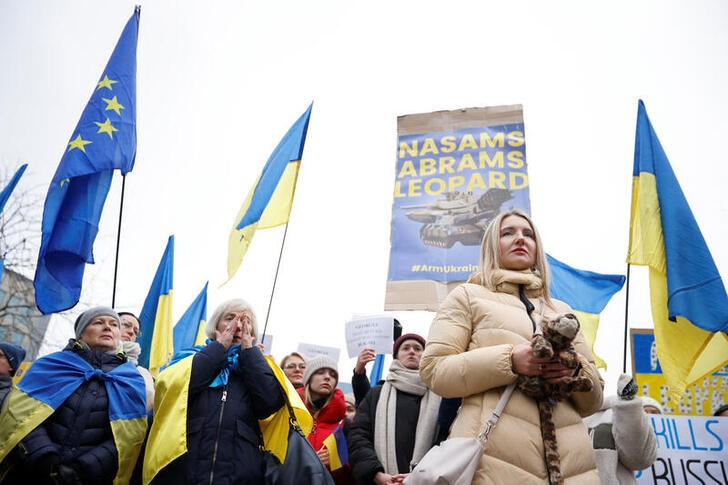
* Ukraine has been promised 321 heavy tanks by several countries, its ambassador to France said.
* Poland will send an additional 60 tanks to Ukraine on top of 14 German-made Leopard 2 tanks it has pledged, the Polish prime minister said in an interview with Canadian television.
* Ukraine imposed sanctions on 182 Russian and Belarusian companies, and three individuals, in the latest of a series of steps by Zelenskiy to block their links to his country.
* On a trip to Turkey and the Middle East this week, the U.S. Treasury Department’s top sanctions official will warn countries and businesses that they could lose U.S. market access if they do business with entities subject to U.S. curbs as Washington cracks down on Russian attempts to evade sanctions.
Tom Brady, one of the greatest NFL players in history, says he’s retiring—exactly one year after making a similar announcement, only to renege and return to the field. This time, though, he says it’s “for good.”
After completing his 23rd season, the 45-year-old quarterback marked the end of his career with a short video on social media—and poked fun at his previous false start on retirement.
“I’m retiring. For good,” Brady said in the clip. “I know the process was a pretty big deal last time, so when I woke up this morning I figured I’d just press record and let you guys know first.” He added: “It won’t be long-winded. You only get one super emotional retirement essay and I used mine up last year.”
[time-brightcove not-tgx=”true”]
Truly grateful on this day. Thank you 🙏🏻❤️ pic.twitter.com/j2s2sezvSS
— Tom Brady (@TomBrady) February 1, 2023
Brady concluded his announcement by thanking his personal and professional supporters.
Brady departs from the NFL as a seven-time Super Bowl winner with records in passing yards and touchdown passes. He made his Super Bowl debut as a second-year quarterback in 2002 and secured six titles for the New England Patriots. His final Super Bowl ring came with the Tampa Bay Buccaneers in 2021.
On Feb. 1, 2022—after three seasons with the Buccaneers—Brady first announced his retirement, but he reversed the decision six weeks later citing “unfinished business.”
Brady’s final year in the sport saw him as the oldest active player in the NFL but his personal performance was still strong. His team finished the season with an 8-9 record and lost to the Dallas Cowboys in the wild-card round of the playoffs. In October, Brady also announced that he and supermodel Gisele Bündchen, whom he was married to for 13 years, had filed for divorce.
While his athletic career may be over, Brady retires to a number of other projects including a 10-year contract with Fox Sports worth $375 million. He also has a clothing brand called BRADY, a wellness brand called TB12 Sports, and his company 199 Productions.
Below, a short timeline of Brady’s NFL career.
Brady’s last Super Bowl title with the New England Patriots.
Brady announces he’s leaving the New England Patriots.
Brady wins his seventh and final Super Bowl with the Tamp Bay Buccaneers.
Brady wins with the Buccaneers against his former team, the Patriots.
The Buccaneers are knocked out of the playoffs.
Brady announces his decision to retire from football.
March 13, 2022
Brady takes back his retirement and announces his return to the NFL.
Brady became the first NFL player in history to reach 100,000 passing yards.
The Buccaneers become the first ever NFL team to win a game in Germany.
Brady and partner Gisele Bündchen announce divorce.
Brady announces he will retire “for good.”
Quilômetros e quilômetros de plantações de soja, cidades planejadas, caminhões, caminhonetes, placas de corporações do agro, lojas de grife. O cenário das rodovias e dos municípios de Mato Grosso é de notável crescimento. E o preço da terra acompanha. A nova realidade é a seguinte: fazendas vendidas a R$ 200 milhões, R$ 500 milhões e até R$ 1,5 bilhão.
Durante o governo de Jair Bolsonaro, o real depreciado e o boom das commodities levaram o valor da terra a um novo patamar. Só entre 2019 e 2021, o preço do hectare — equivalente a 10 mil metros quadrados – entre 10 das principais cidades do agronegócio no estado saltou de uma média de R$ 20 mil para R$ 43 mil.
Nos últimos 20 anos, o aumento foi de 1.700% – o que representa uma multiplicação por dezoito vezes no período. Nessa mesma janela, a inflação foi de 240%, segundo o IBGE, e o preço da soja, um dos principais fatores de valorização dessas terras, cresceu em 489%, de acordo com dados do Centro de Estudos Avançados em Economia Aplicada da Universidade de São Paulo.
Os dados sobre valorização das terras são da consultoria IHS Markit e foram compilados a pedido de O Joio e O Trigo e do Intercept, pelo pesquisador Junior Aleixo, do Grupo de Estudos sobre Mudanças Sociais, Agronegócio e Políticas Públicas da Universidade Federal Rural do Rio de Janeiro.
Ele apontou que o aumento de projetos de infraestrutura relacionados ao agronegócio – como os das ferrovias Fato e Ferrogrão – pode explicar parte dessa dilatação. “Quando se indica que vai haver um projeto, há um aumento substancial no valor dessas terras”, disse.
Para o levantamento, foram selecionadas as fazendas com produtividade “média” e que tenham como finalidade “cultivo de grãos”, conforme as categorias da IHS Markit, em 10 cidades-chave do agronegócio no Mato Grosso: Brasnorte, Canarana, Campo Novo dos Parecis, Diamantino, Lucas do Rio Verde, Nova Mutum, Querência, Sapezal, Sinop e Sorriso. Segundo o IBGE, esses municípios produziram o equivalente a R$ 56 bilhões em produtos agrícolas e 24 milhões de toneladas de soja e milho em 2021.
As cidades analisadas têm estado no centro das atenções também pelo ponto de vista político: elas forneceram apoio entusiasmado à reeleição de Jair Bolsonaro e também a atos golpistas. Em 2021, Antonio Galvan, então presidente da Associação dos Produtores de Soja de Mato Grosso, chegou a ser investigado por financiar manifestações antidemocráticas . No ano seguinte, o ministro Alexandre de Moraes, do Supremo Tribunal Federal, determinou o bloqueio de contas de dezenas de empresários do agronegócio de Mato Grosso envolvidos em uma nova onda de ataques às instituições brasileiras.
O período Bolsonaro marcou também uma forte expansão do cultivo de soja no estado. A área de produção aumentou em 2 milhões de hectares – o equivalente em tamanho ao território de Sergipe.
Parte desse avanço se dá sobre assentamentos que antes eram utilizados para a produção de alimentos. Em Sorriso, capital oficial do agronegócio, os moradores do assentamento Jonas Pinheiro orgulham-se da produção de mandioca e têm até uma pequena fábrica onde a transformam em farinha. Mas eles convivem com a incerteza.
“Aqui no assentamento tem gente que planta soja, mas não sei nem como é que vende”, disse o morador Márcio Manoel da Silva. “Quando a gente quer fazer uma cultura legal, sem produto químico, não consegue recurso. E esse povo consegue, não sei como”, desabafou.
Em 2021, o assentamento tinha 1.777 hectares tomados pela soja, segundo o MapBiomas. Um terço dessa área foi ocupada nos três anos anteriores, durante o governo Bolsonaro.
Algumas das maiores altas no preço da terra se dão justamente nessa região. Entre 2020 e 2021, o valor do hectare dobrou em Sorriso, de R$ 25,5 mil para R$ 51,4 mil, e em Lucas do Rio Verde passou de R$ 26,5 mil para R$ 51,7 mil. Sinop, cidade tida como a capital do chamado Nortão de Mato Grosso, registrou uma valorização ainda mais expressiva: de R$ 17,5 mil para R$ 43,5 mil.

Outdoor em homenagem ao então presidente Jair Bolsonaro na BR-163, no interior de Mato Grosso.
Foto: Paula Soprana/Folhapress
A alta das commodities tem reflexos nas áreas urbanas. Bairros planejados, com nomes em alusão a países da Europa central, são construídos em áreas valorizadas de Mato Grosso, enquanto favelas nascem às margens de cidades como Sorriso e Sinop. O processo de ocupação reflete também a prioridade em termos de obras de infraestrutura. Ao circular pelas cidades com terras mais valorizadas, é difícil ignorar as promessas de chegada de ferrovias e rodovias.
É o caso justamente do Nortão mato-grossense, que recebeu a bênção do governo federal para abrigar a Fato, Ferrovia Autorizada de Transporte Olacyr de Moraes. Nascido como empreendimento privado da Rumo, maior operadora logística do Brasil, o ramal conectará as cidades-chave do Nortão à ferrovia que vai de Rondonópolis, no sul do estado, ao porto de Santos, litoral paulista. O Ministério Público Federal contesta a obra, que afetaria duas terras indígenas do povo Bororo. Tanto a Funai quanto o Ibama, sob o bolsonarismo, ignoraram apelos das áreas técnicas por um maior cuidado com o empreendimento.
Não é uma situação isolada: uma série de ferrovias ligarão o estado a corredores de exportação via Norte, Nordeste e Sudeste.

Mapa: O Joio e O Trigo
O clima político criado pelo bolsonarismo, aliás, também se transforma em valor de mercado. Fontes ouvidas pelo Joio e pelo Intercept confirmam que o aval para grilagem, desmatamento e avanço sobre terras públicas se reflete em um aquecimento da corrida fundiária.
Na série “Muito além da porteira”, o Joio mostrou como o atrelamento entre mercado financeiro e agronegócio atingiu um novo patamar no governo Bolsonaro. As maiores lideranças da área projetavam que os instrumentos privados ultrapassariam o Plano Safra, de dinheiro público, como principal meio de financiamento do setor – o que de fato ocorreu.
A Lei do Agro, sancionada em 2020, facilitou investimentos em Letras de Crédito do Agronegócio e Certificados de Recebíveis do Agronegócio, títulos vendidos no mercado financeiro que, de formas distintas, permitem que pessoas físicas invistam no setor. Logo em seguida, o Congresso aprovou um projeto de lei que regulamentou os fundos de investimento do agronegócio, os Fiagro.
O pesquisador Junior Aleixo acredita que o custeio da produção via mercado financeiro contribuiu para a explosão no valor da terra, por facilitar o fracionamento das propriedades – dadas como garantia nos empréstimos – e a transmissão do título de propriedade sem a necessidade de arbitragem judicial, o que representa “uma garantia jurídica para os investidores”.

Jair Bolsonaro cumprimenta apoiadores durante visita ao estado do Mato Grosso durante a presidência.
Foto: Paula Soprana/Folhapress
A explosão no valor das terras também consta de relatórios do mercado financeiro. Em 2021, a incorporadora de terras Brasil Agro, uma das maiores do setor, anunciou a venda de uma parte de sua propriedade em Alto Taquari, no sul de Mato Grosso, pelo valor recorde de R$ 218,6 mil por hectare. Era o dobro de uma negociação na mesma área feita apenas um ano antes, além de 24 vezes mais que o valor de compra em 2007.
Este ano, um relatório enviado ao mercado financeiro pela Brasil Agro mostra que a empresa comprou uma fazenda em Querência, também em Mato Grosso, por R$ 26 mil o hectare. O valor é cerca de 70% do indicado pelas projeções da IHS para o município.
O comunicado “Valor das Terras 2022”, de outra grande incorporadora, a SLC Agrícola, indica que as fazendas que a empresa já detinha em 2007 tiveram uma valorização de 700% de lá até o ano passado – e que, entre 2021 e 2022, o conjunto de terras da empresa se valorizou em 34%.
A desvalorização do real também entra na equação, ao tornar os produtos brasileiros mais competitivos no exterior. Com o crescimento das exportações, “houve altos ganhos” para o agronegócio, explicou Abelardo Gonçalves, diretor da Associação Paulista de Extensão Rural, a Apaer. “Se o principal fator de produção para entrar nesse mercado é a terra, então a terra vai se valorizar.”
O analista Lucas Uehara, da consultoria Agrotools, avaliou que os incrementos na produtividade do plantio de grãos também podem ter ajudado a puxar o preço para cima. “As multinacionais trouxeram produtos comerciais e princípios ativos [de agrotóxicos] novos, houve a adoção do plantio direto [técnica de manejo diferenciado da terra] e aperfeiçoamentos na análise química, física e biológica do solo”, argumentou.
Segundo o Ministério da Agricultura, até 2032, a área de produção de soja em Mato Grosso crescerá 30% em relação a 2021-2022, chegando ao dobro do segundo maior estado produtor, o Rio Grande do Sul. O mercado aquecido reflete também a convicção de que o país, na soma, ultrapassará os Estados Unidos como maior fornecedor global de commodities – nesse sentido, a terra brasileira seria, ainda, relativamente barata.
The post Com Bolsonaro, preço das terras dobrou em capitais do agronegócio em Mato Grosso appeared first on The Intercept.
Advertisements – Advertising at The News And Times – advertising-newsandtimes.com | WE CONNECT!
Audio | Video | Top News | On Twitter | Security | FBI | Capitol Riot | JOSSICA | Trump | Russia | Putin | Russia – Ukraine War | Covid-19 | Brooklyn NY | Puerto Rico | World
September 16, 2026 3:53 pm
The News And Times | Featured Posts | All Articles | Current News | Selected Articles | Shared Links | Opinions | In My Opinion | Sites | Blogs | Links | Twitter | Facebook

Contact Form | Blogs | Sites | News Reviews | Links | Advertising
All The News That’s Fit To Web