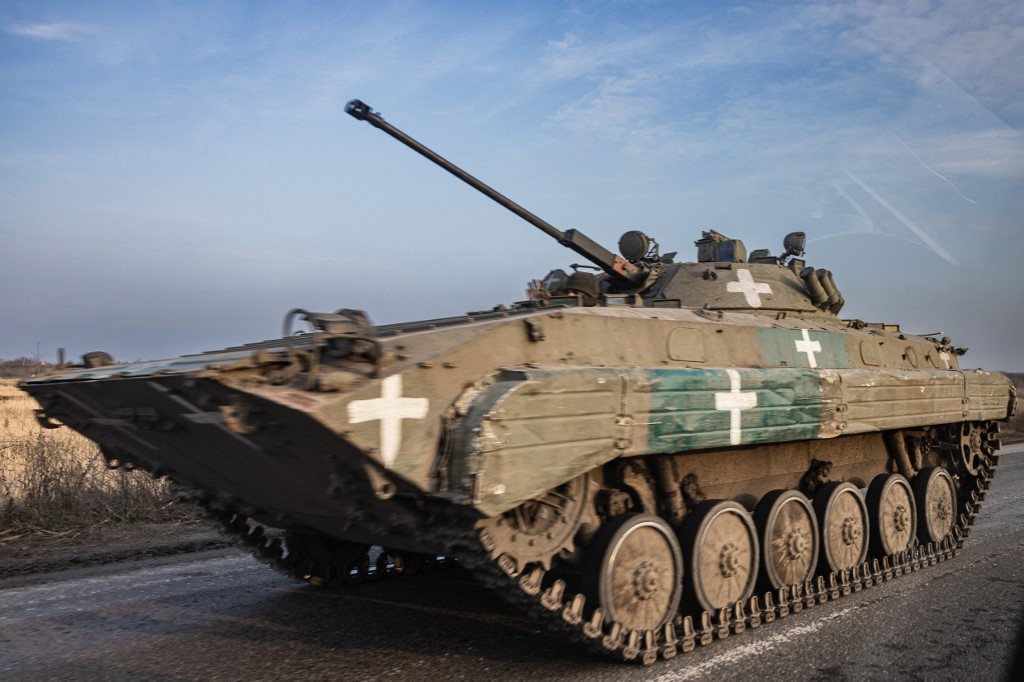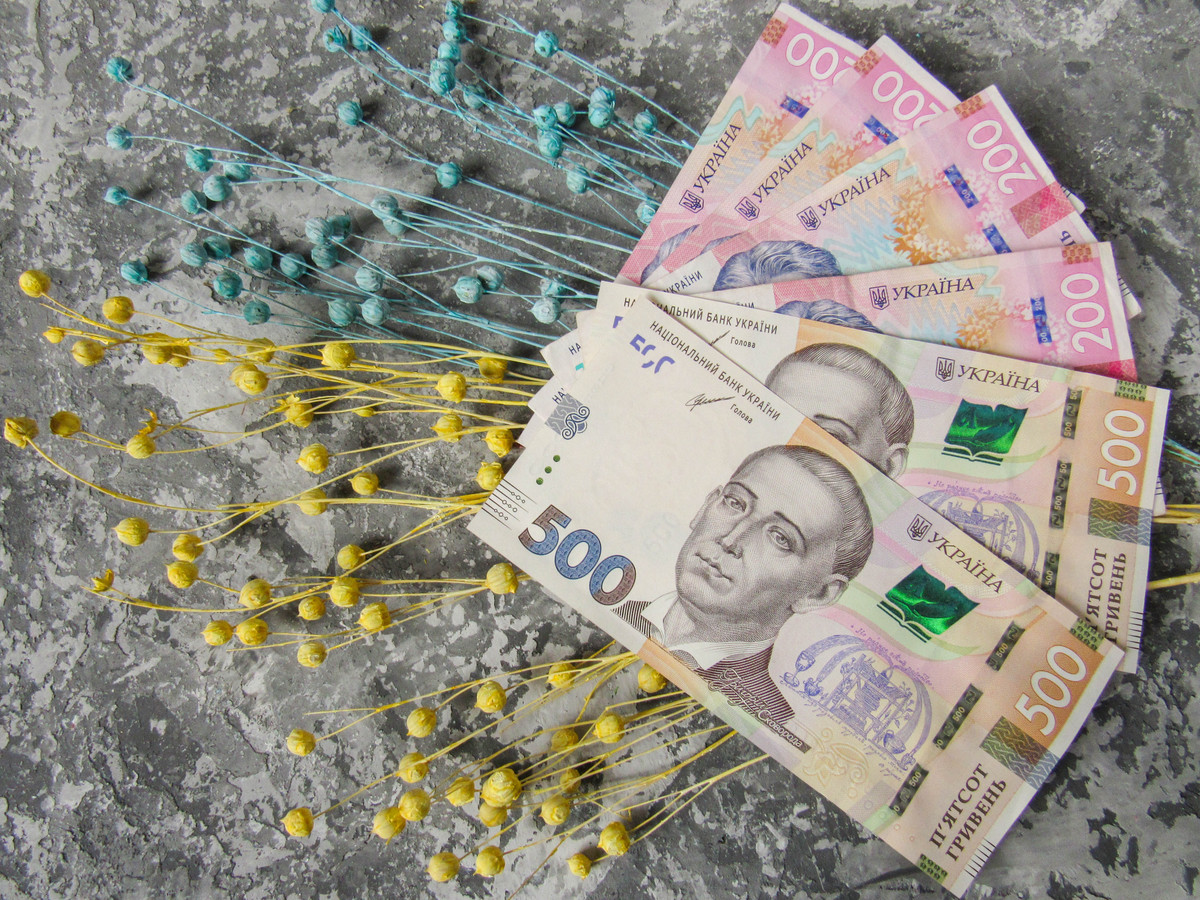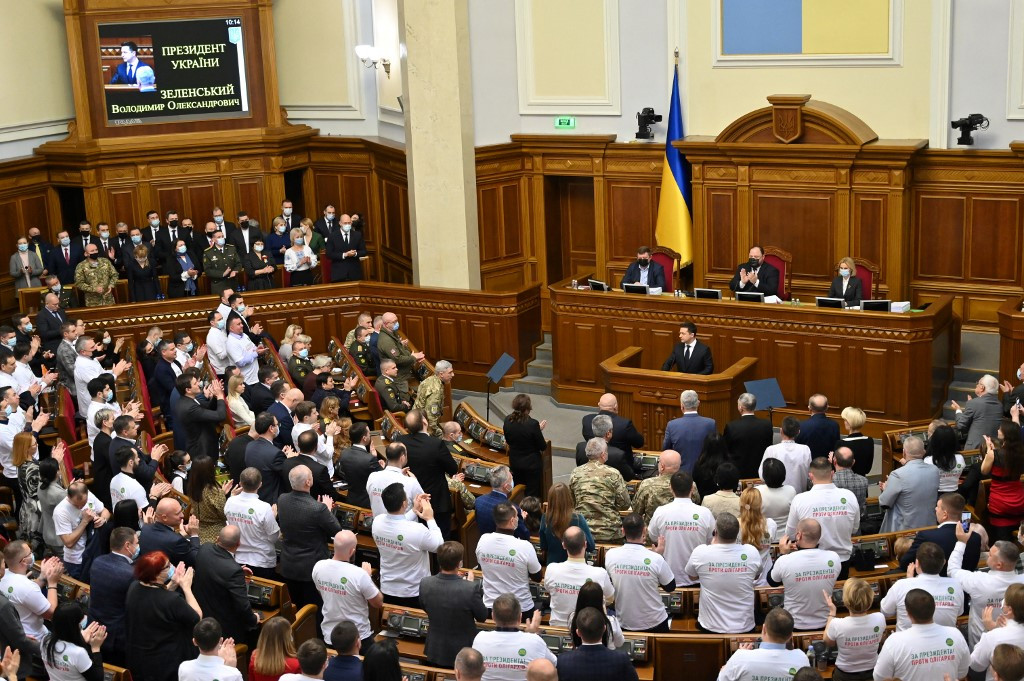
The Verkhovna Rada has passed two bills to do away with the shadow alcohol and tobacco markets.
 The Brooklyn Times - bklyntimes.com
China’s deteriorating strategic situation and President Xi Jinping’s consolidation of power appears to raise the possibility that a desperate leadership might risk aggression against Taiwan. But Xi’s ascent to supreme power masks a far more significant development—the weakening of the Chinese state. Beijing’s military options against Taiwan are constrained by the consequences of declining state capacity and legitimacy. Incapable of reversing the situation, Beijing will face growing incentives to favor more limited courses of action when contemplating military options against Taiwan. More research is urgently needed to better understand how weakening state capacity might affect considerations of the use of force among rival great powers.
Once vaunted as the next superpower, China has stumbled in recent years. Coronavirus-related restrictions may have eased after weeks of protests, but now the country appears to be dealing with a major outbreak of the virus. Beijing’s struggles to contain the virus merely exacerbate a worsening economic situation. Per-capita income growth has slowed to a crawl, and there are few good prospects for reviving the country’s flagging growth. The property market, which drives about one-third of China’s economic activity, remains deeply troubled. Unemployment for the country’s youth has hovered around 20 percent through most of 2022. Owing to unresolved structural factors and looming demographic challenges, China’s economy is, accordingly, expected to slow dramatically in coming years, averaging perhaps 2 to 3 percent annually through mid-century.
The compounding troubles coincide with a dramatic consolidation of power by Xi Jinping. At the 20th Party Congress, Xi secured a third term as supreme leader. He has suppressed rivals and elevated repression of dissent to the highest level since Tiananmen Square. Observers have noted the many ways in which Xi has imitated Mao Zedong’s personalized style of rule. Xi himself has encouraged the comparison with pilgrimages to revolutionary historic sites and incessant propaganda that borders on a cult of personality not unlike Mao. Some experts have claimed that Xi has gained more power than Mao ever had, noting in particular the absence of rivals or organized opposition among elites. Xi also presides over a rapidly modernized military that surpasses—by orders of magnitude—Mao’s People’s Liberation Army (PLA) in lethality and sophistication. By any measure, the PLA is second only to the U.S. military. China also possesses a large state-controlled defense industry. Some experts have claimed that Xi’s unchallenged political power and control of such a large economy and modern military make him “the most powerful man in the world.”
The combination of a weakening strategic situation and an increasingly despotic regime has left Xi with few constraints on his power. Many observers fear that a Beijing despondent over the country’s deteriorating situation could risk military adventurism as a diversion. Analysts warn that the situation could motivate China to risk aggressive behavior against Taiwan, disputed islands in the first island chain, and in foreign policy more generally. Russia’s invasion of Ukraine provides a vivid contemporary example of such a danger, but experts also cite precedents from World War I and II. Hal Brands has warned that China might consider war once it senses that a “geopolitical window of opportunity” may be closing. Moreover, China’s own history provides a precedent in which an internally troubled China carried out a major war along its periphery. In the early 1950s, an impoverished China still grappling with internal unrest leftover from the Chinese Civil War nonetheless undertook a major military intervention in Korea. Supreme leader Mao Zedong ordered columns of “volunteer” troops to fight American forces to a stalemate, at the cost of over a million Chinese casualties.
The argument that an increasingly powerful Xi might hope to stave off a bleak future with military aggression appears compelling. A major flaw in that argument, however, is that it confuses Xi’s political strength with the Chinese state’s strength. Paradoxically, Xi’s ascent to supreme power has coincided with a tremendous weakening of the Chinese state. It is the state’s weakness, not Xi’s personal strength, that will most profoundly determine whether and how China can fight against Taiwan and the United States.
The strength of the state matters in particular for China because of the types of conflicts most commonly envisioned for war involving Taiwan. The U.S. Department of Defense has outlined several possible options, including a joint blockade, a seizure of an offshore island like Kinmen, and a large-scale invasion of the island. Since the U.S. could intervene in any China-Taiwan fight, Beijing would need to prepare for war with the U.S. for any of the options. Combat between U.S. and Chinese forces near the island could involve large numbers of troops, ships, aircraft, and other capabilities—and could result in a massive conflict that proves enormously destructive, as many war games have suggested.
The scale and scope of a potential war near Taiwan carries important implications for China’s politics. Any state can initiate hostilities, but large-scale wars, such as the ones described, require strong states. A strong state is one that is regarded by its people as legitimate, that has a well-developed and relatively efficient government bureaucracy, a prosperous economy, responsive politics, and adequate infrastructure. Strong states have the capacity and resources to wage large-scale war due to their ability to efficiently mobilize available labor, political support, and resources. The U.S., Japan, and the principal European combatants in World War I and II all had strong states. They were able to raise powerful armies, mobilize their entire societies, fight large-scale conventional battles, and sustain a war footing for years.
Such large-scale conventional war is beyond the capacity of weak or weakened states. Weak states are those characterized by high levels of social disorder, unresponsive politics, weak economies, high levels of corruption, inadequate infrastructure, and an inconsistent rule of law. Such states tend to have a low level of legitimacy in the eyes of their people. Accordingly, there is likely to be a high potential for internal political opposition or resistance to state demands. Militaries in such countries tend to feature high levels of corruption, low morale, intercommunal tension, and inconsistent performance on the battlefield. When they fight, weak states often favor mercenaries as both more cost effective and reliable than national militaries. A weakened state with a modern military might be capable of pulling off small-scale attacks against clearly inferior adversaries, as Iraq prevailed against Kuwait and as Russia did in Georgia, Syria, and Chechnya. But they lack the administrative and organizational capacity to sustain large-scale conventional combat against more capable adversaries. Russia’s troubles in sustaining its war effort in Ukraine, for example, owe in part to many weaknesses in state legitimacy and administrative capacity. In weak states located in Africa, operations tend to be smaller scale and consist of irregular operations, often against domestic insurgents. Unmanned systems offer another appealing alternative for weak states that lack resources and access to reliable and effective militaries.
Given this information, is Xi a strong or weak ruler? Paradoxically, he is both stronger and weaker than his predecessors. Within the highest echelons of China’s central government, Xi appears to be more powerful than Mao. Xi’s relentless accrual of central power has been accompanied by a surprising lack of opposition among elites. Having consolidated control over the party, government, and military, he appears unchallenged and, at least in regards to his anti-corruption campaign, he appears popular with the public. No rival has dared to defy him. By contrast, Mao routinely contended with powerful rivals who openly opposed him, such as Liu Shaoqi. As a result, the central leadership experienced frequent power struggles and political violence. By the measure of control over the state, Xi surpasses all of his predecessors, including Mao.
The state over which Xi presides, however, is far weaker than the state that Mao controlled. In the 1950s and 1960s, the newly founded People’s Republic of China enjoyed an extremely high level of legitimacy and exercised totalitarian control. The strong links with the populace owed in part to the Chinese Communist Party’s (CCP) role in evicting foreign powers, abolishing an obsolete and decrepit imperial system, winning a civil war, and ushering China into the modern age. Extensive party penetration of Chinese society and the popularity of Mao’s messianic ideology permitted the supreme leader to routinely mobilize the populace to carry out astounding acts of national sacrifice. For example, Mao oversaw the collectivization of the economy, the mass mobilization of the populace for political campaigns, and the conscription of vast numbers of troops to fight against the Kuomintang (the Chinese Nationalist Party) and in the Korean War. The poorly equipped soldiers died in droves bravely charging at the enemy in “human wave” tactics. The ruling party also exercised near total control over the lives of individuals. Party cadres determined where people worked, what benefits they received, and even whom they married.
China’s state control has decayed considerably from the Mao era. The CCP’s own catastrophic policies, such as Mao’s Great Leap Forward which resulted in the deaths of perhaps 30 million people, are in no small part responsible for the state’s faltering links to the populace. Similarly, the Cultural Revolution instigated by Mao in the late 1960s brought enormous chaos and violence, resulting in the deaths of millions more. These disastrous mistakes discredited the party’s ideology and cost it considerable public support, a point acknowledged by the Chinese government. Deng Xiaoping’s liberalizing reforms in the late 1970s restored some luster to CCP rule when rapid economic growth lifted hundreds of millions of people out of poverty. Expanding economic opportunities and rising living standards earned supreme leader Deng Xiaoping broad popular support. China experienced a few major protests, most notably that of the Tiananmen Square massacre, but decades of rapid growth otherwise coincided with remarkable political stability in the 1980s and 1990s.
However, the state’s legitimacy has deteriorated considerably since the early 2000s, when opportunities began to stall and the external costs of rapid growth grew intolerable. Although China became the world’s second largest economy in 2010, wealth and income became sharply imbalanced. When Xi took power, the Gini coefficient reached 0.44, exceeding the threshold identified by the United Nations as destabilizing. China has the most billionaires on the planet, but it also has about 600 million people whose monthly income is less than $154. Two-thirds of the country’s population remains impoverished, with few job prospects beyond informal work as trash pickers or street hawkers. Moreover, income for many people has stalled. China’s per-capita income ranked 77th in 2021. Meanwhile, official malfeasance and corruption surged, toxic industries polluted the country’s air, soil, and water, and social welfare benefits for citizens remain meager. China’s coronavirus crisis owes, in part, to an inadequate medical infrastructure that proved ill prepared for infectious disease and the care of a growing elderly population.
Accordingly, discontent and disillusionment have soared. In 2005, the last year the government provided data, there were approximately 87,000 protests. By some estimates, the number had grown to about 180,000 protests a year by the mid-2010s, and there is little evidence of abatement. Since 2011, China’s internal security budget has exceeded that of the military, despite hefty annual increases in defense spending. Many young Chinese, facing diminishing prospects for upward mobility and immensely stressful lives, have adopted an attitude of despair and resignation. In recent years, the culture of “lying flat” has gained currency among young people frustrated by unemployment, soaring housing prices, grueling work hours, and low wages. Chinese citizens report an acute sense of anxiety as they struggle to secure a dwindling slice of a shrinking pie. Popular identification with the party has declined, a point acknowledged by dismayed party academics. China’s state is too strong to be labeled a “weak” or “fragile” state, but the country nonetheless has many features in common with weak states. At the very least, it can be considered a weakened state. Political scientists have measured the weakness with various indicators. The Fund for Peace’s Fragile States Index, for example, lists China as 98 out of 178 countries (the U.S. is listed as 46).
Further, China does not have a clear path to building a strong state. With Maoist ideology discredited and the economy incapable of sustaining the soaring growth rates of the Deng years, the CCP’s legitimacy increasingly rests on its ability to satisfy an increasingly diverse set of demands by the people. Yet by the party’s own admission, it cannot meet these needs. In 2021, Xi noted that the “people’s aspirations for a better life have generally shifted from ‘Is there enough?’ to ‘Is it good enough?’” But Xi’s remarks provide little hope for optimism. In a speech published in January 2022, Xi Jinping stated grimly that Chinese officials must not “get people’s hopes up by making promises that we are not able to keep.” Nor does Beijing have the luxury of hiding its state weakness by distributing rent from a single source of revenue to buy elite and popular support, as Russia has done with its mineral revenues.
The reality of a weakened Chinese state carries three important implications for Beijing’s potential use of force against Taiwan. First, the country’s tolerance for casualties will likely decline. Second, Beijing’s tolerance for high costs of war will decline. Third, Beijing’s tolerance for risk will likely decline.
As for the first point—the public’s increasing sensitivity to casualties—calls for patriotic self-sacrifice will ring increasingly hollow to a populace that receives little benefit from the government. Efforts to whip up public enthusiasm for a war that requires immense sacrifices are unlikely to work. After all, the CCP has invested enormous resources to bolster popular support for Xi and the government, with disappointing results. Officials concede that the propaganda is unlikely to succeed on its own and that material incentives are required to extract at least the appearance of public support.
China is already wary of reporting casualties. In its operations abroad, Chinese military forces have acted with considerable caution, refraining from risky operations and downplaying casualties from the violent brawl that occurred with India. Authorities have also obscured data on the number of casualties from the coronavirus due in part to fears over the impact that such disclosures could have on the government’s legitimacy.
Accordingly, military options for Taiwan will have to be scaled to what the public is willing to endure. The Chinese people may take pride in key national accomplishments, such as hosting the Olympics, lunar expeditions, and technological achievements, but are not likely to eagerly back imperial adventures that might cost them dearly. Studies show that Chinese people overwhelmingly oppose war. Whether nationalism is truly on the rise remains unclear. Sentiments among Chinese youth appear to include a complex set of views with only a minority hawkishly supporting a more militant nationalism. But studies show that the situation is even more complex than that, with much sentiment resting in between support and opposition to the regime. China could, perhaps, overcome this limitation by depending more on volunteers and contractors who fight for pay as much as they do for the country. In fact, China already relies primarily on volunteers for its military and security contractors to protect its overseas interests. China has already invested enormously in unmanned aircraft and automated systems, the appeal of which could grow, since the loss of robots will be less politically sensitive than uniformed casualties.
A weakened state also raises the salience of resource constraints. A ruinous war leaving the PLA in tatters would destroy a key pillar of Beijing’s prestige—the creation of a strong military. More importantly, China also faces enormous challenges in accessing the nation’s resources to fund and sustain a large-scale war. Unlike Russia, which can simply extract resources from mineral production, China’s diverse economy relies on taxes from corporations, citizens, and commerce. Accordingly, strategies of total mobilization have become more difficult for China as they are for all other late industrial societies. Military service is unpopular among urban educated youths, despite a dearth of jobs. Resistance to conscription has grown to such an extent that the State Council issued regulations in 2016 outlining penalties for refusal to serve. Further, tax efficiency is notoriously low, owing in part to extensive corruption. The country’s high levels of inequality make it necessary to levy taxes most heavily on powerful, well-resourced elites who may resist such measures. Not surprisingly, Chinese laws and writings on “defense mobilization” use the term to describe a more limited effort than the classic mobilizations of “total wars,” such as those of World War II.
These limitations will constrain China’s military options against Taiwan. With mobilization for total war looking less unlikely at this point, Beijing might find more appealing coercive options that rely heavily on nonmilitary and nonkinetic methods, such as economic coercion, diplomatic pressure, and propaganda. Military operations could augment such efforts in the cyber, information, and psychological warfare domains. Military exercises, drills, and other forms of intimidation and coercion could be useful as well, especially for a weakened regime. In fact, China is already carrying out many of these activities. If Beijing eventually decides that a military intervention is necessary, any large-scale attack could exceed the state’s strength. Further, a large-scale invasion is especially perilous due to the risk of attrition and consequent need to mobilize additional labor and resources. A blockade or smaller scale operations, such as an offshore island seizure, however, could be more attractive. Yet smaller scale options, like an island seizure, offer less hope of compelling Taiwan’s submission. The PLA’s exercise of a joint blockade during former Speaker of the House Nancy Pelosi’s (D-Calif.) visit could well be an indication of China’s preferred contingency plans. But even in the case of an island seizure or blockade, Beijing would need to face the unappetizing prospect of an uncontrolled escalation should U.S. forces intervene in a significant way.
Being a weakened state will likely encourage Beijing to be more risk averse. Already, top leaders routinely emphasize the importance of reducing risks. In one speech, Xi stated that the CCP should “take the prevention and resolution of major risks” as an “extremely important task.” Beyond speeches, Xi has exercised caution in his own behavior. Compared to his predecessor, Hu Jintao, Xi may have staked a bolder defense of the nation’s interests. But his willingness to take risks is often overstated. It is true that Xi has overseen the expansion of “gray zone” operations against rival claimants in the first island chain. But these confrontations have remained nonlethal to date. China and India also clashed in a fatal brawl under Xi’s watch, but Beijing subsequently sought to deescalate tensions. In short, China under Xi has been repressive and brutal in many ways, but it has not engaged in any of the risky combat operations that Russia practiced for years against Georgia, Chechnya, Syria, and Ukraine in the lead-up to the Ukraine invasion in 2022.
Beijing’s risk aversion may partly reflect Xi’s personal preference, but it more likely owes to the state’s declining capacity and legitimacy. The margin of error is simply thinner today than in the past. China faces a perpetually high level of unrest, underscored by the country’s extensive reliance on repression. Any shock to the political economy could generate upheaval. The spread of the coronavirus pandemic provides a vivid example. Protesters denounced Xi and the CCP last year when lockdowns hurt the economy and people felt that their personal freedom was excessively constrained, even though the government’s policies sought to minimize deaths from the virus. Given the state’s already-fragile legitimacy, the shock of war could be regime ending. After all, it is difficult to envision a riskier act than starting a war that could involve the U.S. An untested military that attempts an opposed amphibious landing would carry a high risk of battlefield failure, the political consequences of which could be devastating. The possibility that a war with the U.S. could result in mass death, economic collapse, and escalation to nuclear war cannot be ruled out either. The risks would be compounded if China attempted to launch an unprovoked “surprise” attack that refrained from psychologically and politically preparing the populace for the hardships of war. Given the enormous risks, an attack launched by a stressed Beijing would likely accelerate its collapse rather than ease any pressure. More plausibly, Beijing will probably continue to favor nonmilitary and nonkinetic military methods of pressuring Taiwan if possible. China can also be expected to maximize efforts to weaken and cut off U.S. support to Taiwan. If a pressured Beijing someday feels compelled to take military action against the island, it might favor blockades or punitive strikes as a last resort after efforts to cajole the U.S. into co-managing the situation had failed, although even this seems doubtful given Beijing’s disinterest in war with Washington.
In sum, Xi’s personal strength may give him a key advantage against his foes among fellow elites, but, in matters of war, it is an illusion. Xi and his successors may lament their country’s faltering situation, but the state’s weakness will constrain how they respond to a crisis. Although some experts draw comparisons from the current situation with China and Taiwan to the Central and Axis Powers in World Wars I and II as reasons to support the “diversionary war” idea, they are inappropriate given the difference in state capacity. The major combatants in World Wars I and II were nation-states in their prime. China today is a weakened state. Russia’s invasion of Ukraine may provide an alternative example of an aggressive declining state, but although shocking, Russia had telegraphed its intentions years in advance through repeated attacks against its relatively small, vulnerable neighbors. In China’s case, Taiwan poses a far more formidable target due largely to its security ties with the U.S. The risks, and demands of the state for war preparation, are accordingly far greater for China than was ever the case for Russia.
Paradoxically, China may have more in common with other late industrial states that are exhibiting disturbing signs of state weakness, including slowing growth, entrenched inequality, simmering public discontent, and governance shortfalls. The U.S., Europe, Japan, and others have shown a general aversion to waging large-scale war in favor of small-scale contingencies that avoid mobilization and that demand little of the public. Like the PLA, these militaries are staffed by professional volunteers and contractors, and the appeal of automated warfare has grown for them as well. China’s politics may be despotic, but that does not negate shared structural weaknesses of the state that may drive it in similar directions. Declining state legitimacy and capacity provide strong incentives for China to favor lower risk options for military action against Taiwan in a crisis. If U.S.-China relations turned bitterly antagonistic, Beijing might consider options to keep Washington at bay in a Taiwan crisis, such as cyber and information operations to foment domestic turmoil. But how a weakened Beijing might escalate conflict in such a situation without destabilizing itself is far from clear. More research is urgently needed to better understand how weakening state capacity might affect considerations of the use of force among rival powers.
Yesterday afternoon, Attorney General Merrick Garland announced that he has appointed a special counsel to investigate the revelations that documents bearing classification markings had been found in President Biden’s private office and residence. The appointment comes after a preliminary investigation that began on November 14, just days before a different special counsel was appointed to investigate documents found at former President Trump’s residence.
To go through it all, Lawfare executive editor Natalie Orpett sat down with Lawfare contributor Paul Rosenzweig, Lawfare editor-in-chief Benjamin Wittes, and Lawfare senior editor Scott R. Anderson. They talked about why these circumstances triggered the special counsel regulations, what we know about potential criminal exposure, and how this may impact the ongoing special counsel investigation of Donald Trump.
Made for a grand total of only $15,000, buzzy horror breakout Skinamarink is the latest low-budget fright flick to capture the Internet’s attention.
Shot entirely inside writer-director Kyle Edward Ball’s childhood home in Edmonton, Alberta, where his parents still live, Skinamarink follows two children—Kevin (Lucas Paul) and Kaylee (Dali Rose Tetreault)—after they awaken in the middle of the night to find their father is missing, and all the windows and doors in their house have disappeared.
The experimental film, Ball’s debut feature, premiered at the Fantasia International Film Festival in July before it was pirated from another festival’s at-home viewing platform and began circulating online. It became a viral sensation on TikTok and Reddit, with some viewers describing it as the scariest movie they’d ever seen.
[time-brightcove not-tgx=”true”]
Skinamarink leaking online was a double-edged sword, according to Ball. “I’m not happy that it got leaked. Having it get pirated in the beginning was a nightmare, and it caused conflicted emotions in me,” he told RogerEbert.com. “But, when someone sees my movie—whether it’s in a theater, or streaming on Shudder, or they pirated it—and they love it, I can’t help but be happy that they loved it, right?”
Skinamarink is set to hit theaters on Jan. 13—ahead of a subsequent streaming debut on Shudder—as it looks to follow in the grand tradition of micro-budget horror films that have made their mark on the genre.
Here are 10 of the most memorable low-budget scary movies that have scared audiences silly.
Read more: How Creepy Dolls Like M3GAN Became a Horror Phenomenon

Bettmann/Getty ImagesIn the infamous shower scene from the film Psycho, Marion Crane (Janet Leigh) screams in terror as Norman Bates tears open her shower curtain.
In legendary filmmaker Alfred Hitchcock’s arguably most famous movie, the majority of the violence takes place off-screen. This, combined with Hitchcock’s decision to defer his director’s fee in exchange for a 60% share in the film’s profits, allowed Psycho to be made on the modest budget of $800,000 ($8 million today). It would go on to earn over $32 million ($390 million today) at the box office.
Often credited with ushering in modern horror, Psycho was the first big, mainstream film that tapped into the fear of the monster within, according to James Kendrick, an associate professor of film and digital media at Baylor University who’s an expert on horror.
“All of a sudden, horror’s not this clearly coded vampire in a castle in Transylvania. It’s not a shambling monster. It’s not a werewolf. It’s not something obvious,” he told TIME in 2020. “It’s the relatively benign-looking guy behind the counter at the roadside motel who’s turned into a monster because of the perversions of his own mother.”

LMPC/Getty ImagesNight of the Living Dead (1968)
Working on a shoestring budget of $114,000 ($960,000 today), writer-director George A. Romero delivered a seminal film that spawned horror’s illustrious zombie subgenre and continues to inspire countless imitators to this day.
Shot outside Pittsburgh using homemade props and chocolate syrup blood, Night of the Living Dead, at face value, is a movie about a group of people attempting to survive a zombie apocalypse. But it’s also rife with social commentary on 1960s American society, features the horror genre’s first Black lead (Duane Jones as Ben), and, having grossed over $30 million ($252 million today), still stands as one of the most successful independent films ever made.

LMPC/Getty ImagesGunnar Hansen as Leatherface in a lobby card for The Texas Chain Saw Massacre (1974)
Inspired by the same real-life serial killer, Ed Gein, who was the basis for Psycho‘s Norman Bates, the original Texas Chainsaw Massacre was a bare-bones bloodbath that launched a quarter-billion dollar franchise. With a budget of less than $140,000 ($831,000 today), the movie’s 32-day shoot in the scorching Texas summer heat was miserable by nearly all accounts.
“Everyone hated me by the end of the production,” director Tobe Hooper said in an interview at South by Southwest in 2014. “It just took years for them to kind of cool off.”
Ultimately, that misery forever changed the horror landscape by giving rise to the first-wave of ultra-gory slasher flicks. It also grossed over $30 million ($178 million today).

Compass International Pictures/Sunset Boulevard/Corbis/Getty ImagesTony Moran as Michael Myers in Halloween (1978)
Director John Carpenter’s iconic horror classic not only introduced the world to masked killer Michael Myers—and original scream queen Jamie Lee Curtis as his sister, Laurie Strode—it also earned around $47 million against a budget of only $325,000 ($211 million against $1.5 million today).
Cinematographer Dean Cundey has credited Halloween‘s expensive-looking shots to the newest technology at the time, the Steadicam, a camera stabilizing device that allowed them to shoot the movie’s terrifying opening scene in a single day. “We couldn’t have done it without the Steadicam,” he said. “There was no other piece of equipment that would have been able to go across the street, look into the house, go into the kitchen, up the steps, into a bedroom, and back down again.”

New Line CinemaHeather Langenkamp as Nancy Thompson and Robert Englund as Freddy Krueger in A Nightmare on Elm Street (1984)
There’s arguably no character that’s served as greater nightmare fuel than the dream-haunting, bladed glove-wielding bogeyman known as Freddy Krueger. Shot for $1.8 million ($5 million today) over the course of a month, Wes Craven’s A Nightmare on Elm Street has since earned a reputation as one of the most celebrated horror classics. In scaring up nearly $26 million ($73 million today) at the box office, the movie essentially saved New Line Cinema from bankruptcy, leading the studio to be nicknamed “The House That Freddy Built.”

Hulton Archive/Getty ImagesHeather Donahue in The Blair Witch Project (1999)
Renowned as the original “found-footage” horror film, The Blair Witch Project was produced for a measly $60,000 ($105,000 today) before earning nearly $250 million ($439 million today) worldwide. The documentary-style indie sensation, which appeared on the cover of TIME in 1999, terrified a generation of horror fans by blurring the line between fact and fiction with a cautionary tale about three student filmmakers who hike into the Black Hills of Maryland to investigate a local urban legend.

Mary Evans/Ronald Grant—Everett CollectionSaw (2004)
It may be difficult to believe that horror legend James Wan ever had trouble getting a movie made. But early in his career, Wan and his screenwriting partner, Leigh Whannell, struggled to find funding for a project titled “Saw.” The rest is history, with the grisly $1.2-million film ($1.9 million today) that eventually came out of that script earning over $103 million ($160 million today) worldwide and launching a franchise that has since netted more than $1 billion.
Wan and Whannell have said they don’t see the original Saw as “torture porn,” but the 2004 movie—in which sadistic serial killer Jigsaw tests his victims’ will to live with diabolical death traps—is still widely regarded as having kick-started the notorious, and controversial, subgenre that came to define aughts horror.

Blumhouse ProductionsKatie Featherston and Micah Sloat in Paranormal Activity (2007)
When it comes to return on investment, Paranormal Activity is considered one of the most profitable movies of all time. The “found-footage” scarefest, shot as if a couple is recording themselves (and the demonic presence haunting them) on video cameras inside their home, was initially made for only $15,000 ($21,000 today). Redoing the sound and adding a new ending (a change requested by Steven Spielberg after the film was picked up by his production company, DreamWorks, to be distributed through Paramount) later brought the total budget to $215,000 ($303,000 today) ahead of the movie earning $193 million ($272 million today) at the global box office.
Paranormal Activity‘s success was fueled by a viral marketing campaign that featured footage of audiences in packed screenings screaming their heads off in terror.

IFC Films Essie Davis as Amelia and Noah Wiseman as Samuel in The Babadook (2014)
Broadly viewed as a metaphor for grief and depression, The Babadook was met with critical acclaim in 2014 and has since come to be widely considered one of the best horror movies of the 21st century.
Working on a budget of $2 million ($2.4 million today), writer-director Jennifer Kent relied largely on viewers’ imagination to cultivate a a relentless sense of dread—and over $10 million ($12.4 million today) at the box office—in telling the story of a mother, her young son, and the monster that comes to haunt them,

Universal PicturesDaniel Kaluuya in Get Out (2017)
Chronicling the harrowing weekend that a young Black photographer (Daniel Kaluuya) spends at his white girlfriend’s (Allison Williams) family home, Jordan Peele’s masterful directorial debut was born from the horrors of what Peele has referred to as the “post-racial lie.”
“We were in this era where the calling out of racism was almost viewed as a step back,” Peele told Vanity Fair in 2017. “Trump was saying that the first Black President wasn’t a citizen…There was this feeling like, ‘You know what, there’s a Black President. Maybe if we just step back, [Trump] can say his bullsh-t. No one cares. And racism will be gone.’ That’s the era I imagined this movie would come out in.”
Produced for under $5 million ($6 million today) with the standard low-budget Blumhouse Productions model, Get Out, which won an Oscar for best original screenplay, went on to make over $255 million ($305 million today) worldwide. It also instantly established Peele as a modern horror master, launching his career as a filmmaker who continues to revolutionize the genre with offerings like Us (2019) and Nope (2022).
The climate movement has reached a pivotal juncture. We have an array of constructed and natural climate solutions with proven potential to reduce greenhouse gases and foster climate resilience, from renewable energy and electric vehicles to reforestation and climate-smart agriculture. There is just one catch: To avoid the worst of climate change, we must deploy these solutions much faster than ever before, as made clear by the sixth report from the Intergovernmental Panel on Climate Change (IPCC). Fortunately, we have a talented and relentless group of climate leaders ready to make this happen—young people.
[time-brightcove not-tgx=”true”]
Youth have shown the right kind of leadership qualities to get the climate movement from a jog to a sprint, and inspire more people and organizations to come on board. If we hope to create climate justice, we must fully empower this burgeoning youth climate movement by giving young leaders the funding, standing, and platform they need to maximize their contributions.
Young people have provided recent demonstration of their unique commitment to climate action and power to energize the whole climate movement. Take the recent COP27 climate conference in Egypt, where well-prepared young leaders directly engaged in talks with national delegations and challenged the assembled world leaders at COP27 to “stop lying” in a plenary address. This same urgency and commitment was demonstrated by American youth who waited in line for hours to tip the 2022 Midterm Elections in favor of candidates who match young voters’ attitudes on climate change.
But this youth leadership is not a new phenomenon—it has been a driving force behind the climate movement for many years. The ongoing and tireless Fridays for Future demonstrations led by young people around the world have been one of the most effective efforts to draw broad attention to the climate crisis, in addition to youth leaders’ remarkable skill in using traditional media and social media to elevate climate change as a priority issue. This leadership has blossomed into a powerful cohort of youth-led climate organizations such as Climate Cardinals, Earth Uprising, One Up Action, and Youth4Nature that are providing sophisticated, sustained, and impactful leadership for the climate movement.
We need even more of this powerful youth leadership capacity going forward if we hope to create the urgency and broad societal reach for a successful climate movement. Here are four things we can do to fully capture youth leadership potential:
While well-funded climate NGOs have annual budgets running into the millions and often attend major climate events with large teams of people staying in comfortable hotels, youth organizations struggle to annually fund their work and scramble to find housing at these same events. We must provide annual funding to these organizations at a level that lets them scale their staff capacity and year-round activities, and complement this by arranging safe, affordable, and accessible accommodations for youth at important national and international conferences—particularly for young people from the global south—so they have the same comfort and security that others enjoy.
After creating power with advocacy from outside official circles, young people have earned a dedicated place in global and national climate efforts that gives them power from within the process. There is positive movement in this direction, like the annual U.N. Climate Change Conference of Youth with the first-ever Children and Youth Pavilion at COP27, the increasing presence of young people on national climate delegations, and speaking opportunities for youth to address major international climate gatherings. We should continue to expand structured and formalized ways for youth to access and influence how world leaders shape climate agreements and our actions to implement them.
Some media coverage has downplayed the role of youth in the surprising U.S. Midterm Elections, which could unfairly limit the policymaking access youth have earned. As detailed by youth-led groups such as Voters Tomorrow, the youth vote did tip this election for a number of climate-focused candidates, which is not surprising given that they consistently place climate change as a top voting concern. This demonstrated electoral influence means that political leaders and the media should treat climate change as an issue voters care about and seek out youth perspectives on climate policy proposals that will build on the historic successes of the last two years. This includes renewal of legislative efforts to fund a Civilian Climate Corps, which was a top youth climate priority lost from the final version of the Inflation Reduction Act.
Youth climate leaders have sacrificed some of their traditional freedoms and pastimes, so they can push our leaders and our broader society to meet the climate crisis with the urgency it demands. Given their seriousness and intensity, we should expect and embrace youth using their hard-earned platform to speak truth to power, like Greta Thunberg’s address to the World Economic Forum’s Annual Meeting in Davos, even when this directness makes some uncomfortable. We should also expect and embrace that young leaders are stepping up in new ways to lead climate action in our communities, from starting ecopreneurial businesses and non-profits to running for public office and leading volunteer efforts.
We call on government, corporate, philanthropic, and NGO leaders to rapidly deliver in these four areas so we can fully tap the new pace and reach youth can provide for the climate movement. We don’t have time to wait for the politics to change, to wait for some new technology to save us, to wait for public opinion and consumer choices to magically shift.
We must infuse the entire climate movement—government, corporate, and individual action—with the urgency shown by youth leaders. That means speaking plainly about the climate crisis, lifting up ready climate solutions, and mobilizing all parts of our society to help implement them at scale. We can get there together as an intergenerational climate movement if we take action to put youth climate leaders where they can help us most—right up front.
Wall Street’s biggest banks stockpiled more rainy-day funds to prepare for a possible recession ahead and reported weak investment banking results, but said consumers remained healthy and higher rates boosted profits.
The outlook for big U.S. banks has been clouded by the Russia-Ukraine conflict and fading economic stimulus measures. Higher borrowing costs as the U.S. Federal Reserve hikes rates have also softened demand for mortgages and car loans.
There were notes of caution about the economic situation.
“The U.S. economy currently remains strong with consumers still spending excess cash and businesses healthy,” said Chief Executive Officer Jamie Dimon, although he said he didn’t yet know “the ultimate effect of the headwinds coming.” The bank flagged a modest deterioration in its macroeconomic outlook, “reflecting a mild recession in the central case”.
JPMorgan Chase & Co (JPM.N), Bank of America Corp (BAC.N), Citigroup Inc (C.N) and Wells Fargo & Co (WFC.N) reported profits ranging from up 6% to down 50%. Strength in trading helped offset a slump in investment banking, while interest rate hikes by the U.S. Federal Reserve helped income.
“Today’s bank earnings were solid, with net interest income driving earnings, credit reserves significantly increasing year-over-year, and investment banking fees remaining low – all largely reflecting the interest rate and economic environment,” said Peter Torrente, KPMG US National Sector Leader for Banking and Capital Markets.
JPM profit beat estimates, rising 6% on trading strength and said it would resume share buybacks. Bank of America reported a 2% rise in profits as higher rates boosted income. However, Citigroup Inc (C.N) reported a 21% fall in profits with investment banking taking a hit. Wells Fargo reported profit fell 50% as it racked up $3 billion in costs.
“We ended the year on a strong note, growing earnings year over year in the fourth quarter in an increasingly slowing economic environment,” Bank of America’s Chief Executive Brian Moynihan said in a statement, describing 2022 as one of the best years for the bank.
Shares were lower in premarket trading. JPMorgan fell nearly 3%, Wells was down 4%, Bank of America was down 3%, Citi was around flat.
The four banks set aside a total of around $4 billion funds to prepare for soured loans: JPM set aside $1.4 billion, Wells Fargo $957 million, Bank of America set aside $1.1 billion and Citi set aside $640 million.
Morgan Stanley (MS.N) and Goldman Sachs (GS.N) follow next week.
Banks have been hit by a slump in mergers, acquisitions and initial public offerings. Global investment banking revenue sank to $15.3 billion in the fourth quarter, down more than 50% from a year-earlier quarter, according to data from Dealogic.
JPMorgan’s investment banking unit’s poor run continued in the quarter, with revenues down 57% as corporate executives battened down the hatches to prepare for a potential recession instead of spending on deals. Bank of America’s investment banking fees more than halved in the quarter.
JPM’s trading revenue, however, gained from market volatility as investors repositioned bets to navigate a high interest rate environment.
Meanwhile, consumer businesses were a key focus in banks’ results. Household accounts have been propped up for much of the pandemic by a strong job market and government stimulus, and while consumers are generally in good financial shape, more are starting to fall behind on payments.
“The consumer still remains in pretty good shape,” said Bank of America’s Chief Financial Officer Alastair Borthwick. “There’s a lot of pent-up demand,” especially for travel, he said.


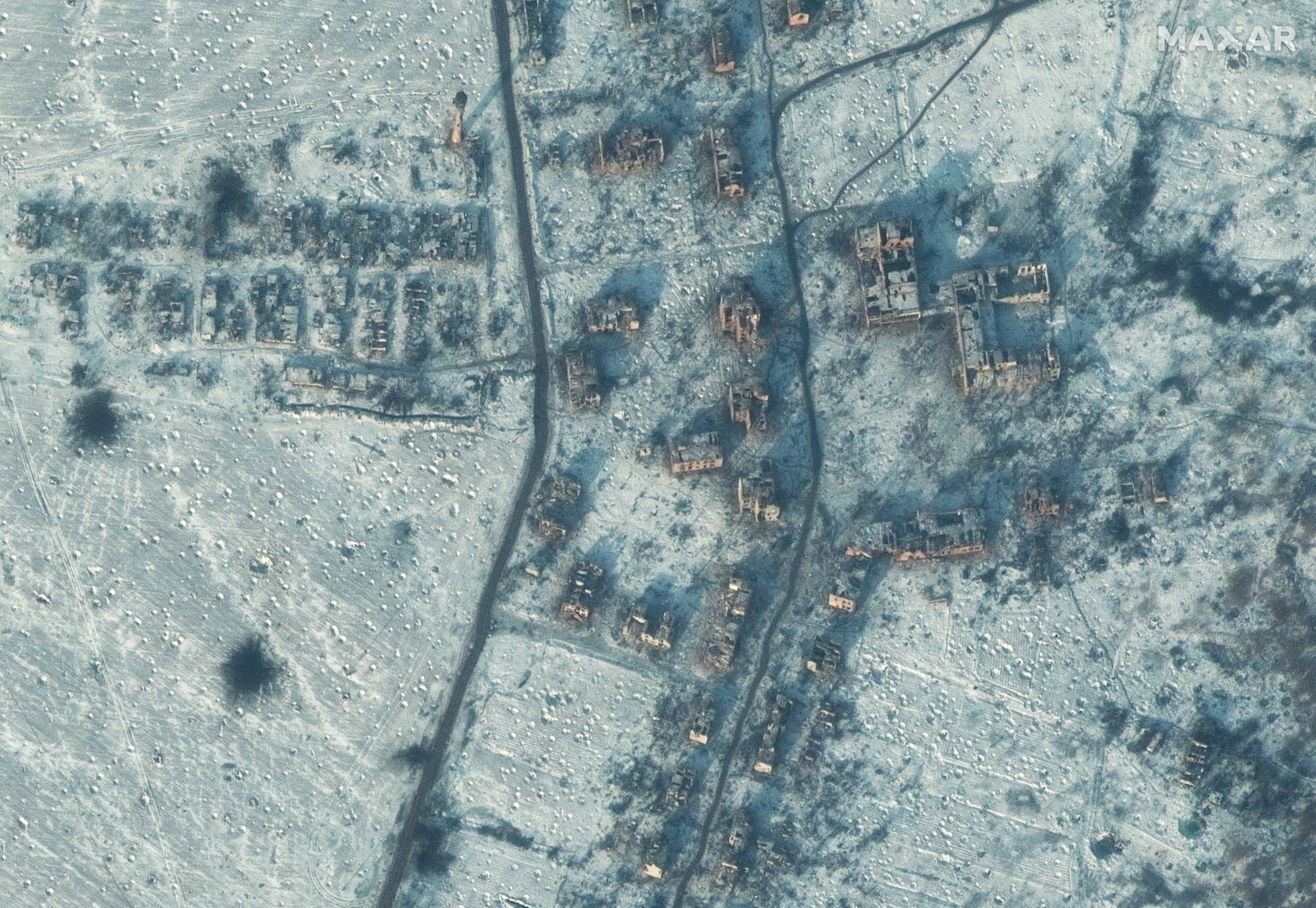
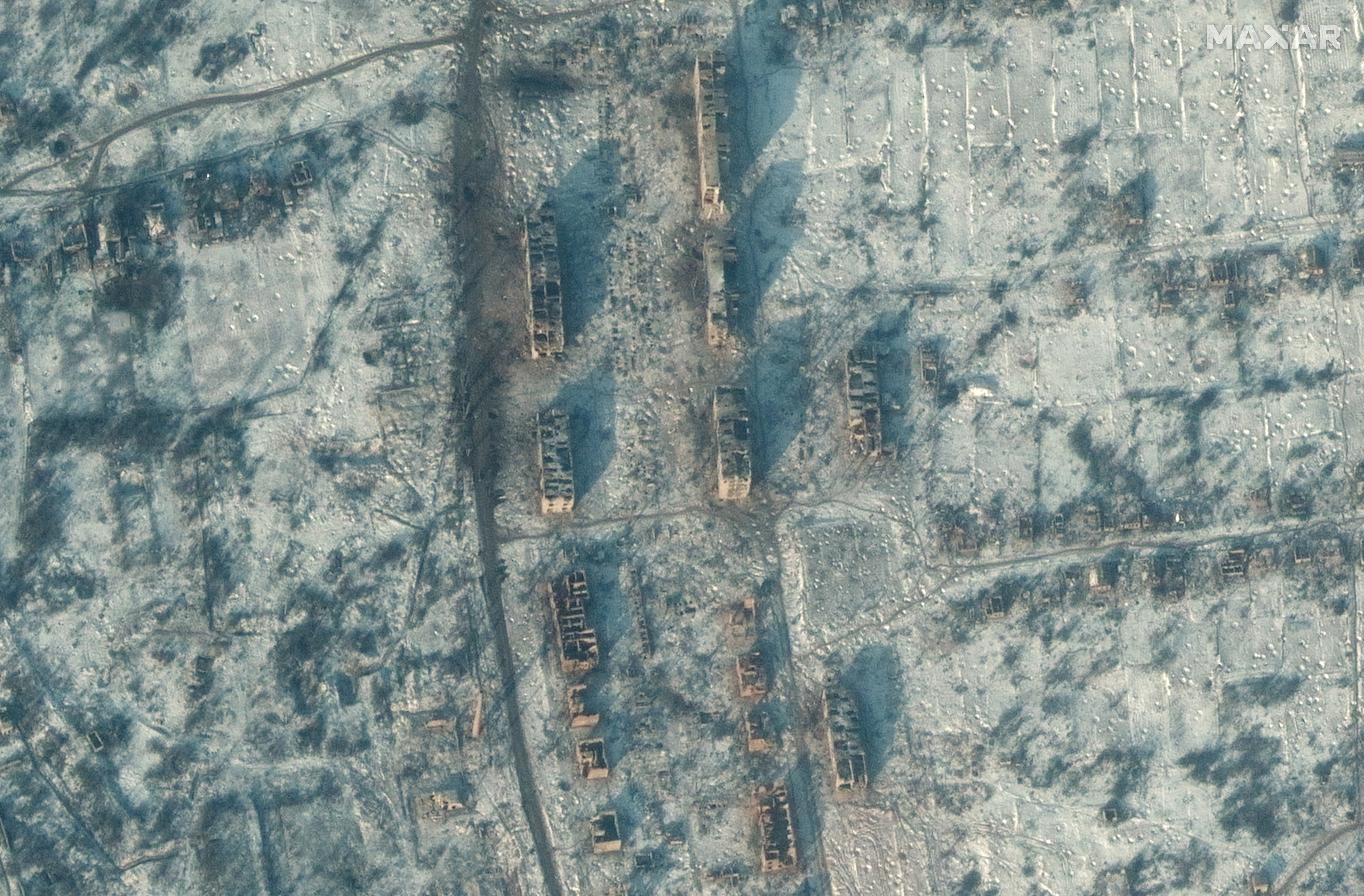
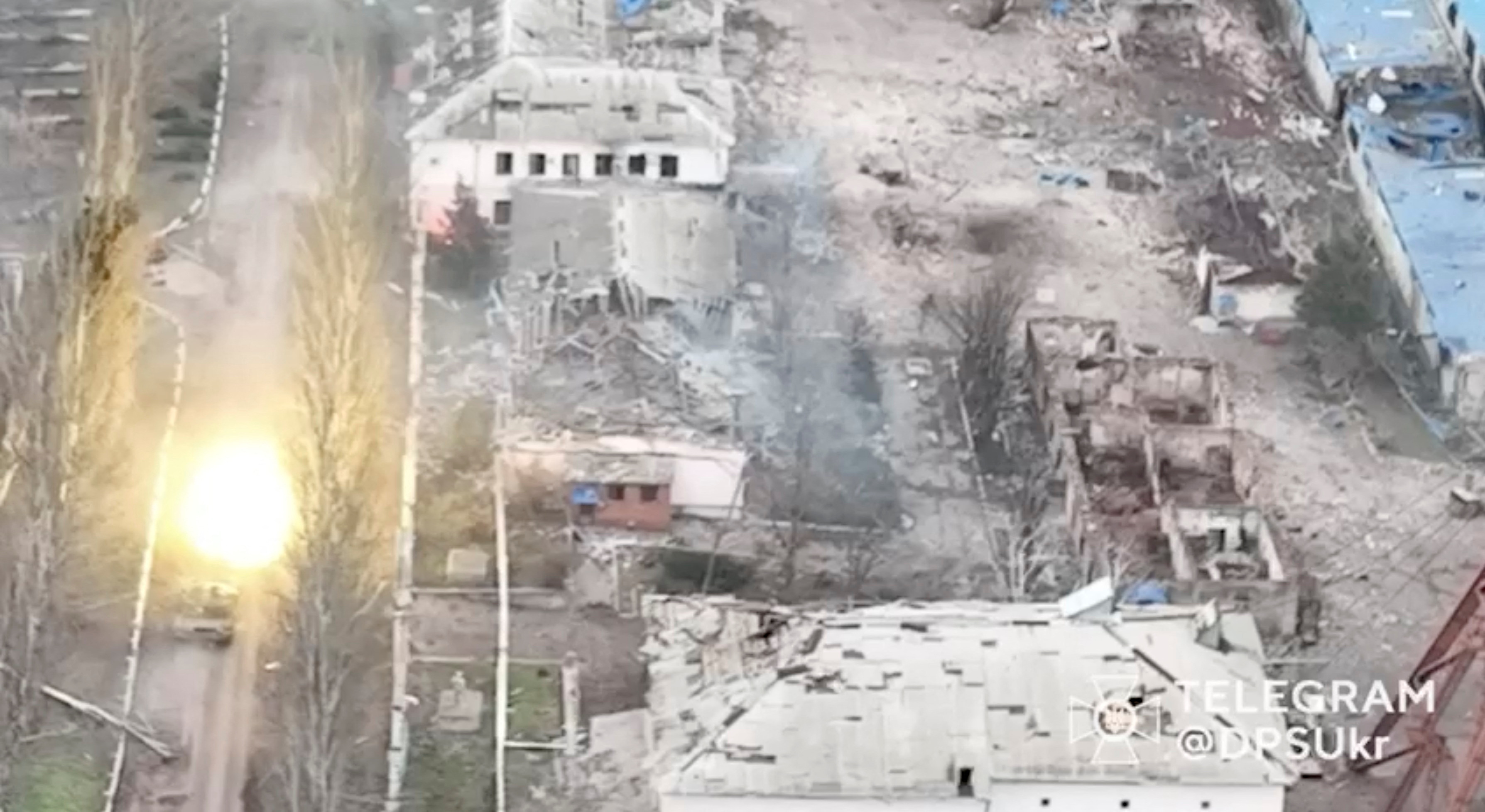
Russia said on Friday that its forces had taken control of the town of Soledar in eastern Ukraine, claiming Moscow’s first big battlefield gain in half a year, but Kyiv said its troops were still fighting in the town.
Reuters could not immediately verify the situation in Soledar, a salt mining town that has been the focus of relentless Russian assault for days.
If confirmed, Russia’s capture of the town would at last give Moscow a trophy for one of the bloodiest campaigns of the war, following major battlefield setbacks throughout the second half of 2022.
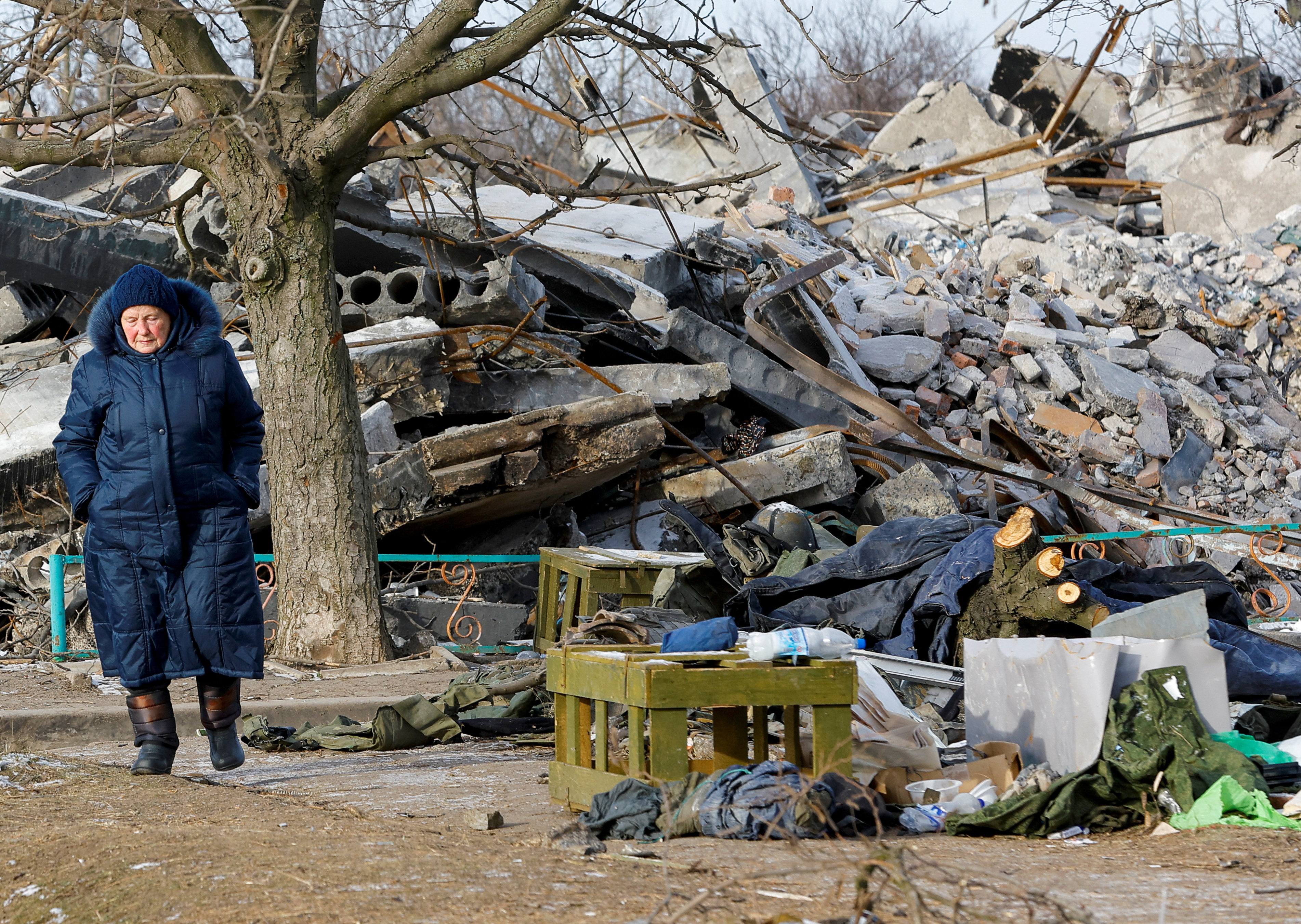
Kyiv and the West have played down its significance, saying Moscow sacrificed wave upon wave of soldiers and mercenaries in a pointless fight for a bombed-out wasteland, unlikely to affect the wider war except insofar as the huge losses have sapped manpower on both sides.
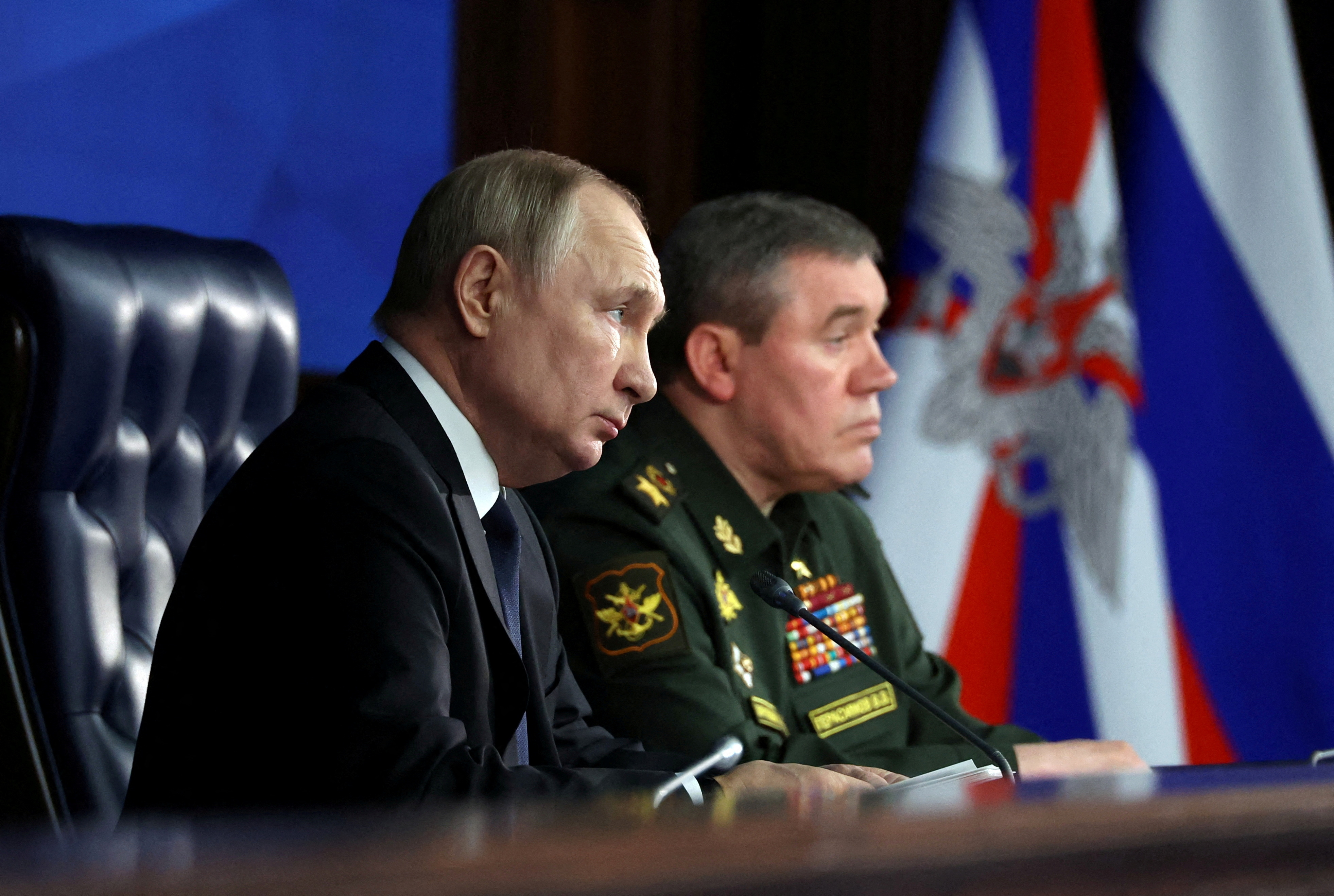
“The capture of Soledar was made possible by the constant bombardment of the enemy by assault and army aviation, missile forces and artillery of a grouping of Russian forces,” Moscow’s defence ministry said.
Seizing the town would make it possible to cut off Ukrainian supply routes to the larger nearby city of Bakhmut, and trap remaining Ukrainian forces there, it said. Moscow has been trying to seize Bakhmut for months.
But Serhiy Cherevatyi, spokesperson for Ukraine’s eastern military command, told Reuters by telephone Soledar had not been captured: “Our units are there, the town is not under Russian control.”
A Ukrainian officer in the area, speaking on condition of anonymity as he was not authorised to speak to the media, also told Reuters by telephone the Russians had not fully taken the town.
“Last night artillery fire was like from hell, both sides. From what I know, our boys have managed to exit some parts (of Soledar) in an orderly manner and now (assault) groups are counterattacking, but we still hold the town.”
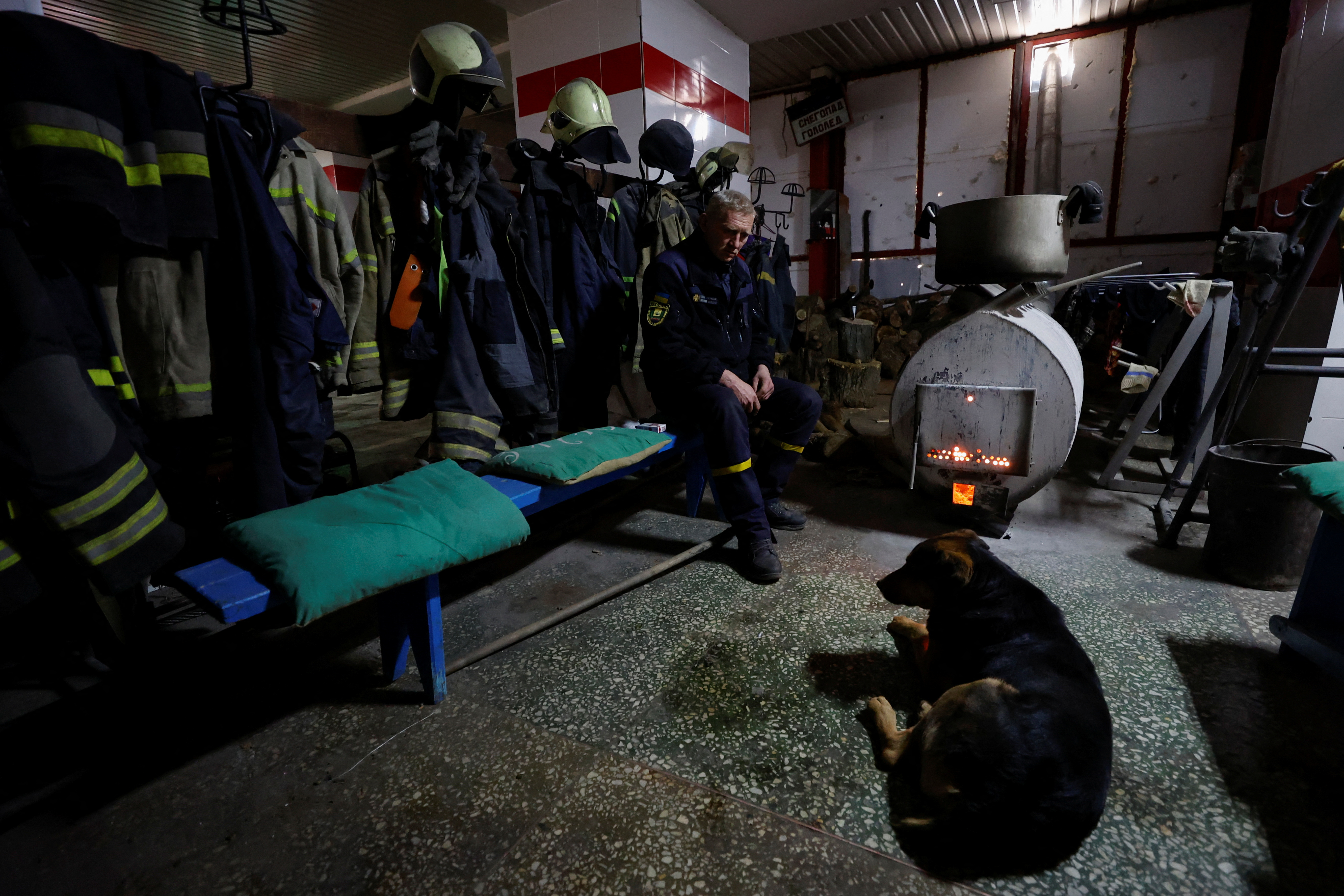
Ukrainian officials said on Thursday more than 500 civilians were trapped inside Soledar, including 15 children.
In an overnight video address, Ukrainian President Volodymyr Zelenskiy thanked two units in Soledar he said were “holding their positions and inflicting significant losses on the enemy.” He did not give more details.
After Ukrainian forces drove Russia into humiliating retreats for much of the second half of 2022, the front lines have barely budged for the past two months. Meanwhile, the battles around Bakhmut and Soledar became what both sides called a “meat grinder” – a brutal war of attrition claiming the lives of thousands of soldiers.
Kyiv’s Western allies see it as a fight for marginal gains on a stretch of front where neither side can make a big breakthrough, a sideshow from battles further north and south, where Ukraine hopes to push through Russian lines.
“Even if both Bakhmut and Soledar fall to the Russians, it’s not going to have a strategic impact on the war itself,” U.S. National Security Council spokesman John Kirby told reporters at the White House, “and it certainly isn’t going to stop the Ukrainians or slow them down.”
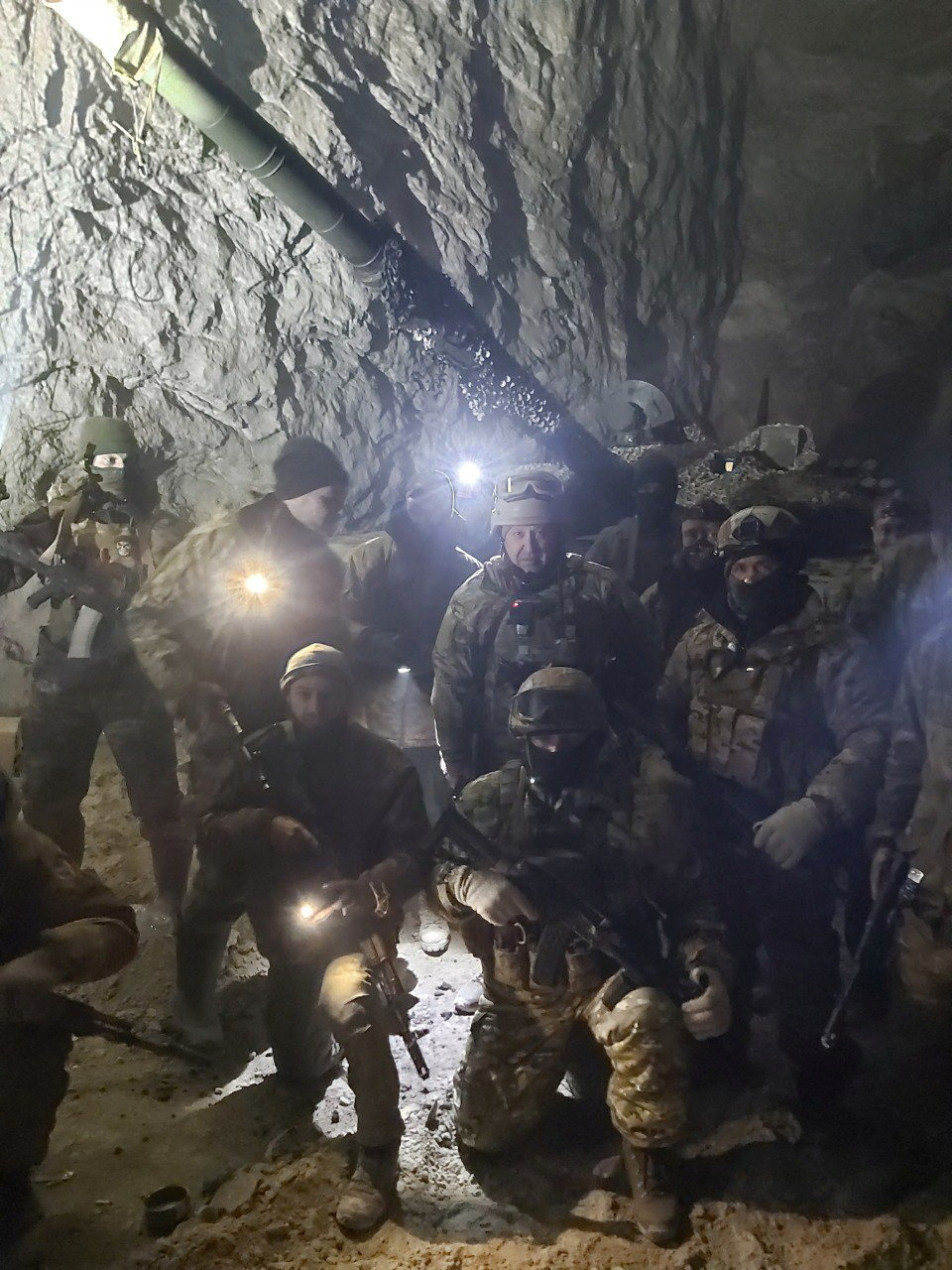
Within Russia, victory in Soledar could also boost ultra-nationalist mercenary leader Yevgeny Prigozhin, whose Wagner Group of fighters-for-hire, including convicts recruited from prison with promises of pardons, has focused on the fight in that area. He has griped as the regular military has taken credit for the Soledar battle without mentioning his fighters.
“They constantly try to steal victory from the Wagner PMC (private military company) and talk about the presence of other unknown people just to belittle Wagner’s merits,” he complained.
The new year has brought important pledges of extra Western weapons for Ukraine, which is seeking armour to mount mechanised battles against Russian tanks.
Major new announcements of weapons are likely next week, when U.S. Secretary of Defense Lloyd Austin hosts defence chiefs from other allies at a U.S. air base in Germany for a meeting of the contact group set up to provide support for Ukraine.
Last week, France, Germany and the United States pledged to send armoured fighting vehicles. Discussion this week has focused on supplying main battle tanks, a major potential upgrade for Kyiv.
On Friday, Finland joined Poland in promising to send German-made Leopard tanks to Ukraine as part of a Western coalition apparently being put together to supply them.
That requires the permission of Berlin, which has so far been hesitant but has lately signalled a willingness to allow it. A German government spokesman said on Friday Berlin still had yet to receive any formal request for permission to re-export the tanks.
Russian President Vladimir Putin launched the invasion on Feb. 24, saying Kyiv’s ties with the West threatened Russia’s security, and Russia has since claimed to have annexed four Ukrainian provinces. Ukraine and its allies call it an unprovoked war to seize territory, and Kyiv says it will fight until it recaptures all its land.
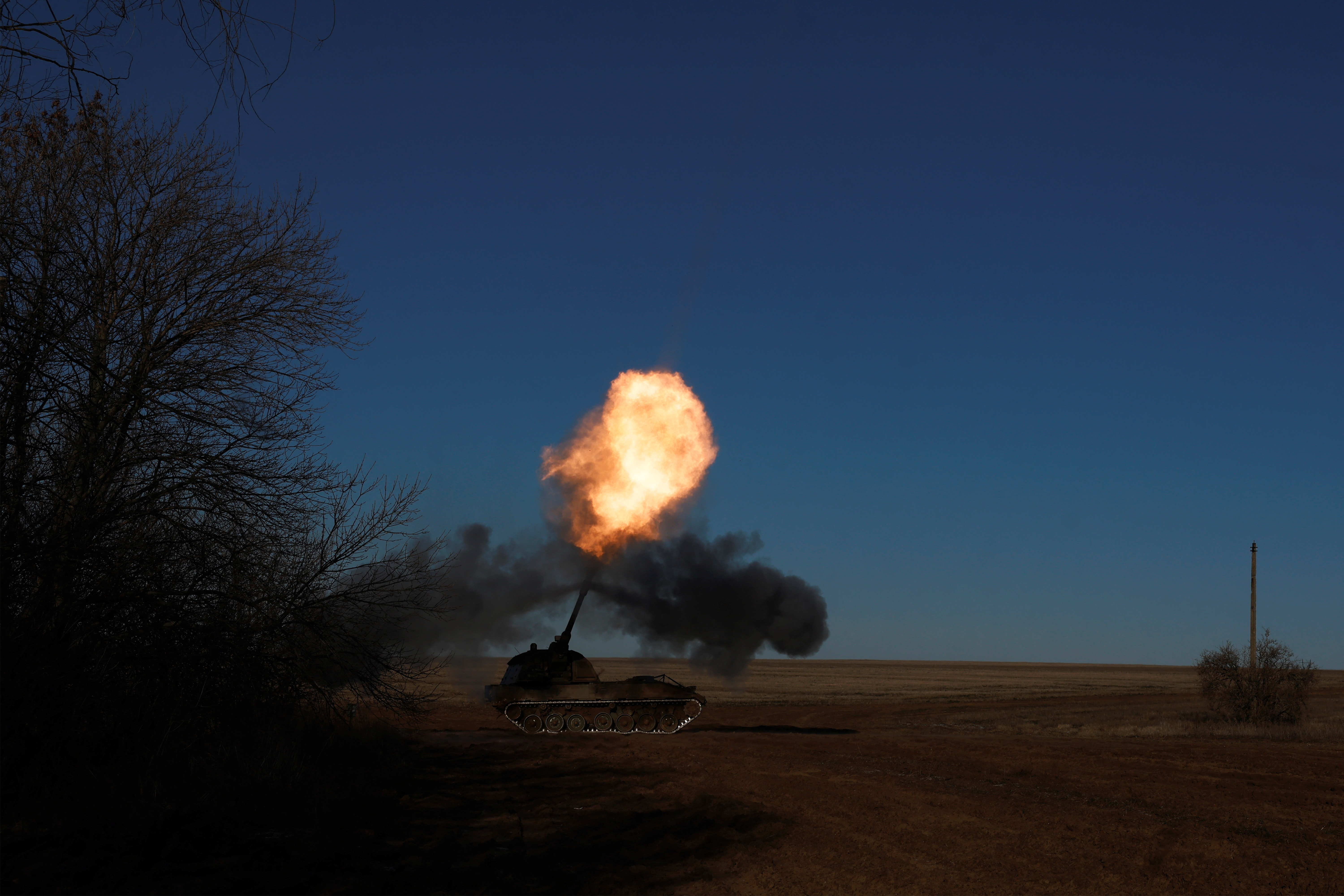



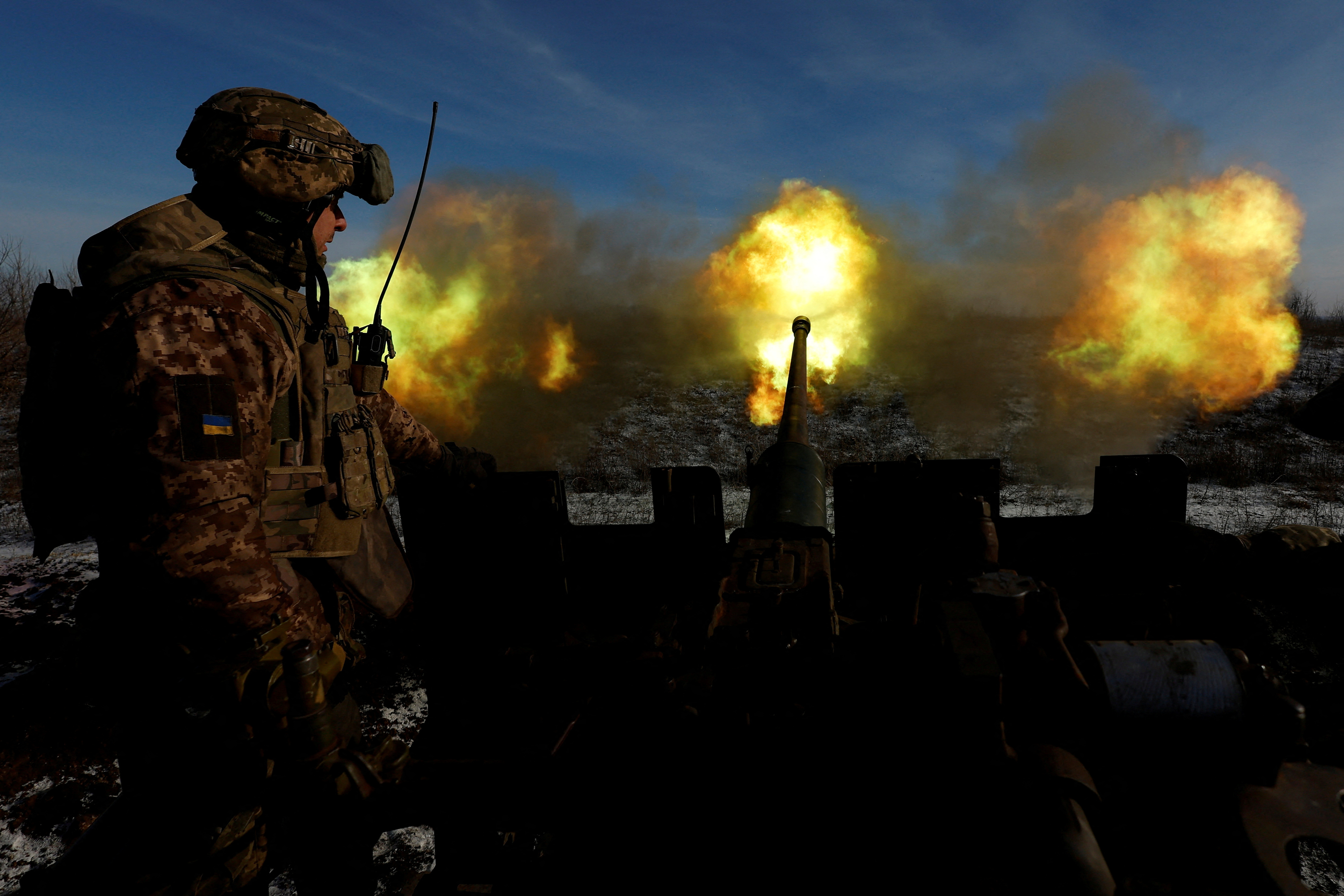
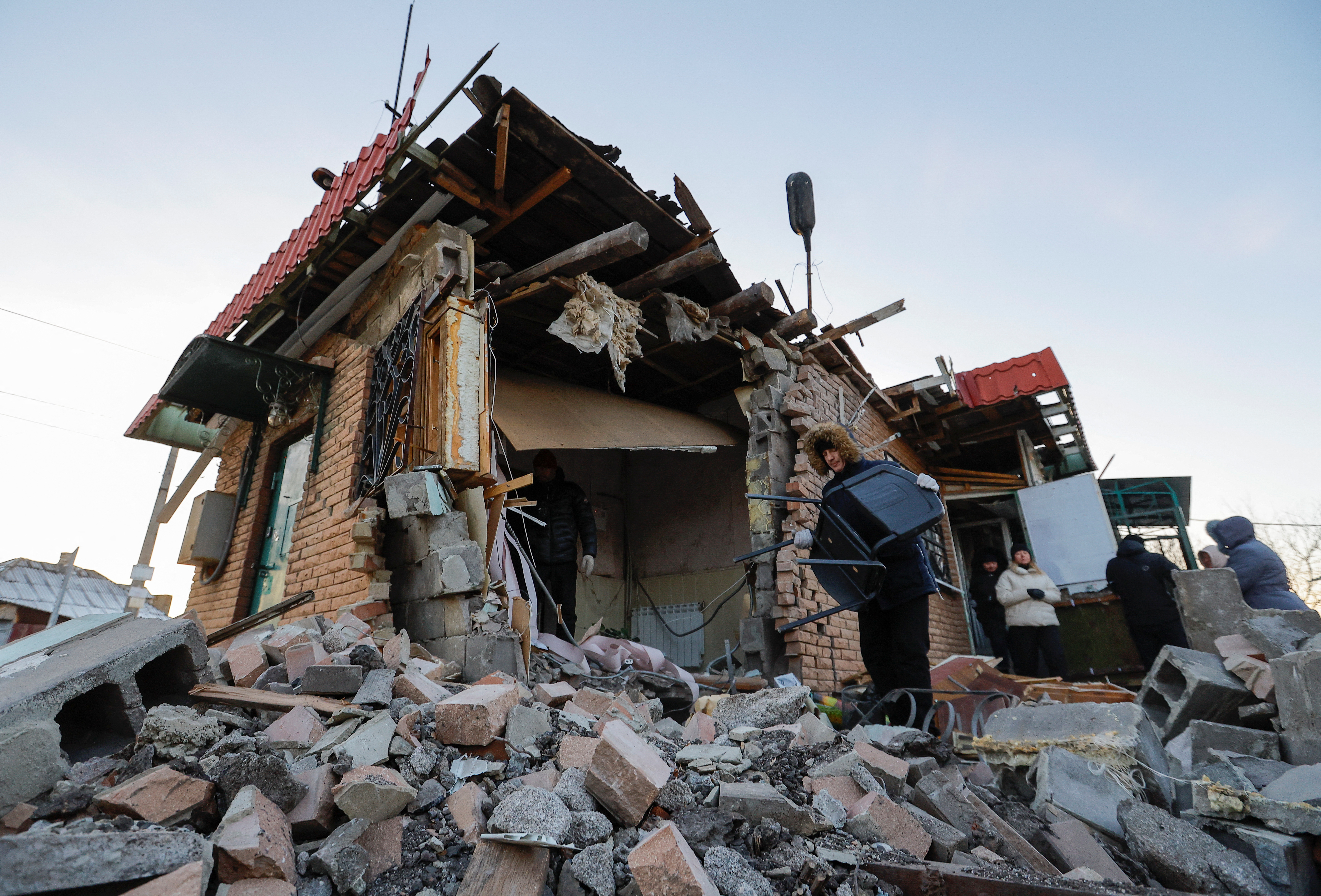
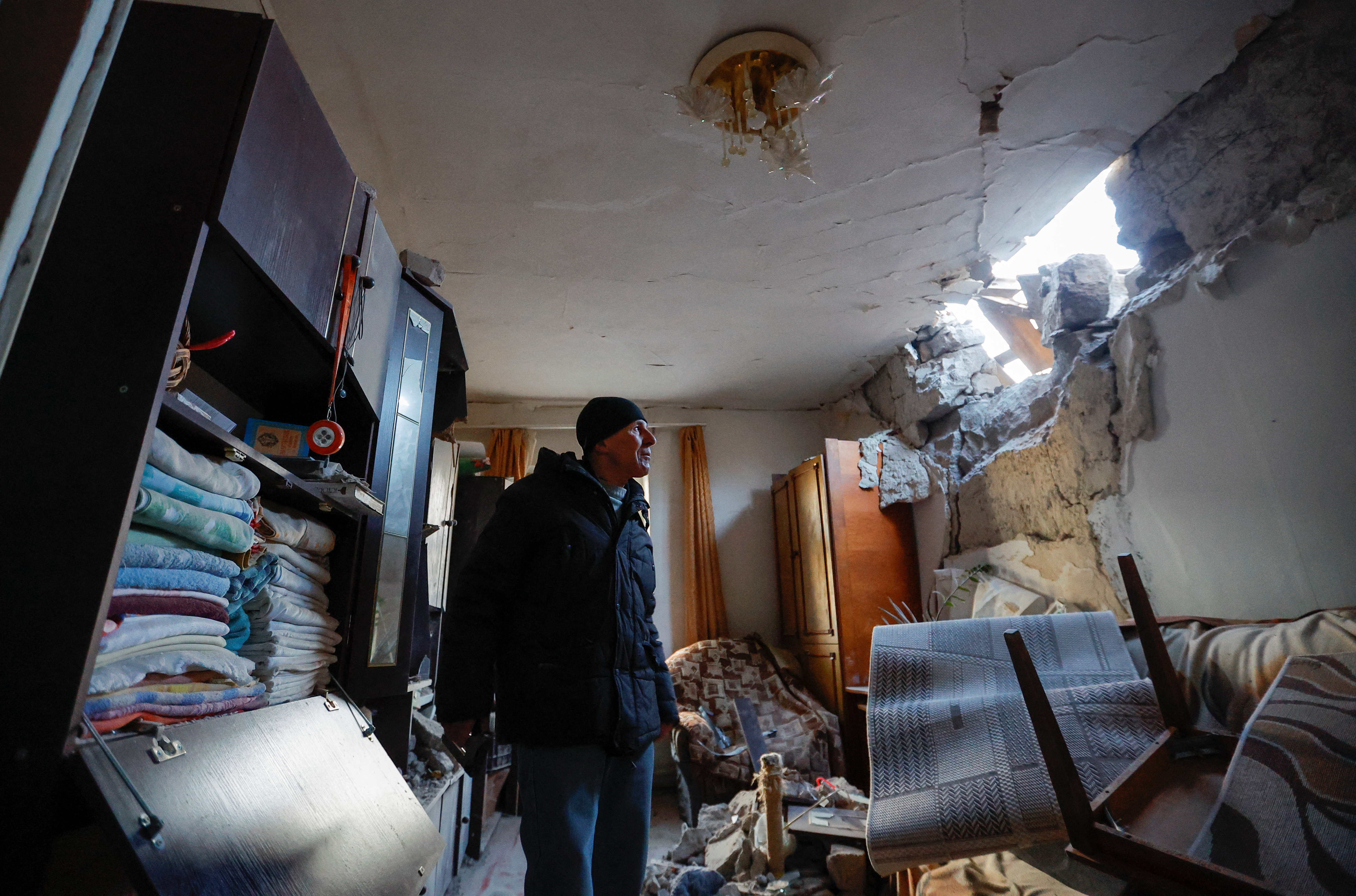
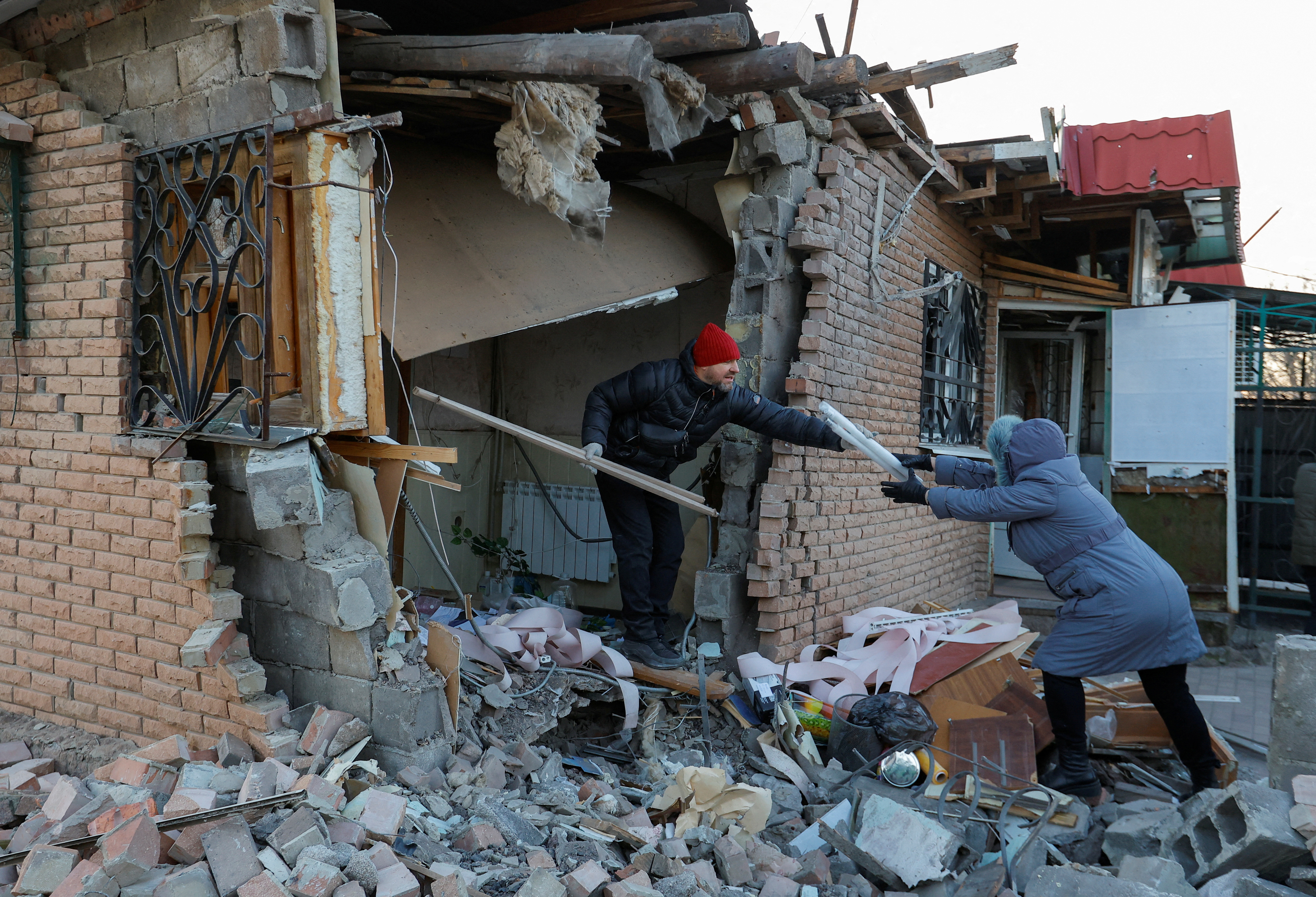
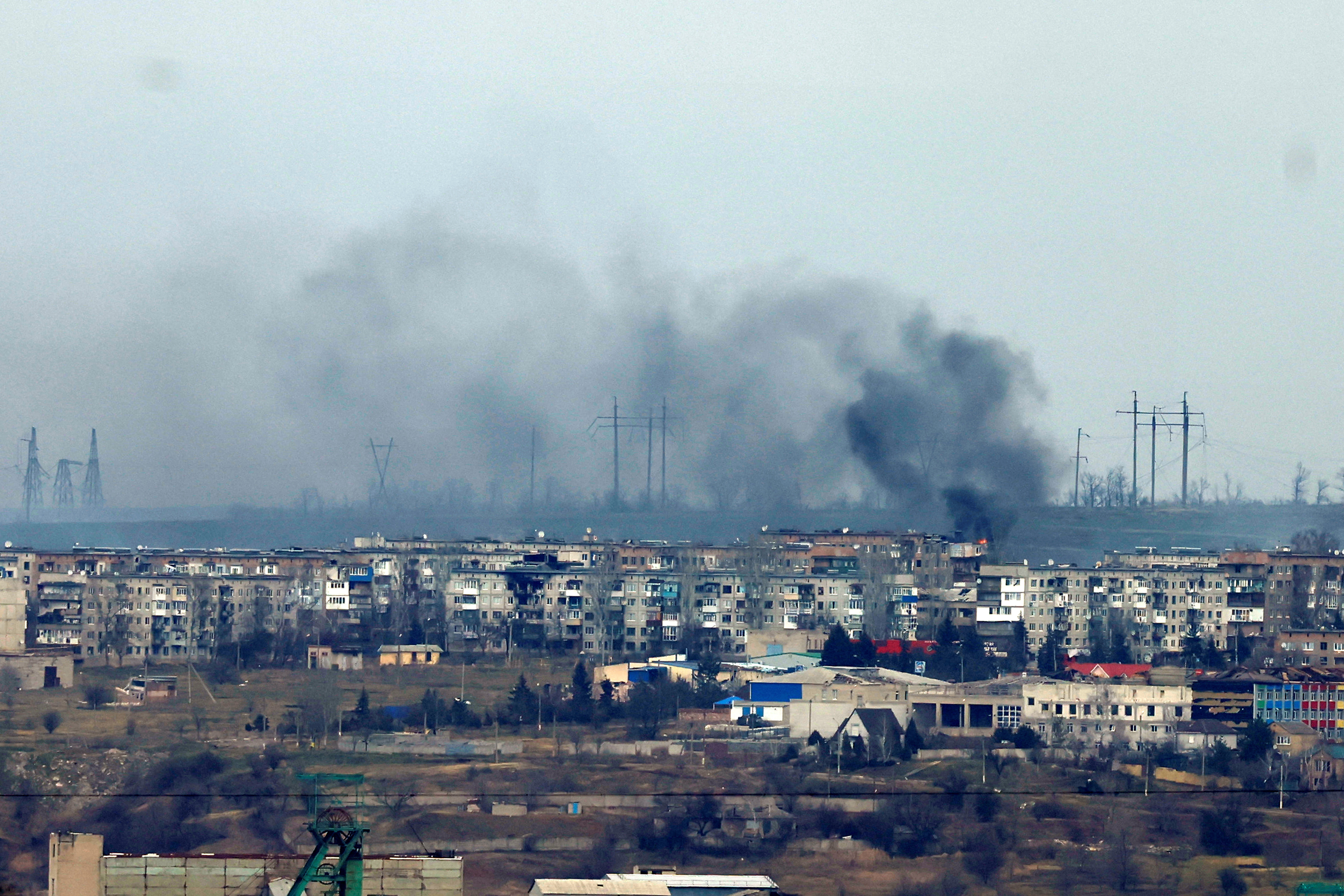
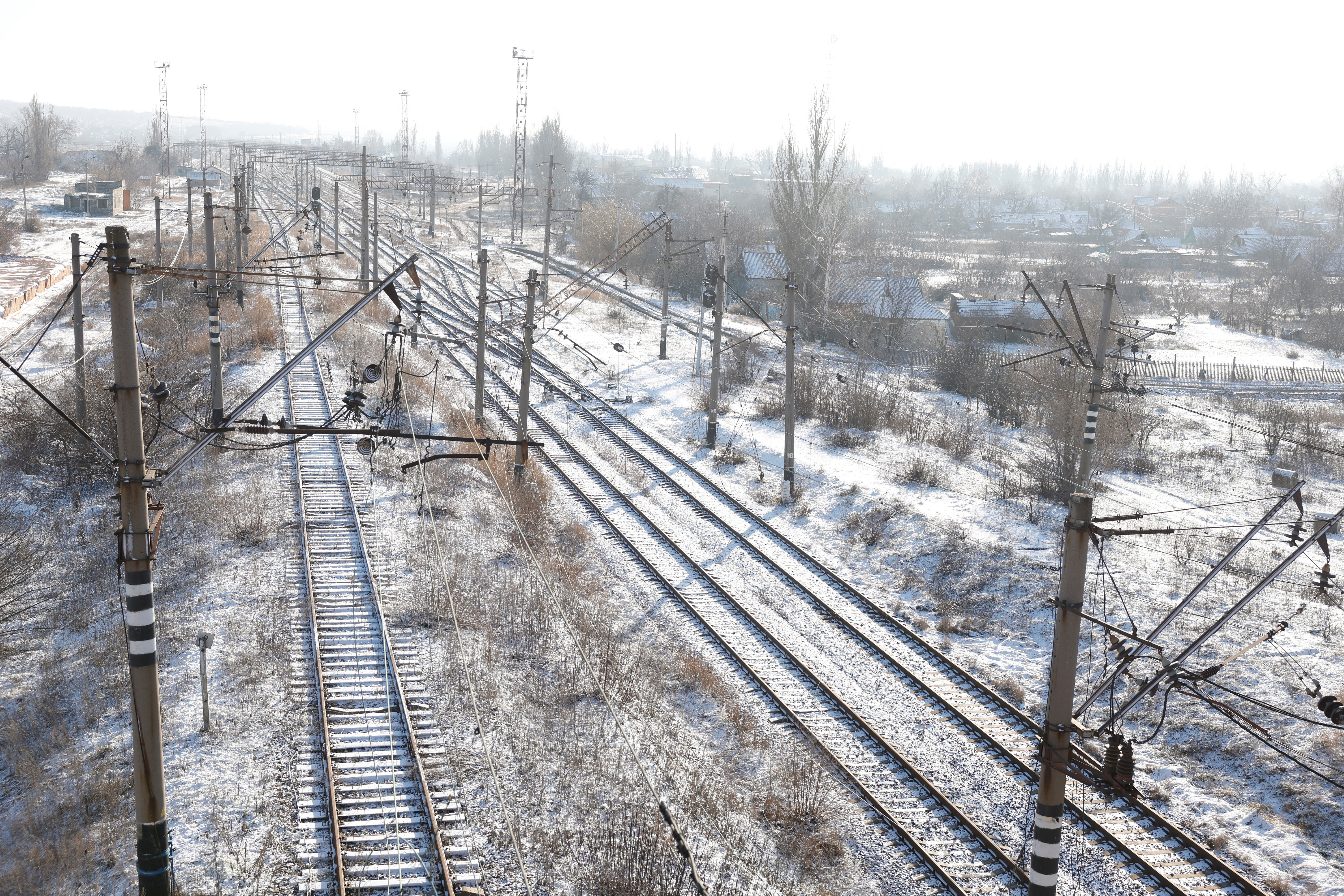
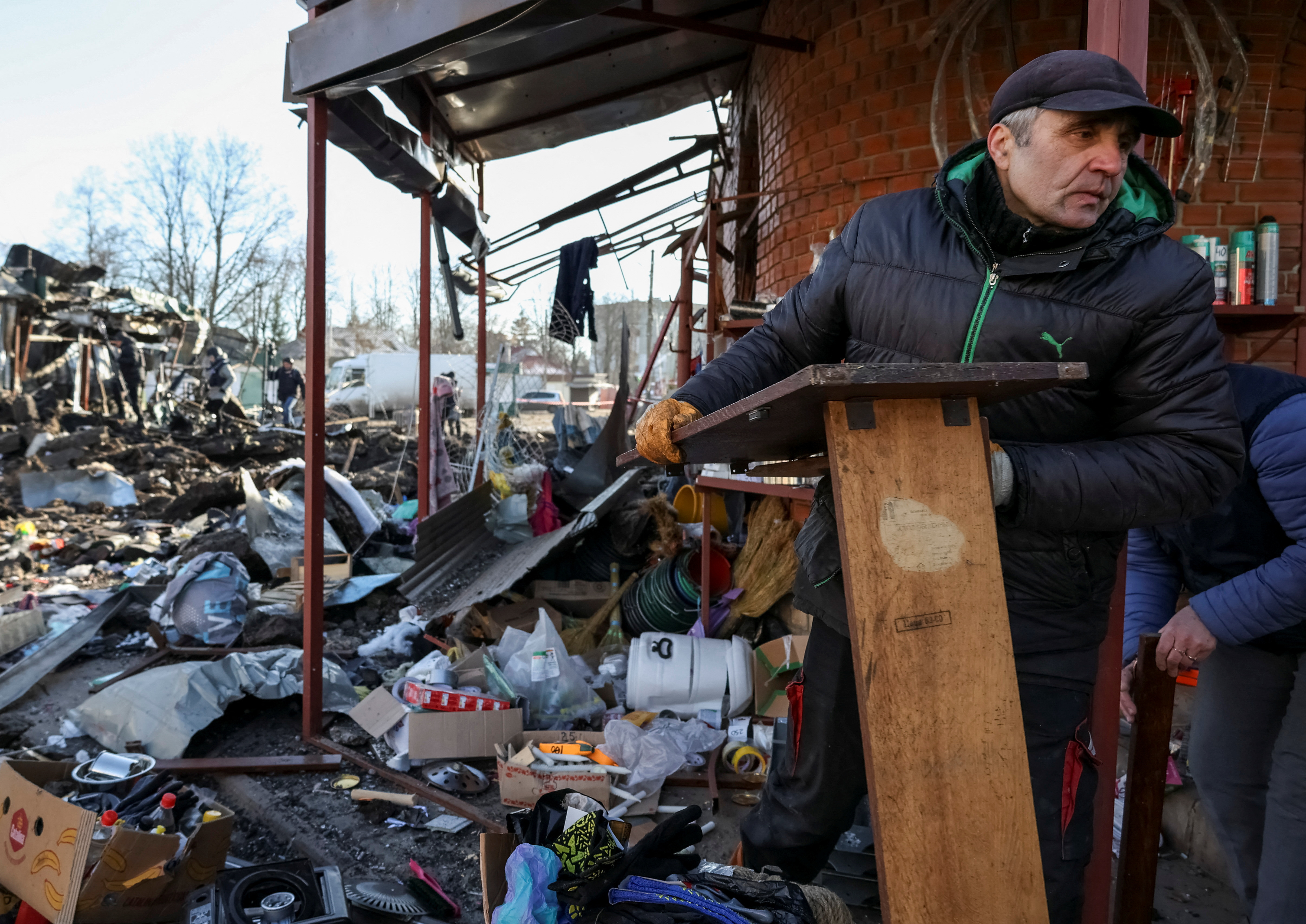
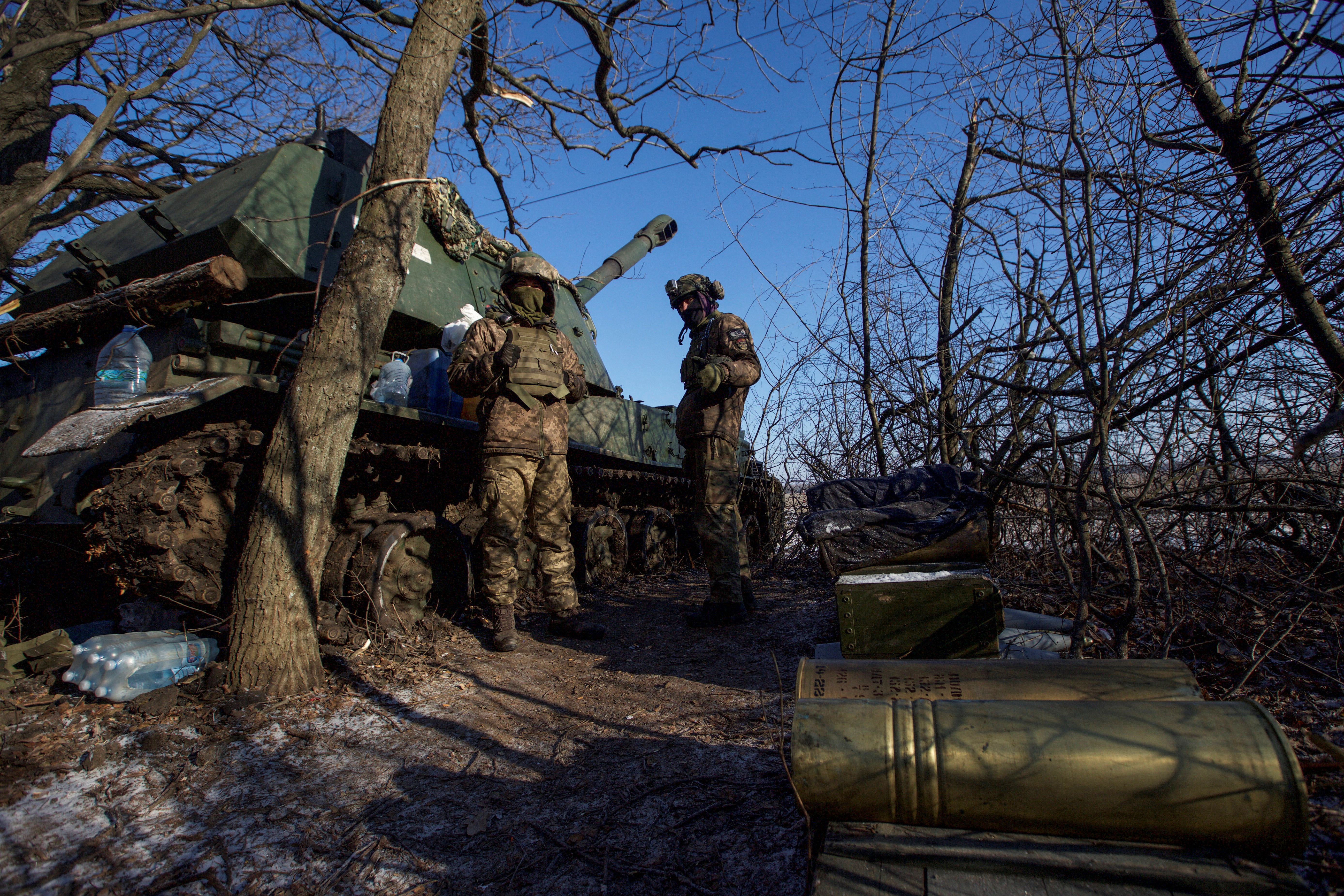
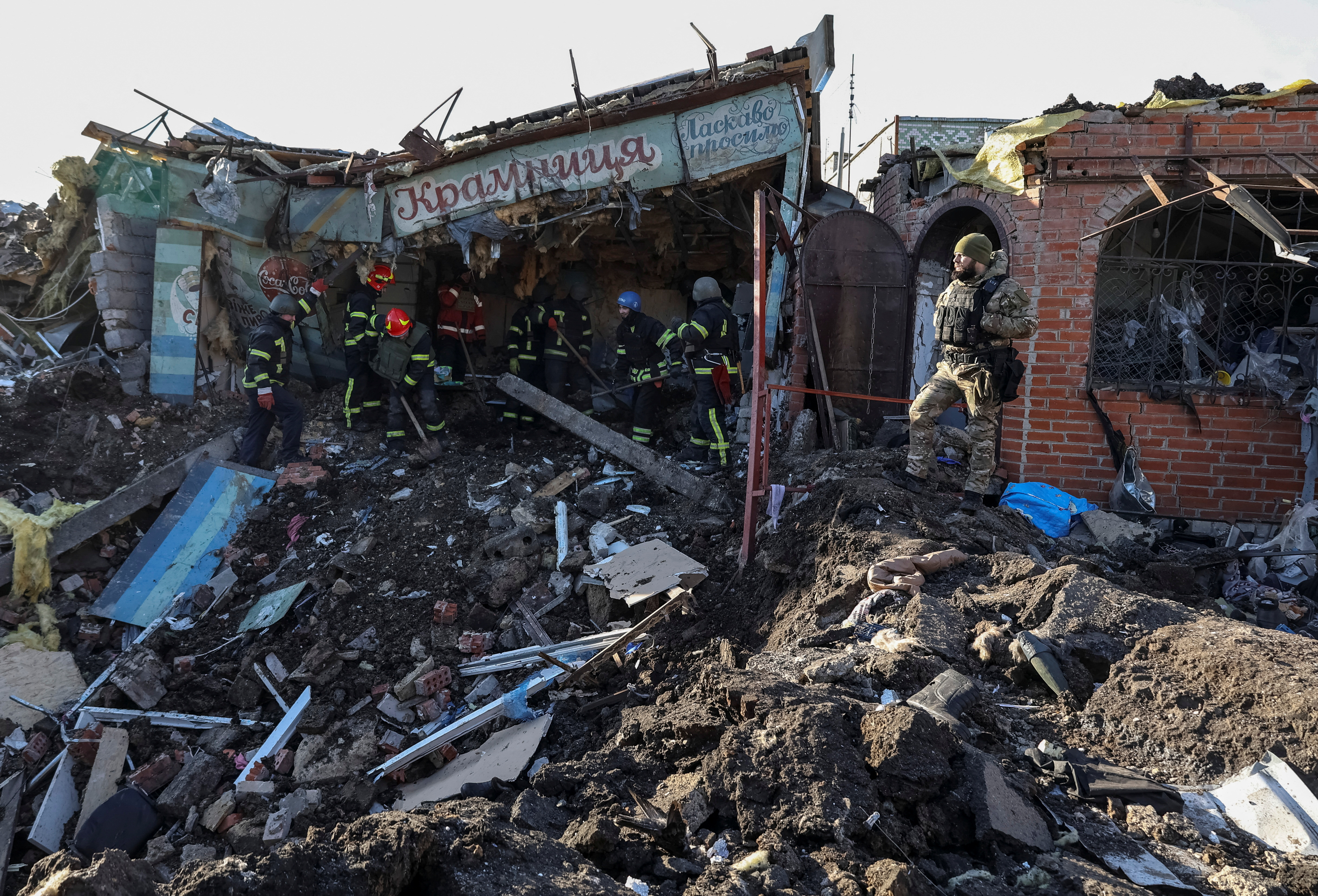
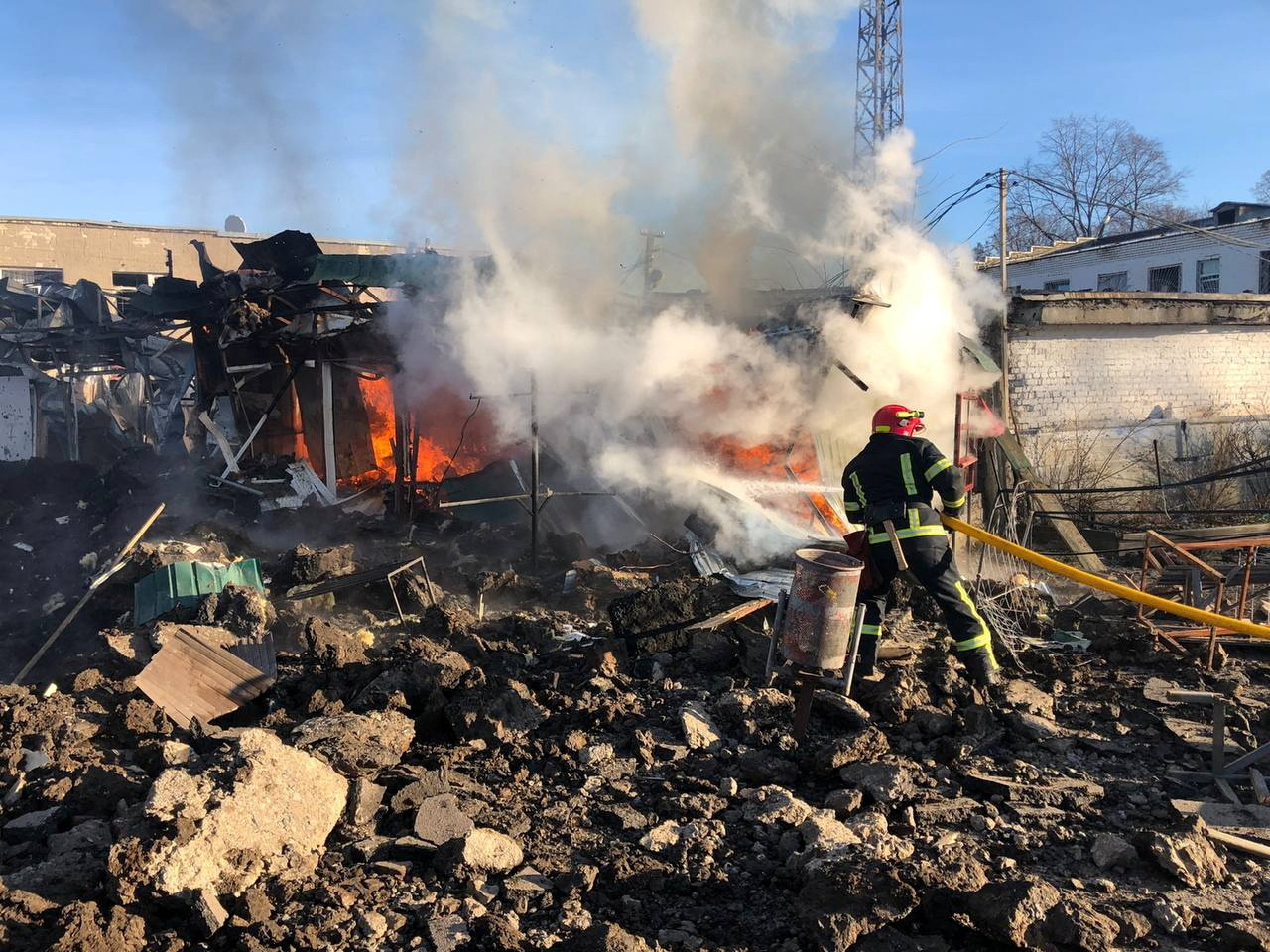
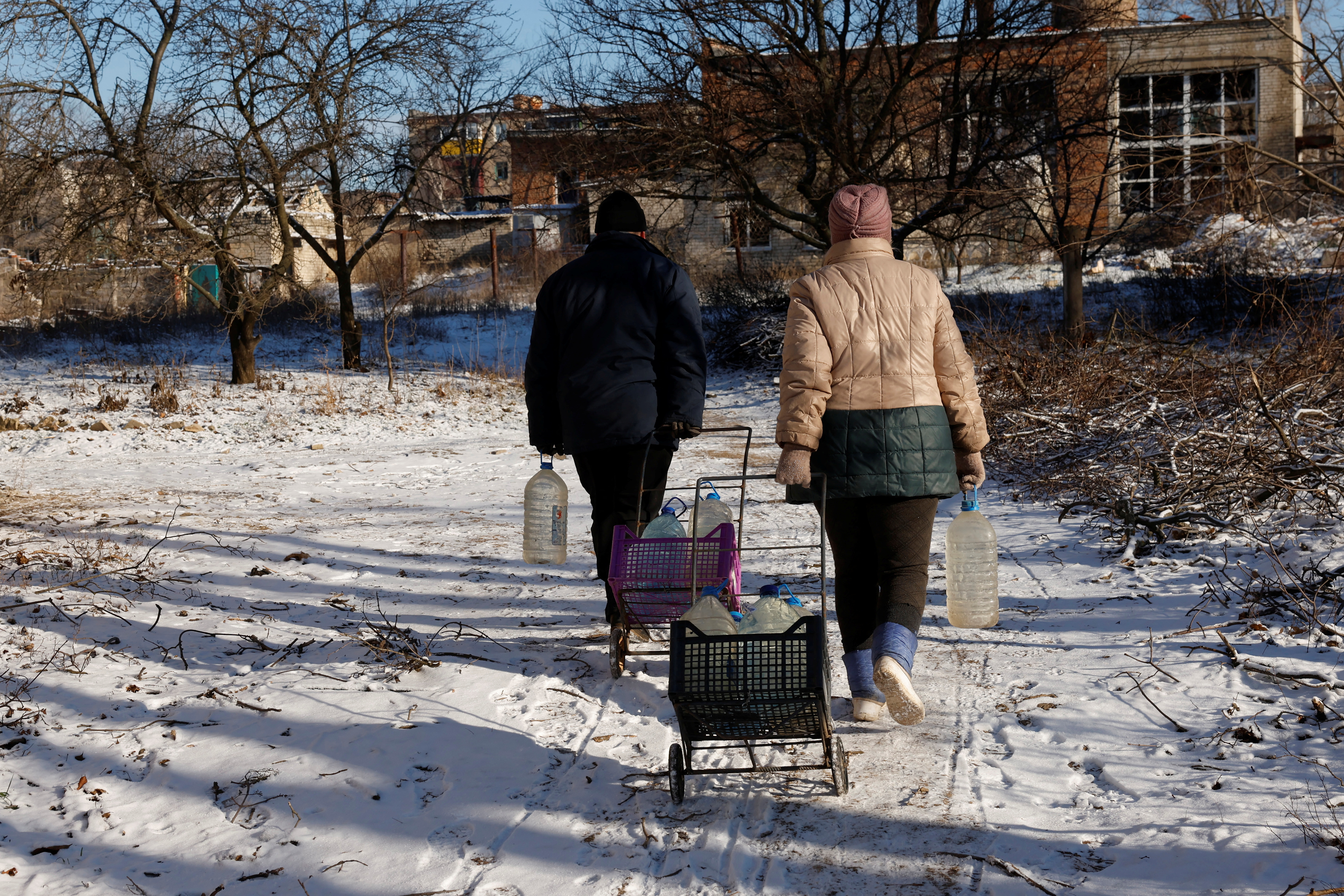

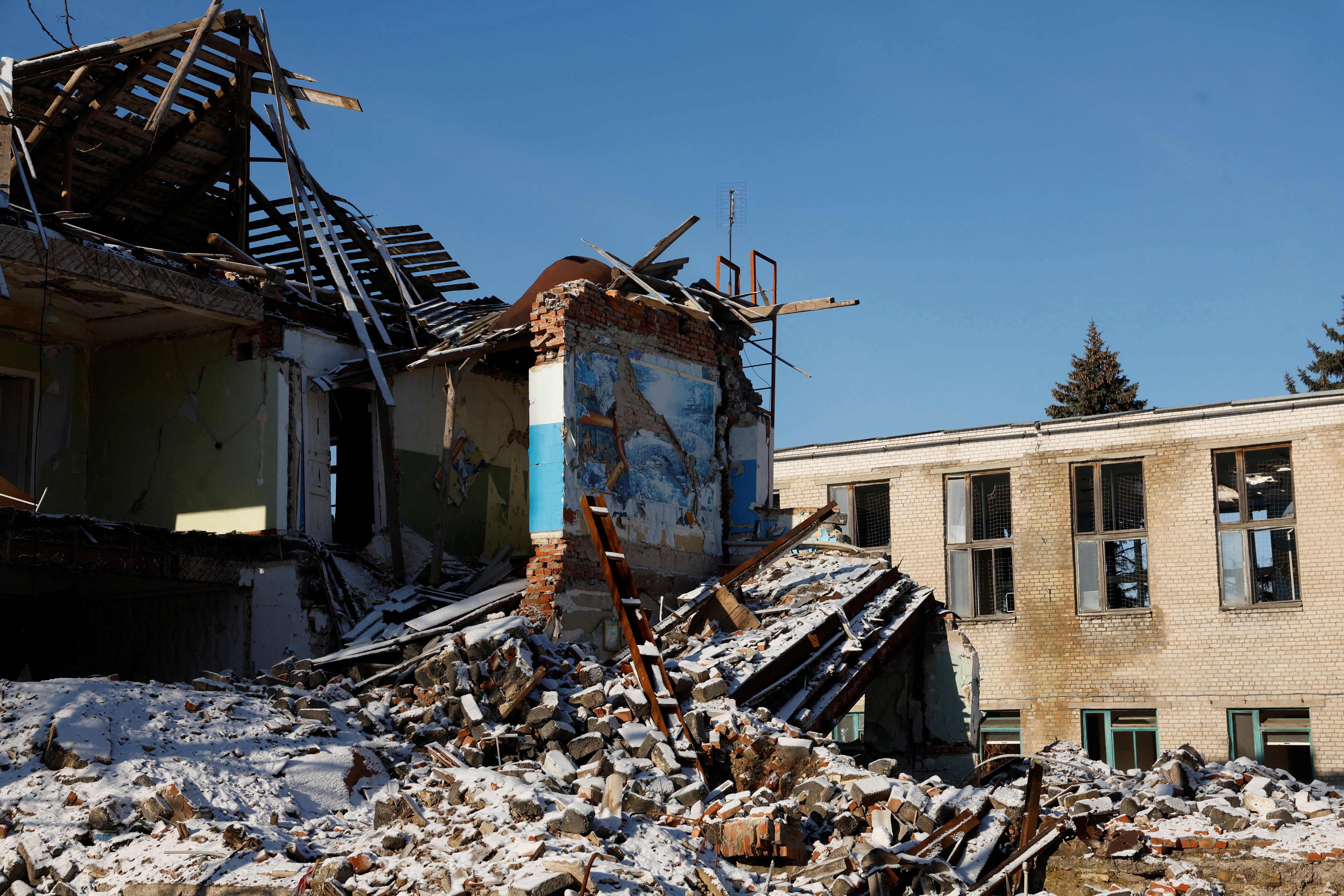

Ukraine has previously exported 17.3 million tonnes of foodstuffs by means of the grain corridor, like 1 million tonnes of agricultural items exported in January.
“Grain initiative: the very first million tonnes of Ukrainian agricultural goods have been sent in 2023 to the nations of Africa, Asia, and Europe,” the push company of the Ministry of Infrastructure of Ukraine posted on Facebook.
It is noted that on Friday, January 13, 11 ships carrying 313,500 tonnes of agricultural products remaining the ports of Odesa region.
A few bulk carriers are heading to African nations. Bulk provider Woman LITEL will deliver 31,000 tonnes of wheat to Libya, bulk provider EAST WIND 1 – 25,000 tonnes to Tunisia, and bulk carrier Girl HATICE – 11,000 tonnes of foodstuffs to Morocco.
The port of Chornomorsk moored the bulk provider ANTHEIA, which was chartered by the UN World Foods Program for the shipping and delivery of Ukrainian wheat to Afghanistan.
As of January 13, 17 ships are processed in the ports of Odesa, on which 519,000 tonnes of Ukrainian agricultural goods will be loaded.
5 ships are transferring alongside the grain corridor for loading. In the Bosphorus, 104 ships are waiting around for inspection by the Joint Coordination Heart.
Due to the fact August 1, 644 ships have left Odesa area ports, carrying 17.3 million tonnes of Ukrainian foodstuffs.
As claimed, in Istanbul on November 17, Ukraine, the United Nations, and Turkey agreed to extend the Initiative for the secure transportation of agricultural solutions across the Black Sea for another 120 times. It begun working on July 22, and the initial ship with Ukrainian foodstuffs within just its framework remaining the port of Odesa on August 1.
ol
The post Ukraine has exported 1M tonnes of agricultural products via grain corridor this year appeared first on Ukraine Intelligence.
Advertisements – Advertising at The News And Times – advertising-newsandtimes.com | WE CONNECT!
Audio | Video | Top News | On Twitter | Security | FBI | Capitol Riot | JOSSICA | Trump | Russia | Putin | Russia – Ukraine War | Covid-19 | Brooklyn NY | Puerto Rico | World
September 27, 2026 7:23 pm
The News And Times | Featured Posts | All Articles | Current News | Selected Articles | Shared Links | Opinions | In My Opinion | Sites | Blogs | Links | Twitter | Facebook

Contact Form | Blogs | Sites | News Reviews | Links | Advertising
All The News That’s Fit To Web