Categories
Audio Sources - Full Text Articles

Tesla Stock Had the Worst Year Ever. That Doesn’t Make It Cheap

Tesla Inc. shares have fallen so far, so fast that some individual investors are piling in, seeing a chance to pick up what was once Wall Street’s highest flying stock on the cheap.

But would-be bargain hunters may want to take a closer look.

Even after this year’s record 65% drop, the electric-car maker’s meteoric surge during 2020 and 2021 has left it with stock-market value of $389 billion, more than Toyota Motor Corp., General Motors Co., Stellantis NV and Ford Motor Co. combined.

And the shares still trade at a higher valuation — relative to expected earnings — than most major technology giants, showing anticipation that the company will see the heady growth that Chief Executive Officer Elon Musk has promised and dominate the industry in years to come.

[time-brightcove not-tgx=”true”]

In the short term, though, the company is facing mounting challenges, including rising costs, competitive threats, and the risk that a recession will slow demand. At the same time, Musk has been distracted by his takeover of Twitter, a transaction that’s weighed on the stock due to speculation he could sell more Tesla shares to keep the money-losing social-media company afloat and take his eye off running the carmaker.

Musk Repeats Vow to Not Sell More Tesla Stock Amid 2022 Rout

“Tesla was priced for perfection — and perfection is hard to come by,” said Catherine Faddis, senior portfolio manager at Fernwood Investment Management. “People are asking themselves, exactly why should it trade at so much of a premium?”

Such concerns fueled a major selloff in Tesla that drove the shares down more than 36% in December, the steepest monthly decline since the initial public offering in 2010. That delivered a windfall to short sellers who had bet against the stock after a two-year rally pushed it up 1,163% by the end of 2021.

Electric cars are still expected to be the future of the auto industry globally. But Tesla’s short-term outlook has been clouded by the trajectory of the economy and factors like the surging cost of raw materials used in batteries. That led Tesla to raise prices this year just as consumers were contending with rapid inflation and high interest rates. To clear its inventory, Tesla offered a rare $7,500 discount to customers who took delivery by the end of the year, effectively matching a potential federal subsidy that starts in 2023.

The company is also facing a growing competitive threat from major automakers that are slated to flood the market with a slew of new EVs over the next few years.

Despite that, the stock market is pricing in that Tesla will continue to post rapid growth and brokerage analysts are broadly more positive on the company than they were a year ago, when 29% of them advised selling the stock as it held over $350, according to data compiled by Bloomberg. Only 11% are doing so now that it’s dropped to around $123.

Tesla shares are trading at more than 24 times its forward 12-month estimated earnings, with GM and Ford hovering between 5 and 6. That reflects how much more rapidly Tesla’s sales are expected to increase in years ahead: While GM and Ford’s 2023 revenues are anticipated to expand by low single digits, analysts see Tesla recording 36% growth.

Concerns that the company might be struggling with eroding demand have grown in recent weeks, however, on news of the year-end discounts and a temporary production halt at its factory in China.

“There is risk to both pricing and volume” for Tesla, said Ivana Delevska, chief investment officer at SPEAR Invest. “Analysts are estimating 50% volume growth, which is a stretch in an environment where affordability is the focus point for the consumer.”

As Tesla slid recently, some analysts dialed back their 12-month price targets, dropping the average by 13% to $247. Morgan Stanley analyst Adam Jonas was among them, cutting his call to $250 from $330.

But, like those who have been buying the recent dip, Jonas remains bullish on the stock and kept his overweight rating. His target implies the stock price may more than double in 2023.

Categories
Audio Sources - Full Text Articles

Chief justice: Judges’ safety ‘essential’ to court system

WASHINGTON (AP) — With security threats to Supreme Court justices still fresh memories, Chief Justice John Roberts on Saturday praised programs that protect judges, saying that “we must support judges by ensuring their safety.”

Roberts and other conservative Supreme Court justices were the subject of protests, some at their homes, after the May leak of the court’s decision that ultimately stripped away constitutional protections for abortion. Justice Samuel Alito has said that the leak made conservative justices “targets for assassination.” And in June, a man carrying a gun, knife and zip ties was arrested near Justice Brett Kavanaugh’s house after threatening to kill the justice, whose vote was key to overturning the court’s Roe v. Wade decision.

Roberts, writing in an annual year-end report about the federal judiciary, did not specifically mention the abortion decision, but the case and the reaction to it seemed clearly on his mind.

“Judicial opinions speak for themselves, and there is no obligation in our free country to agree with them. Indeed, we judges frequently dissent — sometimes strongly — from our colleagues’ opinions, and we explain why in public writings about the cases before us,” Roberts wrote.

Polls following the abortion decision show public trust in the court is at historic lows. And two of Roberts’ liberal colleagues who dissented in the abortion case, Justices Elena Kagan and Sonia Sotomayor, have said the court needs to be concerned about overturning precedent and appearing political.

After the leak and threat to Kavanaugh, lawmakers passed legislation increasing security protection for the justices and their families. Separately, in December, lawmakers passed legislation protecting the personal information of federal judges including their addresses.

The law is named for the son of U.S. District Judge Esther Salas, 20-year-old Daniel Anderl, who was killed at the family’s New Jersey home by a man who previously had a case before her.

Roberts thanked members of Congress “who are attending to judicial security needs.” And he said programs that protect judges are “essential to run a system of courts.”

In writing about judicial security, Roberts told the story of Judge Ronald N. Davies, who in September 1957 ordered the integration of Little Rock Central High School in Arkansas. Davies’ decision followed the Supreme Court’s Brown v. Board of Education ruling that segregated schools were unconstitutional and rejected Arkansas Gov. Orval Faubus’ attempt to stop school integration.

Davies “was physically threatened for following the law,” but the judge was “uncowed,” Roberts said.

“A judicial system cannot and should not live in fear. The events of Little Rock teach about the importance of rule by law instead of by mob,” he wrote.

Roberts noted that officials are currently working to replicate the courtroom Davies presided over in 1957. Roberts said the judge’s bench used by Davies and other artifacts from the courtroom have been preserved and will be installed in the re-created courtroom in a federal courthouse in Little Rock “so that these important artifacts will be used to hold court once again.”

Before that happens, however, the judge’s bench will be on display as part of an exhibit at the Supreme Court beginning in the fall and for the next several years, he said.

“The exhibit will introduce visitors to how the system of federal courts works, to the history of racial segregation and desegregation in our country, and to Thurgood Marshall’s towering contributions as an advocate,” Roberts said. Marshall, who argued Brown v. Board of Education, became the Supreme Court’s first Black justice in 1967.

The Supreme Court is still grappling with complicated issues involving race. Two cases this term deal with affirmative action, and the court’s conservative majority is expected to use them to reverse decades of decisions that allow colleges to take account of race in admissions. In another case, the justices could weaken the federal Voting Rights Act of 1965, the crown jewel of the civil rights movement.

The justices will hear their first arguments of 2023 on Jan. 9.

Categories
Audio Sources - Full Text Articles

Northern Arizona tribe to get federal aid for flood damage

SUPAI, Ariz. (AP) — President Joe Biden has approved a disaster declaration made by the Havasupai Tribe in northern Arizona, freeing up funds for flood damage as it prepares to re-open for tourists after nearly three years.

The Federal Emergency Management Agency confirmed Sunday that federal emergency aid will be given to supplement the tribe’s own recovery efforts from severe flooding last October.

The funds will be for the tribe and certain nonprofits to share costs for emergency work and repairs from flood damage.

It comes as the Havasupai Indian Reservation, which lies deep in a gorge off the Grand Canyon, is preparing to open up its majestic blue-green waterfalls for visitors for the first time since March 2020. The tribe had closed to protect its members from the pandemic. Tribal officials decided to extend the closure through the 2022 tourism season.

In an update about tourism posted on their website last week, the tribe described how flooding had destroyed several bridges and left downed trees on trails needed for tourists and transporting goods and services into Supai Village.

The tribe, however, also said they are eager to welcome back tourists in February to see “flourishing flora and fauna and new waterfall flows.”

Categories
Audio Sources - Full Text Articles

Opinion: The Republicans most likely to be presidential nominees

Former President Trump is already in the race. Other major contenders are openly contemplating bids. And speculation is swirling around big names who have so far kept their intentions quiet, such as Florida Gov. Ron DeSantis.

The battle for the Republican Party’s 2024 presidential nomination is guaranteed to be fierce. President Biden may have had a better midterms than many people expected, but his approval ratings remain tepid. 

Biden is vulnerable if he runs for a second term. If he doesn’t, there would be no runaway favorite to be the Democratic nominee. 

Either way, the GOP nominee in 2024 looks sure to have a solid chance of winning the White House.

Here are the people most likely to top the GOP ticket.

1. Florida Gov. Ron DeSantis 

Florida Gov. Ron DeSantis waves as he leaves a news conference at Bill Baggs Cape Florida State Park , Thursday, Dec. 1, 2022, on Key Biscayne, Fla. (AP Photo/Lynne Sladky)

DeSantis had by far the best midterms of any serious 2024 contender, winning reelection by almost 20 points in Florida, which had been considered a battleground state, at least until recently. 

His victory made a formidable argument that his embrace of culture war issues and his opposition to COVID-19–related lockdowns has paid off electorally.

DeSantis has continued in that vein since his victory, calling on the Florida Supreme Court to impanel a grand jury to investigate “any and all wrongdoing” with respect to COVID-19 vaccinations.

The move was derided by critics as a blatant play to the anti-vax element of the GOP base. But that won’t bother DeSantis at all.

The Florida governor came off his election campaign with about $90 million still in the bank across his accounts, and he has also drawn some GOP mega-donors to his side.

DeSantis has not provided many clues as to his 2024 intentions; it is simply assumed that he is contemplating a run.

If he gets in, he will have many assets — and some favorable tailwinds created by his main rival’s missteps.

2. Former President Trump

Former President Donald Trump arrives for a New Years Eve party at Mar-a-Lago, in Palm Beach, Fla., Saturday, Dec. 31, 2022. (AP Photo/Lynne Sladky)

Trump would have been the runaway favorite had these rankings been drawn up the day before the midterm elections.

Since then, virtually everything the president has touched has turned bad.

Some of his most prominent endorsees lost in the midterms. He committed a major unforced blunder when he had dinner with two antisemites, Ye, formerly known as Kanye West, and Nick Fuentes.

Trump’s campaign launch was lackluster and was not followed up by any of the big rallies from which the former president seems to draw energy. 

Trump got into yet another seemingly pointless controversy in early December when he called for the “termination” of parts of the Constitution — apparently to allow him to either be reinstated or to rerun the 2020 election.

While Trump is diminished, he can’t be at all counted out.

Republican voters retain a strongly positive impression of him, he can raise all the money he needs with ease and he could be a big beneficiary of a multicandidate field given the loyalty of his hardcore followers.

Trump’s allies point out that he is in a better position now than he was at the outset of his 2016 campaign. 

That’s true enough so far as it goes. But the former president looks more vulnerable, even in a Republican primary, than would have been predicted even a short time ago.

3. Sen. Ted Cruz (Texas)

Sen. Ted Cruz (R-Texas) speaks at an annual leadership meeting of the Republican Jewish Coalition, Nov. 19, 2022, in Las Vegas. (AP Photo/John Locher, File)

Cruz was Trump’s most serious rival in 2016, and he would be a significant player if he entered the race this time. 

He has been careful to keep the door open to that possibility, even though a White House bid would be complicated because he is also up for reelection to the Senate in 2024.

Cruz told reporters at a November news conference, following an appearance before the Republican Jewish Coalition, that he was running for reelection to the upper chamber. But, he added, “there will be plenty of time to discuss 2024 presidential … there will be plenty of time for that.”

Cruz’s appeal would be essentially unchanged from what it was in 2016: a fervent conservative, willing to mix it up with the media and attack Democrats in fiery terms.

DeSantis’s new prominence complicates the calculus significantly for Cruz, since he would have to both maneuver around Trump and prove himself a better alternative than DeSantis.

4. Former United Nations Ambassador Nikki Haley

Former U.N. Ambassador and former South Carolina Gov. Nikki Haley speaks during an event sponsored by Turning Point USA at Clemson University on Tuesday, Nov. 29, 2022, in Clemson, S.C. (AP Photo/Meg Kinnard)

Haley has been among the most candid of the major contenders about her intentions. 

She is mulling a presidential bid, saying at an event at Clemson University at the end of November, “We are taking the holidays to kind of look at what the situation is.”

She added: “If we decide to get into it, we’ll put 1,000 percent in, and we’ll finish it.”

Haley served Trump as U.S. ambassador to the United Nations and was previously the first female governor of South Carolina. 

Haley, the daughter of Indian immigrants, would bring a very different sensibility to the top of the GOP ticket than was the case with Trump.

Whether she can win the trust of the party’s base, however, might be another matter.

5. Former Secretary of State Mike Pompeo

Former Secretary of State Mike Pompeo speaks at the annual leadership meeting of the Republican Jewish Coalition, Friday, Nov. 18, 2022, in Las Vegas. (AP Photo/John Locher)

Pompeo, like Haley, has made no secret at all of the fact that he is contemplating a 2024 campaign.

In December, he told “Fox News Sunday” that he and his family were “thinking our way through this,” adding that “we have to get this right for America.” He suggested he would make a decision by spring.

Pompeo has foreign policy gravitas thanks to his time as the nation’s chief diplomat and, before that, as director of the CIA.

As a Fox News contributor, he also has an enviable platform from which to reach the Republican grassroots.

Bu the question for Pompeo has always been whether there is really a constituency for him, even among the Republican primary electorate. 

It’s seriously questionable whether there are passionate Pompeo backers in any significant number.

6. Virginia Gov. Glenn Youngkin

Youngkin came from relative political obscurity to win the governorship of Virginia in 2021.

The achievement won him instant fans among Republicans, not least because Biden had carried the state by around 10 points just a year before.

Youngkin’s strategy was also seen as offering an appealing template for Republicans nationwide — he neither tethered himself to Trump nor directly repudiated him. Instead, he reaped political dividends from making issues like education and “wokeness” central to his campaign.

A Youngkin presidential bid would be an intriguing one, though his relative lack of political experience would be an issue.

7. Former Vice President Mike Pence

Former Vice President Mike Pence speaks to an audience about his new book, Tuesday, Dec. 6, 2022, at Garden Sanctuary Church of God in Rock Hill, S.C. (AP Photo/Meg Kinnard)

The belief Pence will run for president is so strong that, in late December, reports gained steam that he had filed the necessary paperwork to launch — until a spokesman clarified that the paperwork appeared to be a hoax.

The spokesman, Devin O’Malley, emphasized in a series of tweets that Pence had “been saying that if there was an announcement to be made, it would [be] made in 2023!”

Pence had been putting more distance than before between himself and Trump, especially in a series of interviews he gave to promote his recent memoir. At the same time, he refers with pride to the achievements of the “Trump-Pence administration.”

It seems debatable, at best, whether Pence can thread that needle successfully in a GOP primary.

Several polls show him meeting sizable resistance among Republican voters — presumably from Trump loyalists who blame him for not joining the clearly unconstitutional effort to overturn the 2020 election.

8. Sen. Tim Scott (S.C.)

Sen. Tim Scott, R-S.C., speaks at an annual leadership meeting of the Republican Jewish Coalition Saturday, Nov. 19, 2022, in Las Vegas. (AP Photo/John Locher)

Scott coasted to election in South Carolina this fall and ended the campaign with more than $20 million still left over, according to OpenSecrets.

The only Black Republican senator, Scott is seen by his backers as one of the best options to unite the pro-Trump and Trump-skeptical wings of the GOP.  

He has criticized the former president on occasion, but never intemperately, and Trump supported his bid for reelection. At the same time, Scott is unimpeachably conservative in his record on everything from gun rights to health care.

Scott has also sought to reach across the aisle on occasion, working with Sen. Cory Booker (D-N.J.) to try to enact some level of policing reform. The effort ultimately failed.

Scott keeps a close inner circle, and no one outside it seems quite sure if he hankers for the Oval Office. 

Skeptics don’t think the fire burns within him, but intriguing trips to the key states of Iowa and New Hampshire tell a different story.

9. South Dakota Gov. Kristi Noem 

South Dakota Gov. Kristi Noem answers a question while taking part in a panel discussion during a Republican Governors Association conference, Tuesday, Nov. 15, 2022, in Orlando, Fla.

Noem, plainly on the MAGA wing of the party, could be an appealing choice for some pro-Trump voters, especially if the former president were to falter badly.

Noem has a compelling personal story, outlined in a recent memoir; a record of vigorous opposition to COVID-19–related restrictions; and a taste for the provocative — her staff gifted her a flamethrower as a Christmas present this year.

Noem was also ahead of every other major contender in banning TikTok from state-owned government devices, amid security concerns, recently. Numerous other governors have followed her lead on that issue.

Noem is a gifted communicator, though she would have to get past several bigger names if she were to make a serious run at the nomination.

10. New Hampshire Gov. Chris Sununu

New Hampshire Gov. Chris Sununu speaks at an annual leadership meeting of the Republican Jewish Coalition Saturday, Nov. 19, 2022, in Las Vegas. (AP Photo/John Locher)

Sununu is one of the leading lights of the more moderate or pro-establishment wing of the GOP. 

He won reelection handily in November, while a more extreme, Trump-endorsed Senate candidate, Don Bolduc, went down to defeat in his state.

Sununu is cut from somewhat similar cloth as other Trump critics who appear to be contemplating bids, including Arkansas Gov. Asa Hutchinson and former New Jersey Gov. Chris Christie.

But the bottom line is, it’s doubtful that any of those candidates can win the nomination in a party that has come to be dominated by its more fiery, populist wing.

Categories
Audio Sources - Full Text Articles

How to survive Dry January

(NewsNation) — Once the new year has been toasted, many will be going into 2023 sober as Dry January begins.

Dry January started in the UK thanks to a group dedicated to reducing harm from alcohol use. But social media helped the trend take off around the world, inspiring people to give up alcohol for the month.

The idea is to see what sobriety is like, starting the year off with a break from alcohol. The concept has gained traction since the pandemic, when alcohol use spiked as people struggled with quarantines and lockdowns. Without booze to turn to, people are challenged to find other coping mechanisms and explore ways to socialize that go beyond drinks with friends.

Experts warn Dry January can uncover alcohol problems people might not have been aware they had, so it’s important to be mindful for physical symptoms of alcohol withdrawal, like shaking, nausea, fever and hallucinations, which require medical attention.

Depending on how much someone is use to drinking, Dry January can be a challenge and in some cases it can get worse before it gets better. People may find themselves batting cravings for alcohol as well as sugar cravings. And while giving up drinking can improve sleep, withdrawal may cause sleep patterns to get worse before they get better.

For some, the decision to try Dry January can turn into a permanent commitment to sobriety. For others, the month may serve as a reset to examine drinking habits and approach alcohol in a healthier way. But even if people don’t quit permanently, they can still see health benefits from abstaining for a month.

One study found people who gave up alcohol for one month had an improvement in their metabolic health, even without making other changes to diet and exercise, reduced insulin resistance, lost weight and experienced a reduction in cancer-related growth factors.

Study results also suggest those who gave up booze for thirty days reported reduced alcohol consumption months down the line.

Some tips for making the most out of Dry January include setting goals, practicing your responses to people who offer you drinks and participating with friends so you can support each other.

Experts also advice making plans for alternatives to drinking. That can be coming up with other activities that let you be social without hitting the bar, like taking a class, getting involved in a recreational sport or diving into hobbies you’ve wanted to explore.

It can also be a good time to explore non-alcoholic wines or mocktails that can provide an alcohol-free drinks that are anything but boring.

Most importantly. though, experts say Dry January shouldn’t be treated as all or nothing. Some people may slip up but that doesn’t mean the month is a wash and it’s time to give up. Even if the month doesn’t go perfectly, it can still be an opportunity to learn healthier habits.

Categories
Audio Sources - Full Text Articles

Lula takes reins as leftist leader of politically polarized Brazil

2023-01-01T18:25:35Z

The usually calm capital of Brazil readies for leftist Luiz Inacio Lula da Silva’s inauguration on Saturday (December 31).

Leftist leader Luiz Inacio Lula da Silva was sworn in as president of Brazil on Sunday under tightened security in the capital Brasilia following threats of violence by supporters of his far-right predecessor Jair Bolsonaro.

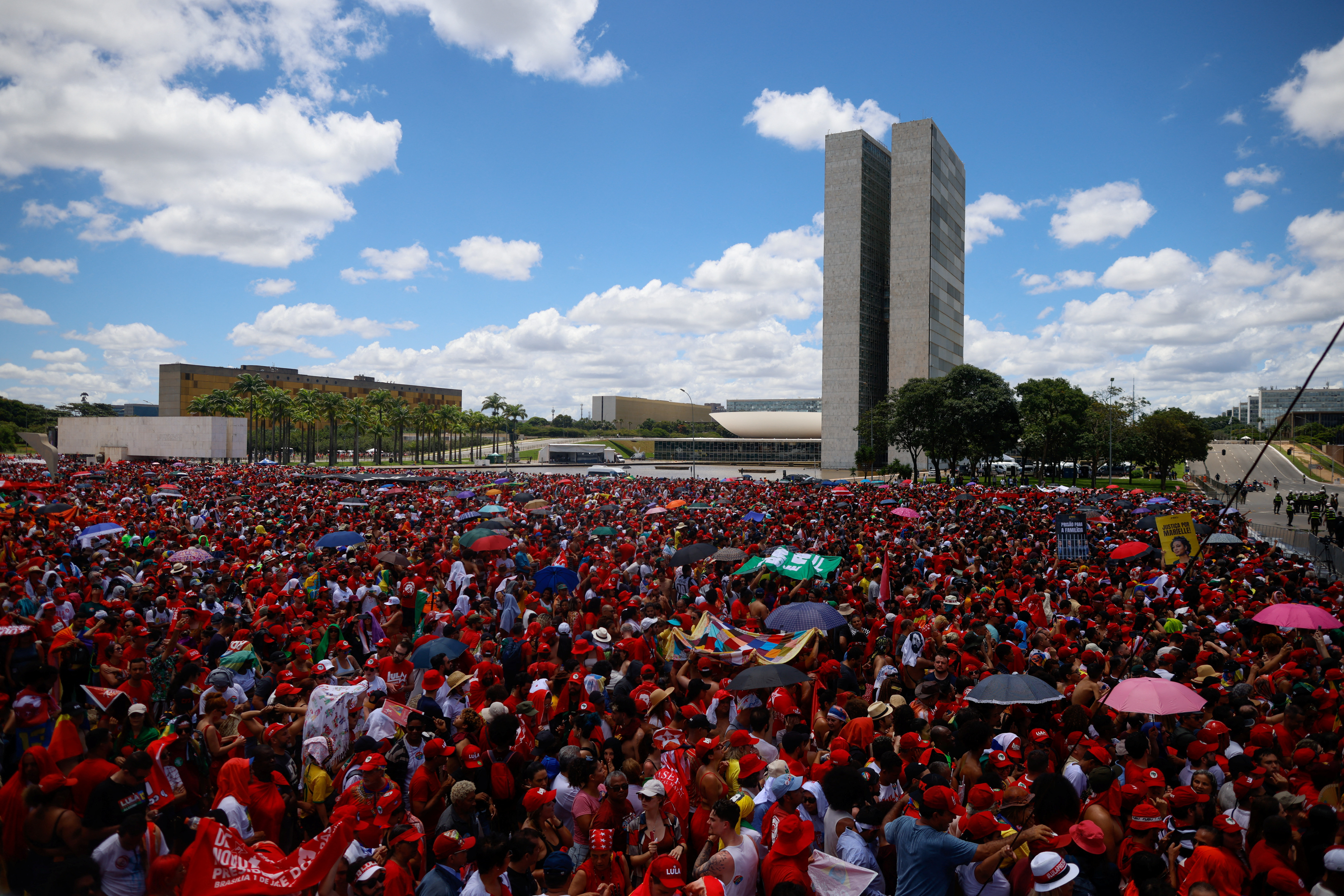
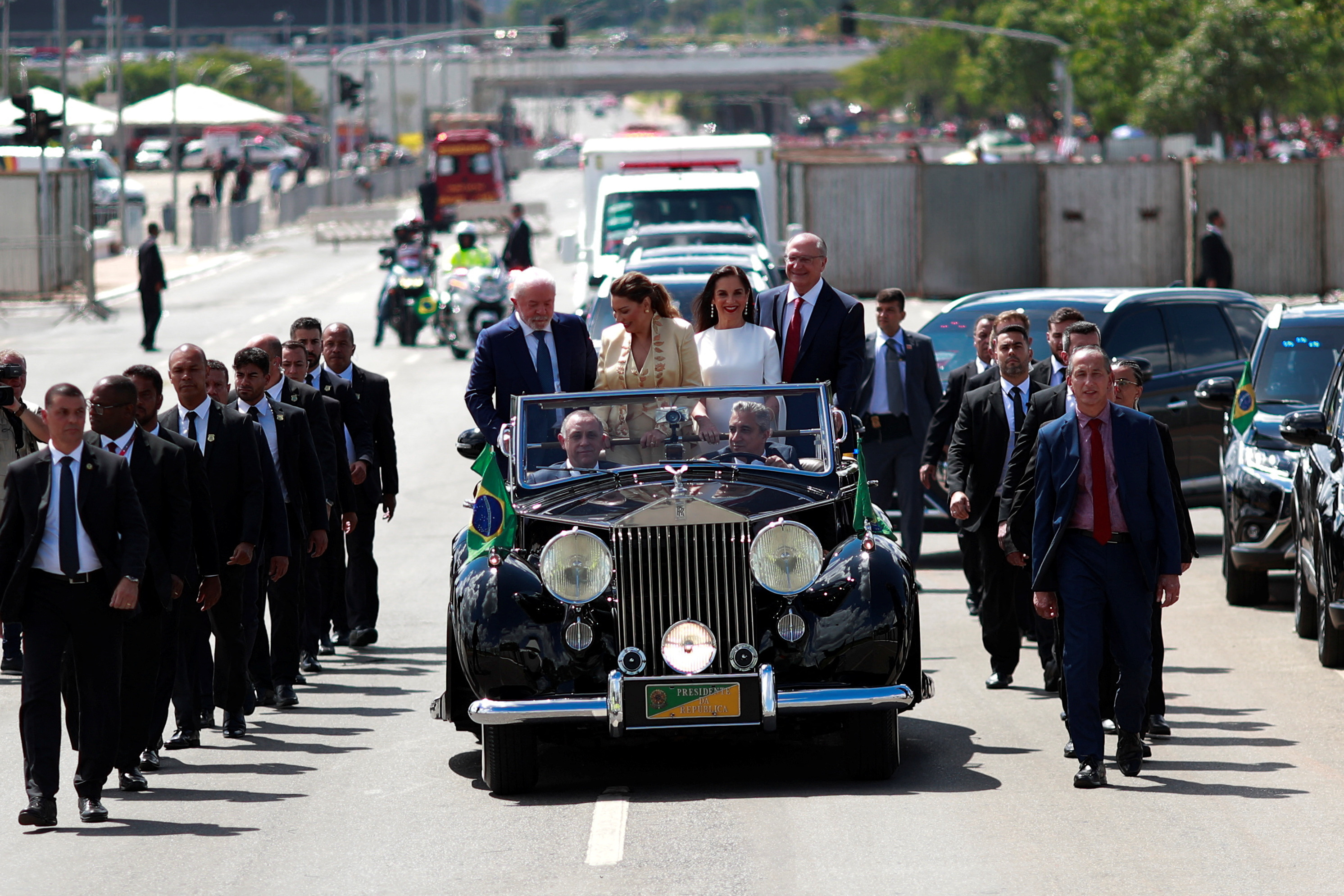
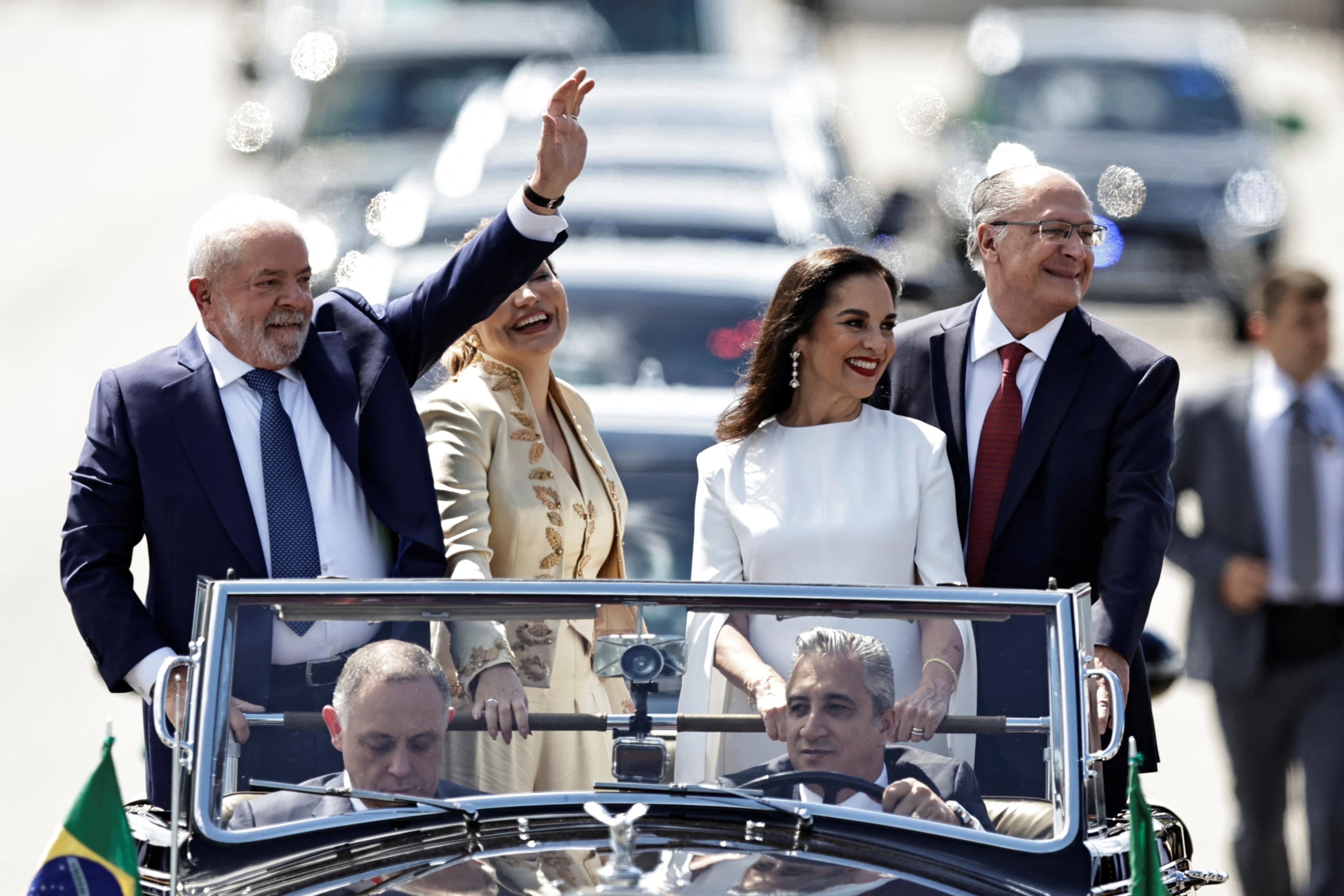
After the swearing-in ceremony in Congress, Lula was due to drive in an open-top Rolls-Royce to the Planalto palace to don the presidential sash before a crowd of 30,000 supporters, while tens of thousands gathered to celebrate on Brasilia’s esplanade.

The mood in the city was tense after the most fraught election in a generation.

Lula, 77, narrowly defeated Bolsonaro in October to win an unprecedented third presidential term after a hiatus that saw him spend a year and a half behind bars on corruption convictions that were later overturned.

His 580 days in prison reinforced his sense of social justice and convinced him of the need to prioritize ending poverty over boosting profits, allies said.

In his previous years as Workers Party (PT) president from 2003-2010, the former union leader lifted millions of Brazilians from poverty during a commodity boom that buoyed the economy.

Now, he faces the daunting challenge of improving Brazil’s stagnant economy while also uniting a country that has become painfully polarized under Bolsonaro.

“A lot is expected of Lula. He’ll have the difficult mission to restore normality and predictability in Brazil, and above all to rapidly deliver results that improve the quality of life for its inhabitants,” said Creomar de Souza, director of Dharma Political Risk consultancy in Brasilia.

Bolsonaro left Brazil for Florida on Friday, avoiding having to hand over the sash to his rival, whose victory he has yet to recognize, while also removing himself from any immediate legal risks related to his time in office.

His supporters have protested for two months that the election was stolen and called for a military coup to stop Lula returning to office in a climate of vandalism and violence.

Police detained a man on Sunday who was carrying fireworks and a knife and tried to enter the esplanade for the inauguration, Brasilia police said.

On Christmas Eve, a Bolsonaro supporter was arrested for making a bomb that was discovered on a truck laden with aviation fuel at the entrance to Brasilia airport, and confessed he was seeking to sow chaos to provoke a military intervention.

In a thinly veiled dig, acting President Hamilton Mourao, who was Bolsonaro’s vice president, criticized his former boss for failing to lead the country and allowing anti-democratic sentiment to thrive after his October defeat at the polls.

“Leaders who were supposed to reassure and unite the nation … allowed silence or inopportune and deleterious protagonism to create an atmosphere of chaos and social disintegration,” Mourao said in a speech late on Saturday.

Mourao defended Bolsonaro’s four years in power for leaving a strong economy, but criticized environmental backsliding after deforestation in the Amazon reached a 15-year-high.

As tens of thousands of Lula supporters arrived in central Brasilia for Sunday’s celebrations, authorities deployed 10,000 police and troops to reinforce security and search participants, who cannot bring bottles, cans, flag masts or toy guns. Carrying firearms by civilians was also temporarily banned.

Organizers said delegations from 50 nations and 19 heads of state and governments, including the king of Spain, have confirmed their attendance.

On Friday, before flying to Florida, Bolsonaro delivered a teary address in which he condemned the Christmas Eve bomb plot as a “terrorist act” but praised his supporters who camped outside army barracks across the country calling for a coup.

Related Galleries:

The motorcade of Brazil’s President elect Luiz Inacio Lula da Silva is seen near the Planalto Palace in Brasilia, Brazil, January 1, 2023. REUTERS/Ueslei Marcelino

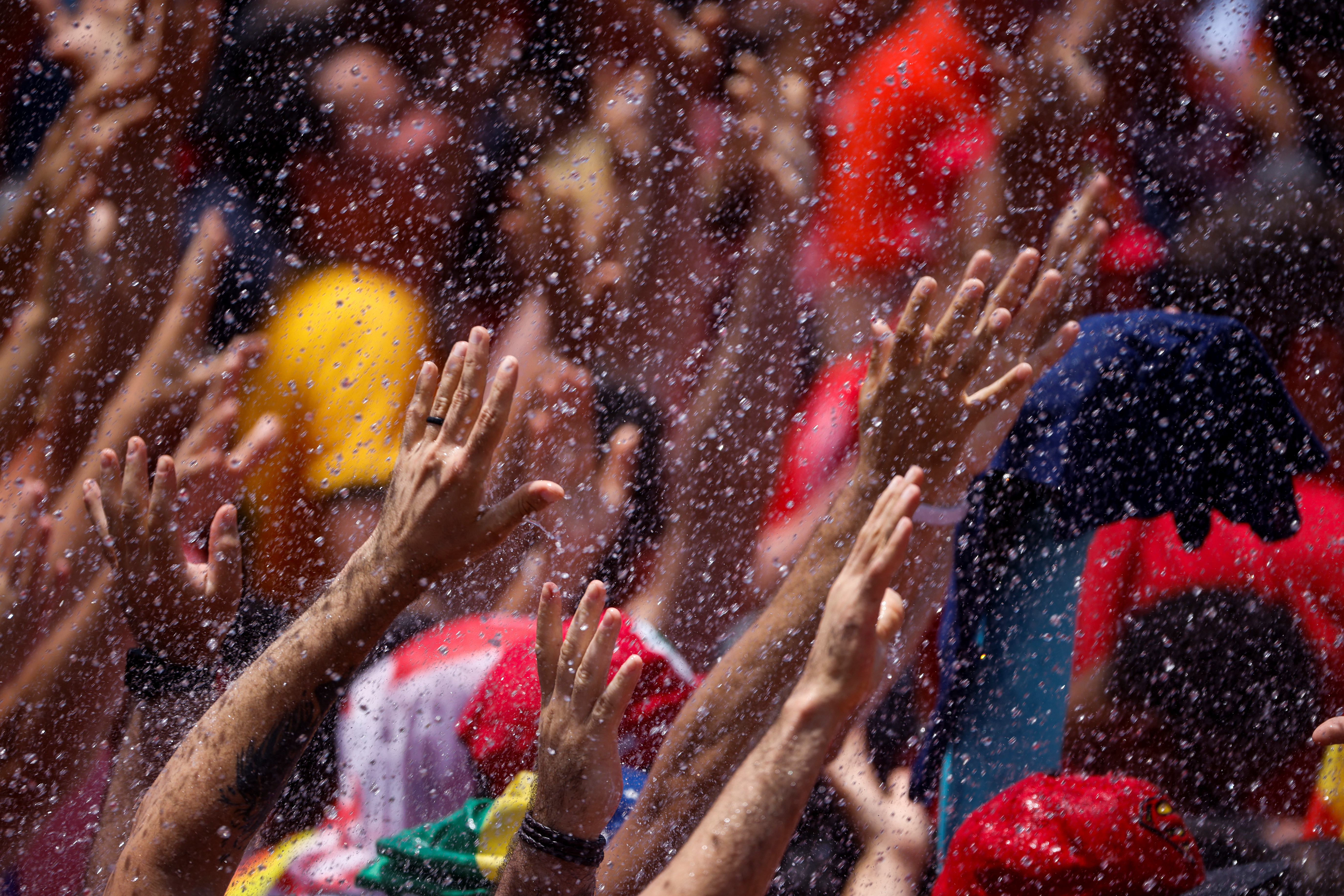
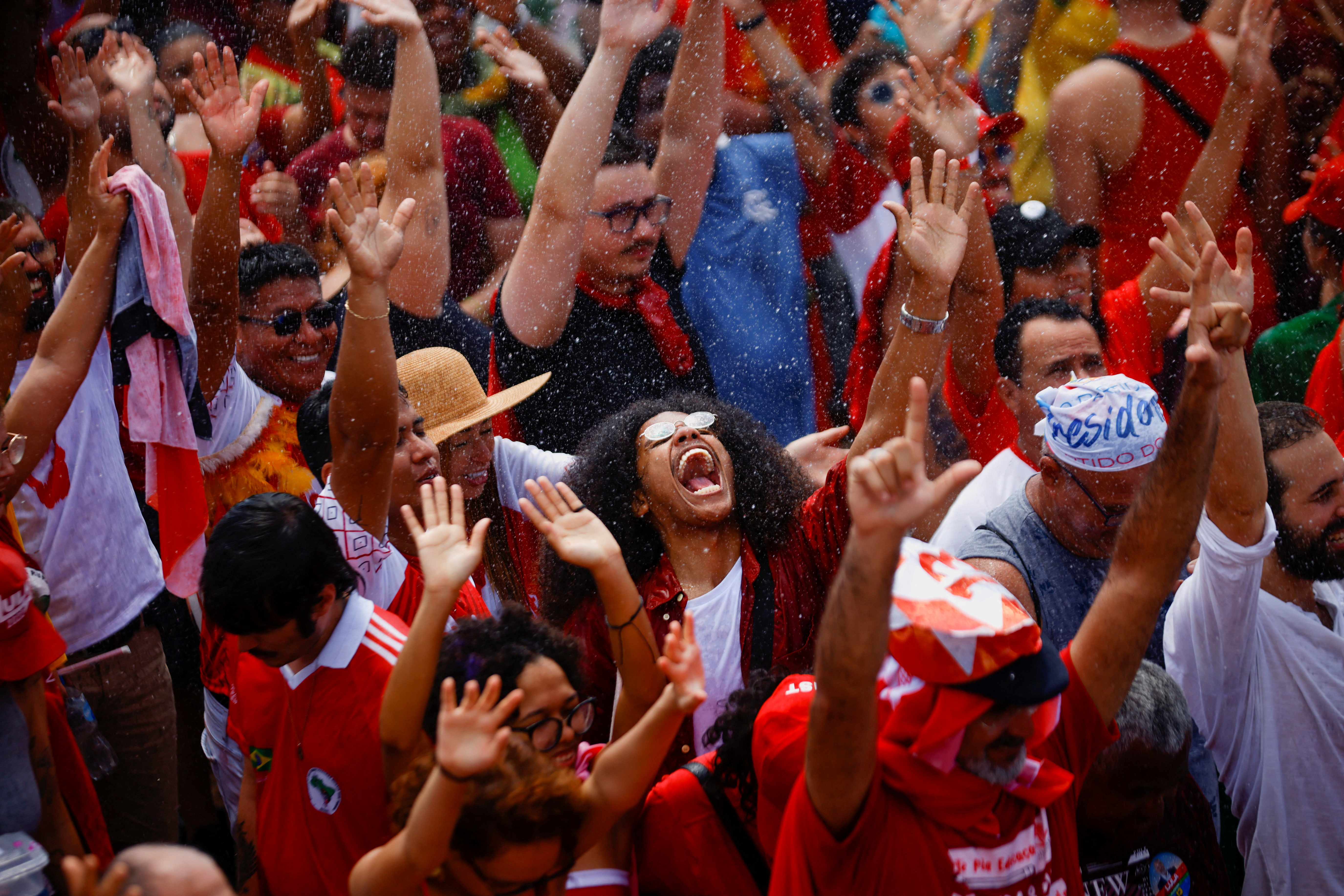

Supporters of Brazil’s President elect Luiz Inacio Lula da Silva are sprayed with water during hot weather, as they gather outside the Planalto Palace ahead of Lula’s swear-in ceremony, in Brasilia, Brazil, January 1, 2023. REUTERS/Adriano Machado

Supporters of Brazil’s President elect Luiz Inacio Lula da Silva gather outside the Planalto Palace ahead of Lula’s swear-in ceremony, in Brasilia, Brazil, January 1, 2023. REUTERS/Adriano Machado

Supporters of Brazil’s President elect Luiz Inacio Lula da Silva gather outside the Planalto Palace ahead of Lula’s swear-in ceremony, in Brasilia, Brazil, January 1, 2023. REUTERS/Adriano Machado

Supporters of Brazil’s President elect Luiz Inacio Lula da Silva are sprayed with water during hot weather, as they gather outside the Planalto Palace ahead of Lula’s swear-in ceremony, in Brasilia, Brazil, January 1, 2023. REUTERS/Adriano Machado

The motorcade of Brazil’s President elect Luiz Inacio Lula da Silva is seen near the Planalto Palace in Brasilia, Brazil, January 1, 2023. REUTERS/Ueslei Marcelino

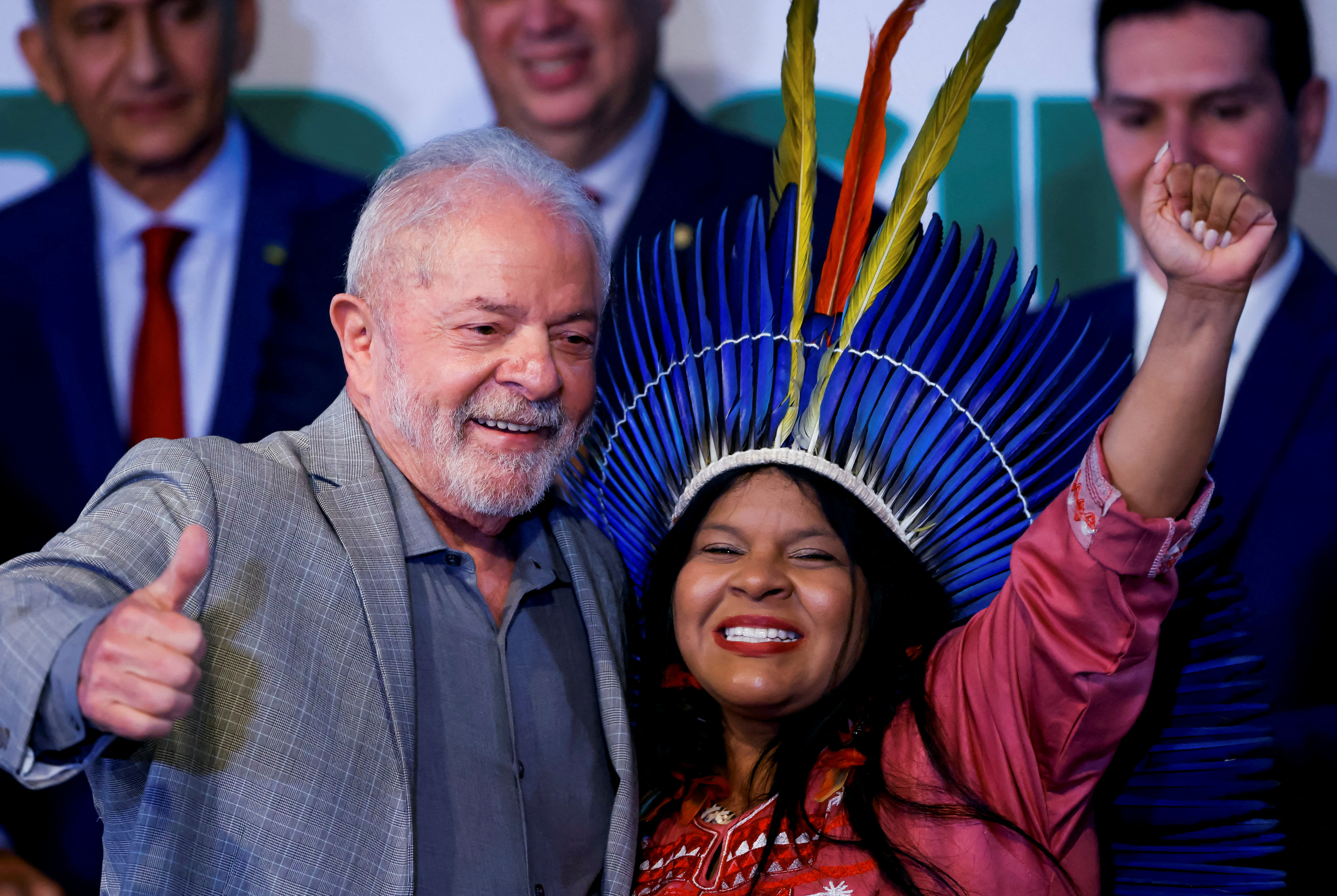
Brazilian President-elect Luiz Inacio Lula da Silva stands next to Sonia Guajajara, nominee for minister of Indigenous Peoples, during the presentation of the ministers nominated for his government at the transition government building in Brasilia, Brazil December 29, 2022. REUTERS/Adriano Machado

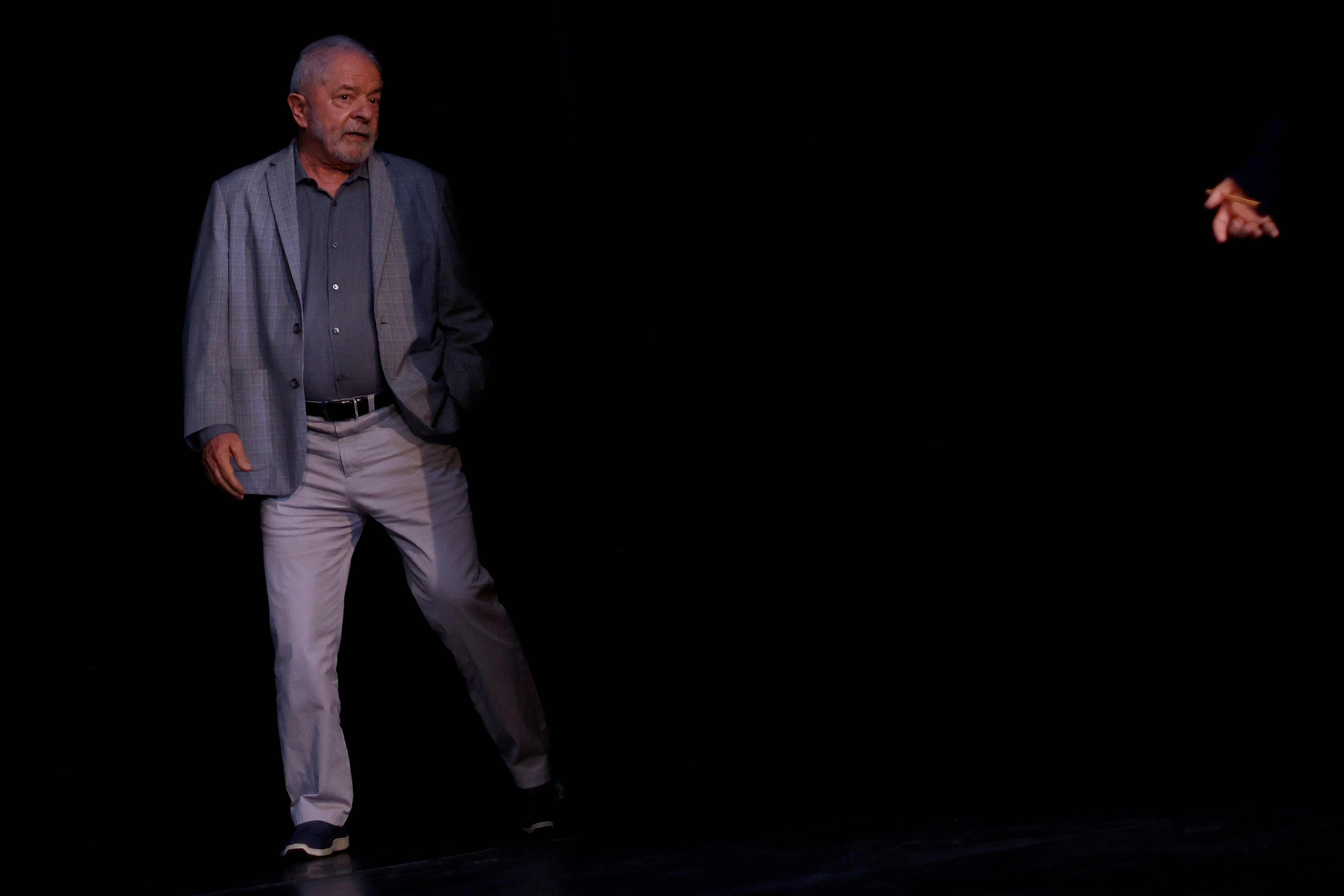
Brazilian President-elect Luiz Inacio Lula da Silva attends the presentation of the ministers nominated for his government at the transition government building in Brasilia, Brazil December 29, 2022. REUTERS/Adriano Machado/File Photo
Categories
Audio Sources - Full Text Articles

Analysis: Jail time hardened Lula“s resolve to tackle poverty over profit

2023-01-01T18:31:42Z

Brazilian President Luiz Inacio Lula da Silva’s 580-day stretch behind bars imbued him with a renewed sense of social justice, the leftist’s allies and confidants said, convincing him of the need to prioritize ending poverty over boosting profits.

Lula was sworn in on Sunday for an unprecedented third term, capping a dramatic turnaround for one of the world’s most enduring political leaders, who first ran for president in 1989.

Jailed for graft in 2018 – the year right-wing former President Jair Bolsonaro was elected – Lula’s convictions were overturned in 2019, allowing him to oust Bolsonaro in October’s election.

As he strives to unite a nation riven by economic woes, a bruising pandemic and Bolsonaro’s far-right populism, Lula is looking to his prison days for inspiration, allies and confidants told Reuters.

He learned from three failed presidential bids to tone down his leftist ideals and make peace with Brazil’s powerful private sector during his 2003-10 presidency. But Lula 3.0 plans to double down on fighting poverty, ending hunger, and attacking racism, allies said, while also rewarding loyal Workers Party (PT) jail visitors with key cabinet positions.

“Prison reinforced the sense that he has a duty above all to the poor in Brazil,” said Tarso Genro, a former PT governor of Rio Grande do Sul and a close Lula associate. “He went to prison strong and came out stronger.”

The more ideological Lula who emerged from jail in 2019 should not be a cause for concern, friends and allies said. He is still the same pragmatist who honed his powers of persuasion as a union leader in the Sao Paulo auto plants of the 1970s, they added.

Lula aides have encouraged comparisons with former South African leader Nelson Mandela, who spent over a quarter of a century behind bars as an opponent of the country’s apartheid.

But many on Faria Lima, the so-called “Brazilian Wall Street,” who fondly recall the business-friendly Lula of the early 2000s are holding their breath, worried that increased social spending and a loyalist cabinet will damage Brazil’s fiscal credibility and usher in a new era of graft-stained statism.

“The initial reaction to Lula 3.0 on Faria Lima is not favorable,” said economist Andre Perfeito, referring to the market dip after Lula’s spending proposal was announced. “Many investors bet on Bolsonaro winning and they almost got it right, so it is natural they are not happy.”

Recent cabinet appointments – including PT leader Fernando Haddad as finance minister – have also troubled some investors.

Lula also recently named PT stalwart and economist Aloizio Mercadante as head of national development bank BNDES, which during previous PT governments lent billions of reais to projects consumed by allegations of waste and graft, though bank officials have said they were transparent.

Lula’s spokesman Jose Chrispiniano said the president supported fiscal responsibility and believes that strengthening the economy is the best way to combat poverty.

“He does not see any contradiction between caring for the poorest and promoting growth. On the contrary, he thinks caring for the poor and giving them the opportunity to work and consume is what generates sustainable growth,” he told Reuters.

Lula’s new-found social awareness was ignited by reading books on race, slavery and hunger behind bars, as well as biographies of Fidel Castro and Nelson Mandela, according to his website. He also perused “Lulismo in crisis,” a critical review of his movement and its missteps by his former press secretary Andre Singer.

It was augmented by his relationship with Rosangela da Silva, or Janja, a PT activist 20-years his younger whom he married on release and who looks set to be a key political player. Lula became a widower when his first wife Mariza died the year before he went to jail.

Janja – who helped organize Lula’s election certification and Sunday’s inauguration, as well as advising on cabinet choices – was among hundreds of PT true-believers who camped outside his prison in the southern city of Curitiba.

“Good morning, President Lula,” his devotees would chant as the day began, followed by “Good night, President Lula,” as he went to bed.

From his 15-square-meter cell on the third floor of the Federal Police headquarters in Curitiba, Lula set about reorganizing the PT and managing his legal defense. It was there he planned the failed presidential campaign of Haddad, a regular visitor who lost to Bolsonaro in 2018.

When he left prison, Lula was determined to set the record straight on his imprisonment and said he wanted to be re-elected to clear his name in the people’s court. He called his imprisonment a political witch-hunt, fabricated by the right to keep him from running in 2018.

Another close aide, PT Senator Humberto Costa, said Lula matured politically in jail.

“What drove him to run again was the need to leave his mark, not just politically but historically, by bringing lasting change to Brazil,” Costa said.

Related Galleries:

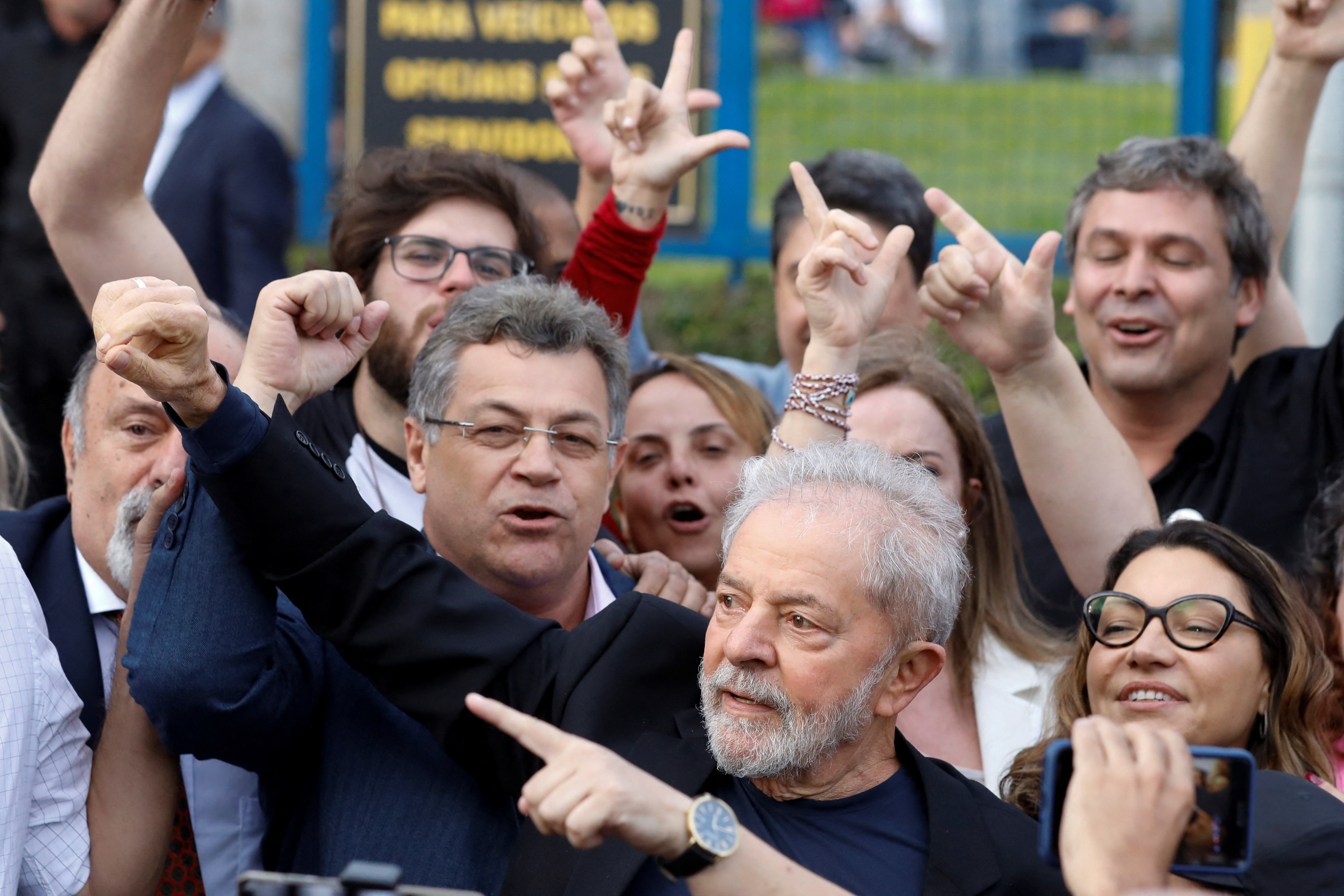
Former Brazilian President Luiz Inacio Lula da Silva gesture as he is released from prison, in Curitiba, Brazil November 8, 2019. REUTERS/Rodolfo Buhrer

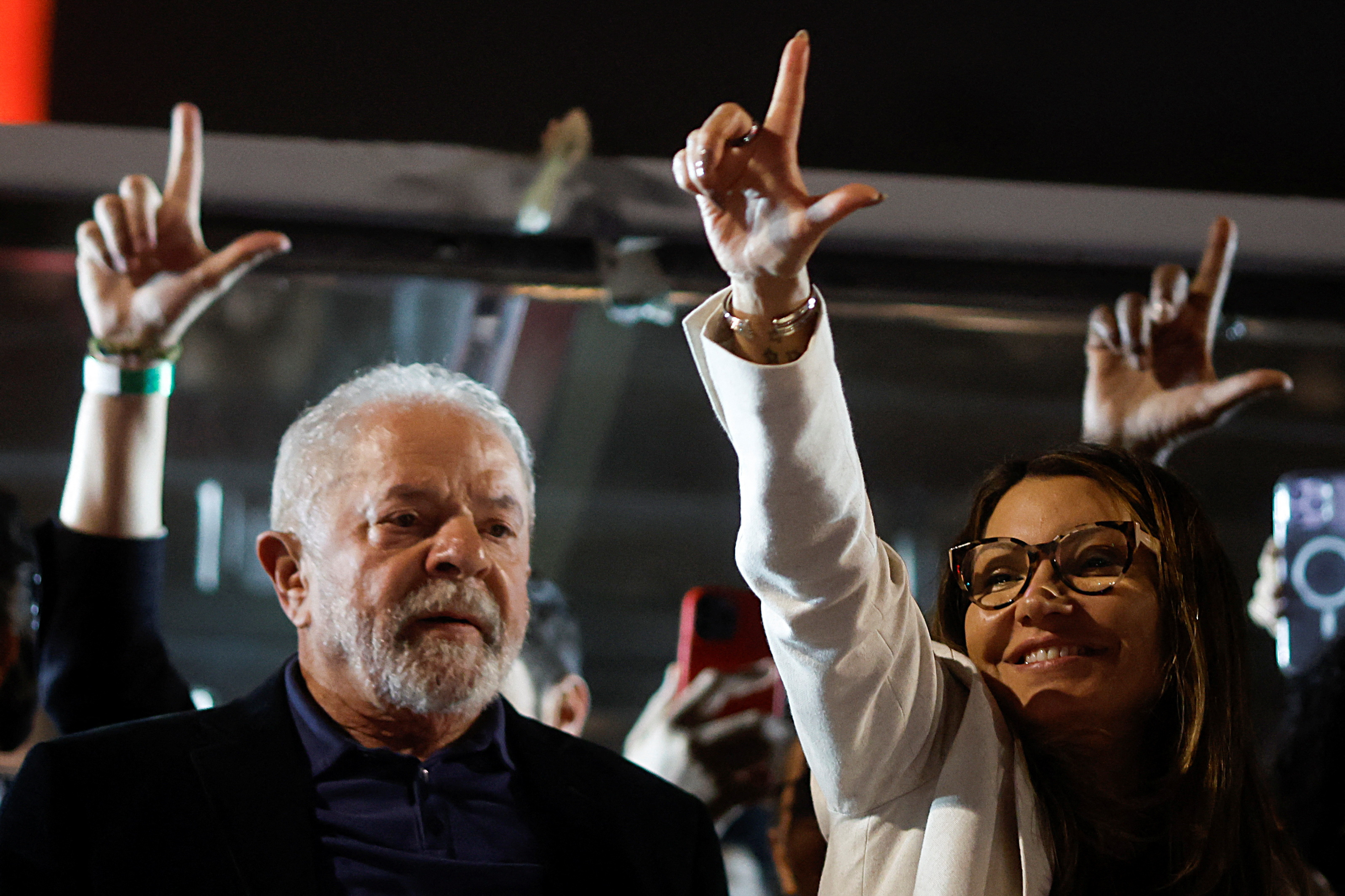
Brazil’s former President and presidential candidate Luiz Inacio Lula da Silva stands next to his wife Rosangela da Silva as she gestures the letter L for Lula after the results of the first round of Brazil’s presidential election, in Sao Paulo, Brazil October 2, 2022. REUTERS/Amanda Perobelli

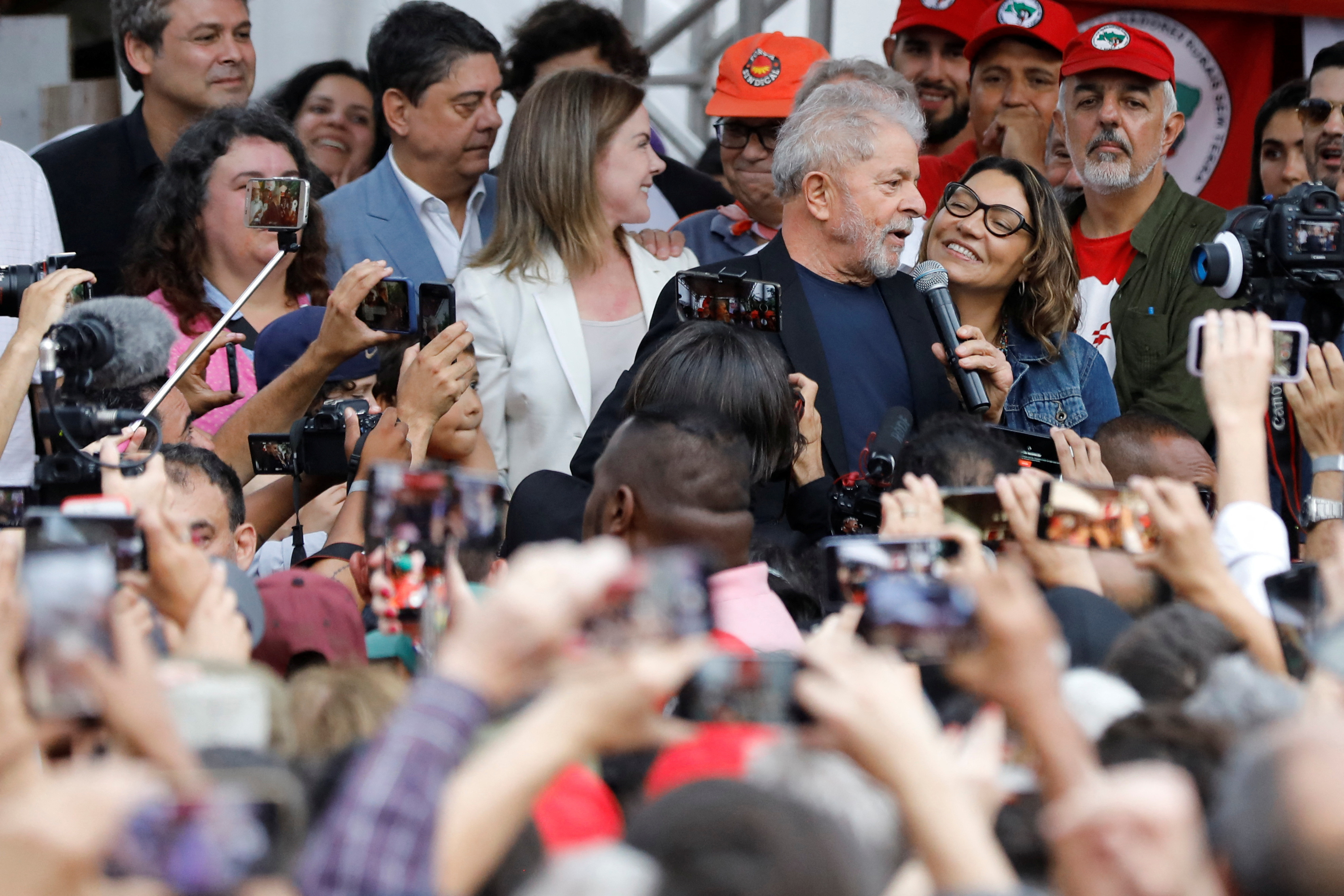
Former Brazilian President Luiz Inacio Lula da Silva gives a speech after being released from prison, in Curitiba, Brazil November 8, 2019. REUTERS/Rodolfo Buhrer

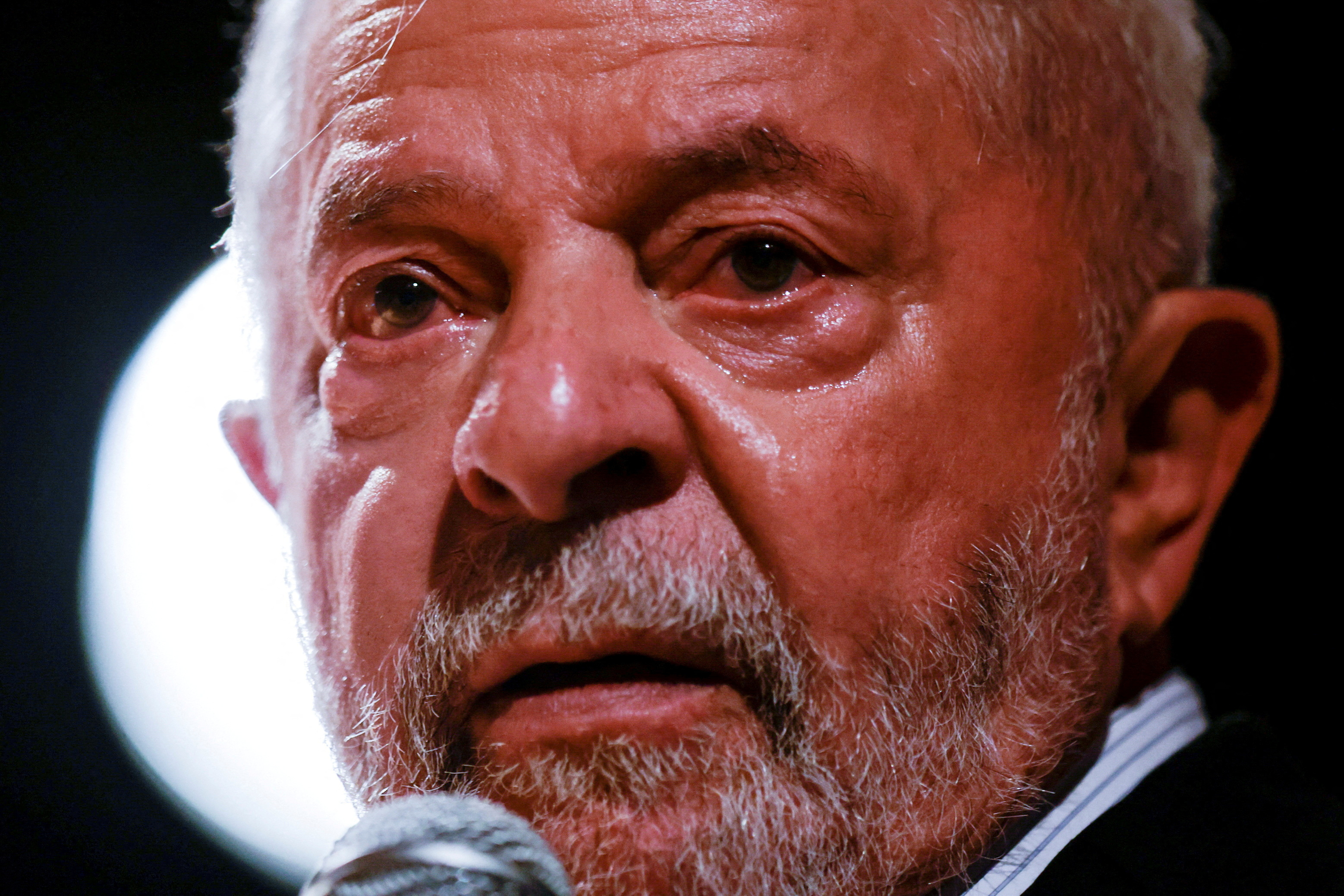
Brazilian President-elect Luiz Inacio Lula da Silva cries while speaking during a meeting with members of the government transition team in Brasilia, Brazil November 10, 2022. REUTERS/Ueslei Marcelino REUTERS
Categories
Audio Sources - Full Text Articles

Russian troops shell two communities in Dnipropetrovsk region

630_360_1656480323-642.jpg

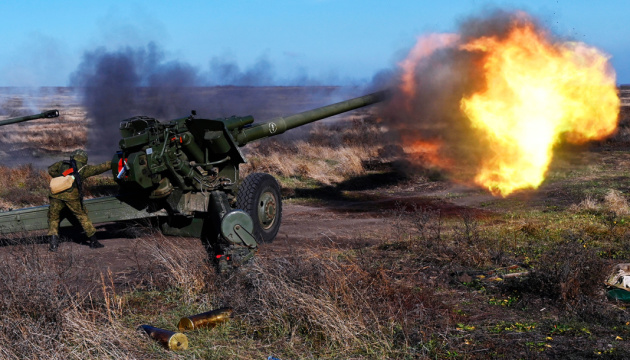
In the night of January 1, the Russian army shelled two communities in the Nikopol district, Dnipropetrovsk region.

Mykola Lukashuk, head of the Dnipropetrovsk Regional Council, wrote this on Telegram, Ukrinform stories.

“In the evening, Russian occupiers hit the Marhanets and Myrove communities in the Nikopol district with hefty artillery,” he wrote.

According to preliminary details, no casualties have been reported. Details about the destruction is getting clarified

As for other district of the location, the circumstance was tranquil throughout the day.

As described by Ukrinform, the Russian navy hit Orikhiv, killing a person person and injuring a few extra men and women.

iy

Source link

The post Russian troops shell two communities in Dnipropetrovsk region appeared first on Ukraine Intelligence.

Categories
Audio Sources - Full Text Articles

The Guardian view on the BBC: more important than ever | Editorial

The future looks tough for public broadcasting, but its independence must not be compromised

Anyone who watched the finale of Strictly Come Dancing last month could be mistaken for thinking that all was right with the BBC. Viewing figures might have been down on the Covid years, but here was event TV that mustered all the resources at the corporation’s disposal – musicians, costumiers, lighting and sound technicians – into a glittering occasion that delivered a new success story for multicultural Britain: the lovable Sudan-born wildlife presenter, Hamza Yassin. One-third of the Reithian mission – to entertain – was jubilantly fulfilled. Yet those dipped figures (down to 9.2m, nearly 2m below the previous year) reflect a more difficult story that unfolded over its centenary year, calling into question what John Reith’s objectives – to inform and educate as well as to entertain – might mean as it moves into its second century.

In April, the corporation’s director general, Tim Davie, announced that, in order to meet government-imposed funding cuts, it would have to seriously reduce the number of programmes that it produces and was considering turning more television and radio stations into archive services, dedicated to recycling existing material. In October, the audio producers’ trade association wrote to the broadcasting regulator, Ofcom, pointing out that by April 2023, Radio 4’s drama output – a seedbed for talent – will have fallen by 50% since quotas that protected key genres were removed in 2017, calling into question the BBC’s commitment to developing writers and putting out one-off radio production.

Continue reading…

Categories
Audio Sources - Full Text Articles

Arrest of suspect in killings ‘a relief’ to Idaho campus

BOISE, Idaho (AP) — The fatal stabbings of four students at the University of Idaho shook the college town of Moscow, a small community nestled in the rolling agricultural hills of the Palouse region that hadn’t seen a murder for five years.

The Nov. 13 slayings seemed to mystify police, adding to the tension in town as the weeks went by without a break in the case. Then on Friday a suspect was arrested more than 2,500 miles (4,000 kilometers) away in Pennsylvania.

Bryan Christopher Kohberger, 28, was taken into custody in the early morning by the Pennsylvania State Police at a home in Chestnuthill Township, authorities said. Latah County, Idaho, Prosecutor Bill Thompson said investigators believe Kohberger broke into the students’ home “with the intent to commit murder.”

DNA evidence played a key role in identifying Kohberger as a suspect in the killings and authorities were able to match his DNA to genetic material recovered during the investigation, a law enforcement official said. In recent days, federal investigators had been watching Kohberger.

Kohberger is a Ph.D. student in the Department of Criminal Justice and Criminology at Washington State University, which is near the University of Idaho. He also is a teaching assistant for the university’s criminal justice and criminology program, according to a WSU’s online directory.

Federal and state investigators are now combing through Kohberger’s background, financial records and electronic communications as they work to identify a motive and build the case, the law enforcement official said. The investigators are also interviewing people who knew Kohberger, including those at WSU, the official said.

The official could not publicly discuss details of the ongoing investigation and spoke to The Associated Press on condition of anonymity.

Kohberger is being held without bond in Pennsylvania and will be held without bond in Idaho once he is returned, Thompson said. The affidavit for four charges of first-degree murder in Idaho will remain sealed until he is returned, the prosecutor said. He is also charged with felony burglary in Idaho. An extradition hearing is scheduled for Tuesday.

The students — Kaylee Goncalves, Madison Mogen, Xana Kernodle and Ethan Chapin — were stabbed to death at a rental home near campus in Moscow, a town of about 25,000 people near the Washington state border.

Moscow Police Chief James Fry said investigators are still looking for a weapon. He was emotional as he announced the arrest at a news conference Friday, calling the victims by their first names.

Tips began pouring in after law enforcement asked the public for help finding a white Hyundai Elantra sedan seen near the home around the time of the killings.

In addition to the DNA evidence, authorities also learned Kohberger had a white Hyundai Elantra, the official who spoke anonymously said.

No lawyer for Kohberger was listed in court documents and phone calls to the county public defender’s office went answered Friday.

WSU and UI are partners in several academic programs and students sometimes attend classes and seminars or work at the neighboring schools. That doesn’t appear to be the case with Kohberger: University of Idaho President Scott Green wrote in a memo to students and employees on Friday evening that the Idaho school had no record of him.

In the memo, Green said the arrest was “the news we have been waiting for.”

Green said he was grateful for the law enforcement agencies, including the Idaho State Police troopers who were brought in to help patrol the university and the community in the weeks after the stabbings.

“The crime has nevertheless left a mark on our university, our community and our people,” Green wrote. Counseling services would remain available to students throughout the winter break and after classes resume on Jan. 11, he said.

Kohberger graduated from Northampton Community College in Pennsylvania with an associate of arts degree in psychology in 2018, said college spokesperson Mia Rossi-Marino. DeSales University in Pennsylvania said that he received a bachelor’s degree in 2020 and completed graduate studies in June 2022.

Goncalves, 21, of Rathdrum, Idaho; Mogen, 21, of Coeur d’Alene, Idaho; Kernodle, 20, of Post Falls, Idaho; and Chapin, 20, of Conway, Washington, were members of the university’s Greek system and close friends. Mogen, Goncalves and Kernodle lived in the three-story rental home with two other roommates. Kernodle and Chapin were dating and he was visiting the house that night.

Autopsies showed all four were likely asleep when they were attacked. Some had defensive wounds and each was stabbed multiple times. There was no sign of sexual assault, police said.

Shanon Gray, an attorney representing Goncalves’s father, Steve Goncalves, said law enforcement officials called the family Thursday to let them know about the arrest, but gave no additional information about how or why they believe he might be connected to the killings.

Ben Roberts, a graduate student in the criminology and criminal justice department at WSU, described Kohberger as confident and outgoing, but said it seemed like “he was always looking for a way to fit in.”

“I had honestly just pegged him as being super awkward.” Roberts said.

Roberts started the program in August — along with Kohberger, he said — and had several courses with him. He described Kohberger as wanting to appear academic.

“One thing he would always do, almost without fail, was find the most complicated way to explain something,” he said.

Safety concerns had also led UI to hire security to escort students across campus.

“To describe it as a relief is pretty much spot on,” said Brian Wolf, a UI sociology professor who specializes in criminology and social control. “It’s still somber, because we lost four members of our University of Idaho family, but it’s safe to say we will probably all sleep better tonight.”

___

Levy reported from Harrisburg, Pennsylvania, and Balsamo reported from Washington. News Researcher Rhonda Shafner in New York, and reporters Mark Scolforo and Brooke Schultz in Harrisburg, Pennsylvania, Michael Kunzelman in Silver Spring, Maryland, and Martha Bellisle in Seattle also contributed.

WP Radio
WP Radio
OFFLINE LIVE