Categories
Audio Sources - Full Text Articles

South Africa tanker explosion death toll jumps to 27

2022-12-29T08:10:31Z

The death toll from a gas tanker blast in Johannesburg on Christmas Eve has climbed to 27, the provincial health department said on Thursday.

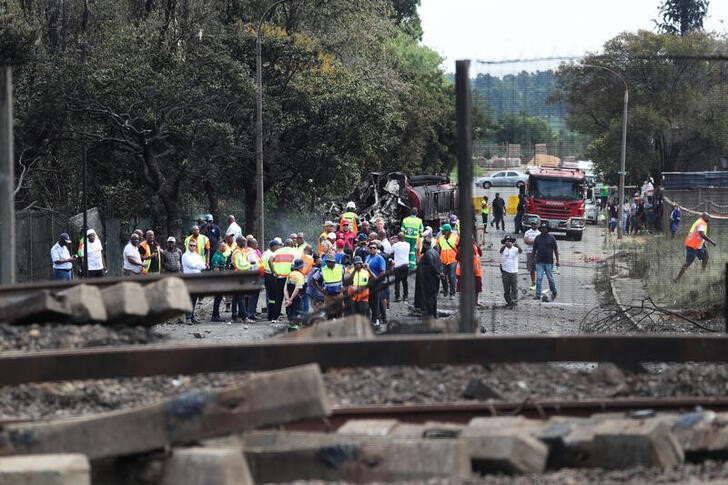
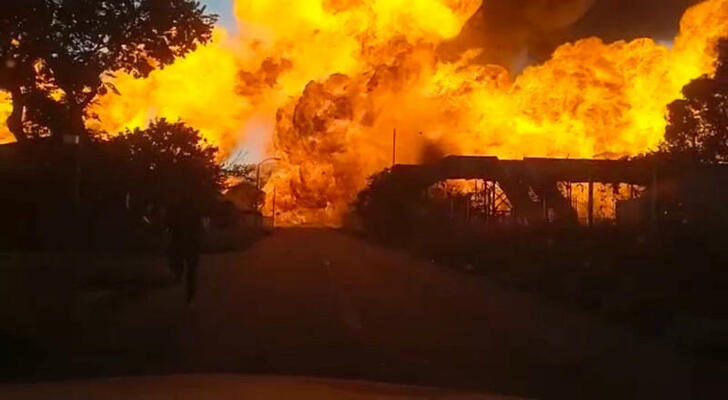
The explosion in the city’s Boksburg suburb on Saturday tore the roof off the emergency department at the Tambo Memorial hospital, destroyed two houses, several cars and injured bystanders up to 500 metres from the scene.

“The department of health confirms that the death toll now stands at 27 from the Boksburg explosion. 10 of these are health workers from Tambo Memorial Hospital,” the Gauteng Department of Health said in a statement.

Authorities had earlier said 18 people died, but the number was expected to rise because of the severe nature of the burns inflicted by the blast.

The truck driver, who was earlier arrested on suspicion of culpable homicide, was released on Wednesday due to lack of evidence, local media reported.

President Cyril Ramaphosa has promised support to people affected by the blast and said authorities were looking into the incident.

Related Galleries:

People gather near a burnt out truck at the entrance of the damaged bridge where a gas tanker exploded in Boksburg near Johannesburg, South Africa, December 24, 2022. REUTERS/Sumaya Hisham

A gas tanker explodes, in Boksburg, South Africa December 24, 2022, in this screen grab from a video obtained by Reuters. AAA Security Group/via REUTERS

A gas tanker explodes, in Boksburg, South Africa December 24, 2022, in this screen grab from a video obtained by Reuters. AAA Security Group/via REUTERS THIS IMAGE HAS BEEN SUPPLIED BY A THIRD PARTY. MANDATORY CREDIT. NO RESALES. NO ARCHIVES./File Photo
Categories
Audio Sources - Full Text Articles

Russia attacking Ukraine with cruise missiles from various directions

630_360_1652597869-600.jpg

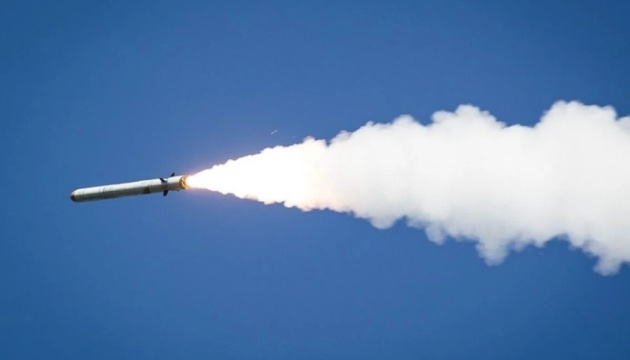
Russian troops are attacking Ukraine from various instructions with cruise missiles fired from strategic plane and ships.

In accordance to Ukrinform, the Ukrainian Air Force Command explained this in a put up on Facebook.

“Soon after the evening assault with kamikaze drones, the enemy is attacking Ukraine from many directions with air and sea-primarily based cruise missiles from strategic aircraft and ships. In addition, a high action of the tactical aviation of the occupiers is observed,” the report reads.

On December 29, Ukrainian air defense forces shot down a Russian missile in the Sumy area.

Source link

The post Russia attacking Ukraine with cruise missiles from various directions appeared first on Ukraine Intelligence.

Categories
Audio Sources - Full Text Articles

Ukraine reports Russian missile strikes on capital and other cities

2022-12-29T07:47:06Z

Ukraine reported a new wave of Russian missile strikes on Thursday morning as air-raid sirens blared across the country and officials said blasts were heard in several cities, including the capital Kyiv.

The Ukrainian Air Force said Russia was following an overnight assault by “kamikaze” drones by attacking the country “from different directions” with air- and sea-based cruise missiles.

It added that air defence systems could be active throughout the country.

Presidential adviser Mykhailo Podolyak said more than 120 missiles had been fired at Ukraine.

“We’re waiting for further proposals from ‘peacekeepers’ about (a) ‘peaceful settlement,'” he wrote on Twitter, referring to Russia’s calls for a solution to the war Moscow started with an invasion on Feb. 24.

The mayors of Kyiv, Lviv and Kharkiv all reported explosions in their cities and Ukrainian Railways said numerous train lines were delayed as a result of power outages.

Kyiv Mayor Vitali Klitschko wrote on Telegram that the capital could experience power cuts and urged residents to charge their devices and stock up on reserves of water.

Power cuts were also announced in the Odesa and Dnipropetrovsk regions, aimed at minimising potential damage to the energy infrastructure.

Russia has mounted numerous waves of air strikes in recent months on Ukrainian critical infrastructure, leading to emergency and planned power outages.


Categories
Audio Sources - Full Text Articles

Explosions rock Ukrainian cities as Russia launches “more than 100 missiles“ in waves

2022-12-29T04:44:46Z

KYIV/BAKHMUT, Ukraine (Reuters) -Air raid sirens rang across Ukraine as Russia unleashed more than 100 missiles on Thursday morning, according to a Ukrainian presidential adviser, and blasts were heard in several cities, including the capital Kyiv.”A massive air raid. More than 100 missiles in several waves,” presidential office adviser Oleksiy Arestovych wrote on Facebook, and the head of Ukraine’s Mykolaiv region also reported Russian missiles in the air.

?m=02&d=20221229&t=2&i=1618470385&r=LYNX

FILE PHOTO: SENSITIVE MATERIAL. THIS IMAGE MAY OFFEND OR DISTURB. Cars burn on a street after a Russian military strike, amid Russia’s attack of Ukraine, in Kherson, Ukraine December 24, 2022. Ukrainian Presidential Press Service/Handout via REUTERS

Explosions were heard in Kyiv, Zhytomyr and Odesa, according to a Reuters correspondent and local media reports.

Power cuts were announced in the Odesa and Dnipropetrovsk regions, aimed at minimising potential damage to the energy infrastructure.

The blitz came hard on the heels of the Kremlins rejection of a Ukrainian peace plan, insisting that Kyiv accept Russia’s annexation of four regions.

Moscow has repeatedly denied targeting civilians, but Ukraine says its daily bombardment is destroying cities, towns, and the country’s infrastructrure from power to medical.

On Wednesday, Russian shelling hit the maternity wing of a hospital in the city of Kherson, though no-one was hurt, according to Kyrylo Tymoshenko, President Volodymyr Zelenskiy’s deputy chief of staff. Staff and patients were moved to a shelter, Tymoshenko said in a post on Telegram.

“It was frightening … the explosions began abruptly, the window handle started to tear off … oh, my hands are still shaking,” Olha Prysidko, a new mother, said. “When we came to the basement, the shelling wasn’t over. Not for a minute.”

Ukraine’s recently liberated southern city of Kherson has remained under constant bombardment from Russian forces which had retreated to the east bank of the river when the city was retaken in a major victory for Ukraine last month.

Zelenskiy, in a video address, urged Ukrainians to hug loved ones, tell friends they appreciate them, support colleagues, thank their parents and rejoice with their children more often.

“We have not lost our humanity, although we have endured terrible months,” he said. “And we will not lose it, although there is a difficult year ahead.”

Russia invaded Ukraine on Feb. 24. Kyiv and its Western allies have denounced Russia’s actions as an imperialist-style land grab. Russian President Vladimir Putin calls it a “special military operation” to demilitarize its neighbour.

Sweeping sanctions have been imposed on Russia for the war, which has killed tens of thousands of people, driven millions from their homes, left cities in ruins and shaken the global economy, driving up energy and food prices.

Russian gas exports to Europe via pipelines collapsed to a post-Soviet low in 2022 as its largest customer cut imports due to the Ukraine conflict and a major pipeline was damaged by mysterious blasts, Gazprom data and Reuters calculations show.

‘TODAY’S REALITIES’

There is still no prospect of talks to end the war.

Zelenskiy is vigorously pushing a 10-point peace plan that envisages Russia respecting Ukraine’s territorial integrity and pulling out all its troops.

But Moscow dismissed it on Wednesday, reiterating Kyiv must accept Russia’s annexation of the four regions – Luhansk and Donetsk in the east, and Kherson and Zaporizhzhia in the south.

There can be no peace plan “that does not take into account today’s realities regarding Russian territory, with the entry of four regions into Russia”, Kremlin spokesman Dmitry Peskov said.

Russian Foreign Minister Sergei Lavrov said Zelenskiy’s idea of driving Russia out of eastern Ukraine and Crimea with Western help and getting Moscow to pay damages to Kyiv is an “illusion”, the RIA news agency reported.

TASS cited Lavrov as saying that Russia would continue to build up its fighting strength and technological capabilities in Ukraine. He said that Moscow’s mobilised troops had undergone “serious training” and while many were now on the ground, the majority were not yet at the front.

Zelenskiy told parliament to remain united and praised Ukrainians for helping the West “find itself again”.

“Our national colours are today an international symbol of courage and indomitability of the whole world,” he said in an annual speech held behind closed doors.

On the battlefront, Russia shelled more than 25 settlements around Kherson and Zaporizhzhia, the General Staff of Ukraine’s Armed Forces said on Wednesday. The Kherson region, at the mouth of the Dnipro, serves as a gateway to Russian-annexed Crimea.

Heavy fighting persisted around the Ukrainian-held city of Bakhmut, in the eastern province of Donetsk, and to its north, around the cities of Svatove and Kreminna in Luhansk, where Ukrainian forces are trying to break Russian defensive lines.

Britain’s defence ministry said Russia had likely reinforced the Kreminna section of the frontline as it is logistically important and relatively vulnerable following Ukrainian advances further west.

Kyiv-based military analyst Oleh Zhdanov noted that Kharkiv city and region had also come under heavy attacks which damaged a regional gas pipeline.

Kharkiv Mayor Ihor Terekhov said in a Telegram post that the city had come under attack twice, “presumably” from Iranian Shahed drones, five of which Ukraine’s eastern air command separately reported downing over the city of Dnipro.

Reuters was unable to verify battlefield reports.

Categories
Audio Sources - Full Text Articles

Analysis: China“s COVID policymaking under scrutiny as infections soar

2022-12-29T06:05:52Z

After China scrapped three years of zero-COVID curbs in 30 days, setting off a massive wave of infections, Beijing’s policymakers face an immense challenge to treat the sick and minimise deaths while winning back public trust dented by previous policies.

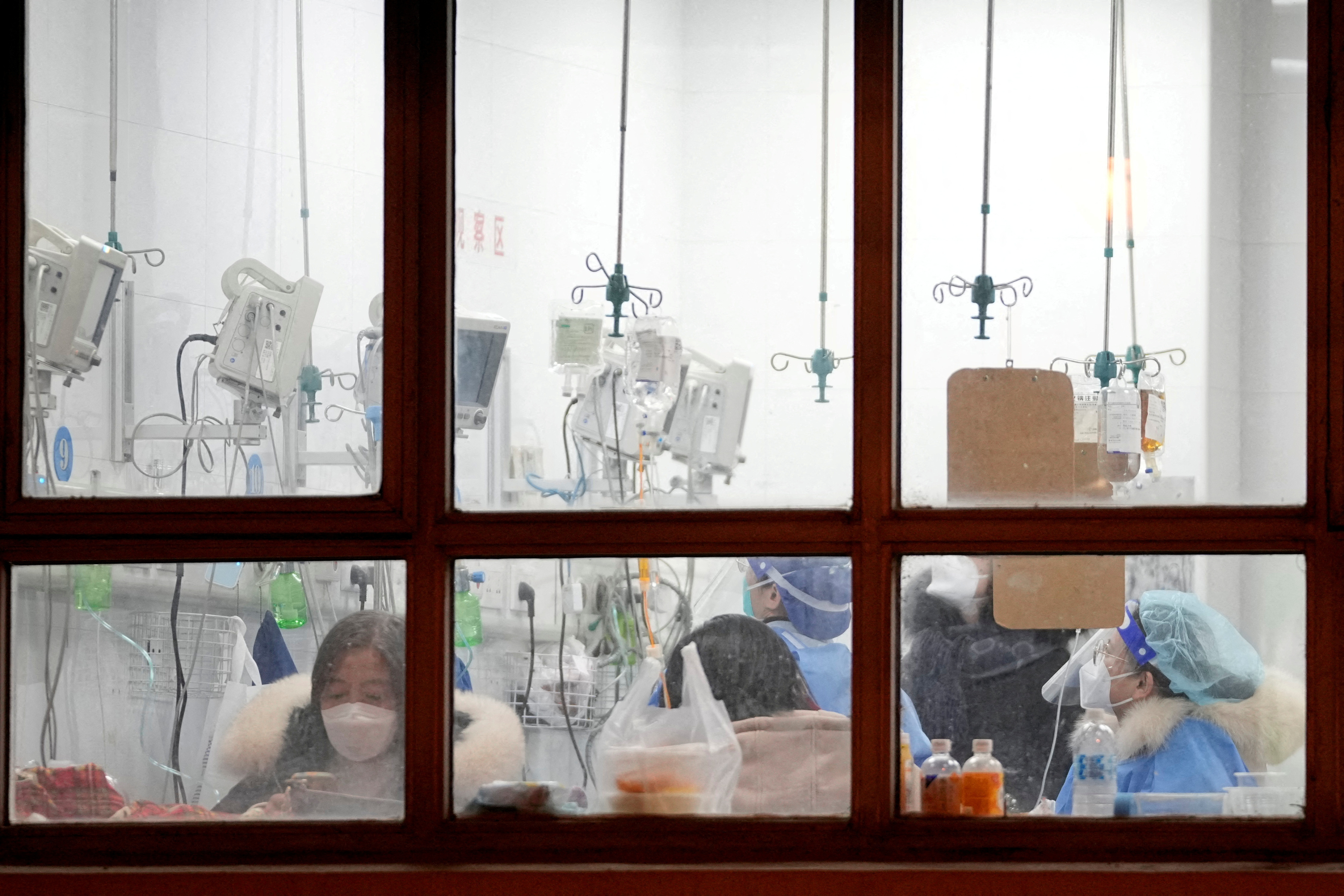
Scenes of overwhelmed hospitals, people on intravenous drips by the roadside and lines of hearses outside crematoria have fuelled public concern. An extraordinarily small number of reported fatalities – 10 deaths since the old policy regime was overturned on Dec. 7 – and a decision by authorities to stop publishing data on cases have also stoked distrust.

With estimates of millions of daily cases and at least 1 million COVID deaths next year, global experts say the world’s most populous nation needs to bolster its medical infrastructure quickly. Chinese officials have vowed to step up protection for key demographic groups – including millions of elderly people – boost vaccination rates and expand healthcare resources.

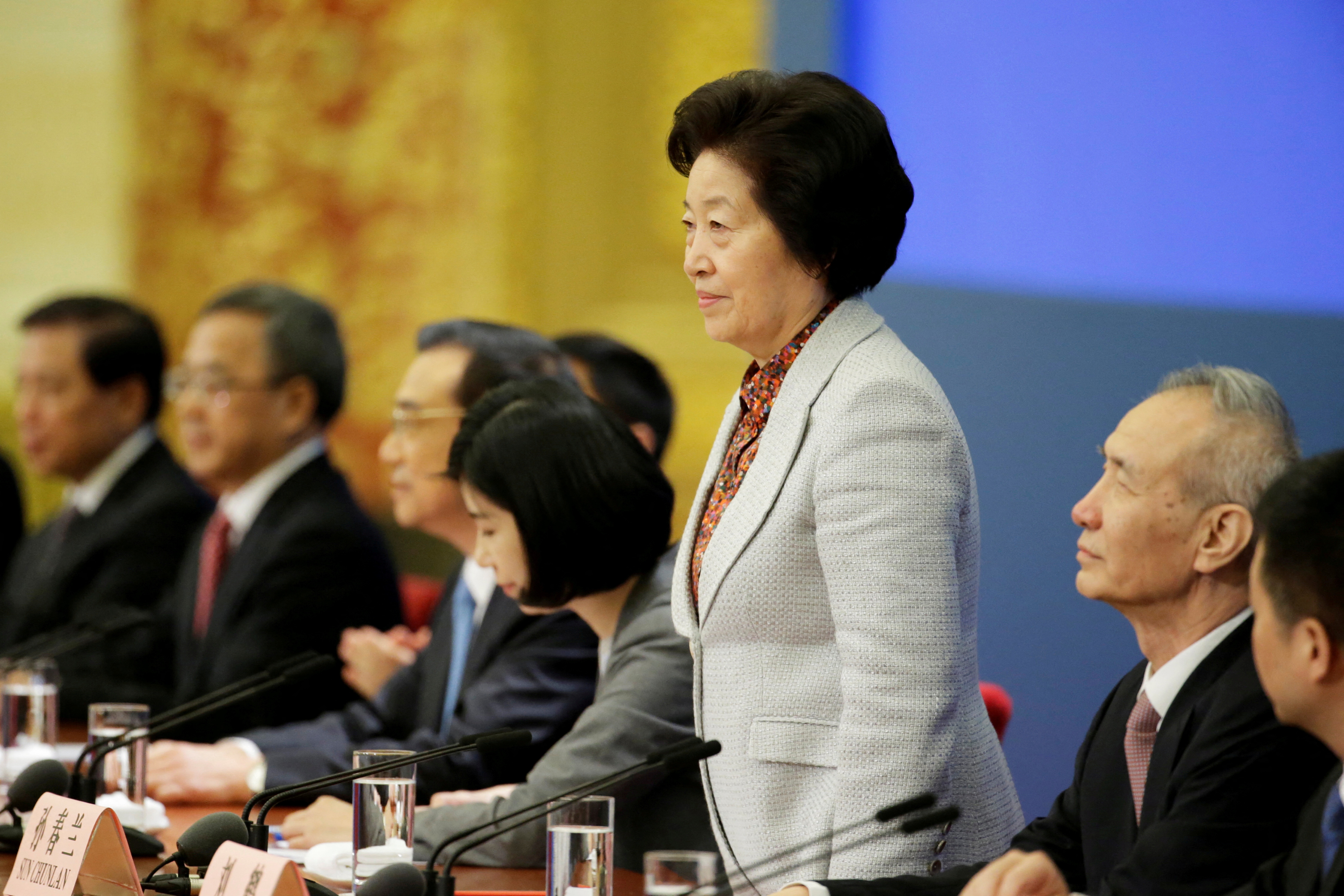
Experts say China has been caught ill-prepared by the abrupt U-turn in policies long championed by President Xi Jinping and implemented by trusted ally Vice Premier Sun Chunlan, be it the Chinese capital or the countryside.

In December, tenders put out by hospitals for key medical equipment such as ventilators and patient monitors were two to three times higher than in previous months, according to a Reuters review,suggesting hospitals across the country were scrambling to plug shortages.

China’s COVID policy, especially at the grassroots level, is in chaos due to crunches in medical supplies and the sheer number of sick elderly people, said Alfred Wu, associate professor at the Lee Kuan Yew School of Public Policy at the National University of Singapore.

“This is very much an unprecedented emergency now, because of the healthcare crunch that has happened everywhere, at different levels, even in Beijing,” Wu said.

“More fundamental, and more subtle and more important is the social contract and social trust in China. It is supposed to be very high and supposed to help the government deal with many challenges but now the issue is we don’t know how much faith people have in the government.”

The State Council Information Office, which handles media queries for the government, did not respond to Reuters requests for comment.

Over the past three years, Vice Premier Sun, 72, has been the face of China’s COVID fight, a mother-like figure who has executed Xi’s zero-COVID policy with a firm hand.

On Jan. 22, 2020, while visiting the central city of Wuhan where the new coronavirus was first found, Sun told local cadres to implement the “strictest” counter-epidemic measures. A day later, the city of over 13 million was thrown into a lockdown – the first of many across China that sparked anger and protests.

In April this year, Sun rushed to Shanghai as the city went under lockdown, according to state media reports. At the end of a one-month stay, Sun said it was not the time for the city of 25 million to relax. The lockdown continued for another month.

Trusted by Xi, the former factory worker has taken blows for his COVID policies.

In 2020, while inspecting a high-rise condominium in Wuhan, her group was heckled by residents under lockdown. “It’s fake! It’s fake!” they yelled from their windows, accusing officials of staging grocery deliveries to coincide with her visit.

During the Shanghai lockdown, while also on an inspection tour, Sun was bombarded by pleas from residents shouting from their windows: “No more rice! No more cooking oil! Please take us with you! Don’t leave us!”

Sun will step down in March during a Cabinet reshuffle that also involves many other top government officials. She is also past the typical retirement age of 68.

“From a political perspective, she has faithfully obeyed the orders of President Xi,” said Yanzhong Huang, senior fellow for global health at the Council on Foreign Relations (CFR), an independent U.S. think tank.

According to minutes of a COVID teleconference among top policymakers seen by Reuters and confirmed by a source with knowledge of the meeting on Dec. 25, Li Qiang, the former Communist Party chief of Shanghai who oversaw the city’s two-month lockdown, spoke as the new head of a small but powerful policy-deciding group on COVID.

Li is a close ally of Xi’s and was recently elected to the No.2 position on the seven-man Standing Committee, the pinnacle of power within the Communist Party.

How the current infections are tackled remain a key near-term challenge to COVID czars.

“If they cannot do a good job in handling the surge of cases and this leads to mass die-off, that fear and panic would be a challenge to social and political stability,” CFR’s Huang said.

Related Galleries:

Chinese Vice Premier Sun Chunlan attends the news conference following the closing session of the National People’s Congress (NPC), at the Great Hall of the People in Beijing, China March 20, 2018. REUTERS/Jason Lee/File Photo

Medical staffs work at a hospital, as coronavirus disease (COVID-19) outbreaks continue in Shanghai, China, December 22, 2022. REUTERS/Aly Song/File Photo
Categories
Audio Sources - Full Text Articles

Asia“s tourist hotspots prepare for boom as China relaxes COVID rules

2022-12-29T05:49:36Z

BANGKOK/SINGAPORE/SYDNEY (Reuters) – Asian countries are bracing for an influx of Chinese tourists as COVID restrictions are dismantled, and while some are wary, operators in others are preparing packages such as hotpot buffets to cash in on the expected spike in travel.

?m=02&d=20221229&t=2&i=1618473335&r=LYNX

FILE PHOTO: People wearing protective face masks arrive at Capital Airport, following an outbreak of the coronavirus disease (COVID-19), in Beijing, China, November 5, 2020. REUTERS/Thomas Peter

Chinese tourists will no longer need to quarantine on return home starting Jan. 8, the government announced this week, a move that spurred a surge in bookings from what was the world’s largest outbound travel market in 2019.

The once $255 billion a year in global spending by Chinese tourists ground to a virtual halt during the pandemic, leaving a gaping hole in the Asian market, where countries from Thailand to Japan had depended on China as the largest source of foreign visitors.

International flights to and from China are at just 8% of pre-pandemic levels, VariFlight data shows, but carriers are looking to ramp up capacity as authorities ease COVID-driven limits on the number of flights.

“There is little doubt mainland Chinese are the spark plug for Thailand’s tourism recovery,” said Bill Barnett, managing director of hospitality consultancy C9 Hotelworks. “It’s not a question of if it will happen, it’s now just a matter of how many and how fast.”

Malaysia Airlines and Vietnamese budget carrier VietJet Aviation said they hope to restore China flights to pre-pandemic levels by June 2023, while others such as Singapore Airlines and Australia’s Qantas Airways declined to provide detailed targets as the situation evolves.

Chinese airlines are likely to make significant increases to capacity from the end of March, coinciding with the start of the summer scheduling season, Morningstar analyst Cheng Weng told clients in a note.

REBOUND “WITH A VENGEANCE”

The prospect of cash-rich Chinese flocking to shopping streets across the world boosted luxury stocks this week, as China accounts for 21% of the world’s 350 billion euro ($371.91 billion) luxury goods market.

As the Lunar New Year holiday – typically a peak travel period for Chinese tourists – starts on Jan. 21, some businesses are already gearing up.

Sofitel Sentosa in Singapore is creating Lunar New Year packages aimed at Chinese visitors, including a hotpot buffet and romantic packages for couples, said Cavaliere Giovanni Viterale, general manager of that hotel and the upcoming Raffles Sentosa, as the company bets that a travel rebound will come “with a vengeance”.

In Japan, tour bus firm Hato Bus says next month it will try out Chinese-language tours it had halted during the pandemic, with the aim of a full resumption by the spring, a spokesperson said.

Japan, however, is being cautious about Chinese tourism due to the rapid spread of the virus in China. It is requiring a negative COVID-19 test on arrival from Chinese visitors, and those who test positive must quarantine for seven days under new border measures taking effect on Dec. 30.

The United States said it would impose mandatory COVID tests on travellers from China, joining India, Italy and Taiwan in taking new measures, while the Philippines is considering a testing requirement.

Australia, Germany, Thailand and others, however, said they would not impose additional rules on Chinese travel for now, with France taking to social media platform Sina Weibo to emphasise it welcomed Chinese friends “with open arms”.

In Vietnam, where tourist visas for Chinese are not yet being issued, Saigon Halong Hotel in Halong Bay expects it will receive Chinese arrivals from the second quarter of next year.

Any hopes of a massive rebound in Chinese travel to Australia during the Lunar New Year holiday are probably misplaced, James Shen, general manager of Melbourne-based tour agency Odyssey Travel said, citing sky-high airfares.

“There are still very few flights and they would be booking very last minute,” he said. “I suspect any meaningful rebound will have to wait until the travel boom in June or July next year.”

($1 = 0.9411 euros)

Categories
Audio Sources - Full Text Articles

Analysis: China“s services sector eyes recovery after reopening, but challenges loom

2022-12-29T06:03:12Z

Jordan Li, a restaurant owner in the southwestern Chinese city of Chengdu, hopes desperately that next month’s Lunar New Year holidays will help him make up for business lost this year because of COVID-related travel and other restrictions.

Although infections have risen sharply since the central government lifted most of its pandemic-control curbs this month, Li thinks people will still travel to Chengdu. He envisions a different problem: a lack of workers to handle the demand.

Li says he is preparing for a worst-case scenario in which he single-handedly keeps his restaurant open as he “can be the boss, the chef, the waiter and handle the finances all at the same time.”

Stung by the repeated pandemic-related disruptions to his business in the past three years, he does not want to hire staff until operations return to normal.

Li’s predicament underscores challenges for China’s economically crucial services sector as it bets on a post-COVID revival.

With the virus spreading unchecked across the country now, representatives from the services sector say frequent lockdowns have left them without money to expand.

They also must deal with a growing number of sick workers, especially ahead of and during the Lunar New Year next month, a peak travel period in China, when millions head home to celebrate with families.

The contact-intensive services sector, which accounted for 53.3% of China’s gross domestic product (GDP) in 2021, suffered the most amid the country’s anti-virus curbs, which shut down many restaurants and restricted travel.

Beijing this month dismantled almost all such curbs, which have battered the $17-trillion economy.

“There is still a shortage of labour in the services sector in the big cities, and the loss of productivity is quite obvious,” said Dan Wang, chief economist at Hang Seng Bank China. “That situation won’t improve significantly before Chinese New Year, and the rebound isn’t happening simultaneously, but city by city.”

Ordinary Chinese and travel agencies say a return to anything like normal will take months, given worries about COVID and more careful spending because of the impact of the pandemic.

“It’s hard to say how much demand there will be for travel during the Spring Festival because it depends on whether people can recover in time,” adds Zhou Weihong, deputy general manager at Spring Tour, the travel arm of Shanghai-based Spring Group.

Retail sales, a key gauge of consumption, dropped 5.9% in November from a year earlier, and catering fell by 8.4% amid broad-based weakness in the services sector.

Policymakers have set out plans to revive consumption and investment, but the impact of a slowing economy on unemployment and wages is expected to keep a lid on services spending in the near term.

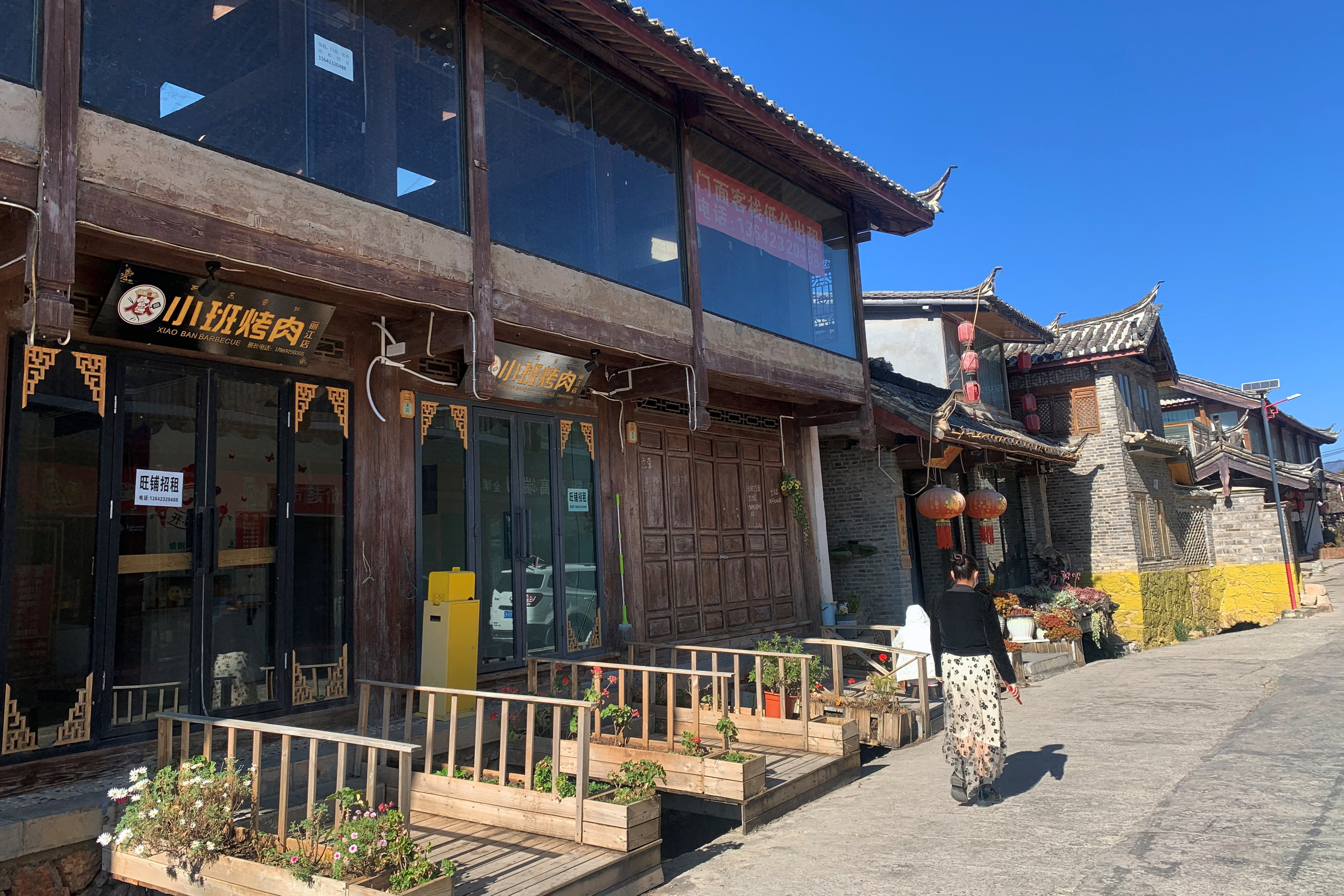
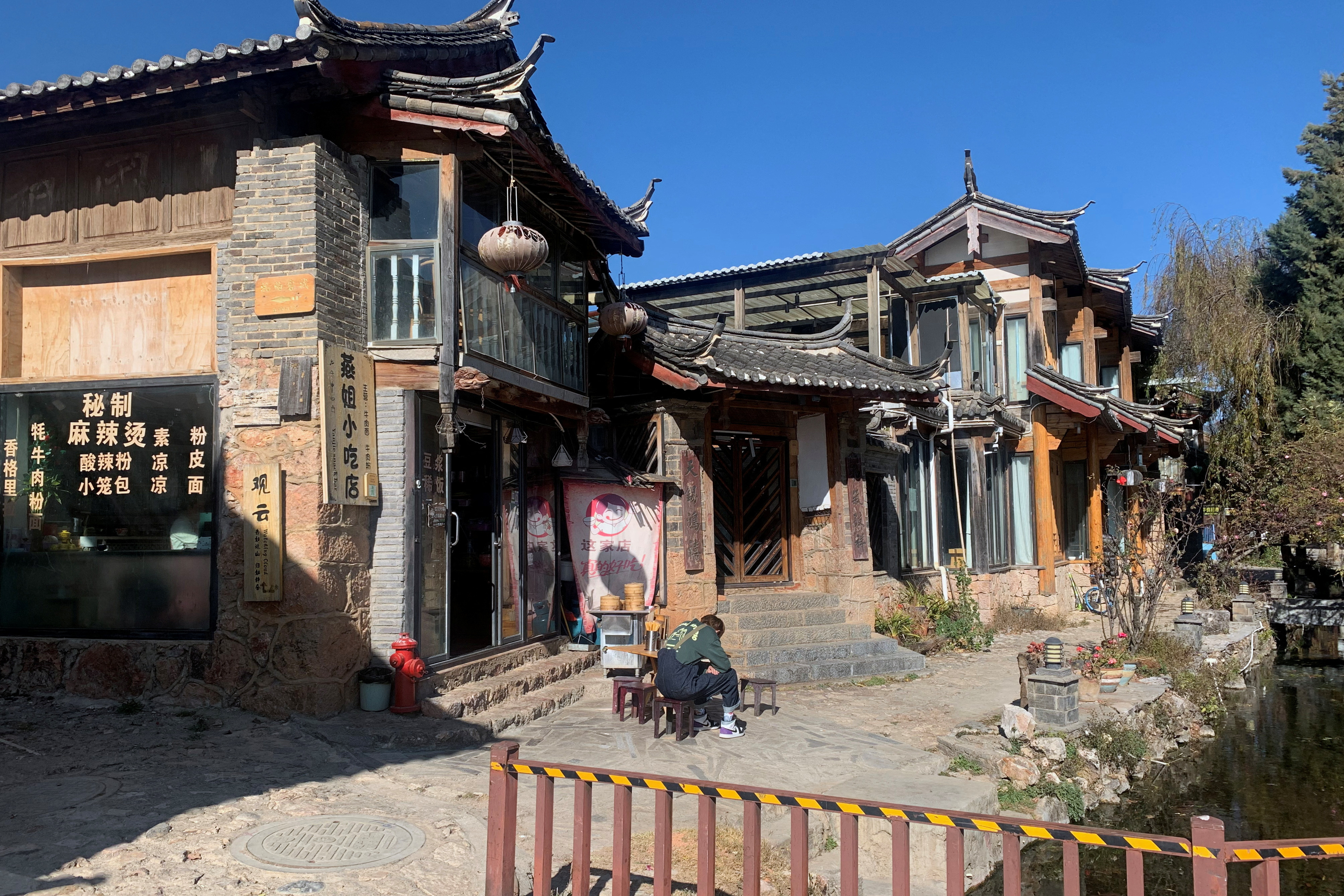
In Lijiang city, a tourist hotspot in the southwestern Chinese province of Yunnan, about half of shops and restaurants have shuttered since pandemic control measures were put in place three years ago.

Standing in a small, empty restaurant this month after curbs on domestic travel were lifted, its owner, surnamed Wen, said business had been bad during the pandemic. There were little prospects for a revival, he said.

“It’s not the COVID restrictions that stopped people coming, it’s because people don’t have money,” he said.

Many shops in Shanghai, Beijing and elsewhere have also closed in recent days with staff unable to come to work, while some factories have already sent many of their workers on leave for the Lunar New Year holidays.

The lack of healthy workers has also led to long waits for deliveries in major Chinese cities.

“We’ve recently recruited two new people, but recruiting is hard,” said Seven, manager of a Blue Frog restaurant franchise in Beijing’s Chaoyang district, the capital’s worst hit in the recent COVID wave.

“The cost of living in Beijing is going up, and even though the pay at our restaurant is quite good, people are then still worried about getting infected on the job.”

Some in the service sector say there remains some hope.

A senior executive at a hotel chain with more than 600 properties in China said the firm was “confident that Lunar New Year is going to be great,” as its website traffic surged 300%-400% after the announcements of eased COVID rules.

The chain is now scrambling to “adjust to the new policies” to get ready for the holidays, the executive said.

Related Galleries:

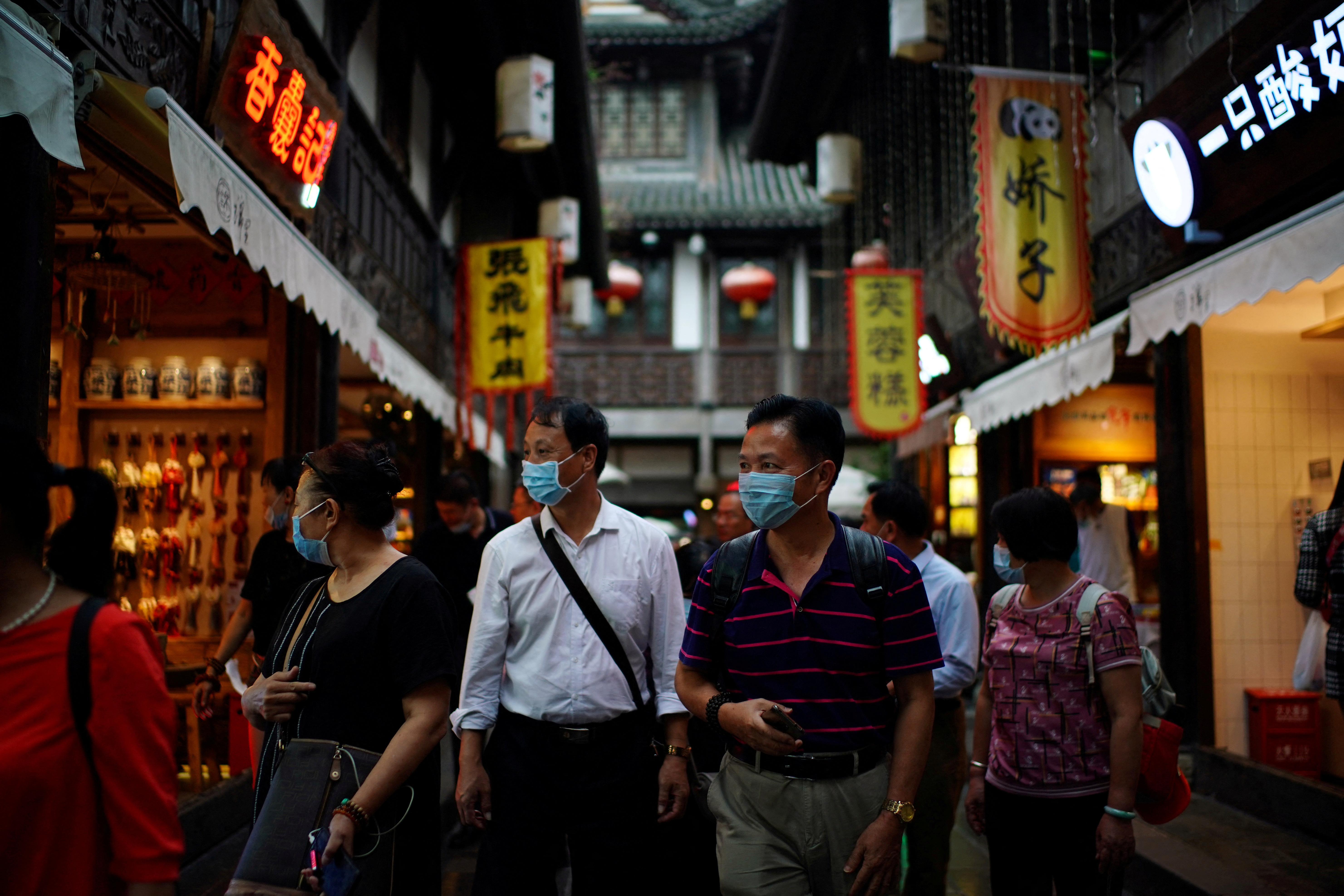
People wearing face masks walk on Jinli Ancient Street, following the coronavirus disease (COVID-19) outbreak, in Chengdu, Sichuan province, China September 8, 2020. REUTERS/Tingshu Wang/File Photo

A woman walks past stores with “for rent” signs at a tourist attraction in Lijiang, Yunnan province, China December 16, 2022. REUTERS/Engen Tham

A man sits outside a restaurant at a tourist attraction in Lijiang, Yunnan province, China December 16, 2022. REUTERS/Engen Tham
Categories
Audio Sources - Full Text Articles

Asian shares slip as COVID surge in China makes investors uneasy

2022-12-29T06:20:41Z

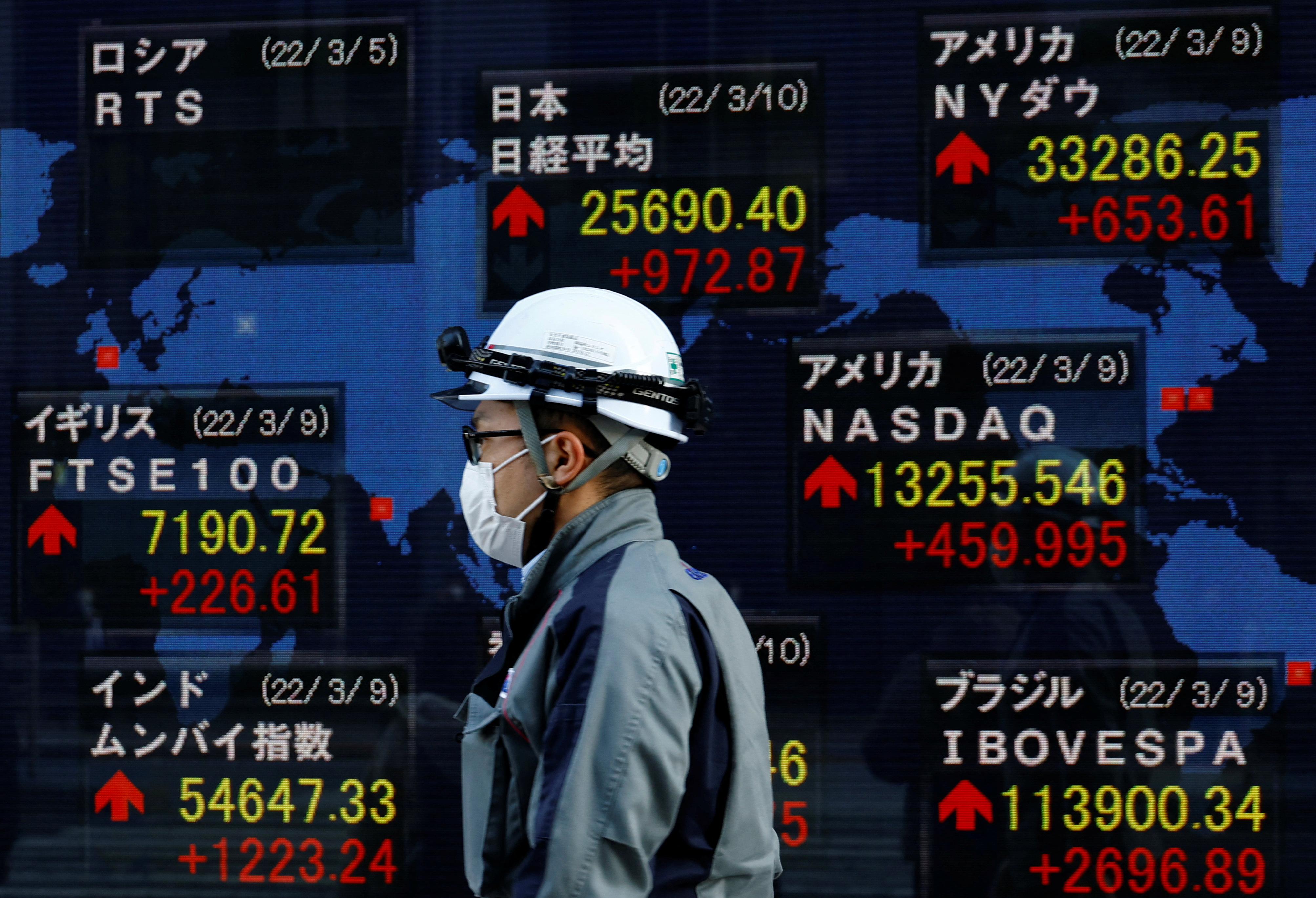
A man wearing a protective mask, amid the coronavirus disease (COVID-19) outbreak, walks past an electronic board displaying various countries’ stock indexes including Russian Trading System (RTS) Index which is empty, outside a brokerage in Tokyo, Japan, March 10, 2022. REUTERS/Kim Kyung-Hoon

Asian equities weakened slightly on Thursday as soaring COVID cases in China unsettled investors and cast doubt over chances of a swift recovery for the world’s second biggest economy after the relaxation of stringent COVID curbs.

MSCI’s broadest index of Asia-Pacific shares outside Japan (.MIAPJ0000PUS) was down 0.78%, and was set to end the last month of the year in the red, capping a brutal 2022.

Futures indicated the dour mood was likely to continue in Europe, with Eurostoxx 50 futures down 0.24%, German DAX futures 0.30% lower and FTSE futures down 0.36%.

China’s health system has come under heavy stress since Beijing started dismantling its zero-COVID regime at the start of the month.

On Monday, China announced it would end quarantine requirements for inbound travellers on Jan. 8, while several countries, including the United States and Japan, have made COVID tests mandatory for travellers from China.

Around half the passengers on two flights from China to Milan’s main airport, Malpensa, tested positive for COVID on Wednesday.

Nomura analysts said in a note that there could be significant waves of infection across China, spreading from urban to rural areas, during the nationwide travel rush for the Lunar New Year which falls on Jan. 22.

“China may find itself in a difficult situation due to its procrastination on embracing a ‘living with COVID’ approach,” Nomura analysts said, noting that the previous zero-COVID policy could have overprotected people, raising the risk of a surge in infections once the controls were removed.

China shares (.SSEC) fell 0.3%, while Hong Kong’s stock market (.HSI) slid 1%. Japan’s Nikkei (.N225) fell more than 1% to a nearly three month low, while Australia’s resource heavy S&P/ASX 200 index (.AXJO) lost 0.94%.

Concerns that central banks’ efforts to tame inflation could lead to an economic slowdown and the uncertainty over how China’s economy will fare following the removal of COVID controls have kept markets subdued.

State Street’s Investor Confidence Index, which analyses buying and selling patterns of institutional investors, fell to 75.9 in December, the lowest since the pandemic began three years ago.

Marvin Loh, senior macro strategist at State Street Global Markets, said investors’ risk appetite has continued to weaken this month, with the decline most pronounced in North America on growing recessionary concerns.

Investors’ attention was also focused on weekly U.S. jobless claim numbers due later on Thursday.

Markets are now pricing in 69% chance of a 25-basis point rate hike when the U.S. Federal Reserve holds a policy review in February, and they are now looking at U.S. rates peaking at 4.94% in the first half of next year.

The Fed raised interest rates by 50 bps earlier in December after delivering four consecutive 75 bps hikes in the year, but it has said it may need to keep higher interest rates for longer.

PineBridge Investments strategists said the lagged effect of aggressive central bank tightening has left most anticipating a softish recession in the second half of 2023.

“We can’t rule out the possibility that the inflation-spurred spike in corporate profits unwinds sooner, pulling forward job cuts and the recession,” they cautioned.

The yield on 10-year Treasury notes was down 2.2 basis points to 3.864%, not far off six-week high of 3.89%.

The yield on the 30-year Treasury bond was down 2.2 basis points to 3.955%, while the two-year Treasury yield, which typically moves in step with interest rate expectations, was up 0.9 basis points at 4.368%.

U.S. crude eased 0.24% to $78.77 per barrel and Brent was at $83.14, down 0.14% on the day.

In the currency market, the Japanese yen strengthened 0.62% versus the greenback at 133.65 per dollar, while sterling was last trading at $1.2037, up 0.20% on the day.

The dollar index , which measures the dollar against six major currencies, fell 0.038%, with the euro up 0.14% to $1.0623.


Categories
Audio Sources - Full Text Articles

Ukraine reports “massive“ Russian missile strike

2022-12-29T06:47:36Z

Ukraine reported a fresh Russian missile strike on Thursday morning as blasts were heard in several cities which the authorities said came from air defence systems shooting down incoming missiles.

Presidential office adviser Oleksiy Arestovych wrote on Facebook that more than 100 missiles were incoming, in several waves, and air raid alarms could be heard across the country.

Blasts were heard in Kyiv, Zhytomyr and Odesa, according to a Reuters correspondent and local media reports.

Power cuts were announced in the Odesa and Dnipropetrovsk regions, aimed at minimising potential damage to the energy infrastructure.


Categories
Audio Sources - Full Text Articles

Twitter back online after global outage hits thousands

2022-12-29T05:30:07Z

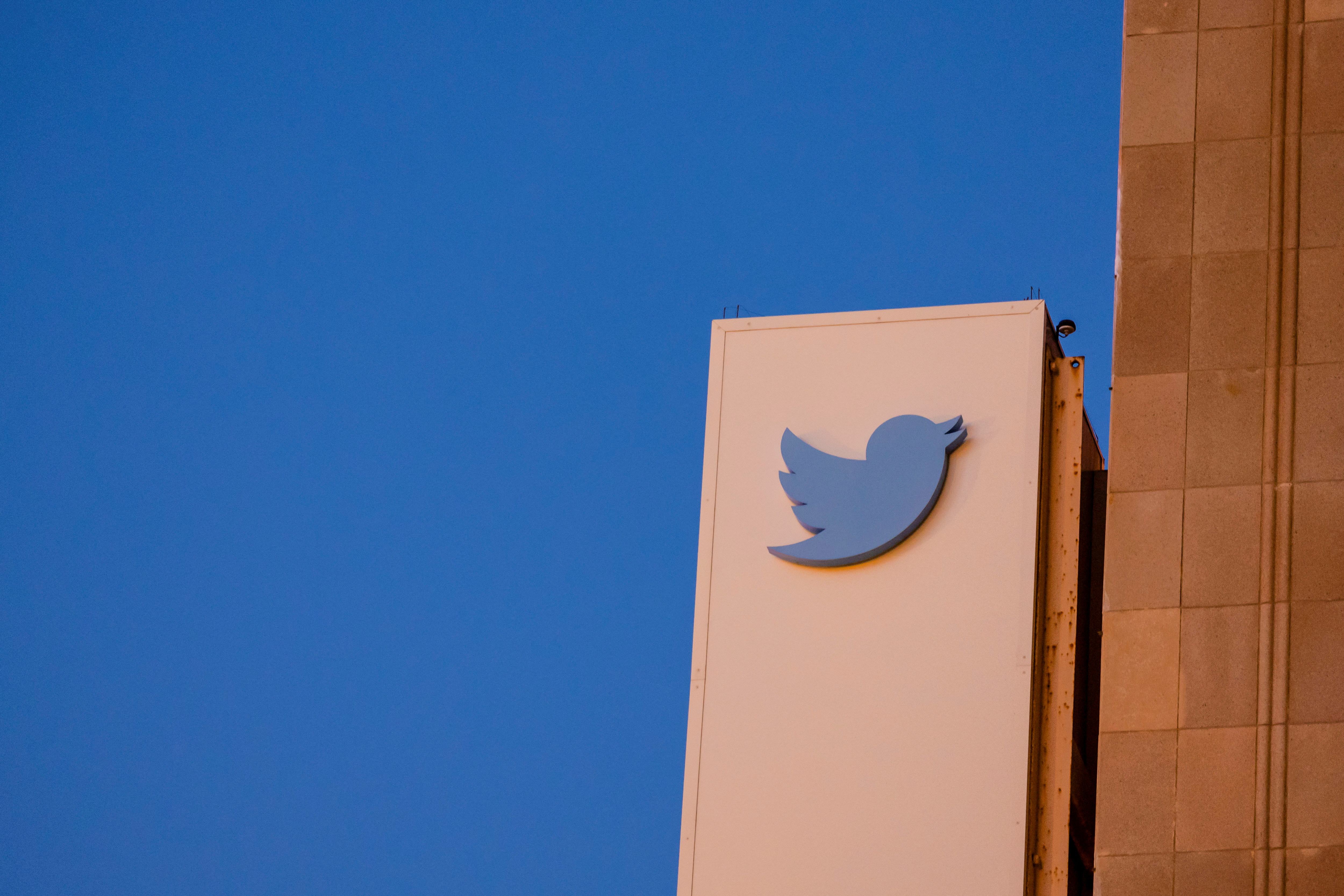
A view of the Twitter logo at its corporate headquarters in San Francisco, California, U.S. October 27, 2022. REUTERS/Carlos Barria

Twitter Inc suffered a major outage on Wednesday, leaving tens of thousands of users globally unable to access the popular social media platform or use its key features for several hours before services appeared to come back online.

The incident is the social media site’s first apparent widespread service disruption since billionaire Elon Musk took over Twitter as CEO in late October.

Downdetector, a website that tracks outages through a range of sources including user reports, showed more than 10,000 affected users from the United States, about 2,500 from Japan and about 2,500 from the UK at the peak of the disruption.

Most of the reports came from users stating they faced technical issues accessing the social network via web browser.

Reports of Twitter outages fell sharply by Wednesday evening, according to the website, with some users later commenting service had returned to normal.

Twitter did not immediately respond to a request for comment and the social network’s status page showed that all systems were operational.

Musk tweeted later on Wednesday that “Significant backend server architecture changes” had been rolled out and that “Twitter should feel faster”, but his post did not make any reference to the downtime reported by users.

During the outage, some users said they were unable to log in to their Twitter account via desktops or laptops. A smaller number of users said the issue also affected the mobile app and features including notifications.

Others took to Twitter to share updates and memes about the service disruption, with #TwitterDown trending as a hashtag on the social media site.

Some attempts to log in to Twitter from desktops prompted an error message saying: “Something went wrong, but don’t fret — it’s not your fault. Let’s try again.”

Musk tweeted he was still able to use the service.

“Works for me,” Musk posted, responding to a user who asked if Twitter was broken.

The outage comes two months after Musk completed his $44 billion takeover of Twitter, which has been marked by chaos and controversy.

Hundreds of Twitter employees quit the social media company in November, by some estimates, including engineers responsible for fixing bugs and preventing service outages.

Thousands of Twitter users were also hit by a global outages in February and July, before Musk’s takeover.

Other big technology companies have also been hit by outages this year. In July, a near 19-hour service outage at Canada’s biggest telecom operator Rogers Telecommunications shut banking, transport and government access for millions.

WP Radio
WP Radio
OFFLINE LIVE