Categories
Audio Sources - Full Text Articles

Russia’s foreign minister issues ultimatum to Ukraine to give up territory or the ‘army will deal with the issue’

Sergei LavrovRussian Foreign Minister Sergei Lavrov attends a joint press conference with International Committee of the Red Cross (ICRC) President following their talks in Moscow on March 24, 2022.

KIRILL KUDRYAVTSEV/POOL/AFP via Getty Images

  • Russian foreign minister Sergey Lavrov told Ukraine to give up territories Russia wants.
  • He said if not, the Russian army would “deal with this issue,” according to Russian news agency TASS.
  • Putin has said that he is open to peace talks, but the US has suggested the proposal was disingenuous.

Russian foreign minister Sergey Lavrov said that Ukraine should accept Russia’s demands, including giving up territory, or “the Russian Army will deal with this issue,” according to Russian news agency TASS.

“The enemy is well aware of our proposals on the demilitarization and denazification of the [Ukrainian] regime’s controlled territories, the elimination of threats to Russia’s security that come from there and it includes our new territories,” Lavrov told TASS on Monday.

“There is a little left to do — to accept these proposals in an amicable way. Otherwise, the Russian Army will deal with this issue,” Lavrov reportedly said.

He said the ball was in Kyiv and Washington’s court to end the conflict, as “they can put an end at any time to this senseless resistance.”

TASS reported that the territories Lavrov was referring to were the regions of Donetsk, Luhansk, Zaporizhzhia, and Kherson. 

On February 21, days before he invaded the country, Putin announced that Moscow would recognize the sovereignty of the Donetsk and Lugansk People’s Republics, two separatist regions in eastern Ukraine.

Russia occupied the areas of Zaporizhzhia and Kherson early in the war, but Ukraine took Kherson back in November. 

The foreign minister made the comments after Russian President Vladimir Putin said on Sunday he was open to talks with Ukraine to end the war.

Putin said, “It’s not us who refuse talks, it’s them,” and claimed that Moscow was “defending our national interests,” NPR reported. 

White House spokesman John Kirby said in response that the Russian president has “shown absolutely zero indication that he’s willing to negotiate” to end the conflict.

“Quite the contrary,” Kirby told reporters in an online briefing, per Reuters. “Everything he is doing on the ground and in the air bespeaks a man who wants to continue to visit violence upon the Ukrainian people.”

Ukrainian President Volodymyr Zelenskyy said in November that he is open to “real peace talks” with Russia, but that his preconditions include the returning of Ukraine’s occupied lands, compensation for war damage, and the prosecution of war crimes, per AP. 

As the war enters its 10th month, Russia continues to bombard Ukraine with missiles, striking multiple energy infrastructure targets and causing mass power outages, after suffering a series of battlefield defeats.

Read the original article on Business Insider
Categories
Audio Sources - Full Text Articles

Kids with ‘bubble boy’ disease could finally get access to a life-saving gene therapy, as a study starts back up at UCLA

Paola Andrea Fernández de Soto Abdul-Rahim holds her son, Jakob Kamil Guziak, inside their Edmonton house.Paola Andrea Fernández de Soto Abdul-Rahim holds her son, Jakob Kamil Guziak, inside their Edmonton house.

Kyler Zeleny

  • UCLA researchers are restarting a study to give a gene therapy to kids with an ultra-rare disease.
  • While the one-time therapy is safe and effective, the drug industry has been uninterested. 
  • The treatment is complex and costly, and the number of patients with SCID is tiny, limiting profits.

Researchers are now restarting a clinical trial to treat children with a severe immune disorder, giving hope to patients with a disease that drug companies have largely abandoned.

Donald Kohn, a longtime UCLA professor and researcher, is leading development of the one-time gene-therapy treatment.

His team, along with other researchers, published results last year after treating 50 patients who have a type of severe combined immunodeficiency, or SCID, called ADA-SCID. All 50 kids were still alive at least two years after treatment, and over 95% required no additional treatment.

Despite the success, a tiny biotech company gave up on Kohn’s therapy, returning the license to him earlier this year after failing to apply for regulatory approval. The result is that at least 28 children with SCID are now on a waitlist hoping to access the treatment.

Without gene therapy, doctors treat kids with SCID using enzyme-replacement therapies, if they are ineligible for bone-marrow transplants. Despite the availability of enzyme therapy, roughly one in five children with ADA-SCID dies before turning 20.

‘Buying time’

Earlier this month, the US Food and Drug Administration gave its OK for Kohn to restart his study, Kohn told Insider. David Jensen, an independent journalist for The California Stem Cell Report, first reported on the news. 

In an email to Insider, Kohn said he expects to be able to treat between three and six patients with his current funding. Kohn hopes UCLA’s institutional-review board will sign off on his research plans in January, allowing him to start enrolling patients. He hopes to treat the first patient by March and an additional patient every two to three months.

In July, Insider chronicled the experience of a family with a child on the waiting list, along with the history of how the industry has failed to make these treatments accessible.

“Right now, we are buying time,” Paola Andrea Fernández de Soto Abdul-Rahim, the mother of a child with ADA-SCID, told Insider in May. “We cannot wait forever.”

Insider followed up with her to discuss the news that Kohn is restarting his study. She said that she doesn’t know when doctors can treat her son, but hopes he can get the opportunity some time in 2023. 

An uncertain future for rare-disease treatments

Despite the positive update, much remains unclear about the future of Kohn’s treatment and gene therapies for rare diseases overall. Drug companies have shown little interest in the treatments because the complexity of the treatments and tiny number of eligible patients limit potential profits.

Kohn said UCLA and University College London, which control the intellectual property for this therapy, are talking with several commercial-stage gene-therapy companies about licensing the therapy out.

Drug companies have deprioritized or shelved gene-therapy programs to treat a range of rare diseases, including Wiskott-Aldrich syndrome, MPS, Batten disease, chronic granulomatous disease, Rett syndrome, and Fabry disease. One expert previously dubbed this deprioritization and shelving “the Great Abandonment” in a conversation with Insider.

Some researchers have started discussing nonprofit models that could make these therapies accessible, but much of that work remains in the early stages. Kohn added that his team plans to have discussions to see if they can make this therapy available in a non-commercial, academic setting as well. 

Read the original article on Business Insider
Categories
Audio Sources - Full Text Articles

Beware of the Z-Cult Among Us

e9f120b050dc9954551397cc19684993.jpg?w=1

How to deal with Russians you come across on a day-to-day basis.

Categories
Audio Sources - Full Text Articles

India makes inroads into Sri Lanka under China“s long shadow

2022-12-27T09:12:50Z

When Sri Lanka slid into its worst economic crisis in seven decades leading to deadly riots and alarming shortages of fuel, food and medicines earlier this year, its giant northern neighbour stepped into the breach.

India provided about $4 billion in rapid assistance between January and July, including credit lines, a currency swap arrangement and deferred import payments, and sent a warship carrying essential drugs for the island’s 22 million people.

Now, as Sri Lanka closes in on a $2.9 billion loan deal from the International Monetary Fund (IMF) and its economy stabilises, India is seeking to land ambitious long-term investments, with an eye on countering the influence of regional rival China, a government minister and three sources said.

“What we are looking at right now is investment from them,” Sri Lankan Foreign Minister Ali Sabry said in an interview this month, referring to a range of projects worth over $1 billion currently under discussion that would help bolster India’s presence in Sri Lanka. “They’re willing to invest as much as it takes.”

“India is probably strategically looking at that…because of their security concerns,” Sabry said.

India’s foreign ministry did not respond to questions from Reuters on its plans and strategic aims in Sri Lanka.

Regional security would always be a focus for New Delhi, a source with knowledge of the matter told Reuters, at a time of persistent friction with China along their Himalayan frontier.

“There are no two ways about security concerns,” the source said, asking not to be named because of the sensitivity of the issue. “In terms of long-term engagement, it is investment that is being focused on.”

Besides seeking Indian investments to set up renewable energy and power projects in the north of the island, Sri Lanka is also keen to work with New Delhi on expanding and developing the harbour at Trincomalee in the northeast into a major port, several officials said.

Taking advantage of northern Sri Lanka’s proximity to India, these projects could help New Delhi balance China’s extensive infrastructure projects in the south of the island that have been built up over the last 15 years.

Sri Lanka’s Tamil-dominated north also shares ethnic ties with southern India’s Tamil Nadu state.

The talks, and the scale of Indian aid this year that far exceeds other donors, underline New Delhi’s efforts to claw back influence in the island located just a few miles off its southern tip along busy waterways linking Asia to Europe.

In late June, a fortnight before tens of thousands of angry Sri Lankans took to the streets and forced President Gotabaya Rajapaksa to flee the country, India’s top diplomat flew into the island nation’s main city of Colombo for meetings.

Foreign Secretary Vinay Kwatra, who was accompanied by officials from India’s finance ministry, met Rajapaksa and Prime Minister Ranil Wickremesinghe, among others.

In their conversations with the Sri Lankan leadership, Kwatra and other Indian officials flagged China’s position as a key geopolitical concern, according to a Sri Lankan government source with direct knowledge of the discussions.

The source, who declined to be named because he was not authorised to speak to the press, said China’s huge role in the island’s economy, which had mushroomed under previous Rajapaksa administrations, was troubling India more than anything else.

Details of the June meeting have not previously been reported.

Kwatra and the Indian and Sri Lankan foreign ministries did not respond to questions from Reuters on the June meetings.

In a statement released immediately after Kwatra’s visit, the Indian foreign ministry said that talks had mainly focused on economic issues, including deepening investments. It made no mention of China.

New Delhi has long been concerned about China’s clout in its neighbourhood, including Nepal, Bangladesh and Sri Lanka. Sensitivities have been heightened, and diplomatic relations frayed, since Indian and Chinese troops clashed along a remote Himalayan border in 2020, leaving dozens of soldiers dead.

“We understand that it is their prerogative to look after their security,” Sabry said, referring to India. “And as far as Sri Lanka is concerned, we don’t want to contribute to any escalation of tension between any countries.”

China, meanwhile, has engaged with the Sri Lankan government on debt restructuring that is required for the IMF deal to go through, besides sending shipments of medicine, fuel and rice.

The World Bank estimates Beijing’s lending stands at around $7 billion, or 12% of Sri Lanka’s $63 billion external debt.

“We are willing to work with relevant countries and international financial institutions to continue to play a positive role in helping Sri Lanka,” China’s foreign ministry said in response to written questions from Reuters.

The ministry said it did not have details of India’s assistance and investment in Sri Lanka and that its own support of Sri Lanka was “not targeted at third parties”.

Sri Lanka sank into a financial crisis after the COVID-19 pandemic decimated tourism and remittances from citizens working abroad fell. The war in Ukraine pushed prices for imports, particularly fuel, sharply higher.

Rajapaksa’s administration also resisted help from the IMF, meaning foreign exchange reserves dwindled, worsening fuel and medicine shortages.

Violent protests broke out as tens of thousands of people took to the streets and stormed government buildings.

The president fled the country in July, and resigned. By then, Sri Lanka finally engaged with the IMF and the two sides have since struck a preliminary $2.9 billion loan deal.

But it was Indian assistance that helped Sri Lanka buy time.

“Without India, Sri Lanka would have unravelled as Lebanon did,” said Uditha Devapriya, chief international relations analyst at Factum, a Colombo-based foreign policy think-tank.

“Sri Lanka has clearly benefited from being the closest neighbour to the most powerful country in the region. It is also in India’s interest to ensure stability in its backyard.”

In October, Wickremesinghe – who took over as president in July after Rajapaksa quit – unveiled a blueprint for Trincomalee, which has a natural deep-water harbour, including a proposal to work with India to develop a strategic port there besides setting-up a new industrial zone and an energy hub, according to details released by his office.

India and Sri Lanka are also in preliminary discussions on an undersea cable to connect the power grids of both countries and a fuel pipeline from southern India’s mainland to northern Sri Lanka – projects that could together cost at least $4 billion, according to officials on both sides.

In the energy sector, India’s state-run NTPC is working on a 100-megawatt solar power plant in Sampur in Trincomalee district after the two countries signed an agreement in March.

In the northwest of Sri Lanka, India’s Adani Group is awaiting regulatory approvals for two wind power projects worth $500m in Mannar region, Sri Lanka’s Power Minister Kanchana Wijesekera said in August.

Off the northwestern coast, ONGC Videsh Limited (OVL), the overseas arm of Delhi’s state-run Oil and Natural Gas Corporation, has set its sights on exploration licences, and has had multiple discussions with Sri Lankan authorities who are finalising regulations ahead of inviting bids from global companies, two Sri Lanka energy ministry officials said.

Both asked not to be named because discussions were ongoing.

Adani, NTPC and OVL did not respond to questions from Reuters on their projects in Sri Lanka.

The push for oil and gas exploration was part of the discussions in June, the source with knowledge of the talks said.

Foreign Minister Sabry said the Sri Lankan government was keen on capitalising on India’s growing economic prowess, particularly through renewable energy and infrastructure projects, while maintaining key relationships with other major allies, including China and Japan.

Despite India’s recent goodwill in Sri Lanka, New Delhi remains wary of China’s presence.

In July and August, the regional rivals became embroiled in a diplomatic spat over a Chinese military survey ship, Yuan Wang 5, that stopped at southern Sri Lanka’s Hambantota port.

At that time, Indian Foreign Ministry Spokesman Arindam Bagchi said that although India had given “unprecedented” support to Sri Lanka during the economic crisis, New Delhi would not back down from its security needs.

Despite India’s crucial help during the financial crisis this year, Sri Lanka still needs China – one of its biggest creditors – to agree to a debt restructuring plan, along with India and Japan, to clinch the IMF loan deal, Sri Lankan officials said.

“Chinese investment is very important, Chinese relationship is very important,” Sabry said.

“So I don’t think even India or anybody expects Sri Lanka not to work with China. To be fair by them, none of them have asked us.”

Related Galleries:
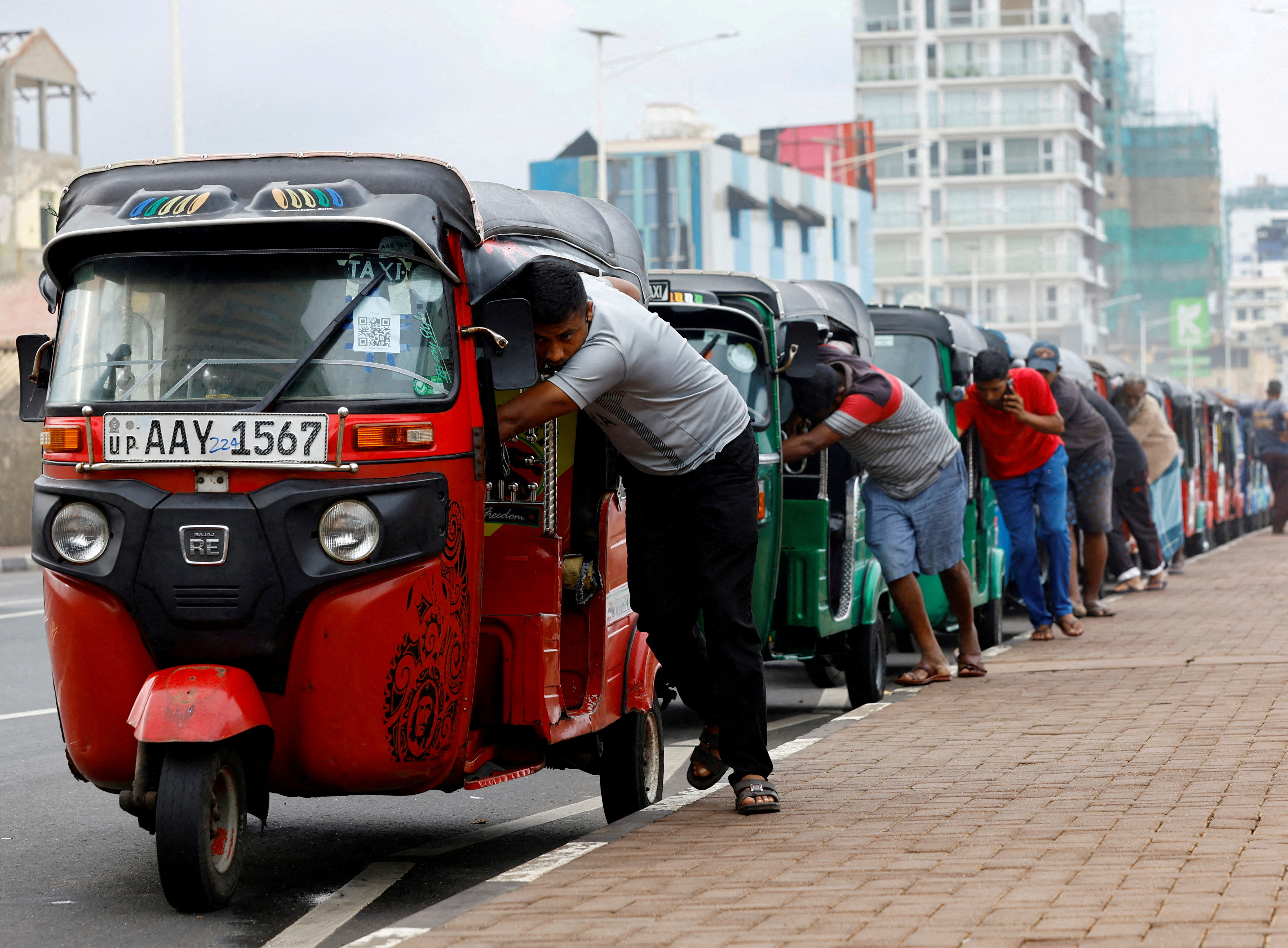
Drivers push auto rickshaws in a line to buy petrol from a fuel station amid Sri Lanka’s economic crisis, in Colombo, Sri Lanka, July 29, 2022. REUTERS/Kim Kyung-Hoon/File Photo

Sri Lanka’s President Ranil Wickremesinghe looks on during an interview with Reuters at Presidential Secretariat in Colombo, Sri Lanka August 18, 2022. REUTERS/ Dinuka Liyanawatte/File Photo
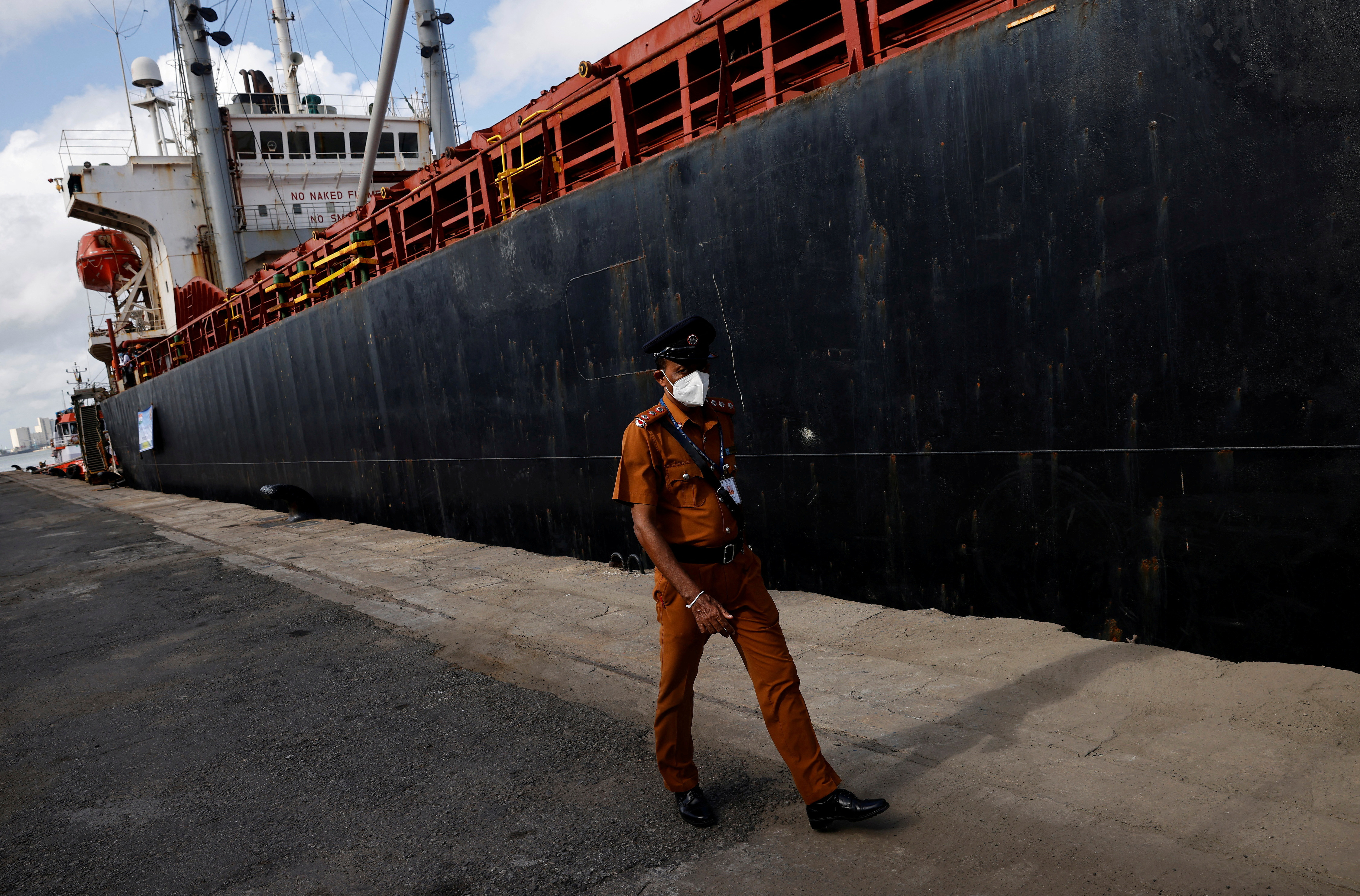
A security officer walks in front of a cargo ship carrying humanitarian aid from India, amid the country’s economic crisis, at a port in Colombo, Sri Lanka, May 22, 2022. REUTERS/Adnan Abidi/File Photo

Categories
Audio Sources - Full Text Articles

Cidades brasileiras correm risco de ficar sem ônibus nos próximos meses

vozes_mobilidadeurbana-header

Longe de ser um alívio, a falência dos sistemas de transporte coletivo urbano vai acabar por endividar ainda mais as famílias.

Foto: Rubens Cavallari/Folhapress

O Brasil vive uma longa crise nos transportes coletivos. Parte significativa dos usuários – e, consequentemente, das receitas – foi retirada em 2020 dos ônibus, metrôs, barcas etc. como parte das medidas de restrição da circulação necessárias para conter a pandemia. Sem subsídios na maior parte dos casos, empresas que prestavam o serviço aos mais diversos municípios foram autorizadas a cortar linhas, a demitir rodoviários, ou mesmo a retirar ônibus de circulação, a exemplo do que se passou em Teresina.

Só que a atual instabilidade, longe de ter sido resolvida com o afrouxamento das medidas sanitárias, continua piorando, exigindo que o governo federal, pela primeira vez na história, aportasse recursos nas empresas de transporte coletivo. Foram R$ 2,5 bilhões para ser mais exato, enxertados no que ficou conhecido como “PEC Kamikaze”, que tinha por objetivo principal garantir a reeleição de Bolsonaro. Esse auxílio, sem contrapartidas, complementou inéditos subsídios municipais, tirando da tarifa a exclusividade de fonte de receitas das empresas do setor.

Por vias tortas, sem regramento ou mudanças substanciais na forma como o transporte coletivo urbano é tratado no Brasil, algo começou a mudar, mas sem a compreensão de que o modelo adotado no país está fortemente ancorado em uma sociedade que não mais existe.

Primeiro que o crescimento da informalidade tira pouco a pouco o papel outrora fundamental do vale-transporte, exclusivo para trabalhadores regidos pela CLT, na sustentabilidade dos sistemas. Mas o aumento da pobreza joga um peso ainda maior, porque eleva os índices de imobilidade urbana. Soma-se a isso a diminuição da necessidade de deslocamentos, provocada pela crescente adoção do home office; a captura da clientela dos ônibus pelos aplicativos; e o crescimento da comercialização de motocicletas. Em poucas palavras, os ônibus já não têm mais usuários cativos, perdendo o monopólio que exercia para boa parte das classes populares.

Entretanto, longe de ser um alívio, a falência dos sistemas de transporte coletivo urbano, por incentivar o uso dos automóveis particulares, acaba por endividar ainda mais as famílias. Piora também as condições de tráfego nas cidades, provoca perdas significativas de produtividade de toda a economia – o trabalhador passa mais tempo em congestionamentos e há aumento nos níveis de stress, degrada a saúde da população – devido ao aumento dos sinistros de trânsito (ainda chamados de “acidentes”) e da poluição –, agrava a crise climática, aumenta a segregação socioespacial (e racial), etc., ou seja, um desastre completo.

Esquecida até pela Constituição

Há quase dois séculos, greves e revoltas são atravessadas por questões relacionadas à mobilidade urbana no Brasil. O historiador João José Reis relatou no seu livro “Ganhadores: a greve negra de 1857 na Bahia” a paralisação de Salvador comandada por negros (escravizados e libertos, brasileiros e africanos) que, entre outras atividades, transportavam pela cidade pessoas e mercadorias com suas cadeiras de arruar. Essa foi provavelmente uma das primeiras ações focadas na melhoria das condições de trabalho remunerado no país, parte do processo incompleto de transição entre o trabalho cativo e o livre.

Algumas décadas depois, entre 1879 e 1880, foi a vez do Rio de Janeiro, já capital do Império, ser tomado pela Revolta do Vintém após o aumento da tarifa dos bondes. Em 1930, o foco voltou a Salvador no que ficou conhecido como “Quebra-bondes”, motim também provocado pelo preço da tarifa e pela péssima qualidade do serviço. Desde então, revoltas com o mesmo caráter aconteceram nas mais diversas cidades – muitas vezes com pautas mais amplas do que a mera insatisfação com os aumentos tarifários –, porém quase sempre se materializando na destruição de ônibus ou outros transportes. Foi assim na Revolta das Barcas de 1959, em Niterói, cidade da região metropolitana do Rio, até chegarmos ao ainda incompreendido Junho de 2013, com reivindicações espalhadas por quase todo o país.

Apesar dos inúmeros momentos marcantes que proporcionou ao longo da história das nossas cidades, ameaçando periodicamente governos das mais diferentes orientações ideológicas, a mobilidade urbana paradoxalmente continuou a ser tratada de forma secundária pelas elites políticas e econômicas e pelos responsáveis por desenhar políticas públicas.

Mesmo a atual Constituição, promulgada em 1988, só veio a incluir o “direito ao transporte” em 2015, após a aprovação de uma emenda proposta pela deputada federal Luíza Erundina, então no PSB. Porém, sem que sua efetividade fosse garantida por meio de regulamentações futuras.

Temos um empresariado incapaz de propor novos modelos, apegado que é ao obsoleto pagamento por passageiros.

Até os governantes mais sensíveis às questões sociais, que declaram priorizar o combate às desigualdades, carregam em seus planos de governo e em suas políticas públicas um olhar tacanho em relação à mobilidade urbana, quase sempre voltado a obras de infraestrutura que incentivam ainda mais a estigmatização e o abandono dos transportes coletivos, ampliando o espaço e a velocidade permitida aos automóveis particulares, enquanto os ônibus sobram para aqueles mais pobres, em especial para as mulheres que resistem ao uso das motocicletas.

Isso não significa que tudo seja marasmo. Já existe, por exemplo, a proposta de criação do Sistema Único de Mobilidade, elaborada por um conjunto de organizações, pesquisadores e especialistas no tema que afirmam que “o governo federal e os governos estaduais precisam se responsabilizar e pensar em ações e políticas públicas junto da sociedade civil”. Entre as responsabilidades previstas, está a de ajudar no financiamento da prestação do serviço. Seria uma mudança significativa na forma como os governos entendem a mobilidade urbana, superando boa parte dos conflitos históricos e contornando parcialmente o poder do empresariado do setor. Entretanto, a proposta ainda não foi colocada como prioridade pelos legisladores e ou pelo governo federal.

Se uma nova onda de revoltas populares à esquerda (leia-se: por mais direitos) parece não estar no horizonte por conta das esperanças depositadas no governo Lula, não se deve descartar a possibilidade de um locaute – uma espécie de greve de patrões – provocado por um empresariado em estado avançado de insolvência e incapaz de propor novos modelos de gestão e financiamento dos transportes coletivos no país, extremamente apegado ao obsoleto pagamento por passageiros e não ao serviço prestado à toda sociedade, que vai muito além do usuário direto que gira a catraca.

Assim, um conjunto de revoltas que foram iniciadas pelos trabalhadores dos transportes e atravessaram mais de um século, eclodindo sistematicamente a partir da insatisfação dos usuários, agora pode ser impulsionado pelos empresários. Sem a previsão de um novo auxílio para o setor em 2023 ou da regulamentação do transporte enquanto direito e com a falta de perspectiva no curto prazo de melhoria das condições de vida da maior parte da população – o que poderia levar a uma recuperação do número de usuários dos ônibus –, a mobilidade urbana pode voltar ao centro dos debates da única forma que consegue no Brasil: pelo caos nas cidades.

The post Cidades brasileiras correm risco de ficar sem ônibus nos próximos meses appeared first on The Intercept.

Categories
Audio Sources - Full Text Articles

error: Use JsonReader.setLenient(true) to accept malformed Json at line 1 column 1 path $ – Google Search google.com/search?q=error…

error: Use JsonReader.setLenient(true) to accept malformed Json at line 1 column 1 path $ – Google Search google.com/search?q=error…
Categories
Audio Sources - Full Text Articles

Three districts come under enemy fire in Kharkiv region

630_360_1670260661-504.jpg

Russian troops continue producing terror versus border and frontline districts in the Kharkiv region.

The applicable statement was designed by Kharkiv Regional Armed service Administration Head Oleh Syniehubov on Telegram, an Ukrinform correspondent reviews.

“The Kharkiv region’s parts, which are adjacent to the border with Russia, continue on struggling from enemy shelling. The Kupiansk district is the most afflicted. More than the earlier working day, the enemy has also opened fire on settlements in the Kharkiv district and the Chuhuiv district,” the report states.

As a final result, household homes have been destroyed in the Kupiansk district’s Dvorichna and Kupiansk-Vuzlovyi, and fires broke out.

Fortuitously, no casualties among the civilians had been noted.

Demining efforts are underway inside of the de-occupied areas. Around the earlier working day, the Ukrainian Condition Crisis Assistance has neutralized 43 explosive goods in the Kharkiv location.

Photograph: Flickr

mk

Source link

The post Three districts come under enemy fire in Kharkiv region appeared first on Ukraine Intelligence.

Categories
Audio Sources - Full Text Articles

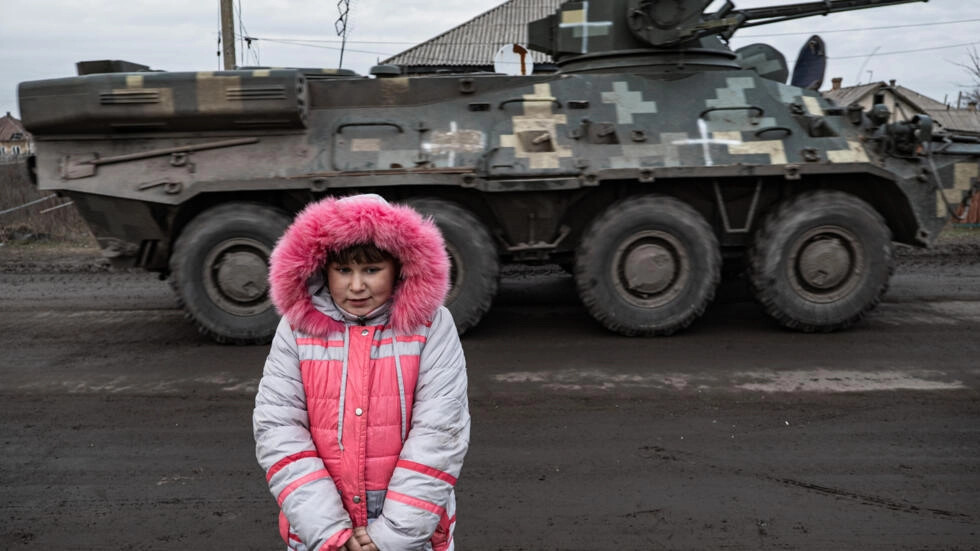
Children Forced to Grow Up Fast in Ukraine’s Frontline Towns

f463e2194c7acd973cfb090350d307e7.webp?w=

Children living on the frontline have to learn to manage unceasing stress, with experts warning of long-term disorders.

Categories
Audio Sources - Full Text Articles

Kyiv Post Morning Memo – Everything You Need to Know on Tuesday, Dec. 27

281c57e85757bd86c4b842b7c14a01b7.jpg?w=1

Your daily news brief direct from Ukraine’s capital.

Categories
Audio Sources - Full Text Articles

Russians attacked Kherson region 40 times over past day

On December 26, 2022, Russian troops opened fireplace on the Kherson area 40 occasions and attacked the city of Kherson 11 situations.

The pertinent statement was built by Kherson Regional Navy Administration Head Yaroslav Yanushevych on Telegram, an Ukrinform correspondent stories.

“Russian invaders opened hearth on the Kherson area 40 moments. They struck with artillery, many launch rocket techniques, mortars and tanks. The enemy attacked the metropolis of Kherson 11 moments. A manufacturing unit, detached residences and apartment blocks had been strike,” Yanushevych wrote.

As a final result, a person civilian was injured.

A reminder that, due to constant Russian assaults, numerous properties in Kherson’s Korabelnyi district are now remaining without electricity, warmth and h2o source expert services.

mk

Source link

The post Russians attacked Kherson region 40 times over past day appeared first on Ukraine Intelligence.

WP Radio
WP Radio
OFFLINE LIVE