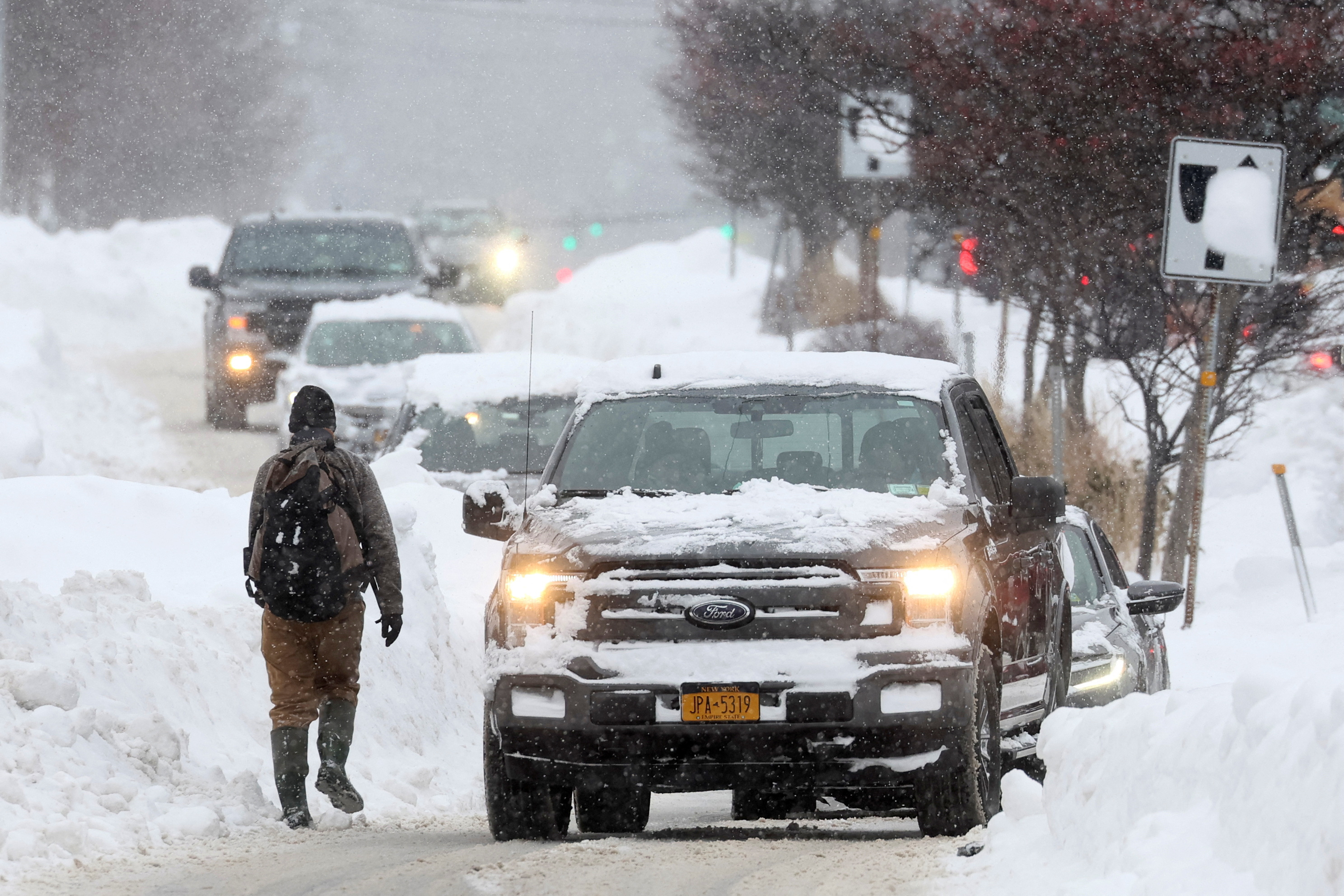
U.S. President Joe Biden authorized federal support for New York state on Monday after a severe winter storm left at least 27 people dead in the Buffalo area and tens of thousands of residents without power, the White House said in a statement.

U.S. President Joe Biden authorized federal support for New York state on Monday after a severe winter storm left at least 27 people dead in the Buffalo area and tens of thousands of residents without power, the White House said in a statement.
AP Photo/Mary Altaffer
New York Rep.-elect George Santos told The New York Post on Monday that he lied about his education and work experience, confirming an earlier New York Times investigation that found he likely misrepresented his background to voters.
The Republican congressman-elect, elected in November to represent parts of Long Island and Queens, told The Post that his fabrications wouldn’t stop him from assuming office.
“I am not a criminal,” Santos told The Post.
Santos admitted to The Post that he fabricated several details regarding his professional and educational background, including claims that he worked for Goldman Sachs and Citigroup. He said Monday that he “never worked directly” for either of the major Wall Street banks, calling claims that he worked there “a poor choice of words.”
Santos told The Post that he actually worked for Link Bridge, a company he said did business with both firms.
He also admitted that he never graduated from college. Santos had previously claimed to be a 2010 graduate of Baruch College. The New York Times investigation revealed that Baruch College had no record of Santos as a student.
Santos also addressed a report from the Jewish news outlet The Forward that appeared to show he lied about his family background on his campaign website, which said that his mother was Jewish and his grandparents had escaped the Nazis during the Holocaust.
“I never claimed to be Jewish,” Santos told The Post, saying that his grandmother, “told stories about being Jewish” before converting to Catholicism. “I am Catholic. Because I learned my maternal family had a Jewish background I said I was ‘Jew-ish.'”
WASHINGTON (AP) — A section of the $1.7 trillion spending bill passed Friday has been billed as a dramatic step toward shoring up retirement accounts of millions of U.S. workers. But the real windfall may go to a far more secure group: the financial services industry.
The retirement savings measure labeled Secure 2.0 would reset how people enroll in retirement plans — from requiring them to opt into plans, to requiring them to opt out. The provision is designed to ensure greater participation.
It also allows workers to use their student loan payments as a substitute for their contributions to their retirement plans — meaning they can get matching retirement contributions from their employers by paying off that debt — increases the age for required distributions from plans, and expands a tax-deductible saver’s credit.
But as with so many far-reaching spending bills that get little public consideration, provisions of the legislation also benefit corporate interests with a strong financial interest in the outcome.
“Some of these provisions are good and we want to help people who want to save — but this is a huge boon to the financial services industry,” says Monique Morrissey an economist at the liberal Economic Policy Institute in Washington. Some parts of the bill, she says, are “disguised as savings incentives.”
Daniel Halperin, a Harvard law professor who specializes in tax policy and retirement savings, said one of the most clear benefits to industry is the provision that gradually increases the age for mandatory distributions from 72 to 75. “The goal is to leave that money there for as long as possible,” in order to collect administrative fees, he said. “For people who have $5 to $7 to $10 million saved, firms keep collecting fees. It’s crazy to allow them to leave it there.”
Companies like BlackRock Funds Services Group, Prudential Financial, Pacific Life Insurance and business lobbying groups such as the Business Roundtable and American Council of Life Insurers are only some of the entities that lobbied lawmakers on Secure 2.0, Senate lobbying disclosures show.
Katherine DeBerry, a representative from Prudential, said the firm applauds the passage of Secure 2.0, stating that it “will help ensure employees’ retirement savings last a lifetime.”
A representative from Blackrock declined to comment and Pacific Life, the Business Roundtable and American Council of Life Insurers did not respond to Associated Press requests for comment. The disclosure forms require only minimal information about the outcome the lobbyists sought.
Retiring Sen. Rob Portman (R-Ohio) and Sen. Ben Cardin (D-Md.) had been ushering Secure 2.0 through the massive spending bill known as an omnibus. Nearly half of the 92 provisions in Secure 2.0 come, in full or part, from Cardin-Portman legislation that was approved unanimously by the Senate Finance Committee in the summer.
“Senator Cardin is proud of his role producing a balanced package that is supported by business, labor and consumer groups,” Cardin spokesperson Sue Walitsky said in a statement. “It protects and encourages retirement savings among the most vulnerable, particularly lower-income individuals.”
Mollie Timmons, a spokeswoman for Portman said the provisions of Secure 2.0 will “help part-time workers and help more small businesses offer retirement plans to their workers, which is where most lower-income workers are employed.”
Both lawmakers’ campaigns have received large contributions from firms tied to the retirement industry, according to OpenSecrets — with Cardin receiving $329,271 from the securities and investment industry from 2017 to 2022 and Portman receiving $515,996 from the same industries in the same period.
There are good provisions in the legislation for average Americans, experts say, like the creation of employer emergency savings accounts alongside retirement accounts. The new accounts let workers create tax-protected rainy day funds. The legislation also expands the saver’s credit, which provides a 50 percent tax credit on savings up to $2,000, that will be deposited directly into a taxpayer’s IRA or retirement plan.
Morrissey and other retirement experts also say the provisions are a reminder of the need to shore up Social Security — the social program that benefits more than 70 million recipients — retirees, disabled people and children. The annual Social Security and Medicare trustees report released in June says the program’s trust fund will be unable to pay full benefits beginning in 2035.
For many Americans, Social Security — financed by payroll taxes collected from workers and their employers — is their only means of retirement savings.
In the sweeping spending package passed Friday, lawmakers authorized roughly half of the $1.4 billion spending increase proposed by the Biden administration for Social Security.
“Funding for the Social Security Administration has steadily eroded over the past decade, while the number of people it serves has grown,” said Nancy LeaMond, AARP executive vice president. “This has resulted in longer wait times, overwhelmed field offices and disability processing times that have skyrocketed to an all-time high.
“More must be done,” she said.
In a Pew Research Center poll in January, 57 percent of U.S. adults said that “taking steps to make the Social Security system financially sound” should be a top priority for the president and Congress. Securing Social Security got bipartisan support, with 56% of Democrats and 58% of Republicans calling it a top priority.
Nancy Altman, co-director of Social Security Works, an advocacy group, said Congress should be adequately funding Social Security if “the goal was to really help middle income families.”
Still, the latest legislation is a small step meant to assist the millions of Americans who haven’t saved for retirement.
U.S. Census data show that roughly half of Americans are saving for their retirement. In 2020, 58% of working-age baby boomers owned at least one type of retirement account, followed by 56% of Gen X-ers, 49% of millennials and 7.7% of Gen Z-ers.
Olivia Mitchell, a Wharton economist who specializes in retirement savings, says the results of Secure 2.0′s passage may be felt most with workers at companies that match their employees’ contributions.
She said research suggests that auto-enrollment can boost retirement plan coverage initially but participation may fall over time.
Mitchell studied the first state-based plan of its kind, OregonSaves, which auto-enrolled workers whose firms did not have retirement savings plans. She found that only 36% of workers had a positive balance after one year. Less than half of those in the plan were still contributing after a year.
Nonetheless, she said, “the fact remains that low-paid workers who change jobs often are a difficult target to reach via retirement saving plans.”
WASHINGTON (Reuters) – Weather-related flight cancellations and delays that snarled U.S. commercial air traffic over the holiday weekend dragged on through Monday, with Southwest Airlines accounting for the bulk of the lingering disruptions a day after Christmas.
More than 3,800 U.S. airline flights were canceled on Monday, including 2,800 operated by Southwest, or nearly 70% of the carrier’s total scheduled for the day, according to the flight tracking service FlightAware.
Delays were reported for more than 7,100 U.S. flight departures and arrivals overall, with several hundred by Southwest.
“Challenges are impacting our customers and employees in a significant way that is unacceptable,” Southwest said in a statement, citing “consecutive days of extreme winter weather.”
The Dallas-based airline, one of the world’s largest low-cost carriers, said it anticipated the disruptions would continue in the days heading into the New Year holiday travel period at the end of the this week.
Commercial airline traffic has been upended since last week as an Arctic blast coupled with a massive winter storm dubbed Elliott took shape over the Midwest and swept over much of the United States in the lead-up to the Christmas holiday weekend.
The resulting surge in cancellations and delays, coupled with long lines and missing luggage at airports, spoiled wintertime vacation plans for countless U.S. airline customers during one of the busiest travel periods of the year.
Kyle Goeke, 29, said he would be stuck in Seattle for days after Alaska Airlines canceled his flight, scheduled for early Monday, from Seattle to Missoula, Montana.
He had already traveled from Washington, D.C., to Seattle late on Sunday and said he hadn’t slept at all overnight, forced instead to make lodging arrangements in Seattle.
“Luckily, I have a friend here in this city to help me out, many others are just left by themselves,” he told Reuters.
Many would-be passengers took to social media to express frustration and to try to get a response from airlines.
David Sharp said on Twitter his Southwest Airlines flight from Denver to St. Louis was canceled and the next flight was not available for another two days. He said he would rent a car and drive to his destination.
Southwest Airlines said on Monday it was facing a large number of travel inquiries from customers and was doing its best to get its network back to normal.
Voice actress Grey DeLisle tweeted to Southwest Airlines: “Flight 1824 from Nashville to Burbank was canceled due to Elliot and we haven’t received any rebooking! The kids’ daddy has already missed Christmas now and his luggage is lost with medication in it! Customer Service line busy. Help!”
“My brothers Southwest Airlines flight out of Philly back to El Paso was canceled today and the best they could do was out of Baltimore on Tuesday morning! Nothing anyone could do but so much travel insanity,” wrote another Twitter user named Alex Gervasi.
Some luggage was left unclaimed at William P. Hobby Airport in Houston for two days, while many passengers arrived unable to locate their bags, local media reported.
Madeline Howard said on Twitter she was told by Southwest that her luggage was flying to a different airport despite her flight having been canceled.
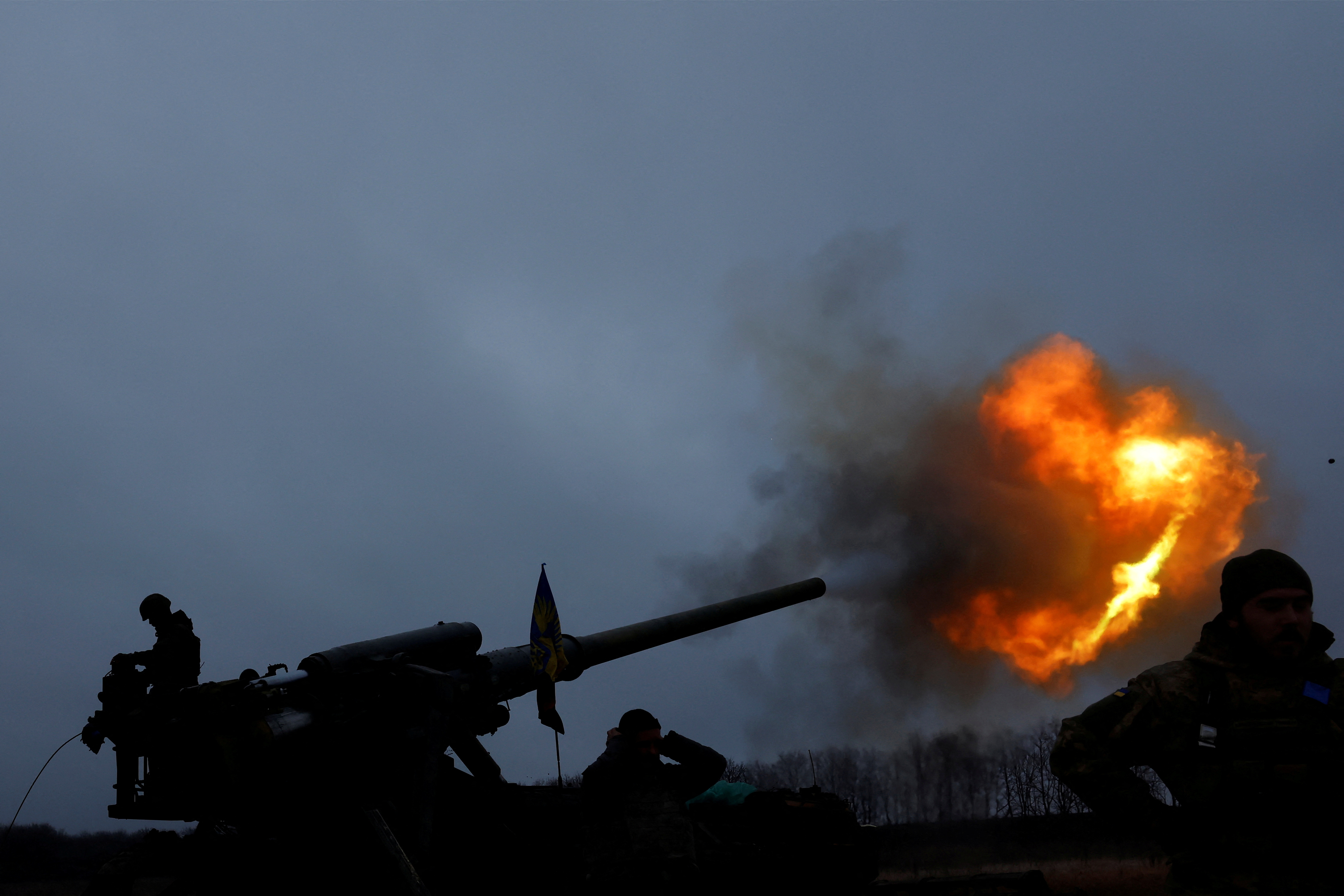
Russian Foreign Minister Sergei Lavrov gave Ukraine an ultimatum on Monday to fulfil Moscow’s proposals, including surrendering territory Russia controls, or its army would decide the issue, a day after President Vladimir Putin said he was open to talks.
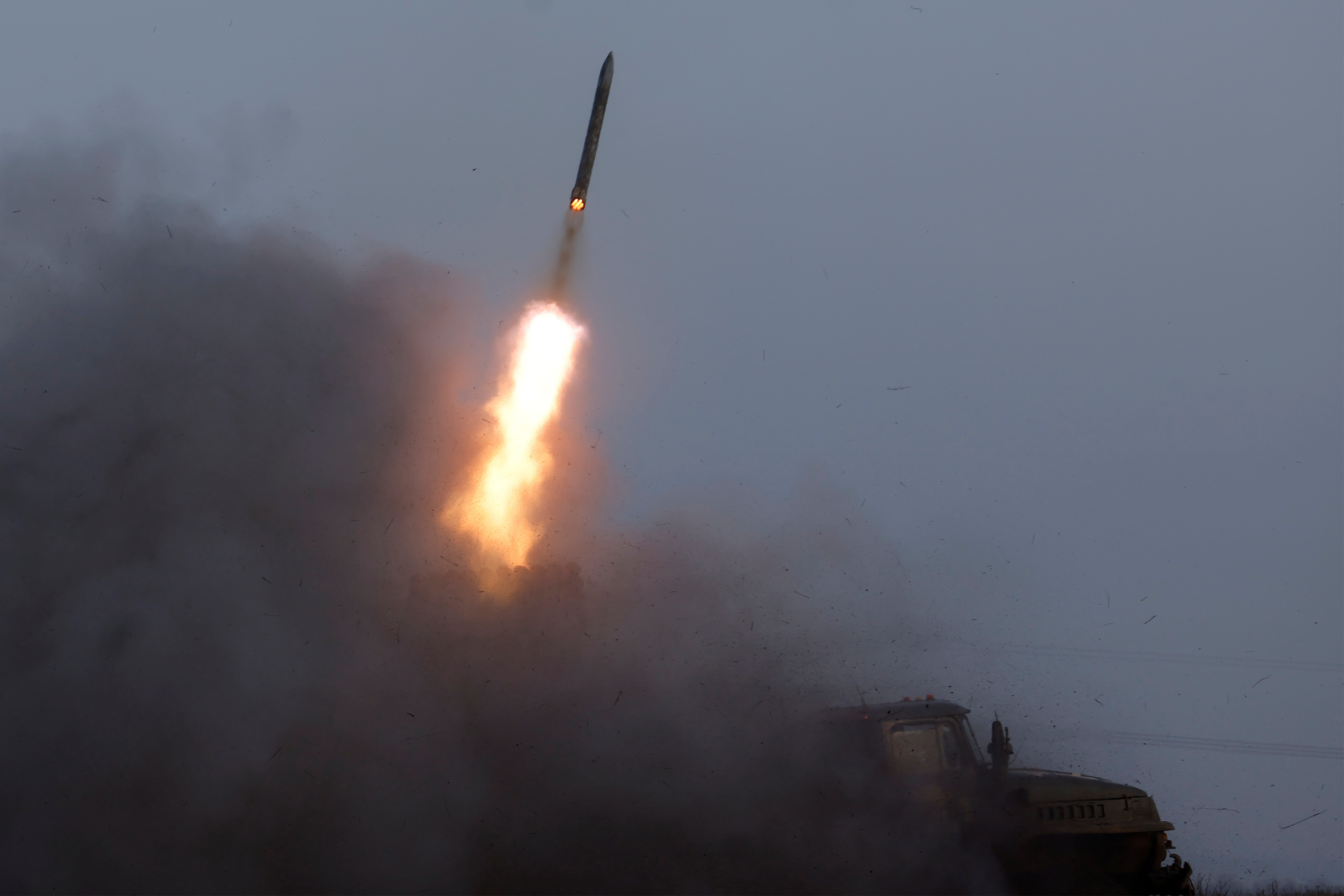
Kyiv and its Western allies have dismissed Putin’s offer to talk, with his forces battering Ukrainian towns with missiles and rockets and Moscow continuing to demand that Kyiv recognise its conquest of a fifth of the country.
Kyiv says it will fight until Russia withdraws.
“Our proposals for the demilitarization and denazification of the territories controlled by the regime, the elimination of threats to Russia’s security emanating from there, including our new lands, are well known to the enemy,” state news agency TASS quoted Lavrov as saying late on Monday.
“The point is simple: Fulfil them for your own good. Otherwise, the issue will be decided by the Russian army.”
Putin launched his invasion of Ukraine on Feb. 24, calling it a “special operation” to “denazify” and demilitarise Ukraine, which he said was a threat to Russia. Kyiv and the West say Putin’s invasion was merely an imperialist land grab.
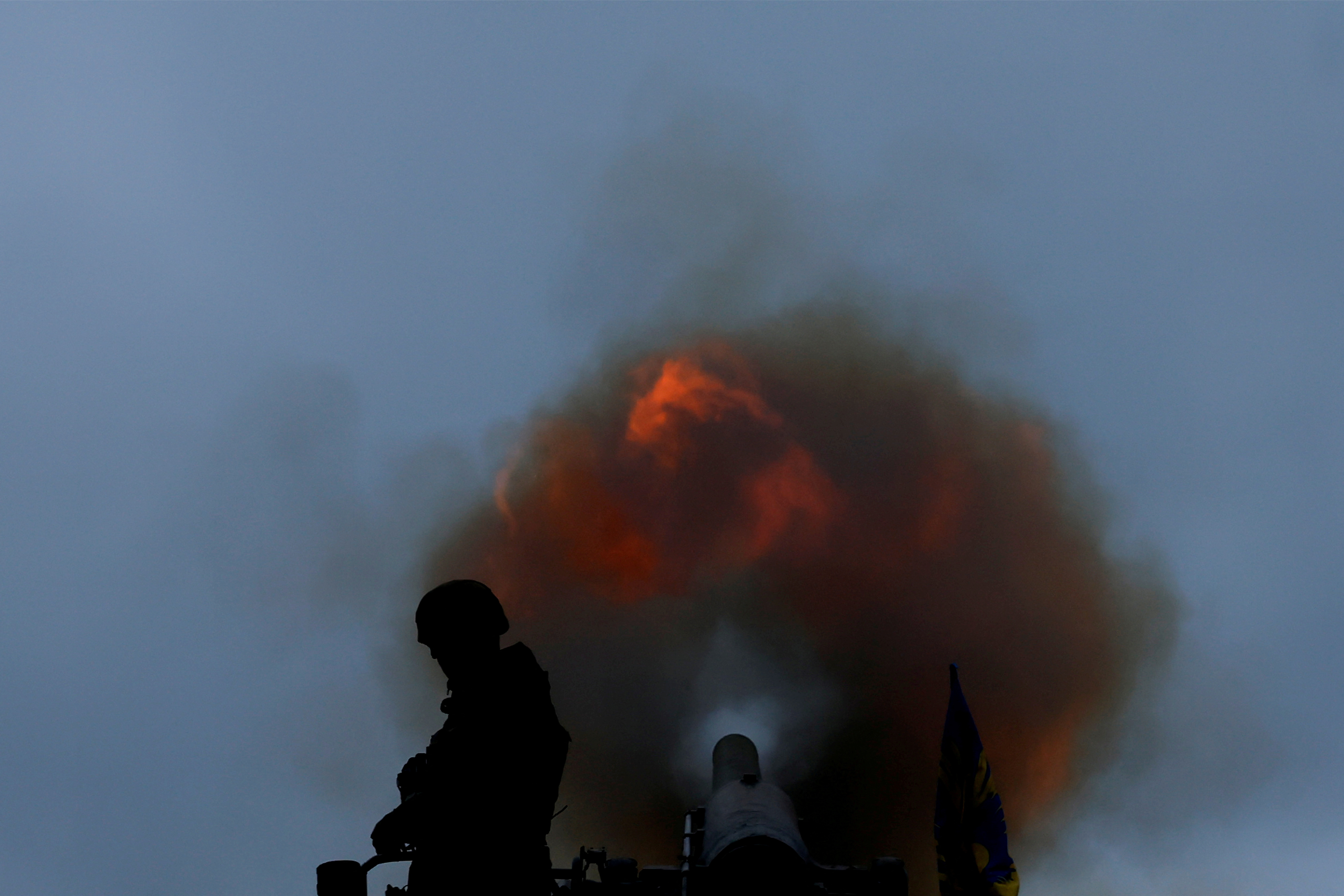
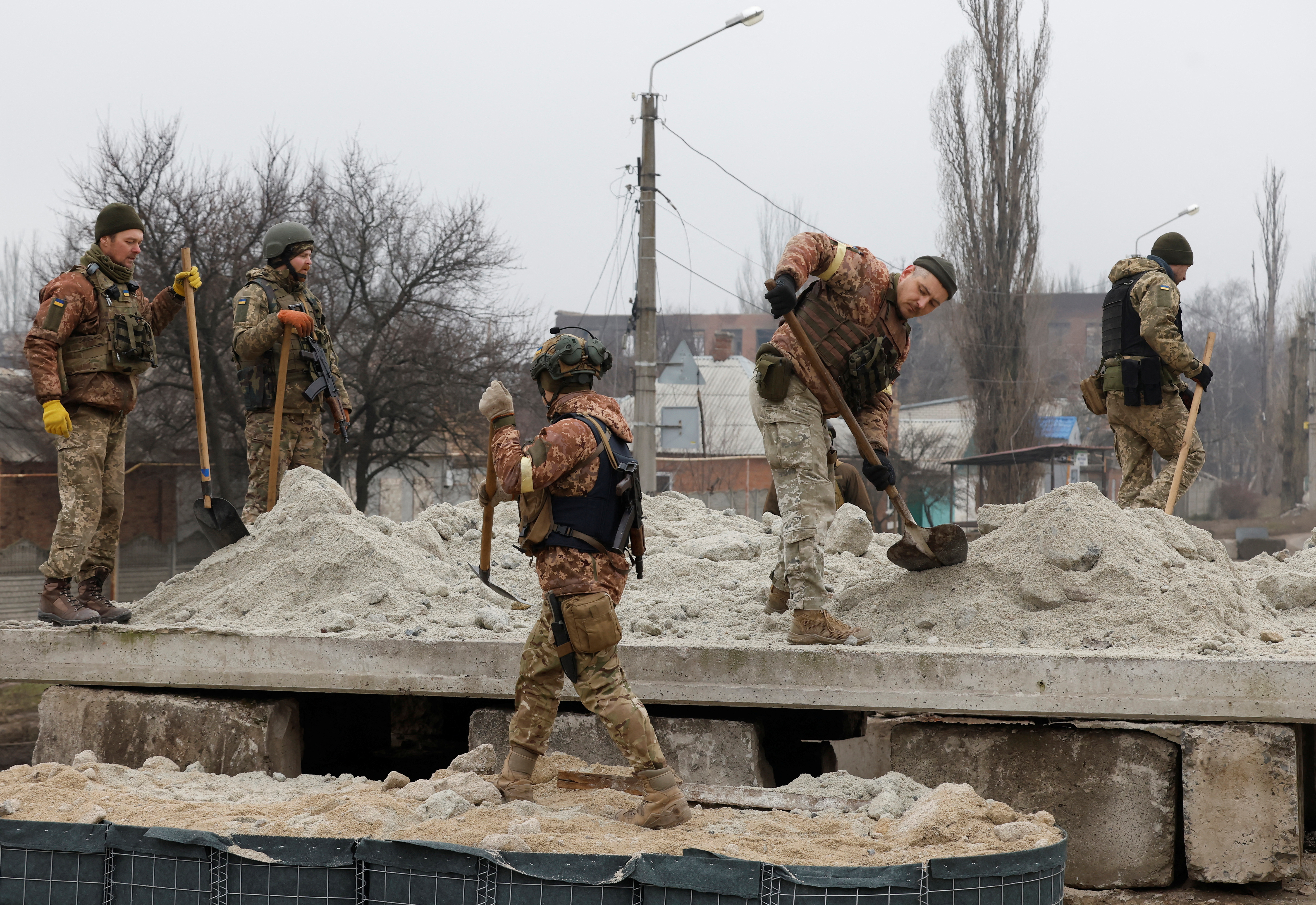
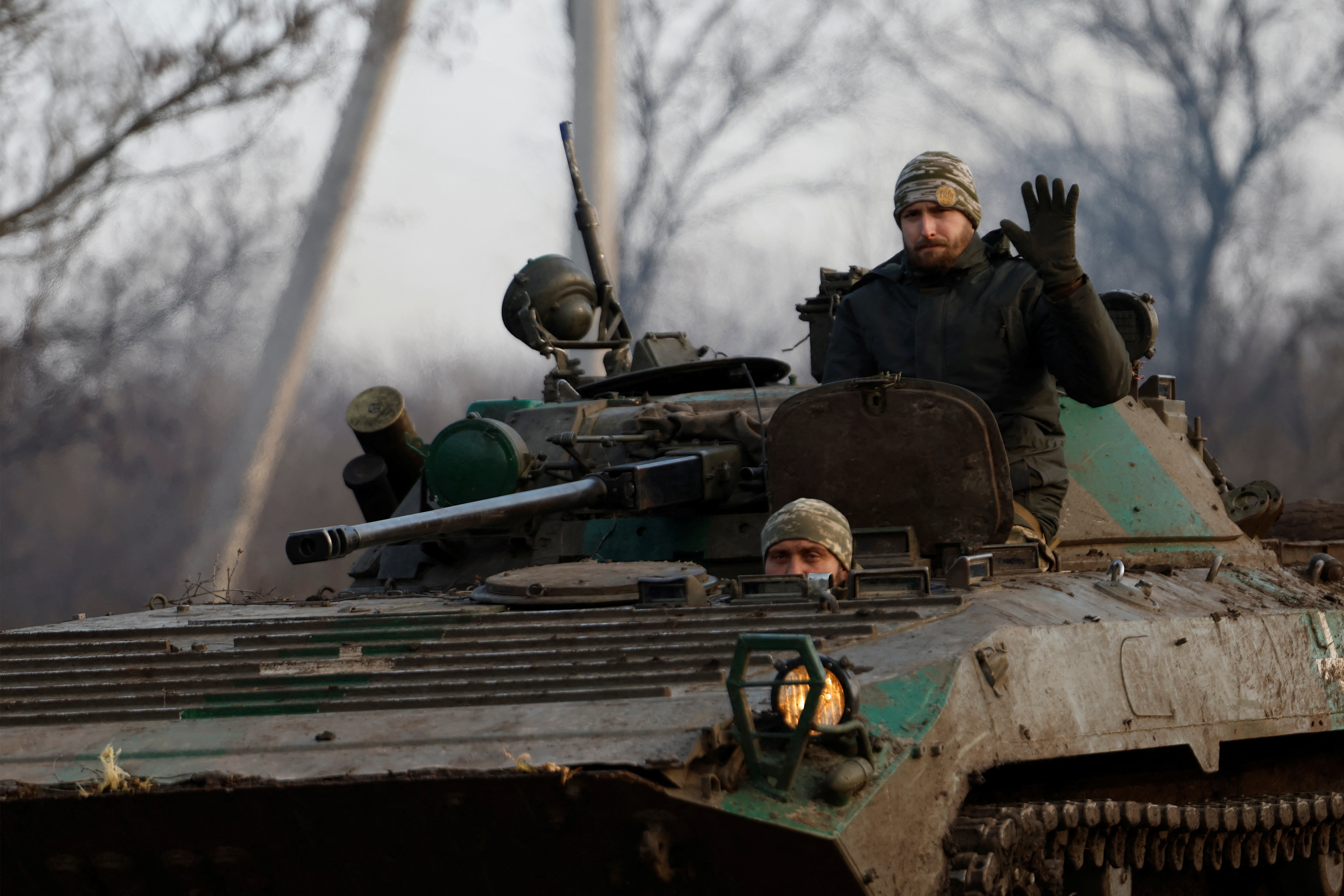
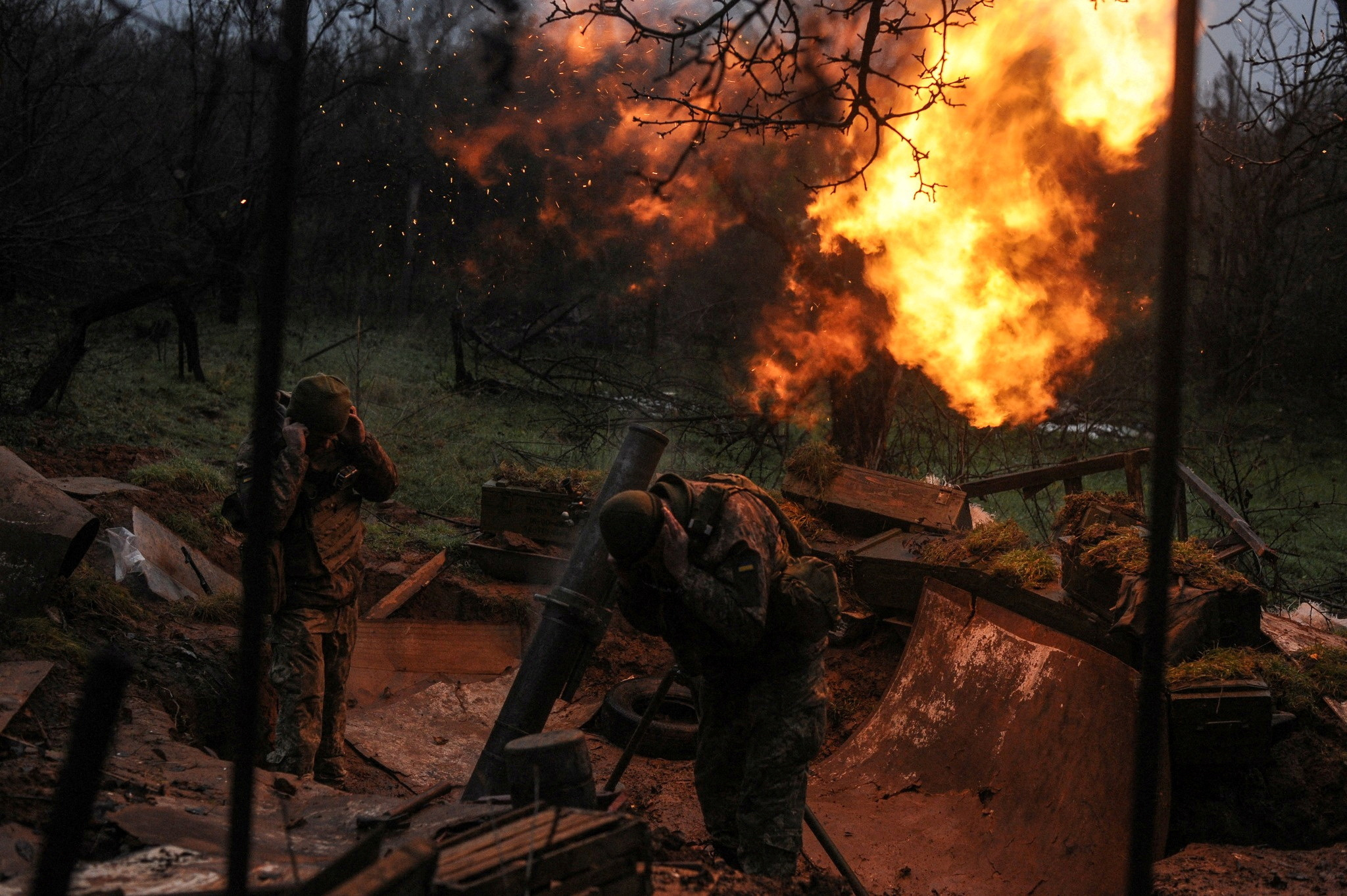
As the war entered its 11th month, Russian forces were engaged in fierce fighting in the east and south of Ukraine, after embarrassing battlefield setbacks.
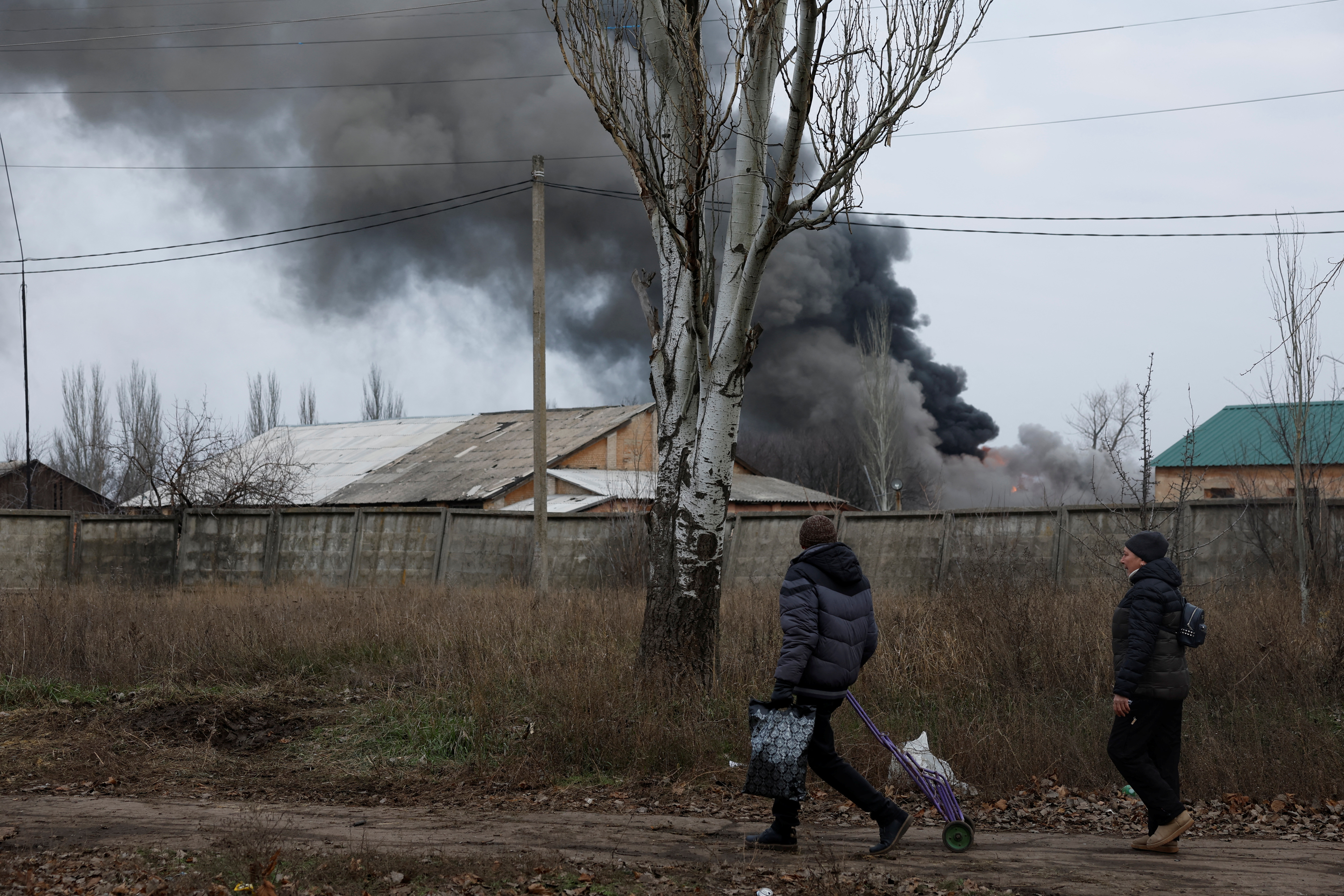
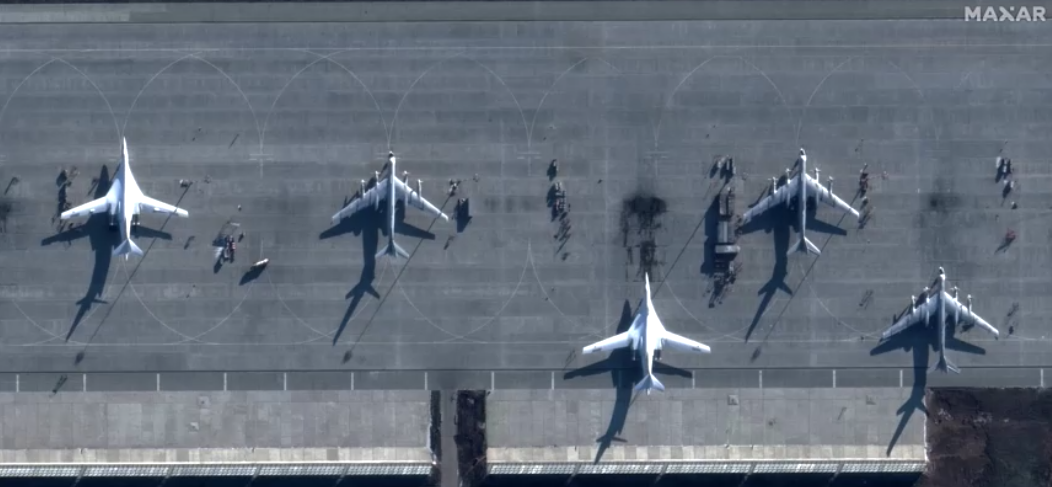
On Monday, a drone believed to be Ukrainian penetrated hundreds of kilometres through Russian airspace, causing a deadly explosion at the main base for Moscow’s strategic bombers in the latest attack to expose gaps in its air defences.
A suspected drone struck the same base on Dec. 5.
Moscow on Monday said it had shot the drone down causing it to crash at the Engels air base, where three service members were killed. Ukraine did not comment, under its usual policy on incidents inside Russia.
The base, the main airfield for the bombers that Kyiv says Moscow has used to attack Ukrainian civilian infrastructure, is hundreds of miles from the Ukrainian frontier. The same planes are also designed to launch nuclear-capable missiles as part of Russia’s long-term strategic deterrent.
The Russian defence ministry said in a statement no planes were damaged, but Russian and Ukrainian social media accounts said several had been destroyed. Reuters was not able to independently verify the reports.
Putin hosted leaders of other former Soviet states in St Petersburg on Monday for a summit of the Commonwealth of Independent States group, which Ukraine has long since quit.
In televised remarks, Putin made no direct reference to the war, while saying threats to the security and stability of the Eurasian region were increasing.
“Unfortunately challenges and threats in this area, especially from the outside, are only growing each year,” he said.
“We also have to acknowledge unfortunately that disagreements also arise between member states of the commonwealth.”
The invasion of Ukraine has been a test of Russia’s longstanding authority among other ex-Soviet states.
Fighting has surged in recent months between CIS members Armenia and Azerbaijan in a conflict where Russia has sent peacekeepers, while a border dispute has flared between Kyrgyzstan and Tajikistan. Putin said such disagreements should be resolved through “comradely help and mediating action”.
Ukrainian President Volodymyr Zelenskiy said in his nightly video address on Monday that the situation at the front in the Donbas region was “difficult and painful” and required all of the country’s “strength and concentration”.
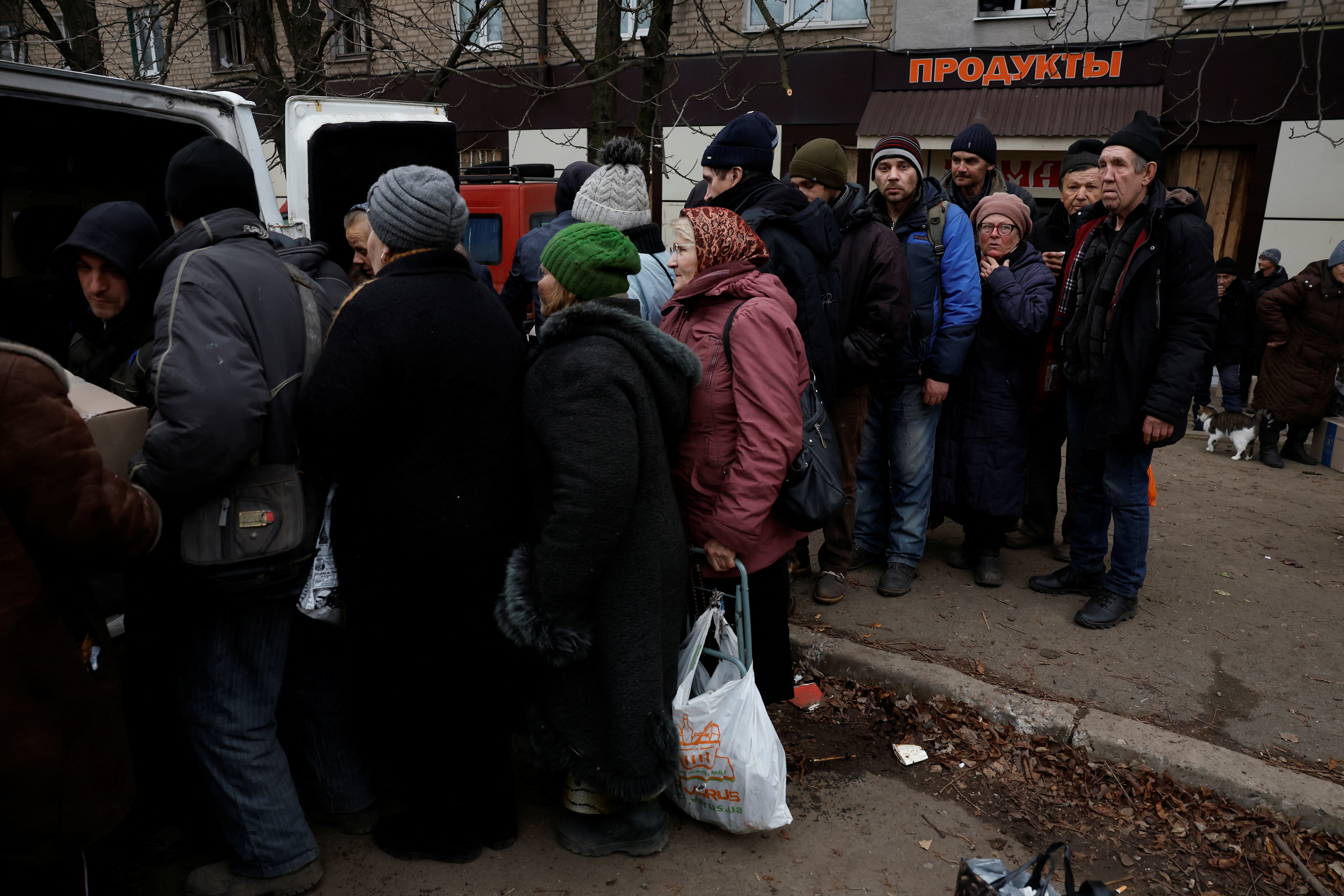
He said that as a result of Russia’s targeting of Ukraine’s energy infrastructure nearly nine million people were without electricity. That figure amounts to about a quarter of Ukraine’s population.
Since the invasion, Ukraine has driven Russian forces from the north, defeated them on the outskirts of the capital Kyiv and forced Russian retreats in the east and south. But Moscow still controls swathes of eastern and southern land Putin claims to have annexed.
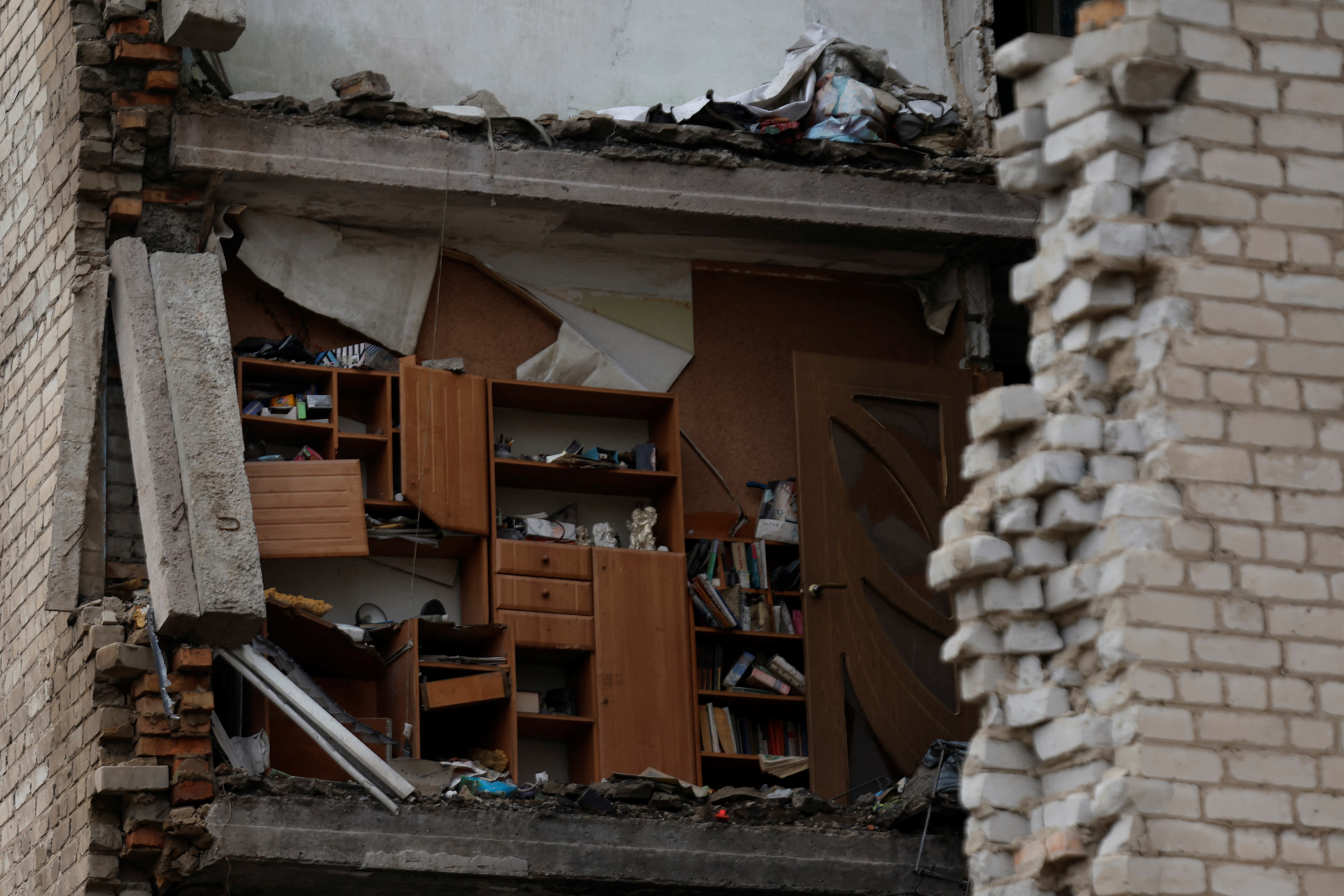
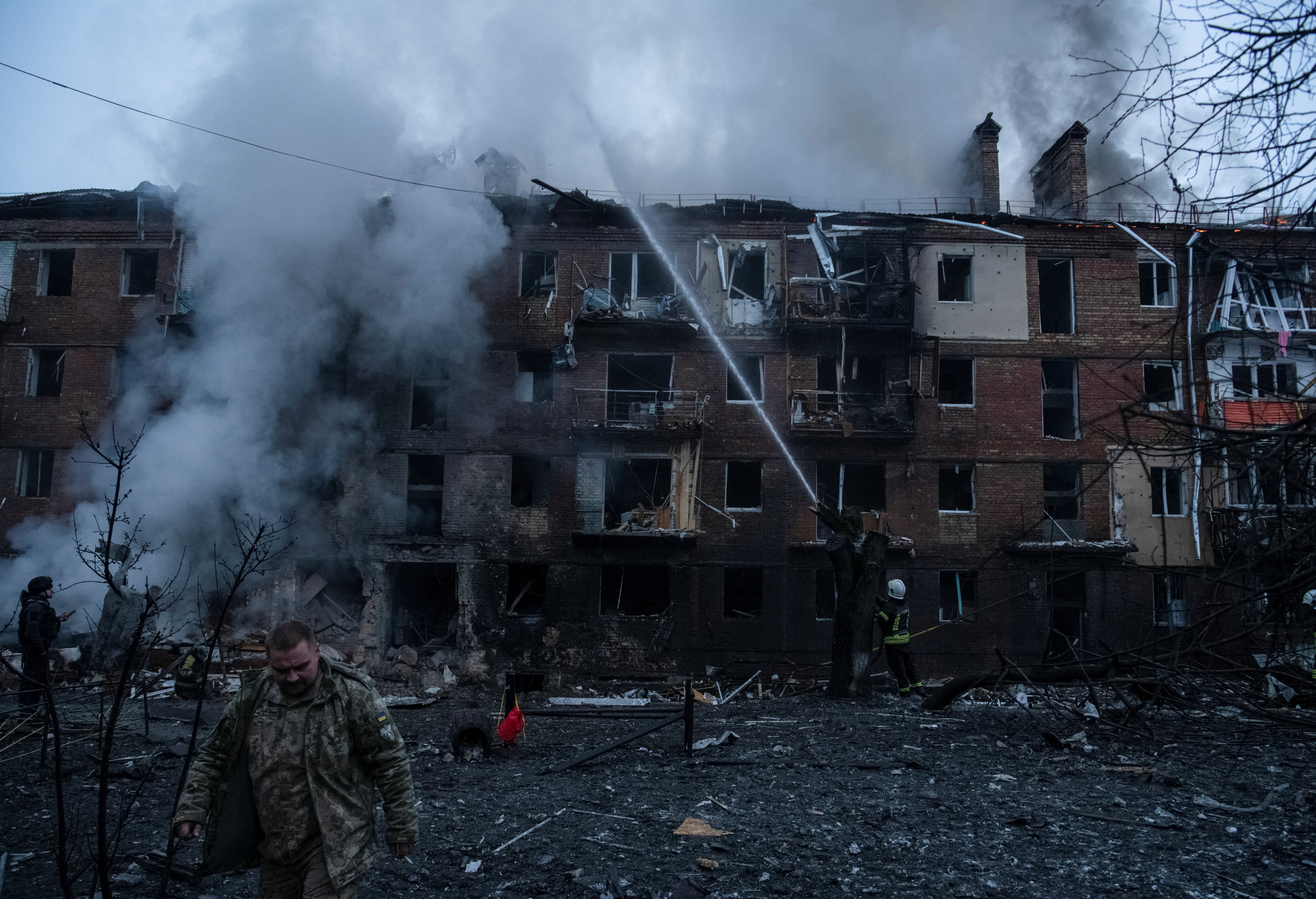
Tens of thousands of Ukrainian civilians have died in cities Russia razed to the ground, and thousands of troops on both sides have been killed, forcing Putin to call up hundreds of thousands of reservists for the first time since World War Two.


Ukraine’s military said Russia had pulled some troops from towns on the opposite bank of the Dnipro River from Kherson city, the first official Ukrainian report of a Russian withdrawal on what is now the main front line in the south..
* Spain has stepped up security at public and diplomatic buildings after a spate of letter bombs, including one sent to Prime Minister Pedro Sanchez and another to the Ukrainian embassy in Madrid, where an official suffered minor injuries.
* Air raid alerts were issued across all of Ukraine following warnings by Ukrainian officials that Russia was preparing a new wave of missile and drone strikes. “An overall air raid alert is in place in Ukraine. Go to shelters,” country’s border service wrote on Telegram messaging app.
* Ukraine’s military said it had found fragments of Russian-fired nuclear-capable missiles with dud warheads in west Ukraine, and that their apparent purpose was to distract air defences.
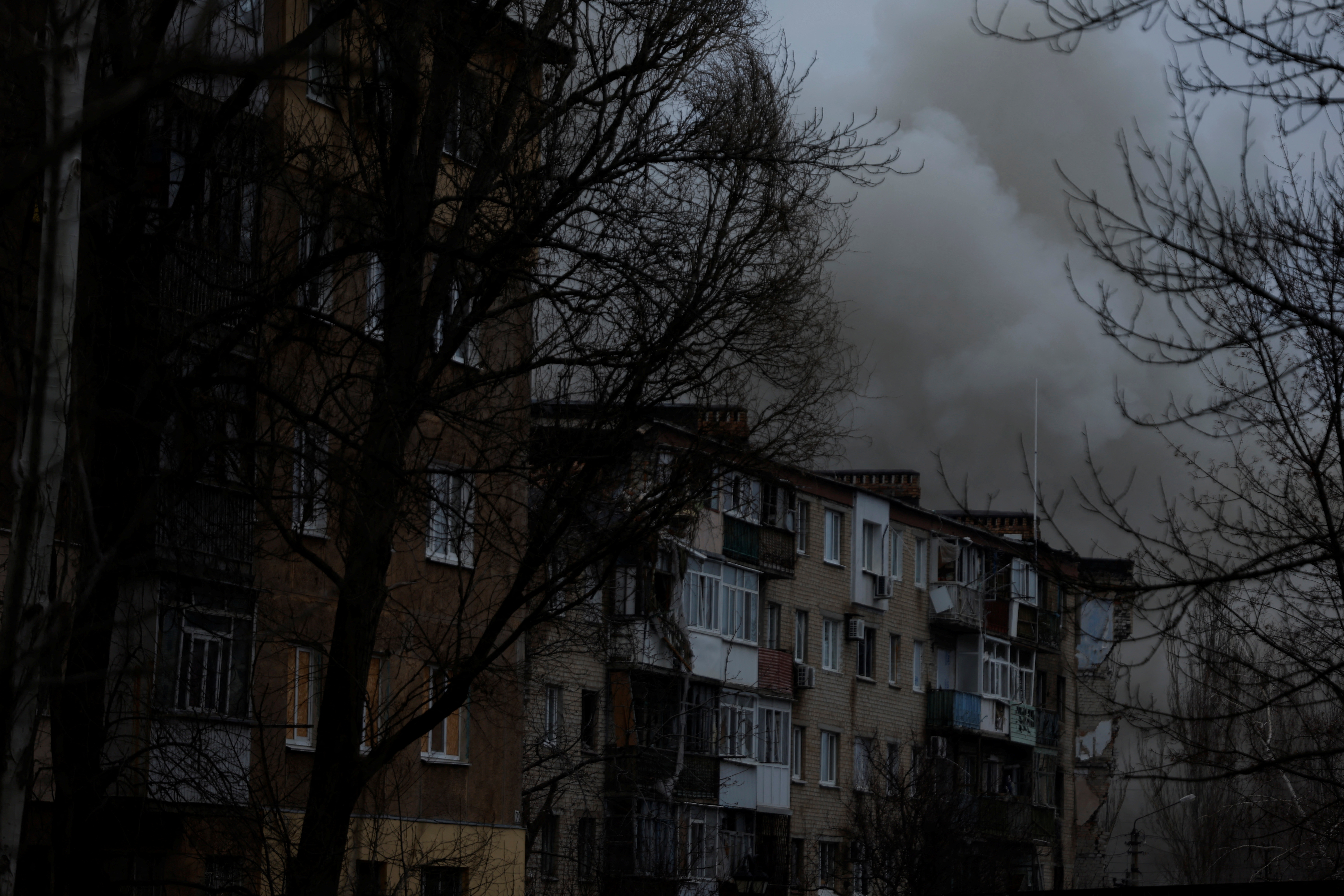
* The recently liberated Ukrainian city of Kherson has lost its power supply after heavy shelling by Russian forces, the regional governor said.
* European Union governments tentatively agreed on a $60 a barrel price cap on Russian seaborne oil, with an adjustment mechanism to keep the cap at 5% below the market price, an EU diplomat said.
* Russian Foreign Minister Sergei Lavrov said on that big problems had accumulated in the Organization for Security and Cooperation in Europe (OSCE), accusing the West of spurning the chance to make it a real bridge with Russia after the Cold War.
* Lavrov said that discussions with Washington about potential prisoner exchanges were being conducted by the two countries’ intelligence services, and that he hoped they would be successful.
* The European Union needs patience as it sanctions Russia for its invasion of Ukraine, as most measures will only have an impact in the medium and long term, Lithuania’s prime minister said in an interview at the Reuters NEXT conference.
* Switzerland has frozen financial assets worth 7.5 billion Swiss francs ($7.94 billion) as of Nov. 25 under sanctions against Russians to punish Moscow for its invasion of Ukraine, the State Secretariat for Economic Affairs (SECO) said.
* Russia said the German parliament’s move to recognise the 1932-33 famine in Ukraine as a Soviet-imposed genocide was an anti-Russian provocation and an attempt by Germany to whitewash its Nazi past.
* Ukraine sacked a top engineer at the Russian-occupied Zaporizhzhia nuclear power plant, accusing him of collaborating with Russian forces, and urged other Ukrainian staff at the plant to remain loyal to Kyiv.
* Russia must withdraw its heavy weapons and military personnel from the Zaporizhzhia plant if the U.N. atomic watchdog’s efforts to create a protection zone are to succeed, Ukrainian Foreign Minister Dmytro Kuleba said.
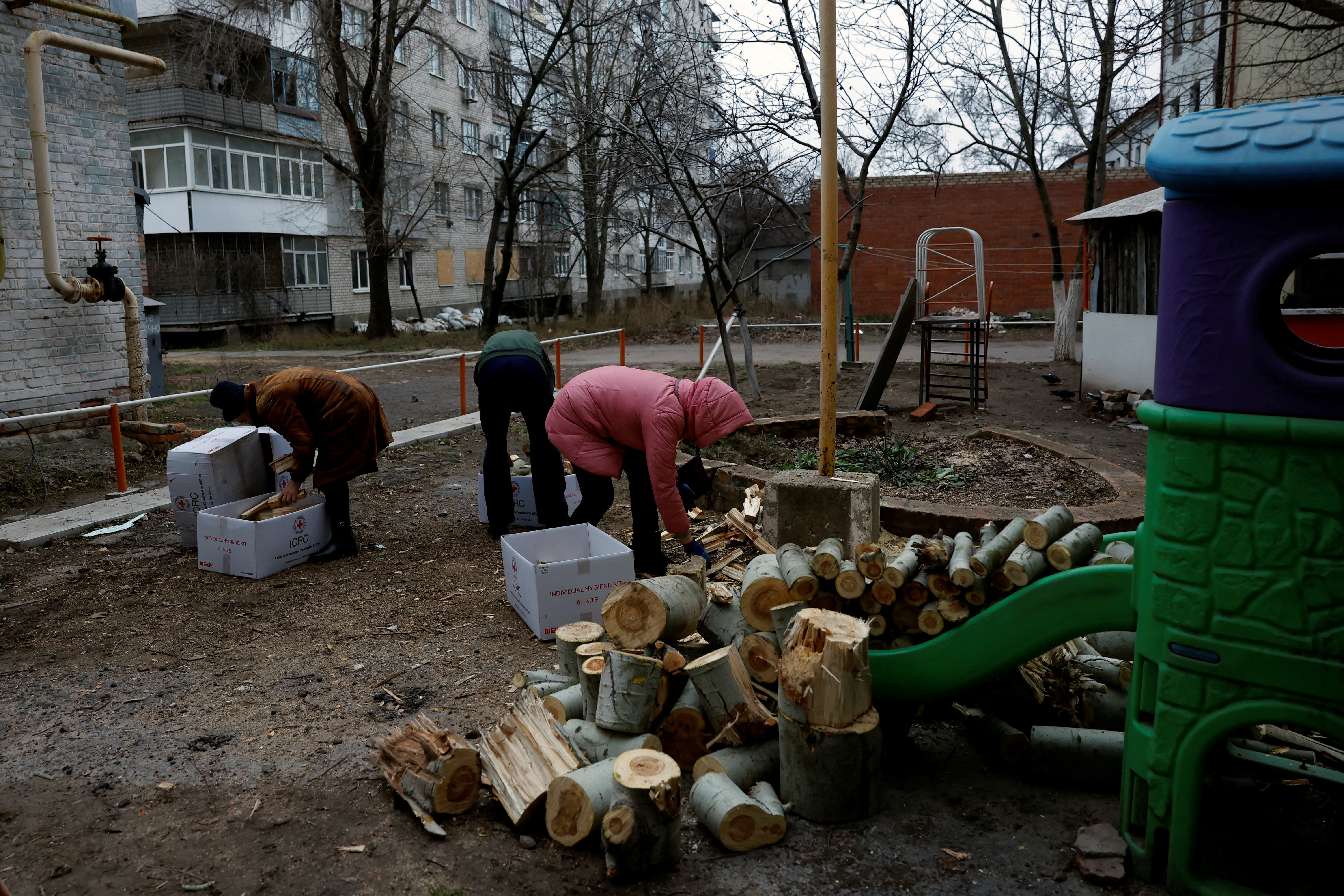
* In a grim sign of the energy crisis caused by Russian attacks on Ukraine’s electricity grid, nine people have been killed in fires over the past 24 hours as Ukrainians resorted to emergency generators, candles and gas cylinders in violation of safety rules to try to heat their homes after power outages.
* “Remember one thing – the Russians are afraid. And they are very cold and no one will help them, because they do not have popular support,” – Andriy Yermak, chief of Ukrainian presidential staff.


Moscow accuses Ukraine of deadly airbase attack deep within its territory; Kyiv aims for UN-backed peace summit in February
Pay $5 to Palmer Report:
Pay $25 to Palmer Report:
Pay $75 to Palmer Report:
Tucker Carlson went nuts on television this week and went off on a diatribe about Congress. The reason for Tucker’s anguish is that people dared to clap for Ukrainian President Volodymyr Zelenskyy. And this appeared to enrage Tucker because he began spewing anger toward Congress, equating them to seals.
“Almost every person in the room clapped like a seal,” Tucker exclaimed, clearly thinking that being compared to a seal was a terrible thing. “Send me more money,” Tucker howled. “I command you. Send me more money.” It was something to see.
Tucker Carlson, who has never been at war in his life except for possibly deciding which hair gel to use, came across like a lunatic. It’s not surprising that Tucker would take Putin’s side, as that is what he’s been doing from the start.
Over and over again, Tucker howls about the unfairness of supporting our friends, the Ukrainians. It has got to the point where he does not even bother to contain his disdain for either Ukraine or anyone supporting them.
Click here to support Palmer Report! Our articles are all 100% free to read, with no forced subscriptions and nothing hidden behind paywalls. If you value our content, you’re welcome to pay for it:
Pay $5 to Palmer Report:
Pay $25 to Palmer Report:
—
Sign up for the Palmer Report mailing list
—
Follow Palmer Report on Facebook • Twitter • Post • Mastodon
—
Of course, comparing Tucker Carlson to Zelenskyy is like comparing a cockroach to a bed of delightful roses. But I still marvel that people WATCH this twerp. Tucker obsessed on how much clapping was done. On and on, he went about it. I have a theory. And that theory is that Tucker is jealous. It is often hard for people to keep their personal beliefs out of their work. It’s especially hard when one has a platform to talk about oneself and one’s beliefs every night.
And for someone Like Tucker, who I suspect never did have many friends, it’s got to sting. Zelenskyy is looked on with such love — and Tucker is looked on with Contempt by most people. Despite his ratings, most Americans don’t watch Tucker. Most Americans don’t watch fox at all. And most Americans support clapping like seals and they support Zelenskyy.
So let Tucker rail against us, calling us seals and letting it out of his system. Zelenskyy has the support of most of the world, and he has admiration and respect– all things I suspect Tucker most likely will never see.
Pay $5 to Palmer Report:
Pay $25 to Palmer Report:
Pay $75 to Palmer Report:
Write for the Palmer Report Community Section.
Pay $5 to Palmer Report:
Pay $25 to Palmer Report:
Pay $75 to Palmer Report:
The post Tucker Carlson completely loses it appeared first on Palmer Report.
Visual China Group/Getty Images
Chen Shichuan/VCG/Getty Images
Global manufacturing powerhouse China’s rise as the world’s factory spanned over four decades and ushered in an era of globalization and integrated supply chains.
But that facade started to crumble around 2018, after former President Donald Trump launched a trade war against the East Asian giant. This, in turn, has prompted investors to reassess their geopolitical risks.
While some investors did move parts of their manufacturing facilities out of China at the time, it was really the pandemic — and China’s zero-COVID policy — that drove home the importance of not depending on one country for manufacturing needs.
“The geopolitical tensions in themselves may not have resulted into this level of realignment of supply chains, but COVID certainly provided that extra vision extra fillip, the extra fuel to the fire,” Ashutosh Sharma, a research director at market research firm Forrester, told Insider earlier in December.
And the effects of the trade war continue to linger. President Joe Biden hasn’t kiboshed the elevated tariffs Trump imposed on China — in fact, in October, he imposed export controls on shipping equipment to Chinese-owned factories making advanced logic chips. This further burdened an already strained relationship.
To navigate this complicated web of US-China trade tensions, multinationals are now more than ever, looking to hedge their business risks.
Here are five countries where China’s supply chains are moving to instead.
Sajjad Hussain/AFP/Getty Images
With it’s vast lands and large, young population, India is a natural alternative to China as the world’s factory.
Particularly, since India’s population is set to surpass China’s to become the world’s most populous country in 2023, the UN’s Department of Economic and Social Affairs said in a July report.
Tech giant Apple, for one, has already moved some of its iPhone production to the Indian states of Tamil Nadu and Karnataka, and is exploring moving its iPad manufacturing to the South Asian nation as well. JP Morgan analysts expect Apple to move 5% of its iPhone 14 to India by the end of 2022, they wrote in a September note. They foresee that one in four iPhones will be made in India by 2025.
India has a large labor pool, a long history of manufacturing, and government support for boosting industry and exports. Because of this, many are exploring whether Indian manufacturing is a viable alternative to China,” Julie Gerdeman, the CEO of supply chain risk management platform Everstream, told Insider.
However, the move is easier said than done.
India’s Prime Minister Modi has been working on attracting foreign direct investments, or FDI, since he took office in 2014, sending FDI to a record $83.6 billion in the last fiscal year, according to government data.
But significant hurdles still exist — even though the Indian government is boosting its appeal to foreign investments, it’s still harder to do business in the country than in China, in part due to bureaucracy, red tape, and multiple stakeholders that prolong decision-making.
Manan Vatsyayana / AFP
As a Communist country, Vietnam — like China — has also been undergoing rapid economic reforms since 1986.
The reforms have yielded results, propelling Vietnam from “one of the world’s poorest nations to a middle-income economy in one generation,” the World Bank said in a November 2022 post.
In 2021, Vietnam attracted over $31.15 billion in foreign direct investment pledges — more than 9% higher from a year ago, according to the country’s Ministry of Planning and Investment. About 60% of the investments went to the manufacturing and processing sector.
Vietnam’s key strengths are in the manufacturing of apparel, footwear, and electronics and electrical appliances.
Aside from India, tech giant Apple has already moved some iPhone manufacturing to Vietnam and is also planning to move some of its MacBook production to the Southeast Asian nation.
Other companies that have shifted some of their production lines out of China to Vietnam include Nike, Adidas, and Samsung.
Rachen Sageamsak/Xinhua/Getty Images
As Southeast Asia’s second-largest economy, Thailand has been moving up the value chain in manufacturing and is a production hub for car parts, vehicles and electronics, with multinationals such as Sony and Sharp setting up shop here.
Sony said in 2019 it was closing its Beijing smartphone plant in 2019 to cut costs and relocated some of the production to Thailand. Sharp said in the same year it was moving some of its printer production to Thailand due to the US-China trade war.
It’s not just international firms. Even China-based firms have relocated parts of their supply chain to Thailand. Companies producing solar panels such as Shanghai-based JinkoSolar are moving their production to Southeast Asian nation to take advantage of lower costs, and avoid gepolitical tensions, the South China Morning Post reported in July 2022.
“Setting up manufacturing plants abroad didn’t come from [the pursuit of] opportunities, it is more of a strategy to deal with challenges to gain market access,” Zhuang Yan, the president of Canadian Solar, said at an industry event in July, the SCMP reported.
Foreign direct investments rose threefold to 455.3 billion Thai baht, or $13.1 million, between 2020 to 2021, Thailand’s Board of Investment announced in February this year.
Mustasinur Rahman Alvi/Eyepix Group/Future Publishing via Getty Images
Even before the COVID-19 lockdowns crippled China’s manufacturing sector, Bangladesh has been a rising star in the garment manufacturing sector.
Bangladesh’s rise was primary due to rising labor costs in China pre-dating Trump’s presidency.
The cost difference is large — the average monthly salary of a worker in Bangladesh is $120 or less than one-fifth the $670 a factory worker takes home in the South China manufacturing hub of Guangzhou, Mostafiz Uddin, the owner of Bangladeshi apparel manufacturer Denim Expert, told Insider.
“Moreover, rising material costs is pushing apparel companies to look for alternative destinations like Bangladesh where production prices are comparatively low,” Uddin said.
Despite a high profile building collapse that killed at least 1,132 people in April 2013 and dented Bangladesh work safety reputation, its garment manufacturing industry is a key pillar of Bangladesh’s economy, accounting for nearly 85% of shipments or over $42 billion of the country’s exports in 2021. The country is also the world’s second-largest garments exporter, after China.
Bangladesh is now working to attracting investments beyond the garment sector, and is working to attract more investments into other sectors including pharmaceuticals and agriculture processing.
Manan Vatsyayana/AFP/Getty Images
Malaysia has been eyeing opportunities from the manufacturing shift out of China for the last few years.
It has already made some headway with the efforts, as it has attracted at least 32 projects which have relocated from China to Malaysia, the Malaysian Investment Development Authority said in July 2020. The authority didn’t provide specific details of the projects or of the companies that moved.
However, even before the pandemic, tech investments into Malaysia had been rising due to lower labor costs and US-China trade tensions. Major deals over the last few years included a 1.5 billion Malaysian ringgit, or $339 million, investment by US chip giant Micron over five years starting from 2018. Jabil, a US company that makes iPhone covers, has also expanded its operations in Malaysia.
“We knew quite a number that have expressed their intention to shift from China and we have engaged them. The only thing is timing,” Azman Mahmud, then CEO of Malaysian Investment Development Authority told the Malaysian Reserve media outlet in 2020.
Malaysia’s FDI inflows hit a five-year high of $48.1 billion in 2021, with manufacturing the electronics and vehicles being the main contributor, according to official government information.
Kim Jae-Hwan/Getty Images
Five North Korean drones crossed the border into South Korea on Monday for the first time in five years, heightening tension between the two neighbors.
One drone traveled as far as the northern part of Seoul, South Korea’s capital, about an hour’s drive from the border, a South Korean defense official said in a briefing. The other four flew around Ganghwa Island, a CNN report said.
The South Korean military responded by firing shots at the drones, though the country’s defense ministry could not confirm if any drones were shot down.
“This is a clear provocation, and an invasion of our airspace by North Korea,” South Korean defense official Lee Seung-oh said during a briefing.
Lee said the South Korean military conducted a reconnaissance mission after the drones entered its airspace, with some assets crossing into North Korean territory and filming its military installations.
The last time a North Korean drone entered South Korean airspace was five years ago, according to the South Korean military.
In 2017, South Korea said it had recovered a crashed North Korean drone that was spying on a U.S.-built missile system being deployed in the country, according to a CNN report from that time.
North Korea has aggressively ramped up its missile tests this year, firing missiles on 36 separate days, the highest annual tally since Kim Jong Un took power in 2012, according to CNN.
On Friday, South Korea said North Korea launched two short-range ballistic missiles, according to CNN.
Advertisements – Advertising at The News And Times – advertising-newsandtimes.com | WE CONNECT!
Audio | Video | Top News | On Twitter | Security | FBI | Capitol Riot | JOSSICA | Trump | Russia | Putin | Russia – Ukraine War | Covid-19 | Brooklyn NY | Puerto Rico | World
September 3, 2026 3:22 am
The News And Times | Featured Posts | All Articles | Current News | Selected Articles | Shared Links | Opinions | In My Opinion | Sites | Blogs | Links | Twitter | Facebook

Contact Form | Blogs | Sites | News Reviews | Links | Advertising
All The News That’s Fit To Web