Categories
Audio Sources - Full Text Articles

UN Humanitarian Coordinator allocates $20M to support Ukrainian volunteers

630_360_1635749082-989.jpg

Humanitarian Coordinator for Ukraine Denise Brown introduced the release of an more US $20 million from the Ukraine Humanitarian Fund (UHF) to support more than 300 civil society businesses, group-based mostly companies and volunteer teams that have been supporting persons impacted by the war in Ukraine.

This is observed in the statement by the United Nations Business for the Coordination of Humanitarian Affairs (OCHA).

“These teams have generally been the spine of the humanitarian reaction in Ukraine and even much more given that the war commenced in late February. They are in the entrance line, having pitfalls to make sure people today whose life have been torn aside by months of war obtain aid for their every day needs: water, food items, medications, shelter when their properties have been harmed,” spelled out Humanitarian Coordinator for Ukraine, Denise Brown.

As noted, the humanitarian local community in Ukraine has experienced quite a few meetings with these teams in distinct parts of the country. Brown famous that the do the job they are performing is remarkable. “However, 10 months later, their methods are currently being fatigued and they need to have aid to sustain their essential support to the persons of Ukraine,” she included.

Read also: US delivers extra than $374M in extra humanitarian assist for Ukraine

“With this new disbursement, OCHA-managed humanitarian money will have allotted over $252 million for life-preserving functions in Ukraine considering that the Russian Federation’s invasion begun on 24 February, together with $192 million from the UHF and $60 million from the Central Emergency Reaction Fund (CERF),” reads the assertion.

OCHA notes that a lot more than $55 million has been channelled to assignments and businesses supporting hospitals, displacement centres and other critical services with turbines and people today with winter supplies, as Ukraine faces a severe vitality disaster in the center of the wintertime.

ol

Source link

The post UN Humanitarian Coordinator allocates $20M to support Ukrainian volunteers appeared first on Ukraine Intelligence.

Categories
Audio Sources - Full Text Articles

Rising rates are weighing on the housing market – and macro headwinds could keep the sector depressed in 2023.

Good morning. I’m senior reporter Phil Rosen. It’s good to be with you for the second-to-last Friday eve of 2022.

This year, we’ve watched (and felt) inflation hit historic highs, and seen the US central bank fight rising prices with very aggressive monetary policy. 

The jury’s still out on whether those Fed rate hikes are working and if they’ll spark a recession, but everyday Americans have already had to endure the repercussions. 

Don’t shoot the messenger here, but today I’m breaking down the many troubles plaguing the housing market and homebuyers. 

By the way, two of Sam Bankman-Fried’s top associates, Caroline Ellison and FTX cofounder Gary Wang, plead guilty to fraud and are cooperating with authorities, US attorneys say.


If this was forwarded to you, sign up here. Download Insider’s app here.


Lumber prices housing boomA housing boom has caused lumber prices to soar in 2021.

Mike Blake/Reuters

1. US home sales notched their longest streak of declines in 23 years last month. Data released Wednesday showed existing home sales dropped for a 10th consecutive month in November. 

November’s annualized sales pace dipped 7.7% from October, and 35.4% compared to the previous year, the National Association of Realtors said. 

Recall that earlier this month, this Fed made its fifth jumbo rate hike in a row, and is tightening policy at an unprecedented pace. 

The Fed’s interest rate maneuvering and the housing market are connected, and mortgage rates often move in lockstep with the central bank’s benchmark rate.

“The residential real estate market was frozen in November, resembling the sales activity seen during the COVID-19 economic lockdowns in 2020,” NAR chief economist Lawrence Yun said. “The principal factor was the rapid increase in mortgage rates, which hurt housing affordability and reduced incentives for homeowners to list their homes.” 

Earlier this year, mortgages climbed above 7%, and are currently hovering around 6.52%. This means new home buyers must dig deeper than they have in recent years to afford monthly payments.  

Brian Jacobsen, a senior strategist for Allspring Global Investments, pointed to a triumvirate of headwinds weighing on the housing sector: labor shortages, rising costs, and soaring mortgages. 

Each piece of this “triple whammy,” he said, has weighed on demand. 

Lumber prices, too, this week hit a new low for the year. The key building commodity has fallen almost 70% this year, as it’s uniquely tied to how consumers are feeling about housing. 

And speaking of feelings: Homebuilder sentiment dropped for a 12th straight month in December to its lowest mark since 2012, excluding pandemic months in 2020.

All this in mind, there’s still little certainty for what comes next. The most recent inflation reading showed the Consumer Price Index clocking in above 7%, still well above the Fed’s 2% target. 

That means more rate hikes are effectively guaranteed, which raises the odds of a recession and can further squash housing demand

Remember that more rate hikes mean people are borrowing less and saving more.

In other words, if borrowing costs are set to get more expensive before they get cheaper, the year-ahead housing outlook may be bleak. 

What’s your forecast for the housing market next year? Tweet me (@philrosenn) or email me (prosen@insider.com) to let me know.


In other news:

NYSE

Spencer Platt/Getty Images

2. US stock futures are wavering early Thursday, struggling for direction after a day of gains put down to an influx of bargain hunters in an oversold market. Meanwhile, the “Big Five” tech stocks have shed just under $3.7 trillion in market value this year so far. Here are the latest market moves. 

3. Earnings on deck: Paychex, Apogee enterprises, and more, all reporting.

4. A strategist for $3.2 trillion State Street broke down how to drive returns in 2023. Even as the economy falters and enters a recession, Michael Arone said the market could recover relatively quickly. See the firm’s three-part strategy for investing in next year’s landscape.

5. The ruble dropped to a seven-month low against the dollar. Russia’s currency has come under pressure from sanctions and trade restrictions, and the dip signals that those restrictions are beginning to weigh on Moscow’s energy exports. 

6. The S&P 500 rarely posts back-to-back losing years, but when it does happen, the second year is always more painful. Losses could be massive for stocks in 2023 if the key index doesn’t rebound from its roughly 20% decline this year. Historically, the S&P 500 has only seen consecutive down years on four occasions. 

7. Oil could surge nearly 50% when China puts an end to its zero-COVID policy. That’s according to Dan Yergin, the vice chairman of S&P Global. The energy expert sees a base case for Brent oil to trade at $90 a barrel in the new year — but several factors could swing that price.   

8. A top 1% fund manager explained why the S&P 500 is set to drop another 30% in the coming 3-to-9 months. James Abate has beaten just about all his competitors this year — and these are his favorite 11 stocks to buy right now

9. This couple reached financial freedom from their real estate portfolio. They explained how they bought their first house for less than $2,000 — and the strategies they used to scale up to five properties that bring in $30,000 a month in revenue.

Nike stock

Markets Insider

10. Nike soared as much as 14% Wednesday following its upbeat earnings report. The retail giant said it’s getting an inventory bloat back under control. Get the full details.


Curated by Phil Rosen in Los Angeles. Feedback or tips? Tweet @philrosenn or email prosen@insider.com

Edited by Max Adams (@maxradams) in New York and Hallam Bullock (@hallam_bullock) in London.

Read the original article on Business Insider
Categories
Audio Sources - Full Text Articles

Our addiction to quick, cheap fashion is adding 101 million tons to landfills each year — and the holidays are only going to make it worse

An excavator arm dropping clothes onto a pile of clothes with a Santa hat on topMillions of tons of clothes are thrown out each year and are piling up in landfills across the globe.

Beate Folesky / EyeEm/Getty, urfinguss/Getty, Peter Cade/Getty, stevecoleimages/Getty, Tyler Le/Insider

The boom in quick, cheap knock-offs is creating a looming environmental disaster

The fashion industry has a staggering garbage problem.

Every year more than 100 billion apparel items are created by the industry — enough for every person on Earth to get 14 new pieces of clothing each year, and more than double the amount of clothing produced in 2000. And because of our “buy-and-return” culture, a lot of that clothing is getting sent back to retailers. Despite what many people think, most clothing returns are not restocked, repurposed, or reused — they end up in the garbage.

The problem is dire: Every day, tens of millions of garments are tossed out to make way for new ones. And every year, 101 million tons of clothing end up in landfills. And the trend toward fast fashion — cheap, mass-produced items that chase short-term fads — are only making us more wasteful. The fast-fashion brand Zara produces 450 million garments, with 20,000 new styles each year, which remain in fashion for a limited amount of time until they’re replaced by new styles the following year. If 20,000 sounds like a lot, the “new kid on the block” just asked us to hold their beer. Shein, a Chinese company which has only been around since 2008, releases 6,000 new styles … a day! And not all of those clothes are sold. Many fast-fashion companies are stuck with mountains of excess inventory that they struggle to get rid of. 

The holiday season exacerbates the problem. Around Christmas, more people are buying clothes they intend to return, and more people are tossing old clothes to make space for new ones. That’s especially true this year. With the pandemic receding in the rearview mirror, people are planning to buy more winter coats and dress clothes for holiday parties and travel, according to a report from the market-research company The NPD Group. And retailers are urging people to buy, buy, buy in order to clear out the record levels of inventory they built up due to supply-chain delays. Overconsumption, however, will only lead to more clothing getting thrown out. Thirty percent of what we buy online — half of which is clothing — is returned, and according to ReturnGo, a firm I advise that helps retailers improve their return processes, 25% of returned products end up in the waste stream. 

Despite the promises of eco-friendly brands to recycle their customers’ returns, old clothes rarely get refurbished. A report by the Ellen MacArthur Foundation found that, globally, less than 1% of used clothing is actually recycled into new clothes. In contrast, 9% of plastic and about 70% of cardboard are recycled. In 2013, H&M became the first major retailer to initiate a global used-clothing-collection program, setting up thousands of bins in stores across 40 countries. The company encouraged customers to recycle their used clothing, offering vouchers and discount coupons to people who took advantage of the program. But according to a 2016 Fast Company report, very few of the items are recycled into new garments. A majority of the clothes H&M collects end up being donated, while the rest are turned into products like cleaning rags or wipes that only live a short time before ending up in the trash.

A mountain of used clothes in the desert hills of ChileWhen clothes can’t be recycled, they end up in landfills around the world, such as the desert in Chile.

Antonio Cossio/Getty Images

While these recycling campaigns are great marketing tools, the reality is that the scale and technology needed for them to work doesn’t exist. Recycling clothes is expensive, and the existing technology isn’t adequate to handle the volume needed to make a difference for the planet. And since manufacturing clothing has become incredibly cheap, it rarely makes financial sense for companies to invest in repurposing or recycling old clothes. So what can companies do to limit waste?

How can companies reduce their impact? 

The fashion industry takes a heavy toll on the environment. Clothing production consumes one-tenth of all water used industrially, resulting in 20% of the world’s wastewater — much of which is too toxic to be treated and reused. The most environmentally harmful stages of clothing production are the extraction of raw materials and the manufacturing of fabric. And this impact is worsened once the clothes are finished: The transportation stage — delivering clothes from warehouses to stores or from stores to customers — also creates a huge amount of greenhouse gasses. Each product is delivered to customers’ houses one by one, only to be returned or discarded after the (very short) fashion season has ended. Some clothes live longer in secondary markets, but many go straight to the landfill, where they sit in heaps until they can decompose. 

Most businesses design their products with manufacturability in mindmeaning they think about the cost implications of manufacturing a product while in the process of designing it. To reduce the harm companies cause the planet, designers should also think about the sustainability of a product when they design it. 

One way to do this is to simply use more sustainable raw materials. According to a Swedish study, the use of Tencel, a fabric made from sustainably sourced wood, significantly reduces the amount of water needed to manufacture a clothing item. A 2021 study found that silk has the highest environmental impact among various fibers at the extraction stage. In general, natural fabrics such as wool and cotton are more sustainable than synthetic ones. It takes a cotton shirt six months to decompose and a wool sock can break down in five years. By comparison, synthetic fabrics like lycra and polyester — materials used in spandex shorts and other athletic gear — can take centuries to break down.


Some brands are leading the way in sustainability, including the up-and-coming brand Garcia Bello, which was conceived of in Argentina by Juliana Garcia Bello. Garcia Bello upcycles returned clothes — taking outdated clothing and mixing it with raw cotton to generate new items, allowing the designer to extend the life of the garment or fabric. The practice also favors clothes that are handmade, ensuring better durability, fit, and lower carbon impact. 

Another way to limit impact is to focus on the waste caused by returns. Since the pandemic, online shopping — and returns — has surged. In 2022, consumers are expected to return $279.03 billion worth of merchandise, or about 26.5% of the amount they spent — an increase from 2019 when returned items accounted for 19.8% of commercial spending. Brick-and-mortar stores can be used not only as return centers to create more efficiency in the return process, but as they were originally intended: places to try and find the most suitable products in person. David Bell, Santiago Gallino, and Toni Moreno studied data from Warby Parker about the effect of having physical locations where customers can view and try products. They found that these showrooms improved the company’s overall operational efficiency by decreasing returns. 

In addition to limiting returns, companies can also limit waste by recycling. While recycling clothing can be expensive, there are some companies that have figured out a way to limit waste by recycling. Patagonia has said it recycles 100% of the gear customers return through its “Worn Wear”program. But in 2019, the company acknowledged that some products are “too well-loved during use,” and the technology to repurpose that gear isn’t available yet. Patagonia sometimes holds on to these products until — maybe, one day — there’s a solution, but other products are sent to landfills or the incinerator. In 2015, in the US alone, Patagonia generated 262 million tons of solid waste. Only 91 million tons, or 35%, of that was recycled and composted. According to Patagonia, the rest ended up in landfills or were converted into energy in a process called combustion-energy recovery. While recycling did help limit Patagonia’s waste, the ability to recycle used clothing is still a long way from being a viable option for companies. 

Whether these different approaches can work at scale is a different question, but starting small may allow firms to test these methods’ viability and appeal to consumers. And there’s good news for companies trying to step things up: A June McKinsey survey found that more young people are actively seeking out sustainable brands, indicating that as young people start buying more clothes, there will be more of a market for eco-friendly clothing.

Time to be honest 

In order to fix fast fashion, companies need to start being more transparent about their sustainability practices. Being honest forces companies to acknowledge that sustainability is a work in progress and puts pressure on the overall system to improve. It also ensures that the waste companies produce is out in the open. Most consumers that care about sustainability are aware that not every practice a company uses is perfect. But misleading consumers who are looking to buy from ethical companies makes matters worse and invites even more criticism. 

Unfortunately, not a lot of companies are successful at being transparent about their environmental impact. H&M was once thought of as a sustainable company, only to be criticized later for greenwashing. It used scorecards to describe how environmentally friendly each clothing item was, but a Quartz investigation found that these claims were often overblown or completely false. 

Baskets of clothes fill the room. Behind them is a mountain of unsorted clothing.As clothing waste piles up, companies need to find solutions.

Annabelle Chih/Getty Images

Everlane is another brand that paints an eco-friendly image while not doing enough to limit its impact. A 2020 report from Remake, an advocacy organization focused on the environmental impact of the fashion industry, found that Everlane was one of the lowest-scoring brands for transparency, only earning a point more than the fast-fashion giant Forever 21. “There’s a lot this brand is hiding,” Remake wrote of H&M in its report.

As more countries like Ghana begin banning the import of clothes that just get dumped in landfills, companies will have to find solutions to clothing waste. For a solution to be viable, though, it will have to be both sustainable and cost efficient, which means that companies need to have sufficient scale to ensure the cost of recycling is low enough and the fabrics used can be recycled efficiently.  

But because we can’t always leave things up to firms, there’s something we can do as consumers to reduce wasted clothes. The biggest positive impacts come from elongating the life of a garment, reducing transportation, and focusing on sustainable materials. So, this holiday season, try buying local, natural fibers, and items that are likely to remain in fashion longer than Fashion Week 2022.


Gad Allon is the faculty director of the Jerome Fisher Program in Management and Technology and a professor of operations, information, and decisions at The Wharton School of the University of Pennsylvania.

Read the original article on Business Insider
Categories
Audio Sources - Full Text Articles

These 5 Big Techs have shed an eye-popping $3.65 trillion in market value in a torrid year for stocks

zuckerbergMark Zuckerberg’s Meta Platforms has seen its market capitalization tank by over $600 billion in 2022.

Stephen Lam/Reuters

  • The “Big Five” tech stocks have shed just under $3.7 trillion in market value this year so far.
  • Rising interest rates and the threat of a recession have fueled a brutal selloff in US stocks in 2022.
  • Apple, Microsoft, Alphabet, Amazon, and Meta Platforms have each erased over $500 billion in market value.

Just five Big Tech stocks have together lost $3.7 trillion in market value this year, as the Federal Reserve’s rapid interest-rate hikes hammered the share price of some of the US’s best-known companies.

Google parent Alphabet, Amazon, Meta Platforms, Microsoft, and Apple — collectively seen as the “Big Five” tech stocks — have each erased $500 billion from their market cap in 2022 so far, according to data from Refinitiv.

Those wipeouts have come in a year where the benchmark S&P 500 stock market index has plummeted nearly 19% and the tech-heavy Nasdaq has plunged just under 32%, as of Wednesday’s close.

The Fed’s aggressive interest-rate hikes have helped fuel the slide in stocks overall, but have particularly hit techs and other growth companies.

The US central bank has raised its policy rate from near-zero in March to around 4.5% by December, to try to bring down inflation that has been running at four-decade highs.

Higher interest rates encourage people to save rather than spend, and lift the cost of borrowing — both of which drag on companies’ share price.

And they tend to particularly weigh on stocks for fast-growing companies like the Big Five, as an increased cost of borrowing reduces their future cash flows, which is the primary basis for their valuations. 

Facebook parent Meta and Amazon each suffered major hits to their market caps after they warned a recession in 2023 would lead to a fall in their earnings. 

Meta shares crashed 24% in a single day in October after it missed on earnings and flagged a slowdown in digital ad spending, a risk mentioned by several in the online sector.

The social media giant — whose shift to the metaverse hasn’t been well received by many analysts — has shed $635 billion in market value this year, according to Refinitiv. Its market cap stands at $318 billion, after starting 2022 at $953 billion.

Meanwhile, Amazon plunged 11% the same month after it put out a gloomy sales forecast for the key holiday season. The online retail giant has wiped out $806 billion in 2022 so far, losing its trillion-dollar market cap for the first time since April 2020. Its at $885 billion now, from $1.691 trillion.

Alphabet’s market value fell by $758 billion, going from $1.921 trillion to $1.163 trillion. Meanwhile, Microsoft went from $2.525 trillion to $1.822 trillion, for a drop of $703 billion.

Apple’s total valuation tumbled $747 billion from its $2.902 trillion level at the start of 2022. But it remains the world’s largest company with a market capitalization of just under £2.155 trillion. 

Adding Tesla to the five Big Techs would take the group’s total market value losses to $4.2 trillion.

The electric-vehicle manufacturer’s share price has plummeted 61% this year as investors fret about the impact of Elon Musk’s Twitter takeover and an economic slowdown in China weighs on sales numbers. That’s wiped $572 billion off of Tesla’s market capitalization.

This story was amended to correct the figure for the drop in market cap for Amazon.

Read more: Tesla has surpassed Apple as retail investors’ favorite stock in 2022, research firm says

Read the original article on Business Insider
Categories
Audio Sources - Full Text Articles

Morning Bid: Not so fast

2022-12-22T11:11:17Z

A look at the day ahead in U.S. and global markets from Amanda Cooper.

Ding dong, inflation’s dead! Or so you might think looking at what consumers reckon will happen to price pressures over the coming year. Wednesday’s confidence survey showed people see inflation gradually easing in the next 12 months and perhaps rightly so.

Gas prices have retreated to far more normal levels around $3.00 per gallon, from June’s $5-plus heights; food prices are gradually moderating, just in time for the holiday season; and, even though the housing market is still roaring, there’s been a little respite for Americans’ squeezed finances.

The Federal Reserve keeps declaring its intention to fight inflation with both barrels, which inevitably means more rate hikes. But the market’s not buying it.

Despite Fed officials touting 5% at least as the rate we need to get to, money markets show traders don’t expect to see more than a couple of rate rises more at best, with rates topping out at around 4.8% in the spring.

Market-based inflation expectations show that on a five-year horizon, investors see inflation back at around 2.3%, whereas back in the summer, that rate was closer to 3.5%.

A final reading of the Fed’s favourite measure of inflation – the core Personal Consumption and Expenditure index – is expected to show price pressures accelerated at a rate of 4.6% in the third quarter, in line with a second reading from late November. Sure, it’s down from the 4.7% in Q2 and it’s the third and final reading of what happened months ago now.

But at 4.6%, it’s still more than twice the central bank’s 2% target and there might be more than one quiet “I told you so” heard around Washington later on.

A look at the data shows consumers have typically been a lot more pessimistic about inflation than they’ve needed to be. Until late 2021, one-year inflation expectations, as measured by the University of Michigan – a final reading for this month is due Friday – have drastically undershot actual annual changes in the consumer price index (CPI).

But they haven’t been this out of whack in 20 years. Headline CPI rose at a rate of 7.1% in November. Consumers surveyed by U-Mich pollsters a year ago expected 4.9%.

Granted, no one could have foreseen the scale of the increase in inflation as a result of the world reopening after COVID-19 and Russia’s invasion of Ukraine that so badly disrupted global flows of basics like food and fuel.

Inflation may have peaked, but it’s not gone away, no matter how much consumers wish it would.

Key developments that should provide more direction to U.S. markets later on Thursday:

* U.S. Q3 final GDP

* U.S. Q3 final core PCE

* Initial weekly jobless claims

* Treasury auctions 5-Year TIPS

Related Galleries:

A trader works on the trading floor at the New York Stock Exchange (NYSE) in New York City, U.S., December 14, 2022. REUTERS/Andrew Kelly

Traders work on the floor of the New York Stock Exchange (NYSE) in New York City, U.S., December 7, 2022. REUTERS/Brendan McDermid
Categories
Audio Sources - Full Text Articles

Philippines orders strengthened military presence after “Chinese activities“ near islands

2022-12-22T11:12:35Z

Filipino soldiers march in Philippine occupied Thitu island in disputed South China Sea, April 21, 2017. REUTERS/Erik De Castro

The Philippines’ defence ministry on Thursday ordered the military to strengthen its presence in the South China Sea after monitoring “Chinese activities” in disputed waters close to a strategic Philippine-held island.

The ministry did not specify what activities those were and its statement follows a report this week of Chinese construction on four uninhabited features in the disputed Spratly islands, news that Beijing has dismissed as “unfounded”.

Any encroachment or reclamation on features within the Philippines’ 200-mile exclusive economic zone “is a threat to the security of Pagasa island, which is part of Philippine sovereign territory,” the ministry said in a statement, using the Filipino name for Thitu island.

“We strongly urge China to uphold the prevailing rules-based international order and refrain from acts that will exacerbate tensions,” it added.

The Chinese embassy in Manila reiterated that China strictly abides by a consensus reached among claimants that included not developing uninhabited reefs and islands.

Asked to respond to the defence ministry’s statement, it said both countries would ”properly handle maritime issues through friendly consultations.”

China claims most of the South China Sea, through which billions of dollars worth of goods pass each year. Brunei, Malaysia, the Philippines, Taiwan and Vietnam also have overlapping claims to various islands and features.

Thitu is the most strategically important of nine features the Philippines occupies in the Spratlys, located close to Subi Reef, one of seven artificial islands that China has built on submerged reefs, some with surface-to-air missiles, aircraft hangars and runways.

The Philippine military’s Western Command in a statement said it had observed via regular navy and air patrols a “persistent presence” of Chinese militia near Thitu island and around Lankiam Cay, Whitsun Reef and Sandy Cay.

It did specify what the Chinese boats were doing.

Categories
Audio Sources - Full Text Articles

Hundreds of thousands of Ukrainian children could be deported to Russia

630_360_1650511652-288.jpg

Hundreds of thousands of Ukrainian small children could be deported to Russia.

“We do not know the correct number [of Ukrainian children taken away] but, according to our facts, we can suppose that hundreds of countless numbers of Ukrainian small children have been forcibly deported,” Dmytro Lubinets, the Ukrainian Parliament Commissioner for Human Rights, explained through the nationwide news telethon, an Ukrinform correspondent.

Lubinets stated that the Ukrainian authorities have already recognized the id of a lot more than 13,000 young children deported to the Russian Federation, i.e., it is known the place these kids were taken from, exactly where in the territory of the Russian Federation they continue to be now, what their standing is, and what is happening to them.

When asked about children’s torture chambers discovered in the territories liberated from the Russian troops, the Ukrainian Ombudsman verified that the torture chambers ended up located in Kherson area.

“This info came exactly from our Business office and from me individually. Following the liberation of parts of Kherson region, I individually frequented Kherson city, and we observed a torture chamber there, where by, according to the testimony of individuals who had been held there, there was a separate cell for youngsters. Which is what it was named: ‘children’s room’. It was no unique from other cells, it was in a very cold and moist basement,” the formal explained.

The Commissioner clarified that the only change among the kid’s mobile and other cells was that the Russians had thrown a few sleeping pads in there, about as thick as cardboard, hence indicating that they held small children there.

The Ukrainian Ombudsman also claimed that he had spoken with a 14-yr-outdated boy, Vitaliy Mukharsky, who experienced been held in this kind of a children’s torture chamber in Kherson for 10 days, and his uncle Oleksiy.

Examine also: Ukraine provides again a few additional little ones kidnapped by Russia – Lubinets

Lubinets pressured that the stories of Mukharsky about the circumstances of detention can turn into evidence in courtroom. “And they not just can, they will turn out to be. And now the Security Company of Ukraine documents the criminal offense of child torture less than the procedural assistance of the Prosecutor General’s Business,” Lubinets explained.

As claimed, on November 30, Lubinets said that Russia violated international humanitarian legislation when it held 14-yr-aged Vitaliy Mukharsky captive in Kherson.

ol

Source link

The post Hundreds of thousands of Ukrainian children could be deported to Russia appeared first on Ukraine Intelligence.

Categories
Audio Sources - Full Text Articles

The 2022 Washington Free Beacon Gift Guide

Here at the Washington Free Beacon, we understand that 2022 didn’t always go exactly how our readers would have liked. But we also recognize that during the Christmas season, it’s not about red waves or blue waves—it’s about the waves of joy that rush over you and your loved ones as they experience the perfect gift. In this time of fierce divisions, we turn to our partners from across the political spectrum to bring you the finest holiday recommendations.

Home With Dan Cousins

Portrait of man wearing surgical mask at home. Covid-19, coronavirus and quarantine concept.

Getty Images

It’s been a long two years, hasn’t it? I was really hoping to share some amazing gift ideas for those of you who (like me) love to entertain, but Tish and I are still distancing until the FDA approves the new booster for Tibetan mastiffs—doggos have the same right to be free of infection as anyone else!

Yale Smart Delivery Box with Keypad ($359.99)
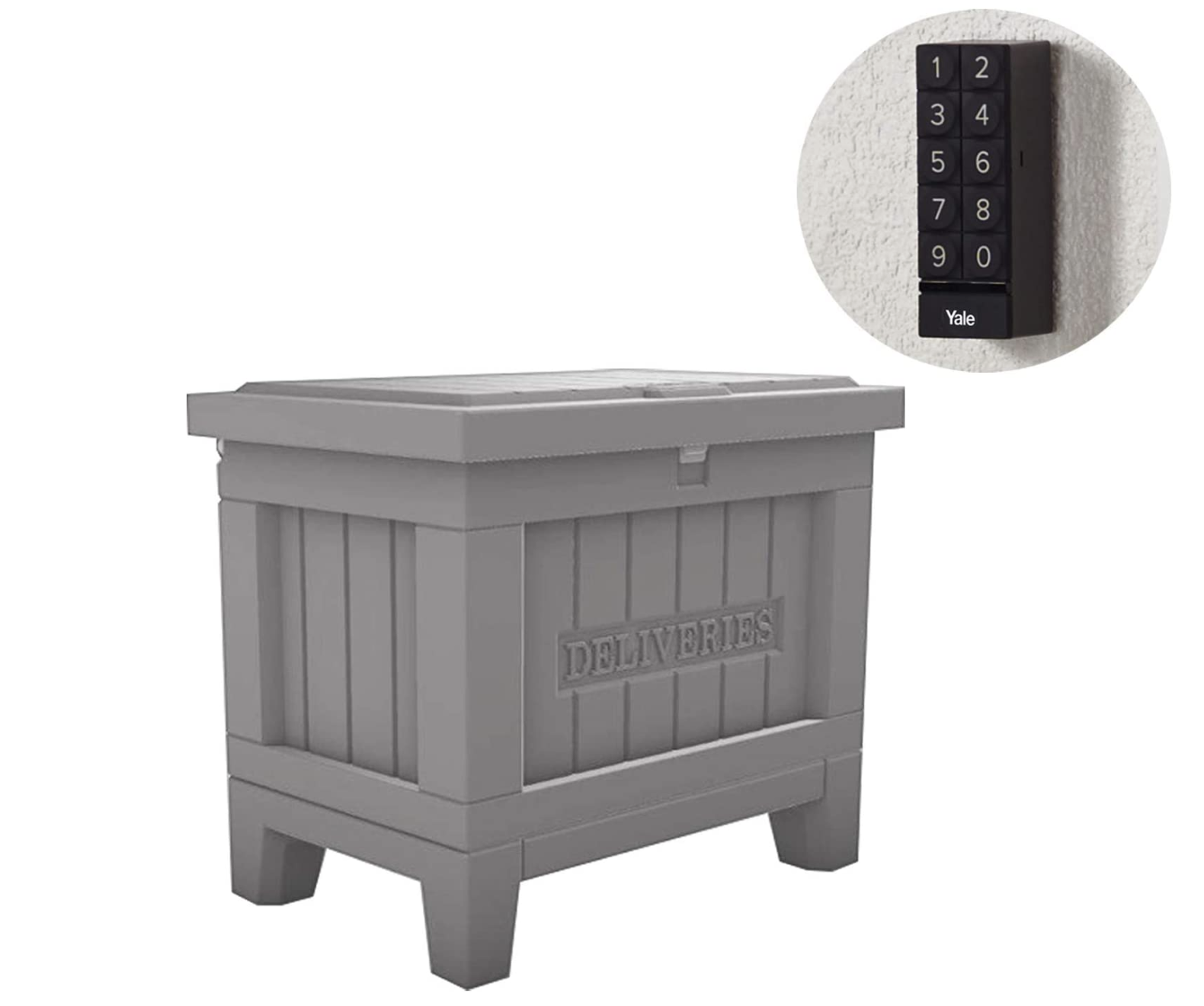
Without encouraging the spread of baseless conspiracy theories about increased crime rates, I think it’s fair to say that none of us want our weekly Healthy Harvest bowl subscriptions disappearing mysteriously from our porches. That’s where this new device from Yale Security comes in. The Smart Delivery Box doesn’t just provide security for your packages—the contactless design keeps you safe too by allowing you to receive deliveries even when you don’t know the vaccination status of the driver!

Zoom Pro Subscription ($149.99, billed annually)

Our holiday plans for a socially distanced secular Christmas (her tradition) and vegan Kwanzah (mine) party would not be possible without Zoom, which also made our Friendsgiving Lizzo karaoke party such a smash hit! While a free version is available, it limits your meetings to only 40 minutes, which doesn’t work for professionals either.

Envomask ($79)

Despite our best efforts to show consideration to those who are unable to receive vaccines (hello species-ists!) or to those suffering from Long Covid who fear reinfection, both Tish and I have occasionally been forced to leave the house. If your employer is requiring you to attend monthly in-office meetings, you can’t go wrong with the Envomask, which features replaceable filters, comfy gel padding, and an option to choose between regular head straps or ear loops. Ignore the dirty looks you get at the airport: You’re doing your part!

Dan Cousins is a regular contributor to Wirecutter. He is currently producing a limited run series on smart living for Apple’s streaming service.

Health With Laetitia Irvin-Bhavesh

Portrait of a mid adult woman working on the laptop at home

Getty Images

This year for me has been all about body positivity. Traditional definitions of health are subject to ableist discourse designed to undermine and minimize the contributions of minorities, including BIPOC and LGBTQIA+ individuals and persons experiencing BMI ≥ 40 kg/m2. Language such as “overweight” and “obese,” as well as “overeating,” “lack of exercise,” and similar frameworks have no place in an inclusive/holistic framework for wellness, as I’m sure all readers will agree.

Cubii Move Starter Elliptical ($253, includes mat and footstraps)
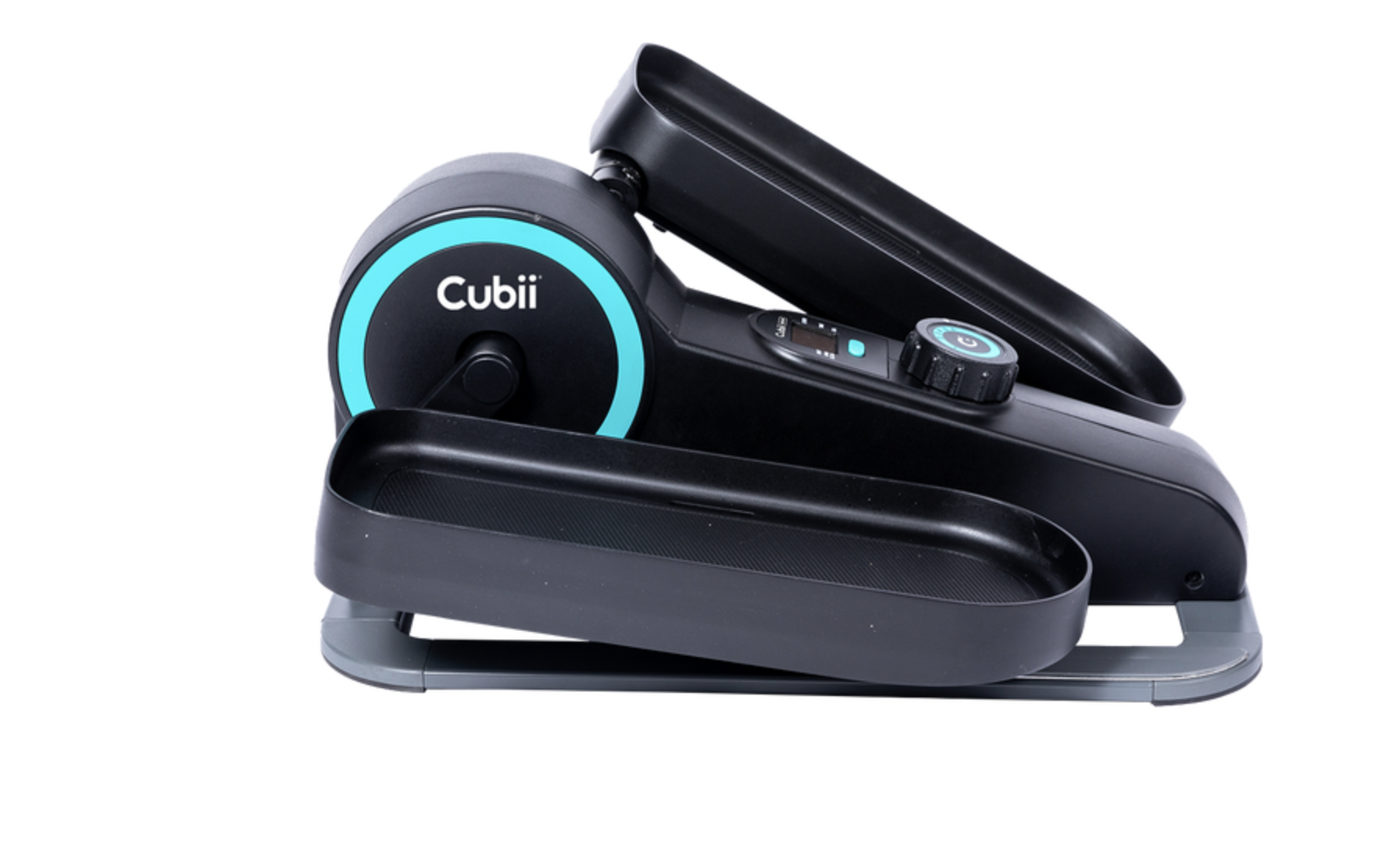
I have really enjoyed the workout experience provided by the Cubii. It allows those of us who for health reasons are unable to make use of conventional gyms and equipment designs rooted in discriminatory practices to engage in mindfulness-oriented activity while rejecting of the medicalization of fatness. Basically you move your feet while you are at your desk.

Kiss My Keto Gummy Bears ($20.99, 10 pack)
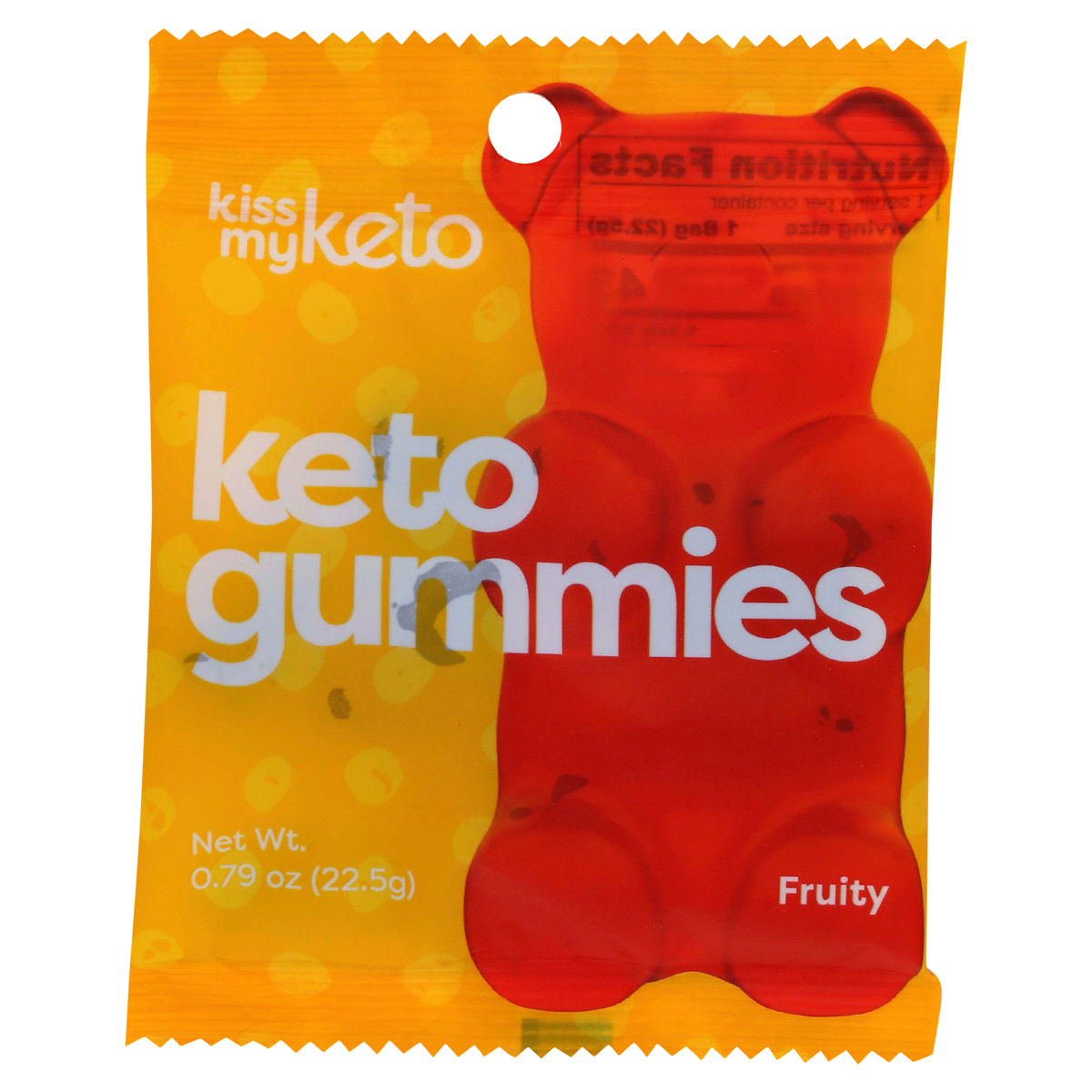
Good nutrition is of course a crucial part of any fat-affirming lifestyle. While I reject dietary guidelines grounded in the deliberate attempts to privilege thinness along with environments and/or technologies (such as airports or conventional seatbelts) meant to exclude fat bodies, it doesn’t mean that I don’t try to make conscientious scientifically informed decisions about how I’m eating. These handy 12-packs make for a great mid-morning snack at home or on the go.

Raw Rose Quartz Mala Necklace ($24.50)

Spirituality is just as important to overall well-being as engaging in exercise practices that reject the normative weight-loss paradigm. This is why when I meditate I wear this necklace, which features 108 beads made from Amazonite (wisdom/compassion/heart chakra), turquoise (protective/stabilization/balance across chakras), and of course rose quartz (trust/harmony/grief/comfort).

The Palazzo Shine Fuller Bust Non Pad Plunge ($22)
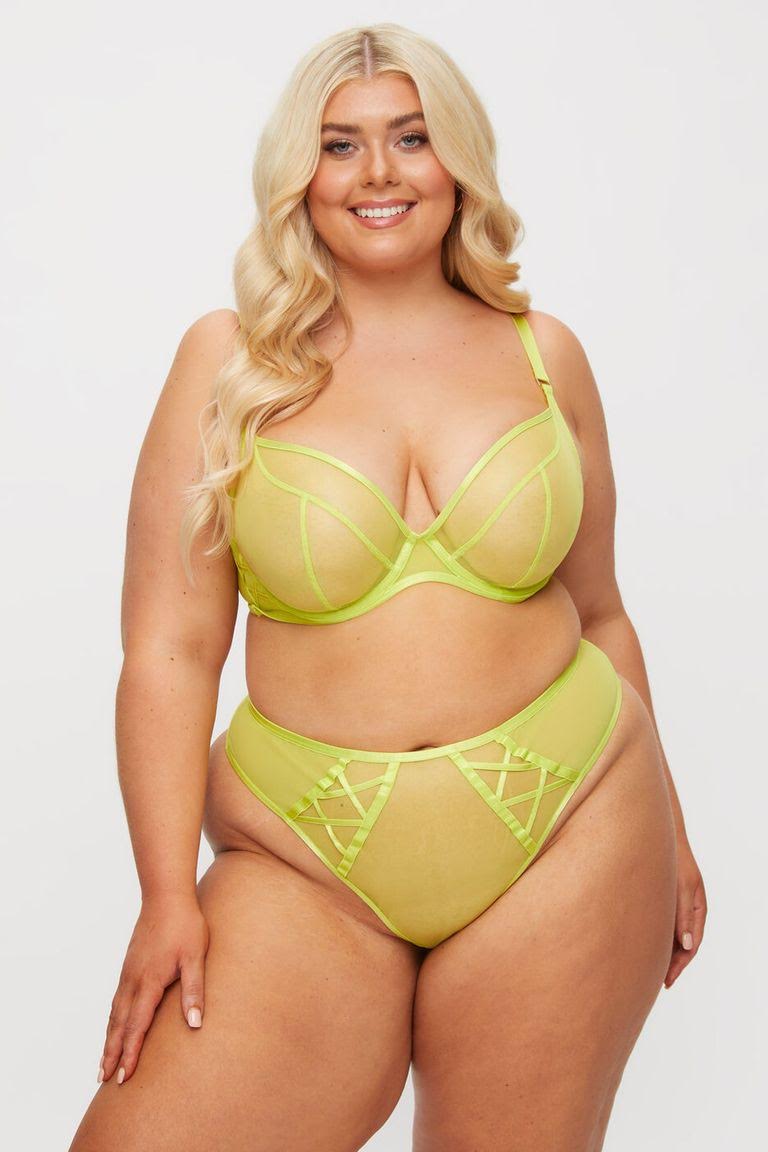
Fat acceptance will never be possible without deliberate allyship. A crucial aspect of obtaining recognition outside the legal sphere of civil rights is acknowledgment of differently sized women in industries from which we have historically been subject to size-based discrimination, including modeling, pornography, and sex work. This is why I am so pleased to see impact designers coming around with sexy pieces like this one, which is a favorite of both my husband and my clients.

Laetitia Irvin-Bhavesh blogs at Free From Fat-Free. Her essays, articles, and reviews have appeared in Teen Vogue, Elle, and Playboy.

Heart With Ray Nathan, a.k.a. the Love Ninja
Caucasian man repairing motorcycle and wiping hands

Getty Images

All of you freedom lovers who listen to the Blood Sex Sugar MAGA podcast know what I’ve been through. First I almost got canceled from Spotify after either Crosby, Stills, or Nash (who cares which one) threatened to remove his music from the platform unless they stopped hosting me. But free speech prevailed. Anyway, the crisis cauzed me to reflect on everything Our Lord has given me—fame, fortune, political influence, a car personally driven by Dale Earnhardt at Talladega, a vast collection of authentic samurai swords, a wife with rockin’ cans—and inspired me to give just a little extra to readers this year.

Ninjutsu Shinobi Practitioner Package ($117.99)

Never mind all that fake Hollywood crap. For authentic ninjas, this is a one-stop shop complete with 100 percent cotton uniform, custom-sized long tabi boots, socks, and utility belt. Whether you’re the sneakin’ and streakin’ or the hittin’ and slittin’ variety of martial artist, this kit will be able to perform a remarkable array of feats.

One Bite 5 Cheese Frozen Pizza ($7.99)

As my listeners know, your boy Ray isn’t generally one for the frozen foods section. Medical science has established that preservatives and seed oils can turn lower sperm counts exponentially. But sometimes when you’ve got to shake and bake pronto, you just don’t have time to painstakingly smoke 200 pounds of wild boar meat in your custom backyard pit setup. Sometimes you just need pizza, and in my experience you can’t go wrong with one of these boys.

Gorilla Mind Sigma Testosterone Booster ($59.99, three-month supply)

It’s hard not to notice that among my fellow patriots and even listeners who belong to my exclusive Sengoku Warlord supporter tier on Patreon, there are a lot of men walking around who look so light in the loafers that they make Pajama Boy look like Hank Willams, Jr. If you don’t have time to commit yourself to one of my fully immersive light armored tactical jujitsu retreats, you can still cut a decent figure by popping these with your morning protein shake.

Men’s Leopard Print Collar Loincloth ($14.99)
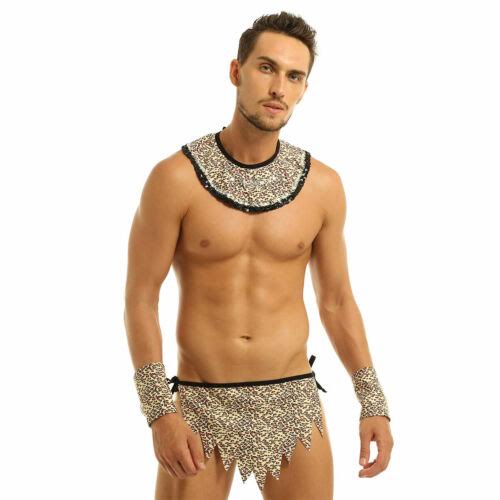
I gotta admit: this is one I’m really proud of, not just because it’s the best way to show the lucky lady in your life that you’ve got more under the hood than a broken spark plug, but because at this price you might as well buy two or three of ’em. In fact, Mrs. Nathan likes this outfit so much that it’s no longer just a night time accessory. I’ve started wearing it around the house, on our private golf course, and even to parties at the lake.

Ray Nathan, a.k.a. The Love Ninja, is a New York Times bestselling author and the host of the Blood Sugar Sex MAGA podcast on Spotify.

Heroism With Semen Borysovych Nechyporenko

Ukrrainian soldier with a machine gun

Getty Images

Last time readers of Washington Liberty Watchtower read words of this patriot. aka friend Semen, I am thanking Dzhozef and well famed son Hunter for job in make venture capital. This time I am of mind to change from known ass party to elephant, plus join large resistance force with special freedom weapon from Monkey of Truth. But still make time even from battle battlefield for sharing of ideas to make best presents for ethical boy and girl of many dollars.

Donald Trump Collectible N.F.T. Cards ($99 each) 

In initial phase after I earn degree from Delaware University (same as Ulyana Biden), I am being poorly taught and say that President 45 is worst since Andriy Johnson. Now, as it is having in commercial, I know that Donal’d was having greater significance in three areas than even Georg Washington or favorite hero Avraam Lincoln, including 1) maximum of freedom, 2) he is making zero collusion, 3) frighten Tatars of nuclear ambition with no deals of money—plus, as favor, he delivers with speediness poultice for Chinese flu. In commemoration special computer card is must need purchase.

Ukrainian Flag Panties ($23.99)

Above are of mine most favorite in annual catalogue, though not in great expense. For these I am often purchasing many pair, for support both of Ukraine in ultimate struggle with Brown Pants tyrant Vladimir Vladimirovich and for give special warmth/comfort to Marta, Oksana, Veronika, Nina, and especial lover/comrade Zlata, who is wearing them in lap of mine while finishing this article commission.

Sauce Gardner Jersey ($129.99)
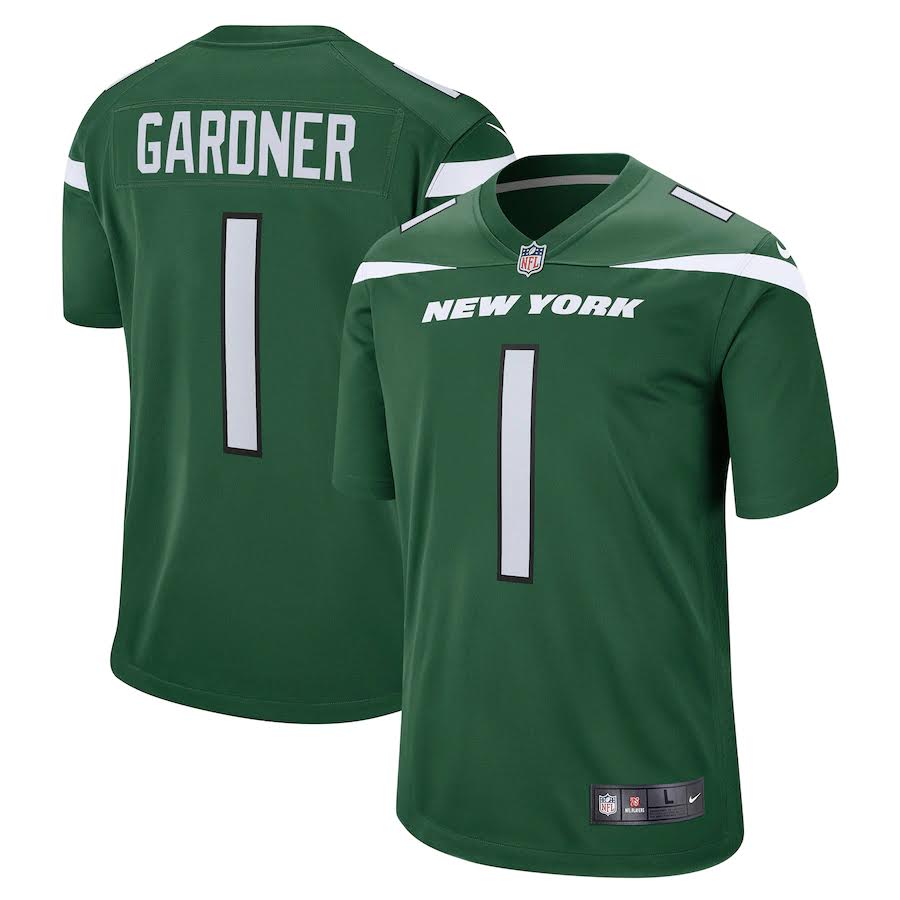
In former of years I learn from Dzhozef to support team with name that is racial slur. Now being lad of allyship, I offer homage to best winning franchise of professional U.S. football, it being from City of Enormous Apple where have airplane mascot instead of native crimson czar, which is not good for remain woke.

Twitter Blue Subscription ($8 a month web, $11 a month IOS) 

Ever since Dzhek make leave of bird company on World Wide Web to sell to man of space travel, it is easier for silver tongue lad such as Semen to make postings of truth. For example, I formerly cannot Twitter on “where is Hunter’s laptop,” but now I use posts unlimited on improved Superhighway of Information (which is zero of being invented by Albert Gore).

Semen Borysovych Nechyporenko is a former member of the Ukrainian Parliament who served as vice deputy chairman of the Unconditional Fatherland League from 2013 until 2017. From 2017 to 2021 he was a senior partner at Pine Island Capital Partners. He is now a deputy commander of the Ukrainian People’s Militsiya.

The post The 2022 Washington Free Beacon Gift Guide appeared first on Washington Free Beacon.

Categories
Audio Sources - Full Text Articles

The United States Blacklisted This Chinese Company for Human Rights Atrocities. You Can Still Buy Its Cameras on Amazon.

Amazon has it all. Books. Clothes. Chinese surveillance cameras implicated in human rights atrocities.

The online retail giant offers a variety of products from Tiandy, the Chinese company that the Commerce Department blacklisted last week for its involvement in China’s repression of Uyghurs and links to the Iran’s Islamic Revolutionary Guard Corps. For $6,903, Amazon customers can purchase a Tiandy TC-A3563, which allows “Face Capture/intelligent monitoring mode.” Tiandy’s 17-pound, multi-lens TC-A35555, which “detects up to 32 faces at the same scene,” runs for $9,498.

The Commerce Department blacklist bars American companies from selling equipment to Tiandy but does not prohibit the sale of Tiandy hardware. But selling Tiandy’s products poses a variety of ethical issues, according to Craig Singleton, the deputy director of the China program at the Foundation for Defense of Democracies.

“At some point there is a responsibility on companies like Amazon to ensure that products they are selling aren’t implicated in gross human rights violations,” said Singleton, who authored a report this month on Tiandy’s role in China’s surveillance state.

“[Amazon] should do their part to make sure no one is enabling these problematic Chinese companies or helping them establish market share in the U.S.,” Singleton told the Washington Free Beacon.

Critics have raised concerns that Beijing could exploit Tiandy products to surveil Americans. But in China, Tiandy’s surveillance capabilities are a selling point.

In its marketing documents, Tiandy boasts that its cameras can identify ethnic Uyghurs from their physical features—a capability that Beijing has used for targeted surveillance of the minority Muslim group in Western China. Chinese authorities also use a dungeon-like apparatus called a “tiger chair” during interrogations of Uyghurs.

Tiandy has also equipped the Islamic Revolutionary Guard Corps, which the United States has sanctioned as a terrorist group, with spy technology to track pro-democracy protesters. The group has been implicated in the deaths of hundreds of Americans and has executed at least two people involved in anti-regime protests this year.

Unlike Amazon, other American wholesalers have stopped selling Tiandy products in response to the company’s blacklisting. G4Direct, an Ohio-based wholesaler, stopped selling Tiandy cameras and is negotiating with the company to buy back its inventory, the company’s owner told the Free Beacon.

“It looks like they’ve done the right thing here,” Singleton said of G4Direct.

“Preventing the sale of this company’s products in the United States seems like a common sense step to push back on Chinese human rights abuses and to prevent companies like Tiandy from getting a foothold in the U.S. market,” Singleton said.

Amazon did not respond to a request for comment.

The post The United States Blacklisted This Chinese Company for Human Rights Atrocities. You Can Still Buy Its Cameras on Amazon. appeared first on Washington Free Beacon.
Categories
Audio Sources - Full Text Articles

‘Batsh—t Crazy’: Washington State Supreme Court Says Any Accusation of Racial Bias Should Lead to a Retrial

If a party to a civil lawsuit accuses his opponent’s lawyers of any sort of racial stereotyping, judges must order a retrial. That appears to be the implication of an October ruling from the Washington State Supreme Court.

When litigants claim that racial bias affected a trial verdict, state justice Raquel Montoya-Lewis wrote in a unanimous opinion, the opposing party “must prove how it did not,” demonstrating that nothing said at trial played on the jury’s “unconscious biases.” Absent such proof—which lawyers say will be impossible to furnish—courts must grant a new trial, the opinion indicates.

Lawyers and legal scholars are aghast, arguing that the decision undermines bedrock principles of the American justice system.

“This decision is batshit crazy,” said David Bernstein, a professor of constitutional law at George Mason University.

The ruling came after a black woman, Janelle Henderson, demanded $3.5 million in damages from a white defendant, Alicia Thompson, who had rear-ended her. At the trial, which took place in 2019, Thompson’s lawyers described Henderson as “combative,” suggested she had coached her witnesses, and accused her of exaggerating her injuries for financial gain.

When the jury only awarded Henderson $9,200—not the millions she’d sued for—she filed a motion for a new trial, claiming that the defense’s “biased statements” had “influenced the jury’s unconscious bias.”

The Washington Supreme Court agreed. By calling Henderson “combative,” Montoya-Lewis wrote, the defense evoked “the harmful stereotype of an ‘angry Black woman.'” And by suggesting that she had coached her witnesses, it “alluded to racist stereotypes about Black women as untrustworthy and motivated by the desire to acquire an unearned financial windfall.”

The case has since been sent back to a trial court, which will consider Henderson’s motion for a retrial in light of the new standard.

While Montoya-Lewis called the verdict a step toward “greater justice,” lawyers see it as a Kafkaesque assault on the most basic norms of due process. “I don’t know how anyone could prove this negative,” said Scott Greenfield, a defense attorney in New York City, referring to the burden the verdict places on the accused to show that bias played no role in the proceedings. “It completely negates the entirety of American jurisprudence.”

In almost every legal dispute, from criminal lawsuits to civil rights cases, it is the accusers who bear the ultimate burden of proof. To meet it, they must demonstrate that their claims are at least more likely than not to be true, a standard known as “preponderance of the evidence.”

Montoya-Lewis’s opinion turns these norms on their head, allowing the loser of a trial to get a do-over without any hard evidence of bias. If an attorney “uses language that could evoke racist stereotypes,” the opinion reads, “the court must conclude that substantial justice has not been done and order a new trial.”

Even lawyers concerned about the effects of racism say the verdict sets a chilling precedent.

“Obviously it’s important that jury verdicts not be tainted by racial bias,” said Samantha Harris, a First Amendment attorney in Philadelphia. “But if you throw every objective measure and conventional burden of proof out the window, you’re essentially left with the Salem racial witch trials.”

The reasoning at work in the decision, Greenfield and Harris said, could make it next to impossible to defend against civil suits from minority plaintiffs, let alone conduct a normal trial. By definition, trial lawyers must question the opposing party’s credibility, often by implying negative things about them; if any such implication can be recast as a racial trope, litigants will have unlimited ammunition to challenge outcomes they don’t like.

“There’s now a racial trope for everything short of breathing air,” Greenfield said. “That means there will be an opportunity to make this grievance in every single case.”

Though the court’s opinion focused on implicit bias against blacks, it could theoretically allow people of any race—including whites—to demand a retrial on racial grounds. For example, Bernstein argued, the ruling could prevent attorneys from implying that an Italian defendant is part of the mafia, or that a white defendant discriminated against minority employees.

“Doesn’t that play on the stereotype of all white people being prejudiced?” Bernstein said.

The Washington State Supreme Court did not respond to a request for comment.

For attorneys with trial experience, the ruling’s ramifications are scary to contemplate.

“I’m sure you could find stuff in my transcripts, take it out of context, and accuse me of bias,” said Joshua Kendrick, a criminal and civil litigator in Greenville, S.C., who identifies as a liberal. “Would I need to try every case with that worry in the back of my head?”

Beyond forcing lawyers to walk on egg shells, the new standard could encourage defendants to settle based on the race of the plaintiff. Attorneys’ fees are expensive, even for frivolous lawsuits, said Mark Lamb, a civil litigator in Seattle. “If you have to bear the expense of another trial,” Lamb said, “it effectively works as a financial penalty on the party that initially prevailed.”

The verdict could also turbocharge the budding industry of jury consultants—people who are paid by trial lawyers to help root out biased jurors. Most of that consulting currently happens during jury selection, before cross-examination gets underway. But with implicit bias now grounds for a do-over, jury consultants could soon begin sitting through the whole trial, hunting for real or imagined tropes that lawyers might use to challenge an unfavorable verdict.

“One of the most odious implications of this is that people like Robin DiAngelo will be paid to sit in a trial and look for racial bias,” Lamb said.

The legal movement associated with those people, critical race theory, was on full display in the court’s decision. Montoya-Lewis cited several well-known critical race theorists, including Derrick Bell, Ian Haney López, and Charles Lawrence, as authorities on racial bias, as well as a law review article by Trina Jones and Kimberly Norwood: “Aggressive Encounters & White Fragility: Deconstructing the Trope of the Angry Black Woman.”

The footnotes also include Racial Microaggressions: Using Critical Race Theory to Respond to Everyday Racism, by Daniel Solórzano and Lindsay Pérez Huber, and Eloquent Rage: A Black Feminist Discovers Her Superpower, by Brittney Cooper.

Once confined to the margins of academia, these ideas are now spreading throughout the legal profession. In 2020, a plethora of judges and court systems put out statements affirming their complicity in systemic racism. And in October, the federal court of Rhode Island touted critical race theory as a “resource” to “transform” the judiciary.

As Washington litigators adjust to their new burden of proof, the state may offer a preview of how that transformation will play out.

“This is taking a sledgehammer to a nail,” Harris said. “Dispensing with fundamental norms of evidence can have a lot of unforeseen consequences.”

The post ‘Batsh—t Crazy’: Washington State Supreme Court Says Any Accusation of Racial Bias Should Lead to a Retrial appeared first on Washington Free Beacon.
WP Radio
WP Radio
OFFLINE LIVE