Categories
Audio Sources - Full Text Articles

Bankman-Fried charged by SEC with scheme to defraud investors

2022-12-13T12:17:11Z

FTX founder Sam Bankman-Fried was charged by the U.S. Securities and Exchange Commission on Tuesday with defrauding investors in what regulators called “a house of cards,” hours before he was expected to appear before a magistrate in the Bahamas.

Since at least May 2019, FTX raised more than $1.8 billion from equity investors in a years-long fraud in which Bankman-Fried concealed that FTX was diverting customer funds to its affiliated crypto hedge fund Alameda Research LLC, the SEC alleged in a statement. Bankman-Fried used commingled FTX customers’ funds at Alameda to make undisclosed venture investments, “lavish real estate purchases” and political donations, it said.

Separate charges would be announced by the U.S. Attorney’s Office for the Southern District for New York and the Commodity Futures Trading Commission later on Tuesday, the SEC said.

Representatives for Bankman-Fried did not respond immediately to requests for comment.

The securities regulator said it would seek a director and officer bar and a penalty against Bankman-Fried. It would also seek to prevent Bankman-Fried from participating in future securities purchases, offers and sales except for his personal account and a civil penalty.

“We allege that Sam Bankman-Fried built a house of cards on a foundation of deception while telling investors that it was one of the safest buildings in crypto,” said SEC Chair Gary Gensler in a statement.

Bankman-Fried was arrested Monday evening in the Bahamas and was expected to appear before a magistrate on Tuesday, marking his first in-person public appearance since the stunning collapse of FTX, which filed for bankruptcy in November after struggling to raise money as traders rushed to withdraw $6 billion from the platform in just 72 hours.

Police in the Bahamas, where FTX was based, said the 30-year-old was arrested after 6 p.m. on Monday (2300 GMT) at his luxury gated community called the Albany in the capital, Nassau.

Damian Williams, the U.S. Attorney for the Southern District of New York, said in a statement on Monday evening the arrest came at the request of the U.S. government, and an indictment against Bankman-Fried would be unsealed on Tuesday.

The Bahamas’ attorney general’s office said it expects him to be extradited to the United States.

Related Galleries:

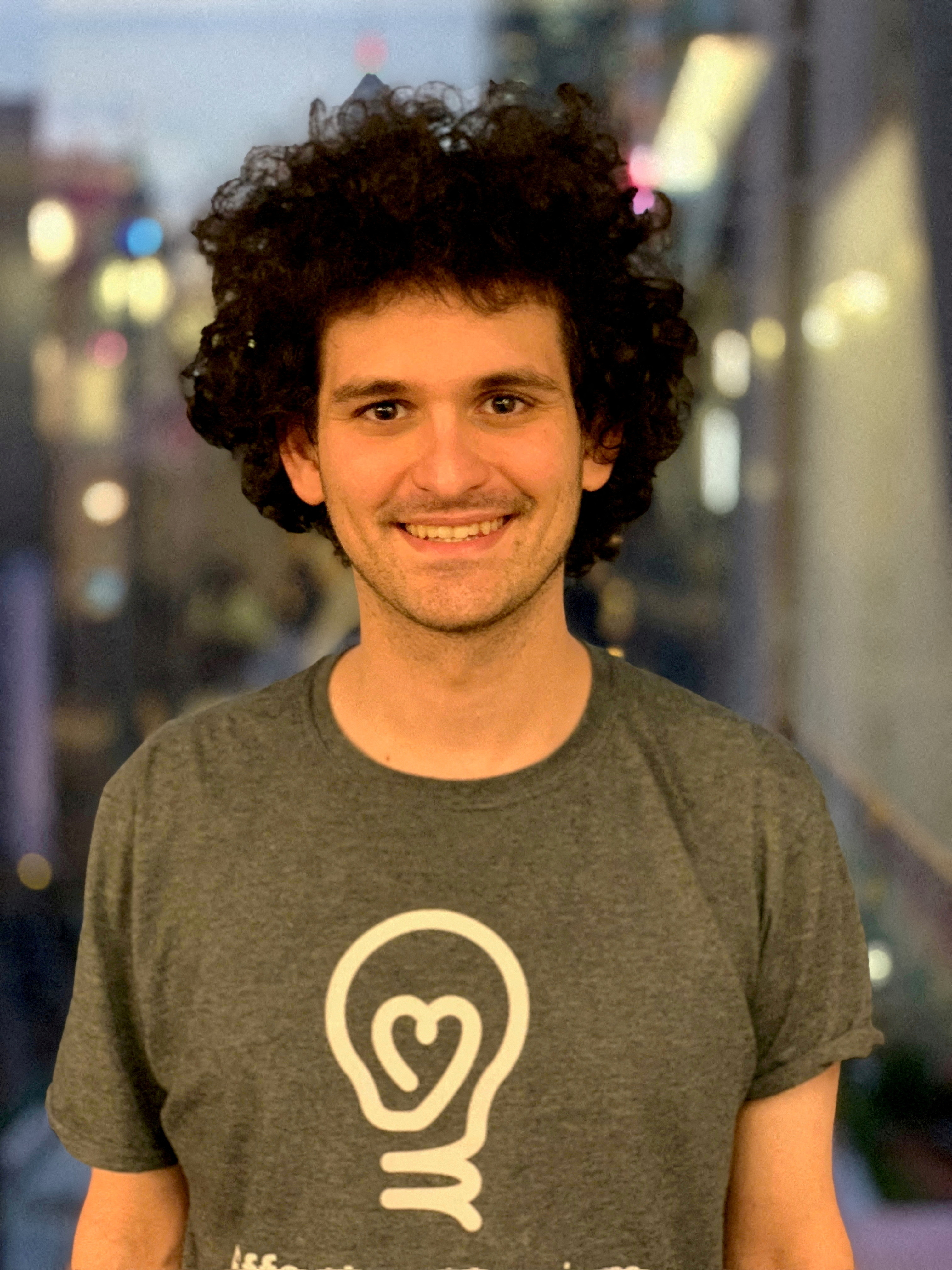
FTX founder Sam Bankman-Fried poses for a picture, in an unspecified location, in this undated handout picture, obtained by Reuters on July 5, 2022. FTX/Handout via REUTERS/File Photo/File Photo

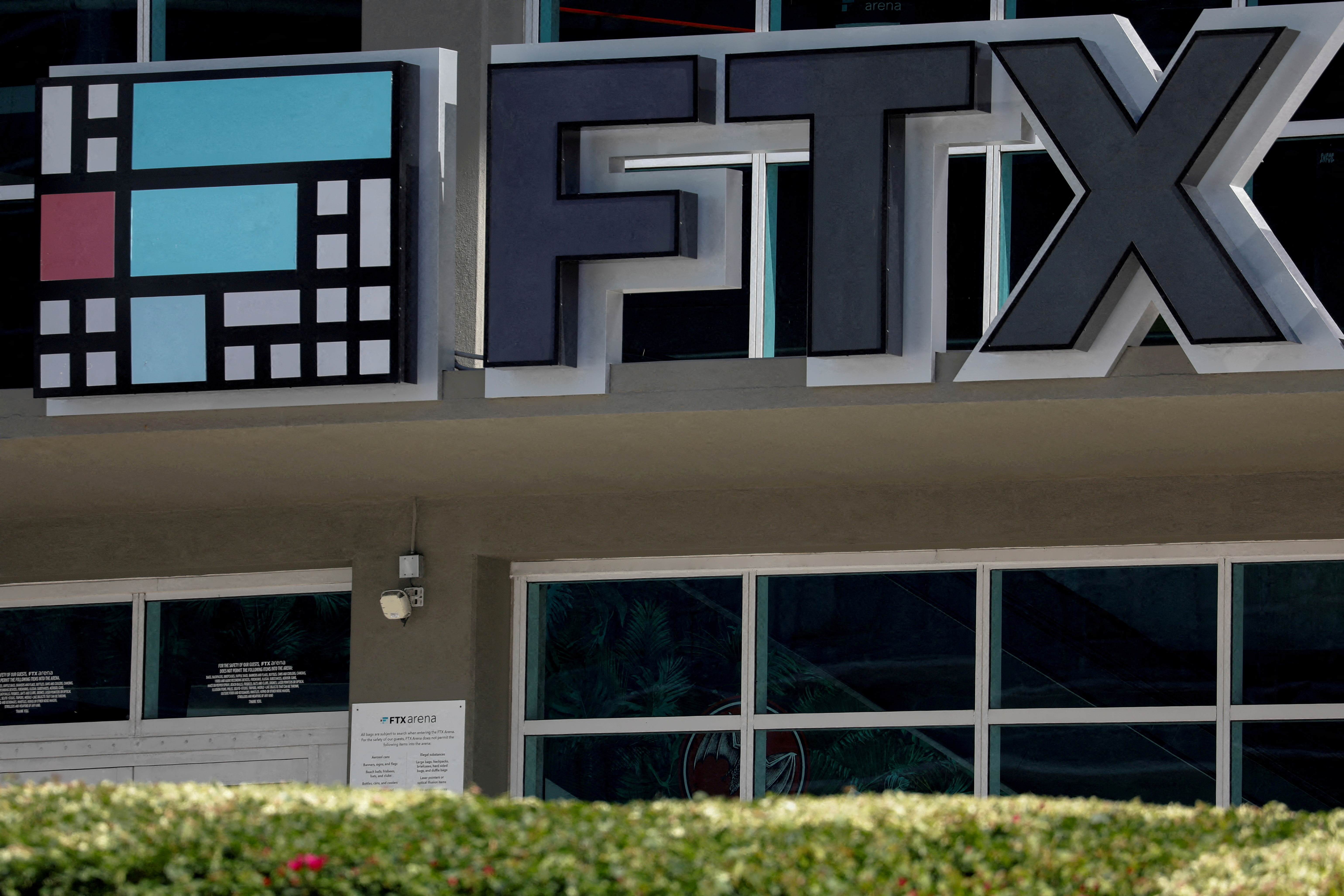
The logo of FTX is seen at the entrance of the FTX Arena in Miami, Florida, U.S., November 12, 2022. REUTERS/Marco Bello/File Photo/File Photo/File Photo


Categories
Audio Sources - Full Text Articles

Netanyahu promises to govern for all Israelis amid rise of religious nationalists

2022-12-13T12:05:37Z

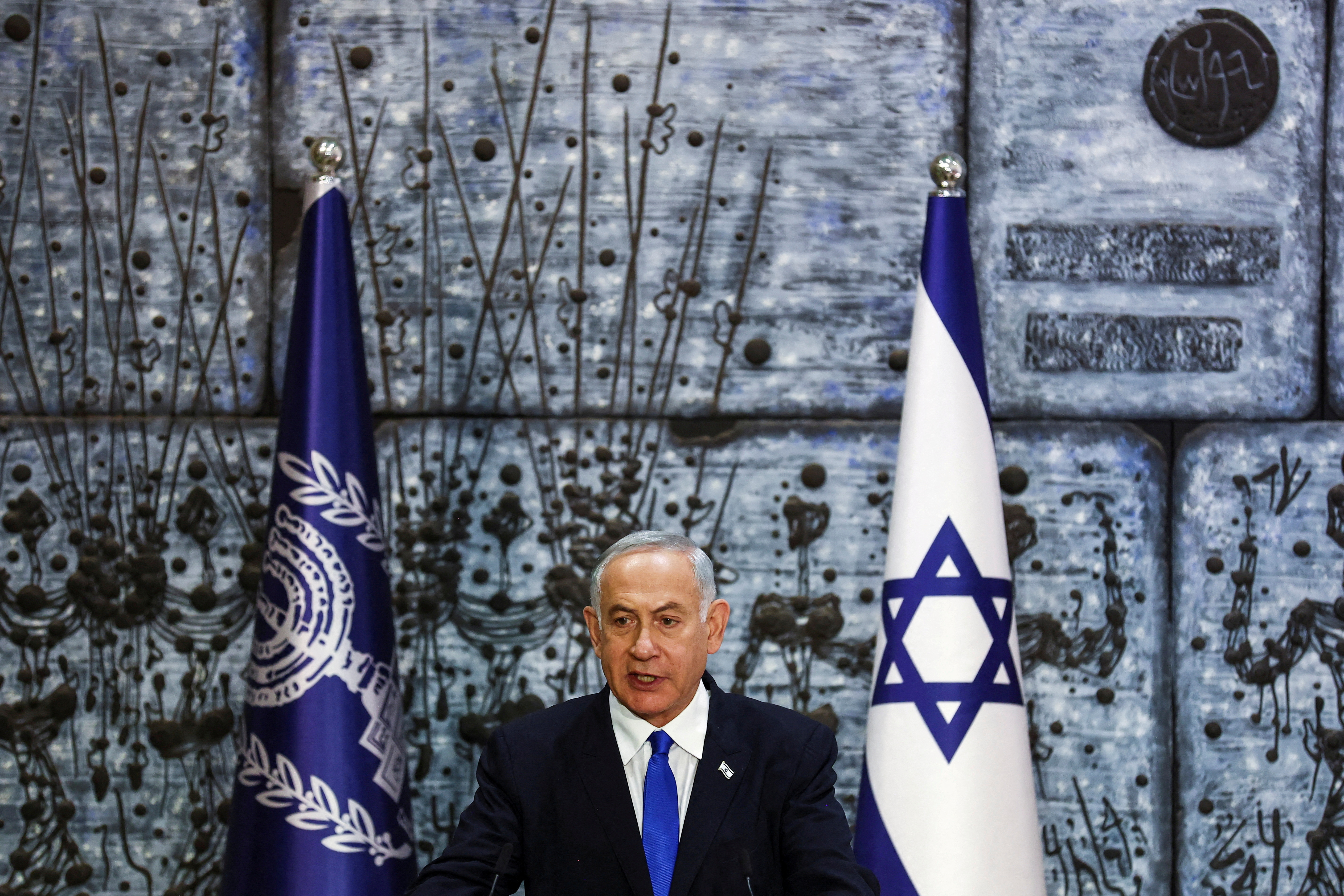
Benjamin Netanyahu speaks during a ceremony where Israel President Isaac Herzog handed him the mandate to form a new government following the victory of the former premier’s right-wing alliance in this month’s election at the President’s residency in Jerusalem November 13, 2022. REUTERS/ Ronen Zvulun/File Photo

Prime Minister-designate Benjamin Netanyahu pledged on Tuesday to govern in the interests of all Israelis, as religious-nationalist parties slated to join his new coalition government pressed ahead with contested legislation.

One bill submitted for preliminary parliamentary review could potentially grant Defence Ministry powers to far-right politician Bezalel Smotrich to foster more Jewish settlements in the occupied West Bank, where Palestinians seek statehood.

Other bills would consolidate cabinet authority over police for Itamar Ben-Gvir, another ultra-nationalist, and enable ultra-Orthodox Jewish politician Arieh Deri to serve as finance minister despite his having been convicted of tax fraud.

Netanyahu’s Likud Party placed first in the Nov. 1 election. Israel’s longest-serving premier, Netanyahu is courting the religious-nationalists after being shunned by some mainstream parties over his ongoing trial for corruption.

“We were elected to lead in our way, the way of the nationalist-right and the way of the liberal-right, and so shall we do,” he told the Knesset, to boos from centre-left lawmakers.

The prospective new government has stirred concern at home and abroad for the future of Israel’s secular values, frayed ethnic relations and stalled peace talks with the Palestinians.

But the rightist Netanyahu said that, under his watch, “everyone will live in accordance with their own faith. This will not become a nation of religious law. It will be a country in which we tend to all citizens of Israel, without exception.”

“We will preserve the status quo,” Netanyahu said, using a term that has been applied both to freedom of worship in Israel and to the management of access to a contested Jerusalem holy site that has at times ignited violence with the Palestinians.

The site houses Al Aqsa, a major mosque. It is also the most sacred site for Jews, as vestige of their two ancient temples, but Jewish prayer is barred there under an Israeli pact with Muslim authorities. Ben-Gvir has called for that ban to end.

Outgoing centrist Prime Minister Yair Lapid accused Netanyahu, 73, of posing a threat to Israeli democracy.

“Netanyahu is weak, terrified of his trial. People who are younger than him – more extremist and determined than him – have taken over,” Lapid told the Knesset.

Netanyahu has until Dec. 21 to finalise a government. Otherwise it could mean another election.

Categories
Audio Sources - Full Text Articles

Moroccan World Cup ‘dream’ faces biggest test against France

DOHA, Qatar (AP) — Morocco’s improbable, history-making run at the World Cup is about to get its ultimate test.

Africa’s first World Cup semifinalist is playing defending champion France and its star striker Kylian Mbappé, the leader of a new wave of soccer superstars coming out of an era dominated by Lionel Messi and Cristiano Ronaldo.

Wednesday’s match has cultural and political connotations — Morocco was under French rule from 1912-1956 — and the outcome is far from the foregone conclusion many would presume by looking at the names of the players and the rankings of the teams.

Morocco has exceeded all expectations in Qatar by beating second-ranked Belgium in the group stage and then eliminating European powerhouses Spain and Portugal in the knockout phase to reach the semifinals.

No African or Arab nation has ever gotten this far.

It is one of the biggest stories in the World Cup’s 92-year history and Morocco is not done yet.

“I was asked if we can win the World Cup and I said, ‘Why not? We can dream, it doesn’t cost you anything to have dreams,’” said Walid Regragui, Morocco’s French-born coach. “European countries are used to winning the World Cup and we have played top sides, we have not had an easy run. Anyone playing us is going to be afraid of us now.”

Even France?

The defending champions have just passed their own big test by coming through a tough quarterfinal match against England, on a rare occasion when Mbappé was kept quiet.

No player has scored more than his five goals and it won’t be easy for Mbappé to add to that tally against Morocco, which has yet to concede a goal to an opposition player at this World Cup — or indeed in its nine games since Regragui was hired in August. The only goal allowed was an own-goal by its defender, Nayef Aguerd, against Canada in the group stage.

Morocco might have some injuries now — Aguerd and fellow center back Romain Saiss could be missing Wednesday — but Regragui’s game plan relies on team shape and discipline more than any specific individual.

France faces an extremely difficult task breaking down Morocco at Al Bayt Stadium, where French President Emmanuel Macron is set to be in attendance along with tens of thousands of green-and-red-clad Morocco fans. It will feel like a home game for Morocco’s players, which might level things up even more.

France starts as the big favorite, though, because of its star quality and experience. In Mbappé and Antoine Griezmann, a forward who has reinvented himself as a midfield playmaker at the World Cup, the team has two of the World Cup’s leading players while Olivier Giroud’s winner against England took him to four goals — the same as Messi.

They have attacking threats from everywhere and that intangible quality of just knowing how to get the job done. France center back Raphael Varane said there will be no danger of complacency among his teammates in a gam against the world’s No. 22-ranked team.

“We have enough experience in the team to not fall into that trap,” he said. “We know Morocco isn’t here by chance. It is up to us, as experienced players, to make sure we are all prepared for another battle.”

___

Steve Douglas is at https://twitter.com/sdouglas80

___

AP World Cup coverage: https://apnews.com/hub/world-cup and https://twitter.com/AP_Sports

Categories
Audio Sources - Full Text Articles

Cybersecurity Trends: IBM’s Predictions for 2023

Businessman-Predicting-Future-With-Cryst

As with many other aspects of life and business, 2022 held fewer overall surprises in cybersecurity than in recent years — thank goodness. Instead, many trends brewing over the past few years began to take clearer form. Some were unexpected, and many were predictable, but all are important to consider when making plans for security in 2023.

What Overall Trends Did We See in 2022?

Ransomware continued to stay in the headlines in 2022. The share of breaches caused by ransomware grew 41% in the last year and took 49 days longer than the average breach to identify and contain. Ransomware gangs continued reemerging as new groups with the same key players after an arrest or major attack. And ransomware gangs are growing even more lucrative and powerful by selling ransomware as a service.

On a positive note, zero trust evolved from being a new concept to a best practice. As hybrid work became a way of life, more organizations have started adopting zero trust frameworks– meaning all users, apps and devices that request access are assumed to be unauthorized until proven otherwise. Organizations with a zero trust approach deployed saved nearly $1 million in average breach costs compared to organizations without zero trust deployed.

To get more insight into how 2022 trends are impacting the future of the industry, we talked to leading experts. Here’s what they have to say.

Ransomware Attacks are Rebounding — But Not for All

Cyber criminals look for organizations or industries teetering at the edge and then make their move to tip them over. Last year, we saw that with manufacturing — a strained industry viewed as the backbone of supply chains. With the distinct possibility of a global recession on the horizon, we expect to see ransomware attacks spike in 2023. However, larger organizations in regions heavily impacted during the ransomware boom are the most prepared for this wave after investing time and money in fighting back.

– Charles Henderson, Global Managing Partner, Head of IBM Security X-Force

Opportunities for Hackers-for-Hire Skyrocket Amid a Global Recession

As operators offer new tools that dramatically lower the barrier of entry for less experienced and less technical cyber criminals, the cyber crime-as-a-service ecosystem may balloon in the year ahead. If the global economy faces a downturn, hackers-for-hire may emerge in search of quick and easy pay. We expect the biggest rise to be across Europe, considering geopolitical tensions and a challenging winter ahead.

– John Dwyer, Head of Research, IBM Security X-Force

Zero Trust Got 99 (Implementation) Problems

Now that it’s finally more than just a buzzword, security teams will accelerate zero trust adoption plans in 2023 — and make several missteps along the way. Without a deep understanding of trust relationships, implementations will fail. We already see security teams building “less trust” rather than “no trust” architectures, which opens the door to security gaps that adversaries may take advantage of in 2023.

– Charles Henderson, Global Managing Partner, Head of IBM Security X-Force

Social Engineers are Setting Their Sights on ICS Systems

ICS/SCADA systems are essential to the daily operations of industrial manufacturers. Due to their importance, these systems are a top target for attackers. Yet while the tactics and techniques required to social engineer ICS systems differ from IT, the impact can be even more detrimental — going so far as the possible loss of life. Social engineers are already beginning to advance their techniques and tactics to more successfully gain access to these vulnerable systems. We anticipate social engineering to accelerate — with even more success — in the year ahead.

– Stephanie Carruthers, Chief People Hacker, IBM Security X-Force Red

Adversaries Sidestep New Security Technologies

Almost as fast as the cybersecurity industry releases new security tools, adversaries evolve their techniques to circumvent them. This year will be no different. We expect to see cyber criminals set their sights more specifically on MFA and EDR technologies. With some attackers having succeeded at circumventing non-phishing-resistant MFA this past year — and more organizations relying on it than ever before — this technology will grow as a top target next year. Similarly, adversaries have been honing EDR evasion techniques. We expect to see a massive spike in the number of EDR evasion tools for sale on the dark web.

– John Dwyer, Head of Research, IBM Security X-Force

Specialists Will Double-Back to Generalists to Secure the Cloud in 2023

Hiring the talent required to secure the cloud will be a challenge for security leaders in 2023. One of the greatest hurdles stems from the large number of people needed in very niche, specialized roles. With so many companies increasingly going all-in on the cloud — and a skills crisis that’s worsening year by year — the solution to the skills gap lies in cybersecurity generalists. Organizations will recruit more generalists with successful track records, and build internal teams by reskilling specialists back to generalists.

– John Hendley, Head of Strategy, IBM Security X-Force

Automation Will Help Defenders Protect the “Moat”

With data being more dispersed than ever the concept of protecting the “moat” is no longer a successful strategy — we now have too much surface area to cover. We’ll see more automated protection of the “moat”, so defenders can focus more time on detecting adversaries earlier and responding more effectively.

– Evan Anderson, Principal Technologist, Randori 

Credential-Stealing Will Continue to Rise

Cyber criminals will continue to leverage large caches of leaked/stolen credentials to devastating effect. Many consumers and businesses are gradually migrating to password managers, passwordless and hardware identity tokens. However, the vast majority of the population continues to reuse credentials or variations of credentials between environments, systems or sites. Next year, we’ll see attacks against legacy second-factor authentication, such as SMS, continue, as will attacks against push-based multi-factor authentication solutions. Phishing and other attacks designed to capture authentication tokens will also rise.

– Dustin Heywood, Chief Architect, IBM Security X-Force

What Else Will 2023 Bring?

Though the 2023 cyber forecast has become clearer, the current wild card is a potential looming recession and how the uncertain economy will affect cybersecurity spending – and attackers’ motivations. The early months of 2023 should provide insight into the direction the economy is likely to take. But no matter what the economy does, organizations that continue to prioritize cybersecurity will continue to reduce their risk of business disruption and reputational loss from major breaches.

The post Cybersecurity Trends: IBM’s Predictions for 2023 appeared first on Security Intelligence.

Categories
Audio Sources - Full Text Articles

European Parliament removes Kaili from post over Qatar graft charges

2022-12-13T11:48:02Z

The European Parliament met for a session in Strasbourg on Tuesday (December 13) and took steps to strip lawmaker Eva Kaili of her senior assembly post after she and others faced charges that World Cup host Qatar lavished them with cash and gifts to influence decisions, charges she has denied.

Ali bin Samikh Al Marri, Qatar’s minister of labour, speaks with Greece’s Eva Kaili, vice president of the European Parliament, during a meeting in Qatar, October 31, 2022 in this social media handout image. Twitter/Ministry of Labour – State of Qatar via REUTERS

The European Parliament stripped Greek lawmaker Eva Kaili of her senior assembly post on Tuesday over allegations that World Cup host Qatar had bribed her to influence decision-making, charges she has denied.

Kaili, one of 14 vice presidents in the parliament, was among four people arrested and charged in Belgium over the scandal that has triggered outrage in Brussels and risks damaging the European Union’s image.

The case, in which police discovered stacks of cash, casts a shadow over the European Parliament which seeks to be a moral compass, criticising global rights abuses and taking EU governments to task over any hint of impropriety.

Qatar has denied any wrongdoing.

The parliament acted quickly to loosen ties with Kaili, with 625 MEPs voting in favour of the move, only one against and two abstaining.

“The integrity of @Europarl_EN comes first and foremost,” President Roberta Metsola tweeted.

Michalis Dimitrakopoulos, Kaili’s lawyer in Greece, said earlier on Tuesday: “Her position is that she is innocent, I can tell you that.”

“She has nothing to do with financing from Qatar, nothing, explicitly and unequivocally,” Dimitrakopoulos told Open TV in a first public comment.

Several EU states including Germany, said the 27-nation union’s credibility was at stake. Countries which have faced criticism from the assembly, including EU member Hungary, said it had lost the moral high ground.

“From now on the European Parliament will not be able to speak about corruption in a credible manner,” Hungary Foreign Minister Peter Szijjarto wrote on Facebook.

Belgian police searched 19 homes and the offices of the parliament from Friday to Monday as part of their investigation and seized computers, mobile phones and cash, some of it found in a suitcase in a hotel room.

None of the four people charged have been formally identified, but Kaili’s name was rapidly leaked to the press.

Belgian prosecutors said they had suspected for more than four months that a Gulf state was trying to buy influence in Brussels. Although no state was publicly named by prosecutors, a source with knowledge of the case said it was Qatar.

Several European lawmakers called for Kaili to quit.

“Given the extent of the corruption scandal, it is the least we could expect of her,” said MEP Manon Aubry, who co-chairs the Left group.

Manfred Weber, of the conservative European’s People Party, said: “Our colleagues at the European Parliament have been deeply shocked. These developments represent a heavy burden.”

The Greek authorities on Monday froze Kaili’s assets in her homeland, while the Greek socialist PASOK party said it would expel her from its ranks.

Kaili, 44, a Socialist MEP was among a stable of young aspiring Greek politicians who emerged in the debilitating debt crisis which swept Greece from 2010 to 2015, where the country required three international bailouts.

Categories
Audio Sources - Full Text Articles

China reportedly delays key economic meeting amid signs of surging infections

2022-12-13T11:45:13Z

Dozens queued while paramedics rushed the seriously ill into a fever clinic in eastern Beijing on Tuesday (December 13), almost a week after Chinese authorities scrapped major COVID restrictions across the country.

Chinese leaders have reportedly delayed a key economic policy meeting amid growing signs that COVID-19 infections are surging nearly a week after Beijing jettisoned some of the world’s toughest restrictions.

President Xi Jinping and other Politburo members and senior government figures had been expected to attend the closed-door Central Economic Work Conference, most likely this week, to chart a policy course for the embattled Chinese economy in 2023.

A Bloomberg News report on Tuesday night, citing people familiar with the matter, said the meeting had been delayed and there was no timetable for rescheduling.

The delay comes as authorities continue to overturn the previously resolute “zero-COVID” policy championed by Xi.

Long queues are appearing outside fever clinics in a worrying sign that a wave of infections is building, even though official tallies of new cases have dropped in recent weeks as authorities reduce testing.

And companies in China, from e-commerce giant JD.com to cosmetics brand Sephora, are rushing to minimise the impact of surging infections – doling out test kits, encouraging more work from home and, in some cases, procuring truckloads of medicine.

The signs come as China attempts to swiftly align with a world that has largely reopened, following unprecedented protests last month in China three years into the pandemic.

The protests were the strongest show of public defiance during Xi’s decade-old presidency and come amid growth figures for China’s $17 trillion economy that were some of the worst in 50 years.

Despite rising infections, people in China cheered the withdrawal on Tuesday of a state-mandated app used to track whether they had travelled to COVID-stricken areas.

As authorities deactivated the “itinerary code” app at midnight on Monday, China’s four telecoms firms said they would delete users’ data associated with the app.

“Goodbye itinerary code, I hope to never see you again,” said a post on social media platform Weibo, where people cheered the demise of an app that critics feared could be used for mass surveillance.

“The hand that stretched out to exert power during the epidemic should now be pulled back,” wrote another user.

And in a further sign of policy easing, Chinese healthcare company 111.inc has started selling Pfizer’s Paxlovid for COVID-19 treatment in China via its app – medicine previously only available in some hospitals.

It sold out just over half an hour after the listing was reported by local media, according to the platform’s customer service.

For all the relief over last week’s decision to begin overturning the government’s zero-COVID policy, there are fears that China may now pay a price.

Infections are expected to rise further during the Chinese New Year holiday next month, when people travel across the country to be with their families, – a risk for a 1.4 billion population that lacks “herd immunity” and has relatively low vaccination rates among the elderly, according to some analysts.

The moves made last week to unwind the COVID curbs included dropping mandatory testing prior to many public activities and reining in quarantine.

Beijing’s envoy to the United States on Monday said he believes China’s COVID-19 measures will be further relaxed in the near future and international travel to the country will also become easier.

China has all but shut its borders to international travel since the pandemic first erupted in the central Chinese city of Wuhan in later 2019. International flights are still at a fraction of pre-pandemic levels and arrivals face eight days in quarantine.

Financial hub Hong Kong, which already has less stringent border controls than mainland China, on Tuesday said it would drop a requirement for incoming travellers to avoid bars and restaurants in the three days after arrival.

Hong Kong will also scrap its mobility-tracking app governing access to restaurants and venues such as gyms, clubs and salons, Chief Executive John Lee said.

While the lifting of controls is seen as brightening the prospects for global growth longer term, analysts say Chinese businesses will struggle in the weeks ahead, as a wave of infections creates staff shortages and makes consumers wary.

Analysts say the decline in reported new cases could reflect the dropping of testing requirements rather than the actual situation on the ground.

“The rapid surge of infections in big cities might be only the beginning of a massive wave of COVID infections,” said Ting Lu, Chief China Economist at Nomura.

“We reckon that the incoming migration around the Chinese New Year holiday in late January could bring about an unprecedented spread of COVID.”

Experts say China’s fragile healthcare system could be quickly overwhelmed if those fears are realised.

In Beijing, empty seats on commuter trains and deserted restaurants highlight some people’s caution.

“Maybe other people are afraid or are worried about kids’ and grandparents’ health. It’s a personal choice,” Gao Lin, a 33-year-old financier, told Reuters.

China stocks (.CSI300) edged lower on Tuesday as a recent rebound triggered by reopening hopes gave way to concerns about spreading infections. The yuan currency was little changed, but it is already set for its worst year since 1994, when China unified the official and market exchange rates.

Related Galleries:
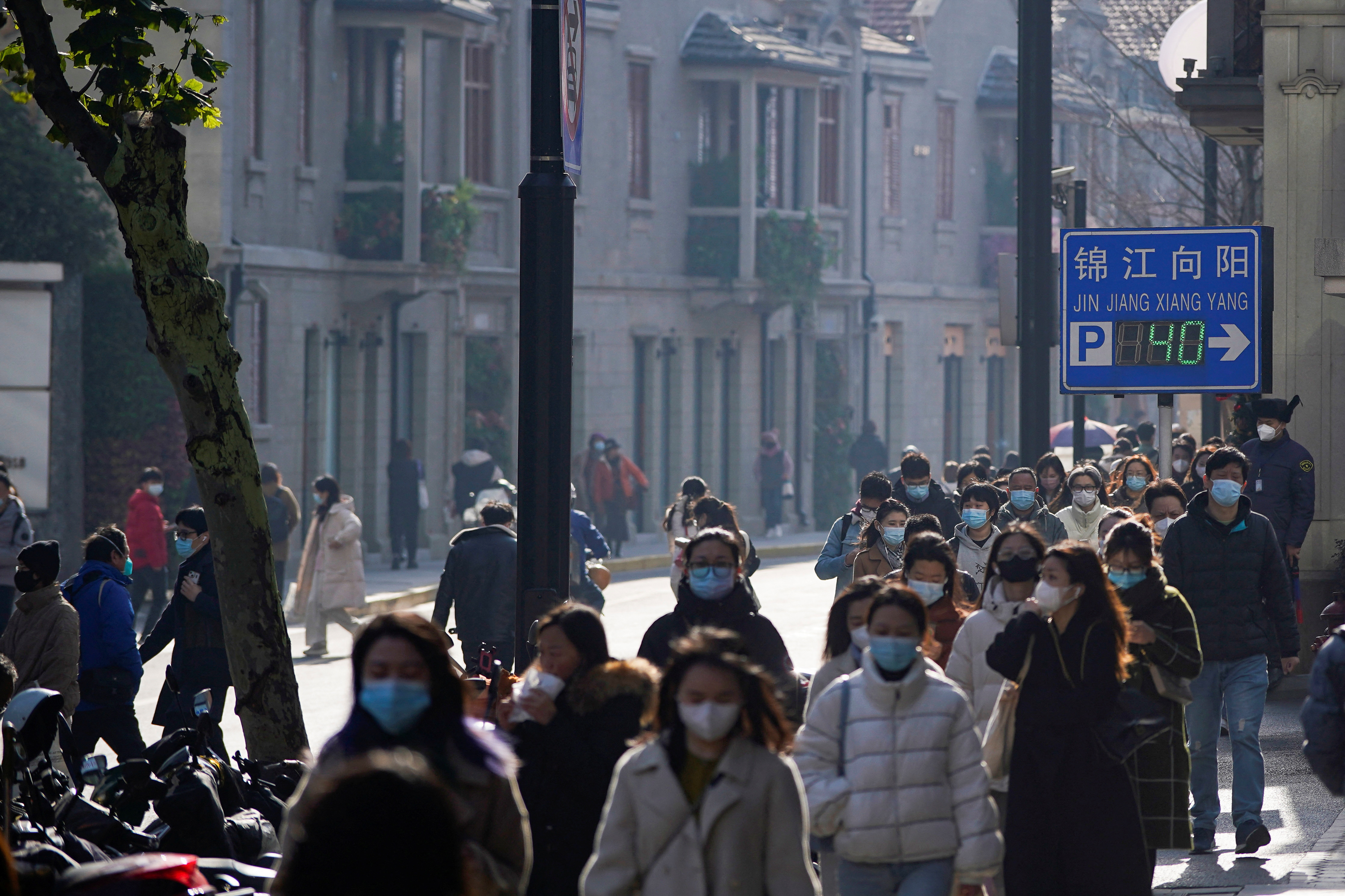
People wearing face masks walk on a street, as coronavirus disease (COVID-19) outbreaks continue in Shanghai, China, December 13, 2022. REUTERS/Aly Song
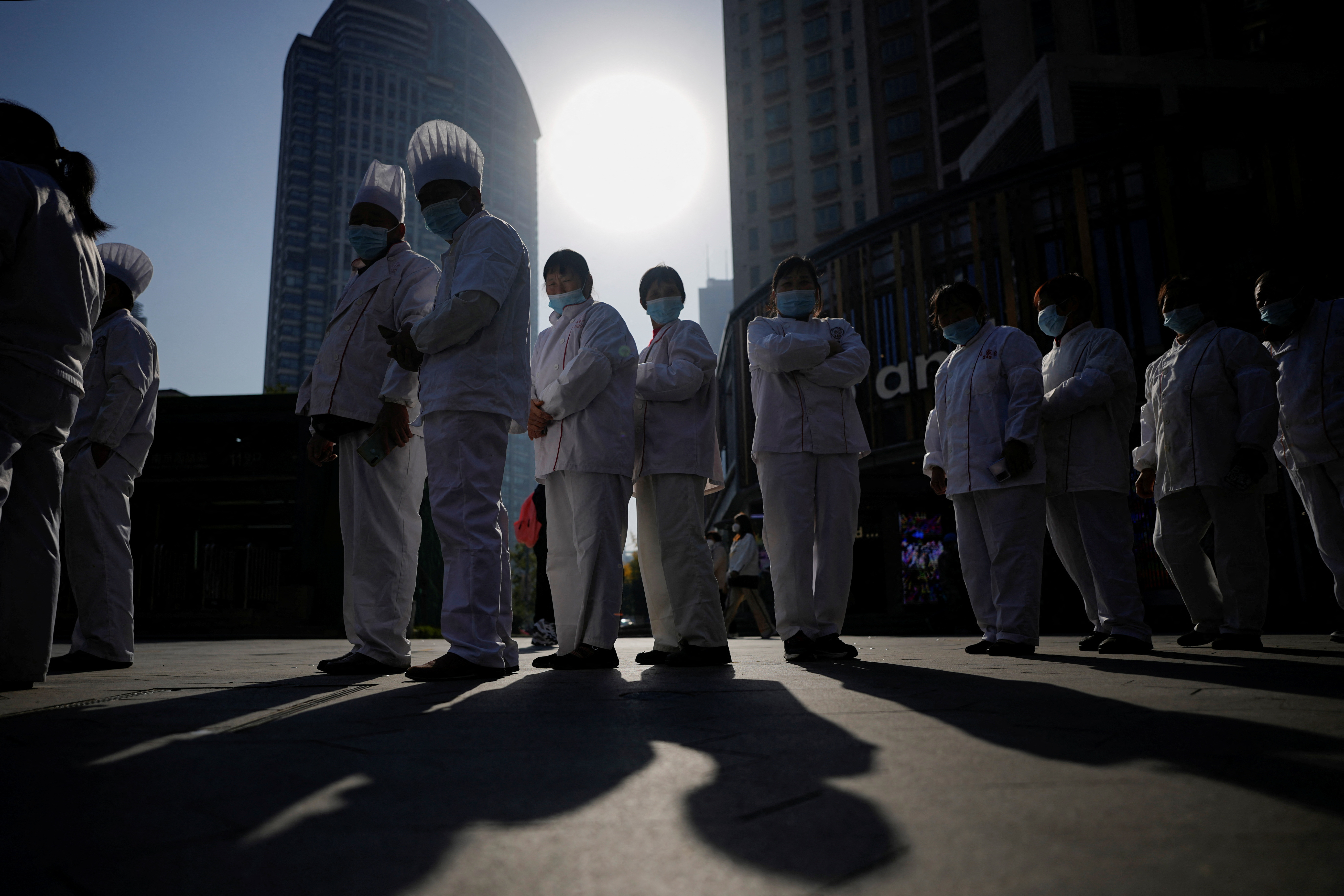
Restaurant workers wearing face masks line up to get tested for the coronavirus disease (COVID-19) at a nucleic acid testing site, as coronavirus disease (COVID-19) outbreaks continue in Shanghai, China, December 13, 2022. REUTERS/Aly Song
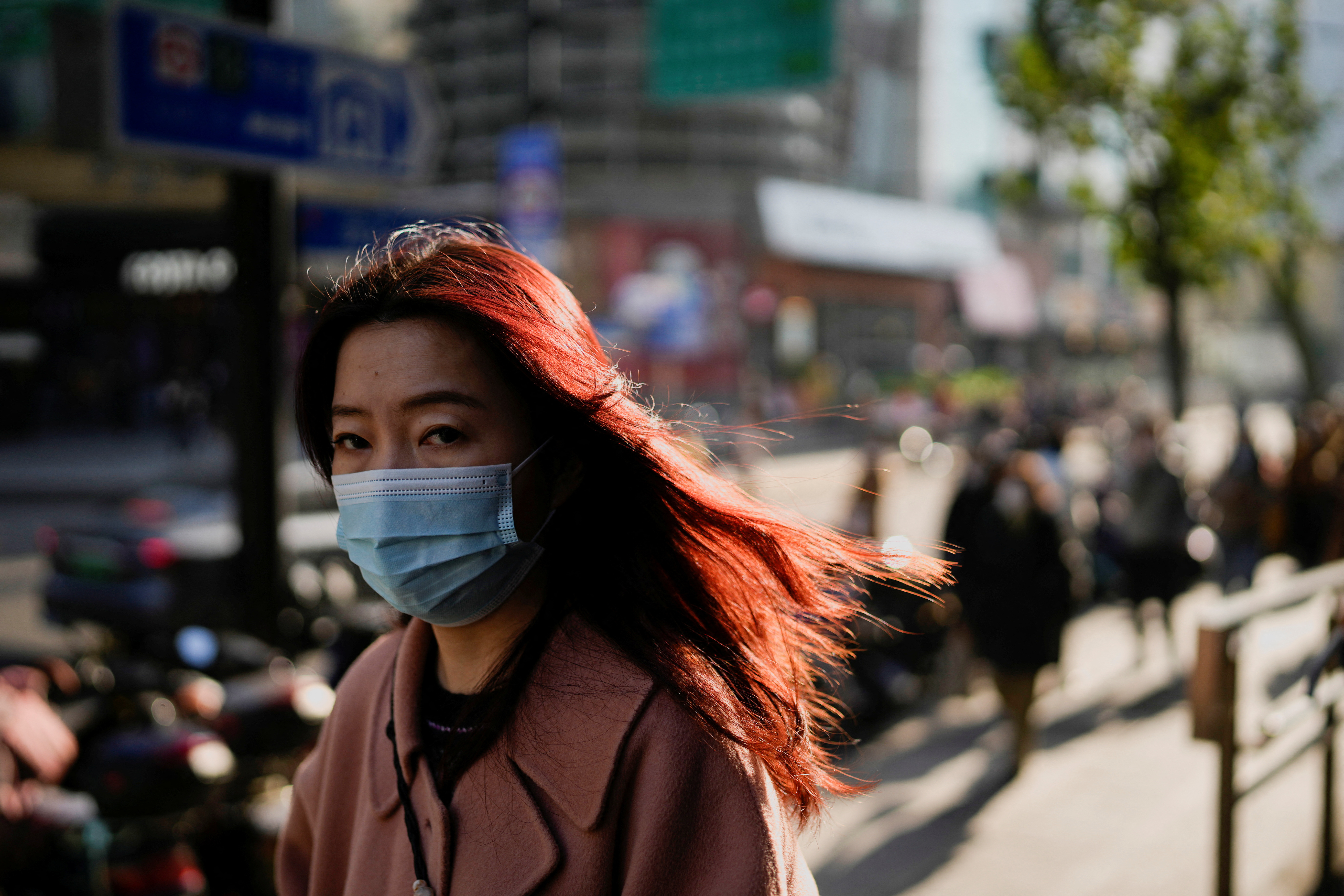
A woman wearing a face mask walks on a street, as coronavirus disease (COVID-19) outbreaks continue in Shanghai, China, December 13, 2022. REUTERS/Aly Song

A medical worker administers a dose of the vaccine against coronavirus disease (COVID-19) to an elderly person at a community health service centre in Shijiazhuang, Hebei province, China December 12, 2022. China Daily via REUTERS
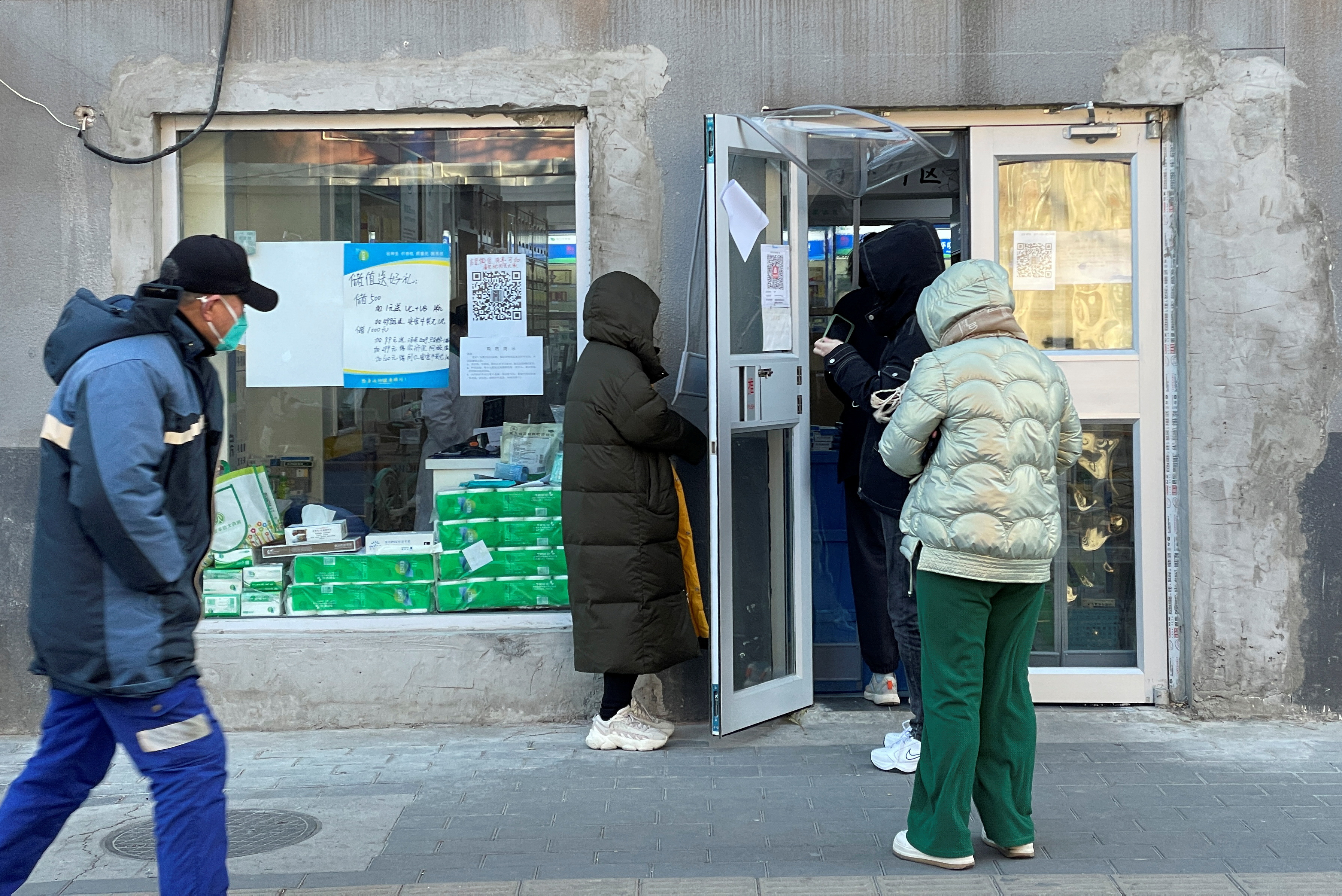
People wearing masks line up outside a pharmacy, as coronavirus disease (COVID-19) outbreaks continue, in Beijing, China December 13, 2022. REUTERS/Alessandro Diviggiano
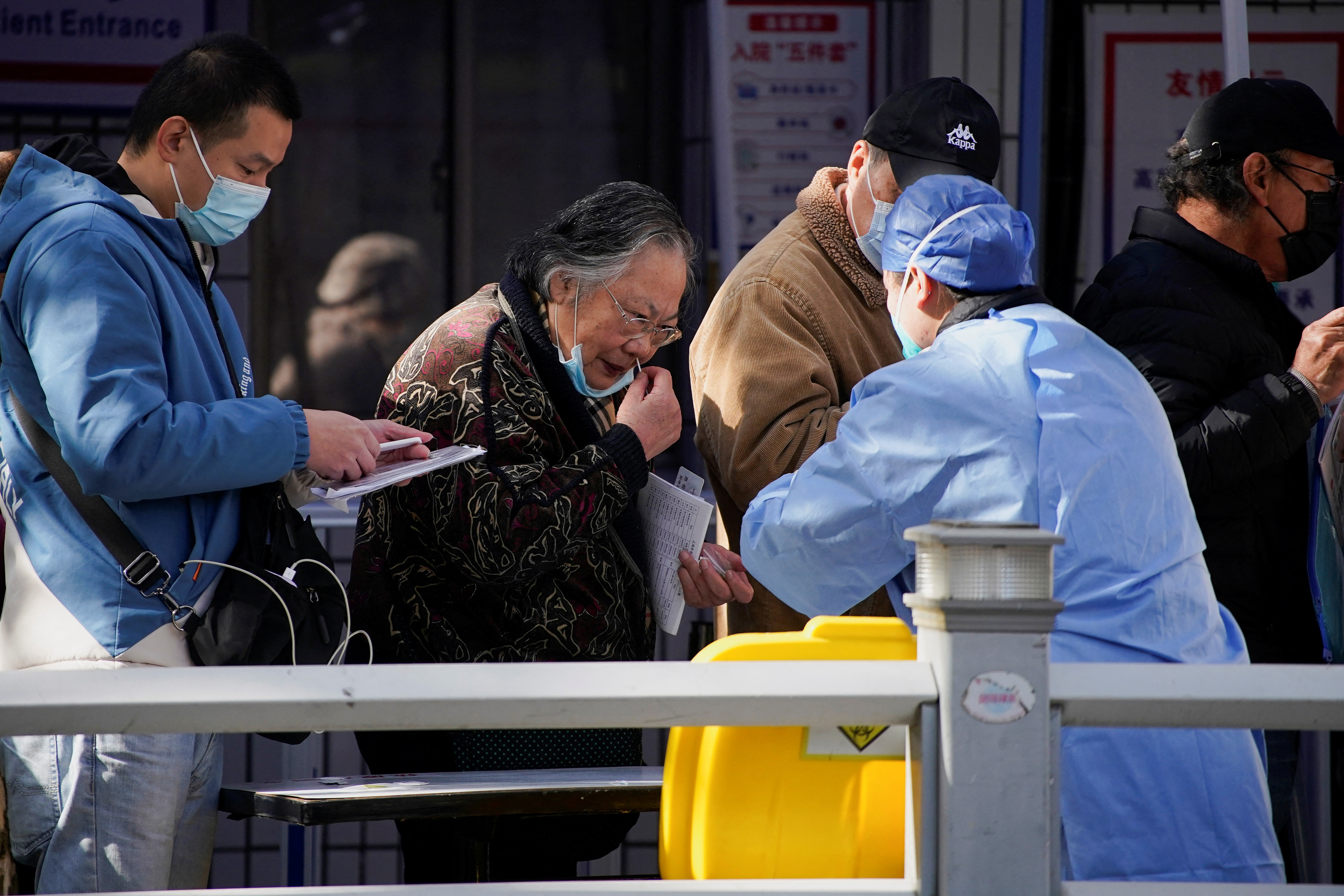
A woman takes a rapid antigen test for COVID-19 at an entrance of a hospital, as coronavirus disease (COVID-19) outbreaks continue in Shanghai, China, December 13, 2022. REUTERS/Aly Song
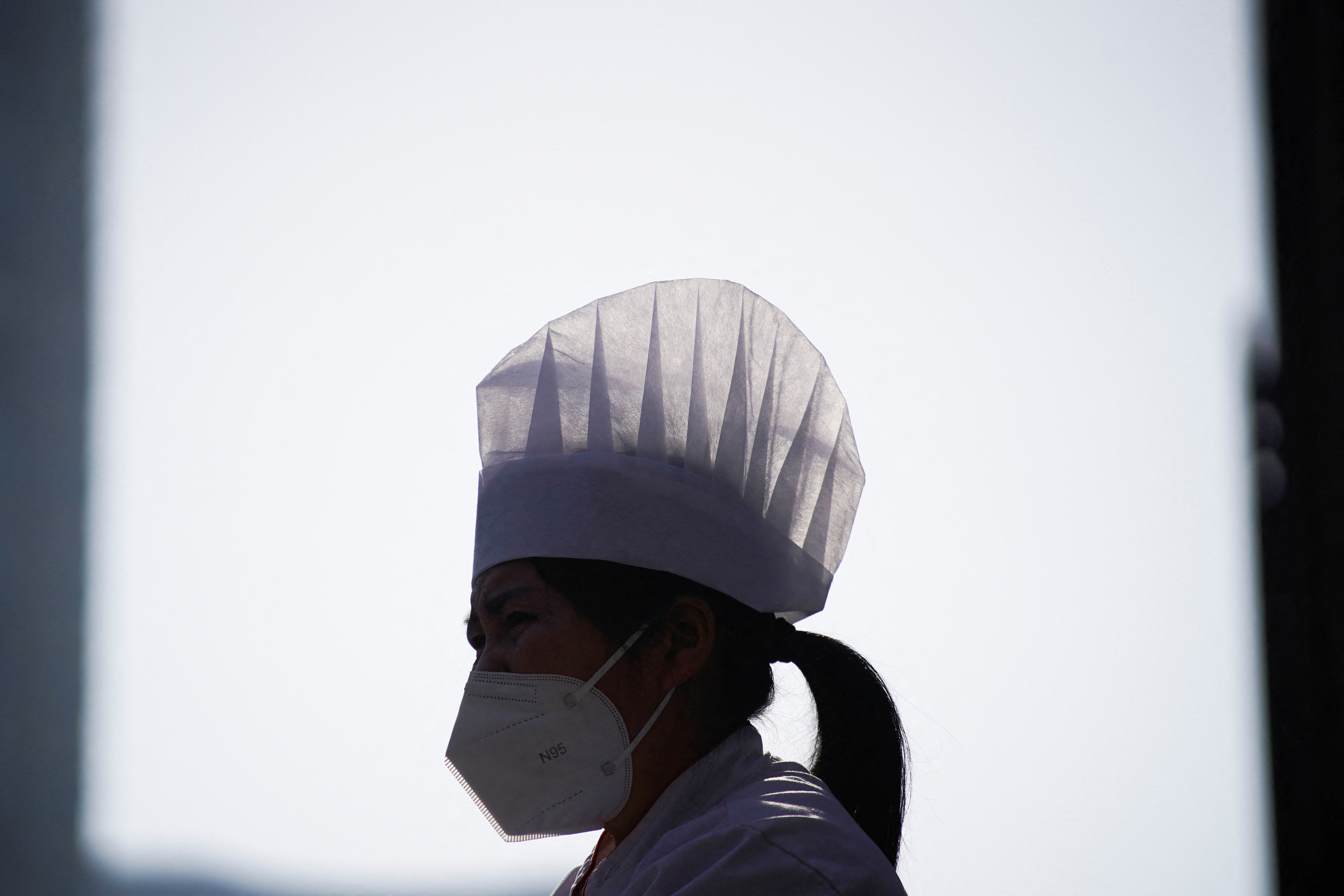
A restaurant worker wearing a face mask lines up to get tested for the coronavirus disease (COVID-19) at a nucleic acid testing site, as coronavirus disease (COVID-19) outbreaks continue in Shanghai, China, December 13, 2022. REUTERS/Aly Song
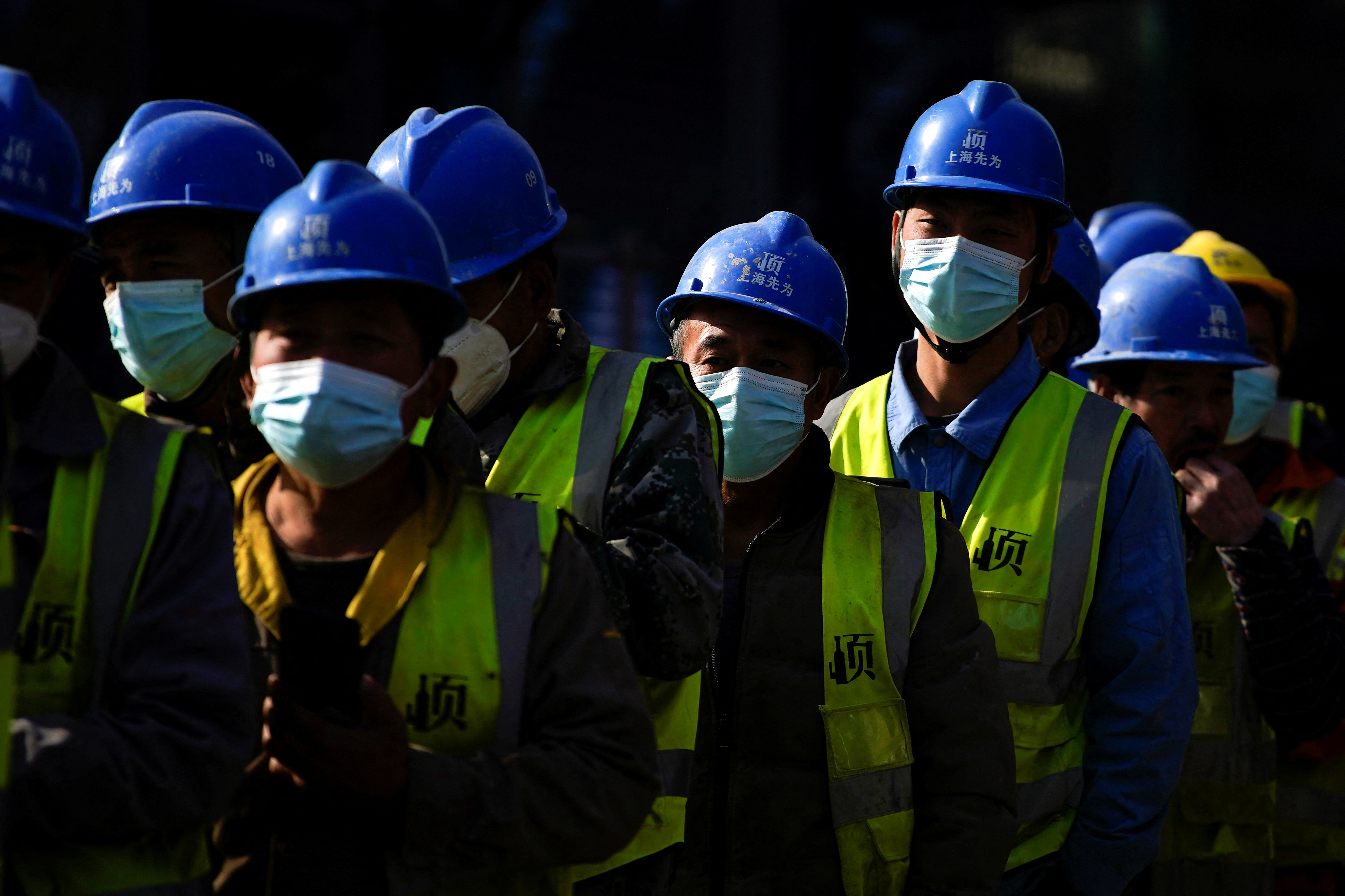
Workers wearing face masks line up to get tested for the coronavirus disease (COVID-19) at a nucleic acid testing site, as coronavirus disease (COVID-19) outbreaks continue in Shanghai, China, December 13, 2022. REUTERS/Aly Song
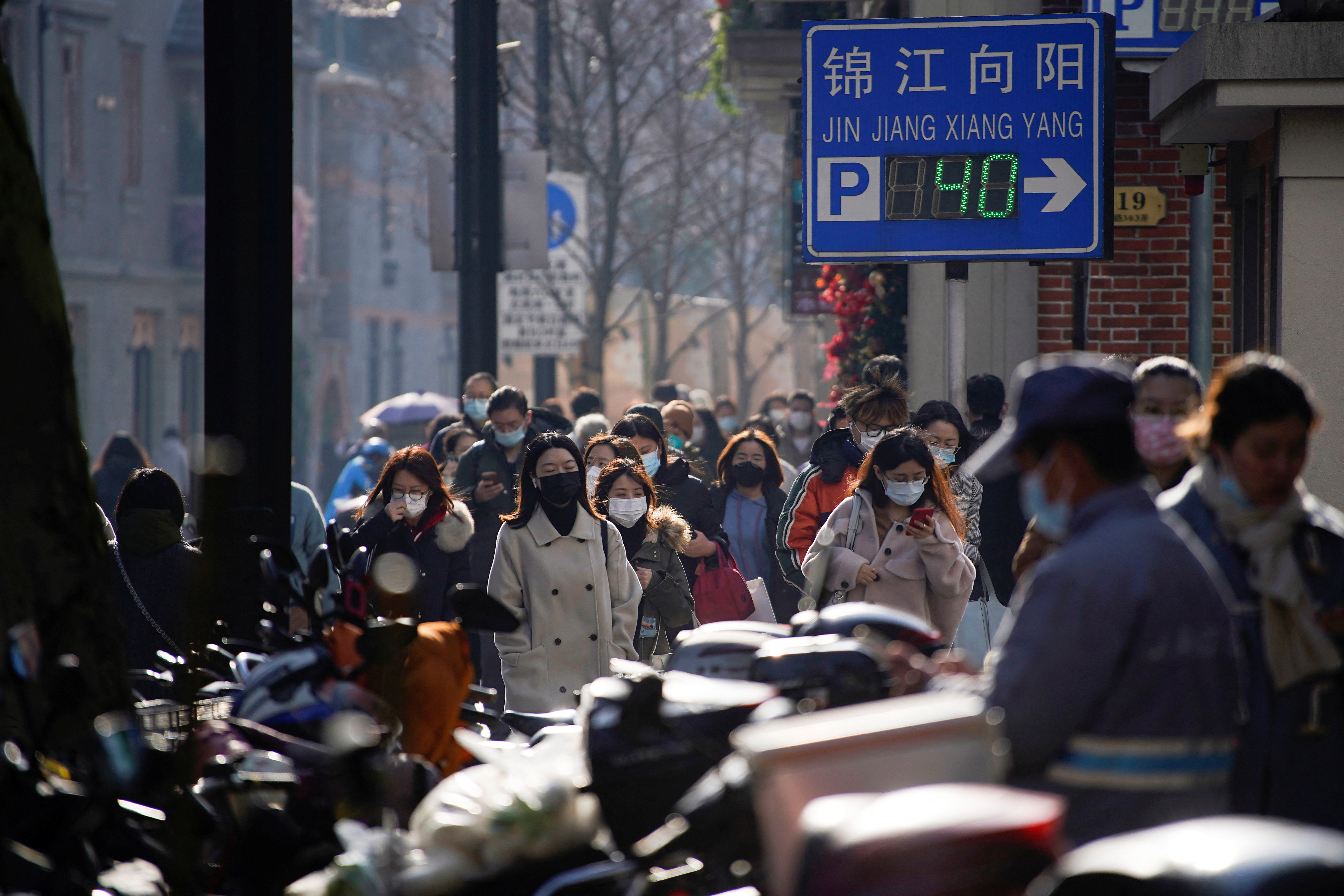
People wearing face masks walk on a street, as coronavirus disease (COVID-19) outbreaks continue in Shanghai, China, December 13, 2022. REUTERS/Aly Song
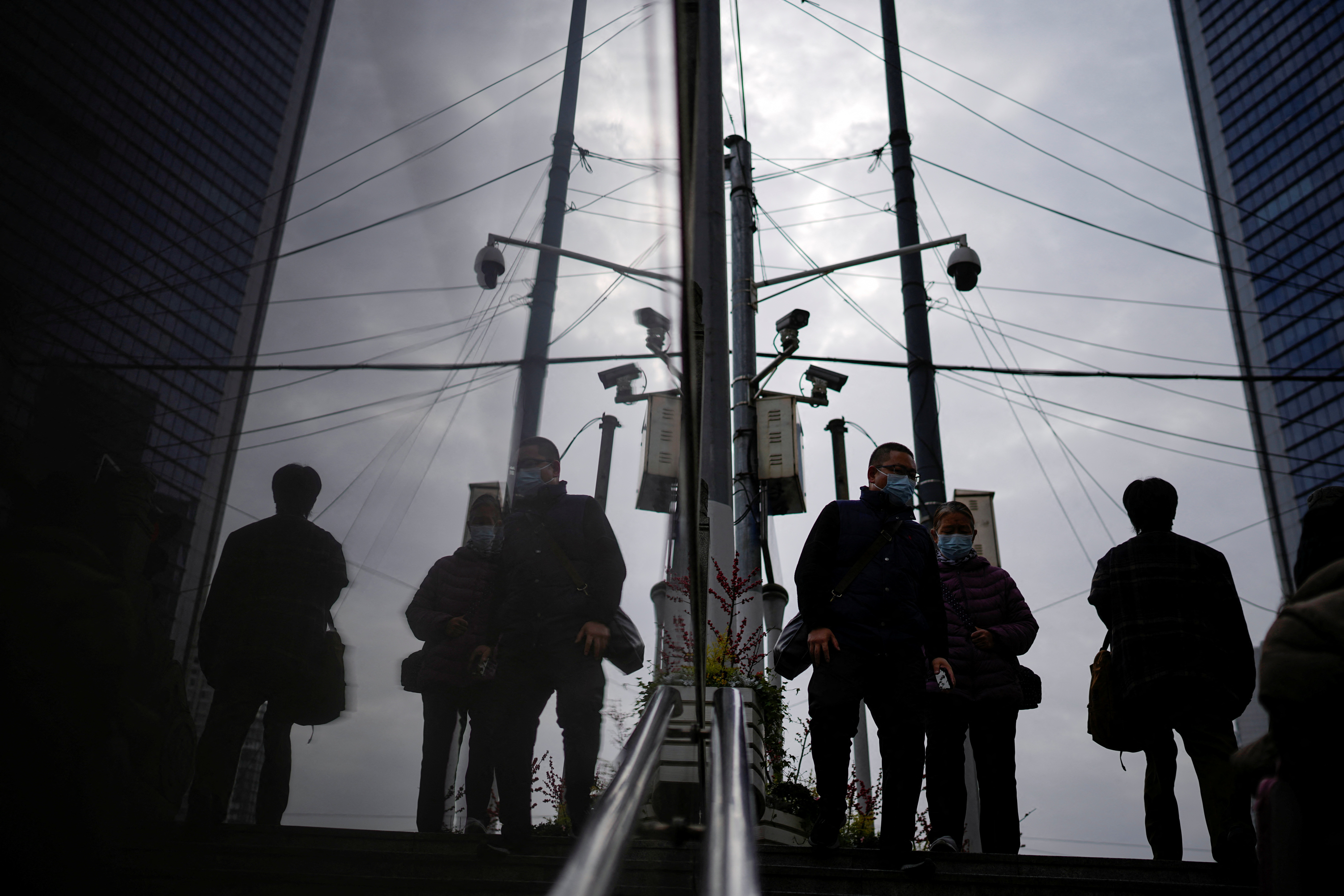
People wearing face masks walk under surveillance cameras on a street, as coronavirus disease (COVID-19) outbreaks continue in Shanghai, China, December 12, 2022. REUTERS/Aly Song
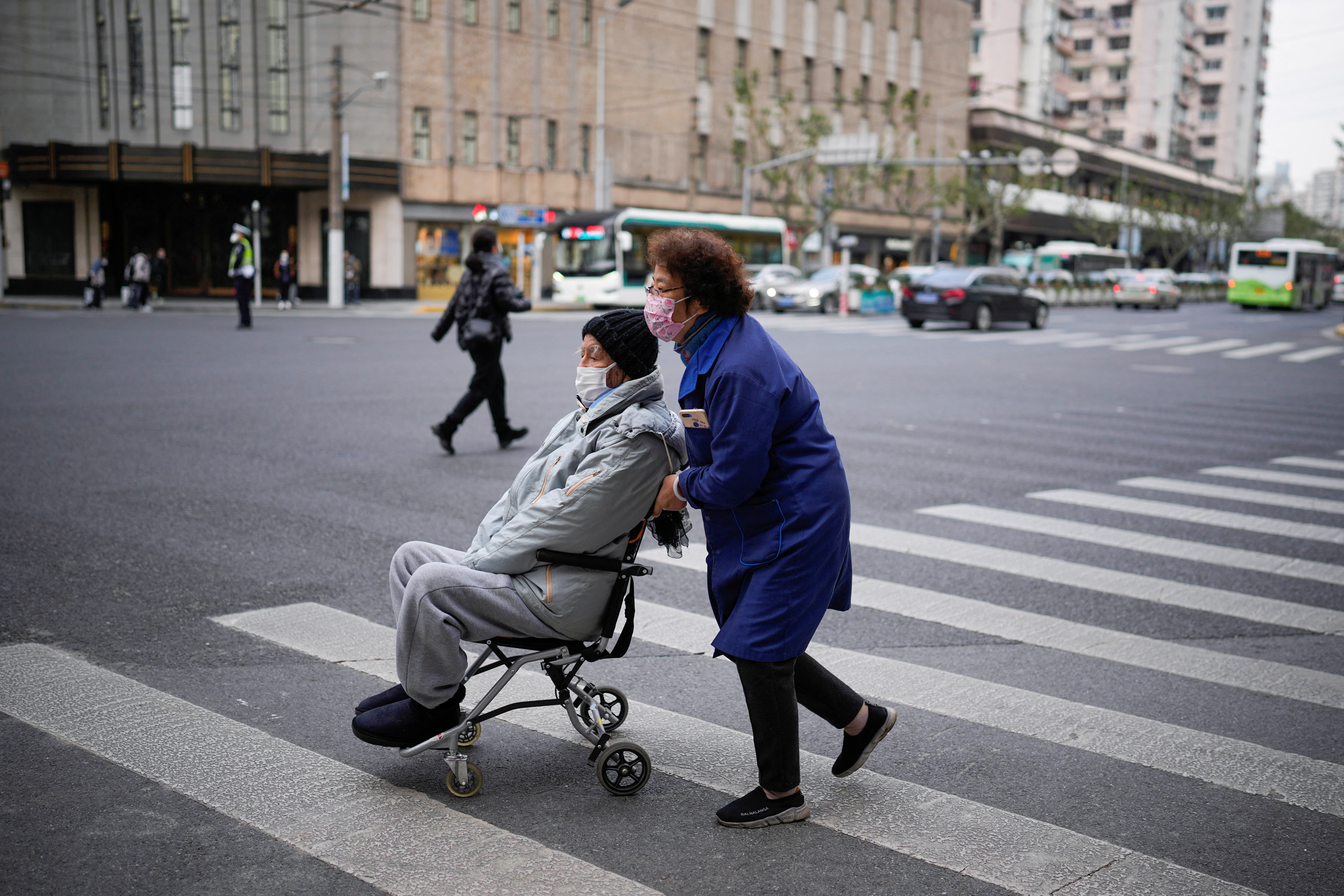
A woman pushes an old man in wheelchair to cross a street, as coronavirus disease (COVID-19) outbreaks continue in Shanghai, China, December 12, 2022. REUTERS/Aly Song

Categories
Audio Sources - Full Text Articles

Bankman-Fried charged by SEC, to appear in Bahamas court

2022-12-13T11:53:28Z

FTX founder Sam Bankman-Fried was charged by the U.S. Securities and Exchange Commission on Tuesday with defrauding investors in what regulators called “a house of cards,” hours before he was expected to appear before a magistrate in the Bahamas.

Separate charges would be announced by the U.S. Attorney’s Office for the Southern District for New York and the Commodity Futures Trading Commission later on Tuesday, the SEC said.

In a statement, the SEC said it would seek a director and officer bar and a penalty against Bankman-Fried, and to prevent Bankman-Fried from participating in future securities purchases, offers and sales except for his personal account and a civil penalty, among other actions.

“We allege that Sam Bankman-Fried built a house of cards on a foundation of deception while telling investors that it was one of the safest buildings in crypto,” said SEC Chair Gary Gensler in a statement.

Bankman-Fried was arrested Monday evening in the Bahamas and was expected to appear before a magistrate on Tuesday, marking his first in-person public appearance since the stunning collapse of FTX, which filed for bankruptcy in November after struggling to raise money as traders rushed to withdraw $6 billion from the platform in just 72 hours.

Police in the Bahamas, where FTX was based, said the 30-year-old was arrested after 6 p.m. on Monday (2300 GMT) at his luxury gated community called the Albany in the capital, Nassau.

Damian Williams, the U.S. Attorney for the Southern District of New York, said in a statement on Monday evening the arrest came at the request of the U.S. government, and an indictment against Bankman-Fried would be unsealed on Tuesday.

A lawyer for Bankman-Fried did not respond to requests for comment on Monday.

The Bahamas’ attorney general’s office said it expects him to be extradited to the United States.

Related Galleries:

FTX founder Sam Bankman-Fried poses for a picture, in an unspecified location, in this undated handout picture, obtained by Reuters on July 5, 2022. FTX/Handout via REUTERS/File Photo/File Photo

The logo of FTX is seen at the entrance of the FTX Arena in Miami, Florida, U.S., November 12, 2022. REUTERS/Marco Bello/File Photo/File Photo/File Photo
Categories
Audio Sources - Full Text Articles

Chrysler parent Stellantis recalls 1.4 million pickup trucks over tailgate issue

2022-12-13T11:24:06Z

The logo of Stellantis is seen on a flag at the main entrance of FCA Mirafiori plant in Turin, Italy, January 18, 2021. REUTERS/Massimo Pinca/File Photo

Chrysler parent Stellantis (STLA.MI) said Tuesday it is recalling 1.4 million pickup trucks worldwide because tailgates may not latch properly and could open while driving.

The automaker said the recall covers various 2019 through 2022 model year Ram 1500, 2500, and 3500 pickup trucks.

The company said it has no reports of crashes or injuries but more than 800 warranty claims and other reports potentially related to the issue. Dealers will inspect the tailgate striker alignment to the box latch and adjust if necessary, the company said.

The recall includes more than 1.23 million vehicles in the United States, 120,000 in Canada, 26,000 in Mexico and about 27,000 outside North America. Owner notification letters will be mailed in late January.

The U.S. National Highway Traffic Safety Administration said an unintended tailgate opening while driving could result in a loss of unsecured cargo, potentially creating a road hazard and increasing the risk of a crash.

The automaker opened an internal investigation into the issue in July 2021 and the company said it “continuously monitored field data for potentially related incidents.”


Categories
Audio Sources - Full Text Articles

Twitter relaunching subscriber service after debacle

NEW YORK (AP) — Twitter is once again attempting to launch its premium service, a month after a previous attempt failed.

The social media company said Saturday it would let users buy subscriptions to Twitter Blue to get a blue checkmark and access special features starting Monday.

The blue checkmark was originally given to companies, celebrities, government entities and journalists verified by the platform. After Elon Musk bought Twitter for $44 billion in October, he launched a service granting blue checks to anyone willing to pay $8 a month. But it was inundated by imposter accounts, including those impersonating Musk’s businesses Tesla and SpaceX, so Twitter suspended the service days after its launch.

The relaunched service will cost $8 a month for web users and $11 a month for iPhone users. Twitter says subscribers will see fewer ads, be able to post longer videos and have their tweets featured more prominently.

Categories
Selected Articles

Opinion | The Root Cause of Violent Crime Is Not What We Think It Is

12goff-facebookJumbo.jpg

A large and well-worn combat boot about to crunch a small, patch of colorful flowers.

Credit…Illustration by Lauren Peters-Collaer; photograph by yeraylc, via Getty Images

  • Send any friend a story

    As a subscriber, you have 10 gift articles to give each month. Anyone can read what you share.

    Give this articleGive this articleGive this article

By Phillip Atiba Goff

Dr. Goff is the chair and a professor of African American studies and a professor of psychology at Yale University.

There is a prevailing narrative about crime that positions bad people as the problem and toughness — in the form of police and prisons — as the solution. It’s emotionally powerful, enough to make politicians allocate money for more cops and more prisons in order to avoid being labeled weak or, worse, pro-crime. The recent decision by Mayor Eric Adams of New York to get more homeless mentally ill people involuntarily committed — which shocked even the N.Y.P.D. — is just the latest example.

But policies like this have little, if any, effect on violent crime, in part because they do not address what causes the problem.

The 2022 midterm elections, in which the Republican Party poured considerable sums into a tough-on-crime message and did far worse than expected, offer hope that change is at last possible. Candidates with the courage to do so can run — and win — on a promise to reduce the causes of violence, addressing it before it occurs instead of just punishing it when the damage is already done.

If throwing money at police and prisons made us safer, we would probably already be the safest country in the history of the world. We are not, because insufficient punishment is not the root cause of violence. And if people are talking about how tough they are and how scared you should be, they care more about keeping you scared than keeping you safe.

The tough-on-crime narrative acts like a black hole. It subsumes new ideas and silences discussions of solutions that are already making a difference in people’s lives. And it provides bottomless succor to politicians who are more interested in keeping themselves in power than keeping people safe.

I have seen the message of “strong communities keeping everyone safe” open the minds of Republican voters, Democratic voters and many in between. It is backed up by science. Academics, government commissions and even many police chiefs have agreed with the substance behind the message for decades. And there is evidence, including the results of last month’s midterms, that it can work politically on a larger scale.

Local successes can be harder for national and statewide candidates to take credit for. But they are still better off telling a story about solutions than trying to outpunish their opponents. Senator-elect John Fetterman, Democrat of Pennsylvania, often advertised his efforts to eliminate shooting deaths as the mayor of Braddock.

In contrast, many New York State Democrats defaulted to a defensive posture. In the closing weeks of the midterms, Gov. Kathy Hochul cut an ad highlighting stricter bail terms and trumpeted increased police presence in New York City. The powerful Police Benevolent Association spent half a million dollars on ads attacking Representative Sean Patrick Maloney’s opponent in the Democratic primary (though it later endorsed his Republican challenger). While Ms. Hochul survived an unexpectedly close race, Mr. Maloney lost his seat, as did other Democrats in the state.

Even in areas that have doubled down on punishment, the police are finding it exceedingly difficult to solve crimes. This is particularly true of homicides. In New York City, by contrast, the decision to end the unconstitutional tactic of stopping and frisking hundreds of thousands of mostly young Black and brown men did not lead to a spike in crime.

Local policies that get closer to the cause are showing results. Dozens of communities are demonstrating how to ensure safety and, in many cases, save money along the way. In Austin, Texas, a 911 call from a person reporting a mental health emergency used to get directed to the police. Now, if there is no immediate danger, dispatchers have the option to transfer the call to a mental health clinician. In the first eight months after the program’s 2019 start, 82 percent of calls that were transferred were handled without police involvement, which resulted in savings to the taxpayer of $1,642,213. By the 2021 fiscal year, the program was involved in almost 2,000 calls. In Brooklyn, young people who completed an alternative program for illegal gun possession had a 22 percent lower rearrest rate than peers who went to prison. In Olympia, Wash., a new unit of the police department that, according to the Council of State Governments Justice Center, provides “free, confidential and voluntary crisis response assistance” has responded to 3,108 calls since 2019, all while minimizing arrests and with no injuries to responders.

Communities that have adopted these approaches have not done away with enforcement; they have just required less of it. In Denver, a five-year randomized control trial of a program that provides housing subsidies to those at risk of being unhoused found a 40 percent reduction in arrests among participants. These kinds of results are why localities from New Jersey to New Mexico are restructuring their local governments to invest in the social determinants of health and safety.

And yet, as I have learned over more than two decades of work in this field, the black hole narrative cannot be changed by statistics alone. If you want policies that actually work, you have to change the political conversation from “tough candidates punishing bad people” to “strong communities keeping everyone safe.” Candidates who care about solving a problem pay attention to what caused it. Imagine a plumber who tells you to get more absorbent flooring but does not look for the leak.

Because the old narrative is so ingrained, candidates often assume that voters agree with it. But common sense and recent polling show that a majority of voters are concerned about crime and also supportive of changes in how we keep communities safe. This has fueled thousands of local innovations across the country. City governments, community groups and nonprofits are comparing notes on what works. And organizations like One Million Experiments are tracking innovations aimed at producing scalable solutions that do not rely on punishment. Reducing crime and reducing reliance on punishment seem incompatible only if you accept, as the narrative black hole dictates, that police and prisons are the only solution.

Voters know the status quo does not work. In the run-up to 2024, for the sake of public safety, candidates need to give them real alternatives. That is the only way to get out of the black hole and into the light.

Phillip Atiba Goff is the chair and a professor of African American studies and a professor of psychology at Yale University. He is also a founder and the C.E.O. of the Center for Policing Equity, a nonprofit that focuses on making policing less racist, less deadly and less pervasive.

The Times is committed to publishing a diversity of letters to the editor. We’d like to hear what you think about this or any of our articles. Here are some tips. And here’s our email: letters@nytimes.com.

Follow The New York Times Opinion section on Facebook, Twitter (@NYTopinion) and Instagram.

WP Radio
WP Radio
OFFLINE LIVE