Categories
Audio Sources - Full Text Articles

Canada adds sanctions on Russia, Iran, Myanmar over human rights

2022-12-09T09:07:50Z

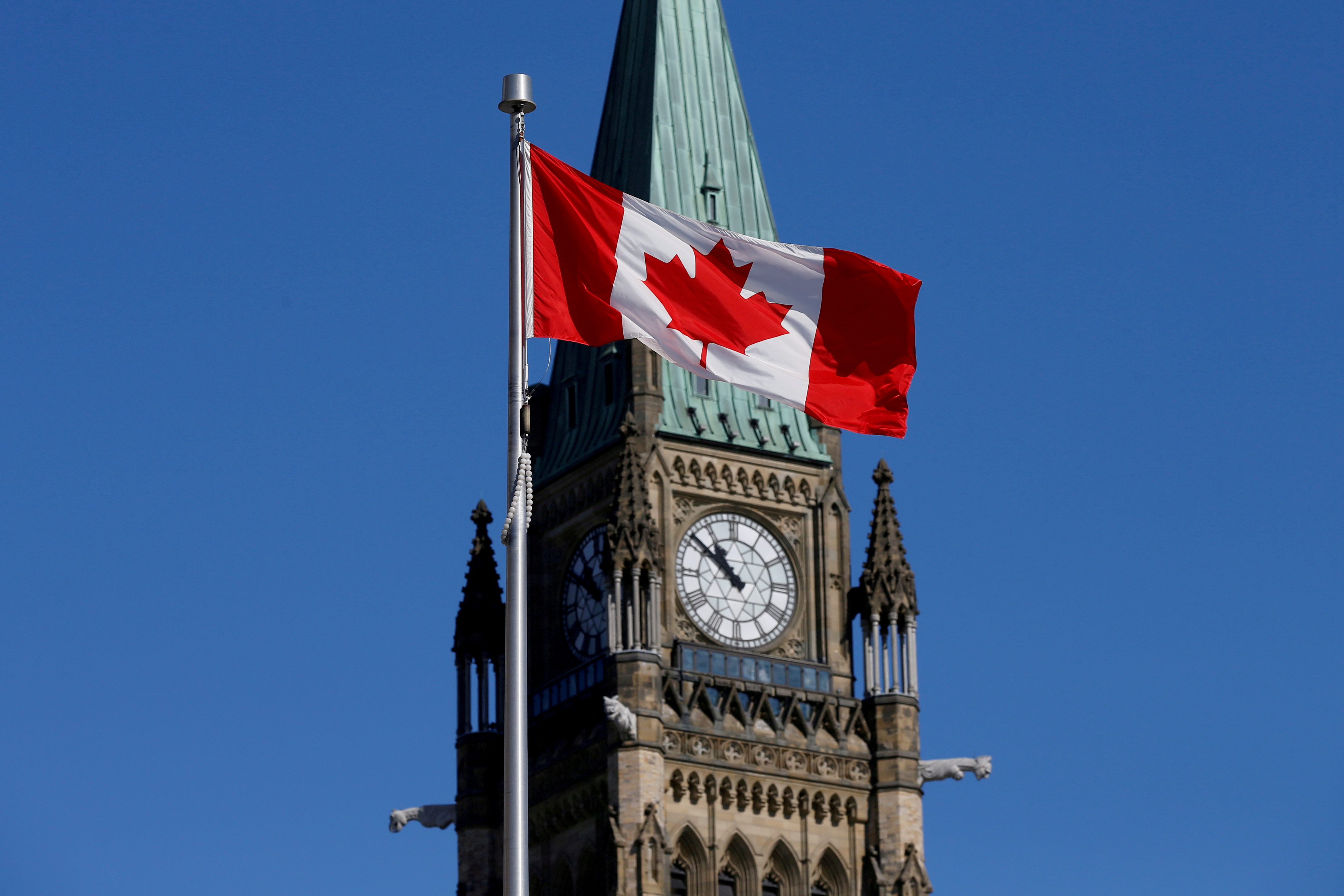
A Canadian flag flies in front of the Peace Tower on Parliament Hill in Ottawa, Ontario, Canada, March 22, 2017. REUTERS/Chris Wattie

Canada on Friday imposed fresh sanctions on Russia, Iran and Myanmar, citing alleged human rights violations by their governments.

The measures included sanctions against 33 current or former senior Russian officials and six entities involved in alleged “systematic human rights violations” against Russian citizens who protested against Russia’s invasion of Ukraine, the Canadian foreign ministry said in a statement.

Since Russia’s invasion on Feb. 24, Canada has imposed sanctions on more than 1,500 individuals and entities from Russia, Ukraine and Belarus.

Sanctions were also imposed on 22 individuals in Iran, who included senior members of the judiciary, prison system and law enforcement, as well as political leaders, such as senior aides to Iran’s Supreme Leader Ayatollah Ali Khamenei and figures in state-directed media outlets, the statement added.

Sanctions on Iran came a day after Iran hanged a man convicted of injuring a security guard with a knife and blocking a street in Tehran, according to the semi-official Tasnim news agency, the first such execution over recent anti-government unrest. Nationwide protests erupted after the death of 22-year-old Kurdish Iranian woman Mahsa Amini in police custody on Sept. 16.

“There is more work to be done, but Canada will never stop standing up for human rights,” Canadian Foreign Minister Melanie Joly said.

In addition to Iran and Russia, Canada also imposed sanctions on 12 individuals and three entities in Myanmar that perform key functions on behalf of the Myanmar military, facilitate arms flows to the military and enable the military’s violence, Canada said.

The military seized power in a coup in Myanmar last year. Rights activists say the junta is now regularly using the death penalty as a “political tool.”

More than 16,500 people have been arrested and more than 13,000 of them remain in detention since the coup, according to a human rights organization that documents violations by the Myanmar military.

Categories
Audio Sources - Full Text Articles

Bacteria behind certain bloodstream infections grew highly drug-resistant in 2020 – WHO

2022-12-09T09:08:17Z

Two plates which were coated with an antibiotic-resistant bacteria called Klebsiella with a mutation called NDM 1 and then exposed to various antibiotics are seen at the Health Protection Agency in north London March 9, 2011. REUTERS/Suzanne Plunkett/File Photo

High levels of drug resistance in bacteria that often cause bloodstream infections in hospitals emerged in the first year of the pandemic, a World Health Organization report based on data from 87 countries in 2020 has found.

Concerns about so-called superbugs – pathogens that are resistant to existing drugs – are hardly new.

The protracted overuse and/or misuse of existing therapies, particularly antibiotics, has helped microbes to become resistant to many treatments, while the pipeline of replacement therapies in development is limited.

The WHO report showed levels higher than 50% of resistance in bacteria that typically cause life-threatening bloodstream infections in hospitals, such as Klebsiella pneumoniae and Acinetobacter spp.

Categories
Audio Sources - Full Text Articles

Van Gaal, 71 and revitalized, may take another coaching job

DOHA, Qatar (AP) — Revitalized at the World Cup, Louis van Gaal might not be ready to call time on his coaching career just yet.

The 71-year-old Van Gaal came out of retirement last year to take charge of the Netherlands for a third time and has led the team to the World Cup quarterfinals, displaying his usual brand of quirkiness off the field and tactical acumen in the dugout.

Having to battle against an aggressive form of prostate cancer hasn’t dampened the enthusiasm of one of soccer’s most colorful characters, who maintains he’ll stand down as Netherlands coach after the tournament.

But he hasn’t ruled out moving onto another job, inspired perhaps by the continued presence in soccer management of another Dutch coaching veteran. Last month, Dick Advocaat, who is 75, took charge of Dutch second-tier team ADO Den Haag.

“I’m only doing this job for the country because it’s an emergency situation,” said Van Gaal, who took the position after Frank de Boer was fired following last year’s European Championship. “And I’m committed to (standing down).

“But never say never because we have a wonderful example — Dick Advocaat … This coach is older than I am and just recently took on a job at the second level. If I’m presented with a wonderful challenge, if there’s a country where I think, ’Oh, that’s a marvelous challenge,′ it could well be I perhaps continue to work as a head coach for a bit.”

But what about the fact he is 71?

“I am 71 years old,” Van Gaal said, grinning. “But, of course, I look marvelous, I look incredibly young.”

___

Steve Douglas is at https://twitter.com/sdouglas80

___

AP World Cup coverage: https://apnews.com/hub/world-cup and https://twitter.com/AP_Sports

Categories
Audio Sources - Full Text Articles

Putin says West“s desire for global dominance increases conflict risks

2022-12-09T08:27:21Z


Russian President Vladimir Putin attends a meeting of the Supreme Eurasian Economic Council in Bishkek, Kyrgyzstan, December 9, 2022. REUTERS/Vladimir Pirogov

Russian President Vladimir Putin on Friday said the West’s desire to maintain its dominance on the world stage was increasing the risks of conflict.

“The potential for conflict in the world is growing and this is a direct consequence of the attempts by Western elites to preserve their political, financial, military and ideological dominance by any means,” Putin said.

The Russian leader was speaking in a video message to a summit of defence ministers from the Shanghai Cooperation Organisation and a group of ex-Soviet countries that was published by the Kremlin.

“They deliberately multiply chaos and aggravate the international situation,” Putin said.

He also accused the West of “exploiting” Ukraine and using its people as “cannon fodder” in a conflict against Russia.

Putin has repeatedly cast the war in Ukraine – which Moscow calls a “special military operation” – as a conflict between Russia and the West, criticising those who have provided military and financial backing to Ukraine.

Kyiv, European countries and Washington say Moscow used the pretext of security concerns to launch a cynical war of aggression against its pro-European neighbour in an attempt to seize swathes of territory and topple President Volodymyr Zelenskiy.

Categories
Audio Sources - Full Text Articles

Saudi Arabia gathers China“s Xi with Arab leaders in “new era“ of ties

2022-12-09T08:45:38Z

Chinese President Xi Jinping meets with Arab leaders on Friday at “milestone” summits hosted by Saudi Arabia in a show of strength by Crown Prince Mohammed bin Salman as an aspiring leader of the Middle East and key partner for global powers.

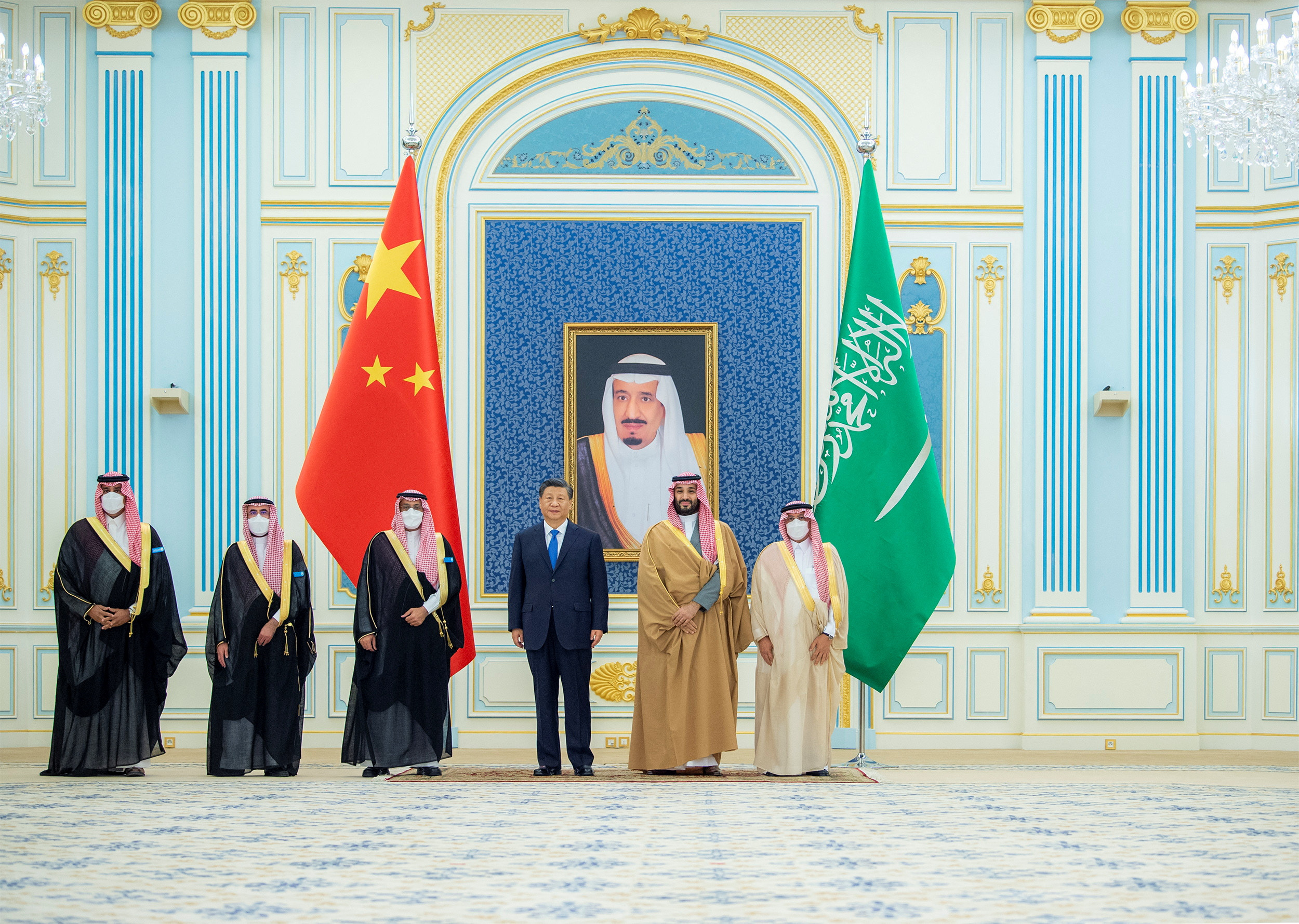
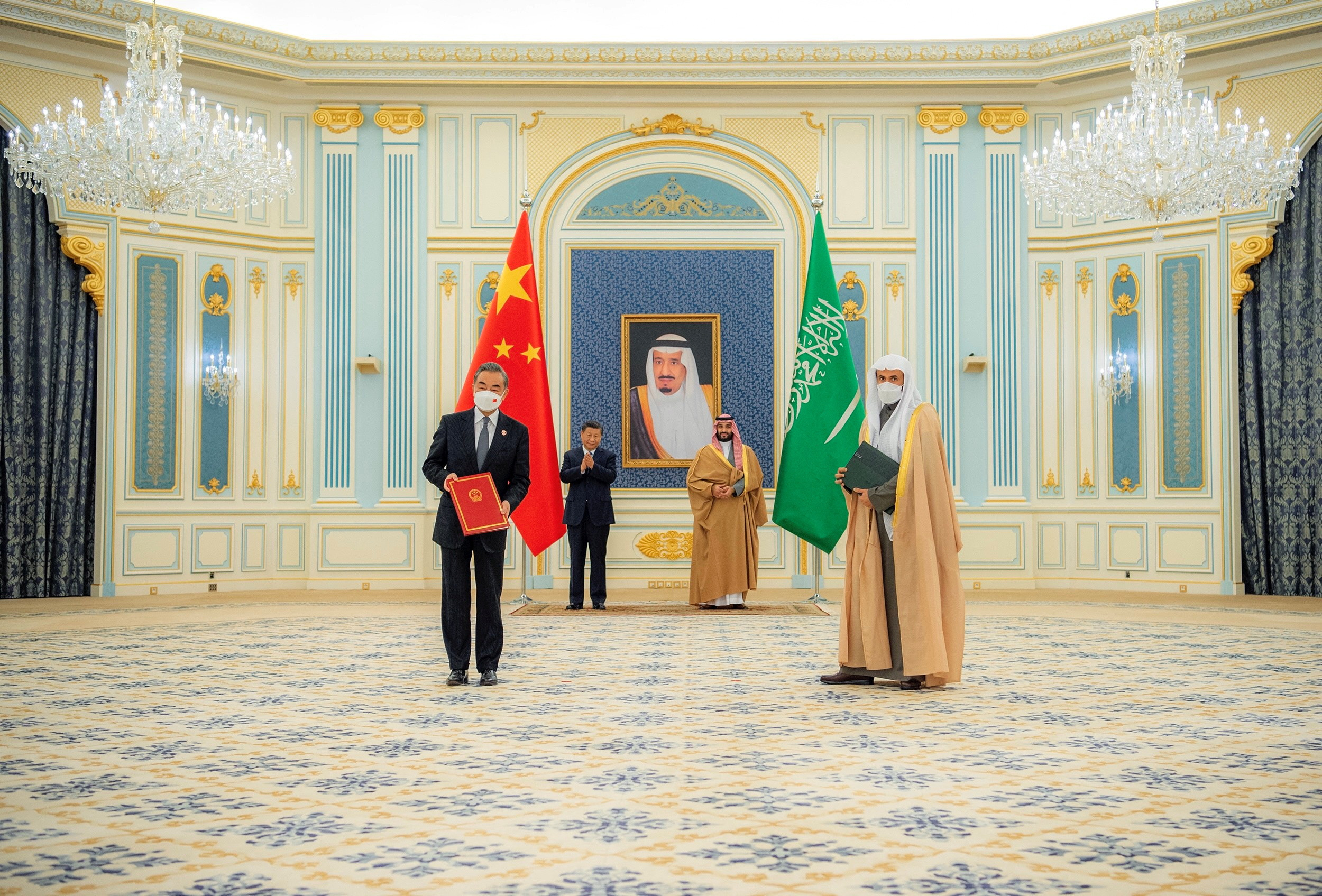
Leaders of Arab League states spanning the Gulf, Levant and Africa began arriving in Riyadh on Thursday when Xi received a lavish reception by Prince Mohammed and signed a China-Saudi partnership pact with King Salman, demonstrating deepening ties.

The United States is warily watching the growing influence of economic rival Beijing in the region, where China has vested interest as the world’s biggest energy consumer and Chinese firms are expanding into technology and other infrastructure.

Xi’s visit also comes at a time when Riyadh’s long-standing alliance with Washington has been strained over human rights, energy policy and Russia, as well as Gulf doubts about the commitment of main security guarantor America to the region.

In a lengthy joint statement on Friday, Beijing and Riyadh pledged to enhance cooperation and stressed principles of sovereignty and “non-interference”, while affirming the importance of a peaceful solution to the Ukraine conflict.

Saudi Arabia and Gulf allies have been defiant in the face of U.S. pressure to break with fellow OPEC+ oil producer Russia over its invasion of Ukraine and to limit dealings with China, as they try to navigate a polarised world order with an eye on national economic and security interests.

Oil giant Saudi Arabia is a top supplier to China and the joint statement reaffirmed the importance of global market stability and energy collaboration, while striving to boost non-oil trade and enhance cooperation in peaceful nuclear power.

“The two sides reaffirmed that they will continue to firmly support each other’s core interests.”

In a nod to Gulf security concerns over Iran, another oil supplier to China and with whom Beijing has good ties, they agreed the need to “strengthen joint cooperation to ensure the peaceful nature of Iran’s nuclear programme” and for Tehran to respect “principles of good-neighbourliness”.

Riyadh voiced support for Beijing’s “One China” policy on the issue of Taiwan. Xi invited King Salman to visit China, Saudi state television reported.

The Chinese leader said his visit, during which he will meet other Gulf oil producers and attend a wider summit with Arab League countries on Friday, heralded a “new era” in relations.

“China looks forward to working with Saudi Arabia and Arab states to turn the two summits into milestone events in the history of China-Arab relations and China-GCC relations, and bring these relations to new heights,” the foreign ministry cited Xi as saying.

Qatar’s emir, Kuwait’s crown prince and the presidents of Egypt, Tunisia, Djibouti, Somalia and Mauritania are among rulers attending alongside leaders and prime ministers of Iraq, Morocco, Algeria, Sudan and Lebanon.

Ahead of the summits, Xi held bilateral talks with Kuwait Crown Prince Sheikh Meshal al-Sabah, Egyptian President Abdel Fattah al-Sisi, Iraqi Prime Minister Shia al-Sudani, Sudanese leader General Abdel Fattah al-Burhan and Palestinian President Mahmoud Abbas.

Diplomats said the Chinese delegation would sign agreements and memoranda of understanding with several states in addition to Saudi Arabia, which inked an MOU with Huawei on cloud computing and building high-tech complexes in Saudi cities.

The Chinese tech giant has participated in building 5G networks in most Gulf states despite U.S. concerns over a possible security risk in using its technology.

Related Galleries:

Saudi Crown Prince Mohammed Bin Salman stands with Chinese President Xi Jinping in Riyadh, Saudi Arabia December 8, 2022. Saudi Press Agency/Handout via REUTERS

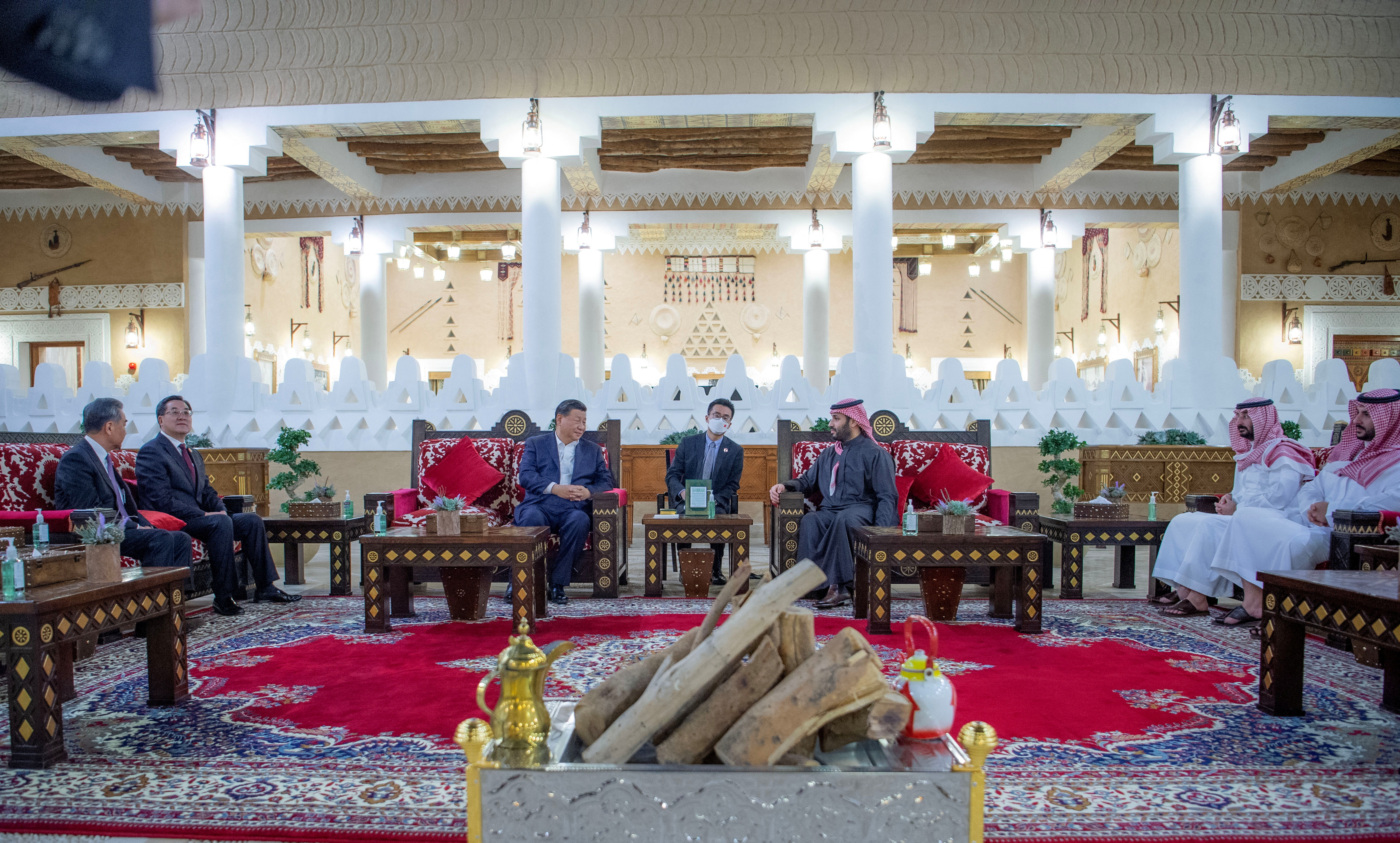
Saudi Crown Prince Mohammed Bin Salman meets Chinese President Xi Jinping in Riyadh, Saudi Arabia December 8, 2022. Bandar Algaloud/Courtesy of Saudi Royal Court/Handout via REUTERS

Saudi Crown Prince Mohammed Bin Salman stands with Chinese President Xi Jinping in Riyadh, Saudi Arabia December 8, 2022. Saudi Press Agency/Handout via REUTERS
Categories
Audio Sources - Full Text Articles

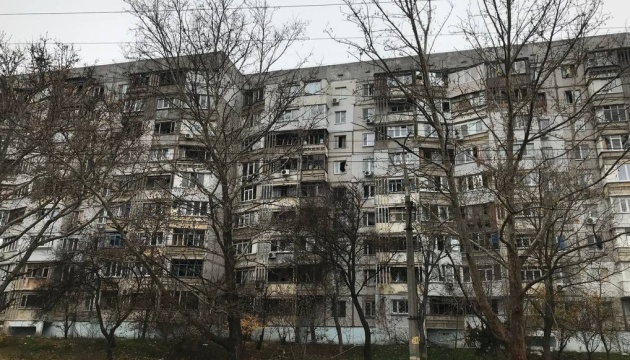
Russians hit Kherson region 68 times in past day, injuring eight civilians

630_360_1669128473-471.jpg

More than the past working day, Russian troops struck Kherson location 68 periods with mortars, artillery, tanks, and MLRS.

As Deputy Head of the President’s Business office Kyrylo Tymoshenko posted on Telegram, the Russians focused household neighborhoods, private houses, apartment blocks, and other buildings in Kherson metropolis.

Eight civilians have been wounded in the shelling.

As claimed, according to the General Staff members of the Armed Forces of Ukraine, the enemy holds defense in Kherson way. Tank and artillery assaults on the spots of Beryslav, Kozatske, Antonivka, Komyshany, Dniprovske, and Veletenske settlements in Kherson location and the outskirts of Kherson city had been recorded.

ol

Source link

The post Russians hit Kherson region 68 times in past day, injuring eight civilians appeared first on Ukraine Intelligence.

Categories
Audio Sources - Full Text Articles

Russian state media lauds Putin“s “win“ on Bout exchange

2022-12-09T08:08:13Z

Russian state media on Friday lauded President Vladimir Putin for “winning” a prisoner exchange with the United States by swapping a U.S. basketball player for one of the world’s most prolific arms dealers known as the merchant of death.

Bout arrived in Moscow late on Thursday after Russia and the United States swapped the arms dealer for U.S. basketball star Brittney Griner at Abu Dhabi airport.

Described by the U.S. Department of Justice as one of the world’s most prolific arms dealers who had sold weapons across the globe to terrorists and America’s enemies for decades, Bout always denied the charges.

He was detained in an elaborate sting operation by the U.S. Drug Enforcement Administration in a luxury hotel in Bangkok. Moscow always maintained he was innocent but he was sentenced to 25 years in jail by a Manhattan court in 2012.

“It is a capitulation by America,” Maria Butina, a lawmaker in the lower house of the Russian parliament told state television on the tarmac of Moscow’s Vnukovo airport just as Bout landed.

“It shows that Russia doesn’t abandon its own while America has shown its defeat,” Butina said beside Bout’s wife and mother, who hugged him as he stepped back onto Russian soil. “Russia did not forget him.”

Bout’s life reads like a spy thriller and his notoriety was such that his life helped inspire a 2005 Hollywood film “Lord of War”, starring Nicolas Cage as Yuri Orlov, an arms dealer loosely based on Bout.

Little is known publicly about his early life, though he has been linked to Russian military intelligence (GRU), which has always made much of its reputation for never forgiving traitors and never abandoning its people no matter what the cost.

Maria Zakharova, spokeswoman for Russia’s foreign ministry, posted a montage under the title “And so 14 years!” in reference to the 14 years of Bout’s detention.

The montage showed historical video of Foreign Minister Sergei Lavrov, Zakharova and other senior diplomats saying “Viktor Bout”.

“Washington categorically refused to engage in dialogue on the inclusion of the Russian in the exchange scheme,” the foreign ministry said. “Nevertheless, the Russian Federation continued to actively work to rescue our compatriot.”

Yevgeny Prigozhin, the founder of the Wagner Group of mercenaries, welcomed Bout’s return.

“Congratulations to Viktor Bout. And I am very happy for him,” said Prigozhin, a close ally of Putin.

Some Republicans in the United States criticized the Biden administration for making the swap.

“What a ‘stupid’ and unpatriotic embarrassment for the USA!!!” former President Donald Trump wrote on social media.

Trump questioned why Griner was swapped for one of the world’s biggest arms dealers, and why the exchange did not include Paul Whelan, a former U.S. Marine serving a 16-year sentence in a Russian penal colony on espionage charges.

Whelan, who holds American, British, Canadian and Irish passports, was sentenced in 2020 to 16 years in jail after being convicted of spying. Russia said he was caught with classified information in a Moscow hotel room where agents from the Federal Security Service detained him on Dec. 28, 2018. He denies that he committed espionage.

Margarita Simonyan, editor-in-chief of state-funded RT, said the exchange showed that Russia “will win” in the end because Washington had chosen to leave a convicted U.S. spy in jail in Russia.

Related Galleries:

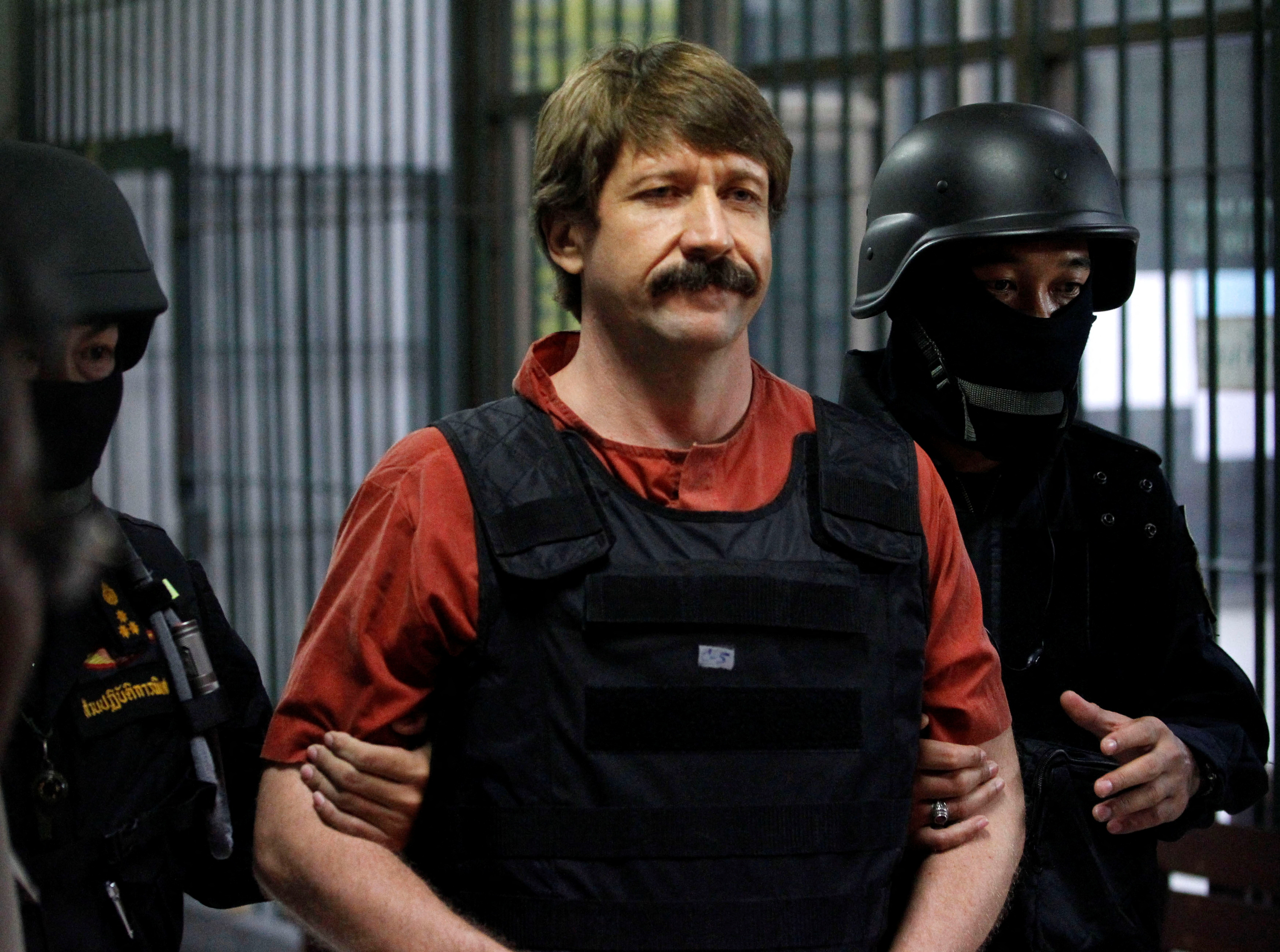
Suspected Russian arms dealer Viktor Bout is escorted by members of a special police unit after a hearing at a criminal court in Bangkok October 5, 2010. REUTERS/Sukree Sukplang

The Antonov An-148 plane which, according to local media, carries Russian citizen Victor Bout, an arms dealer, who was exchanged for U.S. basketball player Brittney Griner during a prisoner swap, lands at Vnukovo International Airport in Moscow, Russia December 8, 2022. REUTERS/Tatyana Makeyeva

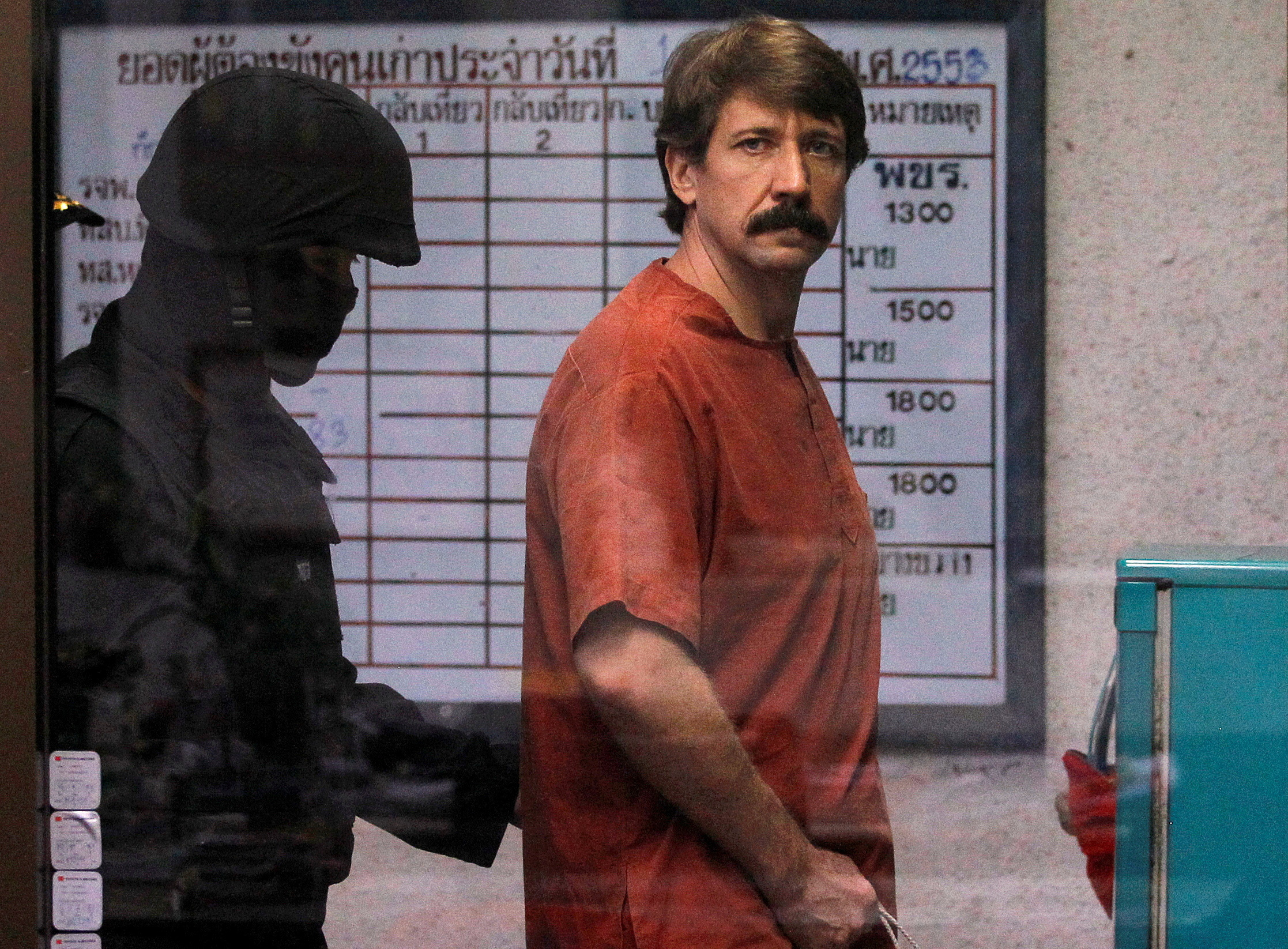
Alleged arms smuggler Viktor Bout from Russia is escorted by a member of the special police unit as he arrives at a criminal court in Bangkok October 4, 2010. REUTERS/Damir Sagolj
Categories
Audio Sources - Full Text Articles

With vote ahead, Polish leader turns up anti-German rhetoric

WARSAW, Poland (AP) — Poland’s ruling party leader claims Germany seeks to dominate Europe. He warns that Poles could end up under the “German heel.” He snubs a German offer of anti-missile systems before Poland eventually accepts them — but gets in an anti-German dig along the way.

Ahead of elections next year, Jaroslaw Kaczynski and the nationalist conservative ruling party that he leads have been lashing out against Germany while seeking to cast their main competitor as loyal to Berlin.

Many Poles, like others in central Europe, have been critical of Germany’s stance toward Russia in the years leading up to Russia’s Feb. 24 invasion of Ukraine, particularly for gas deals that created dependence on Russian energy and helped Russia build up its war chest.

But critics of the ruling party, Law and Justice, say its anti-German rhetoric is becoming a threat to Poland’s national interests and risks creating a crack between Western allies while Russia wages war in Ukraine.

They have been especially critical of the party’s vacillations over whether to accept a German offer to deploy three Patriot missile defense systems to Poland after a stray missile fell in Poland near the border with Ukraine last month, killing two Poles.

Kaczynski reacted coolly to the offer early on, and said the Patriots should be placed in Ukraine instead — something unacceptable to Germany.

Kaczynski also said that “Germany’s attitude so far gives no reason to believe that they will decide to intercept Russian missiles.”

Defense Minister Mariusz Blaszczak finally announced Tuesday that Poland would accept the Patriots after all. But he added that he was “disappointed” to have to accept Germany’s “decision to reject the support of Ukraine.”

Critics of the government see such slights as an electoral tactic meant to win votes from older Poles who remember World War II, which was sparked by Nazi Germany’s invasion of Poland. The war killed 6 million Polish citizens, about half of them Jews.

But many Poles also have positive associations with modern Germany, having studied or worked there. Their large western neighbor is a major trade partner to Poland and an ally in NATO and the European Union, and President Andrzej Duda is expected to visit Berlin on Monday.

Law and Justice faces a tough road as it seeks to win a third term, with challenges including soaring inflation — currently running above 17% — and billions of euros blocked by the EU over what the bloc views as democratic backsliding under the conservative party.

It remains unclear how successful anti-German rhetoric will be in the elections next year, coming 77 years after the end of WWII and with many Poles highly anxious about the current war in Ukraine. Many voters also see the economy as their top concern.

Pawel Gruszecki, a 37-year-old IT specialist from the southern Polish city of Katowice, has traveled to Germany often for business and pleasure, including last summer when he took advantage of the wildly popular “9-euro ticket” to visit several German cities.

He describes the anti-German rhetoric as “very sad,” and says he tries to ignore it otherwise it makes him angry.

“I am not susceptible to it,” he said. But he added that conversations with his elderly neighbors have left him convinced that frequent dispersions of Germany carried by state media are deepening their suspicions of Germany.

Agnieszka Lada-Konefal, a Polish expert on Polish-German relations, argues that anti-German rhetoric is meant to energize a small percentage of the electorate — votes that could be critical for a party that has held only a slim majority in parliament for most of its time in power since 2015.

She said that while many Poles agree that Germany never did enough to compensate Poland for its war losses, polling reveals a Polish society with largely positive views of its neighbor.

“Most Poles are not anti-German,” said Lada-Konefal, who is vice-director of the German Institute for Polish Affairs in Darmstadt, Germany.

This week a Polish government official visited Berlin to press government demands for $1.3 trillion in war compensation, a bill it presented to Berlin this fall. Critics see the demand as an election tactic because Berlin has long said there is no legal basis for paying war reparations. The Warsaw government insists the bill is not timed to coincide with the election campaign and that compensation is a matter of fundamental justice.

Party leader Kaczynski last year accused Germany, which is the largest country in the 27-member EU, of using its role in the bloc to try to rebuild the “Fourth German Reich.”

Last weekend, he returned to the theme of Germany’s alleged efforts to strip sovereignty from EU states and dominate Europe. He claimed that Berlin was using peaceful means to achieve aims that “it once wanted to implement using military methods.”

He also accuses the main opposition party, Civic Platform, and its leader Donald Tusk of being loyal to Germany, saying they would bring Poland “under the German heel.”

Tusk, a former EU leader, accuses Kaczynski’s party of eroding democratic norms and wants it to fulfill EU demands, both to safeguard democratic norms and unlock the billions of frozen euros that are part of a pandemic recovery fund.

The allegations of Tusk’s loyalty to Germany are often repeated by state media and government loyalists.

During a parliamentary session last week, deputy climate minister Jacek Ozdoba requested a break in proceedings “so that Civic Platform can watch the match of its German national team, which is playing at the moment” in the World Cup. That led to an uproar in the assembly.

Law and Justice has successfully tapped into memories of German atrocities to win votes in the past.

In the 2005 presidential election, the party revealed that Tusk, the front-runner, had a grandfather who served in Hitler’s army.

Tusk’s grandfather was a Polish forced laborer who was enlisted against his will in the Wehrmacht and later fled to join the Polish army.

The “Wehrmacht affair” hurt Tusk and he was defeated by Lech Kaczynski, the late twin brother of the current party leader.

Categories
Audio Sources - Full Text Articles

Ohio workers vote to unionize GM, LG battery plant

2022-12-09T07:37:33Z

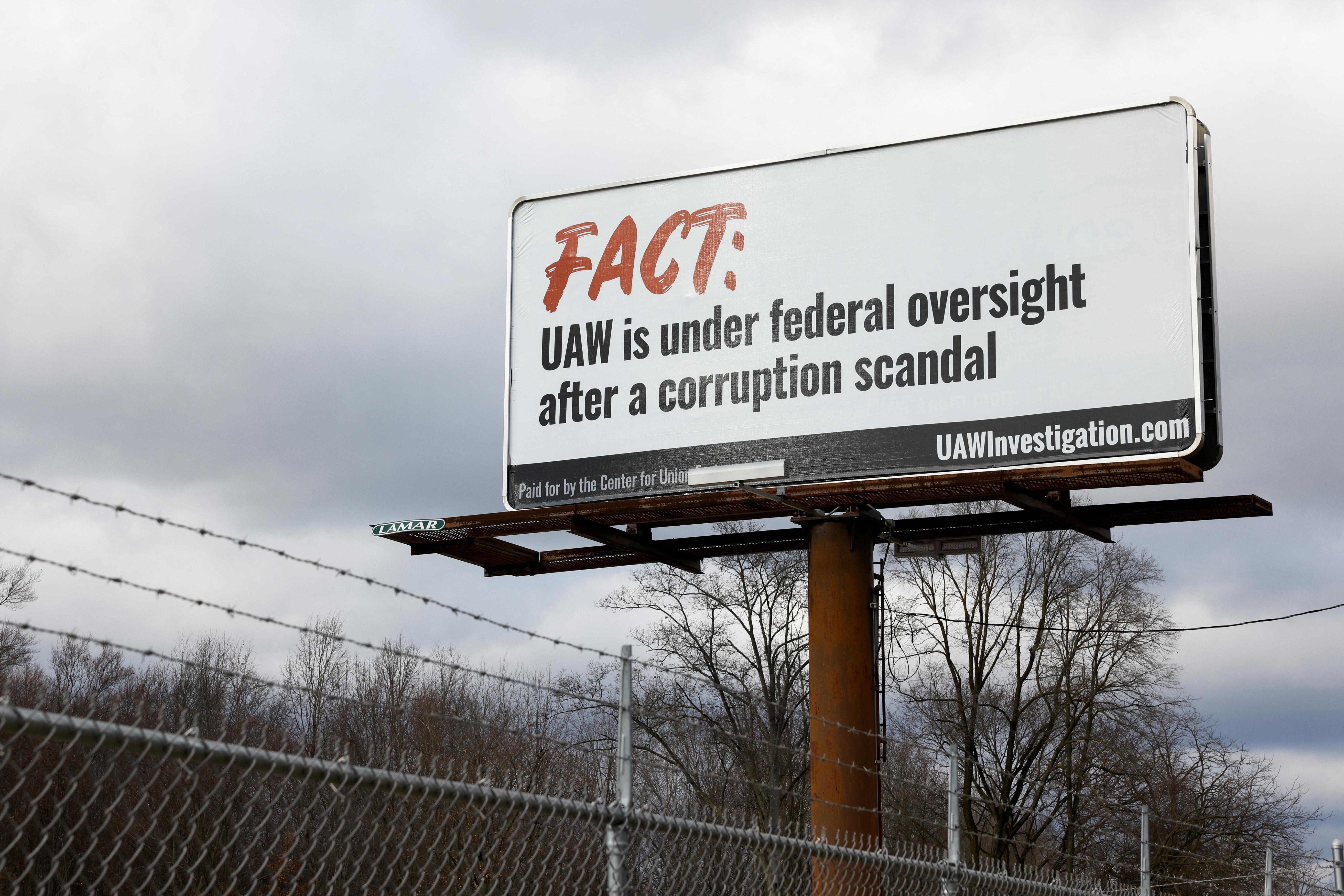
An anti-UAW (United Auto Workers) billboard is seen along a road in Lordstown, Ohio, U.S. November 30, 2022. REUTERS/Quinn Glabicki/File Photo

Workers at a General Motors-LG Energy (GM.N) (373220.KS) battery cell factory in northeast Ohio overwhelmingly voted to join the United Auto Workers, the union and joint venture said Friday.

The UAW said hourly employees at the Ultium Cells LLC plant near Cleveland had voted 710 to 16 in favor of joining the union.

Ultium confirmed workers had voted to unionize and said it respected “the decision of our Ohio workforce supporting representation by the UAW. We look forward to a positive working relationship with the UAW.”

The closely watched vote was a crucial test of the UAW’s ability to organize workers in the growing electric vehicle supply chain. The Detroit Three automakers all have battery plants in the works with South Korean partners.

The UAW could face more opposition at plants in southern states that are less unionized than Ohio.

The UAW petitioned in October to represent about 900 workers at the Ohio plant after a majority of employees signed cards authorizing the union to represent them.

“As the auto industry transitions to electric vehicles, new workers entering the auto sector at plants like Ultium are thinking about their value and worth,” UAW President Ray Curry said Friday. “This vote shows that they want to be a part of maintaining the high standards and wages that UAW members have built in the auto industry.”

In a trip to South Korea in May, President Joe Biden expressed support for workers seeking to unionize JV battery plants and previously prodded the Detroit Three automakers to “deepen your partnership with the UAW.”

Production began in August at the Ohio plant, the first of at least four planned Ultium U.S. battery factories.

GM and LG Energy are considering an Indiana site for a fourth U.S. battery plant. They are building a $2.6 billion plant in Michigan, set to open in 2024. Last week, Ultium said it would boost its planned investment in a $2.3 billion Tennessee plant by another $275 million.

In July, the U.S. Energy Department said it intended to lend Ultium $2.5 billion to help finance new manufacturing facilities. Sources told Reuters the loan could be finalized as soon as next week.

Last week, GM CEO Mary Barra expressed support for unionizing the Ohio plant. On Thursday she said UAW workers and leaders understood that GM had to be cost competitive. “We don’t have a right to exist,” she said.


Categories
Audio Sources - Full Text Articles

“It“s dead out here“: China“s slow exit from zero-COVID

2022-12-09T07:52:25Z

A long snaking queue formed outside a local hospital’s fever clinic in central China’s Wuhan city days after the country relaxed some of its strict COVID-19 rules, eyewitness video circulated on Friday (December 9) showed.

Judging by Friday’s quiet streets in China’s capital, Beijing, and the reluctance of some businesses to drop COVID curbs, enduring anxieties about the coronavirus are likely to hamper a speedy return to health for the world’s second-largest economy.

Although the government on Wednesday loosened key parts of its strict “zero-COVID” policy that has kept the pandemic largely at bay for the past three years, many people appear wary of being too quick to shake off the shackles.

In the central city of Wuhan, where the pandemic erupted in late 2019, there were more signs of life with some areas busy with commuters on Friday. But residents say a return to normal is a long way off.

“They’ve relaxed the measures but still there’s nobody about,” said a taxi driver surnamed Wang, who didn’t want to give his full name.

“You see these roads, these streets … they ought to be, busy, full of people. But there’s no one. It’s dead out here.”

Yet China has been anything but placid during the past few weeks, with protests against COVID curbs in many cities that marked the biggest show of public discontent since President Xi Jinping came to power a decade ago.

Some of those protesters, tracked down by China’s security apparatus, now face an anxious wait about their fate.

Little more than a month after the National Health Commission stressed commitment to its strict virus containment policy, saying it was “putting people and lives first”, authorities have changed tack and are now telling people they have less to fear.

Zhong Nanshan, a prominent Chinese epidemiologist, said that 99% of people now infected with the virus would recover in 7 to 10 days, in comments reported by the People’s Daily, controlled by the ruling Communist Party.

But there are signs the reassuring new message has still to convince many of the country’s 1.4 billion people.

With the need for tests dropped and most infected people now being allowed to isolate at home, some have embraced the new freedoms. For others, habits formed under months of stifling lockdowns, are proving hard to break.

There were several empty seats in what should have been peak morning rush hour on the Beijing subway on Friday, even though the city this week scrapped the need to show negative tests to ride trains or enter offices.

Some downtown restaurants were deserted at lunchtime.

China’s tally of 5,235 COVID-related deaths is a tiny fraction of its population of 1.4 billion, and extremely low by global standards. Some experts have warned that toll could rise above 1.5 million if the exit is too hasty.

Manufacturers remain cautious too, retaining COVID curbs until they get a clearer picture of just how workplaces will be affected by the easing of stringent measures.

Businesses told Reuters they were expecting to have to grapple with long periods with workers off sick that could hamper operations, perhaps for months.

While authorities have scrapped testing as a pre-requisite for many activities, hotpot chain Haidilao (6862.HK) said it would continue to require daily PCR tests for staff at its dine-in outlets in Beijing.

Analysts and business leaders expect China’s economy to rebound late next year as it follows the rocky path trodden by the rest of the world to open up and try to live with the disease.

China’s battered yuan currency climbed to a three-month high early on Friday and its stock markets rose as investors looked beyond poor data to growth prospects.

Noel Quinn, chief executive of HSBC (HSBA.L), which makes the bulk of its revenue in the Greater China region, told a financial forum in Shanghai that China’s new measures represented “meaningful progress”.

“I very much hope that they can be an important stepping stone towards the full reopening of mainland China’s borders as soon as practicable,” he told the Shanghai Bund Summit via video link.

A surge in infections would likely depress economic growth in the next few months, however.

The China Association of Automobile Manufacturers warned that large-scale COVID infections would have an “adverse impact” on the auto market next year.

“There’s going to be chaos,” said Jeffrey Goldstein, a China-based consultant who helps foreign brands manufacture goods in Asia.

“China’s three years behind, so what’s going to happen in China is what happened in the rest of the world.”

A Reuters poll forecast China’s growth to slow to 3.2% in 2022, far below the official target of about 5.5%, marking one of the worst performances in almost half a century.

Related Galleries:
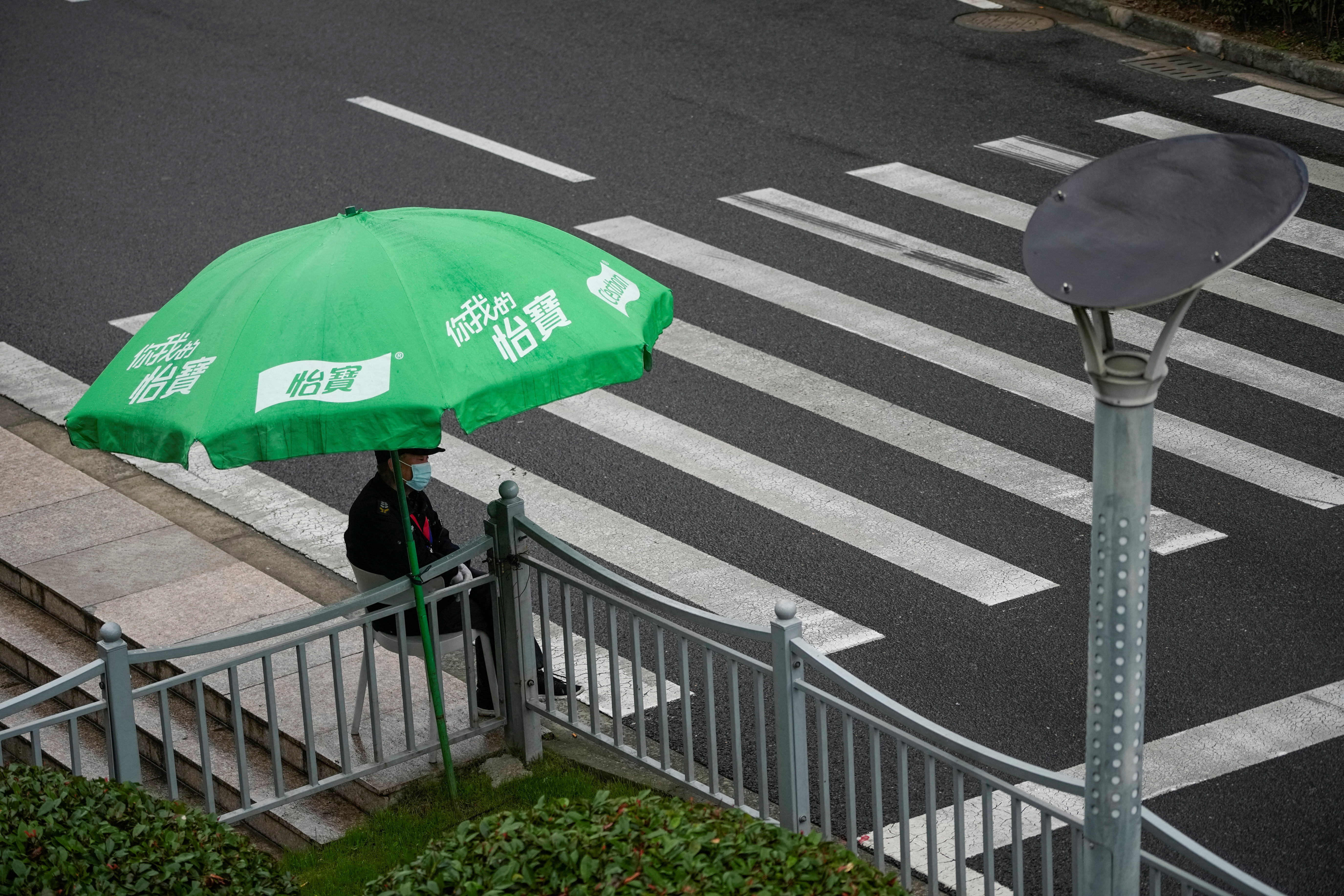
A security guard wearing a face mask keeps watch of a street at Lujiazui financial district, as the coronavirus disease (COVID-19) outbreak continues, in Shanghai, China, December 9, 2022. REUTERS/Aly Song
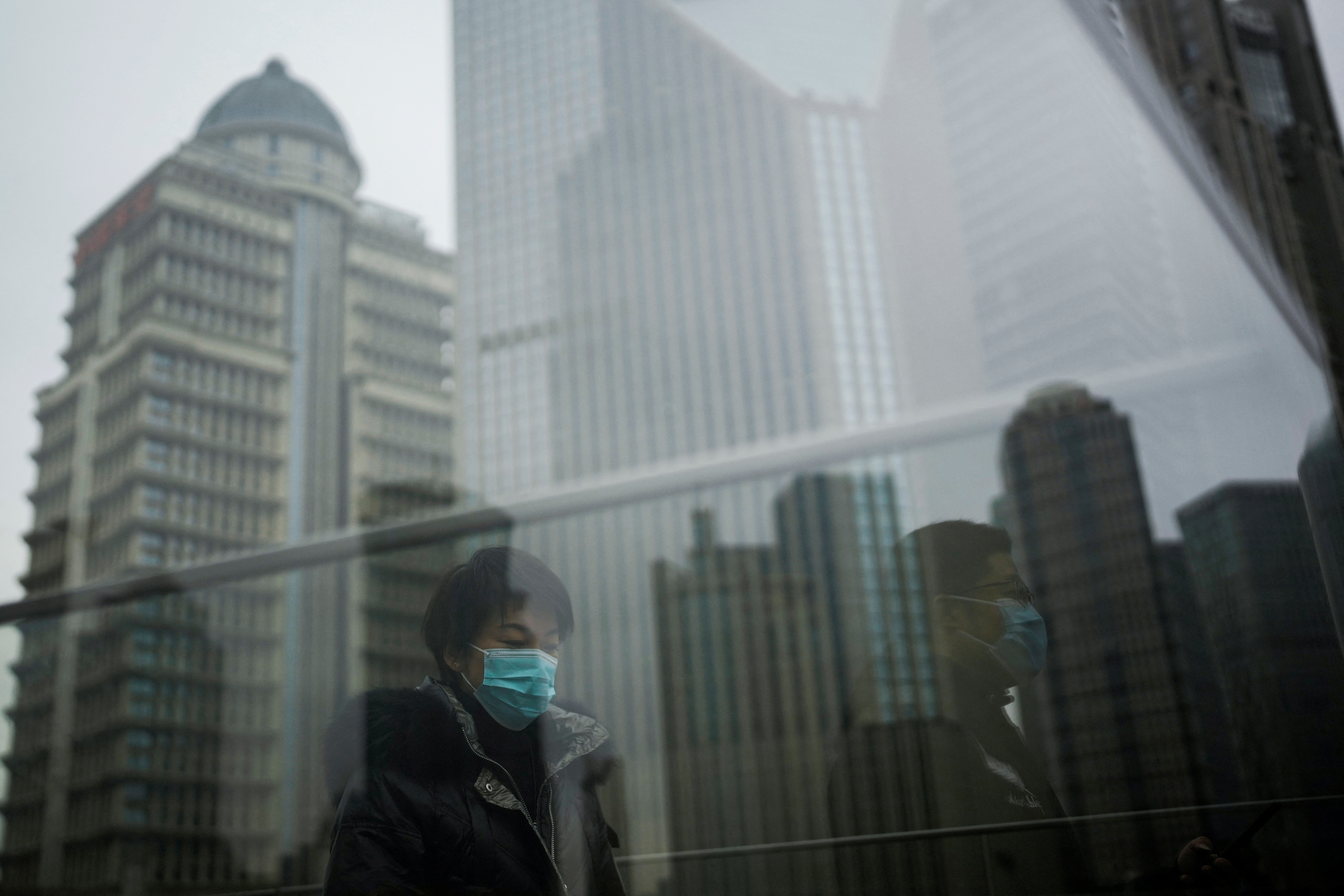
People wearing face masks walk at Lujiazui financial district, as the coronavirus disease (COVID-19) outbreak continues, in Shanghai, China, December 9, 2022. REUTERS/Aly Song
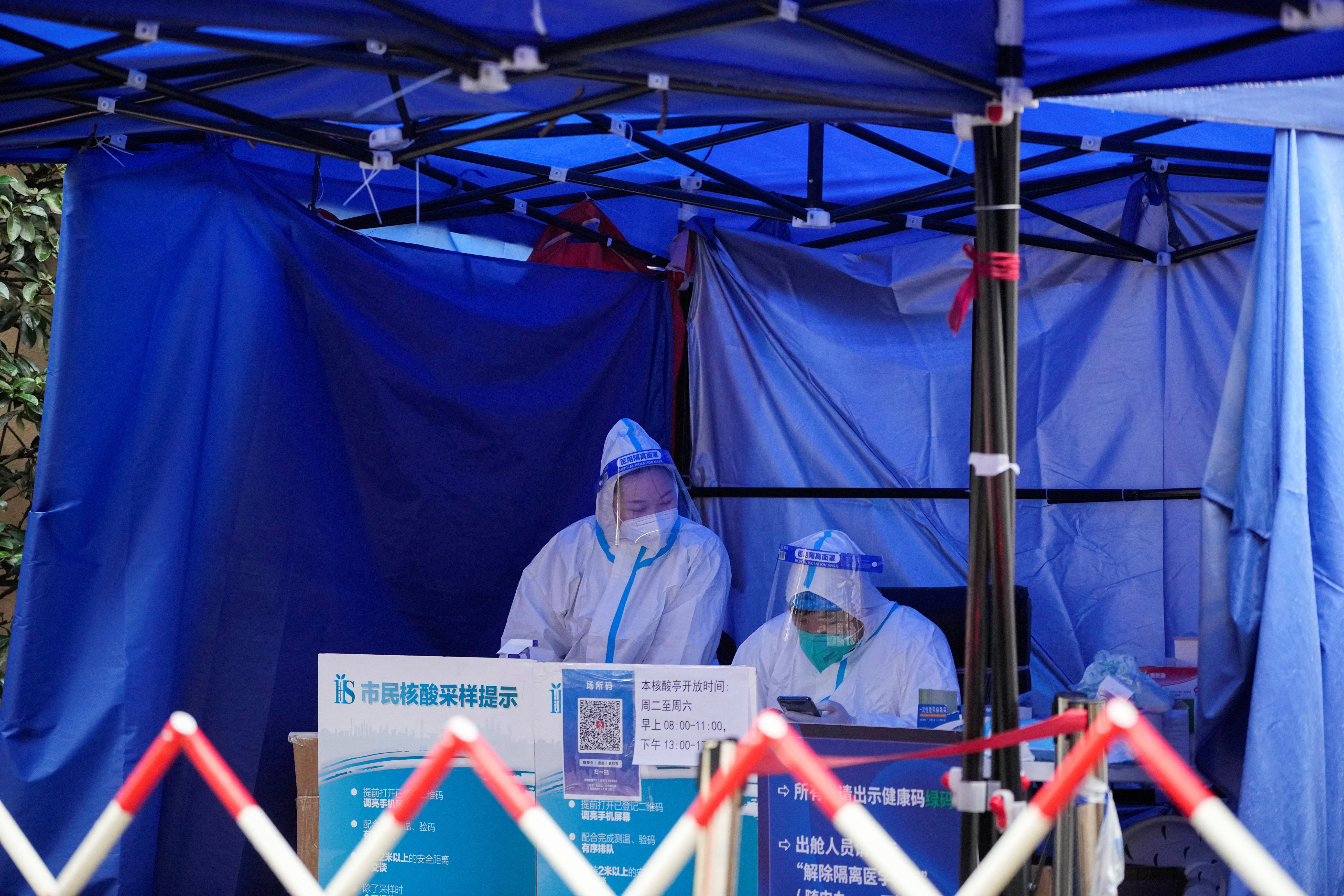
Workers in protective suits wait for people at a nucleic acid testing site, as the coronavirus disease (COVID-19) outbreak continues, in Shanghai, China, December 9, 2022. REUTERS/Aly Song
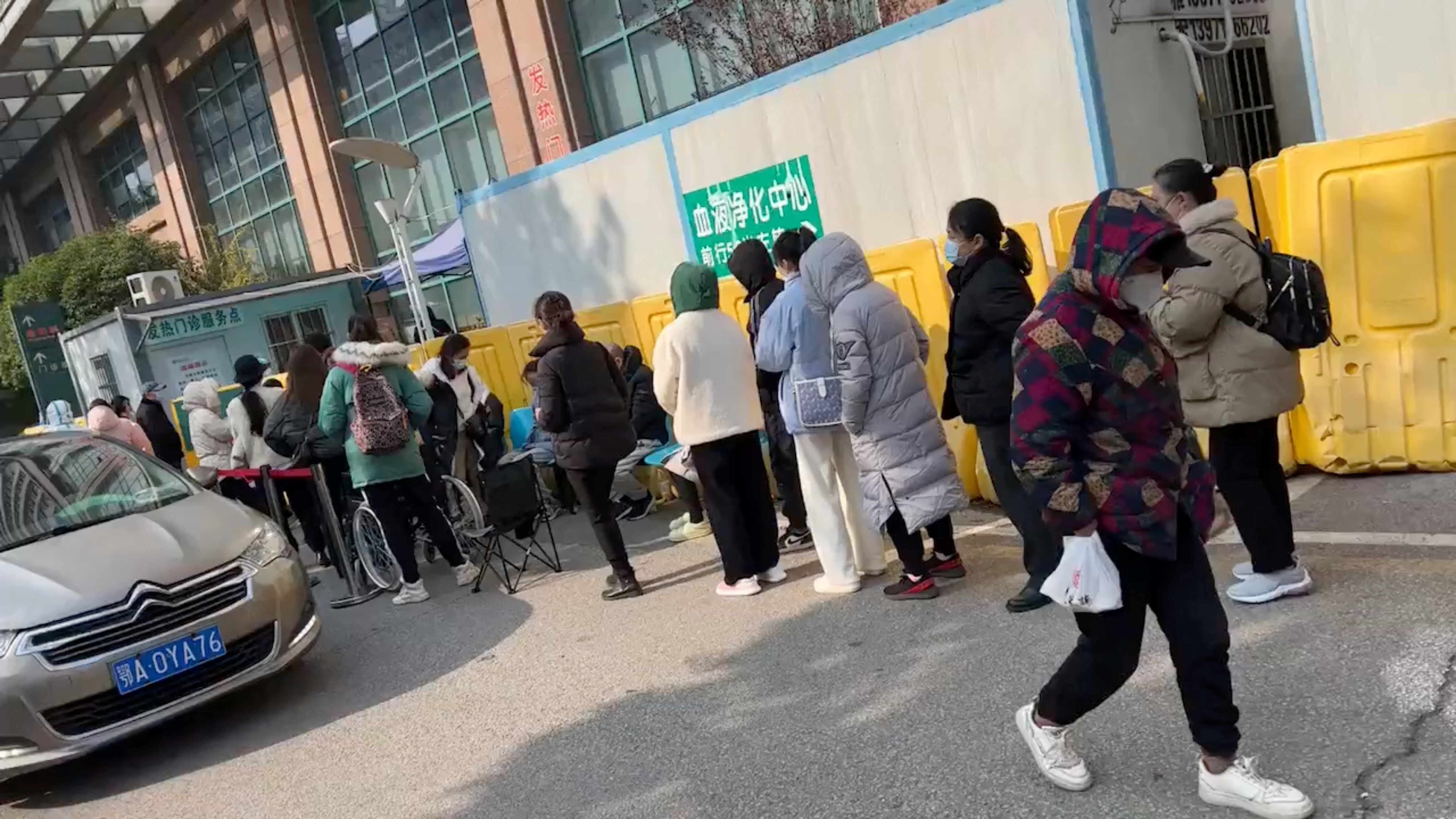
People wait outside a hospital, as the coronavirus disease (COVID-19) outbreak continues, in Wuhan, China, in this screen grab from a video obtained by REUTERS on December 9, 2022.
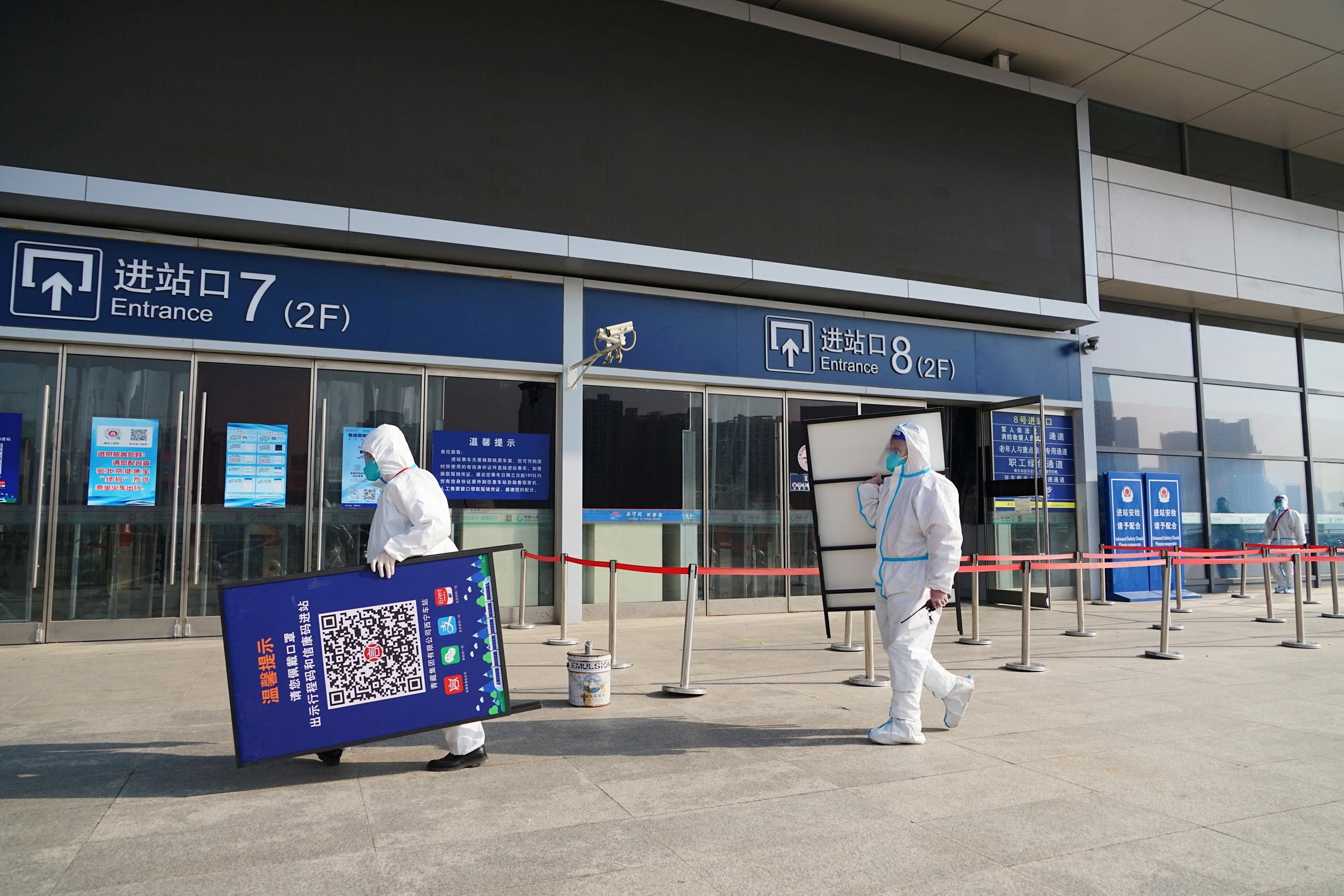
Workers in protective suits remove signs of a health code, which was used as a coronavirus disease (COVID-19) control measure, after the government withdrew this measure, at an entrance of a railway station in Xining, Qinghai province, China December 8, 2022. cnsphoto via REUTERS


WP Radio
WP Radio
OFFLINE LIVE