|
|||||||||||||||||||||||||||||||||||||||||||||||||||||||||||||||||||||||||



The News And Times Information Network – Blogs By Michael Novakhov – thenewsandtimes.blogspot.com
 The Brooklyn Times - bklyntimes.com
|
|||||||||||||||||||||||||||||||||||||||||||||||||||||||||||||||||||||||||
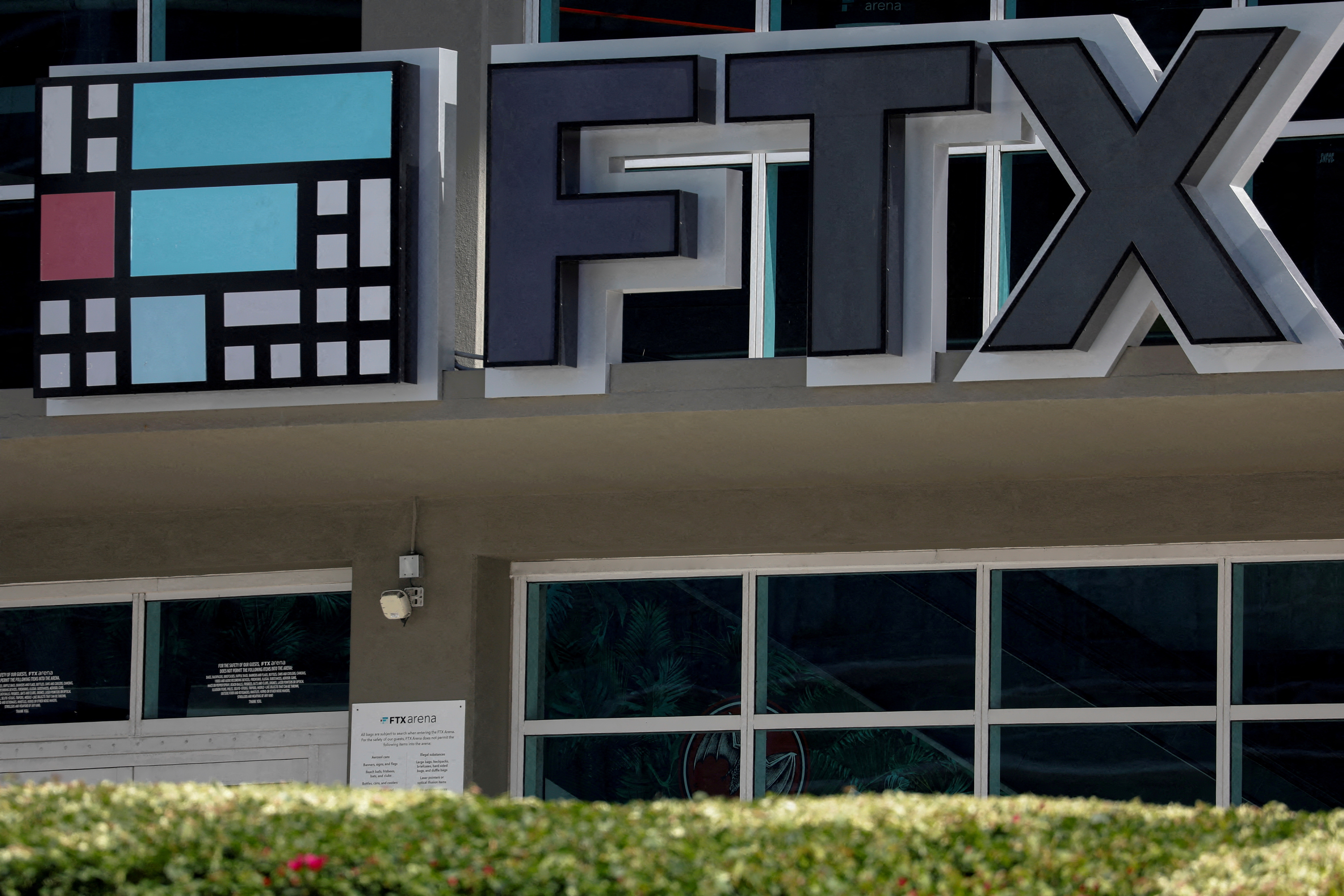
FTX’s Sam Bankman-Fried is set to testify before a U.S. House committee on Tuesday, the cryptocurrency exchange’s founder and the congressional panel said on Friday, as regulators investigate his role in the wake of its collapse.
The chair of the House of Representatives Committee on Financial Services, Maxine Waters, told Reuters on Thursday that she was prepared to subpoena Bankman-Fried if he did not agree to appear before the panel, which is holding a hearing as part of its probe into FTX.
In a statement late on Friday, the panel said it would hear from newly appointed FTX CEO John Ray and from Bankman-Fried, FTX’s founder and former CEO, on Tuesday.
“I still do not have access to much of my data — professional or personal. So there is a limit to what I will be able to say, and I won’t be as helpful as I’d like,” Bankman-Fried said on Friday on Twitter.
“But as the committee still thinks it would be useful, I am willing to testify on the 13th,” he added.
The hybrid hearing is scheduled for 10 a.m. ET (1500 GMT) on Tuesday, the committee said.
In recent weeks, U.S. authorities have sought information from investors and potential investors in FTX, two sources with knowledge of the requests told Reuters. Prosecutors and regulators have not charged Bankman-Fried with any crime.
U.S. Justice Department officials met this week with FTX’s court-appointed overseers to examine whether hundreds of millions of dollars were improperly transferred to the Bahamas, where FTX is based, around the same time that the crypto exchange filed for bankruptcy in Delaware, Bloomberg reported late on Friday.
Both FTX and the Justice Department did not immediately respond to Reuters’ requests for comment on the report.
FTX filed for bankruptcy last month and Bankman-Fried stepped down as chief executive, after traders pulled $6 billion from the platform in three days and rival exchange Binance abandoned a rescue deal.
Reuters detailed last month the bitter rivalry between Bankman-Fried and Binance Chief Executive Changpeng Zhao, who in the months before FTX’s downfall had competed for market share.
Public tension between the two erupted again on Friday after a string of tweets by Zhao.
Zhao said that after Binance, an early investor in FTX, sought to exit its stake over one-and-a-half years ago, Bankman-Fried made “offensive tirades” against Binance team members.
Binance sold back to FTX its stake in the company last year.
In reply, Bankman-Fried wrote: “We initiated conversations around buying you out, and we decided to do it because it was important for our business.”
“You threatened to walk at the last minute if we didn’t kick in an extra ~$75m,” he added. “You didn’t even have the rights to pull out as an investor unless we chose to buy you out–much of the tokens/equity were still locked.”
“Not that it matters now. You also can’t force us to sell if we don’t want to,” Zhao replied.
“It was never a competition or fight. No one won.”
A home that was a fixture of Bobby Fouther’s childhood is now a parking lot, the two-story, shingle-sided house having been demolished in the 1970s along with many other properties in a predominantly Black neighborhood of Portland, Oregon.
“Growing up there was just all about love,” Fouther said.
Fouther and his sister, Elizabeth Fouther-Branch, are now among 26 Black people who either lived in the neighborhood or are descendants of former residents and are suing Portland, the city’s economic and urban development agency and Legacy Emanuel Hospital, accusing them of the “racist” destruction of the homes and forced displacement.
The lawsuit, filed Thursday in federal court in Portland, shines a light on how urban improvement projects and construction of the nation’s highways often came at the cost of neighborhoods that aren’t predominantly white.
“In many cases, city and state planners purposely built through Black neighborhoods to clear so-called slums and blighted areas,” according to a 2020 report by Pew Charitable Trusts, a Pennsylvania-based nonprofit public policy group.
People who were part of racial minorities were often obligated to live in those neighborhoods because of “redlining” — banks discriminating against home loan applicants based on race — and even due to laws that maintained all-white neighborhoods.
In 1934, Fouther’s great-aunt and her husband bought a house, which he and his sister visited almost daily, in the Albina neighborhood of Portland, according to the lawsuit.
But even after buying homes and building lives in Albina, residents were forced to move by so-called urban renewal and highway building.
Albina had already been partially destroyed and carved up in the 1950s and ’60s by the building of Interstate 5 and Veterans Memorial Coliseum, the original home of the NBA’s Portland Trail Blazers. But then a hospital expansion was announced.
Between 1971 and 1973, the Portland Development Commission demolished an estimated 188 properties, 158 of which were residential and inhabited by 88 families and 83 individuals. A total of 32 business and four church or community organizations were also destroyed, according to the lawsuit. Of the forcibly displaced households, 74% were Black.
A first phase, in the 1950s and ’60s, involved city officials secretly agreeing to compensate the hospital for the full cost of the purchases and demolitions, the lawsuit said. The homeowners were intimidated by hospital representatives and told that if they didn’t leave, the city would take their homes. They were not fairly compensated and in some cases not compensated at all, according to the lawsuit.
“This case is about the intentional destruction of a thriving Black neighborhood in Central Albina under the pretense of facilitating a hospital expansion that never happened,” the lawsuit says, adding that the loss of homes “has meant the deprivation of inheritance, intergenerational wealth, community, and opportunity.”
Much of the land that used to be a thriving neighborhood, where Black families felt safe and had social and spiritual connections, became parking lots or stood vacant.
“I was taken out of my safe and loving community. I was moved into a neighborhood that saw me as a nuisance and to a school where I was one of three Black children,” said Connie Mack, one of the plaintiffs.
The lawsuit said the defendants are benefiting from “unjust enrichment” from “this horribly racist chapter from Portland’s past.”
Legacy Health, which owns Legacy Emanuel Medical Center, declined to comment on the lawsuit, saying it is evaluating it. Prosper Portland, formerly the Portland Development Commission, also said it is evaluating the complaint and had no additional comment. City officials didn’t respond to a request for comment.
Albina is now called the Eliot neighborhood, which boasts trendy shops, cafes and eateries.
“Our neighborhood, in the heart of the former city of Albina, is a great place to live, work and play,” the Eliot Neighborhood Association proclaims on its website.
Many of the plaintiffs’ homes, if they had not been destroyed, would have been worth more than $500,000 today, the lawsuit says.
The plaintiffs are seeking compensatory damages from defendants in amounts to be determined at trial.
Pay $5 to Palmer Report:

Pay $25 to Palmer Report:
Pay $75 to Palmer Report:
Help support Palmer Report! Our articles are all 100% free to read, with no forced subscriptions and nothing hidden behind paywalls. If you value our content, you’re welcome to pay for it:
Pay $5 to Palmer Report:
Pay $25 to Palmer Report:
Pay $75 to Palmer Report:
Sign up for the Palmer Report Mailing List.
“They cheated.” “Anyone see how Walker was ahead, and then a second later Warnock was?” “They cheated.” “Democrats cheat.” “Cheating. It’s what they do.” I have a theory, friends, and readers. And that theory is the following: We need a new mandatory subject matter for school curriculums. That subject matter is critical thinking skills.
Critical thinking — “the objective analysis and evaluation of an issue in order to form a judgment.” Sounds simple enough, right? Why, then, do so many seem to struggle with the very nature of critical thinking?
The comments above are just less than one percent of what’s swirling around in the ether. And they really do show that many in Maga land have never come face to face with critical thinking skills in their lives.
Asking questions to gain knowledge and make better decisions is such an important factor in virtually everything we do. It does make me wonder how some in Maga land even function. Maga often questions why they are called “cult members.” One of the reasons might be because of their lack of critical thinking skills.
To accept blindly — what the voices in your head tell you without looking at the bigger picture — without applying logic or reason — makes for a very lonely life indeed. I bet if one asked some of these people what evidence they had of any cheating in elections, they might say something like this:
“It’s the only way they can win.”
“Mules.”
“The numbers changed in the middle of the night.”
It is rather astonishing, isn’t it? And those answers above ARE what many in the Maga world said. I saw these comments myself. I do not think responding with “the numbers change because people count them, and it’s a close race” would ever satisfy them. They have no deductive reasoning powers. They can see only what they want to see. And what they apparently want to see is chaos.
Pay $5 to Palmer Report:
Pay $25 to Palmer Report:
Pay $75 to Palmer Report:
Write for the Palmer Report Community Section.
Pay $5 to Palmer Report:
Pay $25 to Palmer Report:
Pay $75 to Palmer Report:
The post MAGA world completely loses it after midterm disaster appeared first on Palmer Report.
Pay $5 to Palmer Report:
Pay $25 to Palmer Report:
Pay $75 to Palmer Report:
Help support Palmer Report! Our articles are all 100% free to read, with no forced subscriptions and nothing hidden behind paywalls. If you value our content, you’re welcome to pay for it:
Pay $5 to Palmer Report:
Pay $25 to Palmer Report:
Pay $75 to Palmer Report:
Sign up for the Palmer Report Mailing List.
Kyrsten Sinema announced today that she’s leaving the Democratic Party and will serve out the rest of her term as a registered Independent. However she will continue to caucus with the Democrats, just as Independent Senators Bernie Sanders and Angus King have long done, meaning the Democrats will retain their 51-49 majority. So what’s really going on here? This has to be about 2024.
Sinema’s endlessly corrupt and frequently unhinged behavior in office has made her a pariah on all sides. She’s deeply unpopular nationwide and in her home state of Arizona. One fairly recent poll showed her approval rating in Arizona to be 37% among Democrats, 36% among Republicans, and 41% among independents. Even throwing in the usual margin of error for any one poll, these numbers are devastatingly bad for her 2024 prospects.
When Democratic Senator Mark Kelly got reelected by five points in Arizona last month by essentially running on an “unlike Sinema I’m an actual Democrat” platform, it was even worse news for Sinema in 2024. She was a sitting duck for a Democratic primary challenge. If someone like popular Arizona House Democrat Ruben Gallego were to challenge her, she’d likely lose badly, no matter how much dark money her campaign takes in from right wing donors.
By becoming a registered Independent, Sinema is avoiding the scenario where she loses the Democratic primary race. She’ll simply enter the general election without party affiliation. Anyone with a profile as high as hers will have little trouble finding the scant number of signatures needed to make it onto the general election ballot, no matter how unpopular she is.
It’ll put the Democrats in the tricky position of having to decide whether to run an official Democratic candidate and make it a three way race, or whether to back off and simply let Sinema run as the de facto Democrat in a two way race. The Democrats have long allowed Sanders to run for reelection in Vermont without a Democratic opponent. But as cantankerous as Sanders is, he reliably votes with the Democrats when needed, so there would be no reason for the Democrats to challenge his reelection. Sinema, on the other hand, is the opposite of reliable. The Democrats will absolutely try to replace her with a real Democrat in 2024, if they can. The question is whether they can.
Sinema is betting that the Democrats will decide it’s too much of a risk to run a Democrat against her in the general election, which would split the left and center vote, and could hand the seat to the Republican candidate. Sinema, as awful as she is, would be preferable to an actual Republican. But what she’s not considering is that if she becomes so unpopular that she’s likely to lose to a Republican in a two way race anyway, the Democrats will have nothing to lose by making it a three way race.
So now the Democrats will be best off if they can make Sinema extremely unpopular in Arizona, so that she would be a distant third place candidate, and the real race would be a close one between the actual Democrat and the Republican. If Arizona Republicans run a far right extremist who only appeals to the right (as Arizona Republicans keep tending to do), and if most left and center voters choose the Democrat over Sinema, then the Democrat could win a three way race.
Another ideal scenario for the Democrats would be that Sinema’s penchant for taking dark money becomes so scandalous, she ends up so buried in campaign finance fraud that she’s too busy fighting off indictment to run a viable 2024 campaign. That might or might not be a pipe dream, depending on how reckless she’s been about how she’s been taking dark money. Funny feeling says people are about to start digging and find out.
But the point is that with as unpopular and non-viable as Sinema already is for 2024, and the likelihood that her seat would go to a Republican in a two way race, the Democrats now have more motivation than ever to spend these two years simply destroying her. If they can scandalize her, drive her approval rating down, perhaps even drive her from office before the end of her term, it’ll increase the odds that the seat doesn’t fall into Republican hands in 2024.
In other words, Kyrsten Sinema just set herself up to be finished off. She may think she’s improving her prospects by protecting herself from a Democratic primary challenge. These things will come down to numbers. How much more unpopular will she become with each demographic? Specific numbers can be tricky to predict. But in reality she’s probably just making it an easier decision for the Democrats to make a full-on effort to destroy her. Whichever of her right wing “friends” is giving her this kind of advice, it’s really bad advice.
In any case, it’s a good thing we put in all that effort to win that super close Senate race in Nevada, and all that effort to win the Georgia runoff. In addition to giving us a 51 seat true majority, it also gives us an insurance policy in case Sinema’s ongoing downfall results in her resigning or becoming an official Republican prior to 2024. When someone is self destructing this badly, anything is possible. But we’ll retain a Senate majority no matter where her downfall takes her. And we’ll deal with the 2024 election when we get there.
Pay $5 to Palmer Report:
Pay $25 to Palmer Report:
Pay $75 to Palmer Report:
Write for the Palmer Report Community Section.
Pay $5 to Palmer Report:
Pay $25 to Palmer Report:
Pay $75 to Palmer Report:
The post This isn’t the winning hand Kyrsten Sinema thinks it is appeared first on Palmer Report.
(NewsNation) — In Washington state, you can ask the state to deny you the right to buy a firearm.
This first-of-its-kind law was the brainchild of Democrat state Sen. Jamie Pedersen. Several years ago, a pair of law professors approached him with the idea of allowing people to voluntarily give up their gun rights.
“Their basic pitch was, hey, if you give people the power to do this then folks who know that they are suffering from some sort of mental illness…. when they have a break, do harm to themselves would be empowered to prevent that by getting firearms away from them in advance,” he said.
The law — passed in 2018 — allows residents to submit a short form to their county clerk’s office in any county in the state. If they change their mind, they have to wait seven days before the county can revoke it.
Pedersen called it a valuable tool that can help prevent tragedies without outside coercion.
“It’s a libertarian kind of tool, right? It’s an option that’s available for people. So there’s nothing particularly oppressive about it,” he said.
These laws stand in contrast to “red flag laws,” where a court can step in and take away someone’s gun rights if they are viewed as a risk.
However, the law may be so obscure that few people have used it. Pedersen said that as of a year ago, there were just 20 waivers in the system statewide. To put that in comparison, 864 people were killed by a firearm in the state in 2020, according to CDC statistics.
Still, the idea is catching on. Since Washington passed its law, additional states such as Virginia and Utah have put similar measures into place.
“I thought it was a good proactive way for people who had mental health problems or suicidal ideations can take some sort of proactive steps to prevent themselves from making some rash decisions if they were having problems controlling their meds or might have a relapse of their illness,” said Virginia state Sen. Scott Surovell, who helped author the law in his state.
Like in Washington state, few people have taken advantage of the law. Surovell estimated that last year between 30 and 40 people took advantage of the “do not sell” list.
One reason the laws may not be reaching many people is because of a lack of public awareness.
“I think one of the big, probably the biggest issue is that people aren’t even aware that it exists,” Pedersen said.
Pedersen acknowledges shortcomings in the law’s current implementation and wants to make changes in the future. He noted, for instance, the fact that the law includes no penalty, which prevents the FBI from keeping the prohibited person in the national instant background check system.
One proposal he’s thinking about is making it a civil infraction to violate the waiver.
Second, Pedersen wants to expand public knowledge about the law.
“We’re also planning to add language that would actually encourage mental health professionals to talk with their patients about the availability of the voluntary waiver,” he said.
To Surovell, the Virginia state senator, the positive feedback he’s received is evidence that the law was needed.
“A lot of people don’t identify very well with people who’ve been through suicidal ideation…so it’s hard for a lot people to understand. But the people who’ve been through it, a lot of them have thanked me for putting it in,” Surovell said.
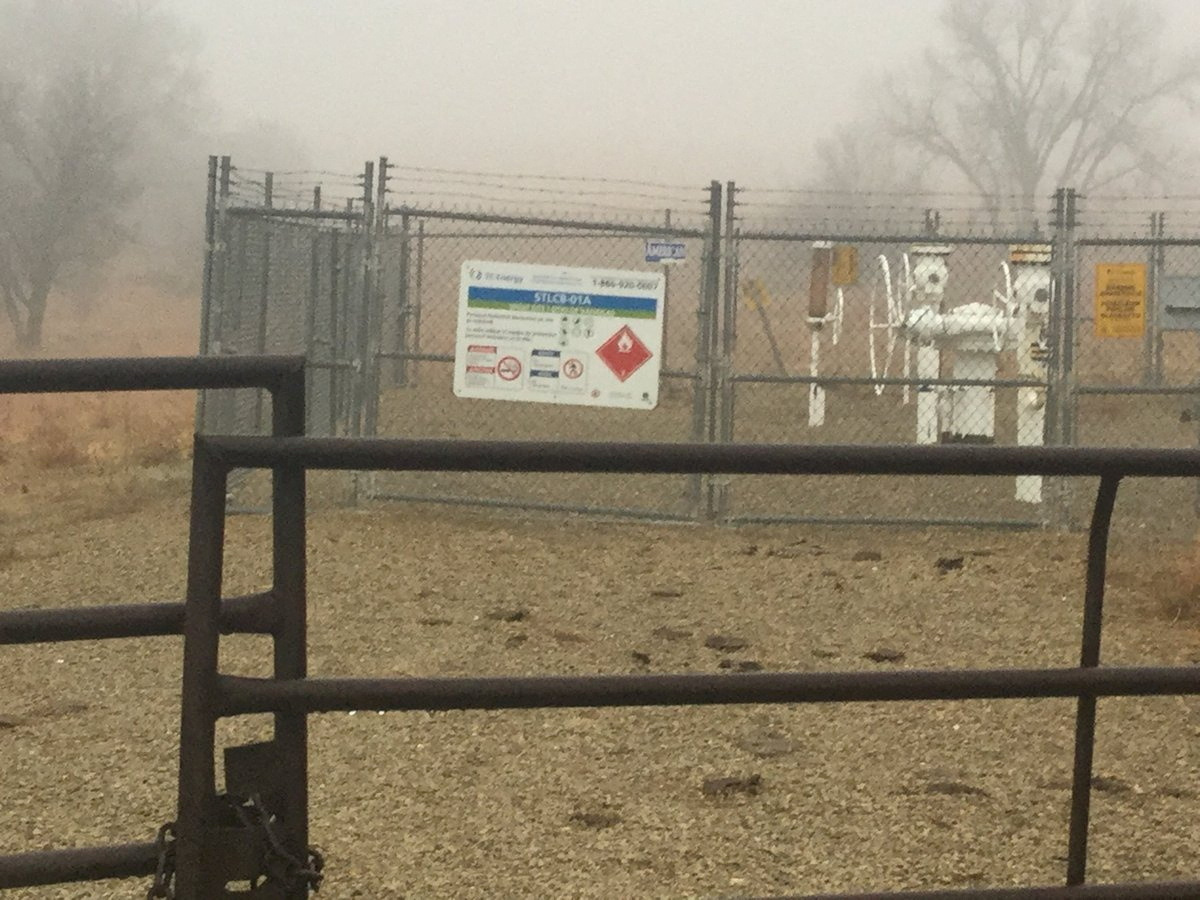
Emergency crews on Friday were preparing to labor through the weekend to clean up the largest U.S. crude oil spill in nearly a decade, with workers descending on this farming community from as far away as Mississippi.
A heavy odor of oil hung in the air, according to a Reuters witness, as tractor trailers ferried generators, lighting and ground mats to a muddy site. Federal investigators were at the scene trying to help determine what caused a leak of some 14,000 barrels of oil from Western Canada, an official said.
Pipeline operator TC Energy (TRP.TO) on Friday said it was evaluating plans to restart the line, which carries 622,000 barrels of oil per day to U.S. refineries and export hubs. It did not provide details of the breach or when a restart could begin.
The outage could affect oil inventories at the Cushing, Oklahoma, storage hub and cut crude supplies to refining centers in the Central U.S. and Gulf Coast, analysts said.
“We’re beginning to get a better sense of the clean up efforts that will need to be undertaken in the longer-term,” said Kellen Ashford, spokesperson for the EPA Region 7, which includes Kansas.
Environmental specialists labored in near freezing temperatures and crews set up equipment to allow operations to continue for days.
TC Energy aims to restart on Saturday a pipeline segment that sends oil to Illinois, and another portion that brings oil to Cushing on Dec. 20, Bloomberg News reported, citing sources. Reuters has not verified those details.
This is the third spill of several thousand barrels of crude on the pipeline since it opened in 2010. A previous Keystone spill had caused the pipeline to remain shut for about two weeks.
TC Energy remained on site with around 100 workers leading the clean-up and containment efforts, and the EPA was providing oversight and monitoring, Ashford said. TC is responsible for determining the cause of the leak.
U.S. regulator Pipeline and Hazardous Materials Administration said the company shut the pipeline seven minutes after receiving a leak detection alarm. The affected segment, 36 inches (91 cm) in diameter, was Keystone’s Phase 2 extension to Cushing built in 2011.
Washington County, a rural area of about 5,500 people, is about 200 miles (320 km) northwest of Kansas City.
The spill has not threatened the local water supply or forced local residents to evacuate, Washington County Emergency Management Coordinator Randy Hubbard told Reuters. Workers quickly set up a containment area to restrict oil that had spilled into a creek from flowing downstream.
“There is no human consumption drinking water that would come out of this,” Hubbard said.
Livestock producers in the area have been notified and have taken their own corrective measure to protect their animals, he added.
The EPA is the main federal agency that oversees inland oil spills. If the EPA finds TC Energy liable for the spill, the company would be responsible for the cost of cleanup and repairing any harm to the environment, as well as potential civil and criminal penalties.
Pipeline operators are typically held accountable for breaches by the EPA through the Clean Water Act (CWA) and the related Oil Pollution Act, among others, according to Zygmunt Plater, an environmental law professor at Boston College Law School.
Those federal acts restrict the discharge of pollutants such as oil into waterways and hold pipeline operators responsible for the costs associated with containment, cleanup and damages from spills.
A lengthy shutdown of the pipeline could also lead to Canadian crude getting bottlenecked in Alberta, and drive prices at the Hardisty storage hub lower, although price reaction on Friday was muted.
Western Canada Select (WCS), the benchmark Canadian heavy grade, for December delivery last traded at a discount of $27.70 per barrel to the U.S. crude futures benchmark, according to a Calgary-based broker. On Thursday, December WCS traded as low as $33.50 under U.S. crude, before settling at around a $28.45 discount.
PHMSA has to approve the restart of the line. Even once the pipeline starts operating again, the affected area will have to flow at reduced rates pending PHMSA approval.
“The real impact could come if Keystone faces any pressure restrictions from PHMSA, even after the pipeline is allowed to resume operations,” said Ryan Saxton, head of oil data at Wood Mackenzie.
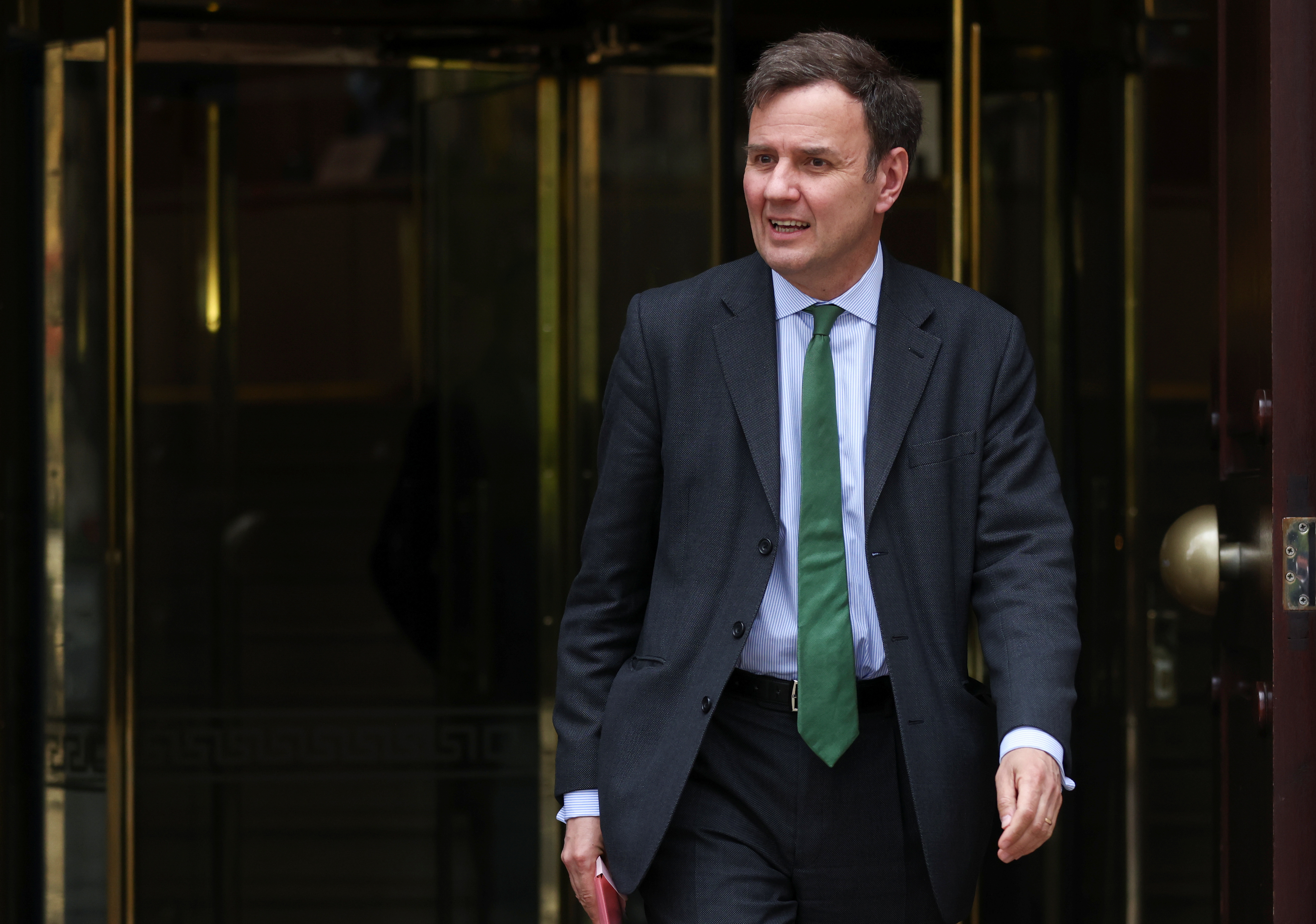
Britain this week inked an agreement aimed at boosting trade and investment with South Carolina, its third such deal with a U.S. state, and is seeking similar deals with California and Utah, the UK junior trade minister, Greg Hands, said on Friday.
Britain remains convinced that a comprehensive free trade agreement with the United States makes good sense for both countries, Hands told Reuters, although the Biden administration has put all free trade talks on ice for now.
Britain has signed trade agreements with Japan, Australia and New Zealand since leaving the European Union, and hoped to join the Comprehensive and Progressive Agreement for Trans-Pacific Partnership, he added.
“Yet our largest bilateral trade partner of all, the United States, we do not have a comprehensive free trade agreement with,” he said, noting that the two countries share similar standards on worker rights, the environment and climate change.
Even so, Hands said, there has been progress on bilateral trade issues, including resolution of a longstanding dispute over aircraft subsidies and suspension of U.S. tariffs on steel and aluminum.
A growing number of U.S. states, including Texas, are interested in joining North Carolina, Indiana and now South Carolina in signing memorandums of understanding on trade, which are not legally binding, he said.
Hands said he met with California Lieutenant Governor Eleni Kounalakis this week and they agreed to launch talks on expanded trade ties next year, with a focus on hydrogen, renewable energy and financial technology, among other sectors. California is the most populous U.S. state and would rank as the world’s sixth largest economy if it were a country.
He said he also met on Friday with Utah state officials and was confident of reaching a “good agreement” after resolving some “smaller outstanding issues.”
U.S. states were keen to attract British investment, while expanding export opportunities was a key priority for UK firms, he said, citing aerospace and technology as other promising sectors for expanded trade ties.
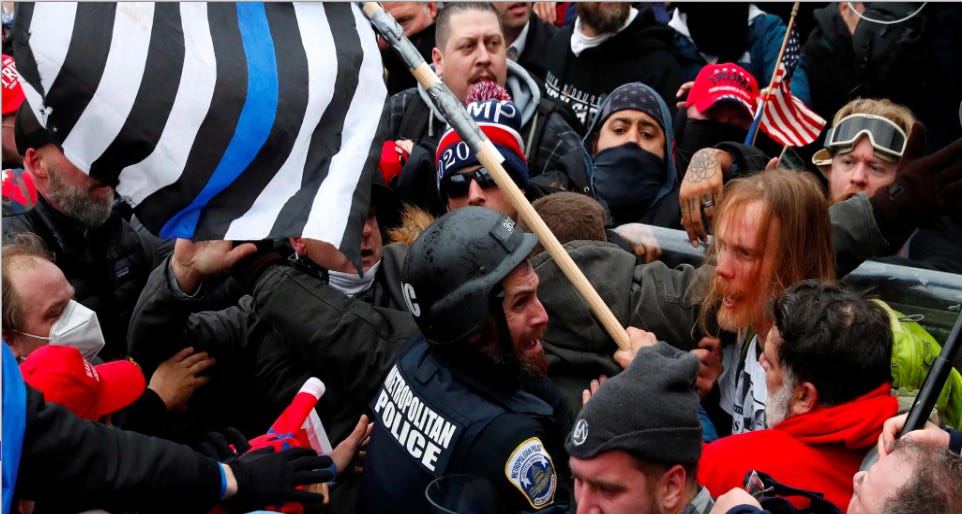
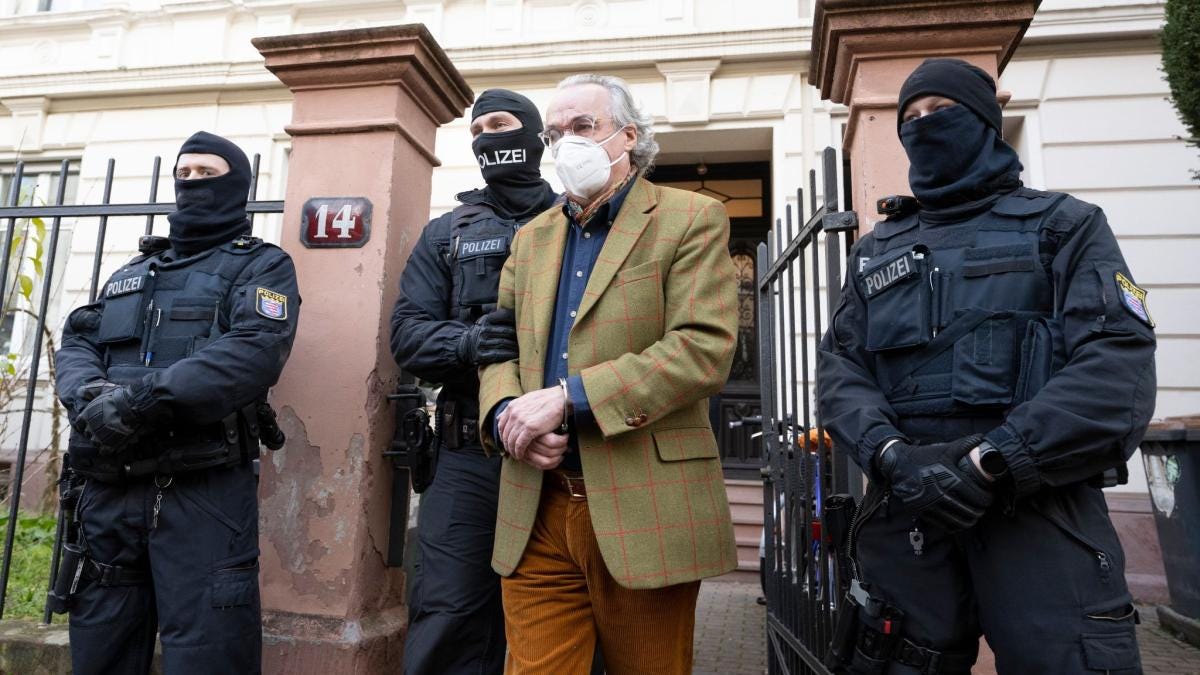
On the eve of a vast German police raid to bust coup plans of a far right extremist group this week, officials in Washington, D.C. were gathering in the U.S. Capitol to honor police who put their lives on the line to stop a Trump-fueled American mob from overthrowing the U.S. government.
One of the honorees was former D.C. police officer Mike Fanone, who rushed to the Capitol on Jan. 6 and suffered grievous wounds at the hands of the rioters, who beat and tasered him and threatened him with his own gun. On top of his traumatic brain injuries, Fanone suffered a heart attack the day after the event and had to retire at age 40. Since then, he has become an outspoken foe of coup leader Donald Trump and congressional Republicans who minimized the attack and stayed loyal to the former president.
And that has earned him the enmity of his former colleagues in blue. In a disturbing incident at the honors ceremony, members of the Metropolitan Police Department’s Special Operations Division heckled him, Fanone says.
“They called me a piece of shit and mockingly called me a great fucking hero while clapping,” Fanone told NBC’s Justice reporter Ryan J. Reilly. “Fanone says they called him a disgrace, said he was not a cop anymore, and said he didn’t belong at the ceremony. It happened in the rotunda,” Reilly tweeted.
Fanone has previously said he has been “ostracized for being outspoken about the Capitol riot and those who play down the violence that day,” The Washington Post’s police reporter Peter Hermann tweeted the same day.
Fanone, who recently authored a memoir, Hold the Line: The Insurrection and One Cop’s Battle for America’s Soul, said he has given up on D.C.’s thin blue line as a reliable shield against the extremists.
“I mean, at the end of the day, if those people are too ignorant to understand what I’ve been advocating for these past two years and the fact I had a lot to do with us being here today, then fuck them,” he told Hermann. He no longer brings his family to ceremonies honoring the Jan. 6 heroes, he said: “I don’t want them to be subjected to what I am subjected to when I appear with members of my own department, a department I have advocated for at great personal cost.”
White extremist violence has metastasized under the noses of the FBI and state and local police in recent years. Especially during the Trump administration, a number of white FBI agents felt emboldened to openly express their own prejudices, black former FBI agent Terry Albury told me last April. Racist slurs against Muslims, Blacks, gays and others were a commonplace in his Minneapolis office, he said. It was no wonder that the bureau found it easier to run up the numbers against Muslim immigrants than “conservative” whites with First and Second Amendment rights, he said. In 2018, Albury, a 17-year veteran of the bureau, pled guilty to leaking internal documents about FBI domestic counterterror operations and was sentenced to four years in prison. He was released in 2020.
The willingness of too many police and military leaders and supervisors to ignore, or even embrace, extremists in the ranks raises uncomfortable questions about whether the U.S. might well be facing an elaborate coup plot in 2024 like the one German authorities disrupted last week, despite the Biden Justice Department’s successful prosecution of hundreds of Jan. 6 rioters and conspirators, including Oath Keepers leaders Stewart Rhodes and Kelly Meggs, convicted on sedition and other charges.
The antidiluvian German aristocrat Heinrich XIII Prinz Reuss, 71, who was to head a new neo-Nazi monarchy of sorts had the coup succeeded, is no Trump, who still commands the loyalty of hundreds of thousands of Americans despite all his increasingly heavy baggage. Reuss, who topped the list of 25 Germans arrested so far, seems more like a character out of Young Frankenstein. And yet he and his band included a far right legislator, a federal judge and members of special forces units skilled in subterfuge and sabotage.
“Beyond the immediate threat, the scale of the raids and the ambition of the plot prosecutors outlined pointed to persistent vulnerabilities to extremism in Germany’s core institutions — its Parliament, its judiciary, its local and state police, and even its most elite military forces — which the German authorities have struggled to root out in recent years,” the New York Times reported.
That should be a lesson for America.
“Once seen as harmless cranks, they are very active and pose a high level of danger,” the intelligence chief of the BfV, Germany’s internal security agency, said of the Reichsbürgers. Their coup attempt was reportedly imminent and sophisticated, with a mass violent assault on the legislature in Berlin coordinated with the assassinations of government officials and the takeover of ministries.
“They had already established plans to rule Germany with departments covering health, justice and foreign affairs,” Berlin’s top prosecutor said. The conspirators decided they could only realize their goals by “military means and violence against state representatives,” Reuters reported, “which included carrying out killings.”
Axis of Evil
In comparison, the plans and aspirations of America’s pro-Trump groups on Jan. 6, 2021 were simplistic. Oath Keepers leader Stewart Rhodes said they were waiting for a “signal” from Trump to “activate” them for a full-scale coup, which never came, even as Trump’s demonization of Vice President Mike Pence was enough for some rioters to try to locate and kill him. But White House loyalists and outside partisans like Rudy Giuliani and Michael Flynn, the former DIA chief, and a senior Justice Department official did conspire to invalidate the election of Joe Biden and keep Trump in office, according to evidence gathered by investigators. The Pentagon’s reluctance to rescue the besieged Congress suggested it was in cahoots with Trump.
Back in March, SpyTalk reported on an in-depth study from the Center for Strategic and International Studies that said extremist groups had made serious inroads in U.S. military and police units. Intelligence sources had told SpyTalk over the past year, meanwhile, that pro-Trump fervor was centered in special operations and hostage rescue units. Around the same time, intelligence sources told SpyTalk that members of U.S. special forces units were increasingly “unabashed” in vocalizing support for Trump, despite his baseless claims of stolen elections and attempts to hang onto power by any means necessary.
SpyTalk also reported that classified chat rooms in Intelink, the internal U.S. intelligence messaging system, became a “dumpster fire” of hate speech during the Trump administration, and that it was “ongoing,” with outspoken support by some for the Jan. 6 assault on the Capitol. Critics of the revelation responded that the miscreants were in no way representative of the larger intelligence community, especially civilian agencies like the CIA and NSA.
But the military services have a problem with extremists in their ranks.
“The Army, by far the largest service branch, so far has not implemented any notable changes to how it combats extremism and domestic terrorism in the force, or in how it screens applicants,” Military.com reported Thursday, citing a study by the Center for a New American Security. “None of the service’s senior leadership has spoken publicly about the issue in any significant way,” despite Defense Secretary Lloyd Austin’s one-day stand down in February to address the issue.
“Multiple service officials interviewed by Military.com have said tackling extremism is not a high priority because it isn’t seen as a significant problem. Also, any efforts or public statements would be a political minefield that could stoke further criticism from Republicans on Capitol Hill and partisan media, which have painted extremism as a minor issue or an effort by Democrats and liberals,” wrote reporter Steve Beynon.
Likewise, most Germans thought of far right activists as a minor problem until one day in late August 2020, when hundreds of them, from a crowd of nearly 40,000 drawn to Berlin by Covid restrictions and other grievances, stormed the Reichstag. Suddenly, German security organs were on “high alert,” the New York Times reported.
“Over the previous 14 months, far-right terrorists have assassinated a regional politician on his front porch near the central city of Kassel, attacked a synagogue in Halle, in the east, and in February, killed 10 people in the west, in Hanau, the paper reported. “Even before the pandemic hit Germany, far-right extremism and far-right terrorism had been officially identified as the biggest danger to the country’s democracy.”
Could It Happen Here?
This week I asked retired senior FBI special agent Tom O’Connor, who spent most of his career tracking domestic violent extremists, whether America might face a future coup plot on the order of the one short circuited in Germany.
“It already did,” he said, pointing to the convictions of Oath Keepers Rhodes, Meggs and the oncoming sedition trials of other militants. As with the German plotters, “the Oath Keepers membership lists have included active and retired military and law enforcement,” inspired by “rhetoric being spewed by people in leadership positions,” O’Connor said.
The German far right party AfD, which holds seats in the Reichstag, is said to have significant links to violent extremists. Some congressional Republicans, like Arizona Rep. Paul Gosar, have maintained friendly relations with groups like the Oath Keepers. Trump notoriously welcomed the support of the racist street fighting Proud Boys.
What U.S. law enforcement experts worry most about, however, is a lone extremist, inspired by Trump and the like, carrying out a devastating terrorist act. As with the racists who have attacked schools, synagogues, churches or department stores, most were considered just cranks, losers, or merely alienated oddballs, like the so-called Michigan Wolverine Watchmen gang who were charged in 2020 with plotting to kidnap and murder Gov. Gretchen Whitmer. The judge in the case said the feds failed to make their case and the charges were dismissed.
O’Connor points to Timothy McVeigh, a disgruntled and sometimes delusional army veteran who in 1995 destroyed the massive Alfred P. Murrah federal building in Oklahoma City with a homemade 5,000-lb. truck bomb.
“McVeigh was a man with limited resources and contacts. He killed 168 people. The German group was made up of former military and those following conspiracy theories” such as Qanon, imported from the U.S. “So…being a nut does not make you any less dangerous. Especially when there are followers in the thousands,” O’Connor said.
Nuts Welcome
Janet Reitman, an investigative reporter who has been writing authoritative pieces on law enforcement and extremism for the New York Times Sunday Magazine, said much the same in an interview last April. Racist low life extremists are often “doffuses…but that doesn’t mean they’re not dangerous,” she told me.
“This is one thing I’ve learned in my career: You can be a very dangerous doofus. You can be a complete idiot and you can also be dangerous,” she said. Reitman is currently at work on a book, The Unraveling of Everything: America’s Violent and Extremist Drift, for Random House.
The Republican Party has not rejected its own extremist drift. It’s shown little sign of rejecting Trumpite extremism and violence, as exemplified by Missouri Sen. Josh Hawley’s raised fist salute to the mob gathering outside the Capitol on Jan. 6. (His subsequent fearful flight from the rampaging mob inside the Capital was famously captured by a closed circuit security camera.) Only a few Republicans voted to convict Trump on impeachment charges laid on him for provoking the Jan. 6 attacks. Most party leaders continue to support (or at least fear alienating) Trump, despite his courtship of convicted Jan. 6 rioters, neo-Nazis and outspoken racists and the multiple investigations of his presidency and businesses.
It remains to be seen whether Trump’s mo
unting problems and losing record at the polls will cause the party, and his loyalist legions, to finally break from him. The same goes for militants like Stewart Rhodes, the Oath Keepers’ magnetic leader, now that he’s facing serious prison time.
Cooling Off Period
The FBI’s wide-ranging Jan. 6 investigations and federal prosecutions has caused some leading pro-Trump militants to lay low for awhile, according to soundings by reporter Mike Giglio for The New Yorker. Previous federal crackdowns in the 1990s dissipated militant ranks, but as Travis McAdam, a researcher for the Montana Human Rights Network, told Giglio, “The people that leave these groups don’t leave their ideas and political education behind.” In 2012, the election (and subsequent reelection) of America’s first Black president re-ignited extremists and brought in new recruits.
The Oath Keepers, the Proud Boys and the Three Percenters may have abandoned violent confrontations for now, but they’re still preaching their anti-government mantras. It’s only a matter of time, experts say, before another military-trained misfit, like McVeigh—or an American version of Heinrich XIII Prinz Reuss—picks up the baton.
For now, however, the figurehead remains Trump.
“I think these two stories are related, the German raid and Trump continuing to get more and more extreme in who he’s meeting with and aligning with,” former FBI counterintelligence chief Frank Figliuzzi said on MSNBC. ” … The more that Trump goes extreme… that allows the nation… to say… that’s who he is.”
No doubt MSNBC’s largely liberal audience cheered that view. And it would buoy Mike Fanone. Alas, however, the fact is that too many just love Trump being Trump, and they want more of it.
SpyTalk is a reader-supported publication. To support our work, please consider becoming a paid subscriber or recommend us to friends.
r recommend us .
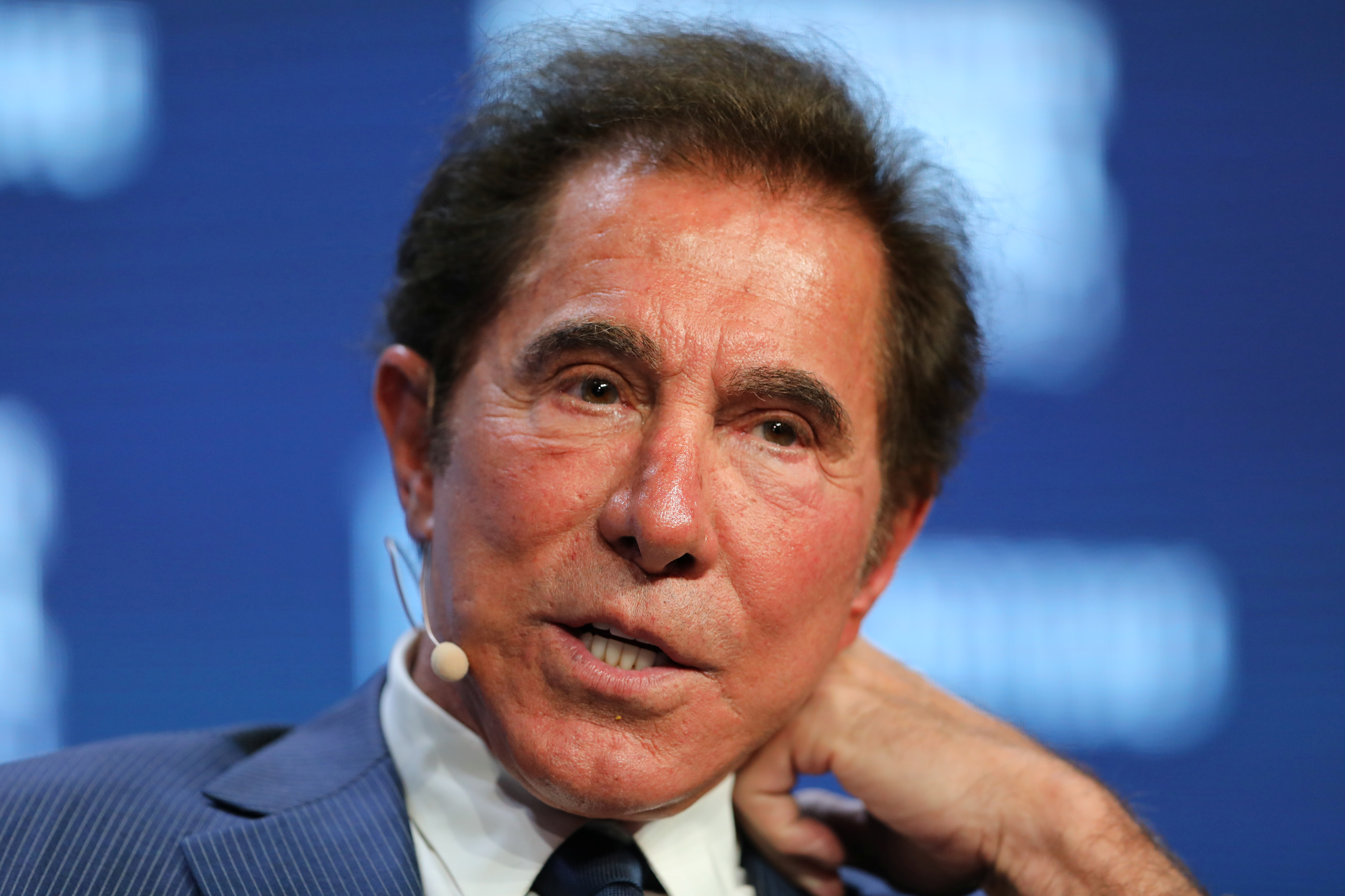
The U.S. Justice Department will appeal the dismissal of a lawsuit against casino magnate Steve Wynn, who it accused of acting as a Chinese agent.
Wynn defeated the lawsuit in October when a federal judge in Washington, D.C., said the casino tycoon could not be ordered to register with the Justice Department as a foreign agent of China.
“…. the Attorney General of the United States of America hereby appeals to the United States Court of Appeals for the District of Columbia from the judgment of this Court entered on the 12th day of October, 2022, granting Defendant’s Motion to Dismiss,” the Justice Department said in a filing on Friday.
The Justice Department in May sued for a court order forcing Wynn, the former CEO of Wynn Casinos, to register under the Foreign Agents Registration Act (FARA).
Officials alleged that Wynn had lobbied then-U.S. President Donald Trump on China’s behalf in 2017. Wynn’s attorneys denied that he was ever an agent of the Chinese government.
U.S. District Judge James Boasberg said in October that, because any relationship between Wynn and the Chinese government ended in 2017, the Republican donor cannot be required to register as an agent. The judge pointed to past precedent in D.C. federal court in making the ruling.
The judge said he was not determining whether Wynn had lobbied on China’s behalf. He also said the Justice Department could pursue criminal sanctions against Wynn for failing to disclose the alleged lobbying, if the statute of limitations had not expired.
Advertisements – Advertising at The News And Times – advertising-newsandtimes.com | WE CONNECT!
Audio | Video | Top News | On Twitter | Security | FBI | Capitol Riot | JOSSICA | Trump | Russia | Putin | Russia – Ukraine War | Covid-19 | Brooklyn NY | Puerto Rico | World
September 3, 2026 2:18 am
The News And Times | Featured Posts | All Articles | Current News | Selected Articles | Shared Links | Opinions | In My Opinion | Sites | Blogs | Links | Twitter | Facebook

Contact Form | Blogs | Sites | News Reviews | Links | Advertising
All The News That’s Fit To Web