Categories
Audio Sources - Full Text Articles

EU to Send Additional Energy Equipment, Emergency Aid to Ukraine

eu_ukraine_2.jpeg

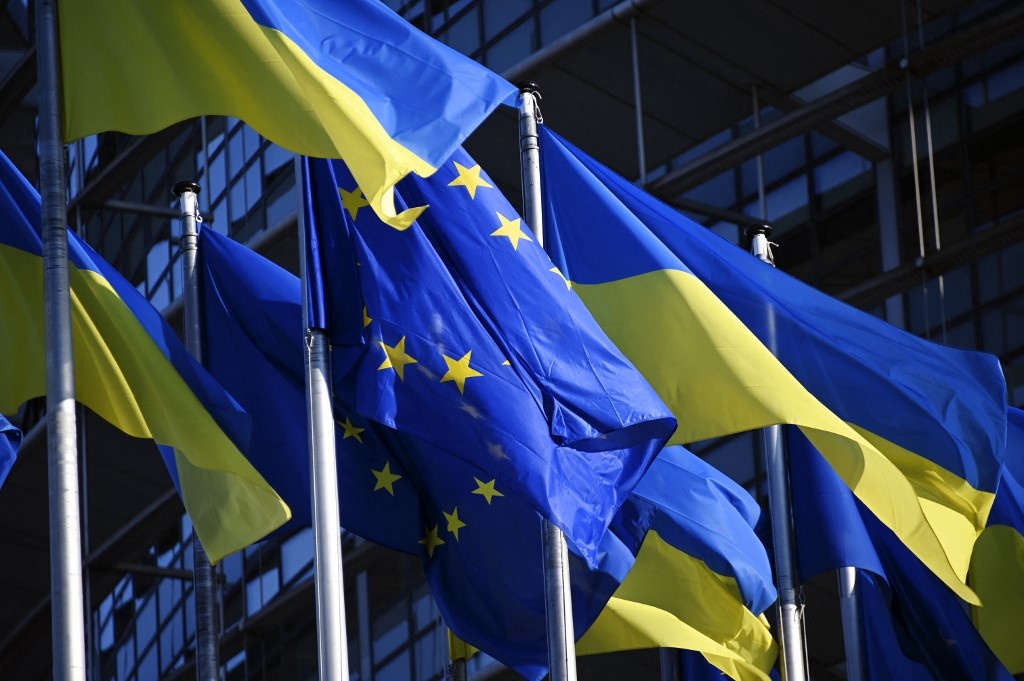
The European Commission is coordinating a new aid delivery of over 1,800 tonnes in emergency assistance this month, including in the area of energy, to support Ukraine via the EU Civil Protection Mechanism.

“This brings the total material aid channeled to Ukraine to 74,000 tonnes in the value of over EUR450 million and comes on top of the EUR523 million in financial humanitarian assistance already provided since Russia’s illegal invasion,” the EC said on its website.

“The latest support comes from Belgium, Finland, Germany, Slovakia, Luxembourg, and Sweden. It includes energy supplies, shelter items, first aid skits, protecting clothing, firefighting equipment, water trucks and buses amongst others,” the report says.

All EU member states have sent support to Ukraine via the mechanism.

“The destruction of Ukraine’s energy infrastructure is reaching a critical point. On the eve of winter, people are being cut off electricity and heating. The key priority of our humanitarian operations today is to scale up winterization assistance. The EU is working around the clock to help sustain the electricity supply in Ukraine. Via the EU Civil Protection Mechanism, we are delivering power generators and vital energy equipment to Ukraine,” Commissioner for Crisis Management Janez Lenarčič said.

The post EU to Send Additional Energy Equipment, Emergency Aid to Ukraine appeared first on Kyiv Post.

Categories
Audio Sources - Full Text Articles

Latest on Russia’s War against Ukraine – Roundup

000_32nw3xc.jpeg

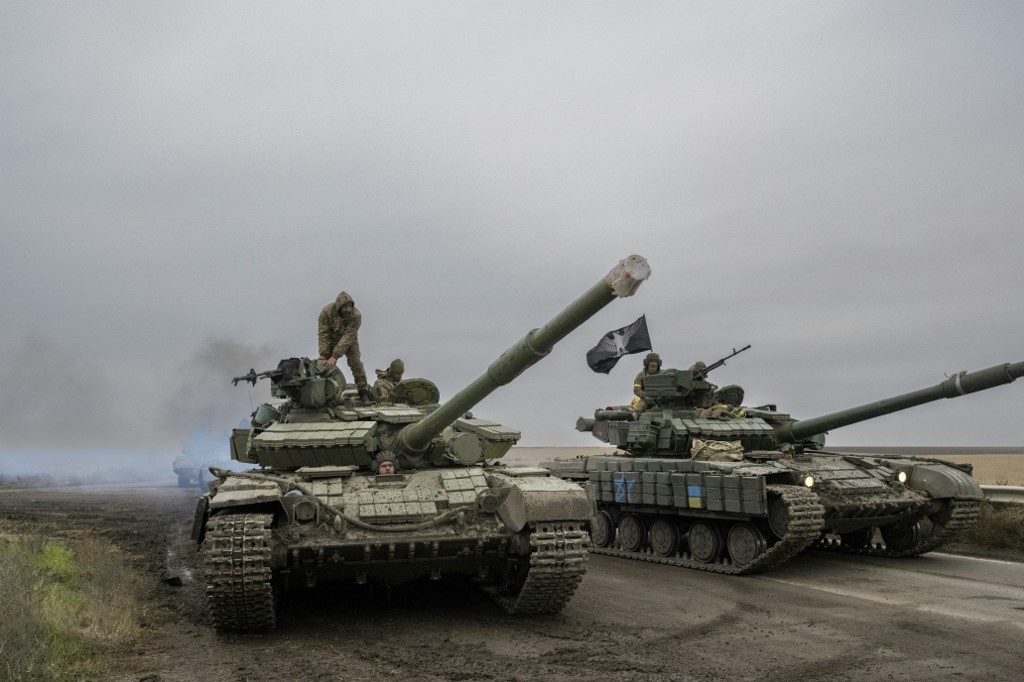
Ukraine said Friday that almost half of its power infrastructure was in need of repair after weeks of Russian attacks that have disrupted electricity supplies to millions as temperatures plunge.

Russia meanwhile accused Kyiv’s forces of executing a group of its soldiers who were surrendering to Ukraine in what Moscow described as a “massacre” that amounted to a war crime.

The assessment by Prime Minister Denys Shmyhal of the widespread damage to Ukraine’s grid comes after weeks of sustained Russian attacks on Ukraine’s energy infrastructure.

“On Nov.15 alone, Russia fired about 100 missiles at Ukrainian cities. Nearly half of our energy system has been disabled,” Shmyhal said, appealing to European allies for support.

Ukrainian President Volodymyr Zelensky told the nation on Thursday that some 10 million people were suffering blackouts as a result.

But the Russian defense ministry said Friday it was only targeting military-linked facilities, and said a series of long-range and precision strikes the day before had “hit exactly the designated objects”.

And the Kremlin this week blamed the blackouts and their civilian impact on Kyiv’s refusal to negotiate with Moscow, not on Russian missile attacks.

Ukraine’s description of the damage to its power industry came after Russia said Friday it was strengthening positions in Crimea, which Kyiv’s forces are battling towards.

– Crimea boosts defenses –

Moscow annexed Crimea in 2014 after nationwide pro-democracy demonstrations led to the ouster of Ukraine’s former Kremlin-friendly president.

Moscow used the peninsula, which hosts several important Russian military bases, as a launching pad for its February.

“Fortification work is being carried out… with the aim of guaranteeing the security of all Crimeans,” the Moscow-aligned governor of territory, Sergei Aksyonov, said.

His announcement comes as Ukraine forces are pushing a counter-offensive in the south towards Crimea and last week reclaimed Kherson, the capital of the region that borders Crimea.

With electrical and water supplies cut to the city following the destruction of key utilities by the retreating Russians, residents have been moving to stockpile basic supplies.

The presidency said it was doing everything possible to improve conditions there and that neighbouring territories — also battered by Russian forces — would provide help.

“Our people there need a lot of help. Russians not only killed, mined but also robbed towns and cities. There is nothing left there in fact,” the deputy head of the presidency Kyrylo Tymoshenko said.

Kherson regional deputy governor Sergiy Khlan meanwhile announced Friday that the city’s rail link was being restored with a first train leaving later in the day.

– ‘Brutal’ killings –

Russia claimed to have also annexed the Kherson region along with three more in September, vowing to defend them with all available military means.

Ukraine President Volodymyr Zelensky has said his forces intend to recapture the peninsula as well.

There have been several explosions at or near Russian military installations in Crimea since February, including a coordinated drone attack on a key Russian naval port at Sevastopol.

In October, the Kerch bridge connecting the peninsula to the Russian mainland was partially destroyed in an attack attributed to Ukraine by Moscow.

Russia announced on Friday that it was making gains too in the eastern Donetsk region, which its forces have partially controlled since 2014.

“The settlement of Opytnoe was liberated,” defense ministry spokesman Igor Konashenkov said on Friday.

Moscow’s forces, alongside troops from two breakaway regions in east Ukraine and mercenaries from Russia’s Wagner group have been trying for months to capture the nearby town of Bakhmut.

Nearly nine months of brutal fighting between Ukraine and Russia has spurred credible allegations of war crimes from both sides.

The last accusations came Friday when Russia accused Ukrainian troops of executing some ten prisoners of war in what Moscow said was a “massacre”.

“No one will be able to paint the deliberate and methodical murder of more than ten restrained Russian soldiers… who were shot in the head, as a ‘tragic exception,’” the ministry said in a statement.

The statement refers to videos circulating on Russian-language social media that purport to show the bodies of Russian servicemen who had surrendered and were then killed.

The Ukrainian prosecutor general’s office said Friday that the death toll from strikes earlier in the week on Vilniansk in the Zaporizhzhia region, which Moscow also said annexed, had left 10 people dead, including two children.

Tymoshenko meanwhile said six civilians were killed in four different regions of Ukraine following strikes Thursday.

The post Latest on Russia’s War against Ukraine – Roundup appeared first on Kyiv Post.

Categories
Audio Sources - Full Text Articles

Despair, lack of progress at climate talks, yet hope blooms

SHARM EL-SHEIKH, Egypt (AP) — It’s a desert, where little grows. It’s a climate conference, where water is scarce inside buildings and out, lines are long, tempers are short, meetings go late and above all progress comes in one-drop drips.

Yet hope springs forth in the strangest places.

Not in the naïve new face, but in the hearts and minds of veteran activists and officials, who have gone through this frustrating sleep-depriving exercise, not once or twice but numerous times.

And it blooms in a odd metal “tree” sculpture in a center square here at the United Nations climate summit in Egypt. People write their hopes on green paper leaves.

“Hope is the only meaning (sic) that makes us ALIVE!” Mohamed Ageez, an Egyptian youth activist wrote.

Former U.S. Vice President Al Gore looks at more than 30 years of climate change efforts and sees hope in progress and change. United Nations Environment Programme Director Inger Andersen and The Nature Conservancy Chief Scientist Katharine Hayhoe see it in all the people in the halls working hard.

And Christiana Figueres, the former U.N. climate secretary who helped forge the 2015 Paris agreement and then started a non-profit called Climate Optimism, sees hope not as a noun but an action verb.

“Hope is a verb with its sleeves rolled up,” Figueres told The Associated Press, quoting poet David Orr. “I think of hope and optimism as being very active and in fact being precisely the reason why we roll up our sleeves.”

Asked how he doesn’t despair after seeing heat-trapping emissions rising year after, Gore told The Associated Press: “Despair is a big word. You know, they used to say denial ain’t just a river in Egypt. Here we are in Egypt and despair ain’t just a tire in the trunk. It’s a real factor. But we also have the basis for hope.”

He pointed to several political wins this year.

“In August, the U.S. passed the biggest climate legislation in history,” Gore said. “In September, the people of Australia made a historic change and agreed to become part of the leadership in the world toward renewable energy. And then in October, just days ago, the people of Brazil made a decision to stop destroying the Amazon and start fighting the climate crisis.”

“When people feel vulnerable to climate despair, I urge them to look at the real progress that is being made.”

Whenever United Nations environment chief Andersen feels down in these meetings she takes note of what’s happening all around her in the pavilions and offices: “In these halls, you will see people huddling over solutions over networking, saying ‘Here’s what we did. Maybe you can do that’.”

Climate scientist Hayhoe finds hope in the same place.

“So when people say it was a complete failure and there’s no hope, I say, just look around at every single face here,” Hayhoe said. “There are tens of thousands of faces here, and every single one of them just about wants to change the world.”

That tree of hope?

Gone.

It’s been moved away from negotiations to the “green zone,” far away from negotiators.

___

Follow AP’s climate and environment coverage at https://apnews.com/hub/climate-and-environment

___

Follow Seth Borenstein on Twitter at @borenbears

___

Associated Press climate and environmental coverage receives support from several private foundations. See more about AP’s climate initiative here. The AP is solely responsible for all content.

Categories
Audio Sources - Full Text Articles

In Ukraine, 437 children killed by Russia

630_360_1650530210-584.jpg

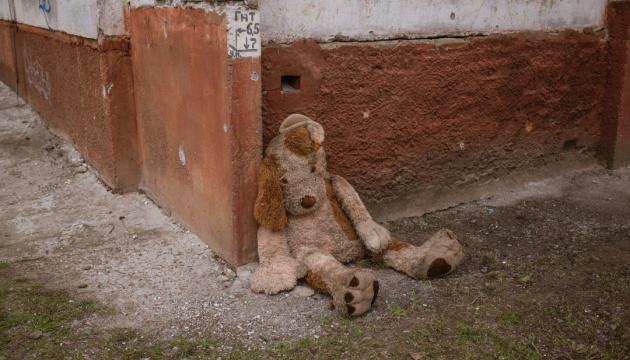
Russian forces have killed 437 youngsters throughout Ukraine, injuring another 837 since the total-scale invasion on February 24.

That is according to the Prosecutor General’s Business office, Ukrinform studies.

“As of the morning of November 19, 2022, 1,274 young children had been impacted in Ukraine as a end result of Russia’s whole-scale armed aggression. In accordance to the official reports by juvenile prosecutors, 437 youngsters have been killed and 837 sustained injuries of different severity,” the statement reads.

The indicated figures are not closing, as function is ongoing to confirm incoming knowledge from the zones of lively hostilities, temporarily captured and liberated territories.

Read also: Bodies of seven civilians, together with teenager woman, learned in village near Kherson

In accordance to the PGO, the largest amount of kids casualties ended up documented in the subsequent regions: Donetsk (423), Kharkiv (266), Kyiv (117), Mykolaiv (77), Zaporizhia (75), Chernihiv (68), Luhansk (64), Kherson (64), and Dnipropetrovsk (32).

On November 18, in the village of Komysh-Zorya, Zaporizhia area, Russian troops shot a spouse and children with two small children aged 5 and 14 at near selection in their personal household.

On November 17, a 4-month-aged boy died of accidents in a clinical facility. He had been wounded by enemy shelling in the village of Tsyrkuny, Kharkiv area.

Yet another child was killed in his home struck by a Russian missile on November 17 in the city of Vilniansk, Zaporizhia region.

Russian strikes also weakened 2,719 instructional facilities, 332 of which ended up fully wrecked.

As claimed by Ukrinform, cells, in which underage captives experienced been held by Russian invaders, have been uncovered in the liberated regions of Kherson area.

Source link

The post In Ukraine, 437 children killed by Russia appeared first on Ukraine Intelligence.

Categories
Audio Sources - Full Text Articles

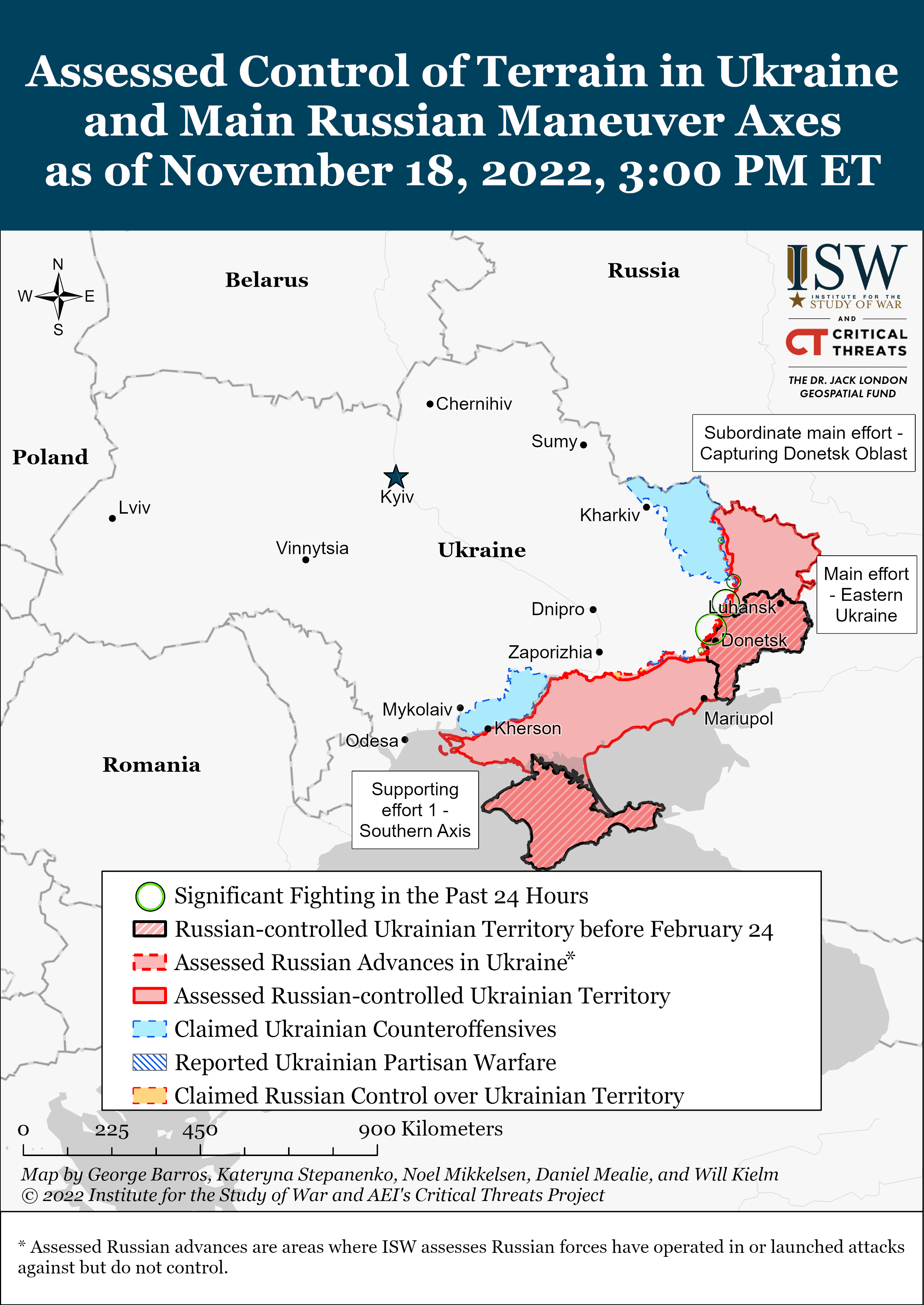
ISW Russian Offensive Campaign Assessment, November 18 – Kyiv Post

Important Takeaways

  • Russian officials are planning for more covert mobilization efforts even as the drop conscription cycle is underway, likely even further diminishing the development of quality mobilized and conscripted servicemen.
  • The International Atomic Electricity Agency (IAEA) announced that it does not identify the unlawful Russian seizure of the Zaporizhzhia Nuclear Electric power Plant (ZNPP) or the illegal annexation of other occupied Ukrainian territory, a sharp escalation in IAEA rhetoric.
  • Social media footage circulated on November 18 shows a Russian soldier opening fireplace on Ukrainians as other Russian soldiers were being surrendering.
  • Russian forces reinforced rear regions in Luhansk Oblast and tried to get back misplaced positions as Ukrainian troops ongoing counteroffensive operations alongside the Svatove-Kreminna line.
  • Russian forces ongoing constrained ground assaults near Bakhmut and Avdiivka and in western Donetsk Oblast.
  • Russian occupation officers and military services management are seemingly more and more involved about subsequent Ukrainian counteroffensive operations in southern Ukraine.
  • Russia continues to encounter exceedingly lower morale and weak willpower among the its forces in opposition to the backdrop of ongoing domestic backlash to partial mobilization.
  • Russian profession officers and forces ongoing to intensify filtration steps in Russian-occupied territories in Ukraine and to undermine the Ukrainian countrywide identification.

Russian officials are planning for further more covert mobilization attempts even as the tumble conscription cycle is underway, probably even further flooding the by now overburdened Russian force era equipment in these a way that will be detrimental to the advancement of mobilized and conscripted servicemen. Russian Telegram channels actively discussed indicators on November 18 that the Kremlin is getting ready for a second mobilization wave and circulated an impression of a draft summons received by a citizen of St. Petersburg who was reportedly instructed to surface for mobilization in January 2023 inspite of Russian President Vladimir Putin’s announcement of the formal conclude of partial mobilization on Oct 31.[1] Nationalist milbloggers moreover circulated promises that normal mobilization will start out in December or January.[2] An unbiased Russian outlet printed an investigation on November 18 displaying that state structures and enterprises are continuing to put together their personnel for mobilization by sending them to a variety of coaching plans and mobilization-linked instructional programs.[3] Another Russian outlet noted that the Odintsovo garrison armed service court docket in Moscow Oblast inadvertently confirmed that mobilization is continuing in spite of its official close.[4] The courtroom reportedly accused a mobilized soldier of beating his commander on November 13 “during the efficiency of his duties of military services provider or in link with the performance of these responsibilities all through the interval of mobilization,” which indicates that the court is running on the legal basis that mobilization is continue to quite considerably underway.[5] The Kremlin has said that Russian President Vladimir Putin has no have to have to indicator a decree formally ending the mobilization period of time, as ISW has previously reported.[6]

The continuation of covert mobilization efforts and possible preparations for yet another mobilization wave in tandem with the latest fall conscription cycle are possible including significant pressure to an already above-burdened Russian drive era apparatus. As ISW previously assessed, Putin very likely requested the stop of partial mobilization in purchase to cost-free up bureaucratic and administrative capacity for the November 1 conscription course.[7] However, it is evident that Russian authorities in no way absolutely halted mobilization attempts, which means that a constrained number of mobilized recruits are still staying pressured by way of the teaching procedure at the same time as conscripts are likely through their own training cycle. This will likely guide to even reduce good quality teaching for both mobilized recruits and conscripts as they contend for inadequate teaching capacity. A further wave of mobilization in the coming months will only worsen the condition and probably degrade the all round quality of the Russian troops that will be funneled to the frontline in Ukraine.

The Intercontinental Atomic Electrical power Agency (IAEA) announced that it does not recognize the unlawful Russian seizure and operation of the Zaporizhzhia Nuclear Energy Plant (ZNPP) or the illegal annexation of occupied Ukrainian territory, a sharp escalation in IAEA rhetoric. The IAEA’s Board of Governors issued a statement on November 17 that named on Russia to “immediately abandon its baseless claims of ownership of the plant” and to withdraw “military and other personnel” from the ZNPP due to “grave concerns” more than the ZNPP’s integrity.[8] The IAEA issued a assertion on November 18 that Russian strikes on November 17 partially or totally reduce electricity to Ukraine’s Khmelnytskyy Nuclear Energy Plant and Rivne Nuclear Electrical power Plant, and IAEA Director-Basic Rafael Grossi mentioned that these strikes exhibit “the likely nuclear security and security hazards facing all of Ukraine’s nuclear amenities all through this terrible war, not just the Zaporizhzhia Nuclear Energy Plant.”[9] ISW just lately assessed that the IAEA’s rhetorical shift implies that Russian physical handle and operational authority about the ZNPP alarms the IAEA.[10] Russian forces’ ongoing threats to both the ZNPP and Ukrainian nuclear energy vegetation (NPPs) in unoccupied territory indicate that Russia is an unsuitable caretaker of the ZNPP, even while the Russian governing administration relies on claims that it is a responsible operator of the ZNPP to legitimize its ongoing existence at the plant.[11]

Social media footage circulated on November 18 displays a Russian soldier opening fire on Ukrainians as other Russian troopers were being surrendering. The graphic footage reveals Ukrainian troops in Makiivka, Luhansk Oblast, taking a group of Russian soldiers prisoner when one Russian soldier emerges from a property keeping a gun and opens fire.[12] Drone footage shows the bodies of the deceased Russian troopers following the incident.[13] Open-resource analysts concluded that the Russian soldier opened hearth initially, but it is unclear who killed the Russian prisoners, when, and less than what situations.[14] However, the Russian details room immediately responded to the footage by extensively accusing Ukrainian forces of a ”mass execution” of the Russian prisoners.[15] The Russian Investigative Committee opened a legal circumstance versus Ukrainian Armed Forces and is reportedly striving to detect the Ukrainian servicemen in the video.[16]

See the complete report listed here

Resource url

The post ISW Russian Offensive Campaign Assessment, November 18 – Kyiv Post appeared first on Ukraine Intelligence.

Categories
Audio Sources - Full Text Articles

APEC pledges to boost trade as geopolitical rifts hijack regional summits

2022-11-19T08:08:58Z

Leaders of the 21-member APEC bloc pledged on Saturday to boost trade and do more to tackle other economic challenges, wrapping up the last of three summits in the region in a week that have been overshadowed by intense geopolitical rivalry.

The summits have been attended by global leaders, and the talks have often been disrupted by friction spilling over from the war in Ukraine as well as flashpoints such as the Taiwan strait and the Korean peninsula.

A Southeast Asian summit that included China, Japan and the United States was held in Cambodia, while the Group of 20 (G20) major economies met on the Indonesian island of Bali.

The APEC meeting was interrupted on Friday when Vice President Kamala Harris, who is heading the U.S. delegation, called an emergency gathering of allies on the sidelines to condemn North Korea after it test-fired an intercontinental ballistic missile capable of reaching the United States.

On Saturday, Thai Prime Minister and APEC chair Prayuth Chan-ocha sought to bring the focus back to economic issues and said APEC made “significant progress” by agreeing a multi-year work plan for a Free Trade Area of the Asia-Pacific (FTAAP).

An APEC leaders’ declaration said the group would uphold and further strengthen a rules-based multilateral trading system, but also recognised more intensive efforts were needed to address challenges like rising inflation, food security, climate change and natural disasters.

“This year, we have also witnessed the war in Ukraine further adversely impact the global economy,” said the declaration, which said most members strongly condemned the war.

At the G20 meeting in Indonesia, members unanimously adopted a declaration that said most members condemned the Ukraine war but also acknowledged some countries saw the conflict differently.

The APEC leaders echoed the G20 declaration as they referred to U.N. resolutions that deplore Russia’s aggression and demand its complete and unconditional withdrawal from Ukraine, but also noted a variety of opinions.

“There were other views and different assessments of the situation and sanctions. Recognising that APEC is not the forum to resolve security issues, we acknowledge that security issues can have significant consequences for the global economy,” the bloc said.

Russia is a member of both G20 and APEC but President Vladimir Putin has stayed away from the summits. First Deputy Prime Minister Andrei Belousov is representing him at APEC.

The U.S. city of San Francisco will host the next APEC summit and Prime Minister Prayuth handed over the chair to Vice President Harris at a ceremony.

“We are ready to conduct a seamless cooperation with them,” he said, while presenting Harris with a “chalom”, a woven bamboo basket used to carry goods and gifts in Thailand.

A day earlier, North Korea’s missile test just an hour before the APEC forum was inaugurated prompted Harris to call an emergency meeting with leaders from Australia, Japan, South Korea, Canada and New Zealand.

“This conduct by North Korea most recently is a brazen violation of multiple U.N. Security Council resolutions,” Harris said.

Friday’s launch came after U.S. President Joe Biden met his Chinese counterpart Xi Jinping on Monday in Bali and said Beijing has an obligation to try to talk North Korea out of resuming nuclear testing, while adding that it was unclear whether China would be able to sway Pyongyang.

Harris briefly met Xi on Saturday, a White House official said, adding that she had emphasised the importance to “maintain open lines of communication to responsibly manage the competition between our countries.”

Ties between the superpowers have been strained in recent years over issues like tariffs, Taiwan, intellectual property, the erosion of Hong Kong’s autonomy and disputes over the South China Sea.

Xi attended both the G20 and APEC summits and held a flurry of bilateral meetings, marking a return of the leader to the main stage of global diplomacy after China’s long spell of COVID isolation.

Warning against Cold War tensions in a region that is a focus for competition between Beijing and Washington, Xi said on Thursday that the Asia-Pacific was no one’s backyard and should not become an arena of big-power rivalry,

“No attempt to wage a new Cold War will ever be allowed by the people or by our times,” he told a business event linked to the APEC summit.

Set up to promote economic integration, APEC’s members account for 38% of the global population, and 62% of gross domestic product and 48% of trade.

Campaigners are keen to see leaders address issues such as food insecurity, surging inflation, climate change and human rights.

A reminder of grassroots demands came as Thai pro-democracy protesters clashed with police on Friday who responded by firing rubber bullets about 10 km (6 miles) from the central Bangkok summit venue.

Related Galleries:

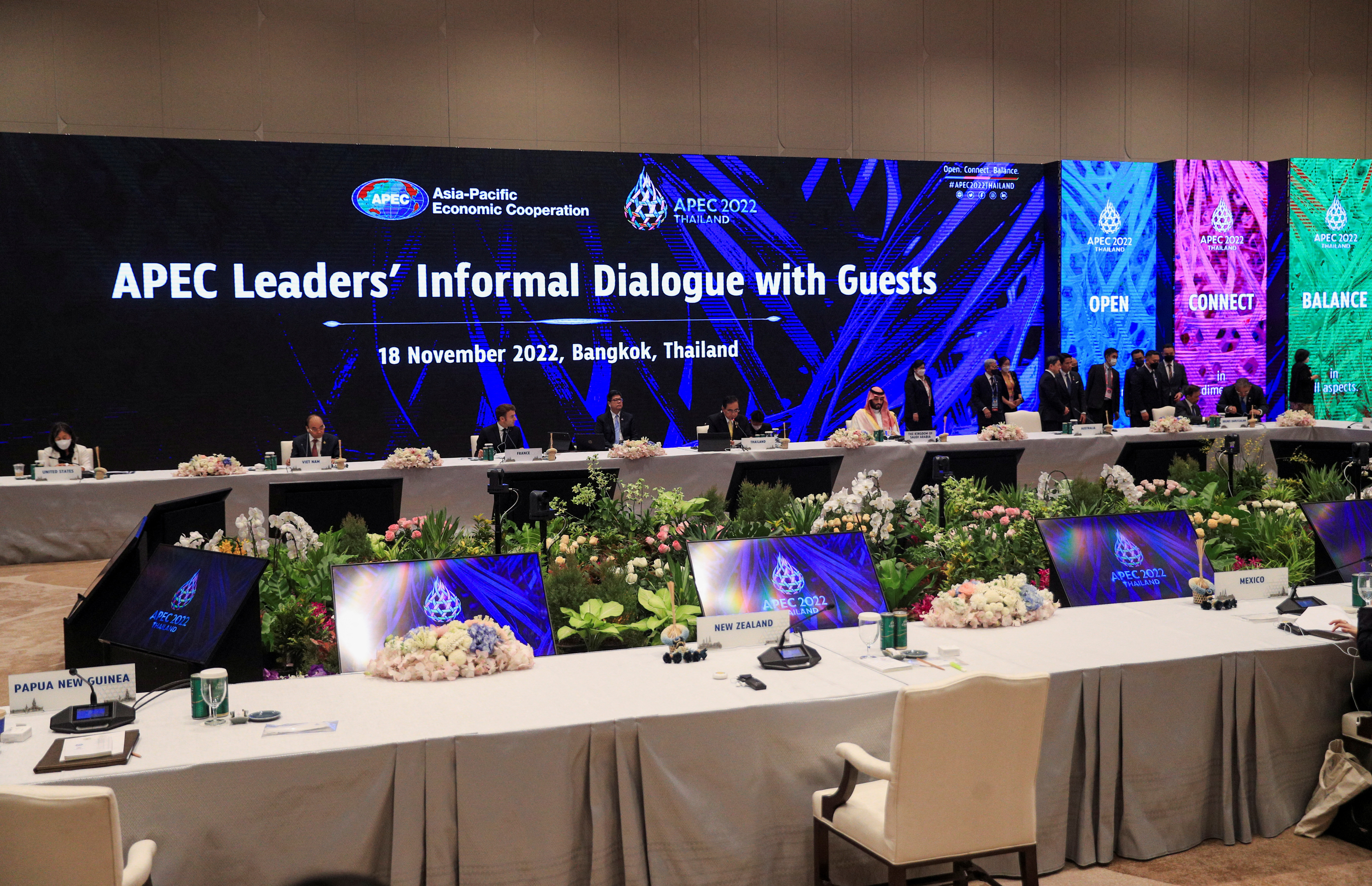
A general view at the APEC Leaders’ Informal Dialogue with Guests during the Asia-Pacific Economic Cooperation (APEC) Summit 2022, in Bangkok, Thailand November 18, 2022. REUTERS/Athit Perawongmetha/Pool

Chinese President Xi Jinping meets with Thai Prime Minister Prayuth Chan-ocha on the sidelines of the Asia-Pacific Economic Cooperation (APEC) summit in Bangkok, Thailand November 19, 2022. REUTERS/Athit Perawongmetha/Pool

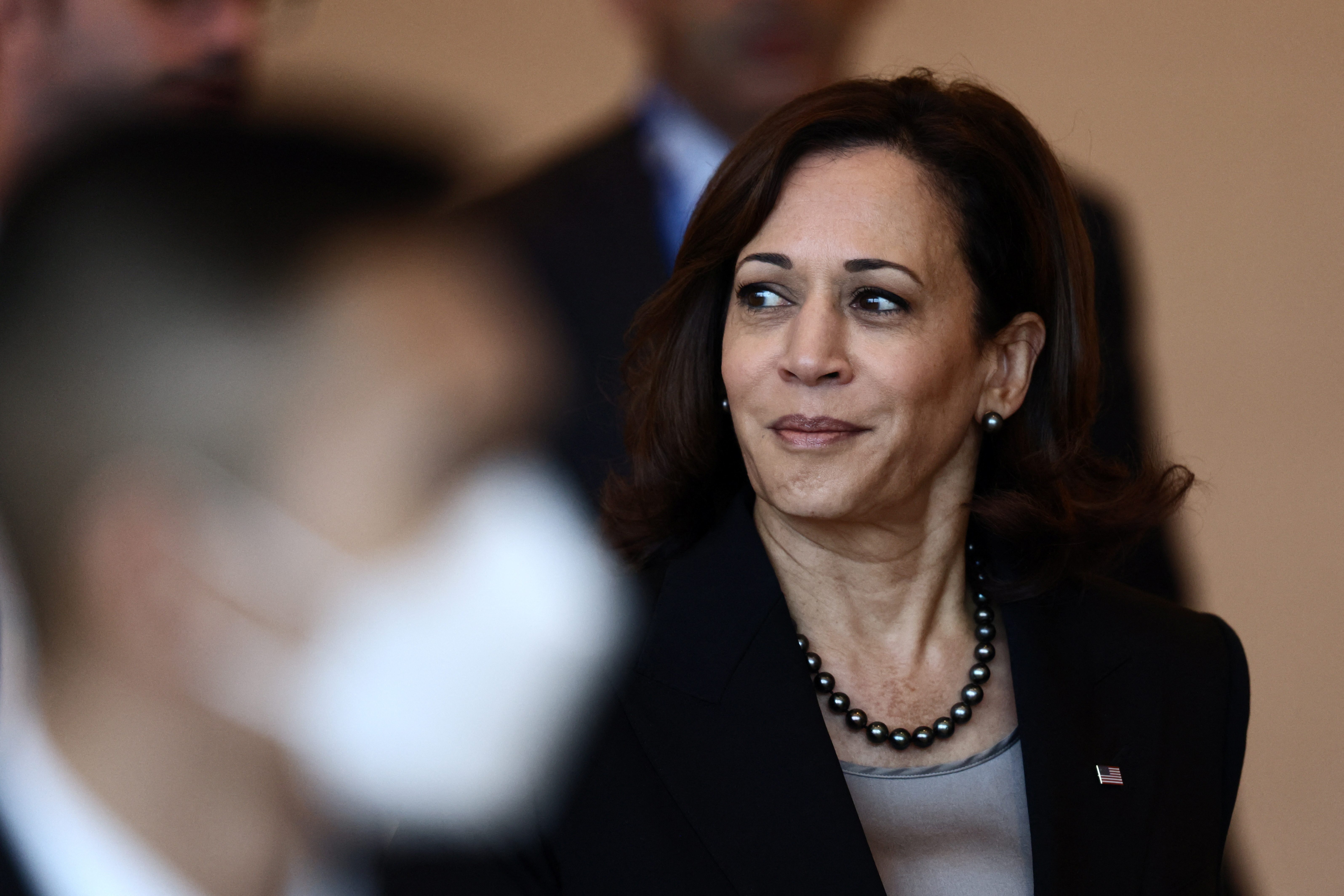
U.S. Vice President Kamala Harris attends the 29th APEC Economic Leaders’ Meeting (AELM) during the Asia-Pacific Economic Cooperation (APEC) summit in Bangkok, Thailand on November 19, 2022. Jack Taylor/Pool via REUTERS

China’s Foreign Minister Wang Yi gestures as he attends the APEC Leaders’ Informal Dialogue with Guests during the Asia-Pacific Economic Cooperation (APEC) Summit 2022, in Bangkok, Thailand November 18, 2022. REUTERS/Athit Perawongmetha/Pool

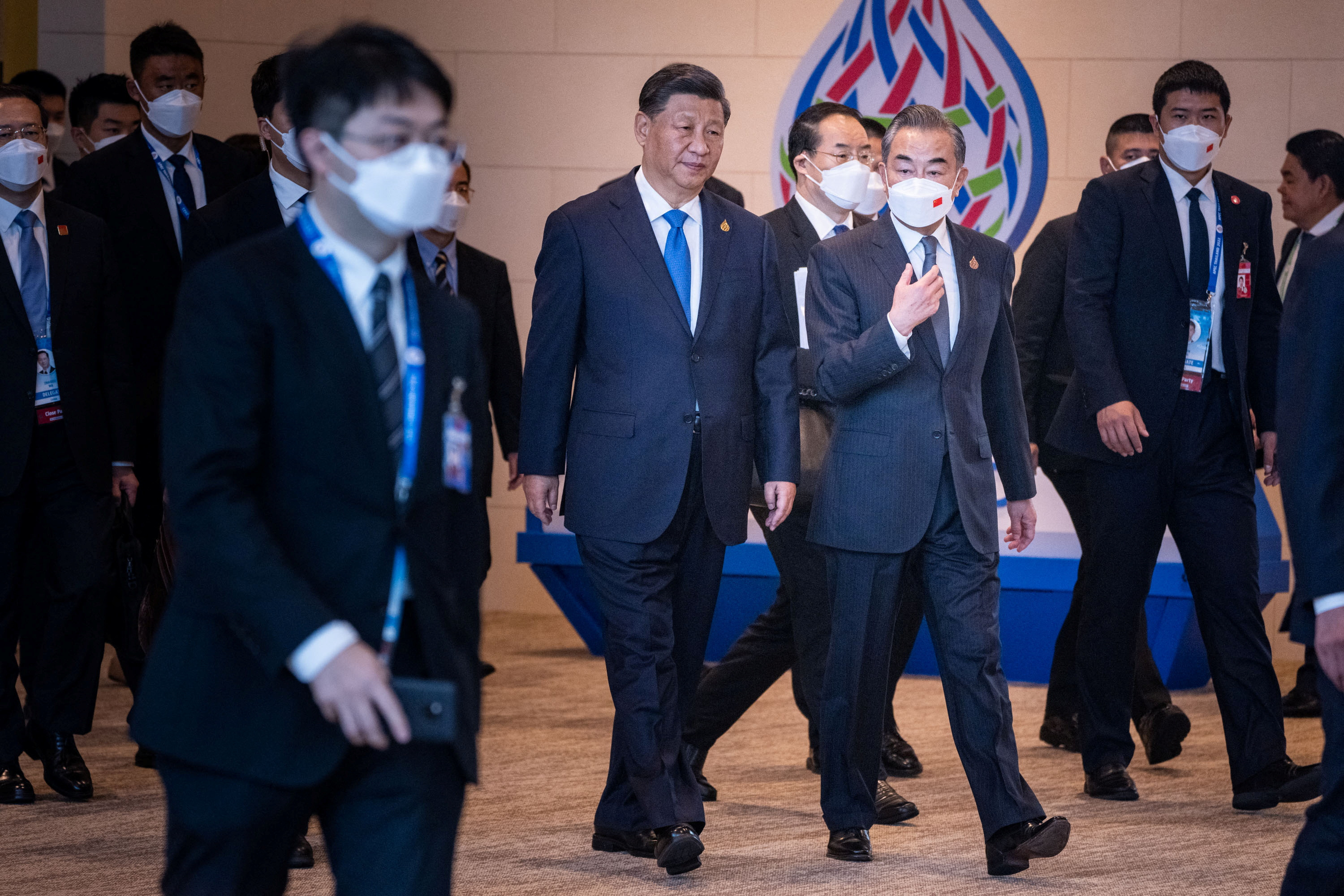
Chinese President Xi Jinping, along with Chinese Foreign Minister Wang Yi, arrives at Queen Sirikit National Convention Center in Bangkok, Thailand, on Saturday, Nov. 19, 2022 for the Asia-Pacific Economic Cooperation (APEC) summit. Haiyun Jiang/Pool via REUTERS

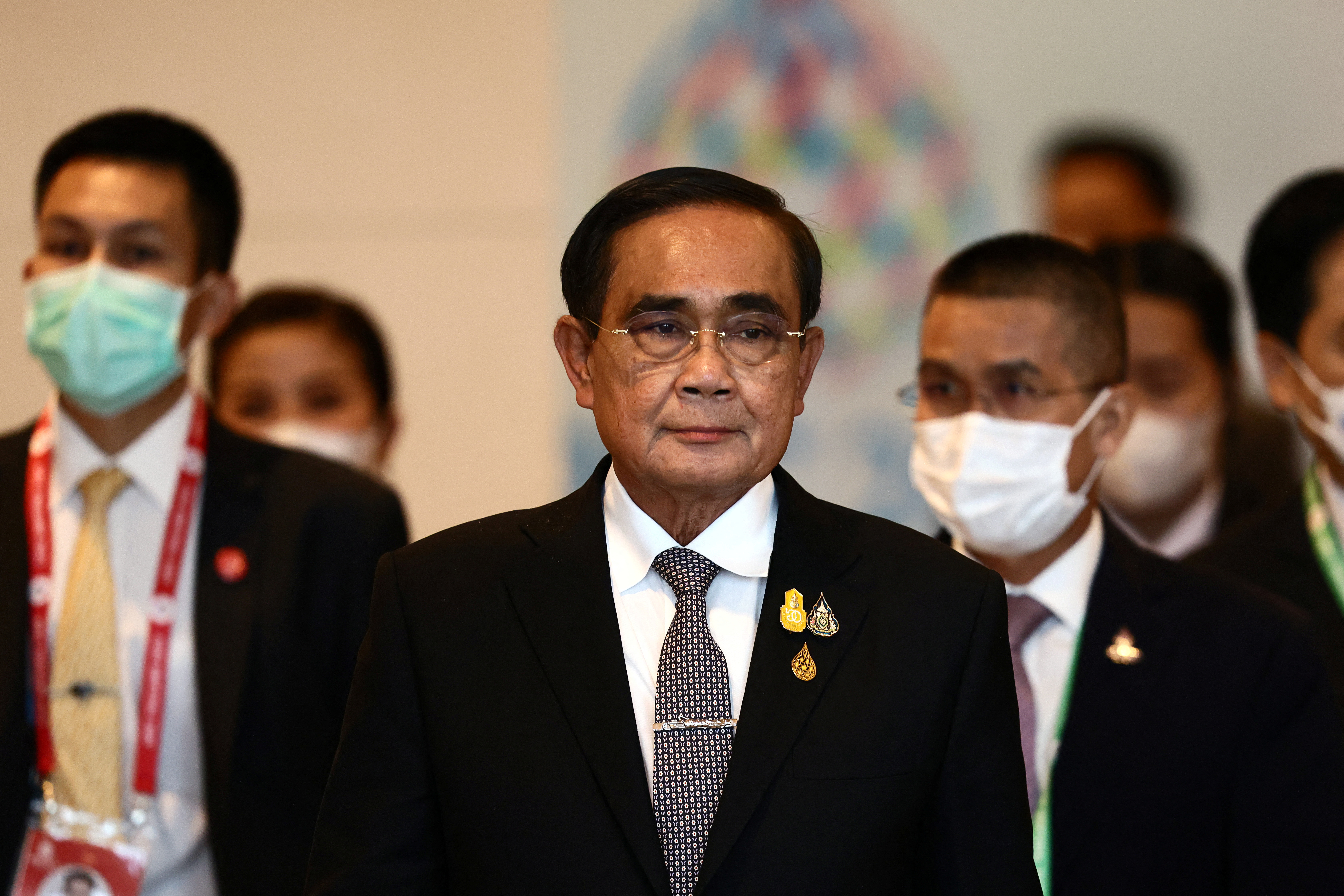
Thailand’s Prime Minister Prayut Chan-o-cha attends the 29th APEC Economic Leaders’ Meeting (AELM) during the Asia-Pacific Economic Cooperation (APEC) summit in Bangkok, Thailand on November 19, 2022. Jack Taylor/Pool via REUTERS
Categories
Audio Sources - Full Text Articles

‘We survived’: Kherson comes alive after Russian withdrawal

KHERSON, Ukraine (AP) — A week since the southern Ukrainian city of Kherson was liberated, residents can’t escape reminders of the terrifying eight months they spent under Russian occupation: missing people, mines everywhere, closed shops and restaurants, a scarcity of electricity and water — and explosions day and night as Russian and Ukrainian forces battle just across the Dnieper River.

Despite these hardships, Kherson residents are expressing a mix of relief, optimism, and even joy — not least because of their regained freedom to express themselves at all.

“Even breathing became easier. Everything is different now,” said Olena Smoliana, a pharmacist whose eyes shone with happiness as she recalled the day Ukrainian soldiers entered the city.

Kherson’s population has dwindled to around 80,000 from its prewar level near 300,000, but the city is slowly coming alive.Ukrainian President Volodymyr Zelenskyy triumphantly walked the streets on Monday, hailing Russia’s withdrawal — a humiliating defeat for Russian President Vladimir Putin — as the “beginning of the end of the war.”

People are no longer afraid to leave home, or worried that contact with Russian soldiers might lead to a prison or torture cell. They are gathering in city squares — adorned with blue-and-yellow ribbons on their bags and jackets — to recharge phones, collect water, or talk with neighbors and relatives.

“If we survived the occupation, we will survive this without any problems,” said Yulia Nenadyschuk, 53, who had been hunkered down at home with her husband, Oleksandr, since the Russian invasion began but now comes downtown every day.

The worst deprivation was the lack of freedom to be yourself, which was like being in a “cage,” she said.

“You couldn’t say anything out loud, you couldn’t speak Ukrainian,” said Oleksandr Nenadyschuk, 57. “We were constantly being watched, you couldn’t even look around.”

Residents of Kherson talk about the “silent terror″ that defined their occupation, which was different than the devastating military siege that turned other Ukrainian cities — such as Mariupol, Sievierodonetsk, and Lysychansk — to rubble.

Russian forces entered Kherson in the early days of the war from nearby Crimea, which it illegally annexed in 2014, and shortly after that, it was occupied.

People mostly communicate in Russian in Kherson. Early on in the war some residents there were tolerant of neighbors who sympathized with Russia, but over the past nine months there has been a palpable shift, said Smoliana, the pharmacist. “I’m even ashamed to speak Russian,” she said. “They oppressed us emotionally and physically.”

Many people fled the city, but some just disappeared.

Khrystyna Yuldasheva, 18, works in a shop across the street from a building the Russian police used as a detention center and where Ukrainian officials are investigating allegations of torture and abuse.

“There is no one here anymore,” she told a woman who recently came by looking for her son.

Other people sought to leave, but couldn’t. “We tried to leave three times, but they closed all possible exits from the city,” said Tetiana, 37, who didn’t want to be identified by her last name.

When Russian soldiers retreated on Nov. 11 from Kherson, the only regional capital Moscow captured since the invasion began on Feb. 24, they left a city devoid of basic infrastructure — water, electricity, transportation or communications.

Russian products can still be found in small shops that survived through occupation. And the city is still adorned with banners touting Russian propaganda like “Ukrainians and Russians are a single nation,” or that encourage Ukrainians to get a Russian passport. (Some people curse out loud when walking past them.)

Many shops, restaurants and hotels are stills closed and many people are out of work. But residents have been drawn downtown this past week by truckloads of food from Ukrainian supermarket chains that have arrived and internet hotspots that have been set up.

While people were euphoric immediately after the Russian withdrawal, Kherson remains a city on hold.

A major obstacle to bringing residents back to Kherson, and to the rebuilding effort, will be clearing all of the mines that the Russians placed inside administrative offices and around critical infrastructure, according to the Ministry of Internal Affairs.

“Demining is needed here to bring life back,” said Mary Akopian, Ukraine’s deputy minister of internal affairs. She says Kherson has a bigger problem with mines than any of the other cities Ukraine has liberated from the Russians because it had been under occupation for the longest period of time.

She estimated it would take years to completely clear mines from the city of Kherson and surrounding areas. Already, 25 people have died clearing mines and other explosives left behind in Kherson, and dozens of civilians who hastened to return home were killed by mines.

Before retreating, Russian soldiers looted from stores and businesses — and even museums. The Ukrainian government estimates that 15,000 artifacts have been stolen from museums in the Kherson region and taken to nearby Crimea.

“There is, in fact, nothing there,” Kyrylo Tymoshenko, a senior official in Zelensky’s office, wrote in his Telegram channel after a trip to the Kherson region. “The Russians killed and mined and robbed all cities and towns.”

The humiliating Russian retreat did not bring an end to the sounds of war in Kherson. About 70% of the wider Kherson region is still in Russian hands. Explosions can regularly be heard in the city, although locals aren’t always sure whether its part of the mine-removal effort, or the sound of Russian and Ukrainian artillery.

Despite the ongoing fighting nearby, people in Kherson feel confident enough about their safety to ignore air-raid warning sirens and gather in large numbers on the streets — to greet each other and to thank Ukrainian soldiers.

Like many residents, the Nenadyschuks do not wince when they hear the explosions in the distance, and they are loathe to complain about any other difficulty they face.

“We are holding on. We are waiting for victory. We won’t whine,” said Yulia Nenadyschuk. “All of Ukraine,” her husband added, “is in this state now.”

__

Follow all AP stories on the war in Ukraine at https://apnews.com/hub/russia-ukraine.

Categories
Audio Sources - Full Text Articles

British Defence Intelligence Update Ukraine – 19 November 2022

fh6agwuxoae5lqm.jpeg

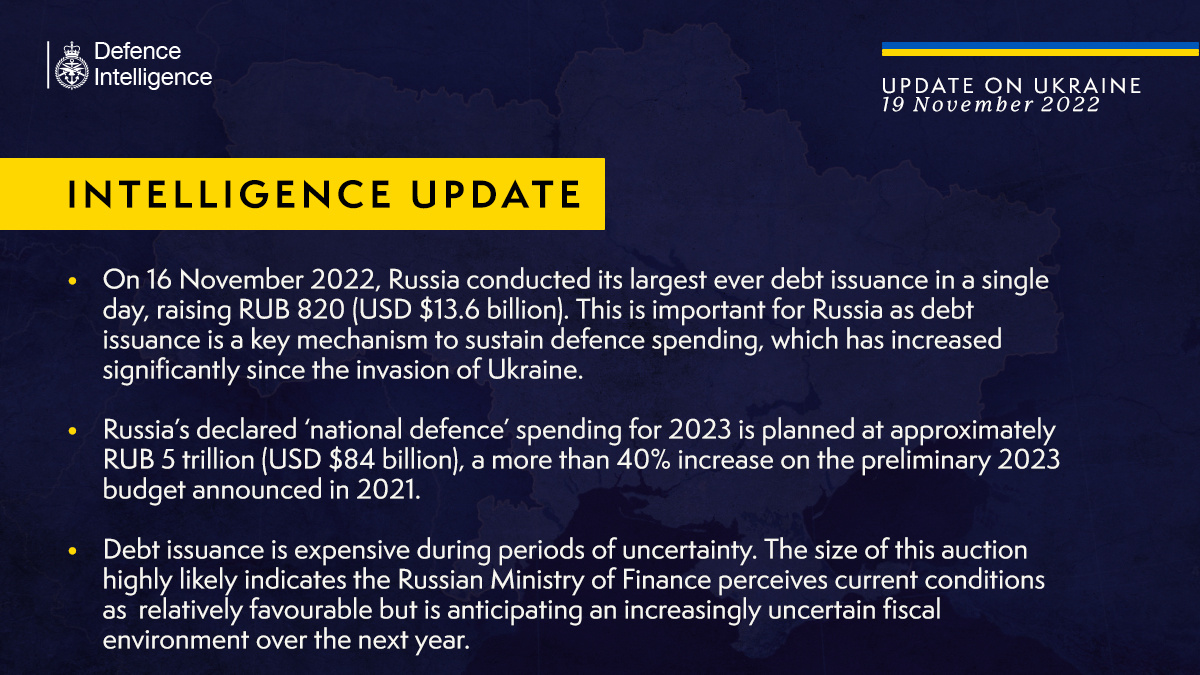
  • On 16 November 2022, Russia conducted its largest ever debt issuance in a single day, raising RUB 820 (USD $13.6 billion). This is important for Russia as debt issuance is a key mechanism to sustain defence spending, which has increased significantly since the invasion of Ukraine.
  • Russia’s declared ‘national defence’ spending for 2023 is planned at approximately RUB 5 trillion (USD $84 billion), a more than 40% increase on the preliminary 2023 budget announced in 2021.
  • Debt issuance is expensive during periods of uncertainty. The size of this auction highly likely indicates the Russian Ministry of Finance perceives current conditions as relatively favourable but is anticipating an increasingly uncertain fiscal environment over the next year.

The post British Defence Intelligence Update Ukraine – 19 November 2022 appeared first on Kyiv Post.

Categories
Audio Sources - Full Text Articles

ISW Russian Offensive Campaign Assessment, November 18

j1.png

Key Takeaways

  • Russian officials are preparing for further covert mobilization efforts even as the fall conscription cycle is underway, likely further diminishing the development of quality mobilized and conscripted servicemen.
  • The International Atomic Energy Agency (IAEA) announced that it does not recognize the illegal Russian seizure of the Zaporizhzhia Nuclear Power Plant (ZNPP) or the illegal annexation of other occupied Ukrainian territory, a sharp escalation in IAEA rhetoric.
  • Social media footage circulated on November 18 shows a Russian soldier opening fire on Ukrainians as other Russian soldiers were surrendering.
  • Russian forces reinforced rear areas in Luhansk Oblast and attempted to regain lost positions as Ukrainian troops continued counteroffensive operations along the Svatove-Kreminna line.
  • Russian forces continued limited ground assaults near Bakhmut and Avdiivka and in western Donetsk Oblast.
  • Russian occupation officials and military leadership are seemingly increasingly concerned about subsequent Ukrainian counteroffensive operations in southern Ukraine.
  • Russia continues to face exceedingly low morale and poor discipline among its forces against the backdrop of ongoing domestic backlash to partial mobilization.
  • Russian occupation officials and forces continued to intensify filtration measures in Russian-occupied territories in Ukraine and to undermine the Ukrainian national identity.

Russian officials are preparing for further covert mobilization efforts even as the fall conscription cycle is underway, likely further flooding the already overburdened Russian force generation apparatus in such a way that will be detrimental to the development of mobilized and conscripted servicemen. Russian Telegram channels actively discussed indicators on November 18 that the Kremlin is preparing for a second mobilization wave and circulated an image of a draft summons received by a citizen of St. Petersburg who was reportedly told to appear for mobilization in January 2023 despite Russian President Vladimir Putin’s announcement of the formal end of partial mobilization on October 31.[1] Nationalist milbloggers additionally circulated claims that general mobilization will begin in December or January.[2] An independent Russian outlet published an investigation on November 18 showing that state structures and enterprises are continuing to prepare their employees for mobilization by sending them to various training programs and mobilization-related educational courses.[3] Another Russian outlet noted that the Odintsovo garrison military court in Moscow Oblast inadvertently confirmed that mobilization is continuing despite its formal end.[4] The court reportedly accused a mobilized soldier of beating his commander on November 13 “during the performance of his duties of military service or in connection with the performance of these duties during the period of mobilization,” which indicates that the court is operating on the legal basis that mobilization is still very much underway.[5] The Kremlin has said that Russian President Vladimir Putin has no need to sign a decree formally ending the mobilization period, as ISW has previously reported.[6]

The continuation of covert mobilization efforts and potential preparations for another mobilization wave in tandem with the current fall conscription cycle are likely adding substantial strain to an already over-burdened Russian force generation apparatus. As ISW previously assessed, Putin likely ordered the end of partial mobilization in order to free up bureaucratic and administrative capacity for the November 1 conscription class.[7] However, it is evident that Russian authorities never fully halted mobilization efforts, which means that a limited number of mobilized recruits are still being forced through the training system at the same time as conscripts are going through their own training cycle. This will likely lead to even lower quality training for both mobilized recruits and conscripts as they compete for insufficient training capacity. Another wave of mobilization in the coming months will only worsen the situation and likely degrade the overall quality of the Russian troops that will be funneled to the frontline in Ukraine.

The International Atomic Energy Agency (IAEA) announced that it does not recognize the illegal Russian seizure and operation of the Zaporizhzhia Nuclear Power Plant (ZNPP) or the illegal annexation of occupied Ukrainian territory, a sharp escalation in IAEA rhetoric. The IAEA’s Board of Governors issued a statement on November 17 that called on Russia to “immediately abandon its baseless claims of ownership of the plant” and to withdraw “military and other personnel” from the ZNPP due to “grave concerns” over the ZNPP’s integrity.[8] The IAEA issued a statement on November 18 that Russian strikes on November 17 partially or completely cut power to Ukraine’s Khmelnytskyy Nuclear Power Plant and Rivne Nuclear Power Plant, and IAEA Director-General Rafael Grossi stated that these strikes demonstrate “the potential nuclear safety and security risks facing all of Ukraine’s nuclear facilities during this terrible war, not just the Zaporizhzhia Nuclear Power Plant.”[9] ISW recently assessed that the IAEA’s rhetorical shift suggests that Russian physical control and operational authority over the ZNPP alarms the IAEA.[10] Russian forces’ ongoing threats to both the ZNPP and Ukrainian nuclear power plants (NPPs) in unoccupied territory indicate that Russia is an unsuitable caretaker of the ZNPP, even though the Russian government relies on claims that it is a responsible operator of the ZNPP to legitimize its ongoing presence at the plant.[11]

Social media footage circulated on November 18 shows a Russian soldier opening fire on Ukrainians as other Russian soldiers were surrendering. The graphic footage shows Ukrainian troops in Makiivka, Luhansk Oblast, taking a group of Russian soldiers prisoner when one Russian soldier emerges from a house holding a gun and opens fire.[12] Drone footage shows the bodies of the deceased Russian soldiers after the incident.[13] Open-source analysts concluded that the Russian soldier opened fire initially, but it is unclear who killed the Russian prisoners, when, and under what circumstances.[14] However, the Russian information space immediately responded to the footage by widely accusing Ukrainian forces of a ”mass execution” of the Russian prisoners.[15] The Russian Investigative Committee opened a criminal case against Ukrainian Armed Forces and is reportedly trying to identify the Ukrainian servicemen in the video.[16]

See the full report here

The post ISW Russian Offensive Campaign Assessment, November 18 appeared first on Kyiv Post.

Categories
Audio Sources - Full Text Articles

Ukraine war will be over by spring, predicts country’s defence minister | World News

Ukrainian forces could be back again in Crimea by the stop of December and the complete war with Russia will be in excess of by the spring, a Ukrainian deputy defence minister has predicted.

Volodymyr Havrylov, a retired main basic, claimed his country would never ever quit fighting right up until victory and had even factored in the probable of a Russian nuclear strike.

The minister, in an interview with Sky Information, explained he believed the chance of an atomic assault by Russia to be reduced, but mentioned: “Yeah, it would be drama.

Banksy shares footage of take a look at to Ukraine – War latest

“For everybody it will be just – God appreciates what circumstance – but it [a tactical nuclear strike] is not [a] threat which will prevent us from… continuing our war.”

In terms of the prospect for peace talks with the Kremlin, Mr Havrylov said they would only occur after Russian troops are prepared to leave each and every inch of Ukraine, including the Crimean peninsula that President Vladimir Putin seized in 2014 and swathes of the east of Ukraine that have been held by Russian-backed separatists for the past 8 yrs.

“There is a decision inside of the modern society in Ukraine that we are heading up to the conclusion,” he explained in London in the course of a vacation to the British isles this week.

“It doesn’t matter what form of situation is on the table.

“Men and women compensated a good deal of blood, a whole lot of efforts to what we have previously attained.

“And everybody is familiar with that any hold off or frozen conflict is only the continuation of this war towards the existence of Ukraine as a nation.”

Ukraine map

Ukraine’s troops, backed by Western weapons, accomplished a hugely considerable earn before this month with the recapture of the southern city of Kherson, forcing Russian troops to retreat again to the japanese aspect of the Dnipro River.

It had been the only regional cash taken by Russia.

Questioned if the good results manufactured other plans really feel more likely, these types of as retaking Crimea, Mr Havrylov mentioned: “It’s only a make a difference of time and, of system, we would like to make it quicker than later.”

He reported this could be aided by what is regarded as a “black swan” function – anything unpredictable – happening in Russia, these kinds of as the unexpected collapse of the Putin routine.

“I assume Russia can deal with a black swan in their nation, inside of Russia and it can add to the good results of us with Crimea,” the minister said, talking in fluent English.

Go through a lot more:
The British person dodging artillery fire and evacuating Ukrainian civilians in a van

Ukrainian couple marry in Uk surrounded by family photos

There was “also a military services choice as well with some form of combination of forces, assets and some thing else”.

“We can action in Crimea, for example, by the conclusion of December. Feasible, possible. Not excluded that it be so,” he included.

Mr Havrylov believed Ukrainian troops would carry on to fight as a result of the winter, exploiting their momentum, regardless of the harsh disorders, with freezing temperatures and exhaustion.

Click on to subscribe to Ukraine War Diaries wherever you get your podcasts

He explained that they did not have a selection simply because any pause in operations would give the Russian side a higher probability to replenish their shares and deliver in reinforcements.

“They’re intrigued in just building a pause in this war to regroup, to bring extra persons from the motherland… that’s the desire.

“That’s why… we have no ideal to end. We have to advance,” he reported.

As to when the war will conclude, Mr Havrylov stated as a armed forces it was important to be organized for a long combat if Russia is in a position to fortify.

“Of training course, in this scenario, the war will acquire some time. But my emotion is that by the end of the spring, this war will be over.”

Source hyperlink

The post Ukraine war will be over by spring, predicts country’s defence minister | World News appeared first on Ukraine Intelligence.

WP Radio
WP Radio
OFFLINE LIVE