Categories
Saved Web Pages

Spy agencies’ focus on China could snare Chinese Americans

3000.jpeg

WASHINGTON (AP) — As U.S. intelligence agencies ramp up their efforts against China, top officials acknowledge they may also end up collecting more phone calls and emails from Chinese Americans, raising new concerns about spying affecting civil liberties.

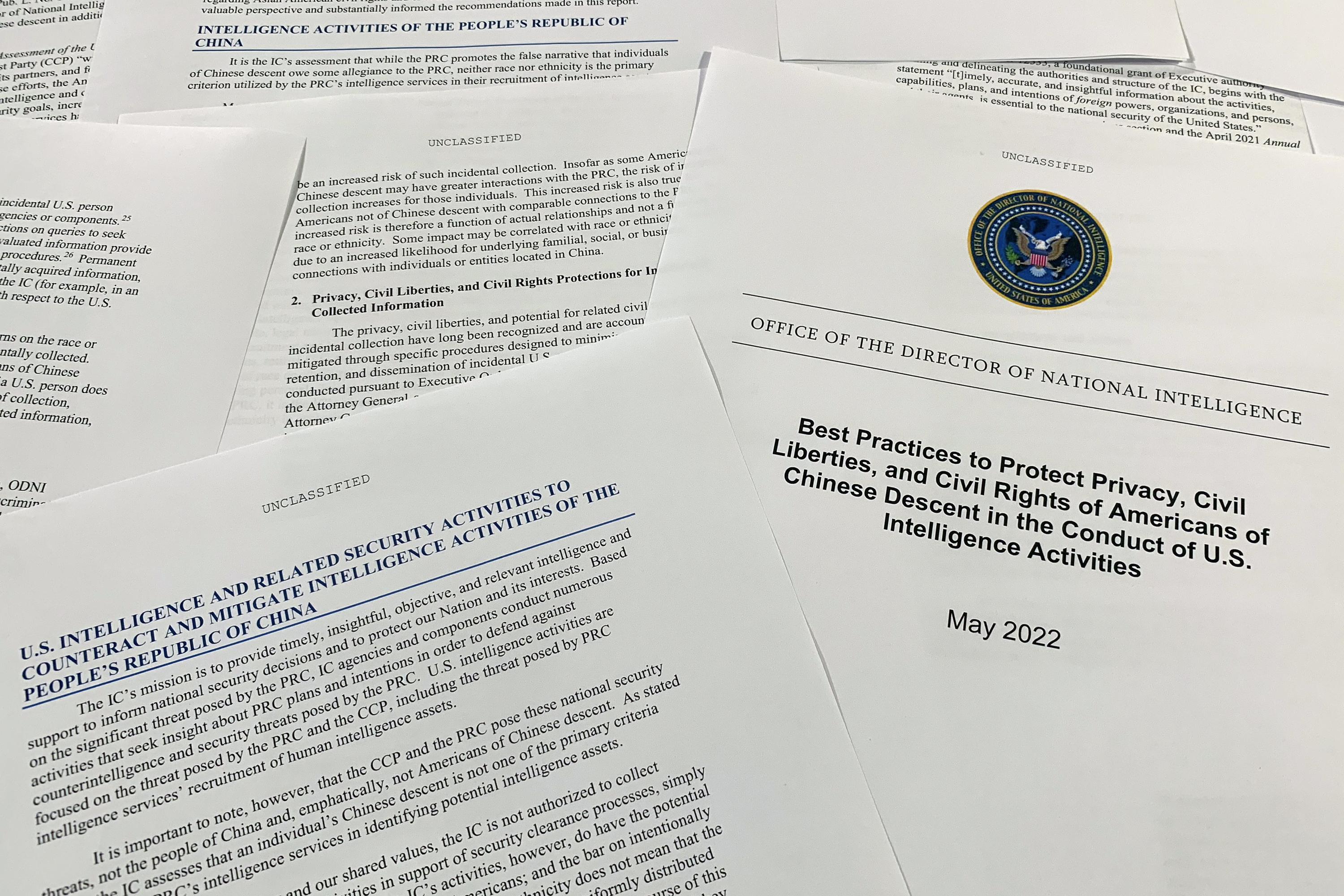
A new report from the Office of the Director of National Intelligence makes several recommendations, including expanding unconscious bias training and reiterating internally that federal law bans targeting someone solely due to their ethnicity.

U.S. intelligence agencies are under constant pressure to better understand China’s decision-making on issues including nuclear weapons,geopolitics and the origins of the COVID-19 pandemic — and have responded with new centers and programs focusing on Beijing. While there’s bipartisan support for a tougher U.S. approach to China, civil rights groups and advocates are concerned about the disparate effect of enhanced surveillance on people of Chinese descent.

As one example, people who speak to relatives or contacts in China could be more likely to have their communications swept up, though intelligence agencies can’t quantify how often due in part to civil liberties concerns.

There’s a long history of U.S. government discrimination against groups of citizens in the name of national security. Japanese Americans were forced into internment camps during World War II, Black leaders were spied upon during the civil rights movement of the 1960s, and mosques were surveilled after the Sept. 11 attacks. Chinese Americans have faced discrimination going back to the Chinese Exclusion Act of 1882, the first law to explicitly ban immigration from a specific ethnic community.

Aryani Ong, co-founder of the advocacy group Asian American Federal Employees for Non-Discrimination, noted that people of Asian descent are sometimes “not fully trusted as loyal Americans.” She said the report, published May 31, would be useful to conversations about what she described as the conflation of civil rights and national defense.

Ong and other advocates pointed to the Justice Department’s “China Initiative,” created to target economic espionage and hacking operations by Beijing. The department dropped the name of the program after it had come to be associated with faltering prosecutions of Asian American professors at U.S. college campuses.

“Often we hear responses that we cannot weaken our national security, as if protecting constitutional rights of Asian Americans (is) contrary to our defense,” said Ong, who is Indonesian and Chinese American.

But in trying to produce demographic data on the impact of surveillance, the intelligence agencies say there’s a paradox: Examining the backgrounds of U.S. citizens whose data is collected requires more intrusion into those people’s lives.

“To try to find out that type of information would require additional collection that would absolutely not be authorized because it isn’t for the foreign intelligence purpose for which the intelligence community gets its authorities,” Ben Huebner, the chief civil liberties officer for Director of National Intelligence Avril Haines, said in an interview.

But, Huebner added, “I think the fact that we can’t analytically get to those types of metrics doesn’t mean that we get to sort of drop the ball on this.”

One potential disparity highlighted by the report is what’s known as “incidental collection.”

In surveilling a foreign target, intelligence agencies can obtain the target’s communications with a U.S. citizen who isn’t under investigation. The agencies also collect phone calls or emails of U.S. citizens as they sweep for foreign communications.

The National Security Agency has vast powers to surveil domestic and foreign communications, as revealed in part by documents leaked by Edward Snowden. Under NSA rules, two people have to sign off on putting any new foreign target under surveillance. The NSA masks the identities of U.S. citizens under federal law and intelligence guidelines and turns over potential domestic leads to the FBI.

The FBI can access some of the NSA’s collection without a warrant. Civil rights advocates have long argued that searches under what’s known as Section 702 disproportionately target minority communities.

The ODNI report notes that there “may be an increased risk of such incidental collection” for Chinese Americans as well as people not of Chinese ancestry who have business or personal ties to China. The report recommends a review of artificial intelligence programs to ensure they “avoid perpetuating historical biases and discrimination.” It also suggests agencies across the intelligence community expand unconscious bias training for people who handle information from incidental collection.

ODNI is also studying delays in granting security clearances and whether people of Chinese or Asian descent face longer or more invasive background investigations. While there is no publicly available data on clearances, some applicants from minority communities have questioned whether they undergo extra scrutiny due to their race or ethnicity. According to the report, U.S. intelligence assesses that “neither race nor ethnicity is the primary criterion utilized by the PRC’s intelligence services in their recruitment of intelligence assets.”

Sen. Mark Warner, a Virginia Democrat who chairs the Senate Intelligence Committee, said in a statement that he welcomed the recommendations “to increase awareness of existing non-discrimination prohibitions and improve transparency around the security clearance process.”

But Sen. Marco Rubio, a Florida Republican who is the committee’s vice chairman, said requiring new training on unconscious bias and cultural competency was a distraction.

“The Chinese Communist Party likes nothing more than when we are distracted by divisive, internal politics,” Rubio said in a statement.

The ODNI report highlights FBI training on race and ethnicity as a “best practice” in the intelligence community. In a statement, the FBI said that there was “no place for bias and prejudice in our communities” and that law enforcement “must work to eliminate these flawed beliefs in our agencies to best serve those we are sworn to protect. The FBI said its agents are trained in “obedience to the Constitution” and in “treating everyone with dignity, empathy and respect.”

A senior NSA official, speaking on condition of anonymity to discuss sensitive intelligence matters, said the agency currently requires unconscious bias training for managers and hiring officials, but not all employees. The NSA does train intelligence analysts on rules that prohibit the collection of intelligence for suppressing dissent or disadvantaging people based on their race, ethnicity, gender or sexual orientation, and is reviewing ODNI’s recommendations.

The CIA late last year issued new instructions to officers discouraging the use of the word “Chinese” to describe China’s government. The guidance suggests referring to the leadership as “China,” “the People’s Republic of China” or “PRC,” or “Beijing,” while using “Chinese” to refer to the people, language or culture.

“It’s important to be clear that our concern is about the threat posed by the People’s Republic of China, the PRC — not about the people of China, let alone fellow Americans of Chinese or Asian descent,” CIA Director William Burns said in a recent speech at the Georgia Institute of Technology. “It is a profound mistake to conflate the two.”

Categories
Saved Web Pages

Putin’s Crimea grab shows he misunderstands 21st century power

?url=https%3A%2F%2Fcalifornia-times-brig

Russia seems to have learned little in the 160 years since the Crimean War. Launching ships and sending armies to grab land may work in the short term, but there are always negative consequences that bring big regrets later.

In 1853, Russia’s man in charge was Czar Nicholas I, who hoped to take advantage of the weakening Ottoman Empire and expand Russian power and influence around the Black Sea and beyond. In 1853, using the pretext of protecting Orthodox Christians in the Ottoman-controlled Holy Land, Russia went to war and quickly destroyed the Ottoman fleet. Not a bad start.

However, by the time the war ended three years later, things had not worked out so well. France and Britain had won the conflict, and the weakness of Russia’s serf-dominated armies was exposed. Nicholas was dead and the czarist system began a decline that would lead to the monarchy’s 1917 demise. War debts were so high that the new czar, Alexander II, decided to sell Alaska to the United States because he could not afford to defend such a distant territory.

Russia’s current autocrat, Vladimir Putin, may be thinking his easy capture of Crimea from the fledgling government of Ukraine is a bold and clever move. Under the pretext of protecting Russians, he may have plans to snatch Ukraine’s Russian-speaking eastern industrial region. And he can act with the certain knowledge that, unlike the 1850s, Western powers have no stomach for war.

But that only proves Western leaders have learned the lessons of history. In the intertwined world of the 21st century, the power that really counts is economic power. Sure, the United States and the European Union have no inclination to send troops to defend Ukraine, but they have economic weapons that could severely undermine Russia’s tottering economy.

The Russian ruble is already tumbling, and Mark Adomanis, writing in Forbes, says that is just the beginning of trouble for Putin’s regime: “The economic costs to Russia will be severe. The Moscow stock market is going to get absolutely clobbered when it opens tomorrow, and many foreign investors are going to bolt for the exits as quickly as they can. Depending on the severity of the situation in Ukraine, the Russian financial system could come screeching to a halt.” And all of that is happening even before the U.S. and Europe follow through on threats to impose sanctions, freeze Russian assets and toss Russia out of the Group of Eight.

Meanwhile, valid questions about the legitimacy of the new government in Kiev will be set aside by American and European leaders. Instead, they will rush to prop up the Ukrainian economy as a display of solidarity with the pro-Western factions whose ouster of President Viktor Yanukovych started the crisis in the first place.

On Monday, former New York Mayor Rudolph Giuliani went on Fox News and weirdly praised Putin for his ability to act quickly and decisively. Unlike President Obama, Putin is “what you call a leader,” Giuliani said.

We can be grateful Giuliani never got close to being our president. Acting without considering long-term consequences is not leadership; it is the sort of unthinking recklessness that started the Crimean War in the 19th century – not unlike the “resolute” tough-guy idiocy that sent American troops rushing off to Iraq for a decade of misery at the start of this century.

Let’s let Putin play that game if he chooses. If Obama and European leaders employ their economic weapons smartly, Putin can be taught a harsh lesson about real power in the modern world.

Categories
Saved Web Pages

Federal Reserve raises benchmark interest rate 0.75% as it tries to calm inflation

download.jpg

moneywatch

By Irina Ivanova

June 15, 2022 / 2:02 PM / MoneyWatch

The Federal Reserve said on Wednesday that it is raising its benchmark interest rate by three-quarters of a percentage point, the sharpest hike since 1994, as it seeks to combat the fiercest surge in U.S. inflation in four decades. 

The U.S. central bank set its target rate in the range of 1.25 to 1.5%. The federal funds rate, which controls how much banks pay to borrow money from each other, affects borrowing costs for consumers and businesses. 

The Fed had previously suggested it was likely to boost rates by half a percentage point at each of its three meetings this year, but recent signals that inflation is accelerating spurred policymakers to move more aggressively to slow economic growth in a bid to tame prices.

Overall, the economy remains strong, with unemployment near a 50-year low of 3.6% and businesses continuing to hire. But the steepest inflation since 1981 is hitting households hards and causing consumer spending to shrink, with the government reporting that retail sales fell in May. The 0.3% decline, the first such drop since December, is a sign that high gas prices may be forcing consumers to spend less on other purchases. 

Last week, a sentiment survey by the University of Michigan found that Americans’ expectations for future inflation are rising, a worrisome sign for the Fed because expectations can become self-fulfilling.

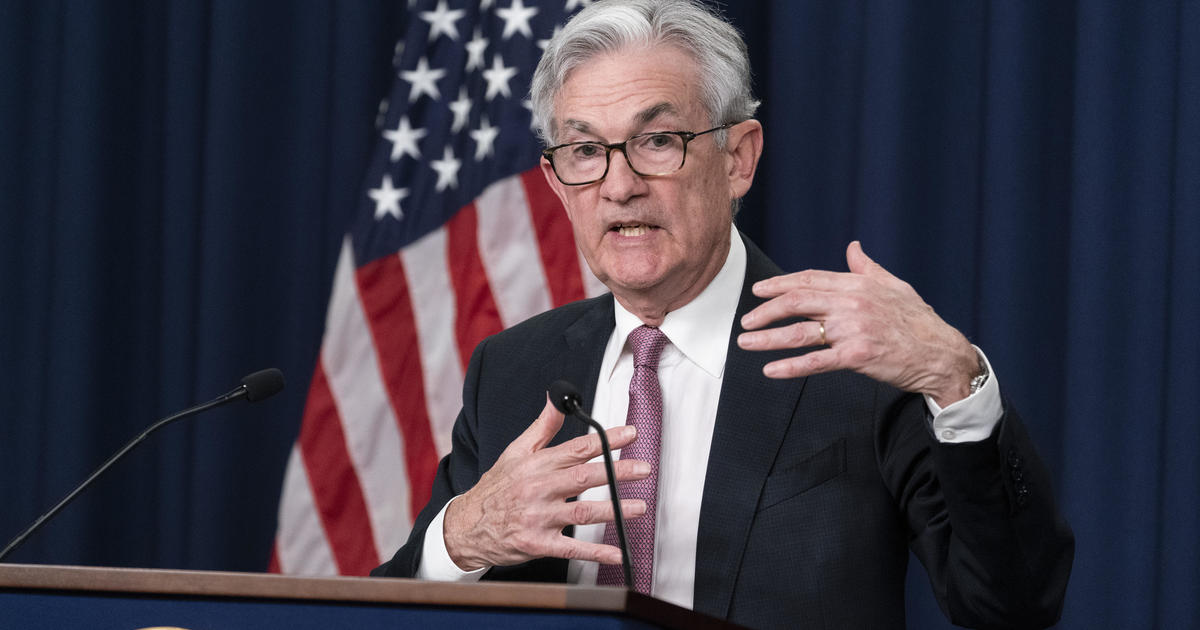
Federal Reserve chairman Jerome Powell is set to speak to reporters at 2:30 p.m., explaining his outlook for the U.S. economy. 

This is a developing story. The Associated Press contributed reporting.

First published on June 15, 2022 / 2:02 PM

© 2022 CBS Interactive Inc. All Rights Reserved.

Categories
Saved Web Pages

This new immersive show in Brooklyn is an actual quinceañera

image.jpg

As far as immersive plays go, Quince, a novel production mounted inside the Bushwick Starr’s new theater (a former dairy plant!), is a pretty solid and creative one.

The 90-minute show is a coming-of-age story that centers around Cindy, a teenage Mexican American with an overbearing mother (Maria) getting ready to imminently celebrate her quinceañera, a traditional 15th birthday celebration. Throughout the play, Cindy is also in the midst of exploring her queer identity, her transition to womanhood and her relationship to her Latin American roots. Yes, that’s a lot. 

Other characters include Maria’s brother Salomon, whom Cindy comes out to, and Father Joaquin, a “seemingly decent priest,” according to the New York Times.

Perhaps most interestingly, ticket holders are asked to be part and parcel of the storyline, which is partly performed in Spanish as well. A Mexican food cart takes up residence outside of the theater right before the show and guests are encouraged to buy meals that they can then eat during the performance on tables decorated specifically for Cindy’s Mexican celebration.

There are three stages scattered throughout the space, so performers are constantly in the midst of the audience, making them feel part of the production. In a way, ticket holders become Cindy’s family members and party guests.

Running through June 26, Quince has already proven its worth. In the summer of 2020, Brooklyn-based ensemble The Team mounted a shorter version of the production for a few outdoor performances at the People’s Garden in Brooklyn. 

This version of the play is presented with One Whale’s Tale, the company that writer Camilo Quiroz-Vázquez and director Ellpetha Tsivicos actually belong to.

But that is not all: an open-air adaptation of the show, this one dubbed QUINCE en la Plaza, will be mounted for a one-night-only performance at Hearst Plaza at Lincoln Center on July 17. 

Get tickets for Quince right here and snag ones for Quince en la Plaza here

Popular on Time Out

[title]

Categories
Saved Web Pages

Only total defeat in Ukraine can cure Russia of its imperialism

2022-05-22T000000Z_1369287754_MT1NURPHO0

Only total defeat in Ukraine can cure Russia of its imperialism

With Russia’s invasion of Ukraine now in its fourth month and encountering serious military setbacks, there is a growing debate over what a potential Ukrainian victory might look like.

Some government officials in Kyiv have announced Ukraine’s aspiration to liberate all territories occupied by Russia, including Crimea. The Ukrainian army’s proven ability to defeat Russian forces on the battlefield and the accelerating delivery of heavy weapons from the West make this goal of complete liberation at least theoretically possible.

However, some Western leaders fear the consequences of a comprehensive Ukrainian victory and favor the idea of a compromise peace. Most notably, French President Emmanuel Macron has repeatedly warned against “humiliating” Vladimir Putin. Advocates of appeasement ignore the fact that any settlement which leaves Russia in possession of Ukrainian lands occupied since 2014 would weaken the international security order and effectively reward Russia for aggression, thereby setting the stage for further wars.

Talk of a Ukrainian victory is certainly optimistic but by no means implausible. Moscow has already suffered catastrophic losses during the first 100 days of the war, with British military intelligence in mid-May estimating that Russia had lost around one-third of its invasion force amid “consistently high levels of attrition.”

Ukraine’s battlefield success has so far been achieved largely with outdated Soviet arms and light defensive Western weapons. With more sophisticated heavy weapons now beginning to reach Ukraine in significant quantities, further Ukrainian victories seem possible.

There are a number of good reasons to pursue the complete liberation of Ukraine. On purely humanitarian grounds, the millions of Ukrainians living in occupied areas of the country deserve to be freed from Russian rule. Forcing Russian troops to retreat entirely from Ukraine would also be the best way to prevent another round of aggression in the years ahead.

Crucially, Ukraine’s liberation would be a victory for international law that would mark an end to relative impunity Putin has enjoyed since he first attacked Ukraine in 2014. This last point is fundamental if a lasting peace is to be established. But in order for international law to prevail, Russia must first be cured of its imperialistic instincts.

Subscribe to UkraineAlert DAILY

As the Russia crisis in Eastern Europe heats up, UkraineAlert DAILY delivers the best Atlantic Council expert insight, from the UkraineAlert online publication and beyond, to your inbox Monday through Friday.

Discussion of a post-imperial Russia inevitably brings to mind the European experience with other fallen empires. The broadly accepted lesson of the post-WWI Treaty of Versailles is that a defeated foe should not be humiliated as this will cause revanchism, as occurred with the rise of the Nazis in post-war Germany. This appears to be a strong motivating factor behind President Macron’s calls for a compromise settlement in Ukraine, but such thinking is dangerously misguided.

As not a single Allied shell had fallen on German territory in WWI, this left room for the infamous “stab in the back” theory of a conspiracy behind the German defeat. Accordingly, Adolf Hitler and Joseph Goebbels were able to persuade their public to make a second try and correct an alleged historical injustice by launching another war. 

There are obvious parallels here with the revisionist view regarding the collapse of the USSR. During his two decades in power, Putin has been remarkably successful in rehabilitating the Soviet past while blaming the collapse of the empire on Pentagon intrigue and the cloying egoism of Mikhail Gorbachev. As a result, many Russians are now convinced that the USSR was also a victim of a grave historical injustice and enthusiastically embrace efforts to reclaim territories lost in 1991.

Post-Soviet Russia never underwent a period of de-imperialization that might have enabled the country to move beyond the imperial mindset that Soviet Russia had itself inherited from the Czarist era.

This contrasts with the post-WWII experience of Germany and Japan. Both countries experienced catastrophic defeat followed by periods of foreign occupation. It was this trauma that caused them to deeply reexamine their cultural values and turn away from centuries of militarism. The occupation powers in both Germany and Japan also oversaw a “re-education” of the two societies. This role as external change agents was necessary because neither society was likely to engage in re-education on their own.

There is no prospect that a Western coalition will occupy today’s Russia, of course. At the same time, a nation accustomed to a long imperial history and soaked in the revisionism of the Putin era is unlikely to find within itself the cultural and intellectual resources to rethink its most cherished national mythologies. It would take something as profoundly shocking as defeat in Ukraine to force Russians into a national reckoning on such a scale.

The collapse of the Soviet Union was a deeply traumatic event for all Russians, but it is now apparent that this trauma was not sufficient to cause a rejection of Russia’s imperial identity. Instead, Putin has skillfully revived imperial sentiments to generate popular support for his expansionist foreign policy.

The West has also played a significant role in this process, with Western leaders and commentators all-too-often embracing Russia’s post-Soviet victimization narrative while disregarding or downplaying the victimization of Russia’s neighbors. This has helped contribute to the mood of unrepentant imperialism in modern Russia that set the stage for the invasion of Ukraine.

In order to bring the prevailing cycle of Russian imperial aggression to an end, Putin’s invasion of Ukraine must result in unambiguous defeat. A Ukrainian victory would send shock waves through Russian society and force Russians to engage in a long overdue exploration of the country’s imperial identity. If defeat is painful enough, it could spark fundamental changes within Russia and lead to the kind of breakthrough that the false dawn of 1991 failed to achieve. Anything less will merely serve as a temporary pause before the next Russian invasion.  

Dennis Soltys is a retired Canadian professor currently living in Kazakhstan.

Further reading

The views expressed in UkraineAlert are solely those of the authors and do not necessarily reflect the views of the Atlantic Council, its staff, or its supporters.

The Eurasia Center’s mission is to enhance transatlantic cooperation in promoting stability, democratic values and prosperity in Eurasia, from Eastern Europe and Turkey in the West to the Caucasus, Russia and Central Asia in the East.

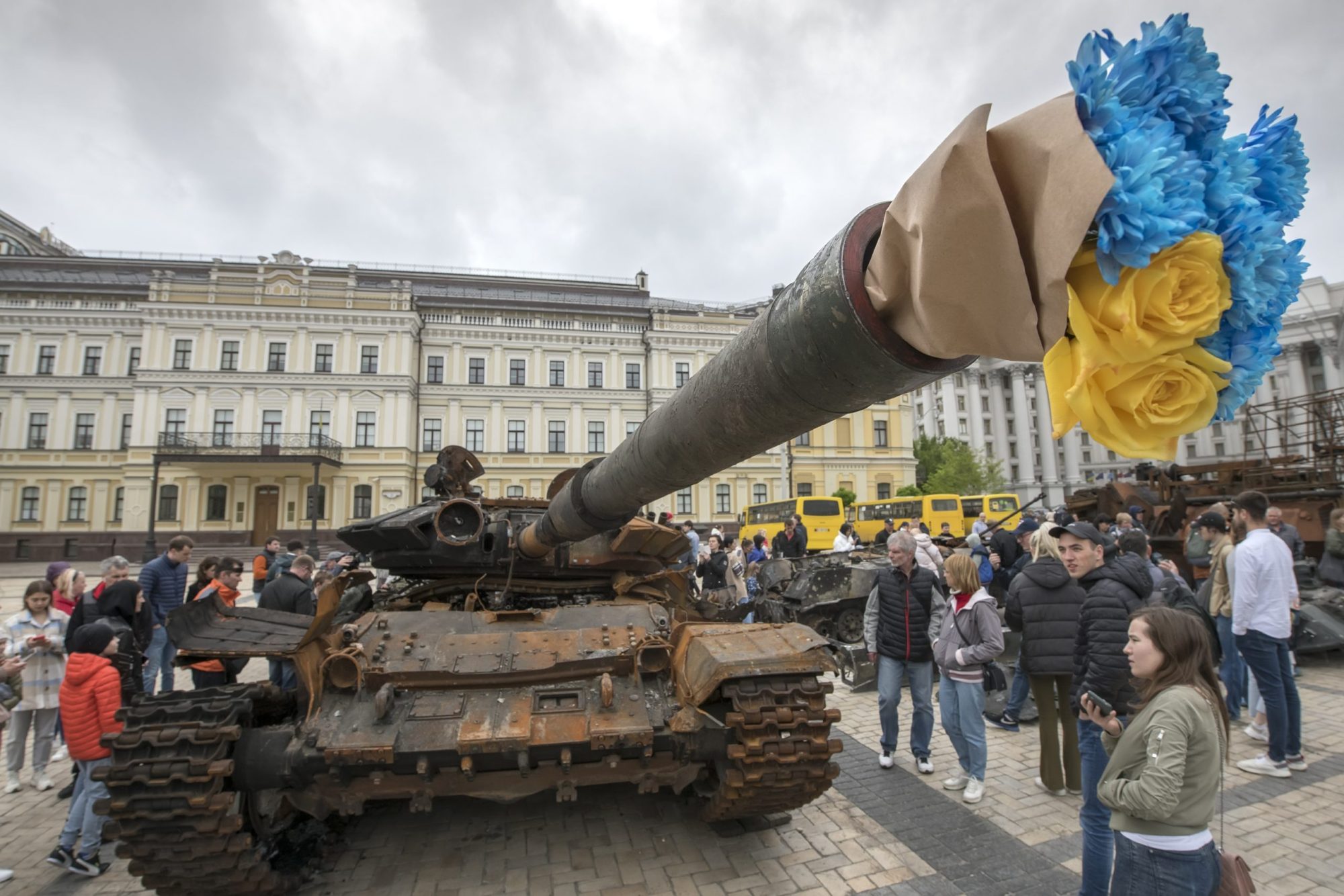
Image: A bouquet of blue and yellow flowers sticking out of the barrel of a destroyed Russian tank displayed for Ukrainians to see at Mykhailivska Square in downtown Kyiv, Ukraine, May 22, 2022 (Photo by Maxym Marusenko/NurPhoto)

Categories
Saved Web Pages

Biden slaps oil companies for profiteering at the pump.

15bidenoil-facebookJumbo.jpg

In a letter to seven large energy firms, the president said excessive margins were “worsening that pain” for American consumers.

This article is part of our Daily Business Briefing

The average price of gas in the United States is topping $5 per gallon.

The average price of gas in the United States is topping $5 per gallon.Credit…John Taggart for The New York Times

Peter Baker
  • June 15, 2022, 10:50 a.m. ET

WASHINGTON — President Biden chastised some of the largest oil companies for profiteering off surging energy prices and “worsening that pain” for consumers, as he increased the pressure on them to boost refining capacity to bring down costs at the pump for millions of Americans.

With the average price of gas in the United States topping $5 a gallon for the first time, Mr. Biden pointed the finger at energy firms in a letter to seven top executives dated Tuesday, demanding that they explain their decision to limit refining capacity and announcing that his administration would hold an “emergency meeting” to discuss ways of stemming the crisis.

“At a time of war, refinery profit margins well above normal being passed directly onto American families are not acceptable,” Mr. Biden said in the three-page letter. “There is no question that Vladimir Putin is principally responsible for the intense financial pain the American people and their families are bearing. But amid a war that has raised gasoline prices more than $1.70 per gallon, historically high refinery profit margins are worsening that pain.”

The letter, which went to executives at BP, Chevron, Exxon Mobil, Marathon Petroleum, Phillips 66, Shell and Valero Energy, extends an effort by the president in recent weeks to pin at least some of the blame for high gas prices on firms raking in billions of dollars of profit while deflecting any responsibility from his administration. Rising gas prices have contributed to a sour political environment that has seen Mr. Biden’s approval ratings slide lower in advance of the fall midterm election campaign.

The president argued in the letter that the companies have failed to restore refining capacity that they reduced during earlier days of the coronavirus pandemic. At the same time, it said that there is “an unprecedented disconnect between the price of oil and the price of gas,” noting that the last time the price of crude hit $120 a barrel in March, the price of gas at the pump was $4.25. But today, gas prices are 75 cents higher.

“That difference — of more than 15 percent at the pump — is the result of the historically high profit margins for refining oil into gasoline, diesel and other refined products,” Mr. Biden said. “Since the beginning of the year, refiners’ margins for refining gasoline and diesel have tripled, and are currently at their highest levels ever recorded.”

House Democrats passed a bill last month empowering Mr. Biden to declare an energy emergency and crack down on firms deemed to be excessively increasing prices, but it appears unlikely to pass the Senate. Republicans have maintained that Mr. Biden’s energy and climate policies are at least partly to blame for the rising gas prices, accusing the president of undermining America’s energy industry.

Categories
Saved Web Pages

Opinion | We Should Say It. Russia Is Fascist.

19snyder-image-facebookJumbo.jpg

Credit…Illustration by The New York Times; Photographs by Clive Rose, Alexander Nemenov and Kirill Kudryavtsev, via Getty Images

By Timothy Snyder

Dr. Snyder is a professor of history at Yale University and the author of many books on fascism, totalitarianism and European history.

Fascism was never defeated as an idea.

As a cult of irrationality and violence, it could not be vanquished as an argument: So long as Nazi Germany seemed strong, Europeans and others were tempted. It was only on the battlefields of World War II that fascism was defeated. Now it’s back — and this time, the country fighting a fascist war of destruction is Russia. Should Russia win, fascists around the world will be comforted.

We err in limiting our fears of fascism to a certain image of Hitler and the Holocaust. Fascism was Italian in origin, popular in Romania — where fascists were Orthodox Christians who dreamed of cleansing violence — and had adherents throughout Europe (and America). In all its varieties, it was about the triumph of will over reason.

Because of that, it’s impossible to define satisfactorily. People disagree, often vehemently, over what constitutes fascism. But today’s Russia meets most of the criteria that scholars tend to apply. It has a cult around a single leader, Vladimir Putin. It has a cult of the dead, organized around World War II. It has a myth of a past golden age of imperial greatness, to be restored by a war of healing violence — the murderous war on Ukraine.

It’s not the first time Ukraine has been the object of fascist war. The conquest of the country was Hitler’s main war aim in 1941. Hitler thought that the Soviet Union, which then ruled Ukraine, was a Jewish state: He planned to replace Soviet rule with his own and claim Ukraine’s fertile agricultural soil. The Soviet Union would be starved, and Germany would become an empire. He imagined that this would be easy because the Soviet Union, to his mind, was an artificial creation and the Ukrainians a colonial people.

The similarities to Mr. Putin’s war are striking. The Kremlin defines Ukraine as an artificial state, whose Jewish president proves it cannot be real. After the elimination of a small elite, the thinking goes, the inchoate masses would happily accept Russian dominion. Today it is Russia that is denying Ukrainian food to the world, threatening famine in the global south.

Many hesitate to see today’s Russia as fascist because Stalin’s Soviet Union defined itself as antifascist. But that usage did not help to define what fascism is — and is worse than confusing today. With the help of American, British and other allies, the Soviet Union defeated Nazi Germany and its allies in 1945. Its opposition to fascism, however, was inconsistent.

Before Hitler’s rise to power in 1933, the Soviets treated fascists as just one more form of capitalist enemy. Communist parties in Europe were to treat all other parties as the enemy. This policy actually contributed to Hitler’s ascent: Though they outnumbered the Nazis, German communists and socialists could not cooperate. After that fiasco, Stalin adjusted his policy, demanding that European communist parties form coalitions to block fascists.

That didn’t last long. In 1939, the Soviet Union joined Nazi Germany as a de facto ally, and the two powers invaded Poland together. Nazi speeches were reprinted in the Soviet press and Nazi officers admired Soviet efficiency in mass deportations. But Russians today do not speak of this fact, since memory laws make it a crime to do so. World War II is an element of Mr. Putin’s historical myth of Russian innocence and lost greatness — Russia must enjoy a monopoly on victimhood and on victory. The basic fact that Stalin enabled World War II by allying with Hitler must be unsayable and unthinkable.

Stalin’s flexibility about fascism is the key to understanding Russia today. Under Stalin, fascism was first indifferent, then it was bad, then it was fine until — when Hitler betrayed Stalin and Germany invaded the Soviet Union — it was bad again. But no one ever defined what it meant. It was a box into which anything could be put. Communists were purged as fascists in show trials. During the Cold War, the Americans and the British became the fascists. And “anti-fascism” did not prevent Stalin from targeting Jews in his last purge, nor his successors from conflating Israel with Nazi Germany.

Soviet anti-fascism, in other words, was a politics of us and them. That is no answer to fascism. After all, fascist politics begins, as the Nazi thinker Carl Schmitt said, from the definition of an enemy. Because Soviet anti-fascism just meant defining an enemy, it offered fascism a backdoor through which to return to Russia.

In the Russia of the 21st century, “anti-fascism” simply became the right of a Russian leader to define national enemies. Actual Russian fascists, such as Aleksandr Dugin and Aleksandr Prokhanov, were given time in mass media. And Mr. Putin himself has drawn on the work of the interwar Russian fascist Ivan Ilyin. For the president, a “fascist” or a “Nazi” is simply someone who opposes him or his plan to destroy Ukraine. Ukrainians are “Nazis” because they do not accept that they are Russians and resist.

A time traveler from the 1930s would have no difficulty identifying the Putin regime as fascist. The symbol Z, the rallies, the propaganda, the war as a cleansing act of violence and the death pits around Ukrainian towns make it all very plain. The war against Ukraine is not only a return to the traditional fascist battleground, but also a return to traditional fascist language and practice. Other people are there to be colonized. Russia is innocent because of its ancient past. The existence of Ukraine is an international conspiracy. War is the answer.

Because Mr. Putin speaks of fascists as the enemy, we might find it hard to grasp that he could in fact be fascist. But in Russia’s war on Ukraine, “Nazi” just means “subhuman enemy”— someone Russians can kill. Hate speech directed at Ukrainians makes it easier to murder them, as we see in Bucha, Mariupol and every part of Ukraine that has been under Russian occupation. Mass graves are not some accident of war, but an expected consequence of a fascist war of destruction.

Fascists calling other people “fascists” is fascism taken to its illogical extreme as a cult of unreason. It is a final point where hate speech inverts reality and propaganda is pure insistence. It is the apogee of will over thought. Calling others fascists while being a fascist is the essential Putinist practice. Jason Stanley, an American philosopher, calls it “undermining propaganda.” I have called it “schizofascism.” The Ukrainians have the most elegant formulation. They call it “ruscism.”

We understand more about fascism than we did in the 1930s. We now know where it led. We should recognize fascism, because then we know what we are dealing with. But to recognize it is not to undo it. Fascism is not a debating position, but a cult of will that emanates fiction. It is about the mystique of a man who heals the world with violence, and it will be sustained by propaganda right to the end. It can be undone only by demonstrations of the leader’s weakness. The fascist leader has to be defeated, which means that those who oppose fascism have to do what is necessary to defeat him. Only then do the myths come crashing down.

As in the 1930s, democracy is in retreat around the world and fascists have moved to make war on their neighbors. If Russia wins in Ukraine, it won’t be just the destruction of a democracy by force, though that is bad enough. It will be a demoralization for democracies everywhere. Even before the war, Russia’s friends — Marine Le Pen, Viktor Orban, Tucker Carlson — were the enemies of democracy. Fascist battlefield victories would confirm that might makes right, that reason is for the losers, that democracies must fail.

Had Ukraine not resisted, this would have been a dark spring for democrats around the world. If Ukraine does not win, we can expect decades of darkness.

Timothy Snyder (@TimothyDSnyder) is a professor of history at Yale University and a permanent fellow at the Institute for Human Sciences in Vienna. He is the author of numerous books, among them “Bloodlands: Europe Between Hitler and Stalin” and “On Tyranny: Twenty Lessons From the Twentieth Century.”

The Times is committed to publishing a diversity of letters to the editor. We’d like to hear what you think about this or any of our articles. Here are some tips. And here’s our email: letters@nytimes.com.

Follow The New York Times Opinion section on Facebook, Twitter (@NYTopinion) and Instagram.

Categories
Saved Web Pages

В поисках Кащеевой иглы. Почему не рушится путинский режим

0ffd0000-0aff-0242-c87f-08da4e09a0f4_w12

Путешественник во времени, прибывший в наши дни из 1930-х, без труда опознал бы в путинском режиме режим фашистский. Символ Z, народные шествия, пропаганда, идея войны как акта очистительного насилия, братские могилы вокруг украинских городов — все это не оставляет пространства для сомнений. Война в Украине — не просто возвращение на традиционный фашистский плацдарм, но и воссоздание традиционных фашистских практик и риторики. Другие народы существуют для того, чтобы их колонизировать. Россия ни в чем не виновата в силу ее славного прошлого. Существование Украины – результат международного заговора. Единственный возможный ответ – война.

Столь жесткую характеристику дает нынешнему российскому режиму американский историк Тимоти Снайдер в своем недавнем нашумевшем эссе под названием “Мы должны сказать это вслух: Россия – фашистское государство” (We Should Say It. Russia Is Fascist). Этот текст, опубликованный около месяца назад в New York Times, стал одним из наиболее широко обсуждаемых в русскоязычной интеллектуальной среде и соцсетях. Дело не только в хлесткости определений Снайдера, но и в том, что украинская война вновь подняла вопрос о том, что же за режим управляет Россией.

Как и почему система, выстроенная Владимиром Путиным, умудряется существовать столь долго, становясь всё более жесткой и агрессивной? Почему не оправдываются прогнозы российской оппозиции, часть которой из года в год предрекает путинизму скорый крах? Можно ли вслед за Тимоти Снайдером считать, что Россия стала фашистским государством? И если нет, то как охарактеризовать этот режим и каковы его перспективы – в контексте развязанной им войны и небывало жестких санкций, введенных странами Запада против Москвы?

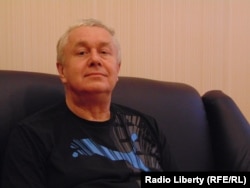
Обо всем этом Радио Свобода беседует с одним из ведущих российских специалистов по проблемам формирования и развития авторитарных политических режимов, профессором Европейского университета в Санкт-Петербурге Григорием Голосовым.

– Пару лет назад мы с вами разговаривали о природе нынешнего российского режима. Вы классифицируете его как электоральный авторитаризм. В последние годы, когда оппозиция в России подвергается “жесткой зачистке”, принимается множество репрессивных законов, в том числе связанных с войной в Украине, похоже, в режиме становится всё меньше электорального и всё больше репрессивного. На ваш взгляд, есть ли тут какой-то качественный скачок в сторону откровенной диктатуры, и если да, то когда он произошел: после референдума об “обнулении”, с началом вторжения в Украину, или есть иная дата?

Я качественного скачка не вижу и, по правде сказать, не считаю, что этот режим стал более авторитарным в последние годы. Просто некоторые его качества проявились более ярко. Но о том, что он достиг консолидированной фазы, можно говорить уже с 2016 года, а может, и раньше. Он стал более репрессивным в прошлом году в связи с приближавшимися выборами. Но именно в том, что это было связано с выборами, и проявилась его природа как электорального авторитаризма.

Григорий Голосов


Григорий Голосов

– В чем она заключается?

– Любой политический режим имеет две составляющие: персональную и институциональную. Вопрос в том, каково соотношение между ними. Можно представить себе демократию, в которой власть сильно персонифицирована – допустим, Франция при де Голле. Или демократию, где институты доминируют над персоналиями: в Японии случалось, что люди толком не знали, кто сейчас премьер-министр, но знали, какая партия правит.

А электоральный авторитаризм – это режим, в котором в качестве вторичного институционального средства существуют выборы. Это средство для режима важно, но, в отличие от демократии, оно для него вторично. При таком режиме невозможны выборы, на которых носитель власти может проиграть. Другие авторитарные режимы устроены иначе. Допустим, в абсолютной монархии важную институциональную роль играет двор, в партийном – правящая партия, в военных диктатурах – внутренняя структура военной корпорации. Но электоральный авторитарный режим обладает самым большим потенциалом перерастания в “чистую” персональную диктатуру. Именно потому, что ключевой институциональный механизм – выборы – является у него вторичным, а других нет.

– Так для чего этот механизм все-таки нужен в такой системе?

– А давайте представим себе, что Путин отменил бы выборы. На каком основании он тогда оставался бы у власти? Ему нужно было бы провозгласить себя императором. Теоретически это возможно, на практике – очень сложно. Он не может стать военным диктатором, потому что военным, собственно, не является. Он не может создать полноценную правящую партию, потому что она в какой-то степени ограничивала бы его власть. Именно поэтому Путину в качестве фиктивного средства институционализации нужны выборы.

Представим себе, что Путин отменил бы выборы. Тогда ему нужно было бы провозгласить себя императором

– Это типичный электоральный авторитаризм, или в путинском правлении есть что-то уникальное?

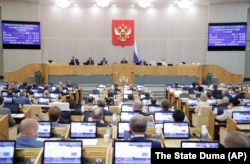
– Режимы такого типа – самый распространенный тип авторитаризма в современном мире, хотя наблюдается этот тип с XIX столетия. Но есть одна особенность: путинский режим возник в результате распада электоральной демократии. Она в России была, хоть и очень несовершенная, в 90-х годах. Она оставила довольно большое наследие в виде самого института выборов, Госдумы, политических партий и т.д. И при Путине, с одной стороны, это наследие долго перерабатывалось, а с другой – облегчало имитацию демократии режимом, который по сути демократическим уже давно не был. До сих пор все эти институты 90-х существуют, Госдума принимает законы, партии проводят съезды… В известном смысле это наследие облегчило превращение России в ту диктатуру, каковой она является сейчас. И если говорить о динамике режима, то она как раз заключается в том, что на наших глазах эти институты становятся еще менее важными, превращаются в совсем пустые скорлупки. Хотя на самом деле они стали имитационными задолго до того, как этот процесс стал очевиден.

– Госдуму называют “бешеным принтером”, по-моему, уже лет 10 или больше…

– Да, но если бы ее не было, пришлось бы придумывать что-то уже на авторитарной основе. А так – имеем квазидемократический институт, унаследованный из времен, когда он был не совсем “квази”. Это облегчает имитационную сторону функционирования режима.

Государственная Дума - имитационное наследие демократии 90-х


Государственная Дума – имитационное наследие демократии 90-х

– Как вы сказали, свойства режима и степень их проявления меняются, и, видимо, на этой основе в интеллектуальной среде возник спор вокруг недавнего эссе Тимоти Снайдера. Разговоры о фашизации российского режима – это фигура речи, хлесткое сравнение, или все-таки они отражают политическую реальность?

– Я думаю, высказывание Снайдера следует рассматривать в контексте официальной позиции, с которой выступает администрация Байдена. Согласно ей, Россия сейчас представляет собой экзистенциальную угрозу США и всему западному миру. Потому что Россия – ядерная держава, и ее руководители не скрывают, что если сочтут это необходимым, то применят ядерное оружие. Кроме того, Россия ведет агрессивную внешнюю политику, направленную на территориальное расширение. В какой-то момент это расширение может затронуть страны, перед которыми у США есть военно-политические обязательства. В таком случае применение ядерного оружия в конфликте между двумя державами может стать неизбежным. Отсюда линия на то, чтобы всеми средствами, прежде всего санкциями, помешать России проводить такую политику.

Похоже, есть люди, которым эта позиция кажется недостаточно мотивированной – хотя я не понимаю, почему. Чтобы ее усилить, они хотят приписать нынешней борьбе дополнительное морально-идеологическое измерение. Для этого надо записать Россию в категорию абсолютного зла. И вот Тимоти Снайдер заявляет, что Россия – фашистская. А другой автор, консерватор Ли Эдвардс, говорит, что Путин – марксист-ленинец. Для определенной части американской общественности быть марксистом-ленинцем – это еще хуже, чем быть фашистом. В общем, это такие поясняющие ярлыки. В качестве риторической стратегии это работает слабо, потому что в ответ могут начать вспоминать о тесных отношениях США в разные времена с теми или иными несимпатичными правыми и левыми режимами, от послевоенной диктатуры Франко в Испании до сегодняшнего коммунистического Вьетнама.

Я понимаю, почему хотят риторически усилить критику России. На Западе вообще (и в США в частности) много влиятельных людей, которые на самом деле не хотят обострения отношений с Москвой, потому что им это по разным причинам, деловым или политическим, не выгодно. И вот чтобы уменьшить их влияние, некоторые сторонники жесткой линии пытаются показать, что Россия – то ли фашистская, то ли в каком-то другом смысле фундаментально неприемлемая. Но мне это не кажется правильным, потому что аргументов в пользу официальной американской позиции и без этого вполне достаточно.

– То есть попытки понять суть режима вы в этом не видите?

– Понять суть любого режима можно только путем систематического наблюдения и рассуждения о нем самом. Если же мы смотрим на исторические примеры, то кому угодно можно приписать какие угодно свойства явлений из прошлого, если захотеть. В результате в устах одного мыслителя Россия оказывается фашистской страной, а в устах другого – страной с коммунистическим правлением. Именно поэтому исторические иллюстрации и параллели поверхностны.

Люди, которые его окружают, обязаны своим продвижением не институтам, а тому, что их выбрал сам Путин

– Хорошо, вернемся тогда к систематическим рассуждениям о режиме Путина. Критически настроенные к нему люди предрекают режиму скорый крах уже лет 15, не меньше. Краха не происходит. В чем тут дело? Где спрятана Кащеева игла, в которой находится гибель этой политической модели?

– Любая персоналистская диктатура в первую очередь зависит от жизнеспособности и дееспособности самого диктатора и от того, может ли он контролировать своих соратников. А это в условиях электорального авторитаризма типа путинского делать гораздо проще, чем при авторитарном режиме, который институционализирован иначе. Скажем, в военных диктатурах есть армия как корпорация, и в этих условиях диктатору труднее назначать на ведущие посты своих друзей, потому что корпорация диктует: вот этот генерал – заслуженный, значит, именно ему, если он сам хочет, лучше быть губернатором провинции N. Путин таких возражений не слышит. Люди, которые его окружают, обязаны своим продвижением не институтам, а тому, что их выбрал сам Путин. Ожидать, что они будут оспаривать его власть, сложнее, чем в ситуации, когда они были бы обязаны своей карьерой чему-то еще, кроме воли правителя.

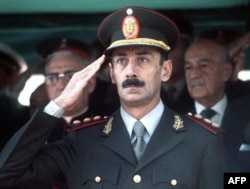
Генерал Хорхе Рафаэль Видела возглавлял военный режим в Аргентине в конце 70-х годов. За неполных 7 лет правления хунты были убиты тысячи ее политических противников и обычных граждан. Видела впоследствии был осужден и умер в тюрьме.


Генерал Хорхе Рафаэль Видела возглавлял военный режим в Аргентине в конце 70-х годов. За неполных 7 лет правления хунты были убиты тысячи ее политических противников и обычных граждан. Видела впоследствии был осужден и умер в тюрьме.

Кроме того, это именно электоральный авторитаризм, то есть здесь действует аргумент “Путин избран народом” (как именно избран, другой вопрос). И окружающим его людям, которые идейно находятся в рамках режима, возразить на это нечего. То есть, глядя на ситуацию с выборами в России, кто-то может назвать Путина узурпатором. Но люди из его окружения, которые попытались бы его свергнуть, как это ни парадоксально, выглядели бы в собственных глазах еще бóльшими узурпаторами.

– То есть еще одна заезженная формула – “раскол элит” – это нечто, от чего Путин благодаря свойствам выстроенной им системы “привит”, предохранен?

– Этот раскол колоссально затруднен по сравнению с военными режимами, которые и послужили когда-то основанием для появления формулировки “раскол элит”. Там были разные группировки военных с институционально закрепленными за ними ролями. Когда заходила речь о возможности демократизации режима, кто-то из них становился “ястребами”, кто-то “голубями”. Через этот раскол элит процесс демократизации и запускался. Если таких закрепленных ролей нет, то очень трудно, занимая важное место в системе власти, отстаивать какие-либо позиции, отличные от тех, которые проговаривает правитель. Это будет рассматриваться как проявление нелояльности, не подкрепленное никакими политическими ресурсами. Таких людей просто уволят. А вот многие из латиноамериканских военных диктаторов в 1970-х годах трижды подумали бы, прежде чем уволить каких-то влиятельных генералов. Потому что так можно было спровоцировать новый военный переворот. Мы ведь помним все эти разговоры о “башнях Кремля”. Эти разговоры с самого начала были пустыми просто потому, что “башни” в силу устройства системы всегда были бессильны по отношению к правителю.

– То есть получается, что единственным реальным фактором перемен может быть только биологический – смерть или серьезная болезнь правителя, вроде инсульта португальского диктатора Салазара?

Если что-то сделать трудно, это не значит, что сделать это совершенно невозможно. На самом деле персоналистские диктатуры не раз становились жертвами заговоров. Давайте поспекулируем: есть сейчас в России какой-то заговор против Путина? Если мы ответим “да”, то это значит, что реального заговора нет, потому что заговор, о котором знаем даже мы с вами, – это не настоящий заговор. Если мы ответим “нет”, то тут есть две возможности: либо заговора действительно нет (и это, скорее всего, действительно так), либо он есть, и это настоящий заговор. Именно потому, что мы о нем ничего не знаем.

Разговоры о “башнях Кремля” с самого начала были пустыми потому, что “башни” в силу устройства системы всегда были бессильны по отношению к правителю

– Ну а нынешняя война с Украиной и сопровождающие ее очень жесткие западные санкции? Она является для режима серьезным потрясением – или скорее наоборот, мобилизующим фактором?

– Мы еще не знаем, какой именно эффект будут иметь санкции. Он пока не проявился. Россия проживает то, что осталось из накопленного. Скорее всего, к осени мы уже почувствуем последствия того, что резко сократился импорт и значительно уменьшились доходы от экспорта. Это скажется и на благосостоянии широких слоев населения, и на уровне доходов российского правящего класса. В какой степени, мы сказать не можем, потому что ситуация беспрецедентна: такого рода санкции никогда против никого не вводились. Но говорить о каком-либо политическом эффекте санкций можно будет только после того, как их экономический эффект проявит себя в полной мере. Сейчас еще рано.

– Мы с вами говорили о режиме, об элитах… А что же общество, в котором они существуют? Можно сейчас в России как-то понять политические ориентиры большинства общества? Вот есть спор о том, верить ли итогам соцопросов, согласно которым большинство россиян поддерживают войну против Украины. Трудно что-то сказать однозначно. Итак, мы в потемках, или понять, куда ветер дует, все-таки можно?

– Я не уверен, что сейчас нужно это улавливать. Это имеет значение в моральном плане – понять, настолько ли аморальны россияне, чтобы поддерживать кровопролитие в соседней стране. Да нет, не слишком аморальны. Просто всё, что большинство из них знает об этом из пропаганды – это то, что российские военные помогают родственному русскоязычному населению Донбасса, заботятся о мирных жителях, способствуют их вывозу в безопасные места, в основном в Россию… Вот это и знают о происходящем между Россией и Украиной. Но население никак не влияет на политические процессы в стране. Позиция тех граждан России, у которых иной взгляд на происходящее в Украине, более важна. Она, по крайней мере, может указывать на то, как будет меняться общественное мнение, когда военные действия прекратятся. Рано или поздно это случится, хотя я не думаю, что очень скоро.

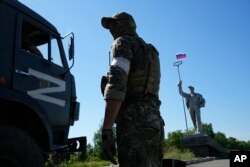
Российские оккупационные войска в Мариуполе в День России 12 июня 2022 года


Российские оккупационные войска в Мариуполе в День России 12 июня 2022 года

– То есть, по-вашему, “народ безмолвствует”, и ничего страшного в этом нет? Есть аполитичное большинство, принявшее к сведению пропаганду, и никакой реальной мобилизации общества в поддержку войны?

– Да, в большинстве своем люди аполитичны, и это нормально. Но есть небольшая группа тех, на кого пропаганда оказала воздействие, кто активно поддерживает войну и ее провозглашенные цели. Таких мало, хотя они хорошо заметны. Я думаю, что в количественном измерении, однако, таких людей меньше, чем тех, кто придерживается прямо противоположных взглядов, то есть осуждает войну.

– Это аполитичное большинство – tabula rasa, “чистая доска”, на которой история когда-нибудь напишет то, что захочет, или же годы нынешнего режима и его пропаганды оставят на этих людях свой след?

– Вот я осуждал исторические примеры и аналогии, а сейчас к одной прибегну. Не помню точно, у какого писателя это описано, один из ранних советских. Он разговаривал со своей матерью, женщиной из небогатой интеллигентской среды, которая до революции была в целом привержена монархии, верила в победу в войне с Германией и т.д. И вот уже после Февральской революции она ему говорит: царица была немецкой шпионкой и спала с Распутиным. Он ей возражает: мама, но это же враньё! Нет, она твердо в это верила. Это пример того, как содержание массового сознания, привносимое пропагандой, стремительно уносится прочь при смене информационного фона. Весь шапкозакидательский патриотизм 1914 года был к тому времени забыт, и нужно было объяснить, как же случилось, что с войной вышел, современным жаргоном выражаясь, “эпический фэйл”. Ну вот, объяснили таким образом, что во всем виноваты царица и Распутин. Так работает массовое сознание. Люди, у которых сейчас выработались убеждения типа гиркинских, конечно, и дальше будут твердить, что Украину нужно было уничтожить. Но они останутся в меньшинстве, каким являются и сейчас. Иное дело, что по прошествии десятилетий может случиться так, что возникнет ностальгия и по путинскому времени. Но это будет уже совсем другая история.
Categories
Saved Web Pages

The utter necessity of a Russian defeat

PutinVladimir-05062022.jpg?w=1280

From a Western Clausewitzian standpoint, there is no longer any political justification for Russia’s aggression against Ukraine other than to allow Russian President Vladimir Putin to save face. But from Putin and his supporters’ perspective on Clausewitz ,that is more than a sufficient justification for continuing this war. 

Putin has long since morphed into a contemporary version of a Shakespearean villain who is in blood so steeped that to go back would be as tiresome as to go o’er. Indeed, Putin and his toadies are busily making reckless nuclear threats in the belief that such threats will frighten the West into stopping the war with Russian troops on Ukrainian soil. In other words, they are exploiting Nixon’s madman theory to terrify Westerners with nuclear threats.

Unfortunately, too many Western experts are arguing that we have to save Russia or Putin’s face lest the humiliation of defeat drive him to escalate. Alternatively, they argue that we must negotiate the future of European security with Russia

To put it starkly, they are all too willing to sacrifice Ukrainian territory and sovereignty to relieve their anxiety about escalation. Moreover, they also seem to harbor the strange idea that Western and U.S. deterrents are inherently ineffectual and immoral, if not absent, even though they have no proof of these defects in that deterrent. In fact, Putin has no “off-ramp” save victory, which is increasingly unlikely unless fearful Western leaders coerce Ukraine into surrender. That outcome not only undermines Ukraine’s confidence in the West; it also validates Putin’s strategy that the West lacks the nerve to defend its interests and values in the face of his nuclear threats.

Neither would such a program bring about peace — quite the contrary. Putin or his successors could spin that outcome as a victory and use it to provide a basis for renewed campaigns against Ukraine and Europe. After all, he has sought for over 20 years to subvert and now destroy any idea of Ukrainian statehood. Espousing the approach of preventing a decisive Ukrainian victory also makes it impossible to hold any Russians accountable for the economic devastation wreaked on Ukraine or the genocidal crimes committed across Ukraine.at Moscow’s orders.

Behind much of this commentary lies the implicit or explicit canards that we have no vital interests at stake in European security in this war or that NATO or Washington is somehow to blame for this war. 

These arguments, though dressed up in the clothes of supposed realism, are also utterly groundless. Putin himself has admitted that they are canards. Discussing Finnish and Swedish accession to NATO, he admitted that these moves “do not provide a direct threat.” Nevertheless, he and his government are planning military moves because they cannot let go of the self-serving narrative that saturates Russian media about the alleged NATO threat.

While we obviously must take nuclear threats seriously; we must, in Voltaire’s words, “cultivate our garden,” i.e. European security. We must remind Putin that we too have a deterrent, both conventional and nuclear, and that if he launches a nuclear attack on Ukraine or Europe to save his power and system, it will be the last thing he ever does. 

Moreover, if there is to be genuine security in Europe, including Russia, it is necessary to foreclose Russia’s option of a renewed Russian empire. A Russian empire is sustainable only through an autocracy like Putin’s that is both wholly criminalized and consumed by the ideology of Russia as being under permanent threat from NATO. 

Will Biden reset the bipartisan partnership between Washington and Jerusalem? Smuggled smokes: More potential profit for organized crime

Empire intrinsically presupposes an unending state of war across Eurasia since Russia’s neighbors refuse to renounce their sovereignty and territory. And Russia clearly cannot sustain either war or empire.

Therefore, we must reject the advice of those who would gladly sacrifice Ukraine’s vital interests to their anxiety about Putin losing face. A Russian defeat is necessary not just to enhance Ukraine and Europe’s security but also to allow the Russian people to confront, as Germany has done, their history and responsibility for the crimes committed in the past and the present in Russia’s name. Only on that basis will Russia have a chance to reclaim its European vocation and enrich the lives of both its citizens and its neighbors.

Stephen Blank, Ph.D., is a senior fellow at the Foreign Policy Research Institute (FPRI). He is a former professor of Russian national security studies and national security affairs at the Strategic Studies Institute of the U.S. Army War College and a former MacArthur fellow at the U.S. Army War College. Blank is an independent consultant focused on the geopolitics and geostrategy of the former Soviet Union, Russia and Eurasia.

Categories
Saved Web Pages

War in Ukraine reaches pivotal moment that could determine long-term outcome, intelligence officials say

220613122440-0613-ukraine-dle-severodone

Putin unveils imperialist mission: Taking back land he says is Russia's

Washington (CNN)Ukraine’s military is burning through Soviet-era ammunition that fits older systems as the country pleads with the West to send more heavy weaponry and Russia amasses a significant artillery advantage around two strategically important cities in eastern Ukraine.

Western intelligence and military officials believe Russia’s war in Ukraine is in a critical stage that could determine the long-term outcome of the conflict, according to multiple sources familiar with US and other Western intelligence.

This pivotal moment could also force a tough decision for Western governments, which have up until now offered support to Ukraine at a steadily increasing cost to their own economies and national stockpiles of weapons.

US Secretary of Defense Lloyd Austin is poised to lead a working group of nearly 50 countries to discuss the crisis on Wednesday, when the US expects more announcements of weapons and equipment packages for Ukraine, according to a senior US defense official. Ukrainian officials have expressed frustration that these vital munitions appear to be trickling into the fight piecemeal — and have raised fears that Western commitment may be softening at a decisive moment.

“I think that you’re about to get to the point where one side or the other will be successful,” said a senior NATO official. “Either the Russians will reach Slovyansk and Kramatorsk or the Ukrainians will stop them here. And if the Ukrainians are able to hold the line here, in the face of this number forces, that will matter.”

Western officials are closely watching three possible scenarios that they believe could unfold:

Russia could continue to make incremental gains in two key eastern provinces. Or the battle lines could harden into a stalemate that drags on for months or years, leading to tremendous casualties on both sides and a slow-rolling crisis that will continue to be a drain on the global economy.

Then there is what officials consider the least likely possibility: Russia could redefine its war aims, announce that it has achieved victory and attempt to engineer a close to the fighting. For now, that scenario appears to be little more than wishful thinking, sources say.

If Russia is able to consolidate some of its gains in the east, US officials increasingly fear that Russian President Vladimir Putin may eventually be able to use that territory as a staging ground to push further into Ukraine.

“I am sure that if Ukraine is not strong enough, they will go further,” Ukrainian President Volodymyr Zelensky warned on Tuesday in a bid to urge the West to send more weapons faster. “We have shown to them our strength. And it is important for this strength to be also demonstrated together with us by our Western partners as well.”

Western military aid, he said, “has to come quicker” if Ukraine’s allies want to stymie Russia’s territorial ambitions.

Western officials broadly believe that Russia is in a more favorable position in the east, based solely on mass. Still, “Russian progress is not a foregone conclusion,” said one senior Biden administration official.

As the front lines of the conflict have settled into a war of attrition built around back-and-forth artillery fire, both sides have suffered tremendous casualties and now face potential manpower shortfalls. Russia has also suffered losses of as much as a third of its ground force, and US intelligence officials have said publicly that Russia will struggle to make any serious gains without a full mobilization, a politically dangerous move that Putin has so far been unwilling to make.

For now, the fighting is centered on two sister cities on opposite sides of the Seversky Donets River, Sievierodonetsk and Lysychansk. Ukrainian fighters are almost completely encircled at Sievierodonetsk.

Even though Western analysts believe Ukraine stands a better chance of defending Lysychansk, which sits on high ground, there are already troubling signs that Russian is attempting to cut off the city’s supply lines by advancing from the southeast.

“In many ways, the fate of our Donbas is being decided” around these two cities, Zelensky said last week.

A preference for Soviet systems

US officials insist that Western arms are still flowing to the front lines of the fight. But local reports of weapons shortages — and frustrated pleas from Ukrainian officials on the front lines — have raised questions about how effectively supply lines are running. Ukraine has begged not only for heavy artillery but also for even more basic supplies, like ammunition.

Part of the problem, sources say, is that even as Ukraine is running out of old Soviet munitions that fit existing systems, there have also been obstacles to transitioning its fighters to Western, NATO-compliant systems. For one thing, training soldiers on these systems takes time — and takes needed fighters away from the battlefield.

In some cases, according to one source familiar with US intelligence, Ukraine is simply opting not to use the unfamiliar Western systems. For example, despite receiving hundreds of Switchblade drones, some units prefer to use commercial drones rigged with explosives that are more user-friendly.

The Biden administration announced a new aid package earlier this month that included the High Mobility Artillery Rocket System, or HiMARS, which is capable of launching a barrage of rockets and missiles and which Ukraine had urgently requested for weeks. But although a small group of Ukrainian soldiers began training on the system almost immediately after the package was announced, it requires three weeks of training and has not yet entered the fight. The senior defense official would say only that the system will enter Ukraine “soon.”

Meanwhile, there are a limited number of Soviet-era munitions still existing elsewhere in the world that can be sent to Ukraine. The US is urging nations with older stockpiles to figure out what they have available to give Ukraine, but the punishing artillery battle is “wiping Soviet stuff off the face of the earth” for Ukraine and the allies supplying it, according to a US official.

Although the US has a clear picture of Russian battlefield losses, it has struggled from the beginning to assess Ukraine’s fighting strength. Officials have acknowledged that the US doesn’t have a clear picture of where Western arms go or how effectively they are used once they cross the border into Ukraine — making intelligence predictions about the fighting difficult and policy decisions about how and when to resupply Ukraine equally tricky.

The senior Biden administration official told CNN that the US is trying to “better understand their [the Ukrainians’] consumption rate and operational pace,” when asked specifically if Ukraine is running low on ammunition and weapons. “It’s hard to know,” this person said. It’s clear that Ukraine is heavily using the artillery the US and other Western nations have provided, because much of it moves in and out of the country for repairs.

That blind spot is in part because Ukraine doesn’t tell the West everything, Western officials say. And because the fighting is concentrated in such a small area relatively close to Russia, Western intelligence services don’t have the same visibility that they do elsewhere.

“As you get down to the tactical level, especially in the location where the majority of the fighting is, it’s further away from us, closer to Russia, and the forces are more densely packed in very, very close to each other,” the senior NATO official said. “So it’s difficult to get a good granular picture of the status of fighting occasionally in the east.”

It’s also difficult to predict how Ukraine’s military will perform in this pivotal moment because as casualties have mounted, hastily trained civilian volunteers are being sent into the fight, the NATO official added. Their performance under fire is an unknown quantity.

“It’s one thing to have people available, but the question is, are they ready for the fight? I think you’re going to see that as a factor,” the official said.

Predicting Putin’s next move

Meanwhile, US and other Western officials see no sign that Putin’s commitment to prosecuting the costly war has diminished.

“In terms of the strategic aims that we judge Putin has vis-a-vis Ukraine, I don’t see any signs that those have changed,” the NATO official said. “Putin still believes that eventually he will be successful and will either physically control or will gain a form of political control over Ukraine in either significant part or ideally in whole.”

But even if Putin’s commitment remains ironclad, there is a growing awareness that the West’s might not be.

As the fighting has dragged on, the cost to Western governments has continued to rise. Some Western governments — including the United States — have become concerned that the flow of donated weapons to Ukraine has depleted national stockpiles critical to their own defense.

“It’s a valid concern” for the United States, the senior administration official acknowledged.

Then, of course, there is the sting of high energy prices and high inflation. As those costs begin to impact ordinary citizens, in the US and in Europe, and as media attention begins to drift from the day-to-day grind of the fighting, some officials fear Western support for Ukraine may wane.

The spokesperson for the Ukrainian military’s international legion on Monday derided a “sense of complacency” among Ukraine’s military patrons, saying the country needs far more support if it is to defeat Russia’s invasion.

“There’s a certain sense of complacency that seems to have fallen over our Western partners that the arms deliveries that Ukraine has been already provided with are somehow enough to win the war,” said Damien Magrou, spokesperson for the International Legion for the Defense of Ukraine, during a news conference.

“They are not! They do not come near anything that would be close to enabling us to defeat the Russians on the battlefield.”

WP Radio
WP Radio
OFFLINE LIVE