
The fate of Argentina’s state-run oil company has been thrown into doubt as a U.S. judge ordered the cash-strapped country to give up its 51% controlling stake in YPF.
 The Brooklyn Times - bklyntimes.com
The attack in Boulder is a disturbing example of the rise of antisemitism. We must continue to fight it wherever it rears its ugly head.
I am praying for Karen Diamond’s family and loved ones. May her memory be a blessing. https://t.co/Dl8BLdqyH3
— Governor Kathy Hochul (@GovKathyHochul) July 1, 2025
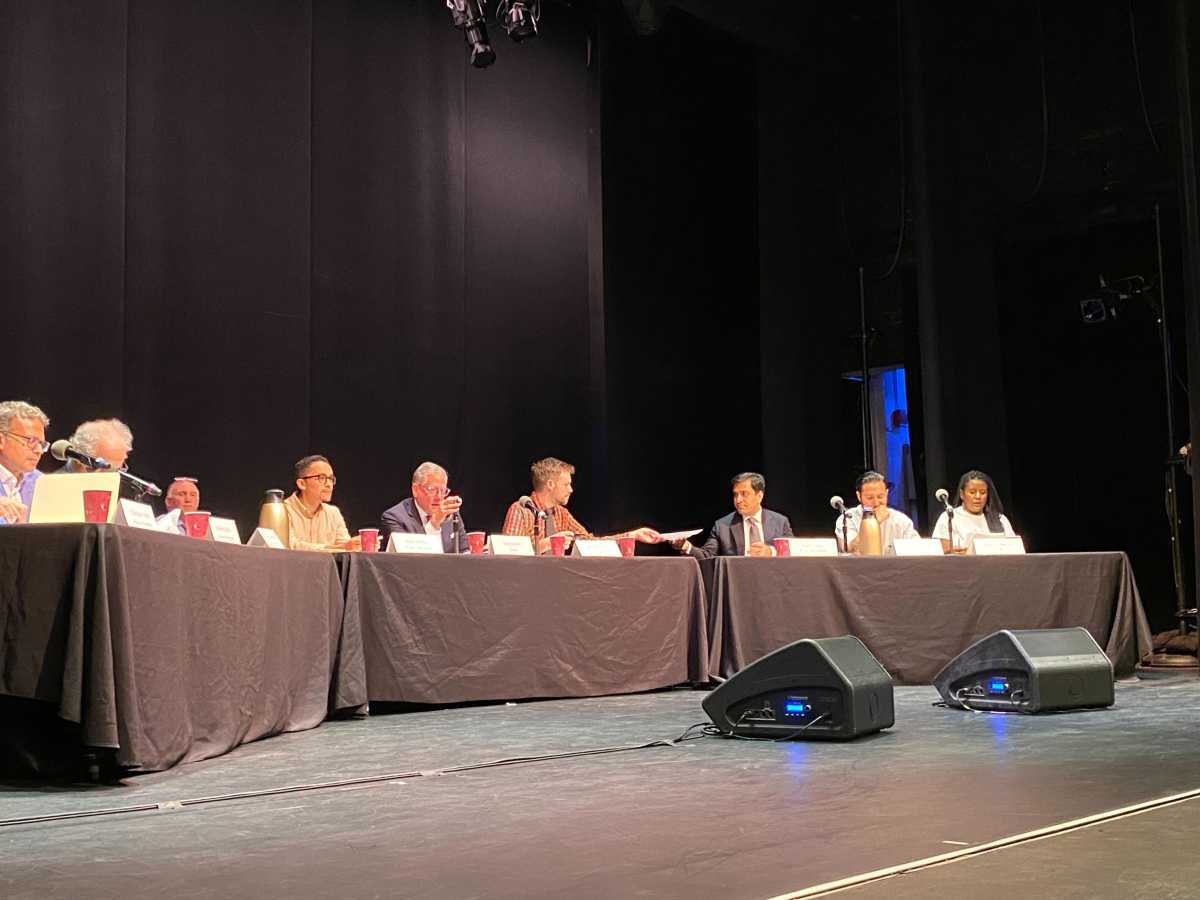
The Rent Guidelines Board voted Monday evening to increase the rent for the city’s nearly one million rent-stabilized apartments, a decision that appeased neither smaller landlords nor tenant activists.
Stabilized renters with one-year leases can expect a 3% hike in their rents, while those with two-year leases will see rents climb 4.5%.
In a 5-4 vote, the nine-member board—composed of two landlord representatives, two tenant representatives, and five public members appointed by the mayor—approved the increases, which will take effect for leases issued or renewed on Oct. 1, 2025.
Ahead of the June 30 public meeting at El Museo del Barrio in East Harlem, the board was considering increases between 1.75% to 4.75% on new one-year leases and 3.75% to 7.75% on new two-year leases.
The range for one-year leases was approved on April 30, but the board, in a rare move, revoted on the range for two-year leases on May 27, reducing it from 4.75%–7.75% to 3.75%–7.75%.
Board Chair Doug Apple said at the time that the rare re-vote on two-year leases was warranted based on testimony on the impact of potential rent increases on tenants, “whose incomes are not keeping pace with the rising cost of living.”
Tenant board member Adán Soltren criticized Apple and the fellow RGB for “ignoring the affordability” testimony heard at public hearings since March, and for now raising the rent some 12% over the last four years.
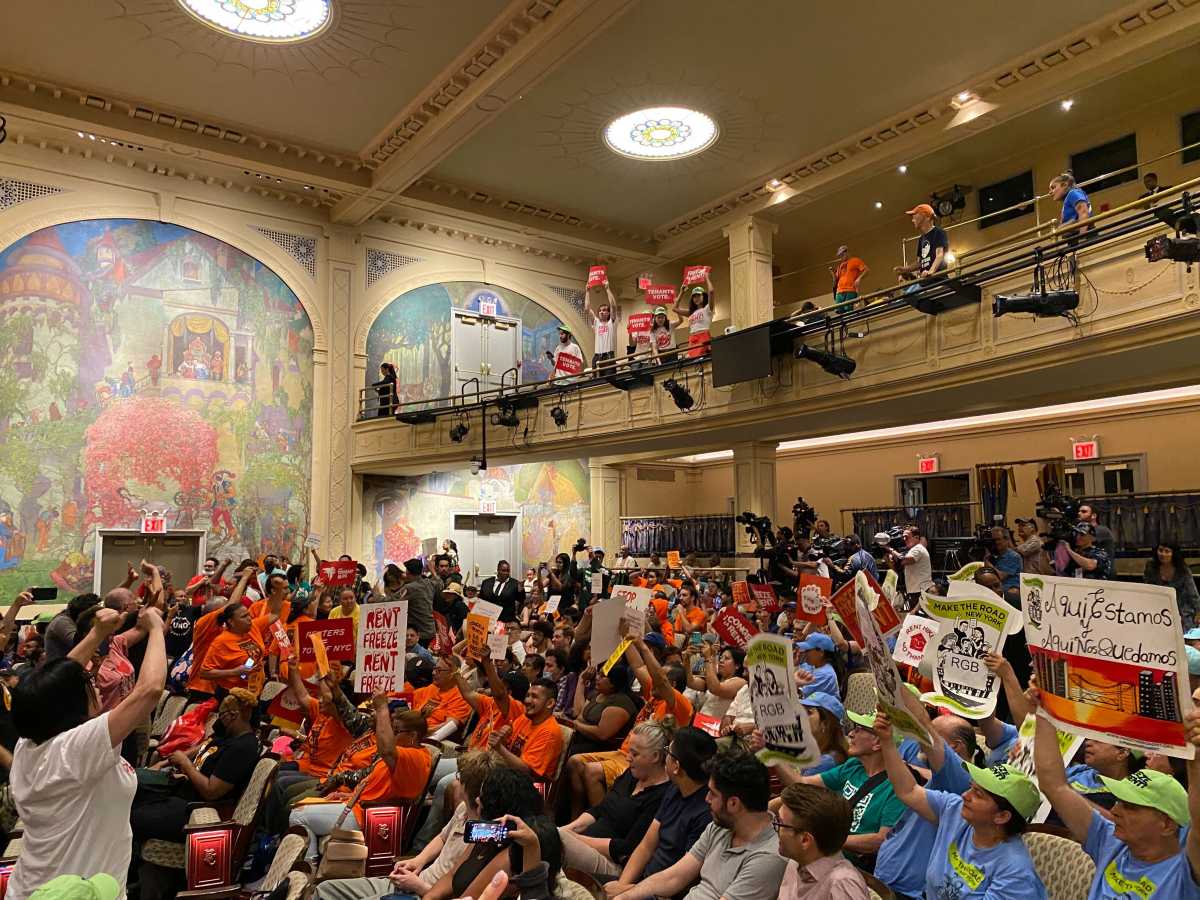
As the city’s affordability crisis worsens, tenant advocates have been pushing the Rent Guidelines Board to implement a rent freeze for regulated apartments. During the primary season, the measure was a major talking point, with half of the Democratic mayoral candidates advocating for the measure in some capacity.
A rent freeze was is a core campaign pledge of Queens Assembly Member Zohran Mamdani, who clinched the Democratic nomination last week. If elected in November, he has pledged to appoint more tenant-friendly board members to uphold the pledge.
In a statement before the vote, Mamdani said that “change was coming.”
“Even while landlord incomes have increased by 12%, this Mayor is once again placating real estate donors rather than serving the working people he once claimed to champion,” he said . “Make no mistake: even a supposedly modest rent hike in the midst of a cost-of-living crisis will push New Yorkers out of their homes. But as voters showed last Tuesday, New Yorkers are ready for a city government that lowers costs instead of padding real estate profits.”
Rent-stabilized units typically include most buildings with more than six apartments built before 1974, along with newer affordable housing developments that receive tax incentives and city funding.
According to a 2019 rent law, landlords are not allowed to increase rents on these units without approval from the RGB—a city agency tasked with overseeing rent-stabilized housing. Each year, the RGB determines allowable rent adjustments following public hearings, and has been holding regular hearings since March of this year.
Ahead of Monday evening’s vote, Mayor Eric Adams urged board members to adopt the lowest possible proposed increases, which “balance affordability with protecting the quality of housing for the millions of New Yorkers who live in a rent-stabilized home.”
“One of the largest costs on kitchen tables each month is rent, and right now, New Yorkers are feeling the squeeze of a historically tight housing market with a 1.4% vacancy rate,” Mayor Adams said.
Adams added that calls to freeze the rent were short-sighted and risk worsening already deteriorating housing conditions, putting tenants’ health and safety in harm’s way.
“This would be disastrous for the quality of rent-stabilized homes, making it impossible for owners, particularly small property owners, to put money back into their buildings, make repairs, and maintain their buildings,” he said.
Ann Korchak, president of Small Property Owners of New York, told amNewYork ahead of the vote that her members were already disappointed with the RGB because their agreed ranges fell short of covering a 6.3% spike in operating costs reported in the board’s own Price Index of Operating Costs report.
Korchak, who represents hundreds of small landlords citywide, said her members face mounting financial pressure from surging property taxes and insurance premiums, with some seeing increases as high as 38% for commercial policies and 300% for liability coverage. In one instance, her own insurance carrier exited the market, forcing a last-minute switch that required paying a three-year premium upfront.
“These are big numbers,” she said, noting that owners sometimes delay paying contractors or other bills due to cash flow issues. “It’s not cheap to maintain a 130-year-old building.”
Korchak warned that rent freezes, like those implemented during the de Blasio administration and proposed by Mamdani, would be “unsustainable” without meaningful financial assistance for vulnerable tenants. Without relief, she argued, more buildings will fall into financial distress, compounding the crisis in the rent-stabilized housing market.
“Destabilizing us isn’t better for anybody,” she said. “We’re all in the same ecosystem.”
In testimony to the RGB in the run up to Monday night’s vote, on of the city’s leading fiscal watchdog sounded the alarm over the deteriorating state of the city’s rent-stabilized housing stock — warning RGB that if rents did not keep pace with inflation, the city risks a spiraling maintenance crisis akin to the one plaguing NYCHA.
The post Going up: Rent Guidelines Board approves rent hikes on city’s stabilized units first appeared on The Ocean Avenue News – oceanavenuenews.com.
Advertisements – Advertising at The News And Times – advertising-newsandtimes.com | WE CONNECT!
Audio | Video | Top News | On Twitter | Security | FBI | Capitol Riot | JOSSICA | Trump | Russia | Putin | Russia – Ukraine War | Covid-19 | Brooklyn NY | Puerto Rico | World
September 27, 2026 5:59 am
The News And Times | Featured Posts | All Articles | Current News | Selected Articles | Shared Links | Opinions | In My Opinion | Sites | Blogs | Links | Twitter | Facebook

Contact Form | Blogs | Sites | News Reviews | Links | Advertising
All The News That’s Fit To Web


