Categories
Audio Sources - Full Text Articles

US CISA releases a script to recover servers infected with ESXiArgs ransomware

CISA.jpeg?fit=700%2C368&ssl=1

The U.S. Cybersecurity and Infrastructure Security Agency (CISA) released a script to recover VMware ESXi servers infected with ESXiArgs ransomware.

Good news for the victims of the recent wave of ESXiArgs ransomware attacks, the U.S. Cybersecurity and Infrastructure Security Agency (CISA) has released a script to allow them to recover encrypted VMware ESXi servers.

The French Computer Emergency Response Team (CERT-FR) last Friday first warned that threat actors are targeting VMware ESXi servers to deploy ransomware.

CERT-FR reported that threat actors behind these ransomware attackers are actively exploiting the vulnerability CVE-2021-21974.

Experts noticed that only a few thousand systems were encrypted worldwide.

#ESXiArgs ransomware victims per country & per host

Source ➡ @censysio query:
“How to Restore Your Files” pic.twitter.com/xQYqSYpAYX

— Will (@BushidoToken) February 7, 2023

Jack Cable, a senior technical advisor at US CISA, published a list of 2803 bitcoin addresses associated with the infections.

The good news is that in most cases the attacks failed because the ESXiArgs ransomware did not encrypt virtual disk files.

Then the U.S. CISA released a script to recover VMware ESXi servers, it is compiled based on publicly available resources:

The tool is available here:

https://github.com/cisagov/ESXiArgs-Recover

🚨We released an ESXiArgs ransomware recovery script on GitHub to allow organizations to attempt recovery of virtual machines affected by the ESXiArgs ransomware attacks: https://t.co/cXpP1m03yw #StopRansomware

— Cybersecurity and Infrastructure Security Agency (@CISAgov) February 7, 2023

“ESXiArgs-Recover is a tool to allow organizations to attempt recovery of virtual machines affected by the ESXiArgs ransomware attacks.” reads the description provided by the Agency.

“CISA is aware that some organizations have reported success in recovering files without paying ransoms. CISA compiled this tool based on publicly available resources, including a tutorial by Enes Sonmez and Ahmet Aykac. This tool works by reconstructing virtual machine metadata from virtual disks that were not encrypted by the malware.”

The script reconstructs virtual machine metadata from virtual disks that were not encrypted by the ransomware.

As usual, every time we attempt to recover files encrypted by ransomware it is a good practice to create a backup of the server.

“This script does not seek to delete the encrypted config files, but instead seeks to create new config files that enable access to the VMs. While CISA works to ensure that scripts like this one are safe and effective, this script is delivered without warranty, either implicit or explicit.” CISA concludes. “Do not use this script without understanding how it may affect your system. CISA does not assume liability for damage caused by this script.”

VMware yesterday said that it found no evidence that the threat actors behind the ongoing ESXiArgs ransomware attacks are leveraging a zero-day vulnerability in VMware ESXi servers.

“VMware has not found evidence that suggests an unknown vulnerability (0-day) is being used to propagate the ransomware used in these recent attacks.” reads the latest advisory published by the company. “Most reports state that End of General Support (EOGS) and/or significantly out-of-date products are being targeted with known vulnerabilities which were previously addressed and disclosed in VMware Security Advisories (VMSAs).” 

Follow me on Twitter: @securityaffairs and Facebook and Mastodon

Pierluigi Paganini

(SecurityAffairs – hacking, ESXiArgs ransomware)

The post US CISA releases a script to recover servers infected with ESXiArgs ransomware appeared first on Security Affairs.

Categories
Audio Sources - Full Text Articles

Howie Carr: State of Union under Harris scary 2024 scenario

Kamala Harris did what she does best last night at the State of the Union address – she just sat there and didn’t say a word, just nodded and clapped at Dementia Joe’s senescent babbling as she vacantly stared straight ahead.

It hasn’t been a good last couple of years for Kamala, and her problems were all laid out at some length earlier this week in the New York Times, which is the official religious tract of the Democrat Party.

Among the Times’ themes was the “quiet panic” among Democrat politicians that she might somehow end up as the party nominee next year. Some of the top leftists “confided privately that they had lost hope in her.”

Say it ain’t so! What a bunch of racists they are.

But there was pushback in the story from Kamala, and this was what Kamala offered in her own defense:

“I find it off-putting to just engage in platitudes.”

Let others try to make sense of Brandon’s nonsense last night. I want to concentrate this morning on what comes post-Biden – a woman who finds it off-putting to engage in platitudes.

Let’s go straight to the audio. All dialogue guaranteed verbatim:

“I think of this moment as a moment that is about great momentum inspired by yes optimism, inspired by a crisis no doubt um but inspired also by our collective ability to see what can be unburdened by what has been and that’s critically important.”

Indeed. Who can argue with that?

The mark of a great orator, indeed a great thinker, is to leave the audience with a few indelible memories. In this next case, the impression is of… generations.

“And by the way when we talk about our small businesses it – not only is it intergenerational but also we’ve got entrepreneurs in their teens and twenties to families who have been doing this for generations, and in you know our seniors and so it’s really that’s also what’s also exciting about our small businesses and who they are ‘cause it spans the generations in addition to being intergenerational.”

There you have it. One of the Democrat hacks quoted in the Times – Douglas Brinkley – had his own prescription as to how his political cult should deploy this great national treasure known as Kamala.

“It’s better to let Kamala be Kamala.”

Let’s face it, this deep thinker is miscast in her role as “border czar.” She’s more into… work. She loves to talk about work, even more than she likes to talk about school buses, or astronauts, or the Man in the Moon. Work, work, work.

“Today the business of our work is for the Council to report on the work that has occurred since our last meeting across these areas. We will today also discuss the work yet ahead – the work that we must still do to continue to move forward.”

Whoever she’s with, whatever subject Kamala is discussing, it always comes back to that one word, the W word. Now she’s addressing some Jamaicans.

“We will work together, and continue to work together to address these issues, and to work together as we continue to work operating from the new norms, rules and agreements, that we will continue to work together. We will work on this together.”

Then there are all those trillions of dollars in funny money that’s been printed in order to provide for… what’s that word again, Kamala?

“We are doing the work that is about collaborating around the small businesses that will need to do the work that will be the result of all the trillions of dollars we’re putting into the infrastructure of our country including the almost trillion dollars that we’re going to be putting into a whole new economy called the clean-energy economy, right?

Right you are Madam Vice President, or President as Brandon sometimes calls you.

And yet, according to the Times, “most Democrats” feel that despite her keen mind, her dazzling intellect, she cannot be elected next year. They said this “flatly.”

“Some said the party’s biggest challenge would be finding a way to sideline her without inflaming key Democratic constituencies that would take offense.”

How dare they?! How dare they try to dump this proud… friend of Willie Brown’s? A woman with a firm grasp of the intricacies of what makes America tick.

“Today America has more than a half-million miles of transmission lines, enough to wrap around the globe 24 times. These lines connect the power plants where electricity is created to homes and businesses and schools and hospitals across our nation.”

This is fascinating stuff. Please elaborate.

“Think about it every time you turn on a light or charge a laptop or plug in your air conditioner or put leftovers in the ‘fridge. You rely on the power delivered by our nation’s network of transmission lines.”

You don’t say!

And it’s not the power grid that understands so well, it’s economics in general.

“Let’s talk about how you get a line of credit. Who of us grew up with our parents talking about a phrase, line of credit, right? This, these are things you learn if someone takes the time to teach you because they know.”

Next, she meets with more foreign leaders.

“I convened and I have convened now at least three times now uh a group that has as their acronym Caricom, it is the Caribbean nations, island nations in the western hemisphere. That is where the Caribbean is. We are also in the western hemisphere. They are our neighbors.”

Kamala Harris in ’24. What could possibly go wrong?

Categories
Audio Sources - Full Text Articles

Death toll from Syria-Turkey quake nears 10,000

2023-02-08T07:40:01Z

KAHRAMANMARAS/ANTAKYA, Turkey (Reuters) -Families in southern Turkey and Syria spent a second night in the freezing cold on Wednesday as overwhelmed rescuers raced to pull people from the rubble two days after a massive earthquake that killed more than 9,600 people.

With worry and panic in his eyes, 25-year-old Syrian man Youssef, has been waiting for two days for news of his family members, who are trapped under the rubble of a building in Aleppo.

In Turkey, dozens of bodies, some covered in blankets and sheets and others in body bags, were lined up on the ground outside a hospital in Hatay province.

Many in the disaster zone had slept their cars or in the streets under blankets, fearful of going back into buildings shaken by the 7.8 magnitude tremor – already Turkey’s deadliest since 1999 – that hit in the early hours of Monday.

Rescuers there and in neighbouring Syria warned that the death toll would keep rising as some survivors said help had yet to arrive.

“Where are the tents, where are food trucks?” said Melek, 64, in the southern Turkish city of Antakya, adding that she had not seen any rescue teams.

“We haven’t seen any food distribution here, unlike previous disasters in our country. We survived the earthquake, but we will die here due to hunger or cold here.”

With the scale of the disaster becoming ever more apparent, the death toll rose above 7,100 in Turkey. In Syria, already devastated by 11 years of war, the confirmed toll climbed to more than 2,500 overnight, according to the Syrian government and a rescue service operating in the rebel-held northwest.

Turkish President Tayyip Erdogan has declared a state of emergency in 10 provinces. But residents in several damaged Turkish cities have voiced anger and despair at what they said was a slow and inadequate response by the authorities.

Erdogan, facing a close-fought election in May, is expected to visit some of the affected areas on Wednesday.

The initial quake, followed hours later by a second one almost as powerful, struck just after 4 a.m. on Monday, giving the sleeping population little chance to react.

It toppled thousands of buildings including hospitals, schools and apartment blocks, injured tens of thousands, and left countless people homeless in Turkey and northern Syria.

Turkish authorities say some 13.5 million people were affected in an area spanning roughly 450 km (280 miles) from Adana in the west to Diyarbakir in the east – broader than the distance between Boston and Philadelphia, or Amsterdam and Paris.

In Syria, it killed people as far south as Hama, some 100km from the epicentre.

Turkey’s disaster management agency said the number of injured was above 38,000.

‘UNDER THE RUBBLE’

In the town of Jandaris in northern Syria, rescue workers and residents said dozens of buildings had collapsed.

Standing around the wreckage of what had been a 32-apartment building, relatives of people who had lived there said they had seen no one removed alive. A lack of heavy equipment to remove large concrete slabs was impeding rescue efforts.

Rescue workers have struggled to reach some of the worst-hit areas, held back by destroyed roads, poor weather and a lack of resources and heavy equipment. Some areas are without fuel and electricity.

Aid officials voiced particular concern about the situation in Syria, where humanitarian needs were already greater than at any point since the eruption of a conflict that has partitioned the nation and is complicating relief efforts.

The head of the World Health Organization has said the rescue efforts face a race against time, with the chances of finding survivors alive slipping away with every minute and hour.

In Syria, a rescue service operating in the insurgent-held northwest said the number of dead had climbed to more than 1,280 and more than 2,600 were injured.

“The number is expected to rise significantly due to the presence of hundreds of families under the rubble, more than 50 hours after the earthquake,” the rescue service said on Twitter.

Overnight, the Syrian health minister said the number of dead in government-held areas rose to 1,250, the state-run al-Ikhbariya news outlet reported on its Telegram feed. The number of wounded was 2,054, he said.

Turkey’s deadliest earthquake in a generation has handed Erdogan a huge rescue and reconstruction challenge, which will overshadow the run-up to the May elections already set to be the toughest of his two decades in power.

The vote, too close to call according to polls before the quake, will determine how Turkey is governed, where its economy is headed and what role the regional power and NATO member may play to ease conflict in Ukraine and the Middle East.

Categories
Audio Sources - Full Text Articles

Zelenskiy heads to London as Kyiv seeks more arms

2023-02-08T09:07:09Z

Ukraine said on Tuesday the last 24 hours were the deadliest of the war so far for Russian troops as Moscow pressed on with an intensifying winter assault in the east, bringing tens of thousands of freshly mobilized troops to the battlefield. Zachary Goelman produced this report.

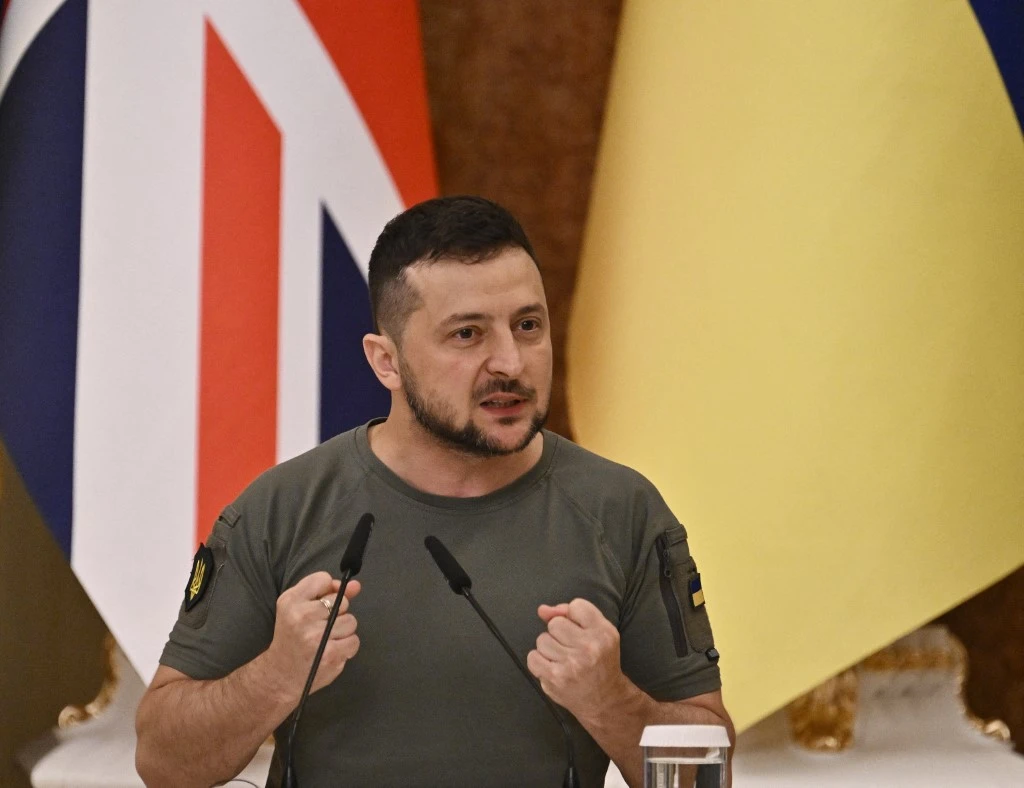
President Volodymyr Zelenskiy was due in London on Wednesday for only his second trip abroad since Russia invaded Ukraine last year, seeking additional arms to combat an expected major assault.

British Prime Minister Rishi Sunak’s office said Zelenskiy would visit troops training in Britain and address the British parliament.

Sunak’s office announced plans to expand training for Ukraine’s military to include fighter jet pilots and marines – and accelerate the supply of military equipment.

“President Zelenskiy’s visit to the UK is a testament to his country’s courage, determination and fight, and a testament to the unbreakable friendship between our two countries,” Sunak said in the statement.

Zelenskiy visited the United States in December and addressed the U.S. Congress on his only trip abroad since Russia launched its full-scale invasion in February last year.

Western countries have dramatically scaled up their pledges of military support for Ukraine since the start of the new year, including promises of hundreds of tanks and armoured vehicles. Kyiv still wants longer range missiles and war planes.

After major Ukrainian gains in the second half of 2022, Russia has recovered momentum, with tens of thousands of freshly mobilised troops reaching the front.

Russian forces have made incremental progress in relentless winter battles in the east of the country in recent weeks which both sides describe as some of the bloodiest fighting of the war.

Kyiv says it expects Moscow to broaden that offensive with a big push as the Feb. 24 first anniversary of the invasion approaches.

“They need to have something to show before their people, and have a major desire to do something big, as they see it, by this date,” Ukraine’s national security chief Oleksiy Danilov told Reuters on Tuesday in an interview.

He predicted Russia, which has focused lately on the Donetsk region in the east, would try new attacks on Kharkiv further north or Zaporizhzhia further south.

“How successful they’ll be will depend on us.”

Russia launched its “special military operation” to combat what it describes as a security threat from Ukraine’s ties to the West, and says Western supplies of weapons to Kyiv will only prolong the war. It claims to have annexed four Ukrainian provinces last year.

Ukraine says the only way to stop the war is for the West to give it the capability to drive Russian forces out.

Related Galleries:

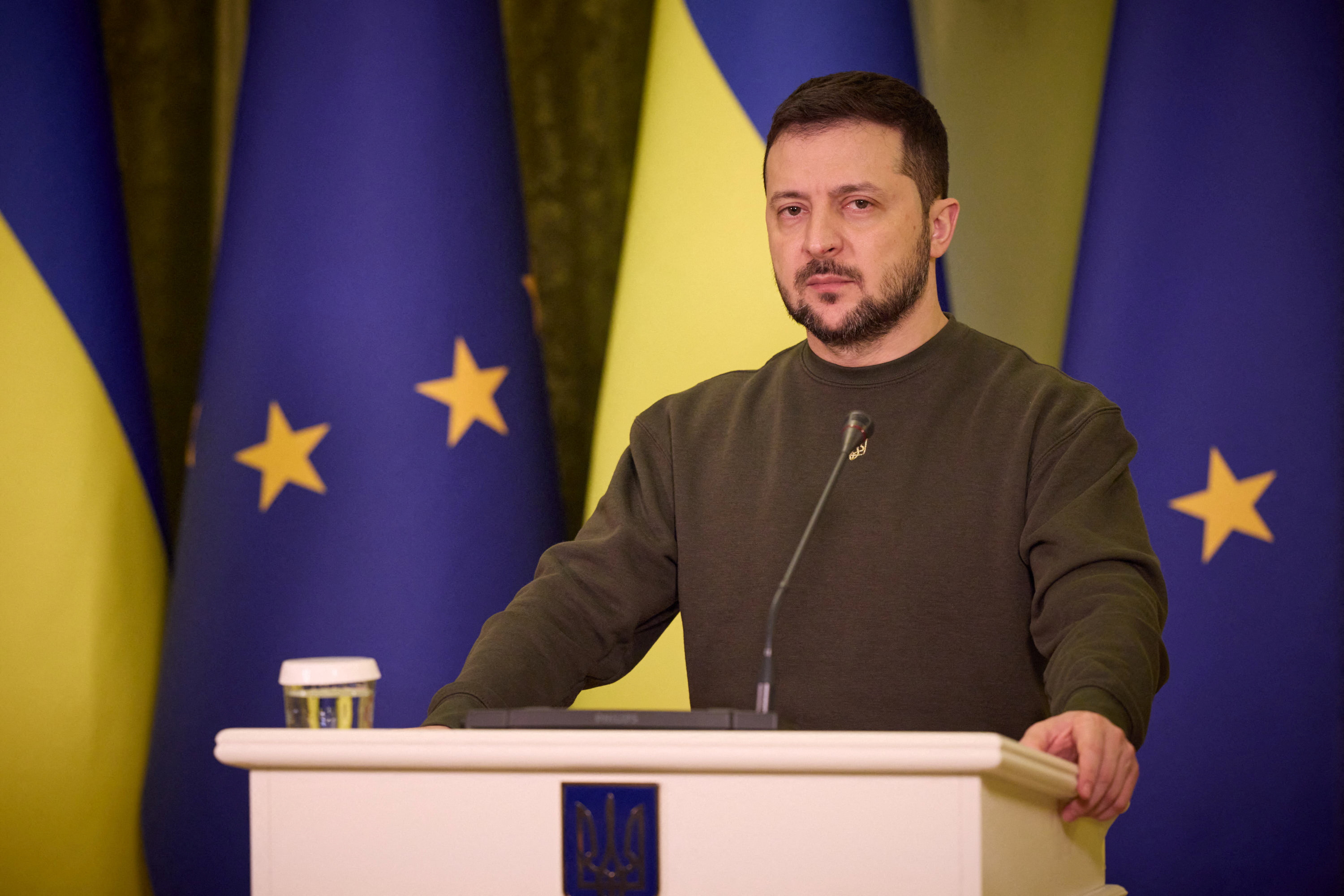
Ukraine’s President Volodymyr Zelenskiy attends a joint news briefing with European Commission President Ursula von der Leyen (not seen), as Russia’s attack on Ukraine continues, ahead of EU summit in Kyiv, Ukraine February 2, 2023. Ukrainian Presidential Press Service/Handout via REUTERS

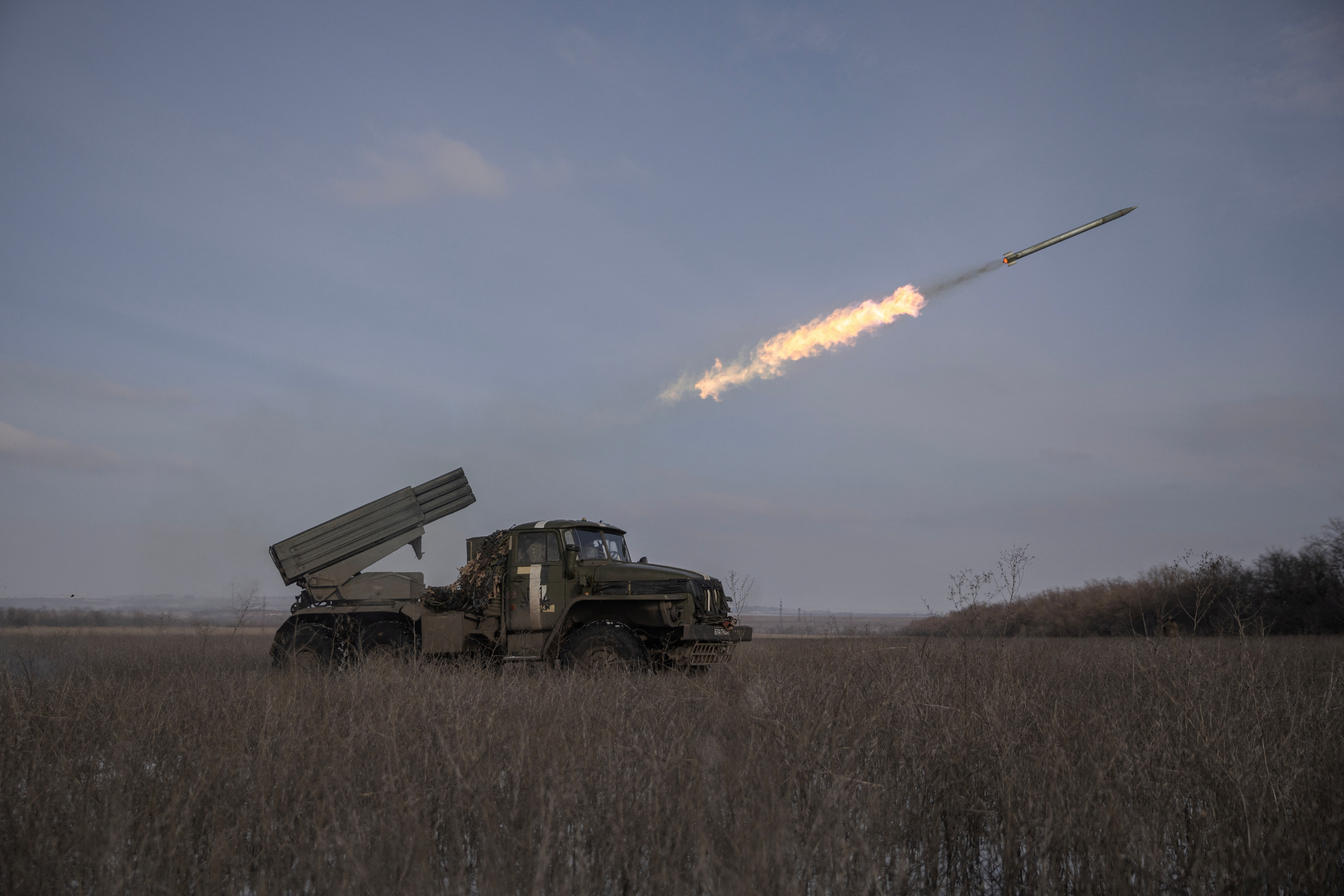
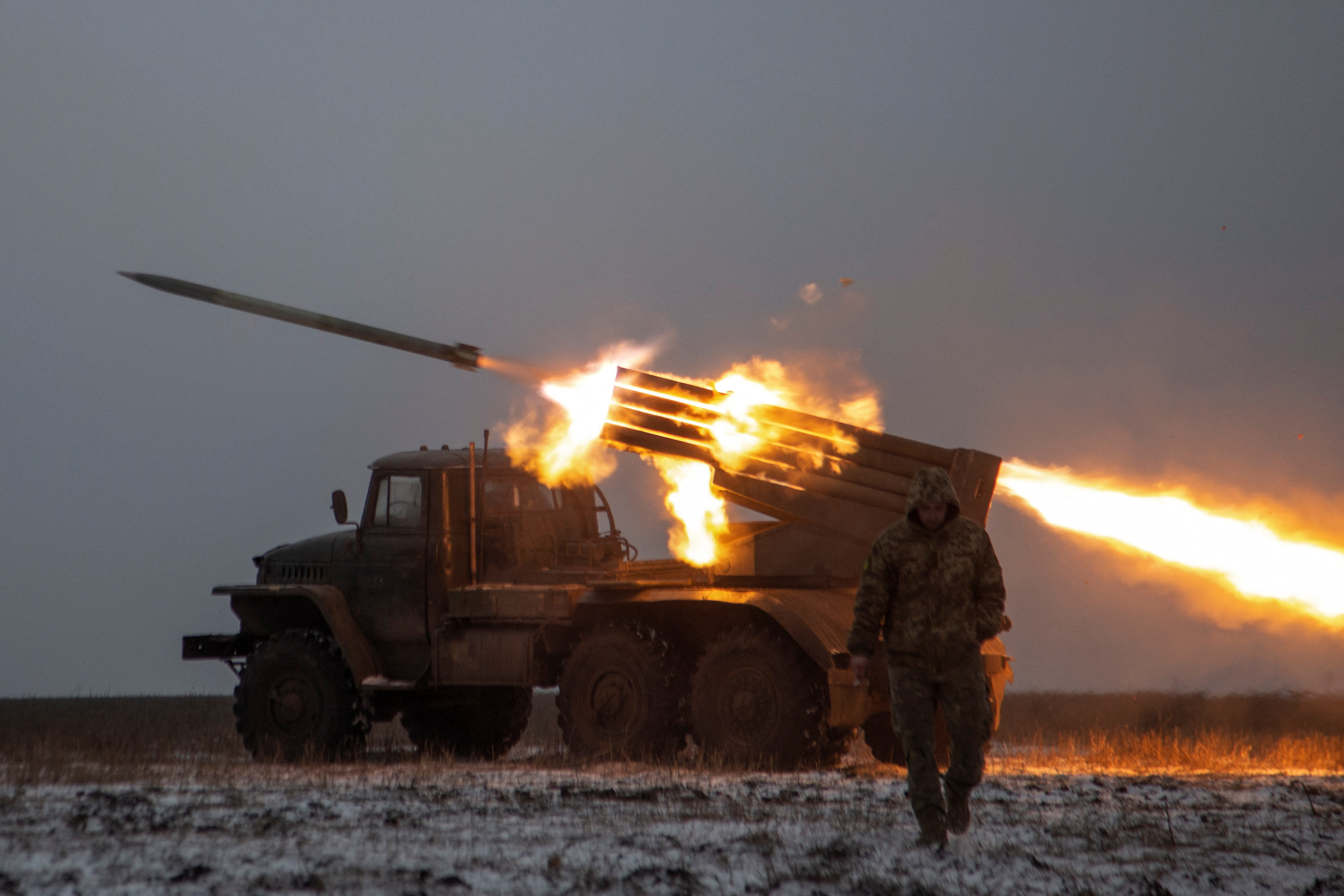
Ukrainian servicemen fire a BM-21 Grad multiple launch rocket system towards Russian positions on a frontline near the town of Marinka, amid Russia’s attack on Ukraine, in Donetsk region, Ukraine, February 7, 2023. REUTERS/Marko Djurica

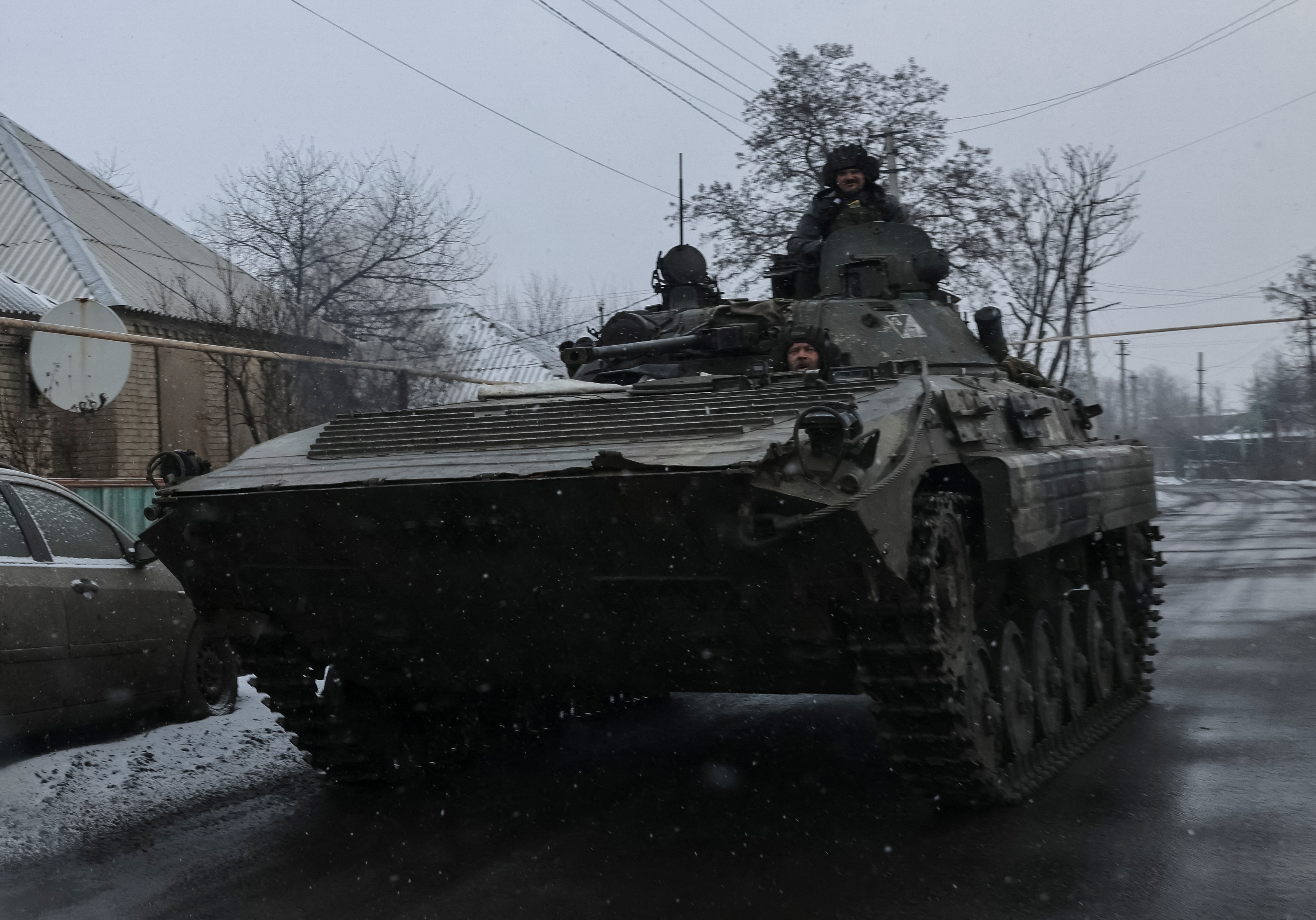
Ukrainian service members ride a BMP-2 infantry fighting vehicle, as Russia’s attack on Ukraine continues, near the frontline town of Bakhmut, Donetsk region, Ukraine February 6, 2023. REUTERS/Yevhen Titov

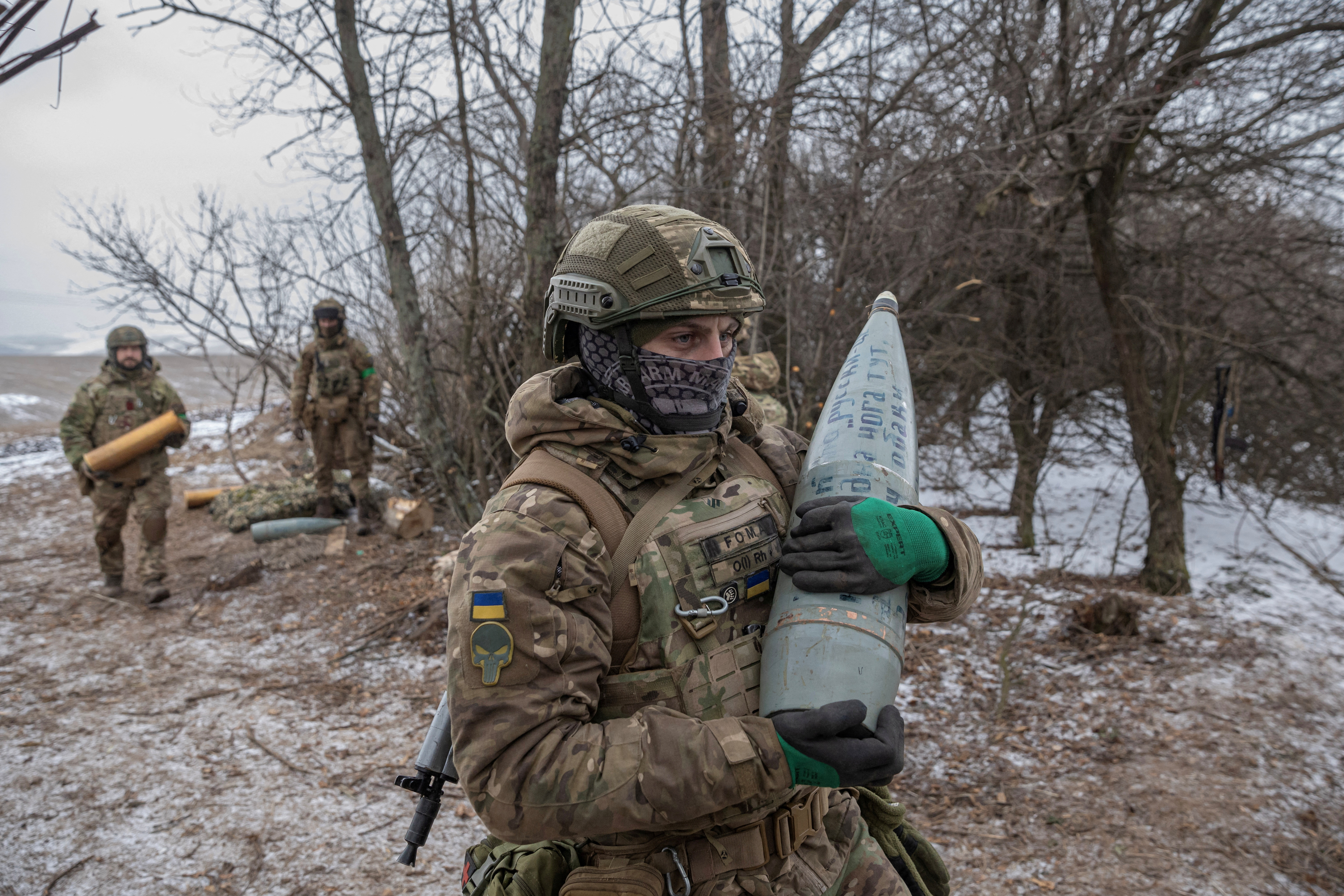
Members of the 3rd Separate Assault Brigade (Azov Unit) of the Armed Forces of Ukraine prepare to fire 152 mm howitzer 2A65 Msta-B, amid Russia’s attack on Ukraine, near Bahmut, in Donetsk region, Ukraine, February 6, 2023. REUTERS/Marko Djurica

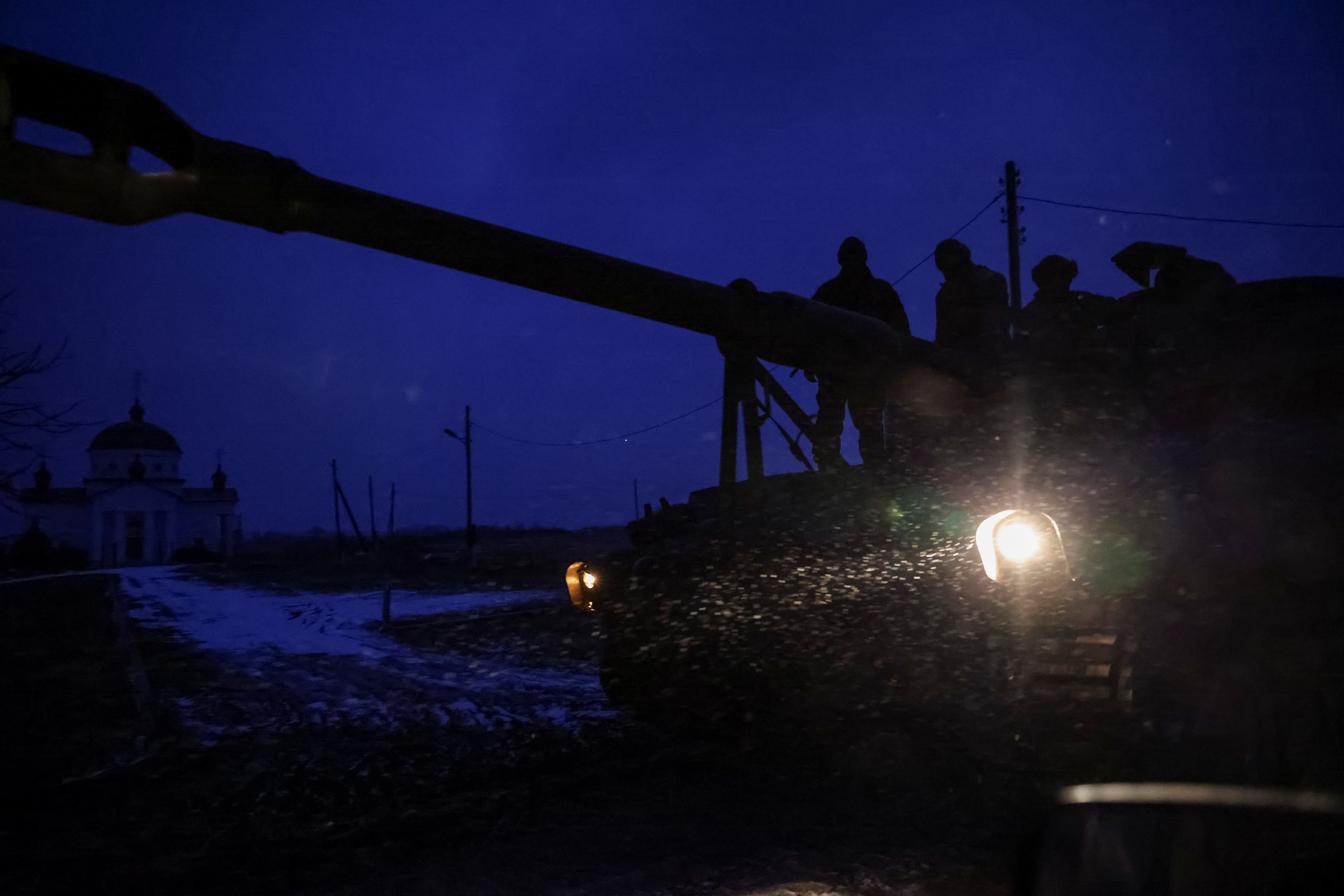
Ukrainian servicemen stand at a self-propelled howitzer, as Russia’s attack on Ukraine continues, near the frontline town of Toretsk, Donetsk region, Ukraine February 6, 2023. REUTERS/Yevhen Titov

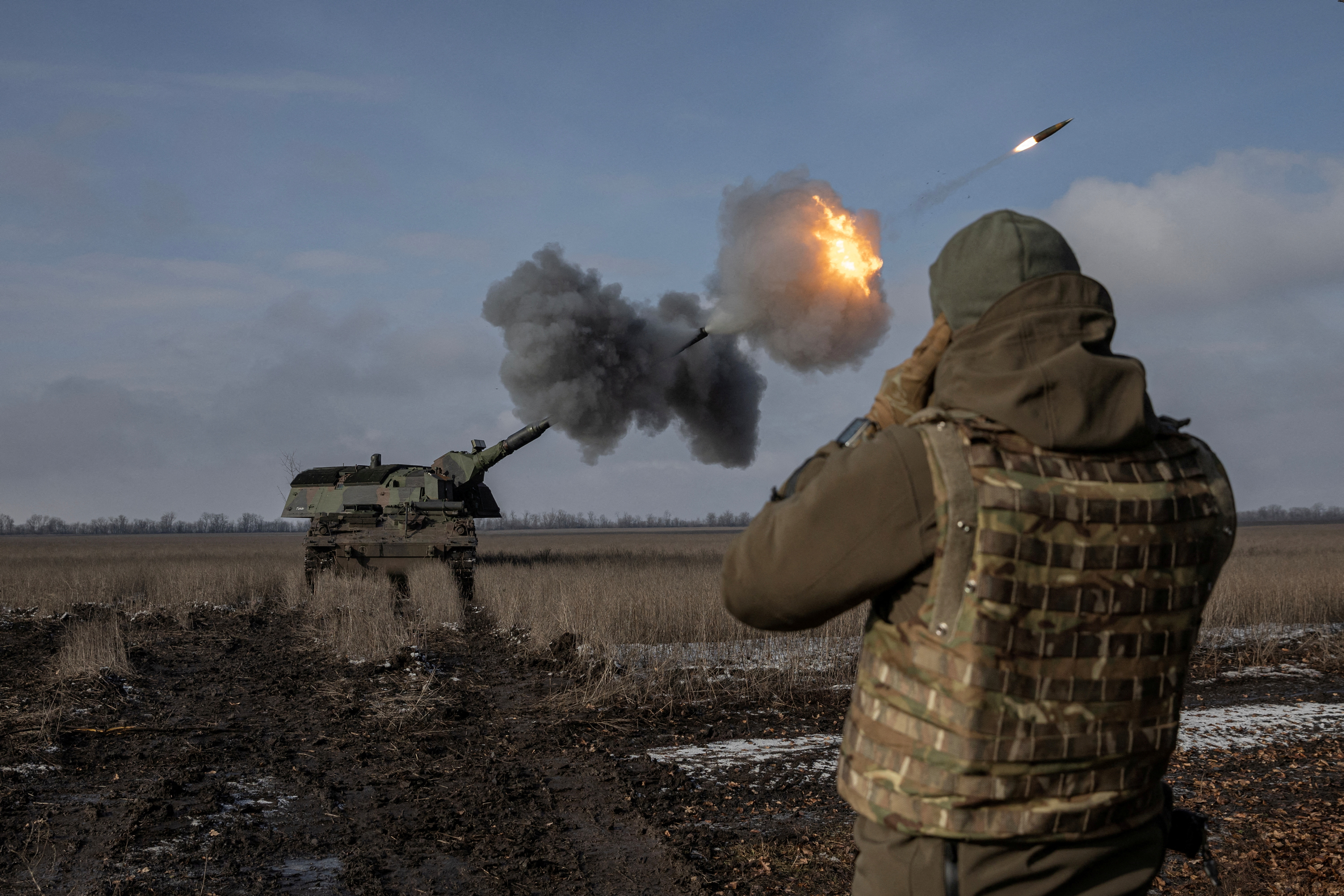
Ukrainian army from the 43rd Heavy Artillery Brigade fire the German howitzer Panzerhaubitze 2000, called Tina by the unit, amid Russia’s attack on Ukraine, near Bahmut, in Donetsk region, Ukraine, February 5, 2023. REUTERS/Marko Djurica

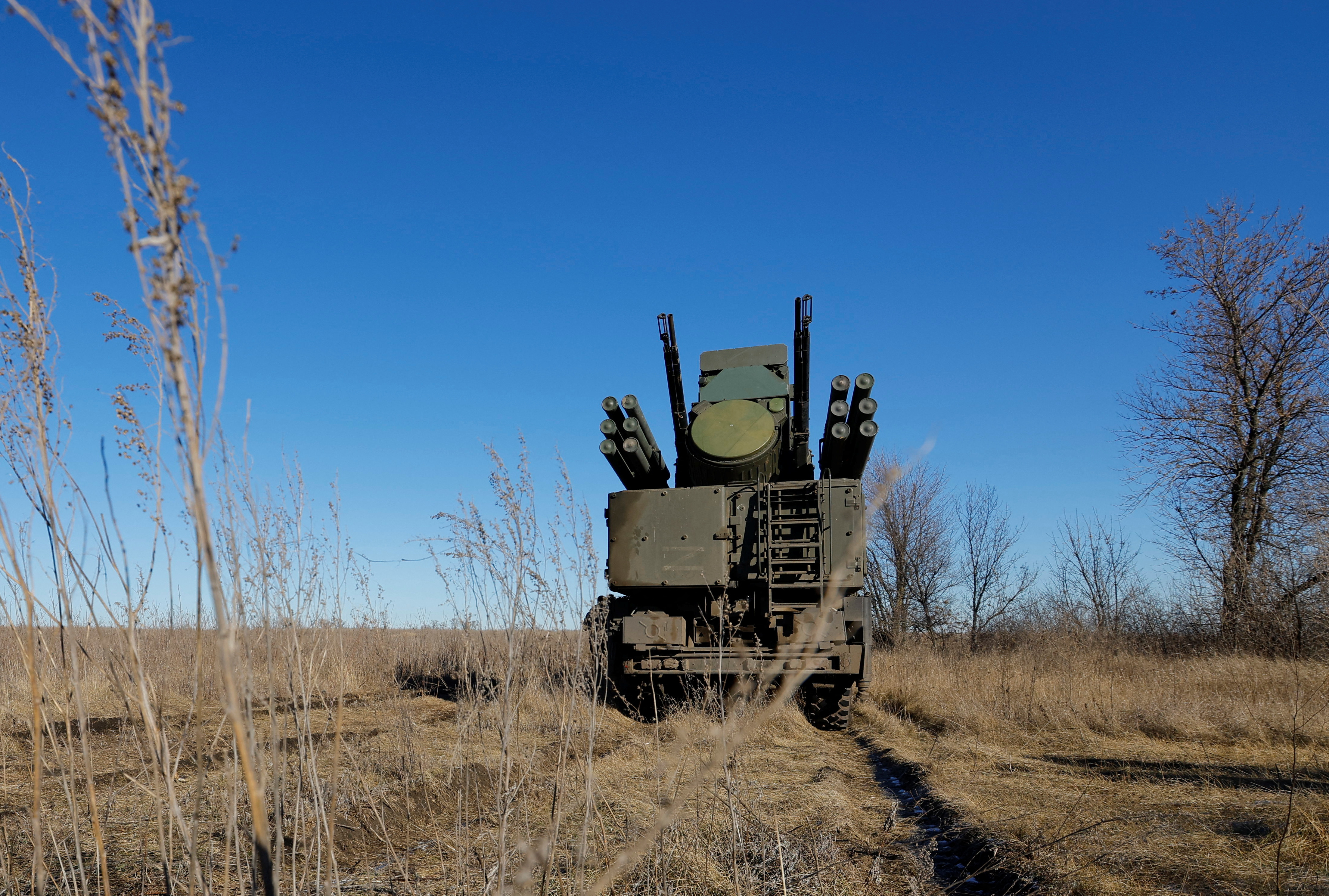
A view shows a Russian Pantsir anti-aircraft missile system on combat duty in the course of Russia-Ukraine conflict in the Luhansk region, Russian-controlled Ukraine, January 25, 2023. REUTERS/Alexander Ermochenko

Ukrainian Defense Minister Oleksii Reznikov attends a joint news conference, as Russia’s attack on Ukraine continues, in Kyiv, Ukraine October 26, 2022. REUTERS/Max Hunder
Categories
Audio Sources - Full Text Articles

President Zelensky to Visit UK Today and Address British Parliament

41343cfdd00444ea9080a539b91daa22.jpg?w=1

It’s only the second time the Ukrainian leader has left his country since the start of Russia’s full-scale invasion last year, having visited the U.S in December.

Categories
Audio Sources - Full Text Articles

Increased Linkage between the Ukraine War and Iran’s Regional Rivalries

0d9bf2104e8036d278b6abcaed4c78ff.jpg?w=1

Israel’s main goal in reportedly attacking the Iranian weapons facility was to prevent Iran from acquiring more weapons to attack Israel, although its actions also help Ukraine.

Categories
Audio Sources - Full Text Articles

U.S. briefed 40 nations on China balloon, diplomats and officials say

2023-02-08T08:40:18Z

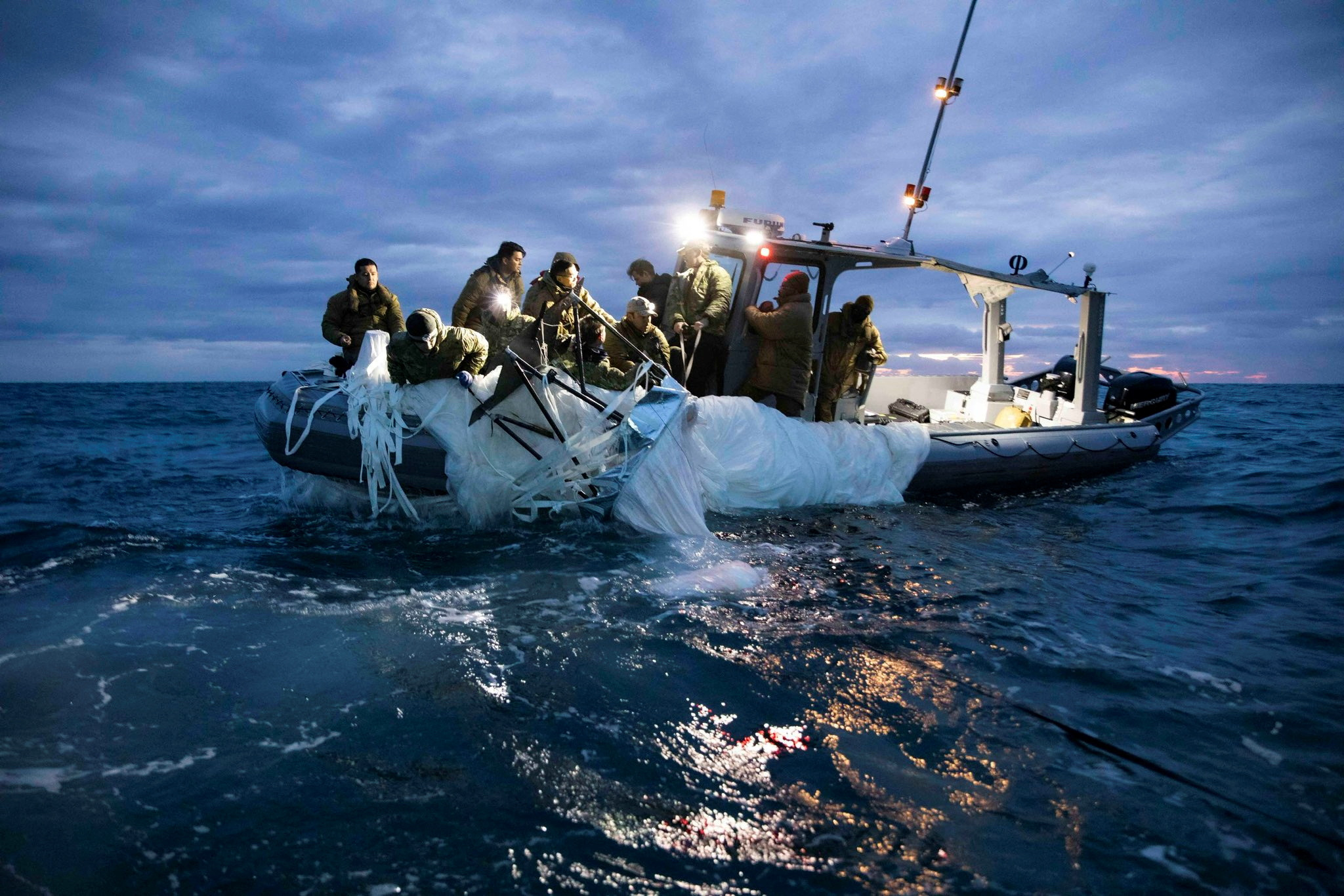
Sailors assigned to Explosive Ordnance Disposal Group 2 recover a suspected Chinese high-altitude surveillance balloon that was downed by the United States over the weekend over U.S. territorial waters off the coast of Myrtle Beach, South Carolina, U.S., February 5, 2023. U.S. Fleet Forces/U.S. Navy photo/Handout via REUTERS

The United States held briefings in Washington and Beijing with foreign diplomats from 40 nations about the Chinese spy balloon that entered U.S. airspace in late January, a senior administration official and diplomats said on Tuesday.

U.S. Deputy Secretary of State Wendy Sherman briefed nearly 150 foreign diplomats across 40 embassies on Monday, the official said, while in Beijing the U.S. embassy gathered foreign diplomats on Monday and Tuesday to present U.S. findings about the balloon.

“We want to make sure that we are sharing as much as we can with countries around the world who may also be susceptible to these types of operations,” the senior administration official said.

Sherman’s briefing was first reported by the Washington Post, which also quoted U.S. officials saying the spy balloon was linked to an extensive military surveillance effort centred on China’s Hainan Island in the South China Sea.

While analysts did not yet know the size of the Chinese balloon fleet, U.S. officials spoke of dozens of missions since 2018 across five continents, with some targeting Japan, India, Vietnam, Taiwan and the Philippines.

The U.S. State Department did not immediately respond to a request for comment.

Chinese military researchers have recently argued in publicly-available papers that balloons and airships should be further developed and deployed across a range of missions, Reuters reported on Monday.

The military operation involved technology from a private Chinese company that is part of China’s military-civilian fusion apparatus, the Washington Post reported.

The appearance of the Chinese balloon over the United States last week caused political outrage in Washington and prompted U.S. Secretary of State Antony Blinken to cancel a trip to Beijing that both countries had hoped would mend frayed relations. Blinken would have arrived in Beijing on Sunday.

A U.S. Air Force fighter jet shot down the balloon off the South Carolina coast on Saturday, a week after it first entered U.S. airspace.

China has said it was a weather balloon that had blown off course into U.S. airspace and was an “unexpected, isolated incident”. It condemned the shoot-down and accused the United States of over-reacting.

The State Department also sent U.S. missions around the world information about the balloon incident to share with allies and partners, the senior administration official added.

In the briefings in Beijing, the United States presented information to demonstrate that the balloon was not a weather research balloon as China said, but an airship that was used for espionage, said diplomats who attended the discussions.

Washington said the balloon was controlled by China’s military, the People’s Liberation Army.

Diplomats in Beijing said they were told by the U.S. embassy that the solar panels on the balloon meant that it needed more power than a weather balloon, and that its flight path did not conform with natural wind patterns. U.S. officials have said the balloon was equipped with rudders and propellers.

“Based on the U.S. briefing, our own understanding about such balloons and the fact that China has so far refused to name the company or entity that owns this balloon, we find it hard to believe it is a civilian weather balloon,” a Beijing-based Asian defence diplomat told Reuters.

Asked if Taiwan had been briefed by the United States, Taiwan’s foreign ministry said in a statement to Reuters that “we have always maintained close contact with the United States and continue to exchange views on interactions between the United States and China.”

The information was similar to what Pentagon has shared with reporters since the weekend, saying the balloons were part of a Chinese aerial fleet that has also violated the sovereignty of other countries.


Categories
Audio Sources - Full Text Articles

The latest news on Russia“s war on Ukraine

2023-01-29T15:22:15Z

Ukraine’s military said its forces repelled an attack in the area of Blahodatne in the eastern part of the Donetsk region, while Russia’s Wagner private military group said it took control of the village.

* Russia accused the Ukrainian military of deliberately striking a hospital in a Russian-held area of eastern Ukraine on Saturday in what it said was a war crime that killed 14 people and wounded 24 patients and medical staff. There was no immediate response to the allegations from Ukraine. Reuters was not able to independently verify the report.

* Ukrainian President Volodymyr Zelenskiy described the situation at the front as “extremely acute“, especially in the eastern Donetsk region where Russia is stepping up an offensive.

* Tearful mourners in Kyiv commemorated a British volunteer aid worker, Andrew Bagshaw, killed while attempting a rescue mission from the eastern Ukrainian town of Soledar.

* Russian President Vladimir Putin is open to contacts with German Chancellor Olaf Scholz though has no phone call scheduled with him, a Kremlin spokesman said. Scholz, who last week approved providing Leopard 2 battle tanks to Ukrainian forces, was quoted in a published interview as saying he would speak to Putin again but the onus was on the Russian leader to withdraw troops from Ukraine “to end this horrendous, senseless war…”

* Russia’s deputy foreign minister Sergei Ryabkov will hold a meeting with Lynne Tracy, the new U.S. ambassador, early next week, RIA news agency reported.

* Zelenskiy condemned the idea of neutrality in sports at a time when his country’s athletes fight and die in war, while their Russian counterparts might be allowed to compete.

* Russia said it will not hold annual talks with Japan on renewing a pact that allows Japanese fishermen to operate near disputed islands, saying Japan had taken anti-Russian measures.

* Expedited talks are under way among Ukraine and its allies about its requests for long-range missiles that it says are needed to prevent Russia from destroying its cities, a top aide to President Zelenskiy said.

* German arms-maker Rheinmetall is ready to greatly boost output of tank and artillery munitions to satisfy strong demand in Ukraine and the West, and may start producing HIMARS multiple rocket launchers in Germany, CEO Armin Papperger told Reuters.

* Ukraine has been promised 321 heavy tanks by several countries, its ambassador to France said.

* Poland will send an additional 60 tanks to Ukraine on top of 14 German-made Leopard 2 tanks it has pledged, the Polish prime minister said in an interview with Canadian television.

* Ukraine imposed sanctions on 182 Russian and Belarusian companies, and three individuals, in the latest of a series of steps by Zelenskiy to block their links to his country.

* On a trip to Turkey and the Middle East this week, the U.S. Treasury Department’s top sanctions official will warn countries and businesses that they could lose U.S. market access if they do business with entities subject to U.S. curbs as Washington cracks down on Russian attempts to evade sanctions.

Related Galleries:

People take shelter inside a metro station during massive Russian missile attacks in Kyiv, Ukraine January 26, 2023. REUTERS/Viacheslav Ratynskyi

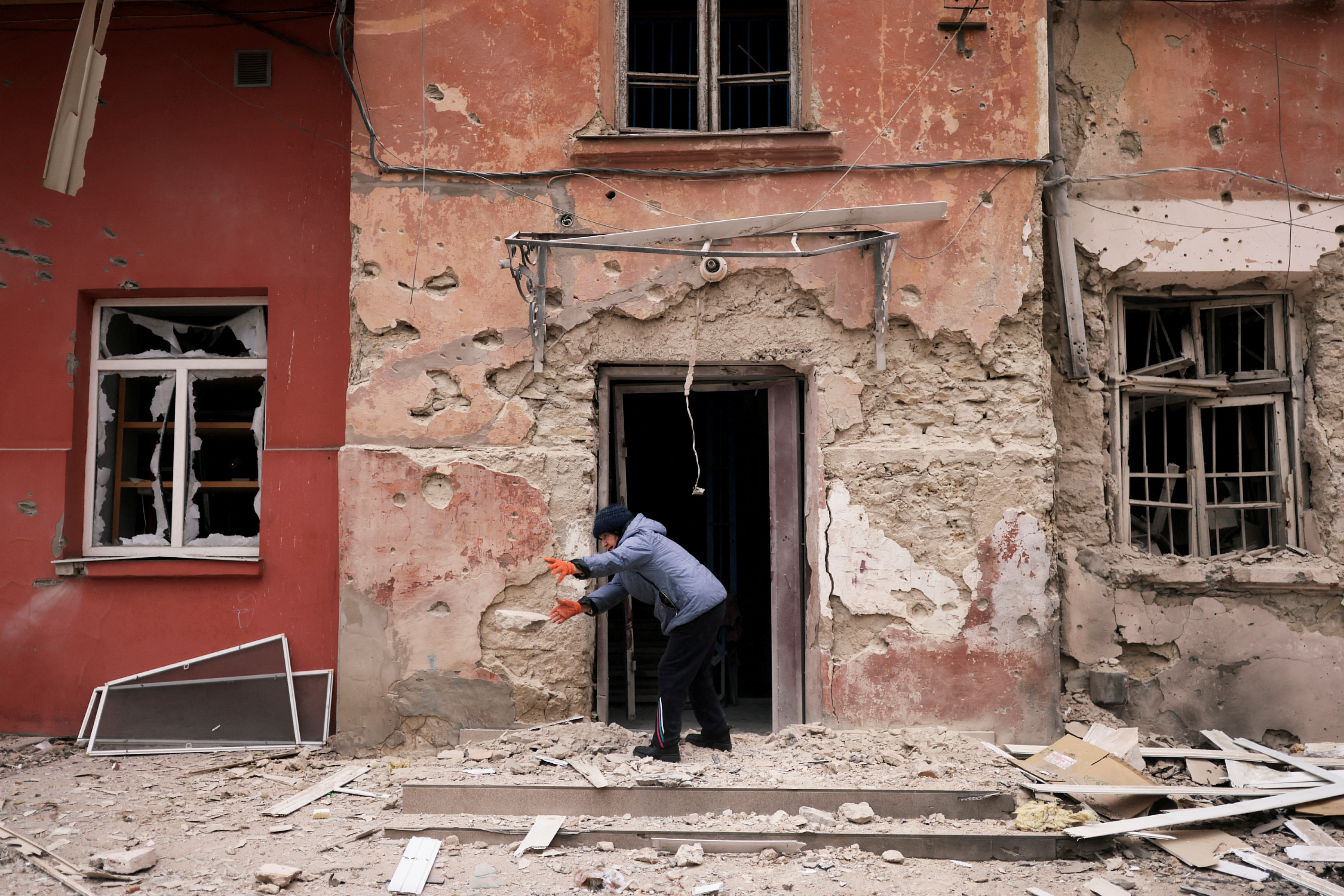
Zoya Mykolaivna, 84, removes debris in front of her apartment at a residential building damaged by a Russian military strike, amid Russia’s invasion of Ukraine, in Kherson, Ukraine January 25, 2023. REUTERS/Nacho Doce

Protesters gather in support of Ukraine during a meeting of European Union (EU) Foreign Ministers in Brussels, Belgium January 23, 2023. REUTERS/Johanna Geron

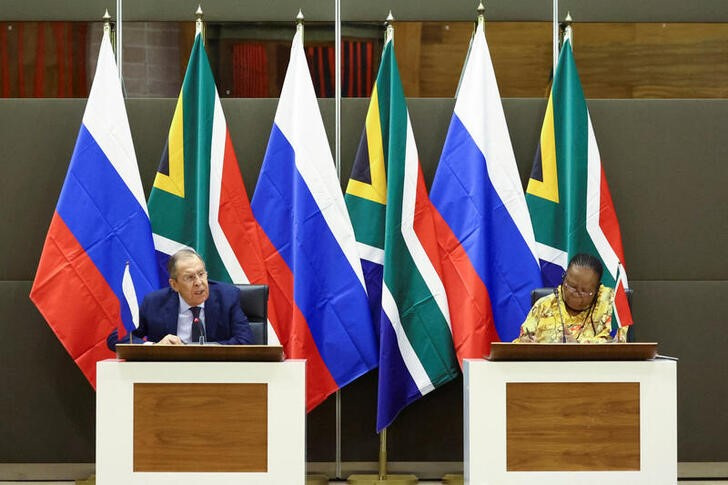
South Africa’s Foreign Minister Naledi Pandor and Russia’s Foreign Minister Sergei Lavrov attend a media briefing, in Pretoria, South Africa, January 23, 2023. REUTERS/Siphiwe Sibeko

U.S. Secretary of Defense Lloyd Austin, Ukraine’s Defense Minister Oleksiy Reznikov, Iceland’s Minister of Foreign Affairs Thordis Kolbrun Reykfjord Gylfadottir and NATO Secretary General Jens Stoltenberg, meet to discuss how to help Ukraine defend itself, at Ramstein Air Base, Germany, January 20, 2023. REUTERS/Wolfgang Rattay

German Defence Minister Boris Pistorius speaks to the media at Ramstein Air Base, Germany, January 20, 2023. REUTERS/Wolfgang Rattay

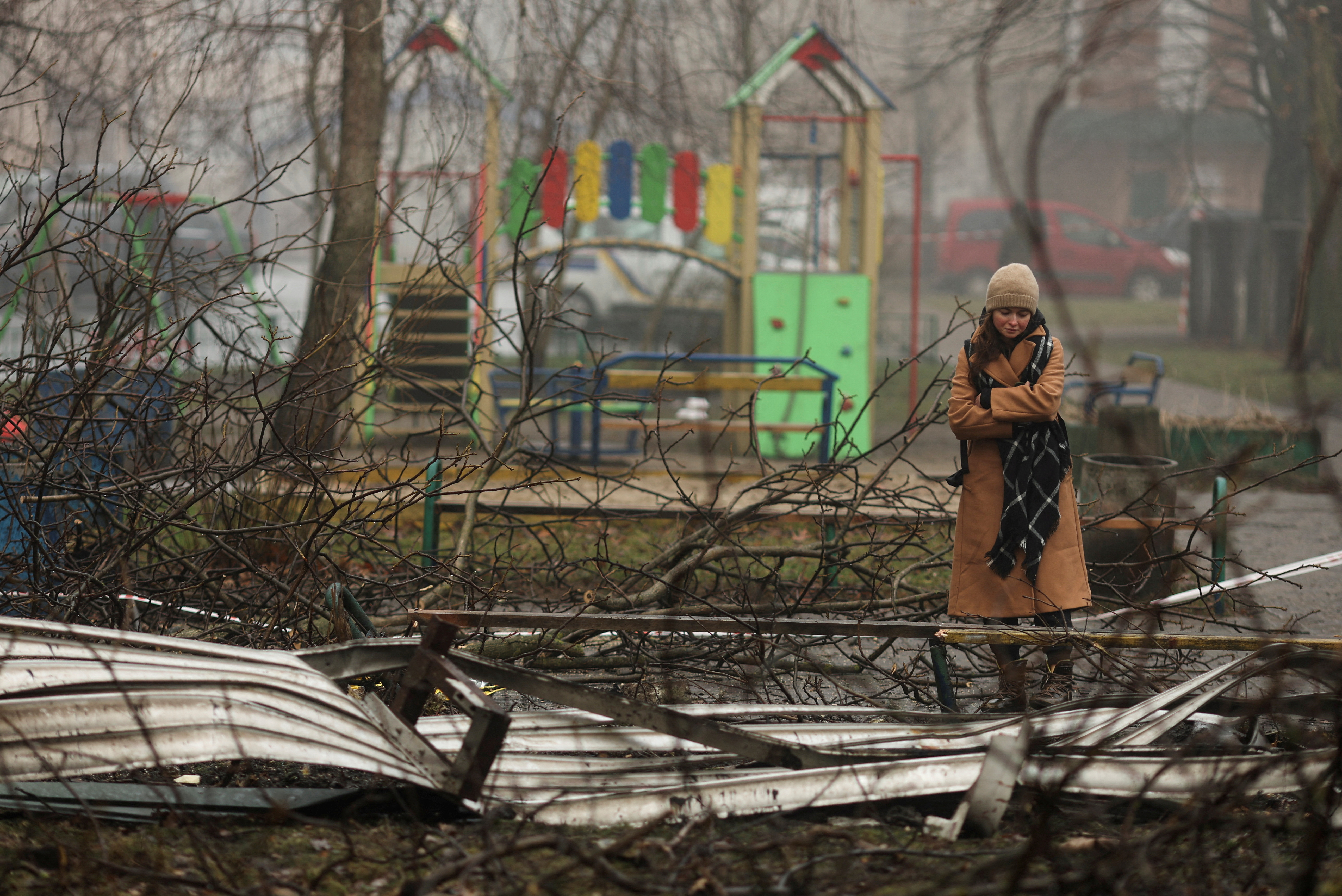
A relative looks at the site of a helicopter crash, amid Russia’s attack on Ukraine, in the town of Brovary, outside Kyiv, Ukraine, January 19, 2023. REUTERS/Nacho Doce

An employee works on the Senator APC at vehicle manufacturer Roshel after Canada’s defence minister announced the supply of 200 Senator armored personnel carriers to Ukraine, as part of a new package of military assistance, in Mississauga, Ontario, Canada January 19, 2023. REUTERS/Carlos Osorio

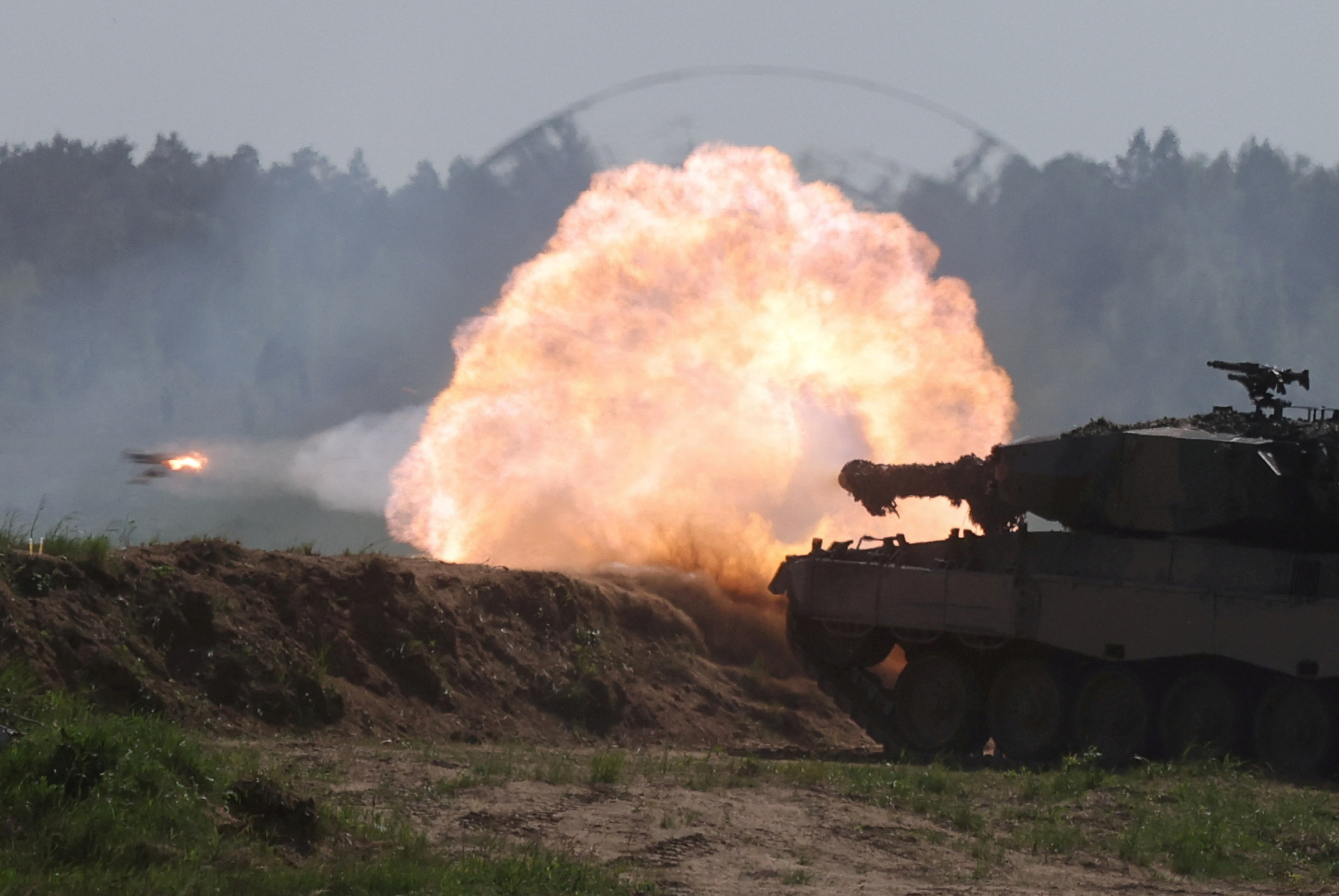
A Polish Leopard 2PL tank fires during Defender Europe 2022 military exercise of NATO troops including French, American, and Polish troops, amid the Russian invasion of Ukraine, at the military range in Bemowo Piskie, near Orzysz, Poland May 24, 2022. REUTERS/Kacper Pempel

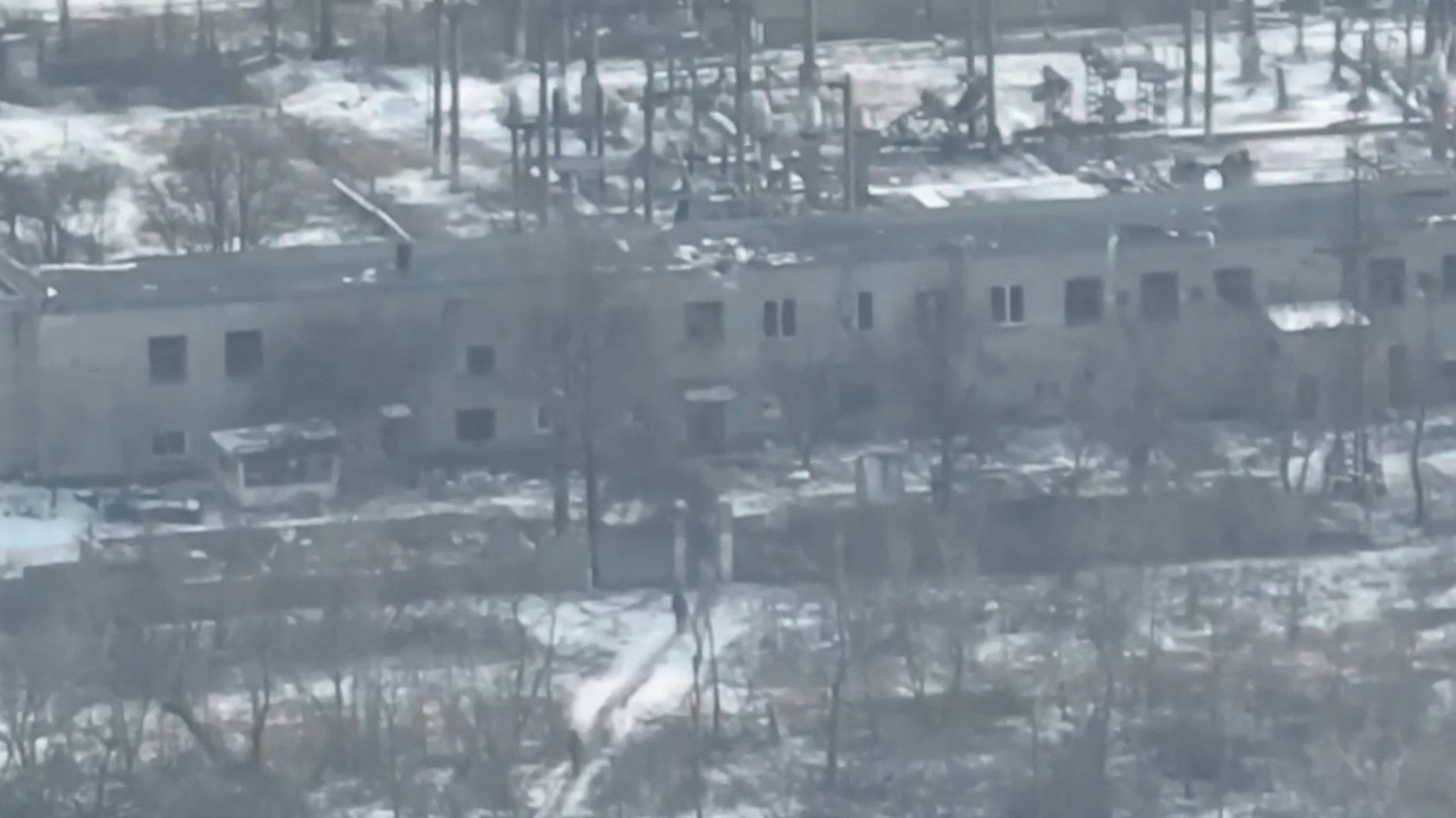
A general view of people said to be Russian soldiers seeking for shelter, in Kurdyumivka, amid Russia’s attack on Ukraine, in Donetsk region, Ukraine in this screengrab obtained from a handout drone footage on January 22, 2023. National Guard of Ukraine Press Service/Handout via REUTERS

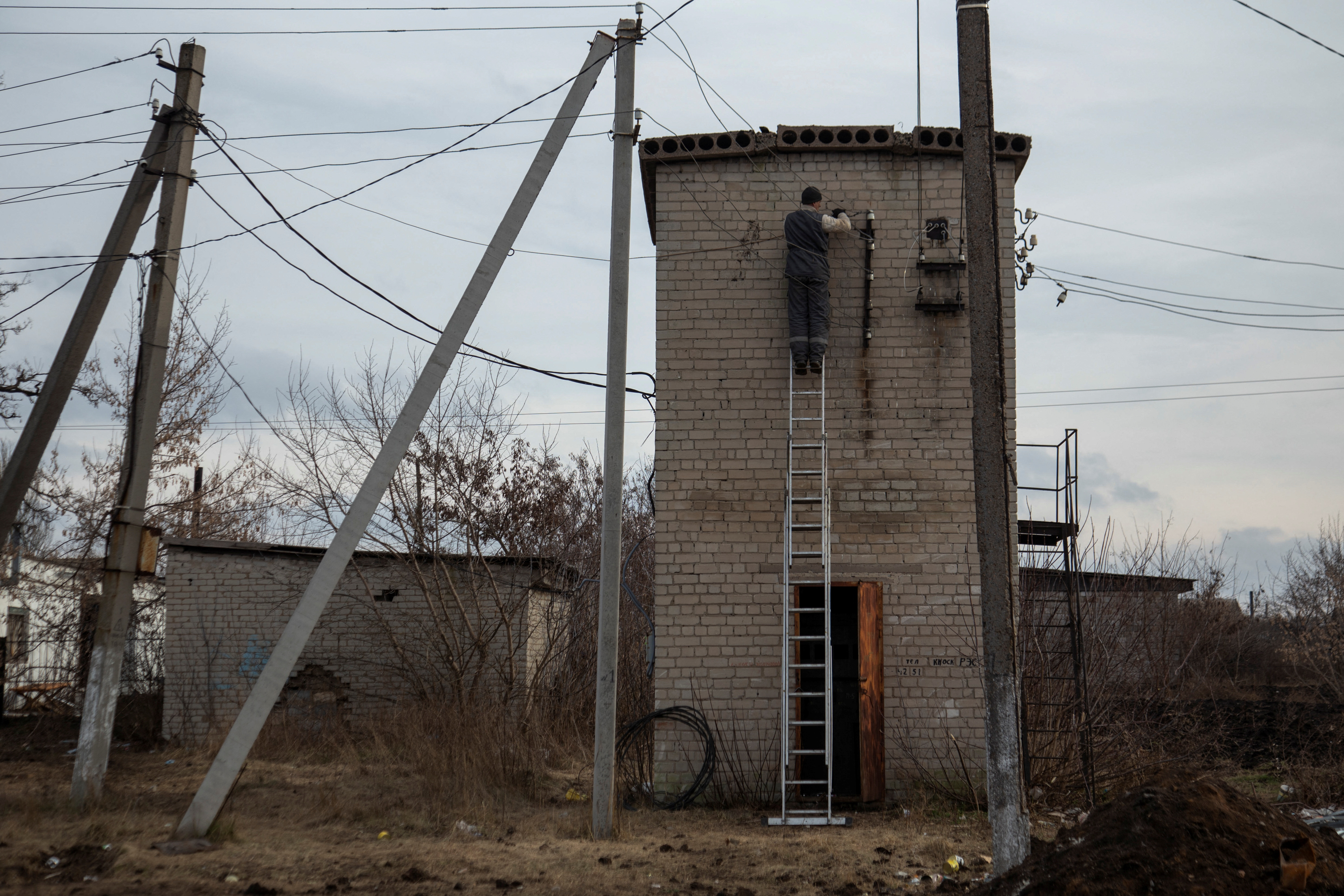
A man repairs power lines, amid Russia’s attack on Ukraine, in the village of Bilokuzmynivka, Donetsk region, Ukraine January 21, 2023. REUTERS/Oleksandr Ratushniak

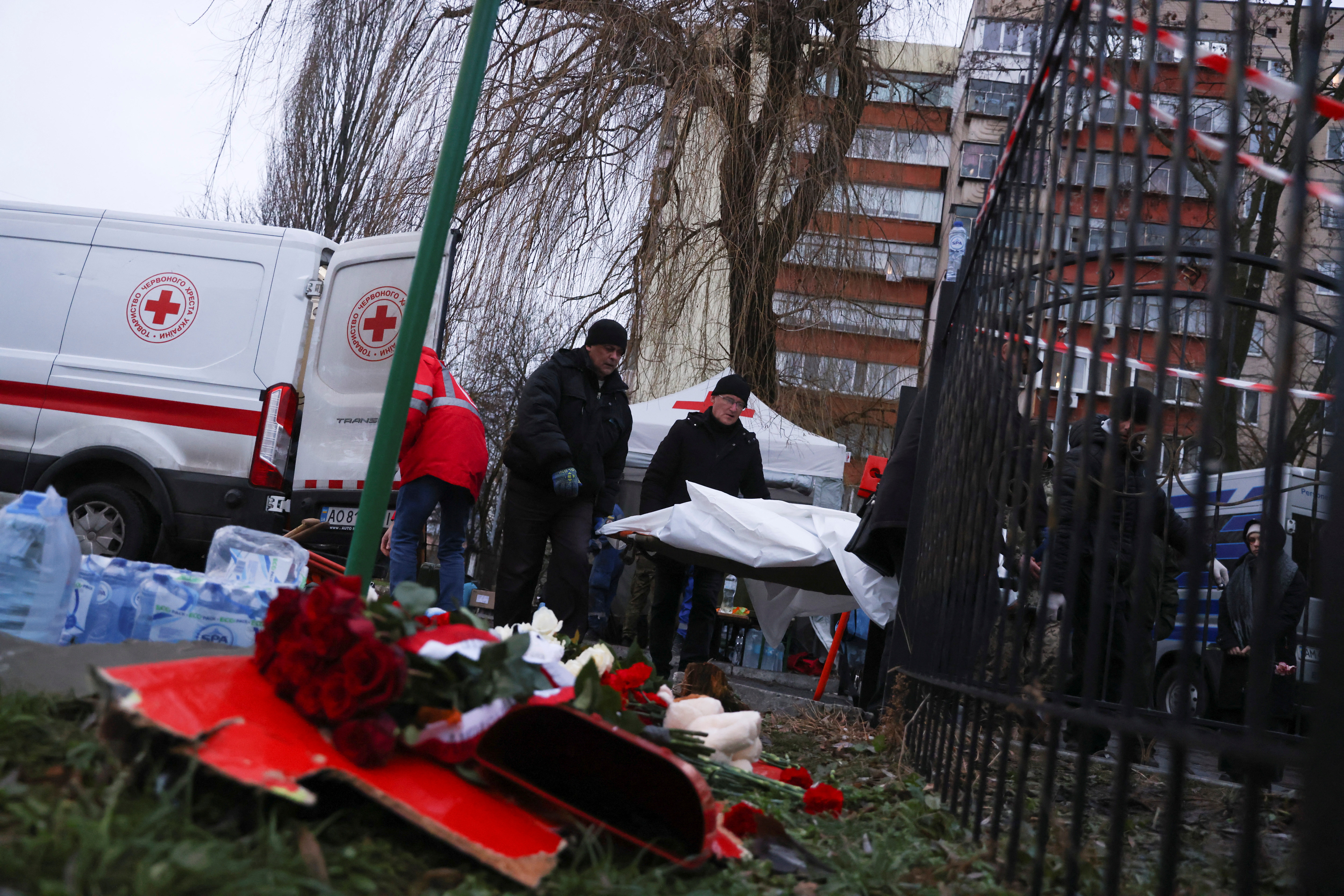
Ritual workers carry bodies of victims as they walk past tributes for victims, near the site of a helicopter crash, amid Russia’s attack on Ukraine, in the town of Brovary, outside Kyiv, Ukraine, January 18, 2023. REUTERS/Nacho Doce

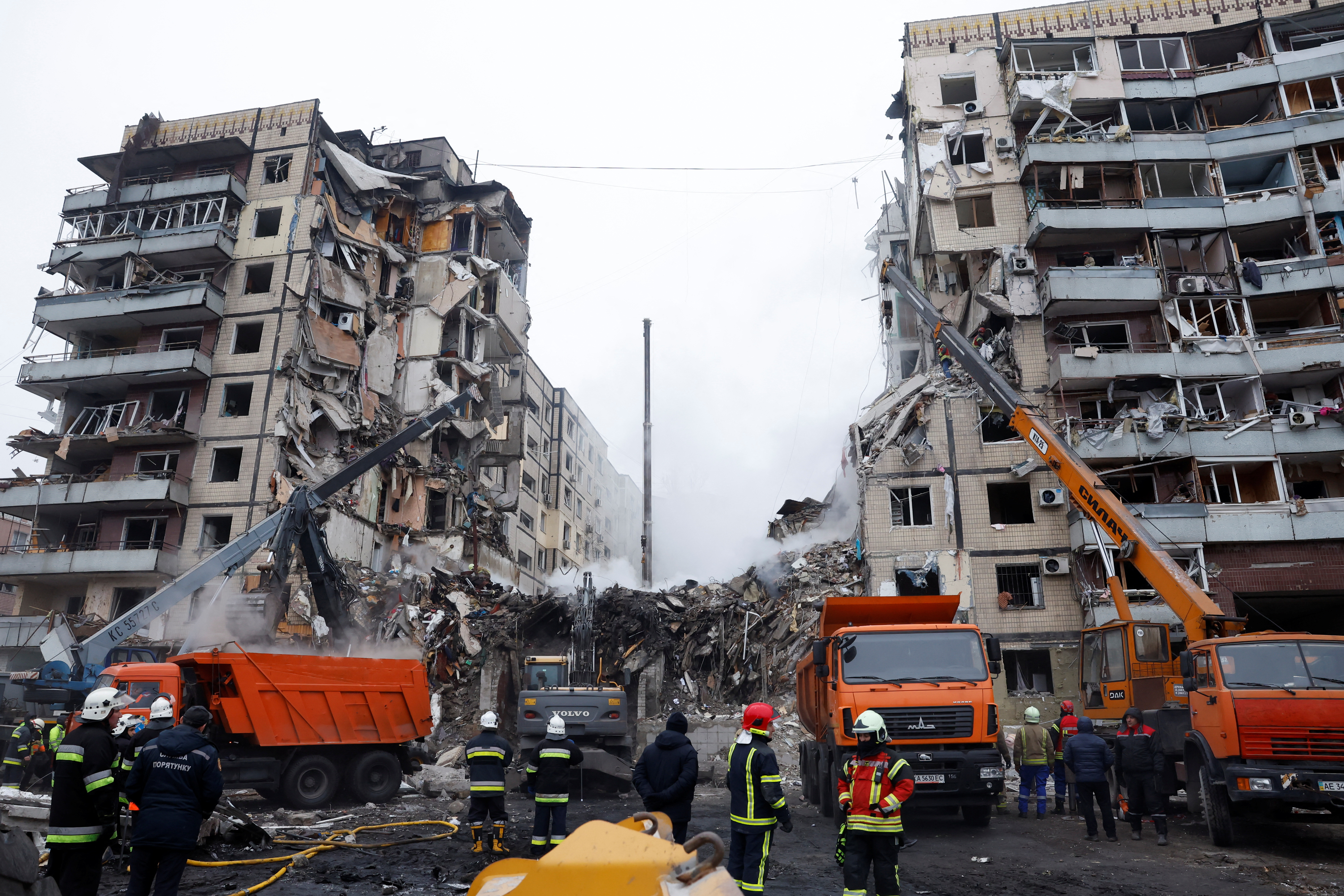
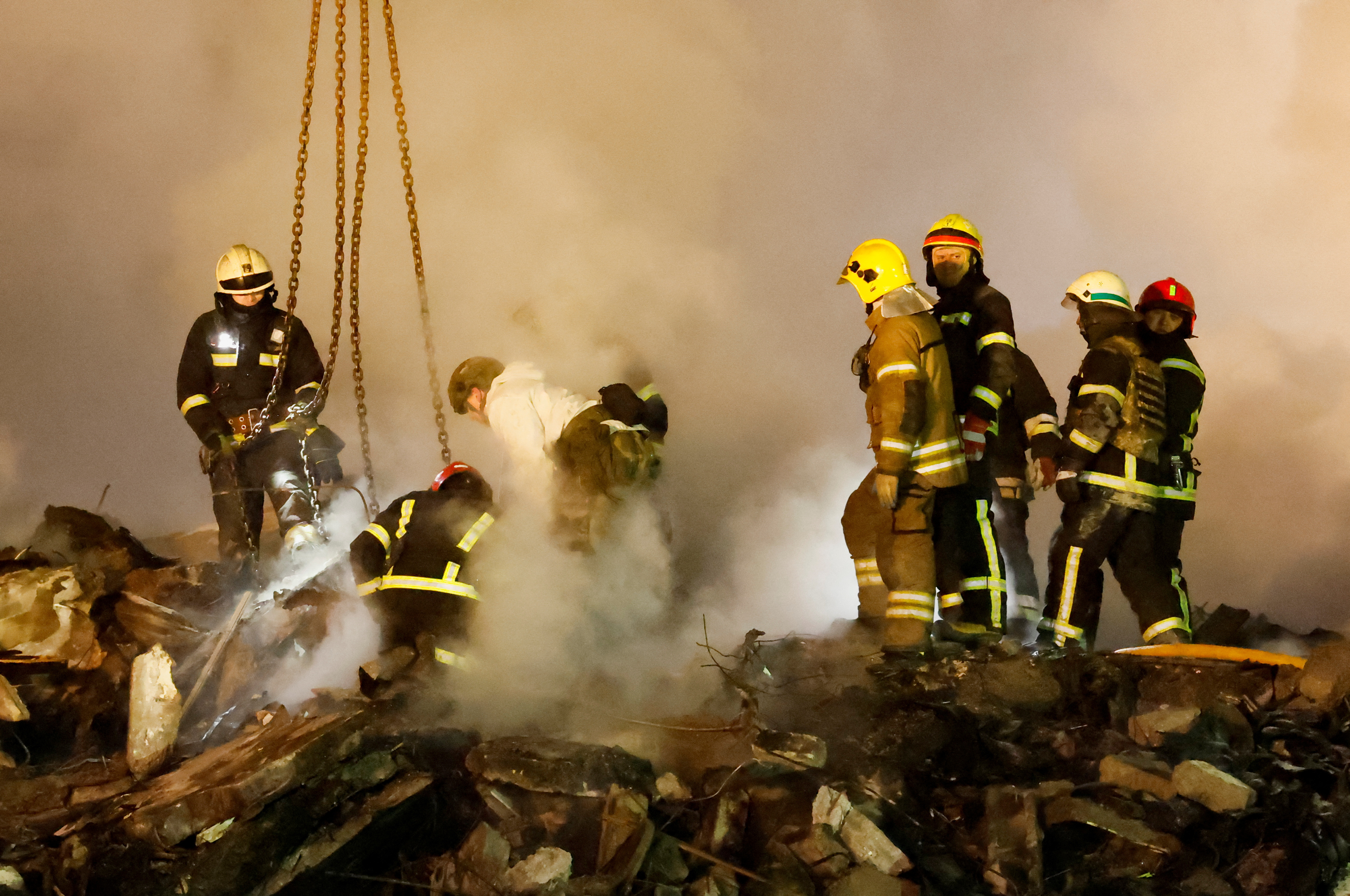
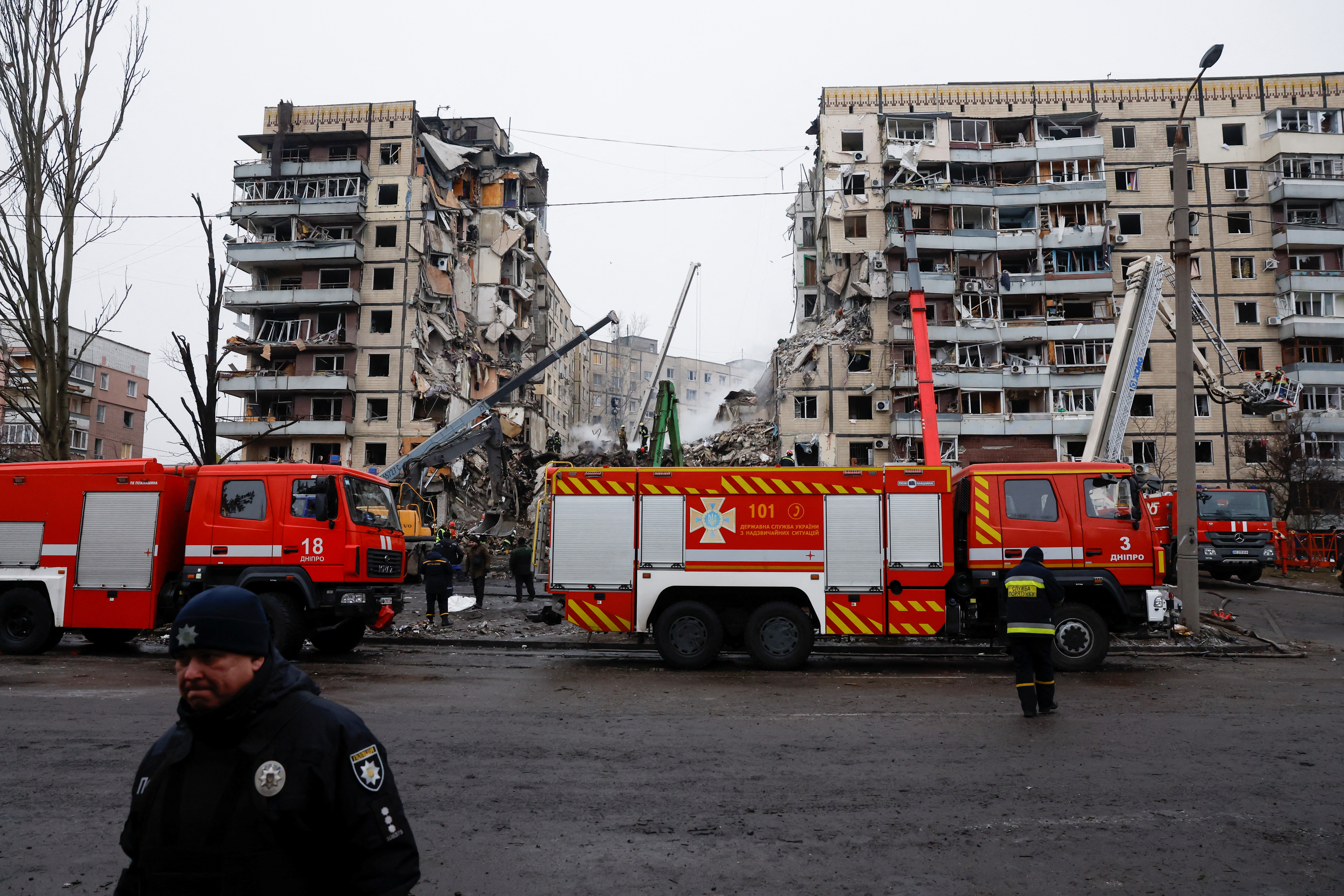
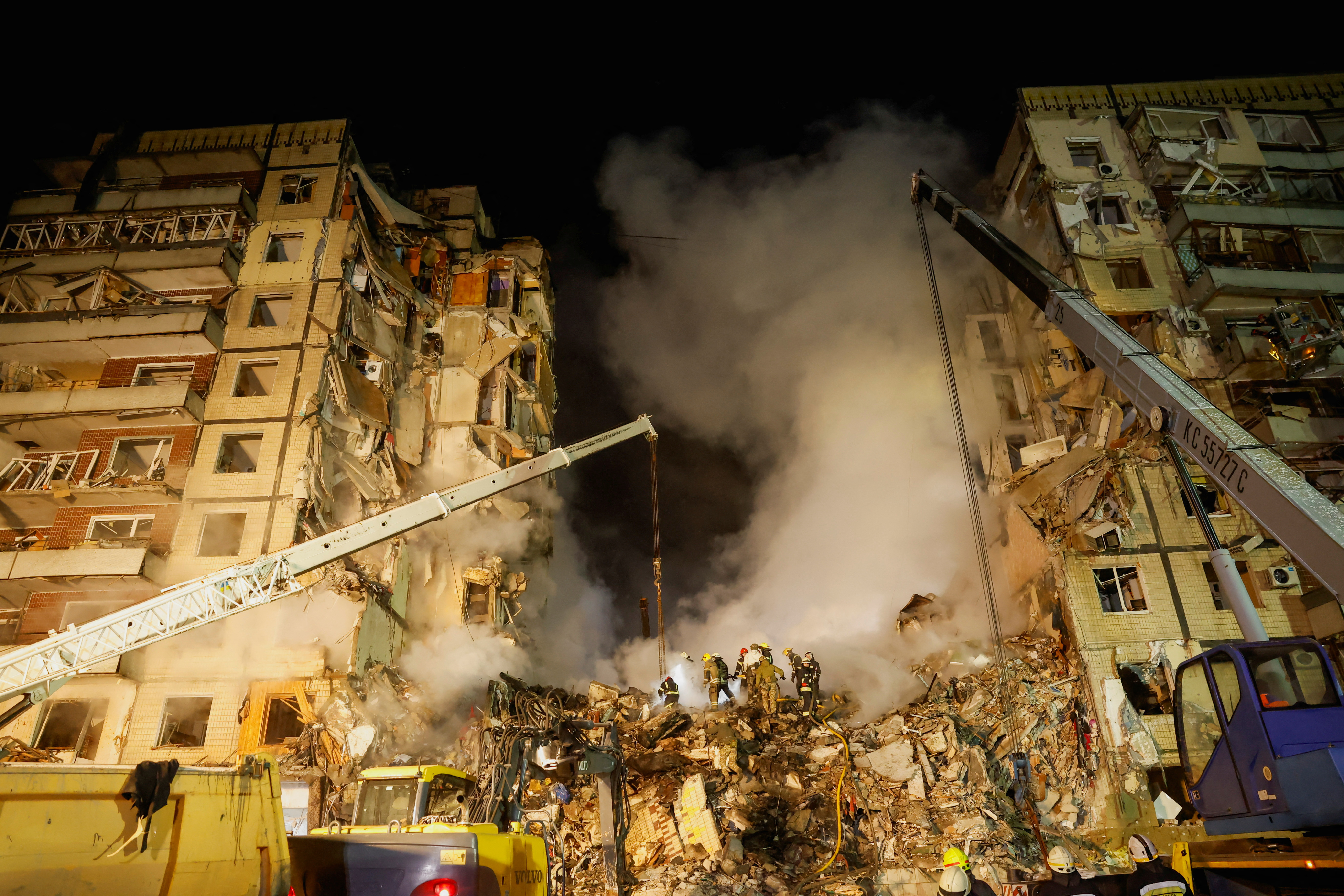
Emergency personnel work at the site where an apartment block was heavily damaged by a Russian missile strike, amid Russia’s attack on Ukraine, in Dnipro, Ukraine January 15, 2023. REUTERS/Clodagh Kilcoyne

Emergency personnel work at the site where an apartment block was heavily damaged by a Russian missile strike, amid Russia’s attack on Ukraine, in Dnipro, Ukraine January 15, 2023. REUTERS/Clodagh Kilcoyne

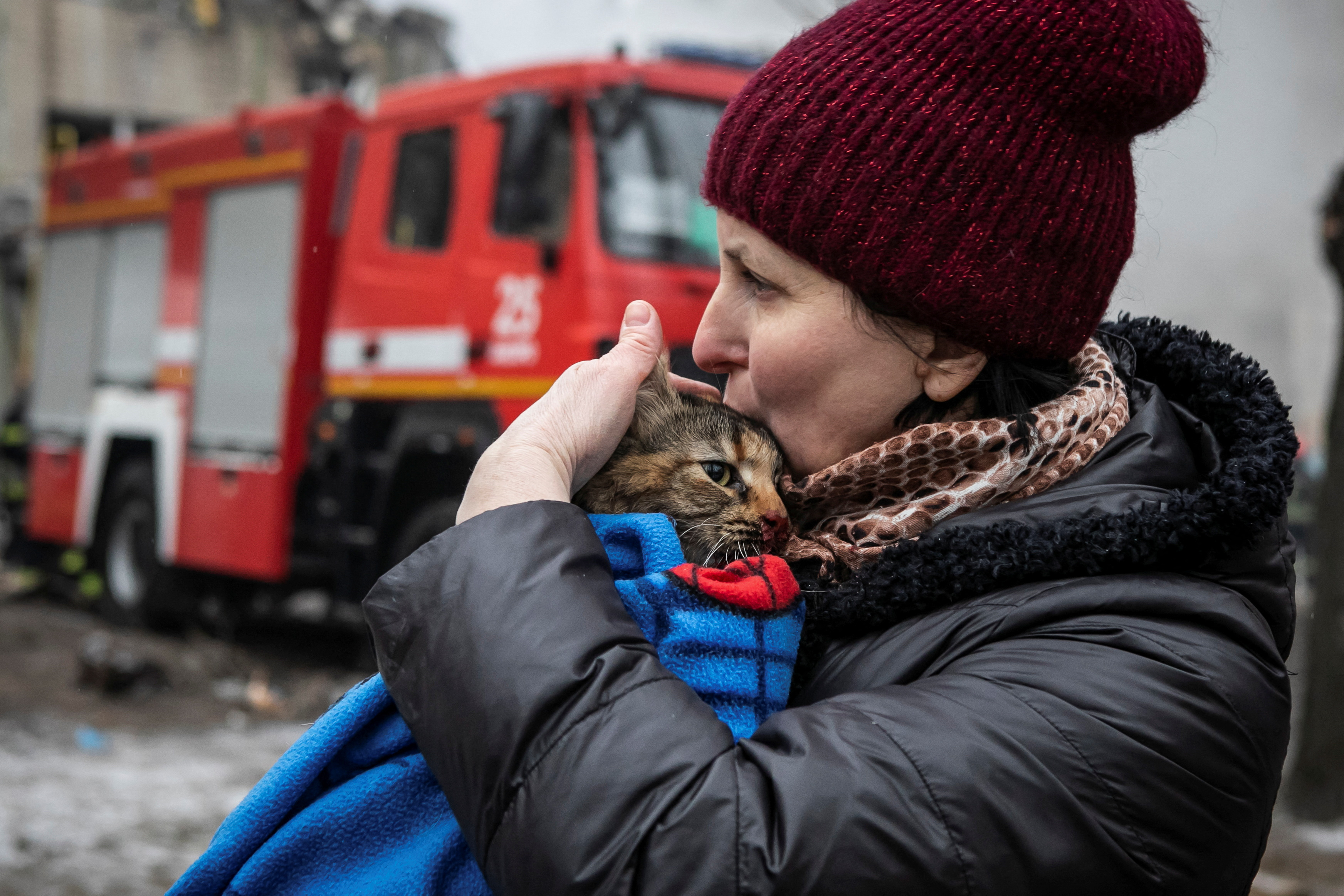
A local woman holds her cat rescued by emergency workers at the site where an apartment block was heavily damaged by a Russian missile strike, amid Russia’s attack on Ukraine, in Dnipro, Ukraine January 15, 2023. REUTERS/Yevhenii Zavhorodnii

Ukrainian servicemen fire a BM-21 Grad multiple launch rocket system towards Russian positions on a frontline near the town of Bakhmut, amid Russia’s attack on Ukraine, in Donetsk region, Ukraine January 15, 2023. REUTERS/Oleksandr Ratushniak

Natalya and Yelena, 65, who didn’t give their family names react while standing in a corridor of a temporary accommodation centre located in a local dormitory for civilians evacuated from the salt-mining town of Soledar in the course of Russia-Ukraine conflict, in Shakhtarsk (Shakhtyorsk) in the Donetsk Region, Russian-controlled Ukraine, January 14, 2023. REUTERS/Alexander Ermochenko

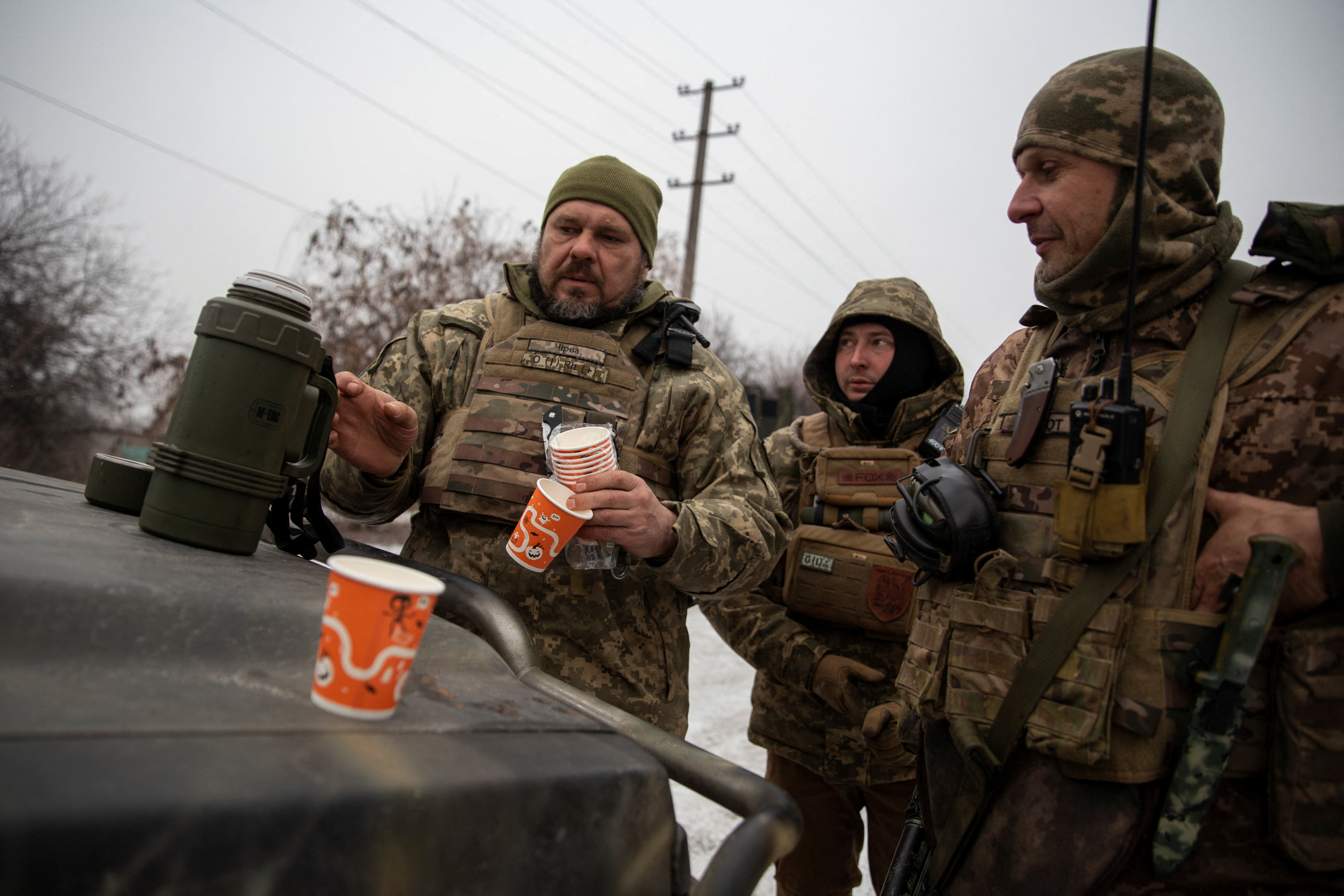
Ukrainian servicemen have coffee before moving to their position on a frontline near the town of Bakhmut, amid Russia’s attack on Ukraine, in Donetsk region, Ukraine January 15, 2023. REUTERS/Oleksandr Ratushniak

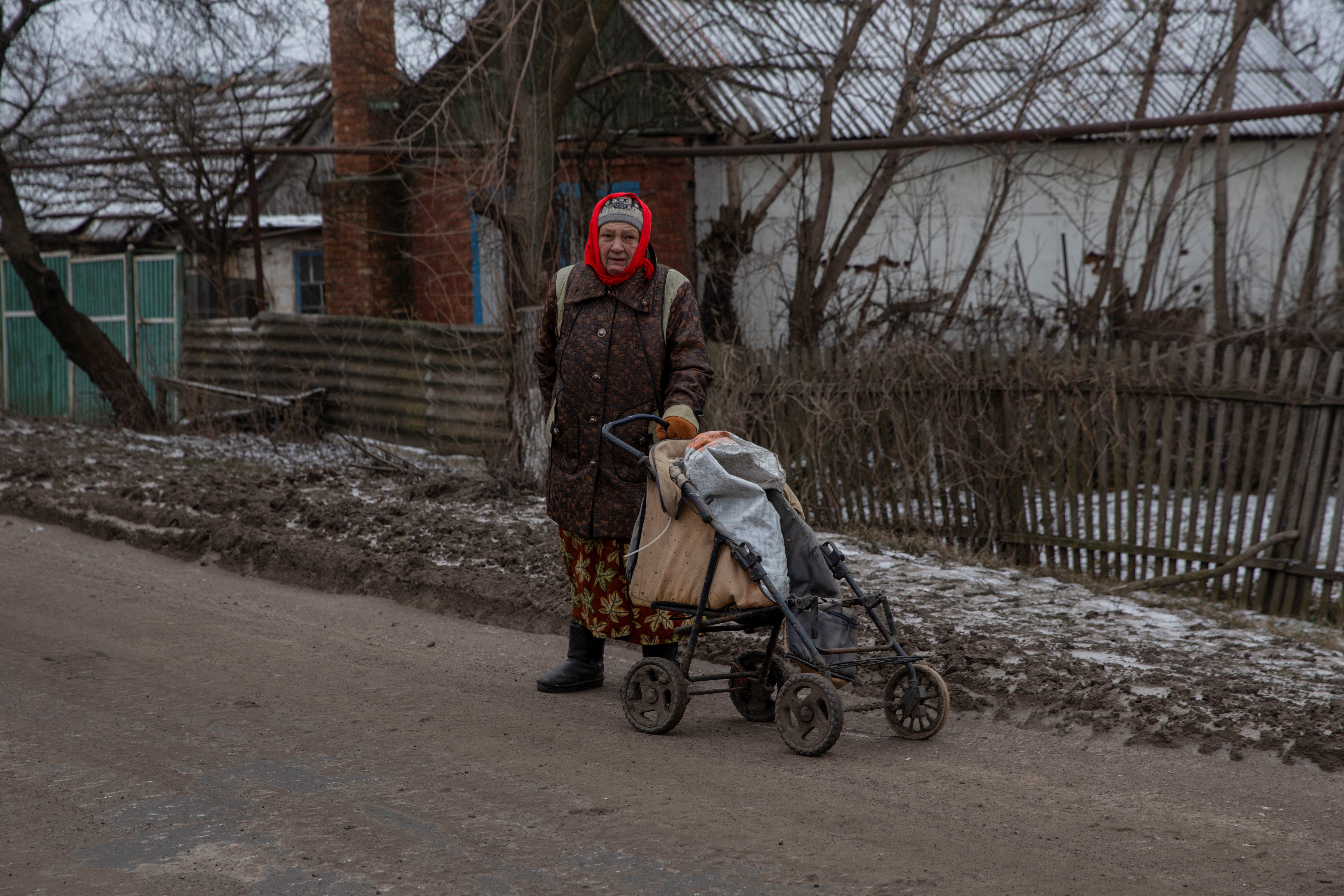
A woman pushes a stroller loaded with a sack of coal for heating her house, amid Russia’s attack on Ukraine, in the village of Nykyforivka, Donetsk region, Ukraine, January 15, 2023. REUTERS/Oleksandr Ratushniak

People take shelter inside a metro station during massive Russian missile attacks in Kyiv, Ukraine January 14, 2023. REUTERS/Viacheslav Ratynskyi

People dance to music as they take shelter inside a metro station during massive Russian missile attacks in Kyiv, Ukraine January 14, 2023. REUTERS/Clodagh Kilcoyne

Emergency personnel work at the site where an apartment block was heavily damaged by a Russian missile strike, amid Russia’s attack on Ukraine, in Dnipro, Ukraine January 15, 2023. REUTERS/Clodagh Kilcoyne

Emergency personnel work at the site where an apartment block was heavily damaged by a Russian missile strike, amid Russia’s attack on Ukraine, in Dnipro, Ukraine January 15, 2023. REUTERS/Clodagh Kilcoyne

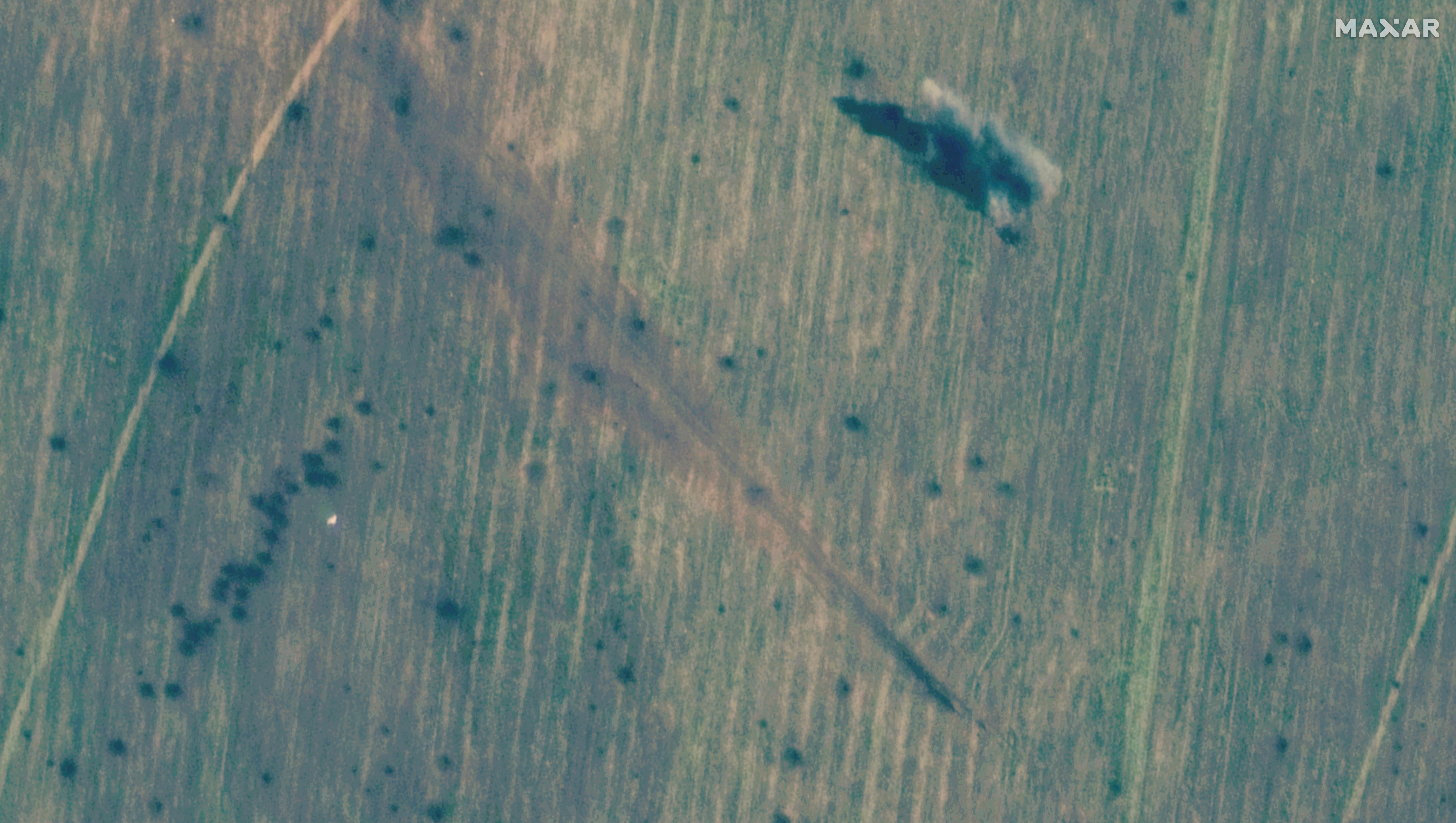
A satellite view shows a closer view of exploding munitions, in Bakhmut, Ukraine, January 3, 2023. Satellite image 2023 Maxar Technologies./Handout via REUTERS

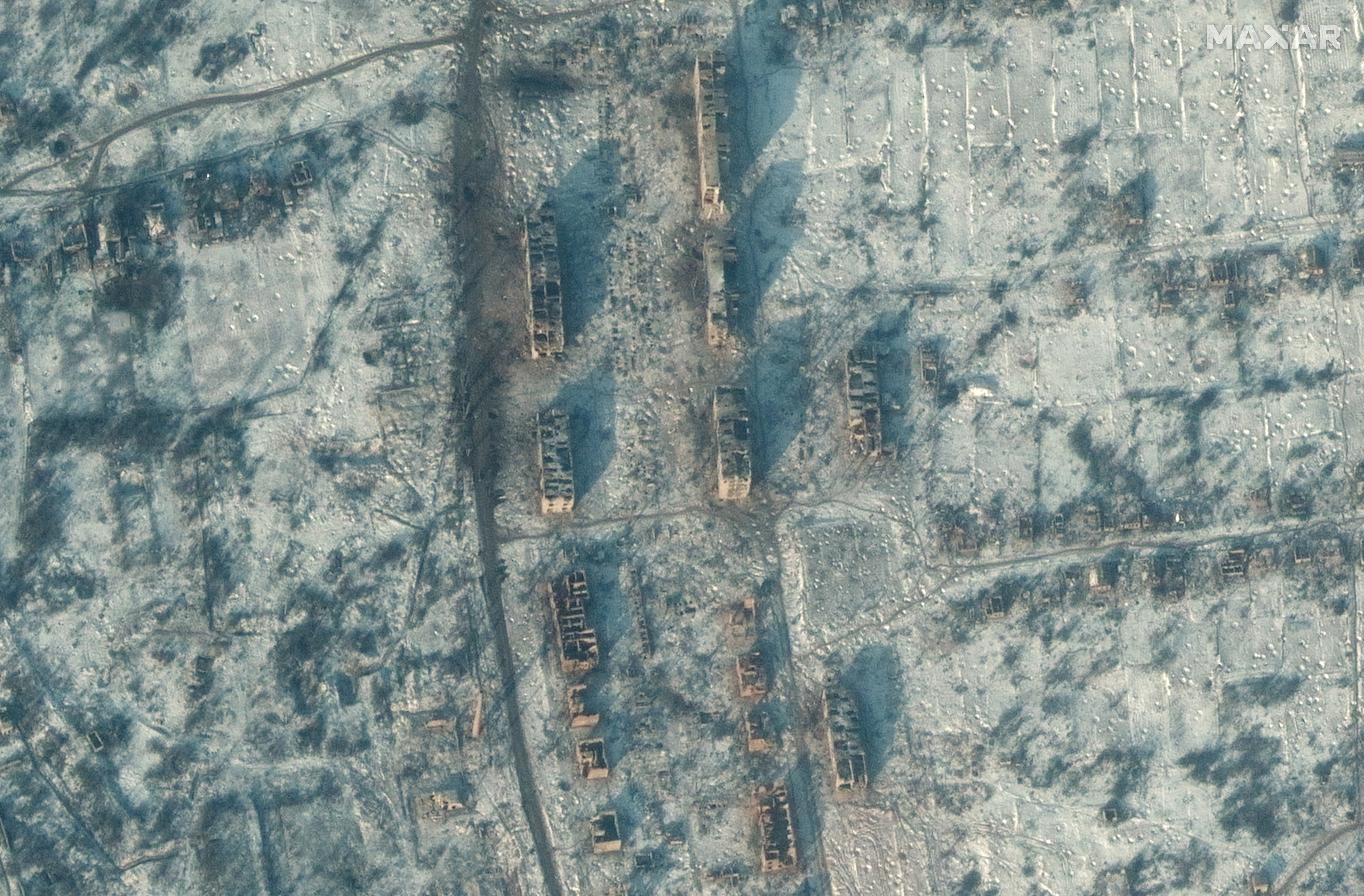
A satellite view shows destroyed apartment buildings and homes, in Soledar, Ukraine, January 10, 2023. Satellite image ?2023 Maxar Technologies./Handout via REUTERS


Categories
Audio Sources - Full Text Articles

Biden pushes for unity in State of the Union as he speaks to divided Congress cbsnews.com/live-updates/s… via @CBSPolitics

Biden pushes for unity in State of the Union as he speaks to divided Congress cbsnews.com/live-updates/s… via @CBSPolitics
Categories
Audio Sources - Full Text Articles

Ministério do Meio Ambiente de Bolsonaro abriu mão de defender 8 milhões de hectares na Amazônia, Pantanal e Cerrado

As duas onças-pintadas começam esfregando os focinhos e as patas. Em pouco tempo, a brincadeira evolui para uma luta de mentirinha, com direito a amigáveis mordiscadas. A cena, que remete mais a gatos domésticos do que aos gigantes felinos, é tão rara que foi parar em artigo científico. Normalmente, o que as onças fazem é disputar território. Mas na Ilha do Sararé, as condições são tão favoráveis que elas até saem juntas para caçar peixes e jacarés pelas áreas alagadas do Pantanal mato-grossense.

“Isso indica que ali há ótimas condições de vida e fartura de alimentos”, resumiu Daniel Kantek, servidor do ICMBio há 15 anos, onde foi chefe da Estação Ecológica de Taiamã, vizinha à Ilha de Sararé. Juntas, a ilha e a estação registram a maior estimativa de concentração de onças-pintadas do mundo, de 12,4 onças a cada 100 quilômetros quadrados.

Por isso, há anos o ICMBio — instituto do Ministério do Meio Ambiente responsável por criar e administrar unidades de conservação federais — estudava meios de transformá-la em uma área protegida. Primeiro, como uma extensão da própria estação ecológica. Depois, como um parque nacional que incluiria outras áreas do entorno.

Ministério abriu mão da Ilha do Sararé, no Pantanal mato-grossense, local com maior concentração de onças pintadas do mundo.

Foto: Daniel Kantek

Para o governo Jair Bolsonaro, no entanto, o paraíso das onças-pintadas não merecia ser protegido — a julgar pela decisão do Ministério do Meio Ambiente de abrir mão de transformar a Ilha de Sararé em uma unidade de conservação.

A decisão tomada durante a gestão de Ricardo Salles, sem alarde e sem consultar o próprio quadro técnico, abarca não apenas a ilha, mas todas as 167 áreas da União nas quais o ministério havia demonstrado interesse para a criação de áreas protegidas na Câmara Técnica de Destinação e Regularização Fundiária de Terras Públicas Federais Rurais. Essas áreas ficam na Amazônia, no Cerrado e no Pantanal e englobam oito estados brasileiros, em três regiões do país — Amazonas, Amapá, Pará, Roraima, Rondônia, Tocantins, Maranhão e Mato Grosso.

“O representante do MMA [Ministério do Meio Ambiente] informou que realizou um trabalho de revisão nas suas áreas de interesse e declinou o interesse de todas as áreas, com exceção das unidades de conservação já homologadas”, registrou-se em ata da reunião da câmara técnica, em 26 de agosto de 2020.

O ministério não apenas abriu mão de todas as áreas com as quais um dia já havia demonstrado preocupação, como também comunicou ao colegiado, em 29 de outubro de 2020, que “não possui interesse em adquirir novas áreas para criação de unidades de conservação”. Já o Incra, responsável por promover a reforma agrária, não quis avaliar a possibilidade de criar assentamentos em nenhuma das mais de mil glebas ou pedaços de glebas analisadas pela câmara entre abril de 2020 e julho de 2022, ignorando as mais de 4 mil famílias acampadas à espera de um pedaço de terra em Rondônia, Roraima e Pará, segundo dados do Movimento dos Trabalhadores Sem Terra, o MST. O Intercept procurou o Incra, que não se manifestou até o fechamento desta reportagem.

Criada em 2013, a câmara é o espaço em que órgãos do governo podem manifestar interesse pelas áreas federais não-destinadas, ou glebas, como são chamadas as parcelas pertencentes à União que ainda não foram convertidas em unidades de conservação, terras indígenas, assentamentos, concessões florestais ou mesmo propriedades particulares. Como vimos na primeira reportagem da série Ladrões de Floresta, essas áreas se tornaram o alvo número um da grilagem de terras e do desmatamento na Amazônia.

A cada reunião, um conjunto de glebas é colocado em pauta. Então, os representantes de cada órgão devem dizer se têm ou não algum tipo de projeto para as áreas. A partir do sinal positivo de algum órgão, aquela área fica bloqueada no Sigef, o sistema de governança fundiária do Incra, não podendo ser mais destinada para imóveis privados.

A Funai, por exemplo, está ali para reivindicar territórios de ocupação tradicional dos povos indígenas. O Serviço Florestal Brasileiro é responsável por assegurar as áreas com potencial para criação de projetos de manejo florestal. E ao ministério e ao ICMBio, cabe — ou ao menos deveria caber — argumentar a favor da criação de novas unidades de conservação em áreas consideradas prioritárias do ponto de vista ambiental.

Por lei, a criação de terras indígenas e quilombolas, unidades de conservação e assentamentos da agricultura familiar deve ter prioridade sobre as demais formas de destinação.

Mas as atas dos encontros, obtidas pelo Intercept via Lei de Acesso à Informação, mostram um esforço do ministério para destinar o maior pedaço de terra possível para propriedades privadas e praticamente nada para a proteção da floresta. Mais de mil glebas ou pedaços de glebas foram analisados entre abril de 2020 e julho de 2022, e a pasta não se mexeu para proteger nenhuma.

Segundo o regimento interno da câmara, as áreas em que nenhum dos órgãos demonstrar interesse serão destinadas automaticamente para regularização fundiária, ou seja, privatização. A exceção são as áreas inalienáveis da União (como faixas de fronteira ou margens de rios federais), onde, por lei, é proibida a privatização.

imagem-rio-araguaia-Jose-Caldas

Parte do rio Araguaia na região da Ilha do Bananal, no Tocantins.

Foto: José Caldas/Getty Images

Estreitando direitos

Ameaças de morte, seguranças armados e cercas são alguns dos obstáculos à continuidade de um modo de vida que há oito décadas acompanha o sobe e desce das águas do Araguaia, no Mato Grosso. Quando o rio baixa, os retireiros levam o gado até as pastagens naturais que brotam na beira do rio. Quando sobe, voltam para suas casas na cidade. Um vai e vem que fica cada vez mais difícil com o avanço do agronegócio pelo Cerrado.

“O fazendeiro sempre vai adquirindo mais um pedaço de terra, daí a nossa área tá ficando menor”, contou o retireiro Josué ao Intercept.

Uma das alternativas para proteger a tradição dos retiros seria a criação de uma Reserva de Desenvolvimento Sustentável. A RDS é um tipo de unidade de conservação que abriga populações tradicionais. Mas o projeto, discutido há quase 20 anos no ICMBio, nunca saiu do papel em função da resistência política local.

“Enquanto isso, só vão estreitando os direitos da gente. Eu fico imaginando como vou viver sem essa vida que eu levo desde criança. O homem e a natureza, um respeitando o outro”, lamentou o retireiro.

Indiferente ao processo de criação da RDS, que segue tramitando no ICMBio, o Ministério do Meio Ambiente jogou uma pá de cal sobre o sonho de Josué ao incluir a área entre aquelas de que o ministério abriu mão.

“Isso mostra uma indiferença para com o direito territorial da comunidade tradicional e com a resolução de um conflito fundiário que é muito grave”, afirmou o procurador do Ministério Público Federal, Wilson Rocha, que atuou por quatro anos junto a essa comunidade.

Cruzando bases de dados do governo federal, verificamos que várias das glebas que o ministério dispensou já haviam sido transformadas em unidades de conservação ou terras indígenas, e outra parte estava bastante desmatada — fatores que, segundo especialistas, justificam a decisão do órgão de abrir mão de transformá-las em áreas protegidas.

Mas há pelo menos 39 áreas que não deveriam ter sido descartadas, e quem diz isso são os próprios técnicos do ICMBio. Tratam-se de grandes maciços florestais bem preservados, que somam mais de 8 milhões de hectares — quase o dobro do estado do Rio de Janeiro — e estão localizados nos estados do Mato Grosso (16), Amazonas (10), Pará (9), Rondônia (2) e Roraima (2).

MAPA-GLEBAS-MMA

Glebas das quais o ministério do meio ambiente abriu mão na câmara de destinação, contrariando parecer da equipe técnica, segundo ICMBio. A reportagem não conseguiu localizar as glebas Paru do Oeste, Erepecuru e Água Azul B-11, B-2, C-1, C-2 E C-3.

Júlia Coelho/The Intercept Brasil

Em 27 delas, já havia inclusive processos de criação ou ampliação de unidades de conservação em andamento no ICMBio. É o caso da Ilha do Sararé e da RDS dos Retireiros do Médio Araguaia, mas também de outras glebas, como a Amassanu. Uma área do tamanho de quase seis cidades de São Paulo, coberta por uma floresta praticamente virgem, localizada entre os rios Negro e Manacapuru, e onde há estudos para a ampliação do Parque Nacional do Jaú.

Outras 12 glebas estavam sobrepostas às Áreas Prioritárias para Conservação, Uso Sustentável e Repartição dos Benefícios da Biodiversidade, que são definidas pelo Ministério do Meio Ambiente após encontros com pesquisadores e com a sociedade civil, utilizando diversos critérios científicos.

“Essas áreas são uma política pública instituída por decreto e são usadas pelo ICMBio para avaliar a ampliação ou criação de novas unidades de conservação”, afirmou Ana Paula Prates, doutora em ecologia e analista ambiental do ministério que coordenou a última atualização das áreas prioritárias, em 2018. Licenciada, atualmente ela é diretora de políticas públicas no Instituto Talanoa, uma organização focada em produzir conhecimento para orientar a política climática.

Uma das glebas sobrepostas a áreas prioritárias é a João Bento, no sul do Amazonas, onde havia inclusive a indicação de criação de uma unidade de conservação de proteção integral — como mostramos na terceira reportagem da nossa série. Também é o caso da gleba Balbina, que fica ao lado da Reserva Biológica de Uatumã, a 130 quilômetros de Manaus. Balbina fica em uma área de prioridade de conservação extremamente alta, que abriga espécies ameaçadas de extinção, como o gato maracajá, o tamanduá-bandeira e o tatu-canastra, maior espécie viva de tatu.

imagem-trator-bruno-kelly<p class=”“Havia um comando de governo dizendo que não era para destinar mais nem um metro quadrado para indígenas, quilombolas e unidades de conservação. E isso foi levado a cabo a partir da nomeação de pessoas nesses órgão estratégicos que desconsideram pareceres técnicos”

Foto: Bruno Kelly para o Intercept Brasil

Aparelhamento

Os técnicos do ICMBio sabiam da importância de conservar essas áreas e foram enfáticos quanto à necessidade de mantê-las sob interesse do ministério na nota técnica que assinaram em 16 de novembro de 2022. O curioso é que a análise só foi solicitada mais de dois anos depois de a pasta já ter aberto mão das áreas, em agosto de 2020.

A nota técnica é assinada por Bernardo Ferreira Alves de Brito, então chefe da Coordenação de Criação de Unidades de Conservação do ICMBio, setor que concentra os dados e o conhecimento necessários para indicar se há ou não interesse em transformar determinada área em unidade de conservação.

Tradicionalmente, um servidor dessa equipe participava das reuniões da câmara técnica. Com a chegada de Bolsonaro, no entanto, esse espaço passou a ser ocupado por servidores comissionados de outros departamentos, como das coordenações de Regularização Fundiária e de Compensação de Reserva Legal e Incorporação de Terras Públicas.

“Os servidores responsáveis pelos estudos, pelas audiências públicas e pelas propostas de criação de novas unidades de conservação nem ao menos vinham sendo consultados”, contou Cleberson Carneiro Zavaski, analista ambiental do ICMBio cedido para a Comissão de Meio Ambiente do Senado.

No caso do Ministério do Meio Ambiente, pelo menos cinco pessoas passaram pela câmara desde de abril de 2020, entre suplentes e titulares. Quem mais participou das reuniões foi Antônio Carlos Tinoco Cabral, assessor da Secretaria Executiva do ministério, formado em administração de empresas. Antes de ir para a pasta, em 2019, ele trabalhou na administração de propriedades rurais e foi diretor de compras na Santa Casa de Misericórdia de Barretos, interior de São Paulo.

Outra representante assídua era Laura Andrea Chinaglia Abbá, advogada especialista em agronegócio e em regularização fundiária que, em 2020, foi nomeada para chefiar o Departamento de Áreas Protegidas do ministério. Entre os representantes do MMA no colegiado estava ainda o coronel da reserva José Leonardo Maniscalco, assessor especial do ministro do Meio Ambiente, que representou o órgão em duas reuniões.

O Intercept questionou a antiga gestão do ministério sobre as nomeações e a revisão nas áreas de interesse na câmara técnica, mas não obteve resposta. Também deixamos recados nos escritórios de Cabral e Abbá, mas não tivemos retorno. Não conseguimos contato com o coronel Maniscalco — no Ministério do Meio Ambiente não souberam informar seu telefone.

“Havia um comando de governo dizendo que não era para destinar mais nem um metro quadrado para indígenas, quilombolas e unidades de conservação. E isso foi levado a cabo a partir da nomeação de pessoas nesses órgão estratégicos que desconsideram pareceres técnicos”, disse Zavaski.

A decisão do Ministério do Meio Ambiente de abrir mão de todas as suas áreas foi sacramentada em novembro de 2022, no apagar das luzes do governo Bolsonaro, com a assinatura do termo de acordo 01/2021. O documento, que consolidou as decisões tomadas ao longo do ano anterior, confirma o que já havia sido sinalizado nas atas das reuniões: as áreas do interesse do ministério passaram a ter outras indicações de destinação, e o órgão não demonstrou interesse por nenhuma nova área durante todo ano de 2020.

Das 161 glebas passíveis de regularização fundiária analisadas ao longo do ano — outras 207 não podiam ser privatizadas, por serem inalienáveis —, 151, ou 94%, tiveram esse destino. Entre elas estão partes de sete glebas consideradas prioritárias para conservação, segundo a nota técnica do ICMBio, incluindo uma das áreas que abrigariam a Reserva de Desenvolvimento Sustentável dos Retireiros do Araguaia.

Outras 10 glebas citadas pelos técnicos e abandonadas pelo ministério passaram para a alçada do Serviço Florestal Brasileiro, que estuda a criação de áreas de concessão florestal.

O Intercept entrou em contato com a nova gestão do ministério, reformulado no governo Lula e rebatizado de Ministério do Meio Ambiente e Mudança do Clima, para verificar se eles irão tentar reverter essa decisão. De acordo com a assessoria da pasta, todos os atos mencionados “estão em análise desde 1° de janeiro e serão revistos”.

A gestão da ministra Marina Silva promete dar atenção especial às áreas não-destinadas, com a criação da Secretaria Extraordinária de Controle do Desmatamento e Ordenamento Territorial e Fundiário, que terá entre suas funções a destinação dessas áreas. “A mudança do governo é a única chance que a gente ainda tem, porque eu não tenho outro meio de vida”, afirmou o retireiro Josué. “Eu pediria para o novo governo olhar para as pessoas que realmente precisam da natureza, porque sem a natureza, ninguém vive”.

imagem-animal-sozinho-bruno-kellyp class=”O número de terras indígenas homologadas vem caindo desde o governo de Fernando Henrique Cardoso.

Foto: Bruno Kelly para o Intercept Brasil

Câmara viciada

Criar unidades de conservação e terras indígenas é uma das maneiras mais eficientes de frear o desmatamento na Amazônia: um estudo do Instituto de Pesquisa Ambiental da Amazônia, o Ipam, concluiu que 87% das derrubadas acumuladas em terras públicas até 2020 aconteceram em áreas não-destinadas, contra 7% nas unidades de conservação e 6% nas terras indígenas.

Apesar da política deliberada dos últimos quatro anos de não criar novas unidades de conservação ou terras indígenas, a omissão não é uma exclusividade do governo Bolsonaro, avaliam especialistas. “Os processos de demarcação de terras indígenas se arrastam por 20, 30 anos”, contou Juliana de Paula Batista, advogada do Instituto Socioambiental.

Segundo levantamento da organização, o número de terras indígenas homologadas vem caindo desde o governo de Fernando Henrique Cardoso, do PSDB.

Número de terras indígenas homologadas por governo

Presidente [período] TIs Homologadas
José Sarney [abr 85 | mar 90] 67
Fernando Collor [mar 90 | set 92] 112
Itamar Franco [out 92 | dez 94] 16
FHC [jan 1995 | dez 1998] 114
FHC [jan 1999 | dez 2002] 31
Lula [jan 2003 | dez 2006] 66
Lula [jan 2007 | dez 2010] 21
Dilma Rousseff [jan 2011 | dez 2014] 11
Dilma Rousseff [jan 2015 | mai 2016] 10
Michel Temer [mai 2016 | abr 2018] 1
Jair Bolsonaro [jan 2019 | dez 2022] 0


Fonte: Instituto Socioambiental (ISA)

Já o ritmo de criação de unidades de conservação federais vem caindo desde o governo da petista Dilma Rousseff. Foram 77 na gestão de Fernando Henrique Cardoso, 75 nos dois governos Lula, 16 no período Dilma e 13 na gestão de Michel Temer — o levantamento não considera reservas particulares do patrimônio natural, as RPPNs.

Numero-de-UCS-criadas-por-cada-governo

Gráfico: Júlia Coelho/The Intercept Brasil

Também não é de hoje que a câmara técnica de destinação prioriza a regularização fundiária em detrimento da proteção ambiental e dos povos originários. O Imazon compilou as decisões tomadas pela câmara até 2018 e concluiu que 70% das áreas analisadas nesse período foram destinadas à regularização fundiária, enquanto 17% foram para unidades de conservação. E menos de 0,1% para terras indígenas.

“O problema da câmara técnica é anterior ao governo Bolsonaro, porque a regra que rege o colegiado é ilegal”, afirmou Brenda Brito, pesquisadora do Imazon. Por lei, florestas públicas não podem ser privatizadas. Mas o decreto que regula o trabalho da câmara técnica subverteu essa norma ao restringir o conceito de floresta pública apenas às “áreas de interesse do Serviço Florestal Brasileiro”.

“Esse decreto gera essa distorção. O correto seria você ter um decreto que reforçasse que floresta pública não pode ser privatizada”, argumentou a pesquisadora.

porteira-madereira-bruno-kelly

Foto: Bruno Kelly para o Intercept Brasil

Sucessão de anistias

As atas das reuniões da câmara técnica de destinação também revelam as prioridades de outro órgão do governo, o Incra, durante o governo Bolsonaro: dedicar o máximo de áreas para privatização e absolutamente nada para assentamentos de reforma agrária. “O Incra […] aproveitou o momento para comunicar que seu interesse nas áreas não destinadas é para regularização fundiária”, informou a ata da reunião de 25 de maio de 2022.

“O Incra foi criado para implementar a reforma agrária, combater a desigualdade no campo e a concentração de terra”, explicou Claudinei dos Santos, da coordenação do MST de Rondônia e da Via Campesina. “Mas hoje o instituto está todo voltado para regularização fundiária”, completou.

Apesar do esforço em privatizar a maior quantidade de áreas públicas possível, até nisso o governo Bolsonaro fracassou. Segundo o Imazon, a emissão de títulos de terra despencou em 2019, quando apenas um título foi emitido, e a situação não melhorou muito nos anos seguintes — em 2020, foram emitidos 553 títulos, e 753 em 2021. Nos seis anos de governo Dilma, foram emitidos uma média de 4.499 títulos por ano.

“Há colonos que chegaram na Amazônia no começo da década de 1970 e até hoje não receberam título”, afirmou Maurício Torres, professor da Universidade Federal do Pará e doutor em geografia humana pela Universidade de São Paulo. O problema, segundo os especialistas, é continuar mudando a lei para contemplar novas invasões. “O cara invade a terra pública, derruba a floresta, faz lobby para mudar a lei, consegue anistiar a invasão e depois começa tudo de novo. Você cria leis que criam ilegalidades”, resumiu.

Para o pesquisador, o primeiro a abrir a porteira para a grilagem foi o próprio presidente Lula, do PT, que agora volta ao Planalto. Em 2009, ele assinou a lei que anistiou as invasões de terras ocorridas até 2004 e com até 1,5 mil hectares. Em 2017, o presidente Michel Temer, do MDB, deu mais um incentivo à grilagem ao ampliar o marco temporal para 2011 e o tamanho da área passível de regularização para 2,5 mil hectares.

LINHADOTEMPO

Gráfico: Júlia Coelho/The Intercept Brasil

Em 2019, o presidente Jair Bolsonaro criou a expectativa de uma nova rodada de anistias com a edição da Medida Provisória 910, a MP da Grilagem, que depois de perder a validade acabou por ressurgir na forma de dois projetos de lei patrocinados pela bancada ruralista. Eles aguardam votação no Congresso.

“Isso cria a percepção de que a fronteira do desmatamento está sempre aberta para a expansão”, afirmou Brito.

Esta reportagem faz parte do projeto Ladrões de Floresta, que investiga a grilagem em terras públicas da Amazônia e conta com o apoio da Rainforest Investigations Network, do Pulitzer Center. Confira a primeirasegunda e terceira reportagem da série.

The post Ministério do Meio Ambiente de Bolsonaro abriu mão de defender 8 milhões de hectares na Amazônia, Pantanal e Cerrado appeared first on The Intercept.

WP Radio
WP Radio
OFFLINE LIVE