Categories
Audio Sources - Full Text Articles

Trump claims lawsuits are a conspiracy to ‘keep him busy’ ahead of 2024. He’s the one making lawsuits political, judges say.

donald trumpFormer President Donald Trump during an event at his Mar-a-Lago home on November 15, 2022, when he announced he would run for president in 2024.

Joe Raedle/Getty Images

  • Donald Trump said litigation against him is meant to “defeat” him ahead of 2024.
  • Judges have repeatedly slammed Trump for using lawsuits “to advance a political narrative.”
  • A judge last week sanctioned him and his lawyer Alina Habba with a $1 million fine.

Former President Donald Trump is trotting out a new argument against everyone suing him: They’re trying to distract him.

In a deposition taken in October and unsealed this month, Trump lashed out at the attorney interviewing him. His perceived enemies were trying to “defeat” him by keeping him busy, said Trump, who has announced he’ll run for president in 2024.

“Keep Trump busy, because this is the way you defeat him, to keep him busy with litigation,” Trump testified in the deposition, speaking in the third person.

The deposition was taken for a lawsuit brought by the writer E. Jean Carroll, who has alleged that Trump raped her in the 1990s and defamed her by calling her a liar when she went public with her claims. Portions of the deposition were unsealed earlier this month.

Elsewhere in the deposition, Trump said he believed Carroll and her lawyer, Roberta Kaplan, were “somehow aligned with Hillary Clinton.” When pressed by Kaplan about his claims that the litigation was political in nature, Trump testified he did not have “any documents indicating that she was pursuing a political agenda” and that he made the claim because “somebody had mentioned it.”

This isn’t the first time Trump has cast litigation against him as politically motivated. He’s used the term “witch hunt” to describe *deep breath* the Manhattan district attorney’s investigation into the Trump Organization, which resulted in convictions at a jury trial; the ongoing New York attorney general office’s investigation and 220-page lawsuit into his company’s finances; the former special counsel Robert Mueller’s investigation into the links between his 2016 campaign and Russia, which found many; and the ongoing Justice Department investigation into him keeping classified government documents at Mar-a-Lago, his Palm Beach, Florida, estate.

In a decision handed down Thursday night, a federal judge in Florida said the opposite was true. US District Judge Donald M. Middlebrooks said that Trump has a “pattern of misusing the courts to serve political purposes.”

“Mr. Trump’s deliberate use of a frivolous lawsuit for an improper purpose constitutes bad faith,” Middlebrooks wrote in his ruling. “And the behavior is not unique, but part of a plan, or at least a playbook.”

A federal judge said one of Trump’s lawsuits was ‘drafted to advance a political narrative’

Middlebrooks fined Trump and his attorney Alina Habba nearly $1 million for a frivolous lawsuit filed against Hillary Clinton, the Democratic National Committee, the former FBI director James Comey, and a smattering of other people and entities that Trump harbors grudges against.

Over 46 scathing pages, the judge described how the lawsuit made no sense on its own terms and constituted “abusive litigation tactics.”

The lawsuit’s real purpose, he wrote, was a “deliberate attempt to harass” that was “drafted to advance a political narrative” rather than “address legal harm.” 

“This case should never have been brought,” Middlebrooks wrote. “Its inadequacy as a legal claim was evident from the start. No reasonable lawyer would have filed it. Intended for a political purpose, none of the counts of the amended complaint stated a cognizable legal claim.”

Lawyers who do Trump’s bidding run the risk of getting into hot water themselves.

Trump’s former fixer Michael Cohen famously pleaded guilty to criminal charges for arranging hush-money payments to women who said they had affairs with the mogul before the 2016 election. The conviction stripped Cohen of the ability to practice law.

Lawyer Alina Habba, center, with two men, leaving Manhattan Supreme Court on April 25, 2022,Trump lawyers Michael Madaio, left, and Alina Habba, center, leaving Manhattan Supreme Court on April 25, 2022.

Molly Crane Newman/New York Daily News/Tribune News Service via Getty Images

A December analysis from Insider found that 16 attorneys have been sanctioned for lawsuits filed on Trump’s behalf, including Rudy Giuliani and a host of other attorneys who pushed conspiracy theories about the 2020 election.

Among Trump’s large team of lawyers and legal advisors, Habba may run the greatest risk of being sanctioned.

She is handling many of Trump’s most personal cases. Some have been successful, such as a settlement with Summer Zervos, who had accused Trump of sexual misconduct; the settlement of a case brought by protesters who said they were beaten up by his security guards outside Trump Tower; and dismissals of lawsuits brought by Mary Trump and Michael Cohen. She and her law partner Michael Madaio are also defending Trump in Carroll’s litigation against him. 

Habba has also acted as Trump’s attack dog in the courts. She’s sued CNN, Twitter, YouTube, Facebook, and the Pulitzer board on his behalf.

As Middlebrooks pointed out in his sanctions order, those cases have a political flavor.

Trump touted several of those lawsuits to ask his supporters for donations, leading Middlebrooks to remark that the former president was “using the courts as a stage set for political theater and grievance.”

Habba personally advises Trump’s MAGA political-action committee, and public filings show her firm has been paid more than $2 million in fees from Trump’s Save America PAC.

Another judge threatened sanctions over ‘frivolous litigation’ 

There are signs Trump may finally be rethinking his litigation strategy.

Hours after Middlebrooks’ sanctions order, Trump withdrew a separate lawsuit against the New York state attorney general, Letitia James. The lawsuit, filed in a federal court in Florida, sought to halt a lawsuit James filed in New York against the Trump Organization alleging a pattern of financial misconduct over the course of decades.

That lawsuit also landed in front of Middlebrooks. He hasn’t ruled on it yet, but in his sanctions order last week, he made it clear that he took a dim view of the lawsuit against James.

letitia jamesNew York State Attorney General Letitia James.

Lev Radin/Pacific Press/LightRocket via Getty Images

Middlebrooks drew from comments made by a New York judge, Arthur Engoron, who’s overseeing the James lawsuit and has spent years overseeing litigation related to the Trump Organization’s efforts to slow her investigation. Engoron had repeatedly slapped down the Trump family’s efforts to squirm out of handing over documents and sitting for depositions and has been repeatedly backed up by appeal courts. At one point, he found Donald Trump to be in contempt of court and fined him $10,000 a day until he sat for a deposition.

Engoron also rejected Trump’s arguments that the attorney general’s “investigation was based on ‘personal animus’ and that it amounted to selective prosecution,” Middlebrooks noted.

Earlier this month, Engoron said he was considering another set of sanctions against Habba and Madaio, as well as two other law firms representing Trump, for setting forth “the same legal arguments that this court previously rejected,” as Insider’s Laura Italiano previously reported. Those legal arguments include claiming that James’ investigation amounted to a “witch hunt,” and that the New York attorney general did not have the standing to sue Trump’s New York-based business.

“This widespread and persistent conduct points to the need for deterrence,” Middlebrooks wrote in justifying the $1 million fine.

Trump’s lawyers have to deal with his 2024 run

In the Trump lawsuits that haven’t been dismissed, those trials may need to be scheduled around his 2024 campaign events. He can’t be chowing down corn dogs at the Iowa State Fair if he needs to be in court defending himself against Carroll’s rape allegations.

A scheduling scuffle played out in court filings late last year in a class-action lawsuit brought by a group of people who said Trump scammed them by promoting a multi-level marketing scheme. Roberta Kaplan, who is also representing plaintiffs in the case, asked the judge to set a trial date “before primary contests and other campaign-related events begin in earnest.”

“Plaintiffs have no desire to interfere with the upcoming campaign, and are mindful that, should the schedule in this case extend into 2024, Defendants likely will, as they have in the past, use the campaign as a basis to seek further delay,” Kaplan wrote in a November 21 letter, shortly after Trump announced his candidacy.

Attorneys for Trump described the concerns as “wholly manufactured” and said Trump wouldn’t have a problem with an early 2024 trial date, even though he sought to have trials moved during the 2016 campaign.

“There is nothing before the Court that even remotely suggests that President Trump is unwilling or will be unable to ‘participate at trial’ or be subjected to ‘cross examination’ in early 2024,” Trump’s attorney Clifford S. Robert wrote.

A trial for Carroll’s claims is set for April of this year, and James’ lawsuit against Trump is on track for October. The judge overseeing the class-action lawsuit ultimately scheduled the trial to begin in January 2024.

Trump’s docket may continue to fill up. Within weeks, the Fulton County district attorney, Fani Willis, is expected to reach a decision about whether to bring criminal charges against him for trying to overturn Georgia’s 2020 election results. Jack Smith, a special counsel for the Justice Department, is also expected to reach a charging decision as soon as this summer over Trump keeping government documents after leaving the presidency, according to The New York Times.

Read the original article on Business Insider
Categories
Audio Sources - Full Text Articles

Exclusive: WHO investigating links between cough syrup deaths, considers advice for parents

2023-01-24T08:55:52Z

The World Health Organization (WHO) is investigating whether there is any connection between manufacturers whose contaminated cough syrups it has linked to the deaths of more than 300 children in three countries, a person familiar with the matter told Reuters.

Citing “unacceptable levels” of toxins in the products, the WHO is seeking more information about the specific raw materials used by six manufacturers in India and Indonesia to produce medicines linked to the recent deaths, as well as whether the companies obtained them from some of the same suppliers, the person said. The WHO has not named any suppliers.

The WHO also is considering whether to advise families globally to reassess the use of cough syrups for children in general while questions over the safety of some of these products are unresolved, the person said. WHO experts are evaluating the evidence for whether, or when, such products are medically necessary for children, the person said.

The deaths of children from acute kidney injury began in July 2022 in Gambia, followed by cases in Indonesia and Uzbekistan. The WHO has said the deaths are linked to over-the-counter cough syrups the children took for common illnesses and which contained a known toxin, either diethylene glycol or ethylene glycol.

To date, the WHO has identified six drugmakers in India and Indonesia who produced the syrups. These manufacturers have either declined to comment on the investigation or denied using contaminated materials that contributed to any deaths. Reuters has no evidence of wrongdoing by the companies the WHO has named.

“This is of the highest priority for us, to see no more child deaths from something that is so preventable,” WHO spokesperson Margaret Harris said, without commenting further on the details of the organisation’s work.

The United Nations health agency said on Monday it had widened its investigation into potential diethylene glycol and ethylene glycol contamination in cough syrups to four additional countries where the same products may have been on sale: Cambodia, the Philippines, East Timor and Senegal. It called on other governments and the global pharmaceutical industry to launch urgent checks to root out substandard medicines and improve regulation.

The International Federation of Pharmaceutical Manufacturers and Associations (IFPMA) said in an emailed statement on Tuesday that its members “are already doing what the WHO is calling for”, in line with national and international guidelines.

The WHO is expected to comment further on the cough syrup situation during a news conference later on Tuesday.

The WHO has already issued specific alerts for cough syrups made by two Indian manufacturers, Maiden Pharmaceuticals and Marion Biotech, in October 2022 and earlier this month. It said their syrups were linked to deaths in Gambia and Uzbekistan respectively, and the alerts asked people to stop using them.

Maiden and Marion’s manufacturing plants have both been shuttered. Maiden is now seeking to reopen after the Indian government said in December that its testing had found no problems with Maiden’s products.

Maiden has repeatedly told Reuters, including in December, that it did nothing wrong and Managing Director Naresh Kumar Goyal said on Tuesday he had no comment on WHO investigating possible connections between the companies under scrutiny.

Marion’s office phone went unanswered on Tuesday and the company did not immediately respond to an email seeking comment. Earlier this month, it told the government of Uttar Pradesh, where it is located near New Delhi, that it was being blamed for the deaths in Uzbekistan “to malign the image of India and the company”.

The WHO, working with Indonesia’s drugs regulator, also issued an alert in October about cough syrups made by four Indonesian manufacturers and sold domestically. The manufacturers are: PT Yarindo Farmatama, PT Universal Pharmaceutical, PT Konimex, PT AFI Farma.

PT Yarindo Farmatama, PT Konimex and PT AFI Farma did not immediately respond to requests for comment on Tuesday about the WHO investigating connections between the deaths in the three countries.

PT Universal Pharmaceutical Industries’ lawyer, Hermansyah Hutagalung, said it had pulled from the market all cough syrups deemed dangerous. “Chase the suppliers, they’re the real criminals,” Hutagalung added. “They’re the ones that forge raw ingredients by falsifying raw ingredient documents all the way to pharmaceutical companies.” He did not identify specific suppliers or give details to back up the claim.

The WHO said the syrups were contaminated with diethylene glycol and ethylene glycol, which it called “ toxic chemicals used as industrial solvents and antifreeze agents that can be fatal even taken in small amounts.” Their toxic effects include an inability to pass urine, kidney injury and death.

The deaths have highlighted potential gaps in global regulation of commonly-used medications, including oversight of factories and supply chains, particularly those producing products for developing countries which lack the resources to monitor medicines for safety.

The WHO sets guidelines on medicine manufacturing standards globally and supports countries investigating any lapses, but it has no legal mandate or enforcement authority to take direct action against violators.

Related Galleries:

A logo is pictured at the World Health Organisation (WHO) in Geneva, Switzerland, December 14, 2022. REUTERS/Denis Balibouse

Logo of the Maiden Pharmaceuticals Ltd. company is seen on a board outside their office in New Delhi, India, October 6, 2022. REUTERS/Anushree Fadnavis

Logo of Marion Biotech, a healthcare and pharmaceutical company is seen on a gate outside their office in Noida, India, December 29, 2022. REUTERS/Anushree Fadnavis
Categories
Selected Articles

Chancellor Scholz IS blocking Germany from sending tanks to Ukraine

66899649-0-image-a-8_1674548581304.jpg

Published: 08:26 GMT, 24 January 2023 | Updated: 09:21 GMT, 24 January 2023

Germany’s chancellor Olaf Scholz is personally blocking the delivery of much-needed tanks to Ukraine, a former minister has revealed.

The cowardly leader is facing intense pressure from Ukraine and NATO allies to supply Kyiv with Leopard 2 tanks for its defence against Vladimir Putin‘s barbaric invasion.

But he is so far holding back from supplying the tanks or allowing other NATO countries to do so through fear of Russian retaliation, sparking a bitter row with the West and within Germany, even clashing with his foreign minister.

There are signs Scholz could finally be set to do the right thing, as his defence minister said allies can start training Ukrainians on how to use the tanks, without actually delivering them.

Polish soldiers are pictured in German-made Leopard 2 tanks which Olaf Scholz is blocking from being delivered to Ukraine

NATO Secretary General Jens Stoltenberg met with the defence minister and said afterwards he is confident they will come to a resolution ‘soon’. 

Earlier, Norbert Roettgen, an MP and former chair of the Foreign Affairs Committee in the Bundestag, lashed out at his chancellor, accusing him of ‘stubbornness’ over an issue which could help defeat the Kremlin’s invading forces. 

He told BBC Radio 4’s Today Programme: ‘There is a deep split within the government: the Chancellor and the SDP on the one side who are fiercely resisting delivering adequate and very much needed weapons like the Leopard 2 to Ukraine in order to make sure Ukraine can win, and the other two coalition partners, the Greens and the Liberals, they have been very much in favour of delivering weapons for quite some time.

‘But they are swallowing the resistance of the chancellor. In the Bundestag there has been a clear majority for the delivery of heavy weapons for months. Since summer we have been calling for that.’

When asked if Scholz will change his mind, Roettgen replied: ‘I do expect him, I have to be honest, I was personally absolutely sure that he would not let the Ramstein meeting happen without taking a decision. 

‘I publicly made this speculation, I turned out to be wrong about Scholz’s stubbornness.’

The chancellor is holding back from supplying the tanks or allowing other NATO countries to do so through fear of Russian retaliation

A view of a part of the convoy as the mobile defence surface-to-air missile systems, Patriot, are transported to Poland yesterday

Today, Stoltenberg met with German Defence Minister Boris Pistorius for crunch talks about the weapons. 

Pistorius said: ‘I have expressly encouraged partner countries that have Leopard tanks that are ready for deployment to train Ukrainian forces on these tanks.’ 

Stoltenberg welcomed the ‘clear message’ from Pistorius, ‘because after a decision has been taken on the delivery on battle tanks, it will take some time to identify, to make them ready and to train Ukrainian’ soldiers to use them. 

He added: ‘We must provide heavier and more advanced systems to Ukraine, and we must do it faster.

‘We discussed the issue of battle tanks. Consultations among our allies will continue and I’m confident that we will have a solution soon. 

At this pivotal moment in the war, we must provide heavier and more advanced systems to Ukraine, and we must do it faster.

‘I therefore welcome our discussion today. We discussed the issue of battle tanks. Consultations among allies will continue and I’m confident we will have a solution soon.’

Last week, discussions were held about the delivery of weapons from the West at the Ramstein airbase in southern Germany, but Scholz still held firm.

Under German law, the government needs to give permission before countries such as Poland or Finland could commit to re-exporting German-made tanks such as the requested Leopard 2.

Yesterday, Poland said it was willing to send German-made Leopard tanks to Ukraine without approval, but would first seek permission from Berlin, which Scholz has not yet granted.

German defence group Rheinmetall said it could delivery 29 Leopard 2A4 tanks by April/May and a further 22 of the same model around the end of 2023 or early 2024, if Scholz gives the word.

It could also supply 88 older Leopard 1 tanks, a spokesman said.

European nations agreed to spend another 500 million euros to arm Kyiv in the latest boost to the multi-billion-dollar drive to help Ukraine push back Russian forces.

A Russian Army self-propelled howitzer Akatsiya fires toward Ukrainian troops at an undisclosed location

German Foreign Minister Annalena Baerbock on Sunday said Germany would not stand in the way if Warsaw asked to send Leopard tanks.

‘We will seek this approval,’ Poland’s Prime Minister Mateusz Morawiecki told reporters Monday.

‘Even if we didn’t get such an approval in the end, we will give our tanks to Ukraine anyway – within a small coalition of countries, even if Germany isn’t in that coalition’, Morawiecki said.

Polish government spokesman Piotr Muller later told state television that a formal request was ‘an important gesture and we will certainly carry it out in the coming days’.

Ukraine, which is still using Soviet-era tanks, has said the world’s indecision is only ‘killing more of our people’.

Poland announced earlier this month that it was ready to deliver 14 Leopard tanks to Kyiv but was waiting for a clear statement from Berlin authorising the transfer.

Berlin has insisted on the need for all allies to work together.

Ukrainian soldiers are seen riding on a T-72 Soviet-era tank, used widely in the ongoing conflict, in the Donetsk region, January 20

Chancellor Olaf Scholz’s spokesman reiterated that stance Monday, saying the government ‘does not rule out’ the tanks’ transfer but added: ‘It has not yet been decided.’

Roettgen added today: ‘This is not a new debate we are having in Germany, we have been having this for months, because this situation has been very clear for a very long time and [Scholz] has been blocking it effectively for months, at least since summer.

‘If the international pressure will get so strong, so heavy, that the isolation of Germany would be visible to everybody else, this would be an international pressure which perhaps would make him change the course, this is what we all hope for.

‘I think the international pressure, the war crimes, the effect and the difference German weapons could do in this war together with other European deliveries, around about 300 tanks will be necessary to make a real difference, will become so big and irresistible that finally, eventually the German chancellor will change course but it will have taken too long, but it will happen eventually.’

Haunted by its post-World War II guilt, Germany has always acted carefully when it comes to conflicts.

German chancellor Olaf Scholz stands in front of a Leopard 2 tank in October last year (file photo)

German laws require countries that purchase its weapons to ask for approval before handing them over.

This is to prevent German-made armaments from being used in conflict zones against Germany’s interests.

On Friday at Ramstein, some 50 nations agreed to provide Kyiv with billions of dollars’ worth of military hardware, including armoured vehicles and munitions needed to push back Russian forces.

European foreign ministers on Monday agreed to spend an extra 500 million euros to arm Ukraine, diplomats said. This takes the total common EU spending to 3.6 billion euros.

Russia‘s parliament officials have warned that nations arming Ukraine risk their own destruction, which would lead to ‘a global catastrophe’. 

State Duma chairman Vyacheslav Volodin said: ‘Supplies of offensive weapons to the Kyiv regime would lead to a global catastrophe.’ 

Ukraine says the heavily armoured Leopard battle tanks would give its ground troops more mobility and protection ahead of a new Russian offensive expected in coming months, and could give them the firepower they need to regain the momentum. 

Categories
Audio Sources - Full Text Articles

Senior Ukrainian officials depart amid corruption crackdown

LYIV, Ukraine (AP) — The deputy head of Ukraine’s presidential office quit Tuesday, after Ukrainian President Volodymyr Zelenskyy pledged to launch a staff shake-up amid high-level corruption allegations during the war with Russia.

Kyrylo Tymoshenko asked to be relieved of his duties, according to an online copy of a decree signed by Zelenskyy and Tymoshenko’s own social media posts.

Neither gave a reason for the resignation.

Deputy Defense Minister Viacheslav Shapovalov also resigned, local media reported, alleging his departure was linked to a scandal involving the purchase of food for the Ukrainian Armed Forces.

Deputy Prosecutor General Oleksiy Symonenko also quit.

Tymoshenko joined the presidential office in 2019, after working on Zelenskyy’s media and creative content strategy during his presidential campaign.

Zelenskyy had promised personnel changes in the government, regional administrations and security forces following corruption allegations that emerged after Russia’s invasion last February.

Tymoshenko last year was under investigation relating to his personal use of luxury cars. He was also among officials linked last September to the embezzlement of humanitarian aid worth more than $7 million earmarked for the southern Zaporizhzhia region.

He has denied all the allegations.

Zelenskyy vowed to drive out corrupt officials in comments on Sunday, when a deputy minister was dismissed for being part of a network embezzling budget funds. Ukraine’s infrastructure ministry later identified the dismissed official as Vasyl Lozynsky, a deputy minister there.

In his nightly video address, Zelenskyy said that Ukraine’s focus on the war would not stop his government from tackling corruption.

Zelenskyy, who came to power in 2019 on an anti-establishment and anti-corruption platform, pointed to suspicions in the areas of energy and military procurement.

He said he intended the deputy minister’s dismissal to send “a signal to all those whose actions or behavior violate the principle of justice.”

“I want to be clear: There will be no return to what used to be in the past,” Zelenskyy said.

Oleksandr Kubrakov, the infrastructure minister, said Lozynsky was relieved of his duties after Ukraine’s anti-corruption agency detained him while he was receiving a $400,000 bribe for helping to fix contracts related to restoring infrastructure facilities battered by Russian missile strikes.

A statement by the National Anti-Corruption Bureau of Ukraine described Lozynsky as part of “an organized criminal group involved in the embezzlement of budget funds.”

It said its detectives were working to identify the group’s other members.

In other developments:

Russian shelling overnight killed one civilian and wounded two others near the eastern city of Bakhmut, the epicenter of the fighting in recent months, regional Gov. Pavlo Kyrylenko said Tuesday.

Russian forces also shelled nine towns and villages in the northern Sumy region, which borders Russia, killing a young woman and wounding three other people, local Gov. Dmytro Zhyvytskyy reported on Telegram.

He said the casualties all lived in the same house, which suffered a direct artillery hit.

___

Follow the AP’s coverage of the war at https://apnews.com/hub/russia-ukraine

Categories
Audio Sources - Full Text Articles

O Brasil do terrorismo verde e amarelo não precisa de mais uma foto que sugere Lula assassinado

coluna-fabiana-moraes-imprensa-foto-lula-folha

Ilustração: Nicholas Steinmetz para o Intercept Brasil

Tem um áudio-meme bastante conhecido nas redes, no qual um homem, usando um tom meio irado, pergunta: “Tu tava fora do Brasil, irmão?” Eu fui esse cara nos últimos dias, quando boa parte do debate na internet – e fora dela – se concentrou em uma fotografia publicada na capa do jornal Folha de S.Paulo. Nela, vemos Lula arrumando a gravata e sorrindo, de cabeça meio baixa. Entre ele e nosso olho, há uma vidraça estilhaçada na altura do coração do presidente por uma não presente, mas sugerida, bala. A foto é resultado de uma técnica chamada múltipla exposição, uma espécie de sobreposição de imagens que resulta na criação de outra. A montagem foi feita pela fotojornalista Gabriela Biló.

Diversas questões foram levantadas ali: se era jornalismo, se era arte, se era drama da esquerda, se ia parar nos zaps da direita, se era boa, se era ruim, etc. Em vários desses comentários, eu virava o cara meio puto e perguntava: tu tava fora do Brasil, irmão?

Isso porque os rumos da conversa coletiva muitas vezes insistiam – e insistem – em desconsiderar o óbvio: vivemos hoje em um país conflagrado. Um país no qual, naquela mesma quinta, 19 de janeiro, a Polícia Federal se preparava para iniciar uma operação visando prender financiadores e fomentadores do terrorismo visto em Brasília no dia 8.

“Não é possível que não tenha uma bala perdida para acertar o Lula, não, gente? Pelo amor de Deus, uai”. “Tem que botar pra quebrar mesmo! Ter guerra civil mesmo! Matar gente, fechar o Senado, fazer uma zona mesmo”. Esses dois áudios, enviados para grupos bolsonaristas, são de Randolfo Antônio Dias, uma das cinco pessoas presas na sexta, 20.

Pergunto: é possível ler a fotomontagem desconsiderando o que acontece agora no país? É possível observá-la sem entender que atrás daquela vidraça não está somente Lula, mas milhões de pessoas expostas a um ambiente supersaturado de violência? De que imagens um país onde as duas últimas eleições foram as mais violentas da sua história precisa? De que imagens um país que acaba de ter as sedes de seus três poderes destruídas com a conivência das Forças Armadas necessita?

Apesar de ter sido publicada recentemente, a fotografia do presidente enquanto alvo não é novidade. Antes, é a continuidade de uma forma específica de representar principalmente – mas não só – líderes progressistas na imprensa brasileira.

Em 2016, ficou famosa uma capa da revista Veja na qual vemos, sob um fundo totalmente vermelho, a cabeça de Lula se desfazendo. Copiavam abertamente uma capa publicada em 2011 pela revista norte-americana Newsweek, que noticiava a morte do ex-chefe de estado libanês Muammar Kaddafi, assassinado pela população. A Veja achou uma boa ideia, no ano do impeachment de Dilma e em plena fervura da sopa de ódio ao PT, imitar a arte com a cabeça decapitada e sanguinolenta do ditador linchado para fazer referência ao hoje presidente do Brasil. Justificou cinicamente a escolha falando do “derretimento” do ex-metalúrgico, tentando minimizar o discurso de violência da imagem original.

Também ficaram conhecidas duas imagens da ex-presidente Dilma Rousseff. Na primeira, feita em 2011 por Wilton Júnior, ela aparece como se fosse transpassada por uma espada, ilusão de ótica captada durante um evento militar; na segunda, feita por Dida Sampaio em 2016, a ex-chefe de estado surge como se estivesse sendo engolida por chamas. Participava de uma cerimônia do acendimento da tocha olímpica. Ambas foram publicadas no Estadão e renderam elogios, críticas e, no caso de Júnior, um prêmio internacional.

A naturalização da violência extrema contra líderes petistas versus o discurso pela democracia dos jornais brasileiros: estudo de caso – e de perversão (@Estadao e @folha) pic.twitter.com/gNAldrxJD5

— fabiana moraes (@fabi2moraes) January 19, 2023

Nós sabemos que, infelizmente, as mortes ou sacrifícios simbólicos dos dois líderes petistas não se resumiram – antes fosse – à imprensa. O caldo de ódio foi sendo engrossado e consumido cotidianamente em todo país. Vale lembrar alguns casos: em 2015, o policial federal Danilo Balas (isso mesmo, Balas) mostrou sem constrangimentos nas redes sociais que praticava tiro usando como alvo um desenho de sua chefe, Dilma. No mesmo ano, o advogado Matheus Sathler, que havia se candidatado, sem sucesso, ao cargo de deputado federal pelo PSDB do Distrito Federal, gravou um vídeo dizendo que a presidente seria decapitada caso não renunciasse. “Nós vamos arrancar sua cabeça e fazer um memorial”, ameaçou. Foi também em 2015 que adesivos em carros mostravam a então presidente, em um dos maiores shows de misoginia coletiva vistos no país, sendo penetrada por uma mangueira de gasolina.

Mesmo depois da deposição de Dilma, o desejo de morte contra sua figura serviu para capitalizar muita gente: em 2017, na loja Sniper, em Pernambuco, homens, mulheres e crianças “brincavam” de atirar usando como alvos desenhos de Lula e Dilma. No mesmo ano, alguns meses depois da publicação da capa da Veja com a cabeça do atual presidente, a marca Libertária lançou uma camiseta com esta estampa:

Em 24 de janeiro de 2018, dia do julgamento de Lula em segunda instância, O Globo publicou esta capa:

O fomento e a naturalização do desejo de morte voltado para duas figuras extremamente midiáticas transbordou e, como não poderia deixar de ser, sobrou para nós, sociedade. Bastava mostrar alguma ligação positiva com Lula ou Dilma para que muita gente virasse, também, alvo. No mesmo 2018 da capa acima, ano no qual o Brasil escolheu Bolsonaro presidente, vimos uma série de ataques e assassinatos em praça pública: a própria Folha publicou uma matéria sobre aquelas que foram consideradas as eleições mais violentas da nossa história. “A maioria envolve ataques de apoiadores de Jair Bolsonaro (PSL) contra gays, mulheres e pessoas vestindo símbolos da esquerda, como bonés do MST ou camisetas do PT”, diz o texto.

Como o tempo mostraria, 2022 seria ainda mais violento, e a série de ataques e assassinatos vitimaram predominantemente, de novo, pessoas que expressaram voto no PT. Os casos se multiplicaram: no Recife, um carro com uma bandeira de Lula foi alvejado, e um apartamento com bandeira do PT foi metralhado. Em Foz do Iguaçu, Marcelo Arruda foi assassinado no dia do seu aniversário pelo policial penal bolsonarista Jorge José da Rocha Guaranho; em Mato Grosso, Benedito Cardoso dos Santos, que votaria em Lula, levou 17 facadas de Rafael Oliveira, que votaria em Bolsonaro. Rafael tentou decapitar Benedito.

Não é fácil fazer esse passeio por tanta ameaça, morte, sangue, faca e bala. Mas para mim ficou claro, na discussão sobre a imagem já histórica de Gabriela Biló, como minimizamos, tanto imprensa quanto população, a barbárie na qual nos metemos. A diferença é que a primeira tem a primazia de produzir e difundir as imagens. Não é possível ler a fotomontagem com Lula sem ler a história recente do Brasil. Nele, circulam milhares de armas entre civis e funcionam centenas de células nazistas. Nele, foi enterrado recentemente, em Belo Horizonte, o corpo de Luana Rafaela Barcelos, uma menina de 12 anos baleada pelo bolsonarista Ruan Nilton da Luz enquanto sua família celebrava a vitória de Lula. Luz ainda matou Pedro Henrique Dias, de 28 anos. Atirou em outras três pessoas.

É possível analisar a foto de Gabriela, sem dúvida uma ótima profissional, sem lembrar desse som ao redor? É possível discutir a imagem escolhida pela editoria de primeira página da Folha desconsiderando a peculiar e histórica má vontade dos veículos de mídia com partidos progressistas? Por qual razão os jornais brasileiros estão em quase silêncio sobre as Forças Armadas, que vergonhosamente não repudiaram os ataques em Brasília? Por qual razão as fotos e nomes dos comandantes militares antidemocráticos, servidores públicos da nação, seguem protegidos e não aparecem com frequência nas primeiras páginas?

Discorrer sobre se a imagem montada é arte ou não é válido e rende um ótimo samba, mas agora, agorinha mesmo, tem uma parcela das Forças Armadas, das polícias e do empresariado brasileiro de olho na cadeira de um presidente eleito democraticamente. E eles mostraram, no dia 8 de janeiro, na bomba instalada em um caminhão que deveria explodir em um aeroporto, nos ataques no dia da diplomação do chefe do Executivo, que não estão brincando. Vi muita gente simplesmente esquecer que os memes e a doidera verde-amarela também matam e espancam. Deve ser o mesmo pessoal que só descobriu a desigualdade social do país durante a pandemia. Sobre tudo isso, tenho apenas uma pergunta: tu tava fora do Brasil, irmão?

A falsa simetria continua

Em diversos momentos, a foto criada por Biló foi comparada a imagens que também sugerem violência, mas com figuras da extrema direita, como Bolsonaro e Sergio Moro. Duas delas, inclusive, foram feitas pela fotógrafa: uma mostra o ex-presidente fazendo o gesto de arminha em direção a Moro. A outra, que nos remete à imagem de Dilma na cerimônia militar, dá a impressão de que Bolsonaro está a um passo de ter o pescoço ferido pela fina ponta de um suporte de bandeira.

23 10 2020 O presidente Jair Bolsonaro em cerimônia na Base aérea pic.twitter.com/gbZ6ozKvTr

— Gabriela Biló (@gabrielabilo1) October 23, 2020

Comparar essas imagens com aquela criada por Biló e publicada na capa da Folha implica em dois grandes erros. O primeiro é o fato óbvio de ambas se valerem de uma construção da fotógrafa (o recorte, o ângulo, etc.) a partir de fatos que aconteceram; a de Lula, como dito, é resultado de uma múltipla exposição feita para criar aquilo o que não aconteceu. Nessa constatação, não há qualquer juízo de valor: diferente de muitos colegas jornalistas e pesquisadores que respeito, sustento que jornalismo pode, sim, ser arte, uma vez que arte não é sinônimo de ficção. Se faz arte no jornalismo a partir da realidade: nas imagens, nas escolhas das palavras, no estilo adotado, na edição, nas múltiplas formas de publicizar a informação (o que dizer, por exemplo, das reportagens feitas em quadrinhos, como as de Joe Sacco ou Pablito Aguiar?).

Mas o fato é que mesmo uma ilustração, caricatura, colagem ou qualquer outra técnica que sugerisse uma bala dirigida ao coração do presidente de um país conflagrado e estivesse estampada hoje na capa de um jornal seria igualmente desnecessária. Não só: irresponsável, como é o caso da escolha editorial da Folha, cuja obediência ao próprio manual mostrou-se bastante singular.

Explico: quando foi questionado por seguidamente poupar o ex-presidente Bolsonaro da pecha de extremista de direita, o jornal usou o manual de redação como defesa. Segundo as normas internas, somente movimentos políticos violentos poderiam ser adjetivados como radicais. Falei a respeito nesta coluna. Mas, para sugerir a bala no peito de Lula, esse mesmo manual foi contrariado. Como lembrou o jornalista e escritor Lira Neto, o guia diz: “São proibidas adulterações da realidade retratada, tais como apagar pessoas ou alterar suas características físicas, eliminar ou inserir objetos e mudar cenários”.

Voltando às comparações: o segundo e maior erro na tentativa de equalizar as fotos de Bolsonaro e Moro com a de Lula é que, diferente do último, os primeiros em nenhum momento tiveram suas vidas ameaçadas com apoio da própria institucionalidade governamental brasileira, a saber, membros das Forças Armadas, Polícia Federal e Polícia Rodoviária Federal, sem falar nas polícias militares, estaduais. Em nenhum momento Bolsonaro sofreu uma ameaça de golpe. Em nenhum momento sua diplomação foi transformada em praça de guerra. Em nenhum momento grupos de empresários se reuniram para contratar um sniper para matar Bolsonaro ou Moro, como aconteceu com Lula. Em nenhum momento jornalistas e cinegrafistas foram perseguidos e achincalhados por turbas de eleitores de esquerda, centro, ou centro-esquerda.

Boa parte do assombro de quem criticou a imagem de Biló vem dessa percepção, e não de uma militância cega e sem capacidade de análise, como alguns boçais sugeriram nas redes. Aliás, o que surgiu de arrogância nesse debate também fica registrado. Teve gente querendo limitar a conversa a especialistas, como se as fotos circulassem apenas entre intelectuais, “semiólogos consagrados” e “jornalistas de renome”, e não para um público bem mais heterogêneo que tem autonomia e direito de se expressar.

Em um país que acaba de sofrer um duro golpe em sua já esgarçada democracia – e democracia começa com a gente vivo e sem medo de levar tiro – é preciso redobrar o olhar sobre aquilo que é produzido e publicizado. Nós, jornalistas, somos filtros e intermediamos o que acontece entre o “lá fora” e o público. Nossas escolhas nunca foram, e nunca serão, inocentes. E, se são editores e afins que determinam o que vai ser noticiado, são repórteres, fotógrafos e fotógrafas que, antes de produzir e oferecer material, devem refletir como seus textos, argumentos e imagens serão repercutidos – e principalmente ao que vão servir. Pode ser que ajudem um pai e uma mãe a celebrar em paz a vitória de um candidato e não ver a filha ser assassinada.

Pode ser que não.

O Observatório de Ética Jornalística (Objethos/UFSC) fez um interessante artigo sobre o presidente Lula e as capas da Veja, aqui.

Eu e Moacir dos Anjos escrevemos um artigo sobre jornalismo e arte para a Lumina, Revista do Programa de Pós-Graduação em Comunicação da Universidade Federal de Juiz de Fora.

Análise: Ana Lira, fotógrafa

Por seis anos, um dos meus principais trabalhos, Voto!, foi dedicado a observar como a população brasileira materializava a sua raiva dos políticos e da política nacional ao rasgar, riscar e deteriorar os cartazes de propaganda política colados nas paredes das cidades.

Um episódio, porém, mudou toda a trajetória do trabalho e balançou bastante a minha relação com este princípio da fotografia que diz “clica primeiro e pensa depois”: eu encontrei um cartaz da campanha de Dilma Rousseff vandalizado de uma forma tão violenta que nem consegui levantar a câmera. Meu corpo doeu e eu fiquei paralisada, na frente da imagem, diante da quantidade de ódio que estava expressa nela.

Essa imagem me fez repensar o que faz realmente uma pessoa com uma câmera na mão. O que é isso que chamamos de fotojornalismo e fotografia documental? O quanto nossa relação corpo-câmera, diante da pressão e da competitividade para sermos inseridos entre grandes fotógrafos no mundo, acaba sendo canal de fluxo para as violências do inconsciente coletivo e do próprio circuito do fotojornalismo, que sequer temos tempo para avaliar que narrativa histórica é essa que estamos construindo.

Uma foto é boa porque fomos perspicazes e espertos? O que o fotojornalismo e a fotografia documental premiam é a capacidade de construir narrativas transformadoras ou premiam a competição entre corpos-lentes para ver aqueles que conseguem traduzir com mais propriedade seus fetiches de extermínio de quem parece inimigo do status quo colonial? Eu digo isso, porque fotojornalistas quase nunca se perguntam a que os seus inconscientes coletivos respondem.

A pressão das redações e o frisson “da boa foto” não permitem que essa pergunta seja feita. Muito menos, quando consideramos que a “a boa foto” para o editor leva à capa, a capa leva aos prêmios e os prêmios talvez levem a uma segurança financeira que permite que se tenha verba para comprar uma câmera nova quando a atual quebrar, já que no Brasil do euro e do dólar passando dos R$ 5, equipamento fotográfico e ouro são a mesma coisa.

Mas não é possível ficar nessa retórica da foto boa e premiada em pleno 2022, depois de quase sofrermos um golpe de estado que, sério, está sendo anunciado há vários anos. Dito isso, o que mais me chama atenção no debate sobre a imagem do Lula, feita pela Gabriela Biló, na Folha de S.Paulo, é o quanto ela manifesta o inconsciente coletivo do próprio veículo e sua narrativa histórica sobre o atual presidente. A questão não recai somente sobre Biló fazer a imagem, mas sobre como a Folha utiliza essa imagem para reforçar, junto com todas as outras que publicou nas últimas cinco décadas, o seu enredo histórico de rejeição a Lula. O título que diz “No foco de Lula, presença militar no Planalto é recorde” não se conecta com a imagem, porque um bom editor sabe construir seu discurso nas entrelinhas. O que se conecta com a imagem é o subtítulo que diz: “Até novembro, havia 1.231 membros das Forças Armadas cedidos à Presidência, 13 são exonerados do GSI, alvo da desconfiança”.

O tiro vem como resposta, porque Lula ri de ter impedido o golpe e desbaratado os esquemas do GSI dentro do próprio Planalto. E a editoria “esperta” brinca com a expressão “alvo da desconfiança” ao associar esse jogo de palavras a uma imagem em que Lula é o alvo. O inconsciente coletivo vibra ao manter seu desejo narrativo, e Gabriela Biló acha que o problema é sobre “hate”. Não é mesmo.

The post O Brasil do terrorismo verde e amarelo não precisa de mais uma foto que sugere Lula assassinado appeared first on The Intercept.

Categories
Audio Sources - Full Text Articles

Russian assault group trying to storm border guards’ stronghold near Bakhmut destroyed

630_360_1674547125-110.jpg

As Russian forces attempted to attack a Ukrainian stronghold manned by border guards, 8 invaders ended up killed and a further 13 – wounded.

That is in accordance to the Condition Border Guard Service of Ukraine, Ukrinform reviews.

“Russian troops tried out to assault the stronghold of our border guards near Bakhmut. The enemy various periods despatched reinforcements in this route,” the statement reads.

The enemy was included by artillery and mortar fire prior to currently being concluded in a firefight.

Read also: Households weakened as Russians shell Kupiansk, once more

A full of 8 Russian troopers had been killed and 13 were being wounded.

As reported by Ukrinform, the enemy carries on its offensive procedure in the Bakhmut and Avdiivka instructions inspite of struggling enormous losses.

Source link

The post Russian assault group trying to storm border guards’ stronghold near Bakhmut destroyed appeared first on Ukraine Intelligence.

Categories
Audio Sources - Full Text Articles

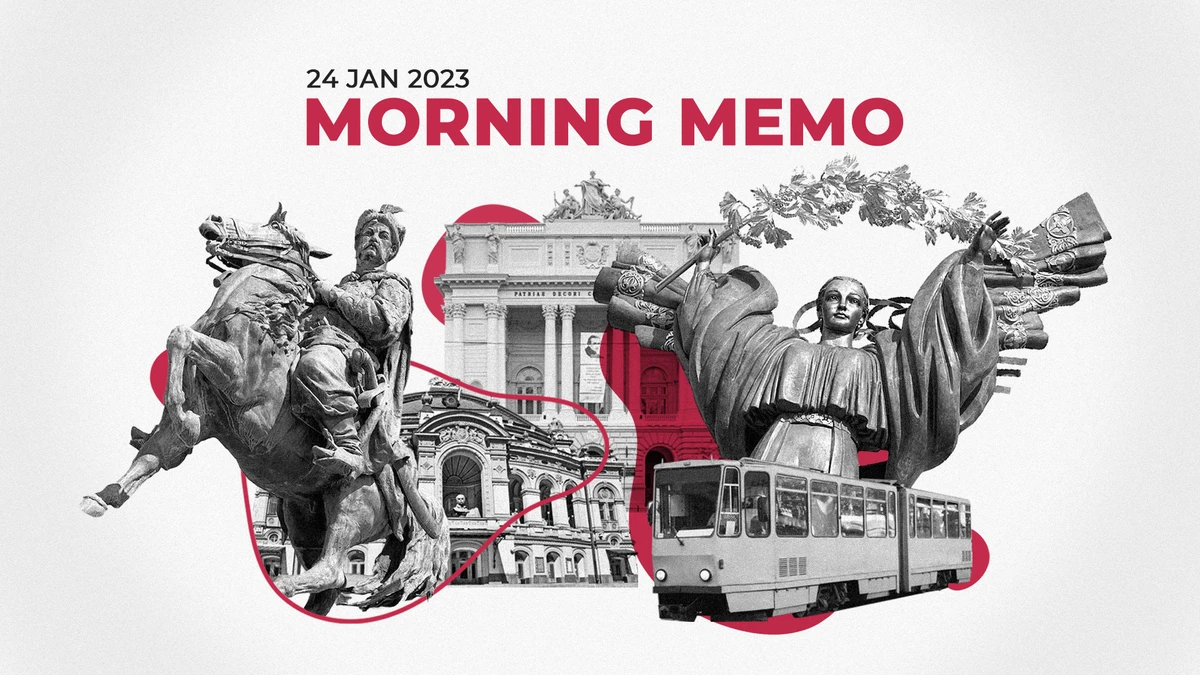
Kyiv Post Morning Memo – Everything You Need to Know on Tuesday, Jan. 24 | Article

Superior early morning from Kyiv exactly where the vitality circumstance proceeds to boost each individual working day. The funds is still plagued by rolling blackouts owing to Russia’s months-extensive missile and drone assaults, but the town is nowhere near as dark as it was during the most extreme weeks at the stop of last 12 months.


Authorities this morning announced each individual location in Kyiv will acquire at the very least one day for each 7 days without the need of outages for the following three months.


What’s taking place currently?


The Leopard tank saga rumbles on. In the newest improvement, Poland stated on Monday night that it would make a official ask for to Germany for authorization to mail the major tanks to Ukraine, but reiterated that it would do so even if Berlin suggests no. You can browse extra about that story here.


Poland’s Key Minister Mateusz Morawiecki explained to reporters: “We will seek this approval.”


He included: “Even if we [don’t] get this sort of an approval… we will give our tanks to Ukraine anyway inside a smaller coalition of international locations, even if Germany is just not in that coalition.”


Elsewhere, Russia’s new prime commander General Valery Gerasimov produced his initial general public responses since becoming appointed, supplying us a tiny insight into his programs and priorities.


His ways so far have led Wagner’s Main to label him and his superiors a “bunch of clowns.”


You can browse additional about that story right here.


What was in President Zelensky’s newest message?


President Volodymyr Zelensky sought to emphasize that fierce combating was continue to ongoing, proclaiming that some Ukrainians living in cities much from the entrance lines “have entirely overlooked about the war and commenced to ignore reality.”


He added: “Ignoring the war is a luxury that no one can afford.”


Zelensky also declared a new decree forbidding officials from travelling abroad unless on a function journey.


“If they want to relaxation now, they will rest outdoors the civil company,” he stated for the duration of his daily address on Monday evening. “Officials will no for a longer time be able to vacation abroad for trip or for any other non-governmental purpose.”


What is the most up-to-date military services situation?


The British Ministry of Protection (MoD) update on Jan. 24 focuses on nevertheless extra turbulence in the upper echelons of Russia’s army, saying Common Colonel Mikhail Teplinsky has “likely been dismissed as one particular of Russia’s essential operational commanders in Ukraine.”


The MoD notes that Teplinsky had been a able commander who oversaw Russia’s “relatively prosperous withdrawal from west of the Dnipro in November.”


Even though the MoD does not know the precise motives why he was dismissed or what if any part he retains, it states the news is probably one more symptom of continued divisions inside the senior hierarchy of Russia’s procedure as Basic Valery Gerasimov tries to impose his private authority on the marketing campaign.


The Institute for the Analyze of War’s (ISW) Jan. 23 everyday evaluation addresses a multitude of matters, most notably:


·       Ukrainian intelligence has assessed that Russian forces are planning for an offensive work in the spring or early summertime of 2023, partly confirming ISW’s standing assessment that Russian troops may undertake decisive motion in the coming months

·       The Wagner Group’s outsized reliance on recruitment from penal colonies appears to be acquiring increasing ramifications on Wagner’s battle functionality

·       Russia proceeds to deepen military and financial relations with Iran in an exertion to interact in mutually valuable sanctions evasion.


And that’s it for today’s Morning Memo.


Kyiv Article will convey you the latest news throughout the day and we’ll be back with one more version tomorrow.

Supply backlink

The post Kyiv Post Morning Memo – Everything You Need to Know on Tuesday, Jan. 24 | Article appeared first on Ukraine Intelligence.

Categories
Audio Sources - Full Text Articles

Indian university warns against screening of BBC documentary on Modi

2023-01-24T08:42:34Z

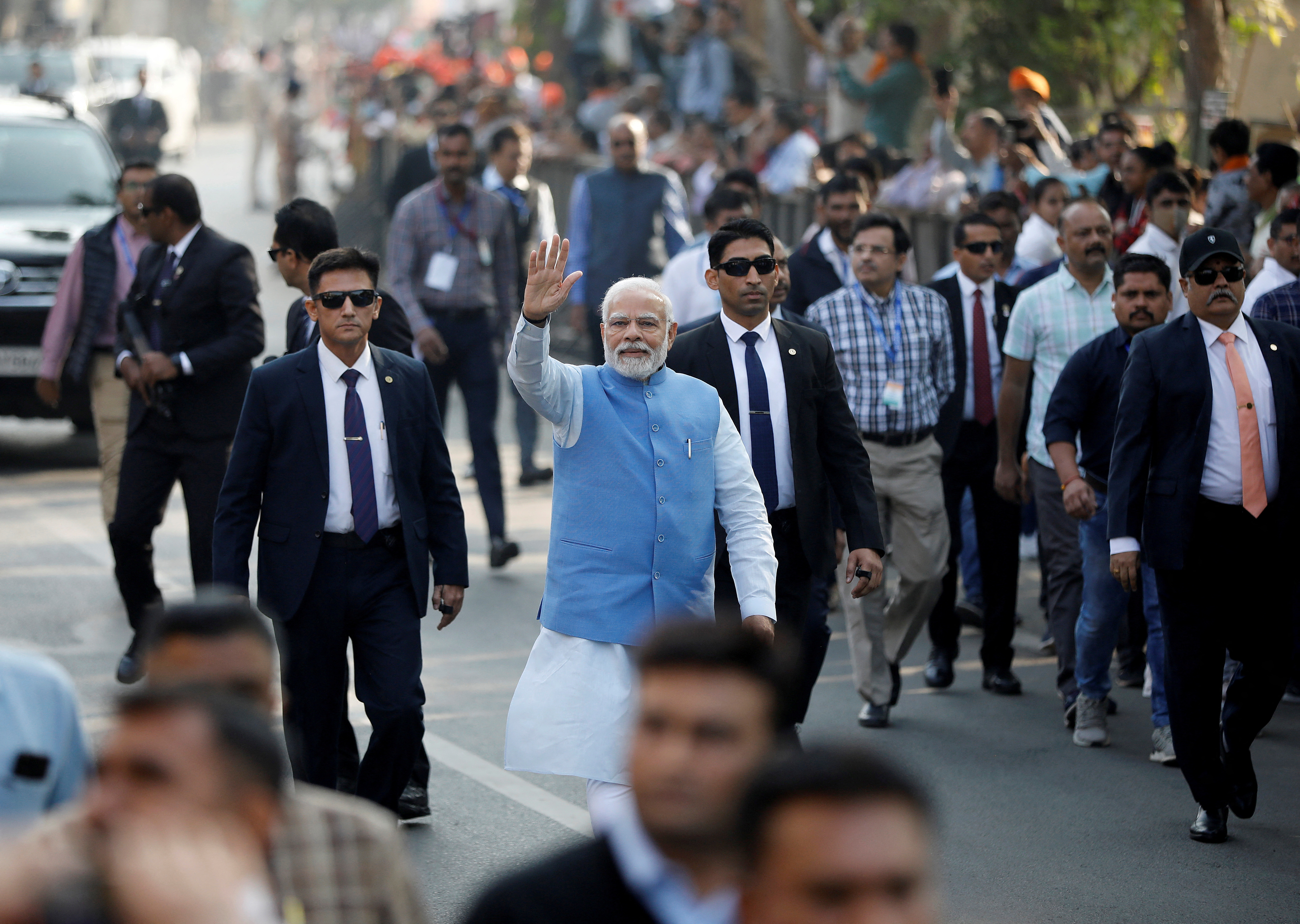
India’s Prime Minister Narendra Modi waves to his supporters as he arrives to cast his vote during the second and last phase of Gujarat state assembly elections in Ahmedabad, India, December 5, 2022. REUTERS/Amit Dave

A top Indian university has warned its students’ union of strict disciplinary action if it goes ahead with a planned screening of a BBC documentary on Prime Minister Narendra Modi on Tuesday, saying it might disturb peace and harmony of the campus.

Modi’s government has dismissed the documentary, which questioned his leadership during deadly riots in his home state of Gujarat in 2002, as “propaganda“, blocked its airing and also barred sharing of any clips via social media in the country.

Modi was chief minister of Gujarat during the violence in which more than 2,000 people were killed, most of them Muslims.

The students’ union of New Delhi’s Jawaharlal Nehru University, long seen as a bastion of left-wing politics, said on Twitter it would screen the documentary, “India: The Modi Question”, at a cafeteria at 9 p.m. (1530 GMT).

The university administration said on its website it had not given permission for the documentary to be shown.

“This is to emphasise that such an unauthorised activity may disturb peace and harmony of the university campus,” the university said.

“The concerned students/individuals are firmly advised to cancel the proposed programme immediately failing which a strict disciplinary action may be initiated as per the university rules.”

President of the union, Aishe Ghosh, asked students on Twitter to the screening of a documentary that has been “‘banned’ by an ‘elected government’ of the largest ‘democracy'”.

The violence in Gujarat erupted after a train carrying Hindu pilgrims caught fire, killing 59. Crowds later rampaged through Muslim neighbourhoods.

The High Court of Gujarat in 2017 jailed 11 men for life for setting the train on fire.

Modi has denied accusations that he did not do enough to stop the riots and was exonerated in 2012 following an inquiry overseen by the Supreme Court. Another petition questioning his exoneration was dismissed last year.

The BBC said last week that the documentary was “rigorously researched” and involved a “wide range” of voices and opinions, including responses from people in Modi’s Hindu nationalist Bharatiya Janata Party.

The documentary is also scheduled to be screened at various campuses in the southern state of Kerala on Tuesday.

Categories
Audio Sources - Full Text Articles

Kyiv Post Morning Memo – Everything You Need to Know on Tuesday, Jan. 24

84f0d48d98cacaaf2d54f5c1c7973522.jpg?w=1

Your daily news brief direct from Ukraine’s capital.

Categories
Audio Sources - Full Text Articles

Researcher found US ‘No Fly List’ on an unsecured server

A researcher discovered a U.S. No Fly List exposed on the Internet, the sensitive data were hosted on a server run by US airline CommuteAir.

Researchers Maia Arson Crimew discovered a U.S. No Fly List hosted on an unsecured server run by US carrier CommuteAir. The TSC’s No Fly List is a list of people who are prohibited from boarding commercial aircraft for travel within, into, or out of the United States.

The Swiss researcher claims to have discovered the server while searching for Jenkins servers using the Zoomeye search engine.

While analyzing 20 exposed servers she noticed familiar words such as “ACARS,” “crew” and so on, which are associated with the aviation industry.

She noticed two projects on the server named noflycomparison and noflycomparisonv2, which seemingly take the TSA no-fly list and check if any of the crew members of the CommuteAir airline was included. Crimew discovered hardcoded credentials and s3 bucket names, then she used them to access the actual list.

No Fly List CommuteAir

The researchers found AWS credentials that gave her access to the entire AWS infrastructure via aws-cli. numerous s3 buckets, dozens of dynamodb tables, as well as various servers, and much more.

Crimew discovered a file named NoFly.csv which is a legitimate U.S. no fly list from 2019 containing over 1.56 records (first names, last names, and dates of birth) belonging to people with suspected or known ties to terrorist groups.

“three csv files, employee_information.csv, NOFLY.CSV and SELECTEE.CSV. all commited to the repository in july 2022. the nofly csv is almost 80mb in size and contains over 1.56 million rows of data. this HAS to be the real deal (we later get confirmation that it is indeed a copy of the nofly list from 2019).” reads the post published by the researchers.

Crimew also discovered PII for each crew member, including full names, addresses, phone numbers, passport numbers, pilot’s license numbers, when their next linecheck is due and much more.

“I had trip sheets for every flight, the potential to access every flight plan ever, a whole bunch of image attachments to bookings for reimbursement flights containing yet again more PII, airplane maintenance data, you name it.” continues the post.

CommuteAir confirmed the data leak and the authenticity of the no fly list, it added that the unsecured server was part of a testing environment.

“In a statement to the Daily Dot, CommuteAir said that the exposed infrastructure, which it described as a development server, was used for testing purposes.” reports the Daily Dot.

“CommuteAir added that the server, which was taken offline prior to publication after being flagged by the Daily Dot, did not expose any customer information based on an initial investigation. CommuteAir also confirmed the legitimacy of the data, stating that it was a version of the “federal no-fly list” from roughly four years prior.”

“The server contained data from a 2019 version of the federal no-fly list that included first and last names and dates of birth,” CommuteAir Corporate Communications Manager Erik Kane said. “In addition, certain CommuteAir employee and flight information was accessible. We have submitted notification to the Cybersecurity and Infrastructure Security Agency and we are continuing with a full investigation.”

The archive was shared with the DDoSecrets platform by the researchers, journalists and researchers can request access to the archive.

A federal investigation was launched to determine the impact of the security incident.

In August 2021, the security researcher Bob Diachenko discovered a secret terrorist watchlist with 1.9 million records that were exposed on the internet for three weeks between July 19 and August 9, 2021.

In July, Diachenko discovered an unsecured Elasticsearch cluster containing 1.9 records of sensitive information on individuals, such as names, country citizenship, gender, date of birth, passport details, and no-fly status.

The list is extracted by the e FBI Terrorist Screening Center (TSC), a database used since 2003 by US feds and other agencies to track individuals who are “known or reasonably suspected of being involved in terrorist activities.”

The copy of the TSC database was discovered by the expert on a Bahrainian IP address.

The leak of a TSC database could therefore have negative repercussions for such people and suspects.

The US ACLU has for many years fought against the use of a secret government no-fly list without due process.

Follow me on Twitter: @securityaffairs and Facebook and Mastodon

[adrotate banner=”9″] [adrotate banner=”12″]

Pierluigi Paganini

(SecurityAffairs – hacking, No Fly List)

[adrotate banner=”5″]

[adrotate banner=”13″]

The post Researcher found US ‘No Fly List’ on an unsecured server appeared first on Security Affairs.

WP Radio
WP Radio
OFFLINE LIVE