|
|||||||||||||||||||||||||||||||||||||||||||||||||||||||||||||||||||||||||||||||||||||||||||||||||||||||||||||||||||||||||||||||||||||||||||||||||||||||||||||||||||||||||||||||||||||||||||||||||||||||||||||||||||||||||||||||||||||||||||||||||||||||||||||||



The News And Times Information Network – Blogs By Michael Novakhov – thenewsandtimes.blogspot.com
 The Brooklyn Times - bklyntimes.com
|
|||||||||||||||||||||||||||||||||||||||||||||||||||||||||||||||||||||||||||||||||||||||||||||||||||||||||||||||||||||||||||||||||||||||||||||||||||||||||||||||||||||||||||||||||||||||||||||||||||||||||||||||||||||||||||||||||||||||||||||||||||||||||||||||
US Army/Spc. Jessica Scott
The United States is planning to dramatically ramp up production of a key artillery round that Ukraine has used to beat back Russia’s full-scale invasion of the country, The New York Times reported Tuesday.
Under the latest proposal, the US aims to within two years produce up to 90,000 rounds 155mm of ammunition every month, The Times reported, citing a US Army report.
That’s more than double the goal detailed just last month by Army Secretary Christine Wormuth, who told reporters the goal was to manufacture “20,000 rounds a month” by this spring and 40,000 by 2025.
The increase comes after some US officials have expressed concern that US aid to Ukraine has depleted the country’s stockpile of the ammunition. Last summer, one defense official told The Wall Street Journal that the country’s supply of 155mm rounds was “uncomfortably low” and “not at the level we would like to go into combat.”
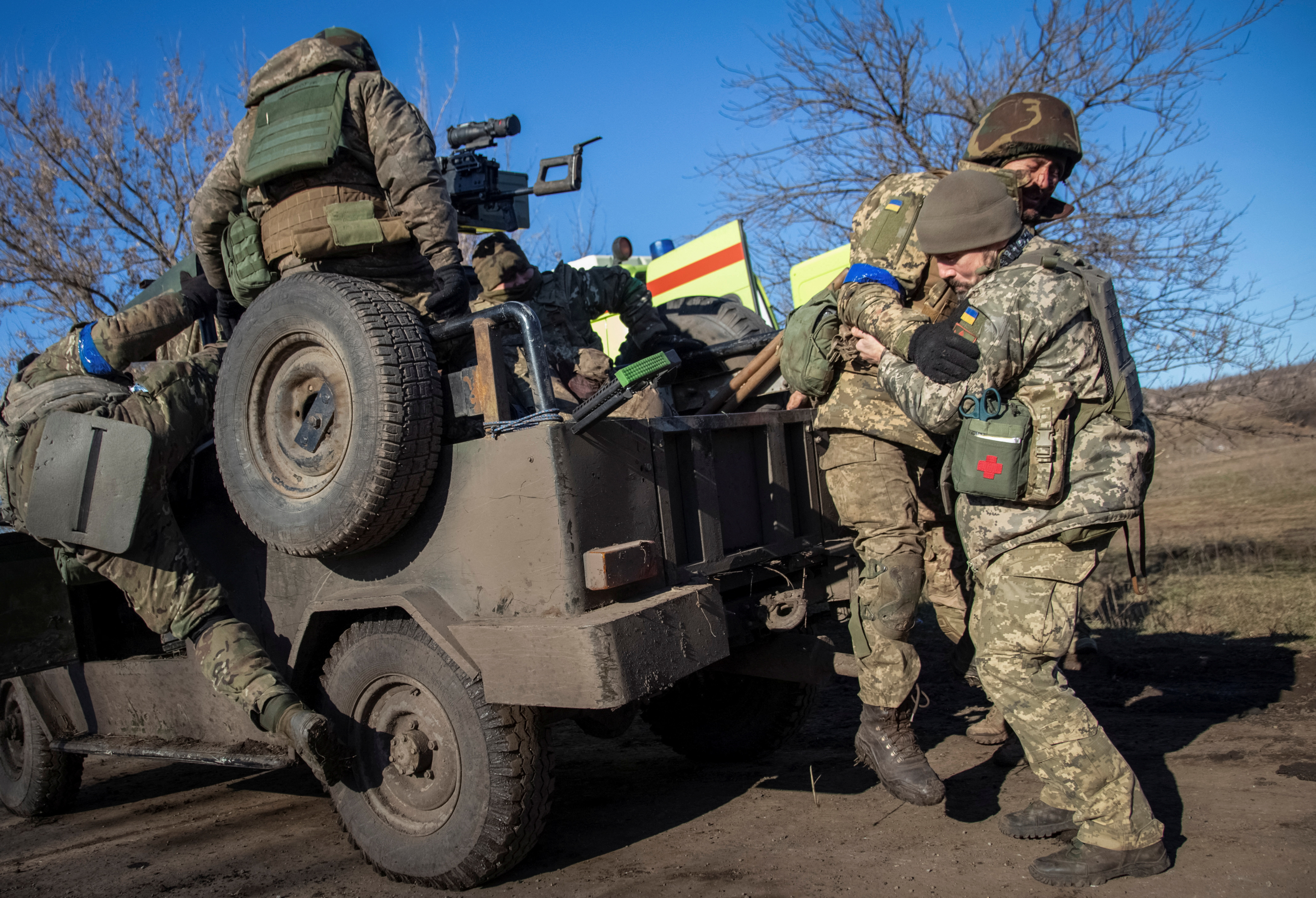
As of January 18, the US had already committed to providing Ukraine with at least 160 M777 Howitzers and just under 1.1 million of the 155mm artillery rounds they use. But it is burning through them fast.
Currently, the US produces just over 14,000 rounds of 155mm ammunition every month. As The Washington Post reported last month, Ukrainian forces have previously fired that many rounds in the span of 48 hours.
Have a news tip? Email this reporter: cdavis@insider.com
Contributor/Getty Images
Indian authorities have provided new details about a Putin-linked Russian lawmaker and sausage company owner who mysteriously fell to his death from an Indian hotel where his travel companion died just two days prior.
According to The Wall Street Journal, Indian police have discovered new details about the pair of deaths in late December. Russian lawmaker Pavel Antov died in Rayagada, India, two days after his friend, Vladimir Bydanov.
The pair had been traveling through the jungle and drinking heavily, sources told The Journal. But their deaths add to a growing list of executives and military officers linked to Putin who have died privately, and at times suspiciously, during the course of the war in Ukraine.
Antov, who was a member of the ruling United Russia party, a sausage company owner, and the chairman of the agriculture and environment committee in Vladimir, Russia, had been critical of Putin ahead of his death in December. In June, the BBC reported that Antov shared a Whatsapp message criticizing the war in Ukraine, which he later deleted.
“It’s extremely difficult to call all this anything but terror,” the message said. He later backtracked on social media and offered his support for Putin.
Months later, Antov and Bydanov traveled to India to visit jungle areas in the eastern Odisha state of the country, according to The Journal. Indian investigators told The Journal that the trip was marked by binge drinking, which began during their plane rides into the country and continued as they visited rural areas.
“If they don’t stop drinking they’re going to kill themselves,” driver Natabar Mohanty said that he thought to himself during the trip, according to The Journal. So far, Indian investigators have said that there was no foul play.
Bydanov, who shared a room with Antov, died of a heart attack on Antov’s birthday. His body was cremated the next day and Antov was visibly affected by his friend’s loss, The Journal reported.
Two days after his friend’s death, a hotel staff member saw Antov — who had stopped eating food and drinking water in his grief — punching the air and heading to the roof of the hotel.
The staff member rushed to alert the lobby, The Journal reported. When hotel staff reached the roof, they saw Antov’s lifeless body at the side of the three-story building.
Indian investigators are working on recreating Antov’s fall with a dummy fitted to his dimensions to figure out whether he threw himself, was pushed, or fell accidentally — and whether he was still alive at the time of his fall.
The bodies of both men were cremated before their remains were sent back to Russia, according to The Journal. Manish Tewari, an Indian parliamentarian, questioned why the men were not buried, per The Journal.
Though no foul play has been reported, the deaths come amid a hardening of relations between India and Russia.
Antov is at least the 19th Russian executive who has mysteriously perished throughout the course of the war, according to The Journal. Russian energy oligarch Ravil Maganov, 67, died after falling from a hospital window in September. His company had released a statement expressing “deepest concerns” about the Ukraine war.
During the same month, another Russian executive with ties to Putin mysteriously fell off of his boat to his death, and in October, a senior military official was found dead in what was officially ruled a “suicide,” a cause of death that was deemed suspicious by people close to him.
Tesla
Tesla is pouring more resources into its Nevada Gigafactory, according to a company announcement.
The EV maker said Tuesday it plans to invest $3.6 billion, add 3,000 additional jobs, and build two factories at Tesla’s facility just outside Sparks, Nevada.
The new factories will build battery cells for light-duty vehicles and Tesla’s Semi truck, which began making deliveries early last month after years of delay.
According to a tweet by the company, Tesla’s additional investment will add 4 million square feet to the Nevada factory’s manufacturing footprint.
The company has plans for the factory to be the largest building in the world, though as of now, it’s only about 30% complete, according to CNBC.
Tesla’s Gigafactories, which are located in Texas, Shanghai, Berlin, and Nevada, build batteries for the company’s electric vehicles.
The massive investment comes as EV competition in the US heats up as traditional automakers add more electric vehicles to their lineups.
To compete, Elon Musk’s company has begun offering steep discounts for some of its cars: prices of the company’s Model 3 and Model Y have been slashed by as much as 20%, according to a calculation by Reuters.
The company has said it needs to ramp up production in order to meet Musk’s goal of delivering 20 million cars per year by 2030. In 2022, Tesla delivered 1.31 million vehicles, a 40% increase from the year before.

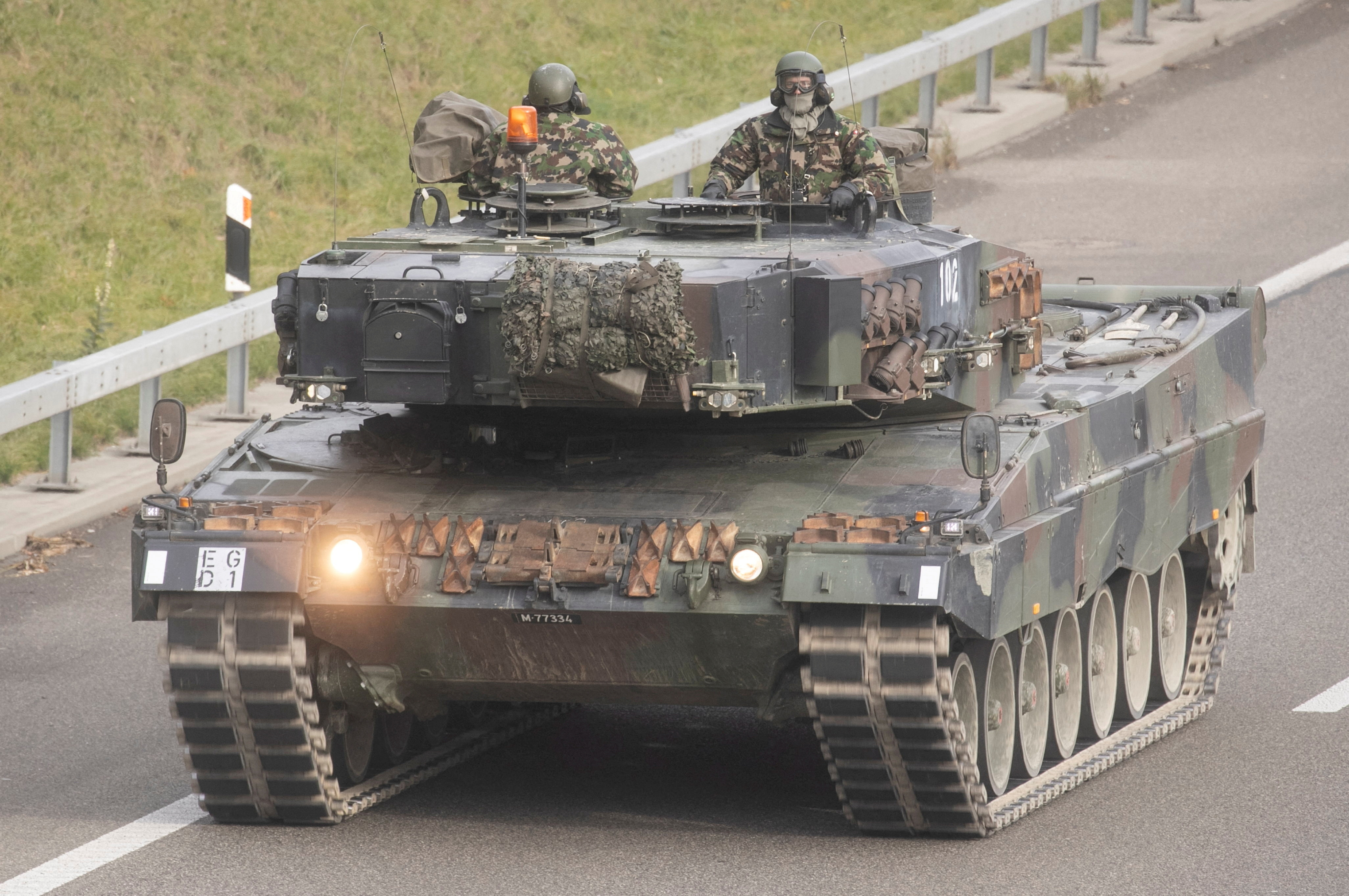
The United States was expected to announce as soon as Wednesday that it will send heavy tanks to Ukraine, and Germany has decided to do the same, sources said, a reversal that Kyiv has said would reshape its war with Russia.
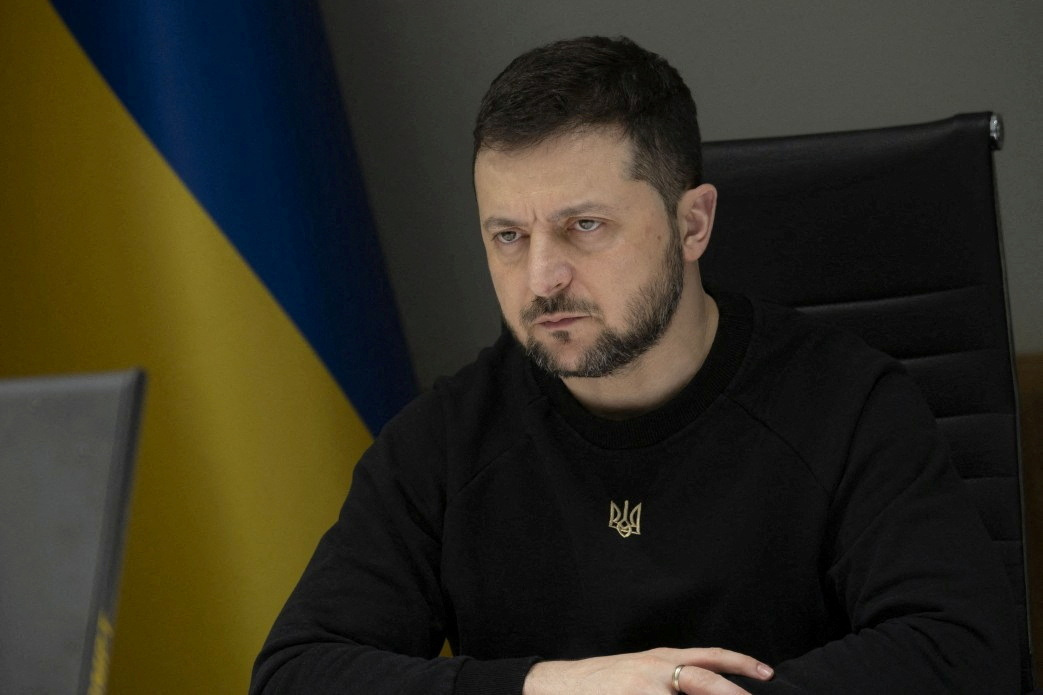
Hours before Ukrainian President Volodymyr Zelenskiy turned 45 on Wednesday, he pressed allies to move forward with providing his forces with more than five to 15 modern tanks.
“Discussions must be concluded with decisions,” Zelenskiy said in his nightly video address. “Decisions on real strengthening of our defence against terrorists. Allies have the required number of tanks.”
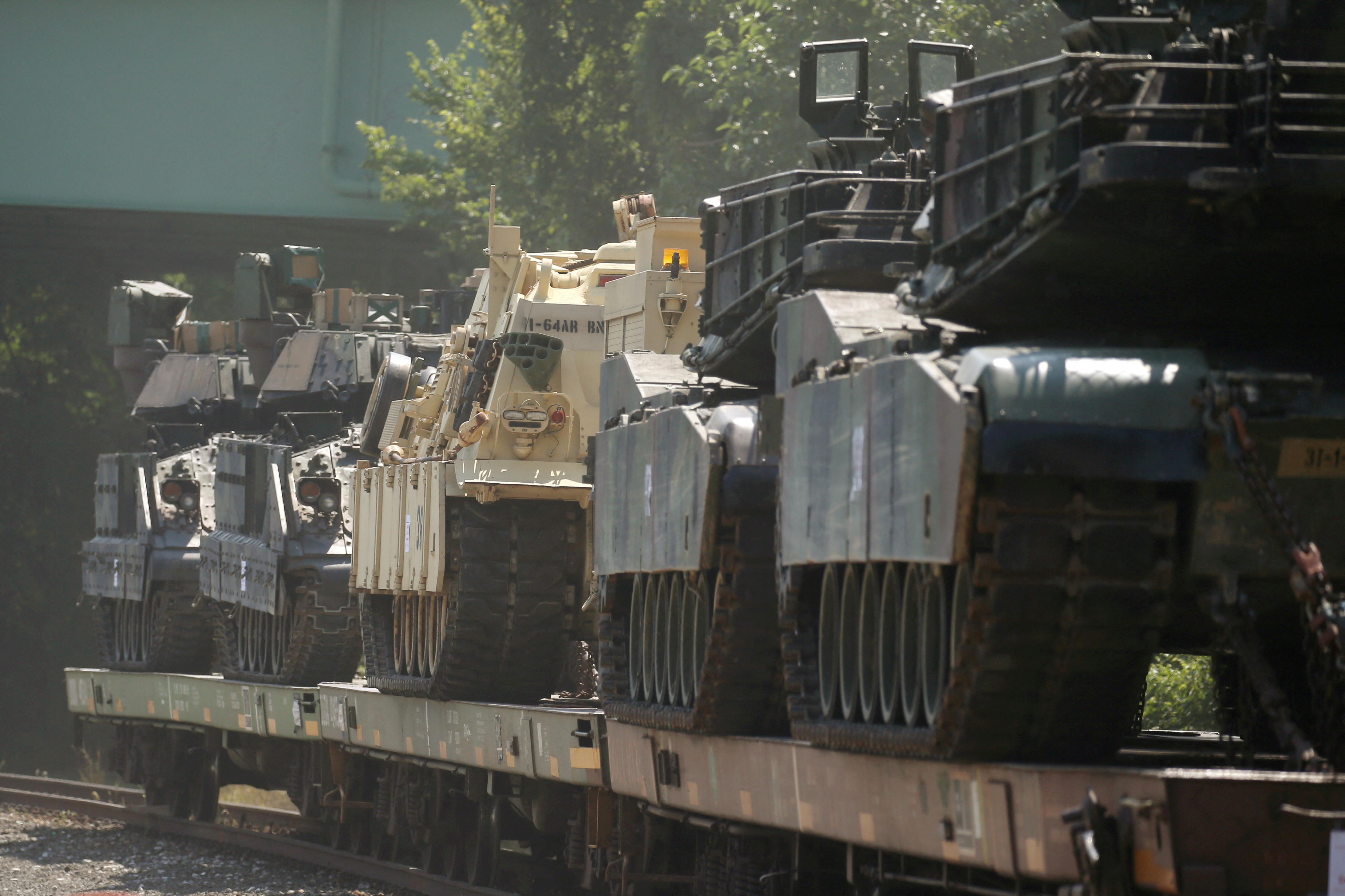
Just days after arguing against granting Kyiv’s requests, Washington was ready to start a process that would eventually send M1 Abrams battle tanks to Ukraine, two U.S. officials told Reuters on Tuesday. A third official said the U.S. commitment could total about 30 tanks delivered over the coming months.
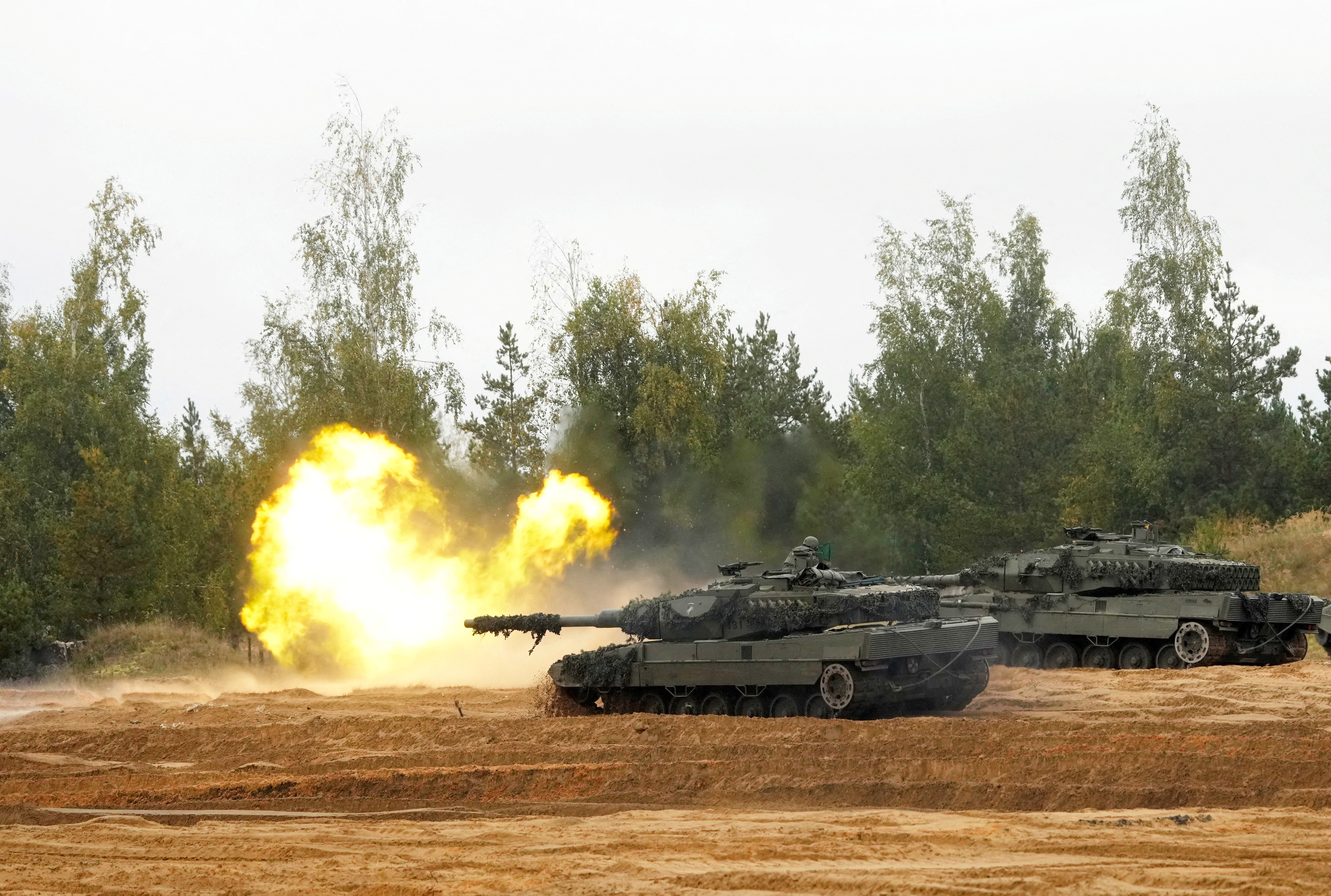
Meanwhile, German Chancellor Olaf Scholz had decided to send Leopard 2 battle tanks to Ukraine and allow other countries such as Poland to do so as well, two sources familiar with the matter told Reuters.
Spiegel magazine, which first reported the news, said Germany was planning to supply at least one company of Leopard 2 A6 tanks, which usually comprises 14 tanks. Other allies, in Scandinavia for example, intend to go along with Germany in supplying their Leopard tanks to Kyiv, the magazine reported.
While there was no official confirmation from Berlin or Washington, officials in Kyiv hailed what they said was a potential gamechanger on the battlefield in a war that is now 11 months old – even if the rumoured tank numbers fell short of their hopes.
“A few hundred tanks for our tank crews …. This is what is going to become a real punching fist of democracy,” Andriy Yermak, the head of Zelenskiy’s administration, wrote on Telegram.
Kyiv has pleaded for months for Western tanks that it says would give its forces the firepower and mobility to break through Russian defensive lines and recapture occupied territory in the east and south. Germany has held back, wary of moves that could cause Moscow to escalate.
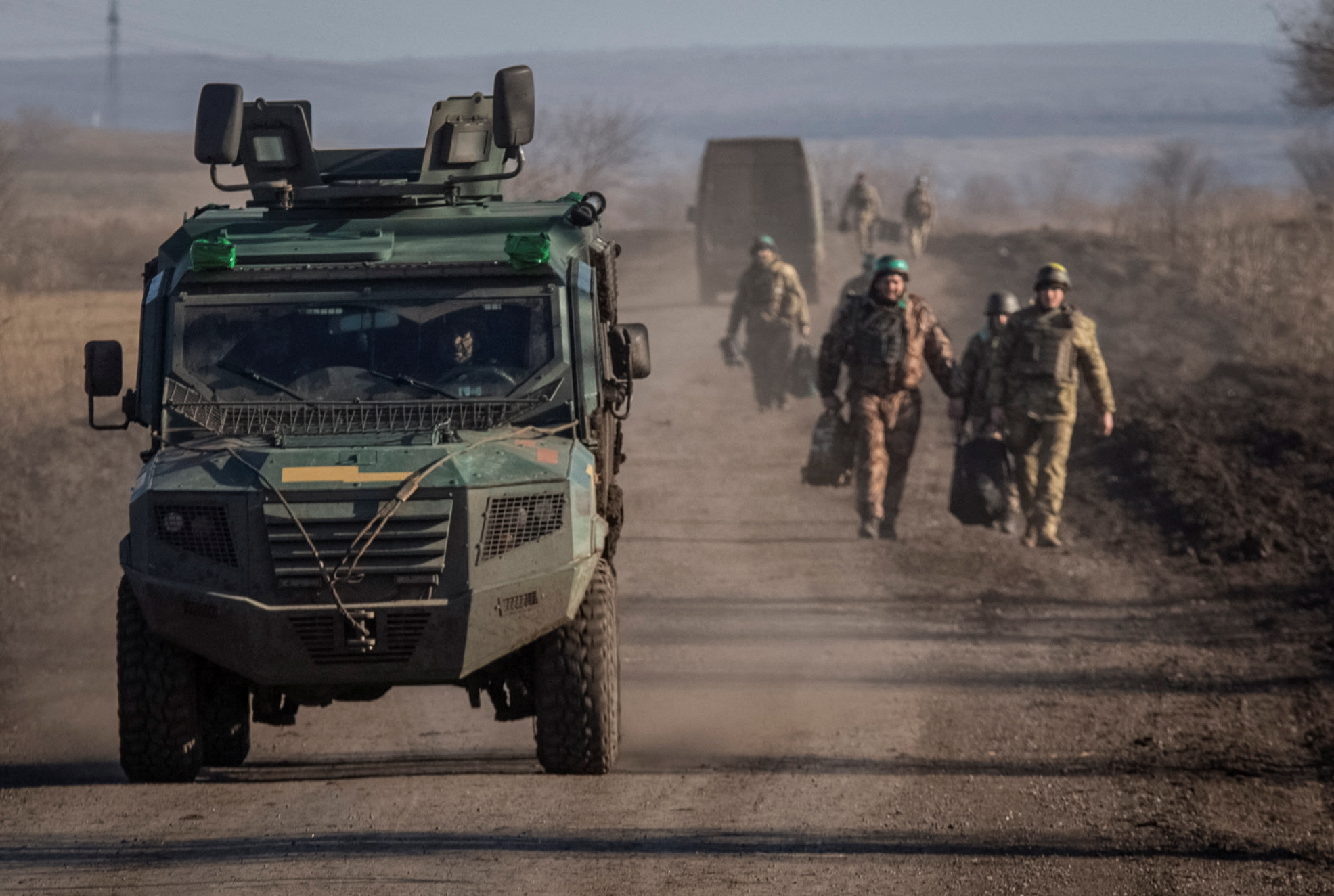
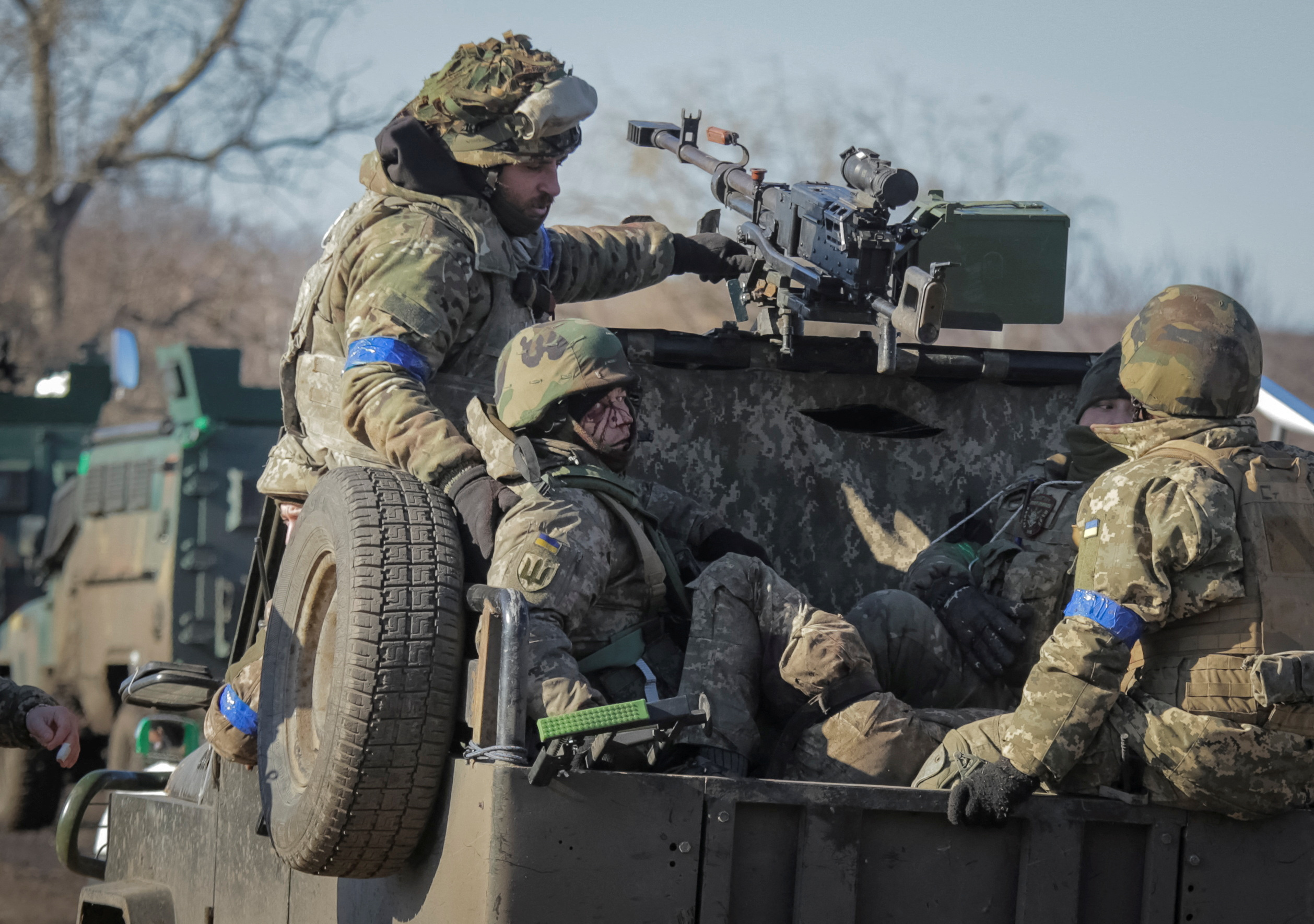
Front lines in the war, which stretch more than 1,000 kilometres (620 miles) through eastern and southern Ukraine, have been largely frozen for two months despite heavy losses on both sides. Russia and Ukraine are both widely believed to be planning new offensives.
Zelenskiy said on Tuesday night that Russia was intensifying its push toward Bakhmut, an industrial town in eastern Ukraine that has been the focus of intense fighting. “They want to increase the pressure on a larger scale,” he said.
Whether to supply Ukraine with significant numbers of heavy modern battle tanks has dominated discussions among Kyiv’s Western allies in recent days.
The Kremlin has said supplying tanks to Ukraine would not help and that the West would regret its “delusion” that Kyiv could win on the battlefield.
Berlin has been pivotal because the German-made Leopards, fielded by some 20 armies around the world, are widely seen as the best option. The tanks are available in large numbers and easy to deploy and maintain.
While the U.S. Abrams tank is considered less suitable due to its heavy fuel consumption and difficulty to maintain, a U.S. move to send them to Ukraine could make it easier for Germany – which has called for a united front among Ukraine’s allies – to allow the supply of Leopards.
Russian President Vladimir Putin casts the “special military operation” that began when his troops invaded Ukraine on Feb. 24 last year as a defensive and existential battle against an aggressive and arrogant West.
Ukraine and the West call Russia’s actions an unprovoked land grab to subdue a fellow former Soviet republic that Moscow regards as an artificial state.
Separately on Tuesday, Ukraine dismissed more than a dozen senior officials as part of an anti-corruption drive made more critical by the need to keep its Western backers onside.
The European Union, which offered Ukraine the status of candidate member last June, welcomed the development.
Among Ukrainian officials who resigned or were dismissed were the governors of the Kyiv, Sumy, Dnipropetrovsk, Kherson and Zaporizhzhia regions, the latter three frontline provinces. Kyiv and Sumy were major battlefields earlier in the war.
Some, though not all, of the officials who left had been linked to corruption allegations.
Ukraine has a history of graft and shaky governance, and is under international pressure to show it can be a reliable steward of billions of dollars in Western aid.


Microsoft Corp (MSFT.O) posted results on Tuesday that showed some strength in the face of a weak economy, buttressed by a cloud business that hit Wall Street targets for the end of 2022, but it may miss expectations in the current quarter.
The relatively stable outlook helped assuage fears that the lucrative cloud segment for big tech companies could be hit hard as customers look to cut spending, and cloud revenue in the fiscal second quarter reported on Tuesday made up for some weakness in the PC unit.
“The small miss on Microsoft’s cloud earnings forecast is likely just a reflection of the new economic reality that businesses are facing and not a harbinger of something worse,” said Bob O’Donnell, chief analyst at TECHnalysis Research.
Microsoft joined other big tech companies in turning to layoffs to ride out harder times, announcing last week it was cutting over 10,000 jobs. It posted fiscal second-quarter earnings exceeding Wall Street’s estimate.
It forecast third-quarter revenue in its so-called intelligent cloud business would be $21.7 billion to $22 billion, just below the analyst average forecast of $22.14 billion, according to Refinitiv. In the second quarter revenue from that segment beat expectations slightly at $21.5 billion.
The cloud business is under the spotlight again following the viral success of chatbot ChatGPT, which answers general questions in plain language using artificial intelligence. The bot is a creation of startup OpenAI, in which Microsoft is investing heavily and which requires intense cloud computing services.
“There’s a variety of ways that we can bring that technology either in specific offerings or to improve existing offerings,” said Brett Iversen, Microsoft’s head of investor relations, referring to OpenAI. He said revenue from OpenAI-related businesses would show up in revenue for Microsoft’s cloud service Azure in the future.
During the earnings call, Chief Executive Satya Nadella said it was too early to separate out AI contribution from the Azure cloud workloads.
Azure cloud product revenue in the second quarter rose 31%, in line with estimates compiled by Visible Alpha. It has steadily grabbed market share from leader Amazon.com Inc’s (AMZN.O) Amazon Web Services (AWS).
Azure ended 2022 with 30% share in the cloud computing market, up from 20% in 2018, according to estimates from BofA Global Research. AWS dropped to 55% from 71% during the same period.
Microsoft’s revenue rose 2% to $52.7 billion in the three months ended Dec. 31, compared with the average analyst estimate of $52.94 billion, according to Refinitiv IBES. Net income fell 12% to $16.4 billion, but adjusted income of $2.32 per share topped Wall Street’s consensus estimate of $2.29, according to Refinitiv calculations.
Sales at Microsoft’s More Personal Computing segment, which includes Windows, devices and search revenue, declined 19% to $14.2 billion as the PC market continued to shrink. The company expects that revenue to drop to $11.9 billion to $12.3 billion in the current fiscal third quarter.


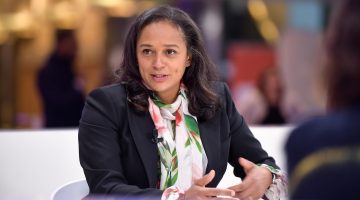
Authorities in Portugal have searched the offices of key advisors to Isabel dos Santos, the telecommunications and banking magnate facing allegations that she caused Angola to lose more than $1 billion.
Police last week descended upon the Lisbon offices of the global consulting firms Boston Consulting Group and PricewaterhouseCoopers, according to media reports. Police also searched the headquarters of Eurobic, a bank once partly owned by dos Santos.
The searches came in response to a request from the Angolan government, according to media reports, which added that the Southern African country is seeking records related to the loss of public funds from the state-owned oil company. Dos Santos previously served as the chairperson of the oil company, Sonangol.
Dos Santos, 49, has been under intensifying criminal and civil investigations since early 2020 when the International Consortium of Investigative Journalists and 36 media partners published the Luanda Leaks investigation. The cross-border investigation revealed how dos Santos, then recognized as Africa’s wealthiest woman, leveraged family ties, shell companies and insider deals to build an empire of businesses, transactions and luxury properties in Europe, Africa and North America.
The investigation also revealed how U.S. and European consulting companies, including BCG and PwC, advised dos Santos for years despite widespread reports of corruption by dos Santos, the daughter of autocratic former President José Eduardo dos Santos.
In one case, the Luanda Leaks investigation found, Boston Consulting helped dos Santos operate a failing jewelry business acquired with Angolan public funds. PwC, records show, played a major role in the dos Santos business empire, charging lucrative fees to advise on ways to avoid Angolan taxes and other strategies. In both cases, Boston Consulting and PwC provided services long after other Western firms and banks refused to work with the Angolan billionaire amid questions about the source of her wealth.
Following the investigation, a leading tax advisor with PwC left the firm while the chairman, Bob Moritz, told ICIJ reporting partner The Guardian that he was “shocked and disappointed” by revelations that his firm advised companies owned by dos Santos.
BCG previously told ICIJ that it was “not appropriate” to comment given ongoing “investigations regarding allegations against Isabel dos Santos.”
The searches in Portugal last week are the latest in a string of probes and lawsuits.

In 2019, after ICIJ and media partners questioned the government of Angola, a court froze dos Santos’ major assets, including banks and a telecom company.
Months later, in Portugal, a judge in 2020 ordered the seizure of all dos Santos assets in the country, which has kept strong ties to its former African colony. That same year, a Portuguese government regulator issued a damning report, calling for the criminal prosecution of auditing companies that had worked for the billionaire.
In 2021, German authorities fined a state-owned bank for violating anti-money laundering laws when it helped provide loans to a company owned by dos Santos. A Dutch court upheld a ruling that the dos Santos family’s purchase of shares in an energy company was an “act of corruption.” The tax office in Malta fined one of dos Santos’ consulting companies.
Outside Europe, the United States sanctioned dos Santos and her family, barring them from entry to the U.S. In November, the international police organization Interpol issued a “Red Notice,” calling for the provisional arrest of dos Santos. Last month, Angola’s Supreme Court also ordered the seizure of dos Santos’ assets, worth an estimated $1 billion, in countries that include Mozambique, São Tomé & Príncipe and Cape Verde.
PwC and BCG Eurobic declined to provide further details of the searches, telling ICIJ that they are cooperating with authorities. Eurobic did not respond to a request for comment.
Dos Santos has denied wrongdoing, previously calling accusations against her a “witch hunt.”
(Reuters) -Three people were killed in a shooting at a convenience store in central Washington state early Tuesday, police said, and the suspect has died after an hours-long manhunt.
Police were called to a Circle K in Yakima, Washington, about 3:30 a.m. when three people, who have not been identified, were found dead, Chief Matt Murray told reporters. Two victims were shot inside the store in what authorities said appeared to be a random act of violence, and a third was shot outside.
“It appears to be a random situation. There was no apparent conflict between the parties,” Murray said. “The male just walked in and started shooting.”
After opening fire in the store, the suspect, identified as Jarid Haddock, 21, ran across the street and fired into a vehicle, forcing the driver to move to the passenger seat. The suspect stole the car and fled, police said.
Following an hours-long manhunt, a relative of Haddock called authorities to a location behind warehouses where Haddock was hiding. Gunshots were heard while police approached and a man who identified himself as Haddock was found wounded, Murray said.
No officers were injured or used any force, he added.
Haddock died of his injuries at the scene.
Yakima is a city of about 97,000 people in Washington’s Yamika Valley, an agricultural region known for apple crops and wineries.
CHONGWE, Zambia (AP) — U.S. Treasury Secretary Janet Yellen traveled from a small farm on a rural red clay road to a ramen noodle manufacturing plant in Zambia’s bustling capitol of Lusaka on Tuesday to showcase Africa’s potential to help solve the world’s problems with food shortages.
Yellen, midway through a 10-day tour of Africa, devoted her day to highlighting the agricultural investment potential of underdeveloped African nations, especially as Russia’s invasion of Ukraine has exacerbated worldwide hunger and the cost of food.
“As we tackle acute needs now, we must also take a longer view and scale up investment in long-term food system resilience. Africa is a perfect example of these dual challenges,” Yellen said in Chongwe, a village an hour outside of Lusaka. She stood at her signature podium, surrounded by lush green fields of corn and with chickens grazing nearby.
The continent’s potential is evident in one statistic: Africa has 60 percent of the world’s uncultivated arable land.
“We want to advance a future where Africa participates more fully in global food and fertilizer markets and supply chains,” Yellen said as farmers, mostly women wearing brightly colored wax cloth dresses, stood and listened.
They told Yellen stories of how they’ve sustained their communities — by sharing goats to mate to build a sustainable livestock supply and by developing collective savings groups and silos for grain.
Echinah Mfula, a Chongwe farmer and participant in the Twalumbu Savings Group, which helps its members pool money to buy livestock and food, said, “It’s been a challenge. It’s been a big challenge for us, but we are successful.”
In Zambia, roughly 2 million people face acute food insecurity, more than half the population lives below the poverty line and nearly half of the population is unable to meet minimum caloric intake needs.
“It is a continent that faces acute food needs,” Yellen said. “But it is one that also has the potential not only to feed itself but also to help feed the world — if the right steps are taken.”
Solving the country’s well-documented debt crisis is more important than ever if financing for new agricultural projects is to be possible.
Zambia became Africa’s first coronavirus pandemic-era sovereign nation to default when it failed to make a $42.5 million bond payment in November 2020. Negotiations over how to deal with the debt load have been ongoing.
Experts say a prolonged debt crisis could permanently prevent countries like Zambia from recovering, leading to an entire nation sliding deeper into poverty and joblessness.
Food insecurity is increasing around the globe, due to COVID-19, Russia’s invasion of Ukraine, and rising food costs, according to a report released Tuesday by the U.N. Food and Agricultural Organization and other United Nations agencies. Nearly a half-billion people were undernourished in 2021 and more than 1 billion faced moderate to severe food insecurity, the report said.
On top of that, the costs of fertilizer and natural gas have exploded and global prices for food commodities like grain and vegetable oils were the highest on record in 2022.
Russia’s invasion of Ukraine last February worsened the food insecurity crisis because the two countries were leading suppliers of wheat, barley, sunflower oil and other products, especially to nations in parts of Africa, the Middle East and Asia that were already struggling with hunger.
In the U.S., the Treasury Department issued a carve-out to the thousands of sanctions that have been imposed on Russia, to allow agricultural transactions and trade related to humanitarian aid and access to communications. The hope is to prevent some of the most damaging impacts of the war on vulnerable populations.
But in Zambia, Yellen said she sees solutions in home-grown firms like Java Foods Limited, a woman-owned company that produces low-cost, nutritionally fortified instant noodles. It targets low-income urban consumers and sources 100% of its wheat from Zambian farmers.
Monica Musonda, Java Foods’ founder, told Yellen at a roundtable Tuesday that staying afloat has been difficult, since her firm is one of the only food manufacturers in Lusaka. “But we are trying to make an impact in our community — you can see what we women can do.”
Java has worked under USAID’s Feed the Future program and with the US Partnership for Food Solutions, a non-profit founded by General Mills.
Yellen began her tour of Africa in Senegal and moves on to South Africa after Zambia.
EL PASO, Texas (AP) — The man accused of killing nearly two dozen people in a racist attack at an El Paso Walmart plans to plead guilty to federal charges in the case, according to court records filed days after the federal government said it wouldn’t seek the death penalty in the case.
Patrick Crusius is still charged in state court with capital murder and could still face the death penalty in Texas if convicted in the 2019 mass shooting that killed 23 people.
In a court filing Saturday, defense attorneys asked for a hearing to be set so Crusius could plead guilty to federal charges. He was charged with federal hate crimes and firearms violations.
U.S. District Judge David Guaderrama, in an order Monday, set the hearing for Feb. 8 in El Paso.
Crusius surrendered to police after the attack, saying, “I’m the shooter, ” and that he was targeting Mexicans, according to an arrest warrant. Prosecutors have said he published a screed online shortly before the shooting that said it was “in response to the Hispanic invasion of Texas.”
Advertisements – Advertising at The News And Times – advertising-newsandtimes.com | WE CONNECT!
Audio | Video | Top News | On Twitter | Security | FBI | Capitol Riot | JOSSICA | Trump | Russia | Putin | Russia – Ukraine War | Covid-19 | Brooklyn NY | Puerto Rico | World
September 24, 2026 5:20 pm
The News And Times | Featured Posts | All Articles | Current News | Selected Articles | Shared Links | Opinions | In My Opinion | Sites | Blogs | Links | Twitter | Facebook

Contact Form | Blogs | Sites | News Reviews | Links | Advertising
All The News That’s Fit To Web