The wall was erected in the Foreign Intelligence Surveillance Act of 1978, which statutorily limited all federal domestic spying to that which was …
Google Alert – fbi reform
 The Brooklyn Times - bklyntimes.com
Ukraine pleaded on Thursday for the West to finally send it heavy tanks as the defence chiefs of the United States and Germany headed for a showdown over weapons Kyiv says could decide the fate of the war.
U.S. Defense Secretary Lloyd Austin will be in Germany on Thursday and meet its new defence minister, a day before they host a meeting of dozens of allies to pledge weapons for Ukraine.
That meeting, at the U.S. Ramstein air base in Germany, has been billed as a chance to provide the arms to shift the war’s momentum in 2023.
Top of the agenda is heavy tanks, which Kyiv says it needs to fend off a new Russian onslaught and launch counter-offensives to recapture its occupied territory.
“We have no time, the world does not have this time,” Andriy Yermak, head of the Ukrainian presidential administration, wrote on the Telegram messaging app on Thursday.
“The question of tanks for Ukraine must be closed as soon as possible,” he said. “We are paying for the slowness with the lives of our Ukrainian people. It shouldn’t be like that.”
Ukrainian President Volodymyr Zelenskiy made a similar plea by video link to leaders gathered at the World Economic Forum in Davos on Wednesday, urging them to supply his country before Russia mounts its next missile and armoured ground attacks.
“The supplies of Western tanks must outpace another invasion of Russian tanks,” Zelenskiy said.
But for the West to send tanks, Washington will have to resolve a stand-off with Berlin, which has so far demurred from authorising countries to send its Leopard 2 tanks, workhorse of militaries across Europe.
Washington and many Western allies say the Leopards – which Germany made in the thousands during the Cold War and exported to its allies – are the only suitable option available in big enough numbers.
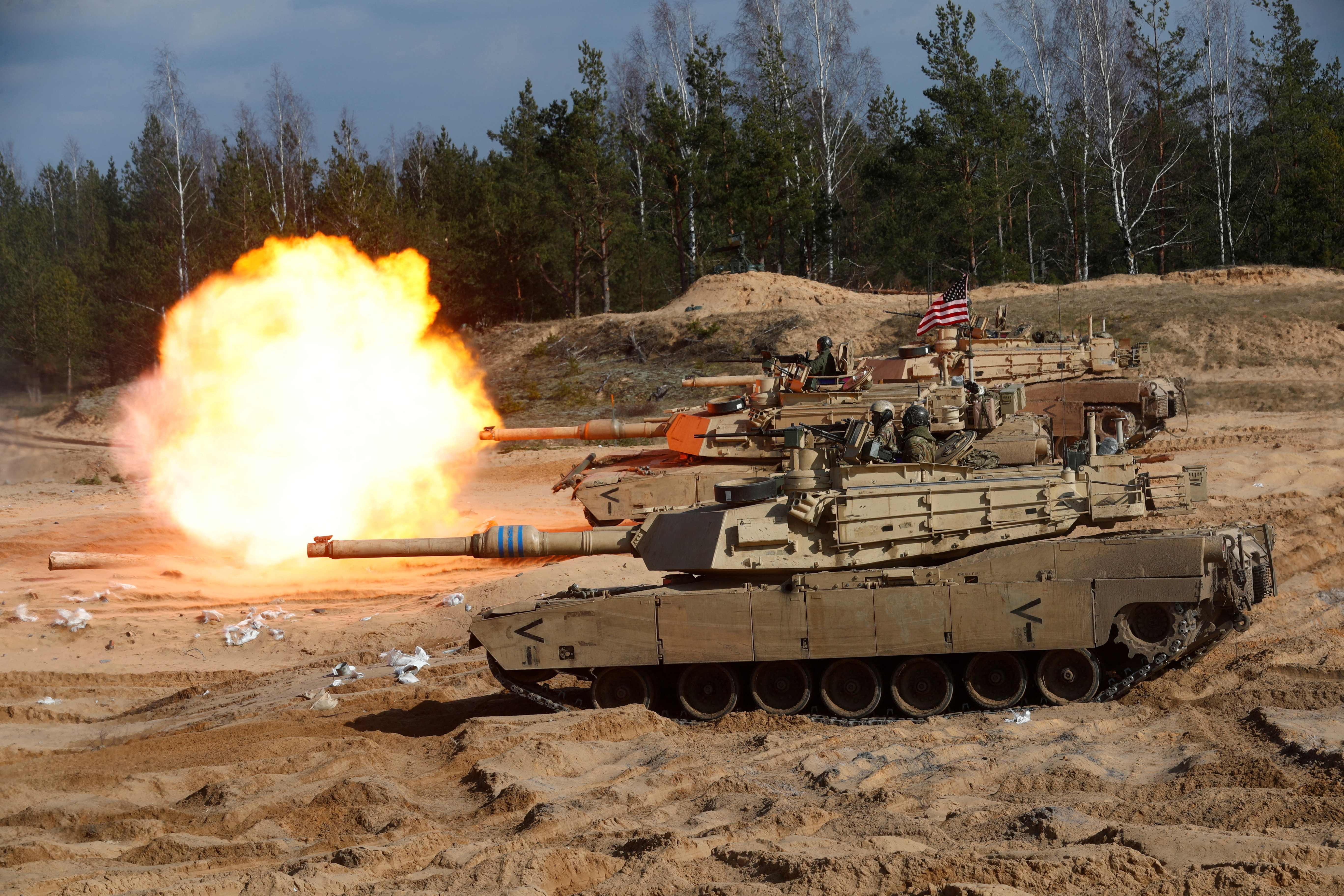
A German government source said Berlin would lift its objections if Washington sends its own Abrams tanks. But U.S. officials say the Abrams is inappropriate for Ukraine, because it runs on turbine engines that use too much fuel for Kyiv’s strained logistics system to keep them supplied at the front.
Poland and Finland have already said they would send Leopards if Germany lifts its veto, and other countries have indicated they are ready to do so as well. Britain added to the pressure by breaking the taboo on heavy tanks last week, offering a squadron from its fleet of Challengers, though far fewer of these are available than Leopards.
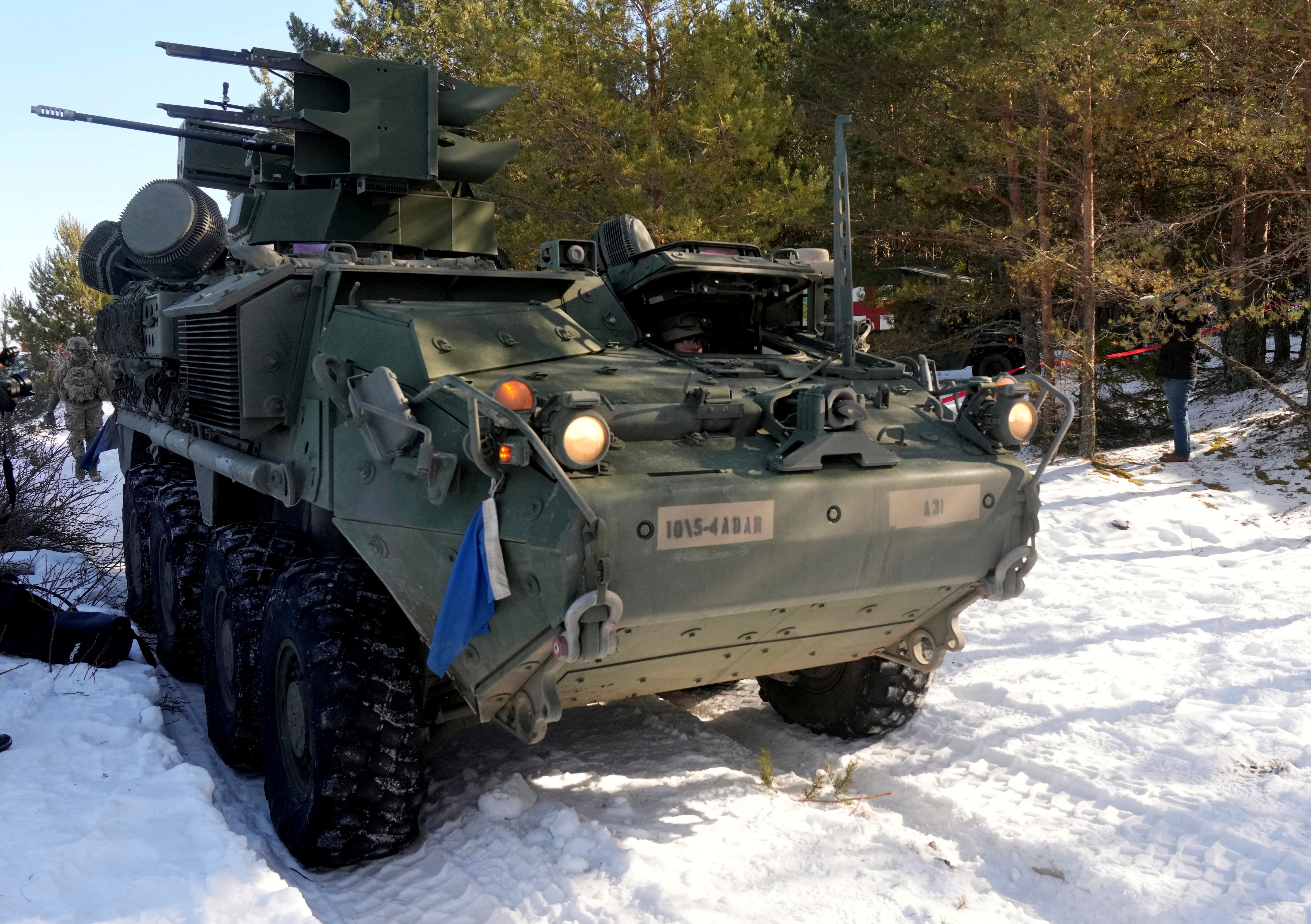
Colin Kahl, the Pentagon’s top policy adviser, said on Wednesday Abrams tanks were not likely to be included in Washington’s next $2 billion military aid package, which will include Stryker armoured vehicles.
“I just don’t think we’re there yet,” Kahl said. “The Abrams tank is a very complicated piece of equipment. It’s expensive. It’s hard to train on. It has a jet engine.”
Germany replaced its defence minister this week and says the tank decision is the first item on the agenda of the new minister, Boris Pistorius, due to meet Austin.
Ukraine, which has relied primarily on Soviet-era T-72 tank variants, says the new tanks would give its troops the mobile firepower to drive out Russian troops in decisive battles.
Western tanks have more effective armour and better guns than Soviet-era counterparts, which have been destroyed in their hundreds on both sides during the 11 months of war in Ukraine.
Fighting has been concentrated in the south and east of Ukraine, after Russia’s initial assault from the north aimed at taking Kyiv was thwarted during the first months Russia’s “special military operation”.
After major Ukrainian gains in the second half of 2022, the frontlines have largely been frozen in place over the past two months, with neither side making big gains despite heavy casualties in intense trench warfare.
“The situation on the frontline remains tough,” Zelenskiy said in a video address on Wednesday. “We are seeing a gradual increase in the number of bombardments and attempts to conduct offensive actions by the invaders.”


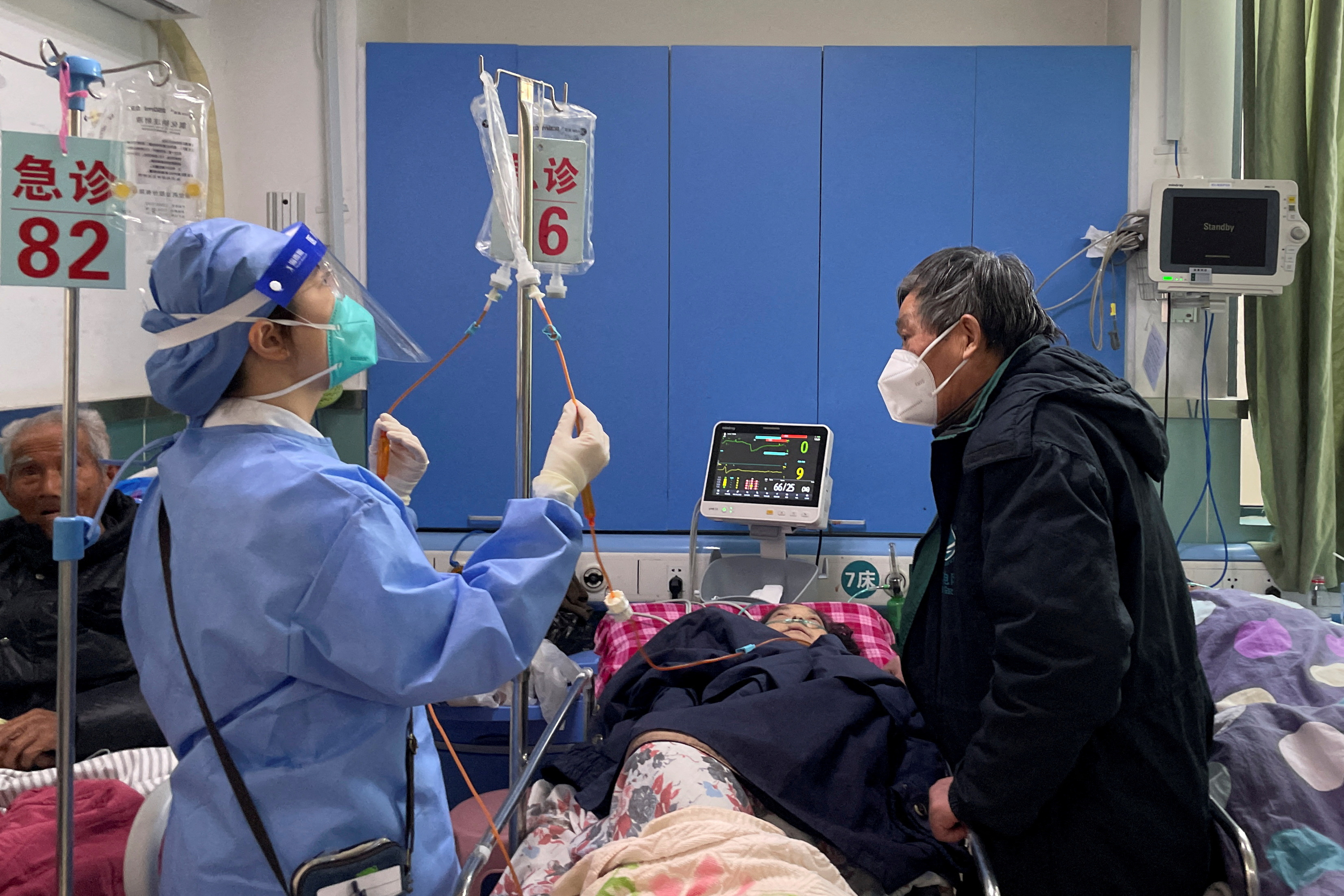
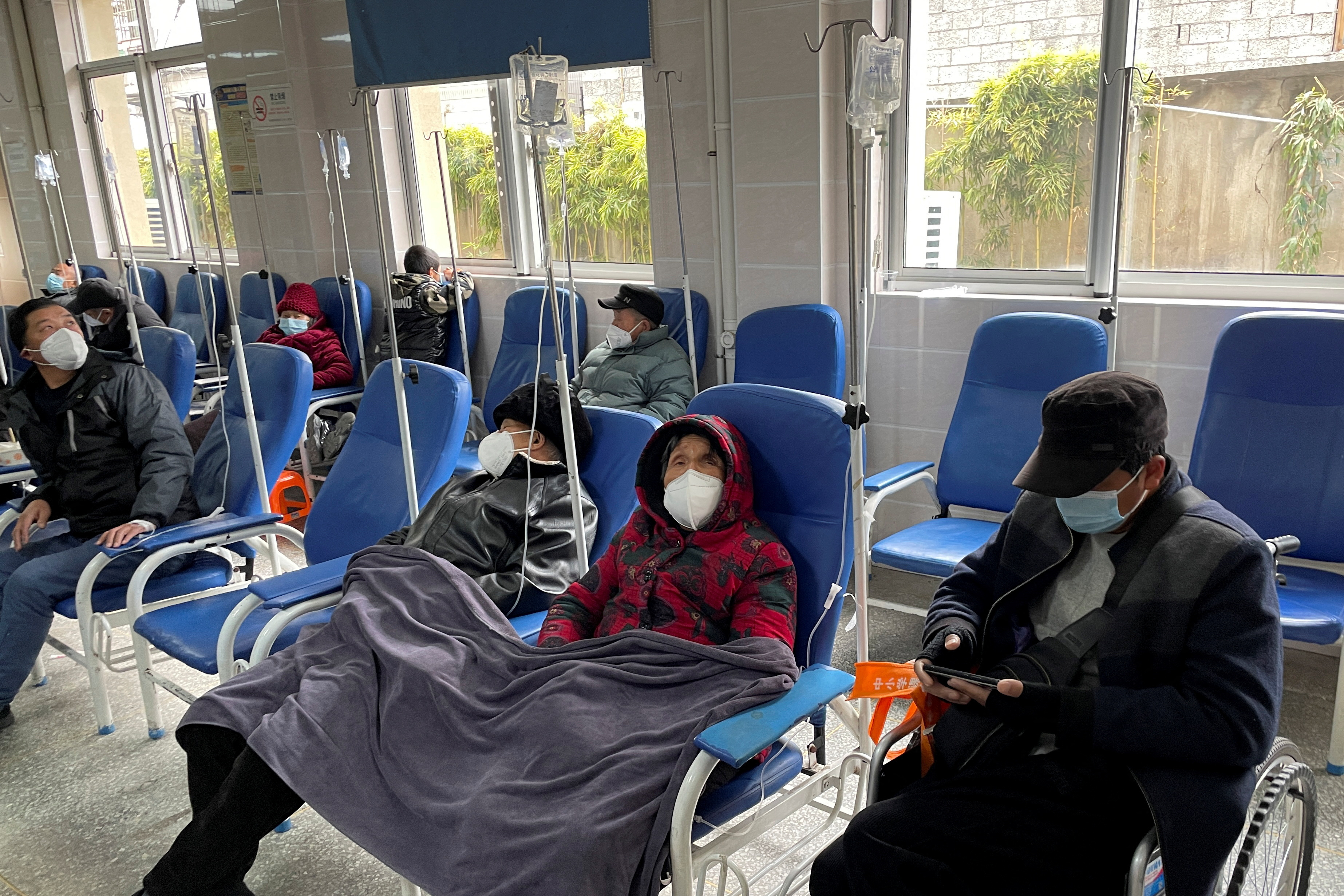
The number of COVID patients needing critical care in China’s hospitals has peaked, health authorities said on Thursday, as millions travelled across the country for long-awaited reunions with families, raising fears of fresh outbreaks.
There has been widespread scepticism over China’s official COVID data since it abruptly axed anti-virus controls last month that had shielded China’s 1.4 billion people from the disease for three years.
China said last Saturday that nearly 60,000 people with COVID had died in hospitals between Dec. 8 and Jan. 12 – a roughly ten-fold increase from previous disclosures.
However, that number excludes those who die at home, and some doctors in China have said they are discouraged from putting COVID on death certificates.
As travel picks up during the busy Lunar New Year holiday season, as many as 36,000 people could die each day from the disease, according to the latest forecasts from UK-based health data firm Airfinity. Other experts predict over 1 million will die from the disease this year.
But a National Health Commission official told a news conference on Thursday that China has passed the peak period of COVID patients in fever clinics, emergency rooms and with critical conditions.
The number of patients with critical conditions in hospital were more than 40% lower on Jan. 17 than a peak seen on Jan. 5, an official said.
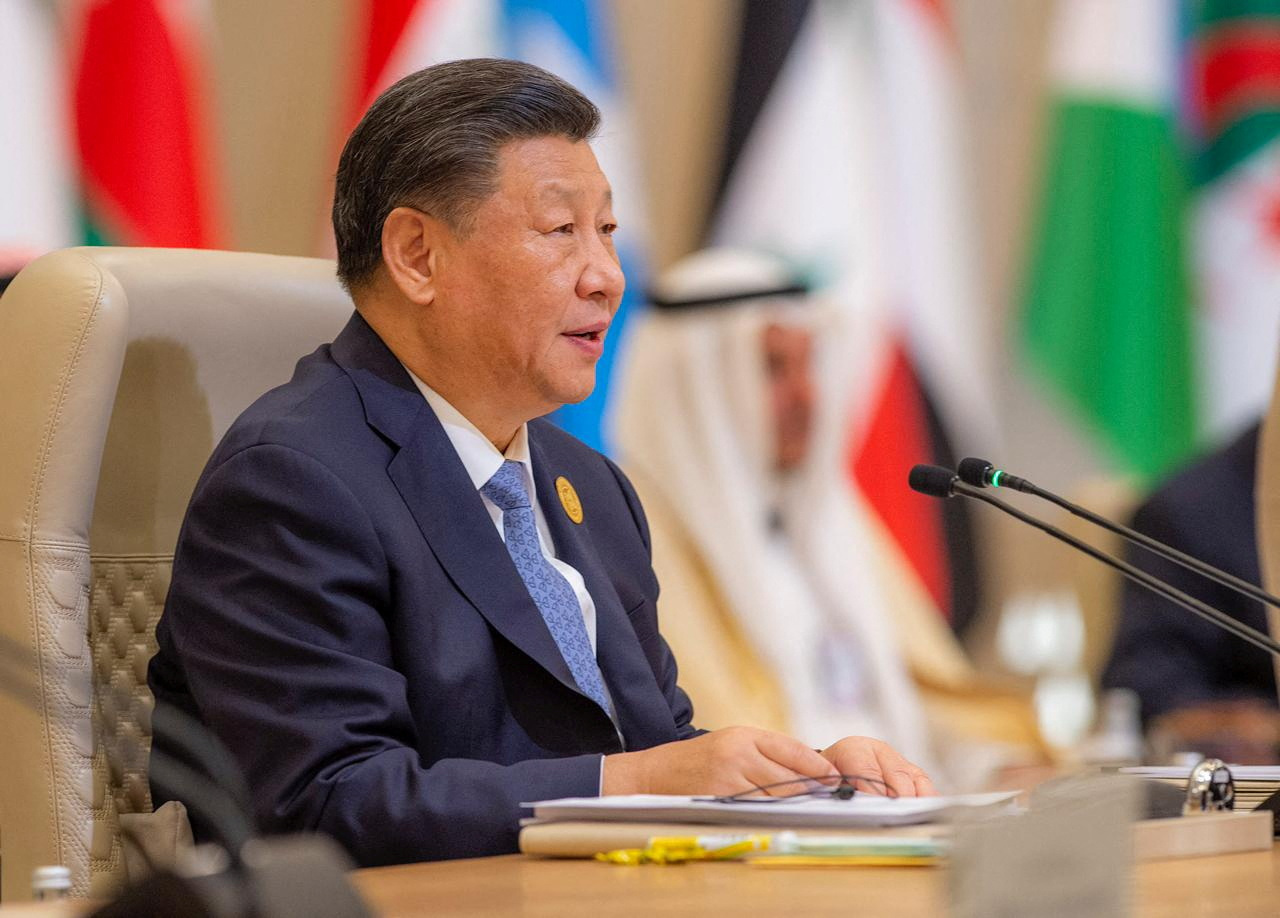
The fresh data comes after President Xi Jinping expressed concern that rural areas were ill-equipped to deal with a surge in infections as holidays, which officially start on Jan. 21, bring throngs of city-dwellers back to their home towns.
Before COVID first emerged in the central Chinese city of Wuhan in late 2019, the holiday season was known as the greatest annual migration of people anywhere on the planet.
“China’s COVID prevention and control is still in a time of stress, but the light is ahead, persistence is victory,” Xi said on Wednesday in a holiday message carried by state broadcaster CCTV.
“I am most worried about the rural areas and farmers. Medical facilities are relatively weak in rural areas, thus prevention is difficult and the task is arduous,” Xi said, adding that the elderly were a top priority.
China’s chaotic exit from a regime of mass lockdowns, travel restrictions and mass COVID testing, has also prompted a run on drugs as people fend for themselves against the disease.
To meet soaring demand, drugmakers in China are rushing to triple their capacity to make key fever and cough medicines, the state-run China Daily reported on Thursday.
China has so far relied on domestic vaccines to combat the pandemic, eschewing foreign-made ones, which some studies have suggested are more effective, while other foreign treatments for COVID-19 have been hard to come by in China.
Pfizer’s (PFE.N) COVID-19 anti-viral drug Paxlovid is available in China but has been very difficult to obtain through official channels, according to media reports and personal accounts. Merck & Co’s (MRK.N) antiviral treatment molnupiravir has also been approved for use but is not yet widely available.
Moderna (MRNA.O) chief executive Stephane Bancel told Reuters on Wednesday that the U.S. company was in active discussions to supply COVID-19 vaccines to China.
At a meeting this week, China’s National Medical Products Administration pledged to stabilise the prices of COVID-related drugs and crack down on counterfeit sales.
Airfinity on Wednesday estimated 62 million people could be infected with the virus between Jan. 13 and Jan. 27 and that COVID-related daily deaths could peak at 36,000 on Jan. 26, up sharply from previous forecasts.
“Our forecast estimates a significant burden on China’s healthcare system for the next fortnight and it is likely that many treatable patients could die due to overcrowded hospitals and lack of care,” Airfinity’s analytics director Matt Linley said.
Looking beyond the death toll, there is optimism that China’s reopening will reinvigorate a $17 trillion economy suffering one of its lowest growth rates in nearly half a century.
Owners and managers of China’s factories, which make almost a third of the world’s manufactured goods, hope to return to normality after years of virus restrictions and a recent wave of infections disrupted business.
China could see a sharp recovery from the second quarter onwards, IMF Deputy Managing Director Gita Gopinath told Reuters at the World Economic Forum in Davos on Wednesday.
Those hopes have nudged China’s main stock markets and yuan currency to multi-month highs in recent sessions.
Chinese-controlled Hong Kong, which is trying to revive its finance and trade-reliant economy, said on Thursday it will not require people with COVID-19 to quarantine from Jan. 30, removing one of its last major virus restrictions.
Serbia and Russia are experiencing rare tensions over the war in nearby Ukraine, with the Serbian government on Tuesday issuing a formal request for Moscow to halt all attempts to recruit Serbs to fight in the Ukraine conflict.
The controversy centers on the Wagner private military firm, which has reportedly expanded its recruitment efforts inside Serbia. The St. Petersburg-based mercenary firm reportedly has direct ties with President Putin, and has been accused of acting with impunity in Ukraine.
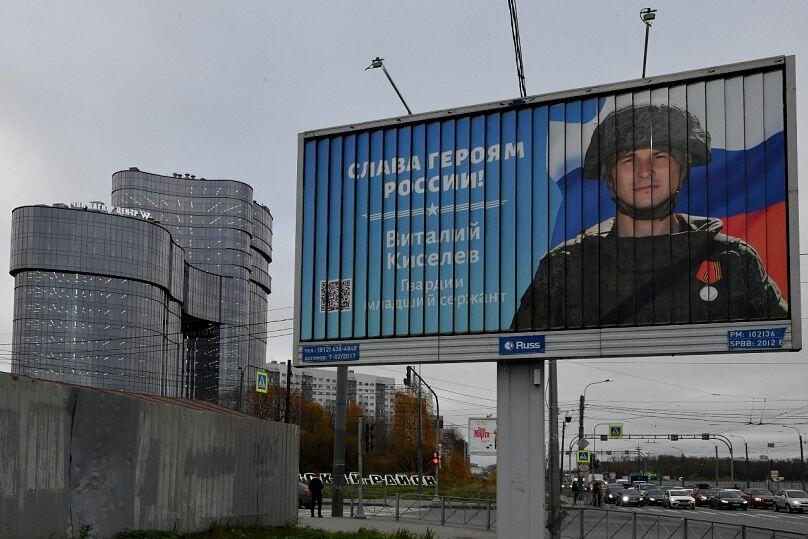 ‘PMC Wagner Center’ in Saint Petersburg, via AFP
It’s long been illegal in Serbia for any of its citizens to go off and fight in a foreign conflict, with Serbian Defense Minister Milos Vucevic recently reiterating in light of the Ukraine war that “this will result in legal consequences.”
“Why do you, from Wagner, call anyone from Serbia when you know that it is against our laws?” Serbian President Aleksandar Vucic said in a TV broadcast, stressing Wagner must end its activities.
Vucic also called out the noticeable uptick in online and social media material being circulated by Wagner and Russian state media in the Serbian language.
As an example, this week Russia’s RIA Novosti news agency published the below widely circulated video touting “Serbian volunteers” fighting alongside Russian forces…
Reportedly, Serbian volunteers who are being trained in Zaporizhzhia as part of a Russian volunteer battalion.https://t.co/5BZBPAAOfZ pic.twitter.com/veoZ6fWqcb
— Rob Lee (@RALee85) January 17, 2023
Wagner likely sees Serbia as fertile recruitment ground, given there have been sporadic large-scale pro-Russia protests in major Serbian cities related to events in Ukraine of late. The two countries also have predominantly Orthodox Christian populations which also unite the two in their Slavic culture and identities.
Despite broad swathes of the Serbian population generally being Russia-sympathetic, Serbian President Vucic this week stressed that he sees the “EU path” as the only one for Serbia, while also expressing support for Ukraine and efforts to regain its territory, including in Crimea.
Both also despise NATO, given in Serbia’s case the 1999 NATO bombing of Belgrade and the war which resulted in Kosovo being carved out of Serbia as an independent state recognized as such by the US and West.
Tyler Durden
Thu, 01/19/2023 – 02:45
Nothing has been ruled out at this early stage of the investigation.
The post EXPLAINED: Possible Causes of the Brovary Helicopter Crash first appeared on Brooklyn NY.
Advertisements – Advertising at The News And Times – advertising-newsandtimes.com | WE CONNECT!
Audio | Video | Top News | On Twitter | Security | FBI | Capitol Riot | JOSSICA | Trump | Russia | Putin | Russia – Ukraine War | Covid-19 | Brooklyn NY | Puerto Rico | World
September 24, 2026 2:32 am
The News And Times | Featured Posts | All Articles | Current News | Selected Articles | Shared Links | Opinions | In My Opinion | Sites | Blogs | Links | Twitter | Facebook

Contact Form | Blogs | Sites | News Reviews | Links | Advertising
All The News That’s Fit To Web