Categories
Audio Sources - Full Text Articles

FTX reports $415 mln in hacked crypto, Bankman-Fried says FTX US is solvent

2023-01-18T02:29:57Z

Bankrupt crypto exchange FTX said in a report to creditors on Tuesday that about $415 million in cryptocurrency had been stolen in hacks.

FTX has said it had recovered over $5 billion in crypto, cash and liquid securities, but that significant shortfalls remained at both its international and U.S. crypto exchanges. FTX attributed some of the shortfall to hacks, saying that $323 million in crypto had been hacked from FTX’s international exchange and $90 million had been hacked from its U.S. exchange since it filed for bankruptcy on Nov. 11.

Indicted founder Sam Bankman-Fried later challenged aspects of the company’s report in a blog post.

Bankman-Fried, who has been accused of stealing billions of dollars from FTX customers to pay debts incurred by his crypto-focused hedge fund, Alameda Research, pushed back against FTX’s calculations late Tuesday, saying that the company’s lawyers at Sullivan & Cromwell had presented an “extremely misleading” picture of the company’s finances.

Bankman-Fried said FTX has more than enough money to repay U.S. customers, whom he says are owed between $181 million and $497 million based on his “best guess.” Bankman-Fried has not had access to FTX records since stepping down as CEO in November.

A spokesperson for Sullivan and Cromwell declined to comment. Attorneys at the firm said in a recent court filing that they have rebuffed Bankman-Fried’s efforts to stay involved in the company’s bankruptcy proceedings.

Bankman-Fried has pleaded not guilty to fraud charges, and he is scheduled to face trial in October.

FTX did not provide an estimate of the amount owed to FTX’s U.S. or international customers, and it did not immediately respond to questions about Bankman-Fried’s blog post.

FTX provided some additional details about its recovery efforts on Tuesday, saying it had recovered $1.7 billion in cash, $3.5 billion in liquid cryptocurrency and $300 million in liquid securities.

“We are making progress in our efforts to maximize recoveries, and it has taken a Herculean investigative effort from our team to uncover this preliminary information,” Ray said in a statement.

The crypto assets recovered to date include $685 million in Solana, $529 million in FTX’s proprietary FTT token and $268 million in bitcoin, based on crypto prices on Nov. 11, 2022. Solana, which was lauded by Bankman-Fried, lost most of its value in 2022.

During FTX’s initial investigation into hacks of its system, it uncovered a November asset seizure by the Securities Commission of the Bahamas, which led to a dispute between FTX’s U.S.-based bankruptcy team and Bahamian regulators.

The two sides settled their differences in January, and Ray said on Tuesday that the Bahamian government was holding $426 million for creditors.

Bahamas Prime Minister Philip Davis referenced the dispute during a Tuesday event at the Atlantic Council in Washington, saying Ray’s team had “come around” and accepted that the Bahamian asset seizure “was appropriate and perhaps has saved the day for many of the investors in FTX.”

Related Galleries:

The logo of FTX is seen at the entrance of the FTX Arena in Miami, Florida, U.S., November 12, 2022. REUTERS/Marco Bello

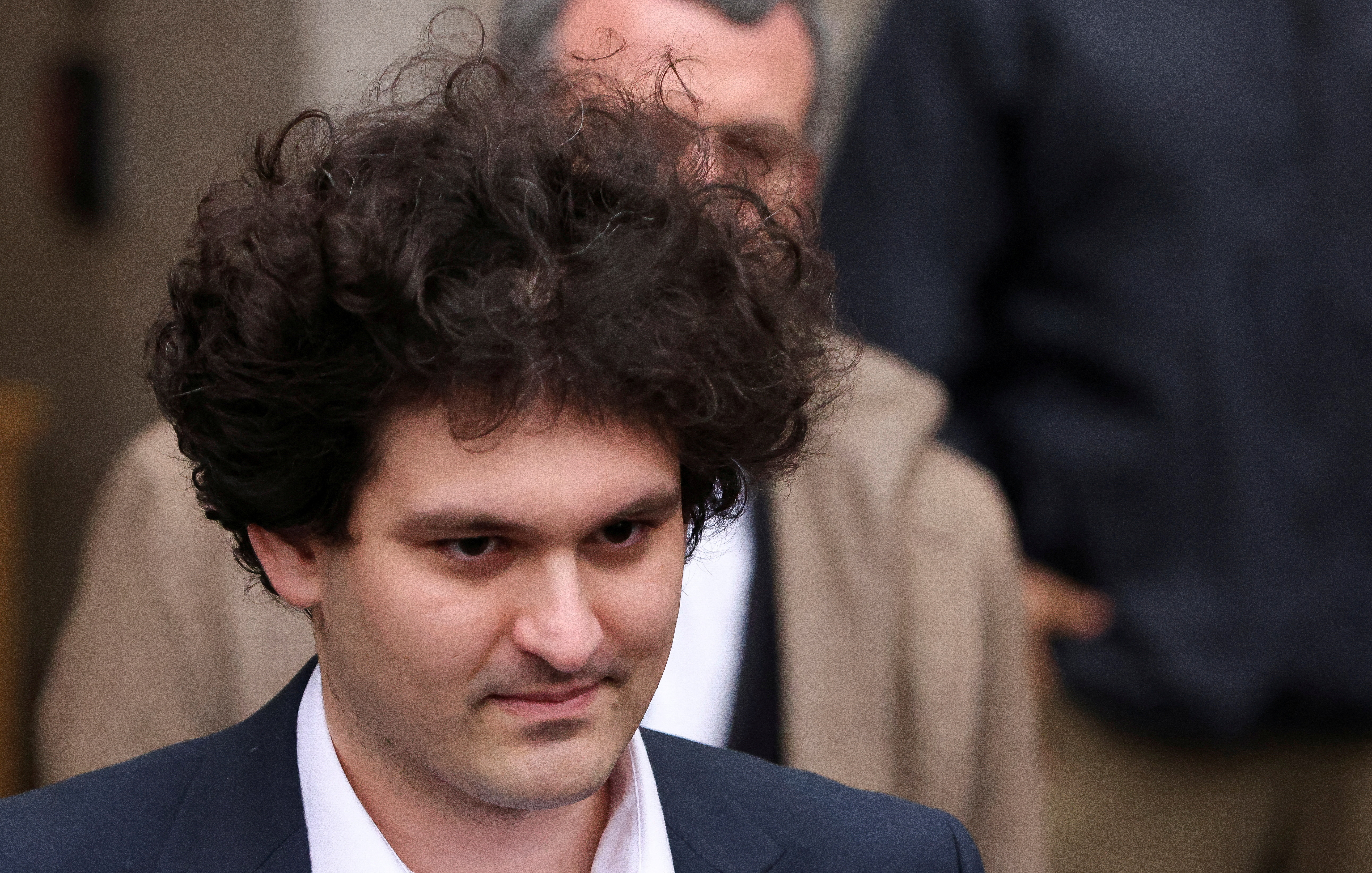
Former FTX Chief Executive Sam Bankman-Fried, who faces fraud charges over the collapse of the bankrupt cryptocurrency exchange, leaves following a hearing at Manhattan federal court in New York City, U.S. January 3, 2023. REUTERS/Andrew Kelly
Categories
Audio Sources - Full Text Articles

Crooks Incorporated

lorraine-evanoff.jpg

Help support Palmer Report! Our articles are all 100% free to read, with no forced subscriptions and nothing hidden behind paywalls. If you value our content, you’re welcome to pay for it:

Pay $5 to Palmer Report:

Pay $25 to Palmer Report:

Pay $75 to Palmer Report:


As a finance exec turned novelist, I write spy thrillers based on real-life international banking scandals. The word BRAZEN comes up a lot in my marketing. These greedy international criminals are just that. They know they can get away with it. No law can control the money that gets laundered into the offshore Underground Economy.

The onset of offshore banking marks when the world’s international balance sheet goes out of whack. One need only consult the Balance of Payments tables that track global deficits and surpluses—a minus in the U.S. balance sheet is matched by a plus in the Japanese ledger, and so forth. By definition, the world must be in balance with itself. Yet from being approximately in balance in the early 1970s, an inexplicable black hole deficit of $20 billion had developed by 1978, and in 1982 the deficit hit $110 billion. In the years 1976 to 1985, $200 billion was transferred offshore, and the rest is history.

—

Click here to support Palmer Report! Our articles are all 100% free to read, with no forced subscriptions and nothing hidden behind paywalls. If you value our content, you’re welcome to pay for it:

Pay $5 to Palmer Report:

Pay $25 to Palmer Report:

—

Sign up for the Palmer Report mailing list

—

Follow Palmer Report on Facebook • Twitter • Post • Mastodon

—


In 2011, then director of the FBI, Robert Mueller, gave what is known as the Iron Triangles speech explaining how 21st century international organized crime works. Many experts describe Putin’s Russia as a “Mafia State.” These crooks have now brought this to the USA, and there are no laws to stop it. Getting corrupt snakes like Donald Trump, Ron Johnson, Rand Paul, and now George Santos elected to the highest public offices in the land is next-level.


We can’t really make laws to counter it either, because they will flout the law, then challenge it, unless and until they are voted out. Information is key. These racketeers get installed through Active Measures, misinformation networks that confuse, trick, and exploit voters into installing them.

Greed for greed’s sake is not good. It’s the lowest form of motivation. Honesty, integrity, helping others are the highest forms. They’re also the easiest forms. These criminals work very hard to build their network of lies and remain in power, while keeping us fighting for simple truths. Voting for Democrats is the only option.

Support Palmer Report! Our articles are all 100% free to read, with no forced subscriptions and nothing hidden behind paywalls. If you value our content, you’re welcome to pay for it:

Pay $5 to Palmer Report:

Pay $25 to Palmer Report:

Pay $75 to Palmer Report:

Write for the Palmer Report Community Section.

Help support Palmer Report! Our articles are all 100% free to read, with no forced subscriptions and nothing hidden behind paywalls. If you value our content, you’re welcome to pay for it:

Pay $5 to Palmer Report:

Pay $25 to Palmer Report:

Pay $75 to Palmer Report:

The post Crooks Incorporated appeared first on Palmer Report.

Categories
Audio Sources - Full Text Articles

Porn actor Ron Jeremy found mentally incompetent to stand trial for rape

2023-01-18T02:19:38Z

Porn star Ron Jeremy was declared mentally incompetent to stand trial in Los Angeles on rape and other sex charges involving 21 women, City News Service reported on Tuesday.

Jeremy, 69, pleaded not guilty in August 2021 to more than 30 counts of sexual assault, including 12 of rape, in the Los Angeles area over a 23-year period. He has been in prison since his arrest in June 2020.

Los Angeles Superior Court Judge Ronald S. Harris said in a hearing that he had determined, based on reports from prosecutors and Jeremy’s defense, that the actor suffered from “incurable neurocognitive decline,” according to the Associated Press.

Attorney Stuart Goldfarb, who represents Jeremy, had told the court in March 2022 that his client had been unable to recognize him when he visited him in a holding cell before a court hearing.

Goldfarb and a representative for the Los Angeles District Attorney’s office did not immediately respond to requests for comment from Reuters on Tuesday.

A hearing on whether to place Jeremy in a state hospital will be held next month, the Associated Press said.

Jeremy was among the biggest names in the adult film industry, appearing in more than 2,000 movies starting in the 1970s.

In August 2020, Jeremy wrote on Twitter: “I can’t wait to prove my innocence in court! Thank you to everyone for all the support.”

The counts against Jeremy included 12 of forcible rape, seven of forcible oral copulation, six of sexual battery, and two of penetration while the victim was asleep or unconscious, according to the Los Angeles County District Attorney’s Office.

The alleged offenses took place at night clubs and bars in the Los Angeles area, during a photo shoot, and at Jeremy’s home, the District Attorney’s office said.

Related Galleries:

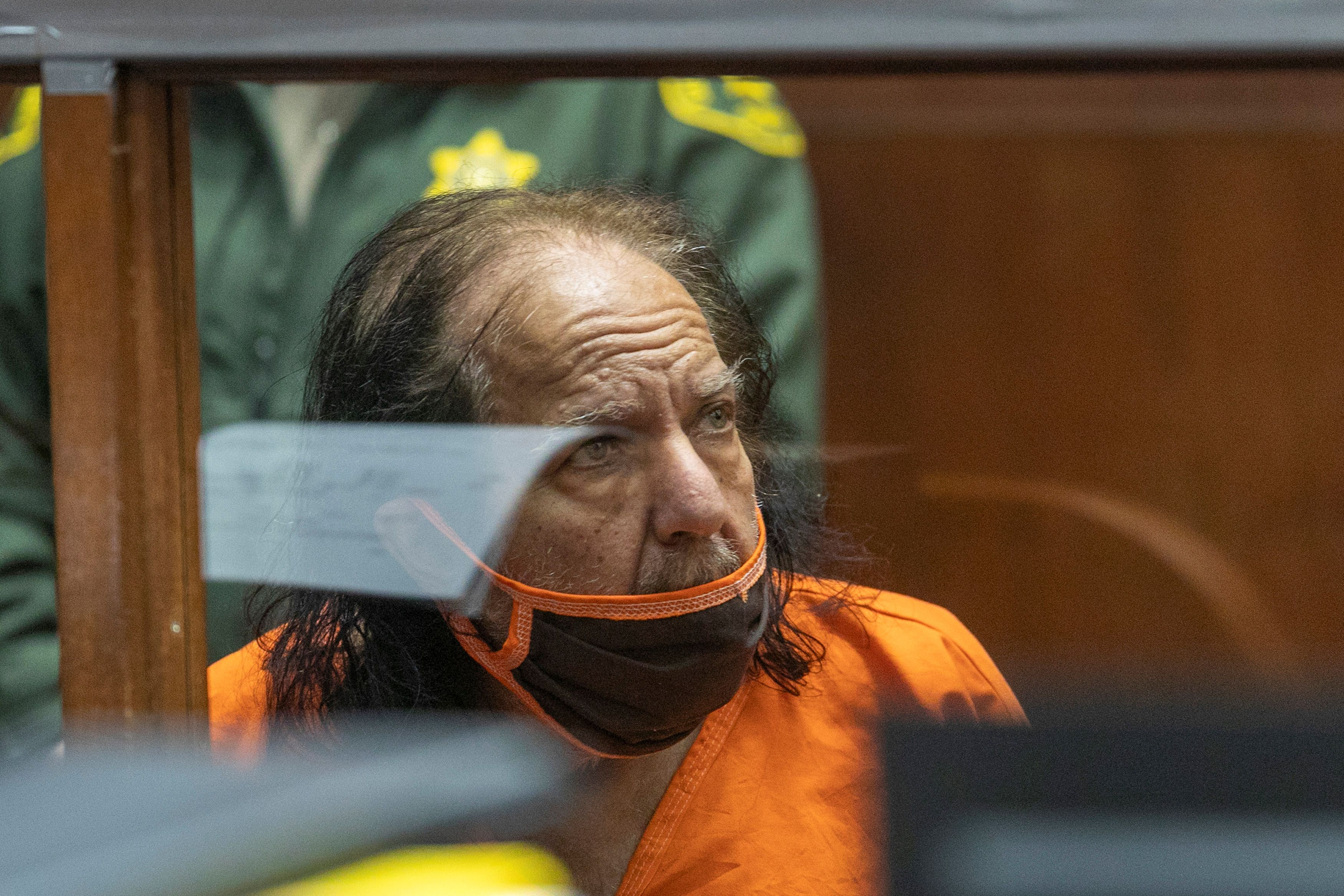
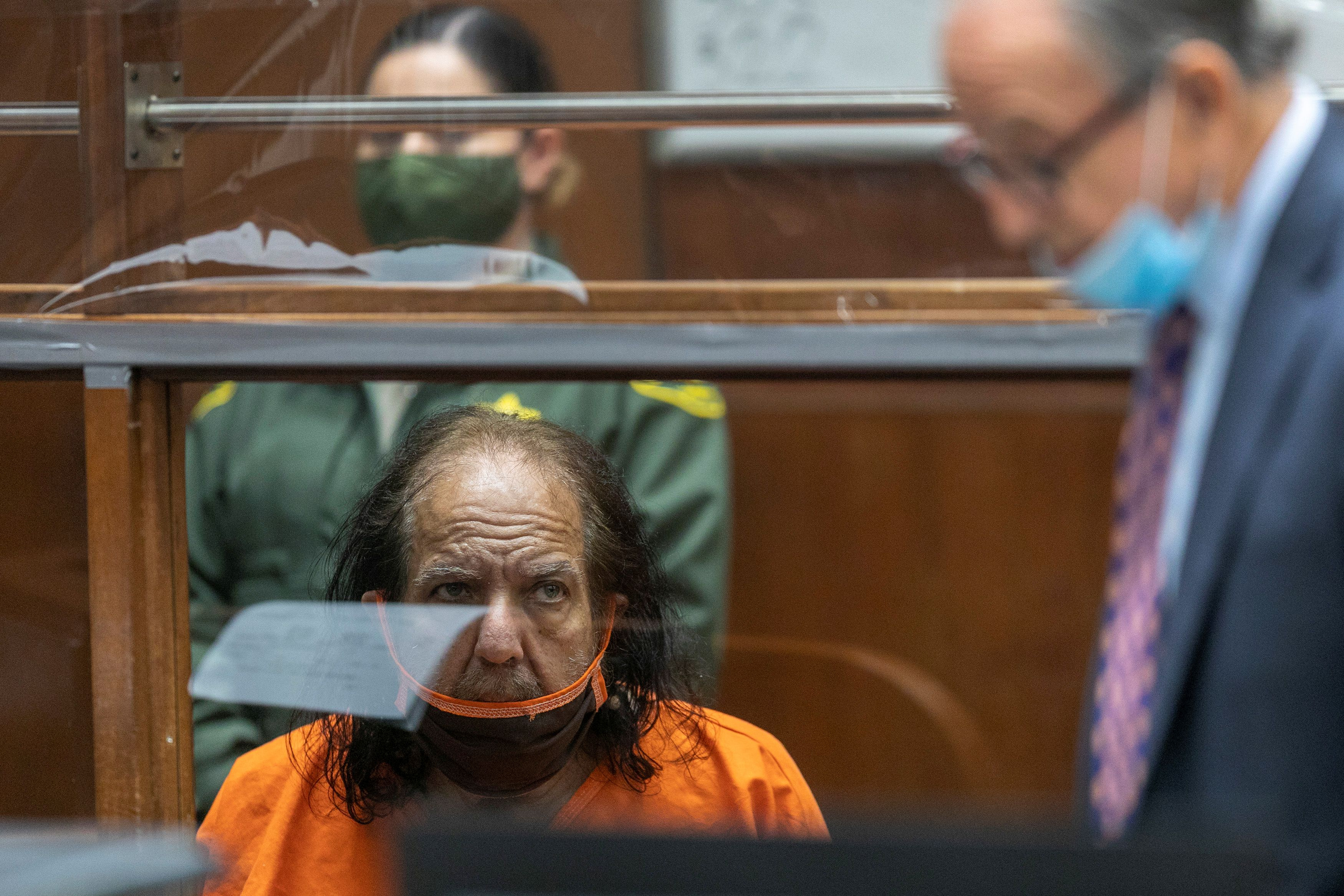
Adult film star Ron Jeremy, whose real name is Ronald Jeremy Hyatt and who is charged with raping three women and sexually assaulting a fourth in incidents in West Hollywood from 2014 to 2019, listens as his attorney Stuart Goldfarb (not pictured) speaks during an arraignment hearing at Clara Shortridge Foltz Criminal Justice Center in Los Angeles, California, U.S., June 26, 2020. David McNew/Pool via REUTERS

Adult film star Ron Jeremy, whose real name is Ronald Jeremy Hyatt and who is charged with raping three women and sexually assaulting a fourth in incidents in West Hollywood from 2014 to 2019, listens as his attorney Stuart Goldfarb speaks during an arraignment hearing at Clara Shortridge Foltz Criminal Justice Center in Los Angeles, California, U.S., June 26, 2020. David McNew/Pool via REUTERS


Categories
Audio Sources - Full Text Articles

China“s pessimistic Gen Z poses challenge for Xi post-COVID

2023-01-18T02:19:06Z

The first weekend after COVID-19 restrictions ended last month, dozens of young Chinese jostled in the dark at a heavy-metal concert in a tiny Shanghai music venue that reeked of sweat and hard liquor.

It was the kind of freedom young Chinese had demanded in late November in protests against the zero-COVID policy that became the biggest outpouring of public anger in mainland China since President Xi Jinping took power a decade ago.

After three years of lockdowns, testing, economic hardship and isolation, many of China’s Generation Z — the 280 million born between 1995 and 2010 — had found a new political voice, repudiating their stereotypes as either nationalist keyboard warriors or apolitical loafers.

Pacifying a generation faced with near-record youth unemployment and some of the slowest economic growth in nearly half a century presents a policymaking challenge for Xi, who is just beginning a precedent-breaking third term. Improving young people’s livelihoods without abandoning the country’s export-led growth model poses inherent conflicts for a government that prioritises social stability.

This generation is the most pessimistic of all age groups in China, surveys show. While the protests succeeded in hastening the end of COVID curbs, the hurdles Chinese youth face in achieving better living standards will be harder to overcome, some analysts say.

“As the road ahead for the youth gets narrower and tougher, their hopes for the future evaporate,” said Wu Qiang, a former politics lecturer at Tsinghua University who is now an independent commentator in Beijing. Young people no longer had “blind confidence and adulation” towards China’s leaders, he added.

Some Chinese youth who spoke to Reuters reflected the sense of frustration.

“If they didn’t change the policy, then more people would protest, so they had to change,” said 26-year-old Alex, who declined to give her last name for fear of retribution from the authorities, in an interview before the Shanghai concert.

“But I don’t think young people will go back to thinking that nothing bad ever happens in China.”

Young people, especially in cities, are often at the forefront of protests globally; students led China’s biggest pro-democracy uprising in 1989, which Beijing crushed in a military crackdown.

But China’s Gen Z has its own characteristics that present a dilemma for Xi, some analysts said.

In recent years, some young Chinese social media users have drawn international attention for their ferocity in attacking critical views about China online, including of Beijing’s COVID policies. They became known as “little pinks”, a term associated with the colour of a nationalist website, and drew comparisons with China’s aggressive “wolf warrior” diplomats and the Red Guards of Mao Zedong’s Cultural Revolution.

With the economy slowing under the weight of pandemic restrictions, a countertrend emerged, but not quite of the liberal type that pushes against growing nationalism in the West. Many young Chinese have been choosing to “lie flat,” a term used to describe people who have rejected the corporate rat race by adopting a minimalist lifestyle and doing just enough to get by.

There is no data on how many Chinese are inclined towards those perspectives. Brewing under the surface before the protests, however, was one unifying factor: growing discontent with their perceived economic prospects.

A survey of 4,000 Chinese by consultancy Oliver Wyman found Gen Z to be the most negative about China’s economic outlook of all the age groups. Their peers in the United States, by contrast, are more optimistic than most preceding generations, according to a study by McKinsey.

Some 62% of China’s Gen Z worried about job security and 56% worried about prospects for a better lifestyle, far more than older generations, according to the Wyman survey conducted in October and released in December.

In the United States, the study released in October showed 45% of 18-to-24-year-olds worried about job stability, but scored better on McKinsey’s gauge of perceptions of future economic opportunities than all groups except those aged 25-34.

Earlier in the Xi era, things were looking brighter.

In 2015, a Pew Research Center study found seven in 10 of Chinese people born in the late 1980s felt positively about their economic situation. A whopping 96% felt their living standard was better than their parents’ at the same age.

“It’s educated pessimism. It’s based on the facts and the reality that they’re witnessing,” said Zak Dychtwald, founder of research firm Young China Group, which examines trends among Chinese youth, of the mood among young adults.

“I don’t think these protests would have happened ten years ago, but this young generation believes they ought to be heard in a way that older generations didn’t.”

He said further unrest appeared unlikely in the near term, but the ruling Communist Party was under pressure to offer “some hope and direction” to the country’s youth at an annual legislative meeting in March.

Failure to deliver such solutions could reignite protests in the long term, he said.

In a New Year speech, Xi acknowledged the need to improve the prospects of China’s youth, without mentioning the protests against his zero-COVID approach.

“A nation will prosper only when its young people thrive,” Xi said, without elaborating on potential policies.

For China’s stability-obsessed Communist Party, giving Gen Z more political agency is unthinkable.

Instead, analysts say Chinese policymakers need to create well-paid jobs for young people and ensure they thrive economically, like their parents’ generation, who accepted limited freedoms in exchange for promised prosperity.

But achieving that is harder in a slower economy, and some of the policies that could improve living standards for younger Chinese are in conflict with other priorities for the world’s second-largest economy: ensuring the engines behind its 15-fold expansion over the past two decades keep running, some political analysts and economists say.

Meeting Gen Z’s expectations for higher wages would make Chinese exports less competitive. Making housing more affordable could mean allowing a sector responsible for a quarter of China’s economic activity in recent years to collapse.

Xi’s second-term crackdown on tech and other private sector industries has also led to job losses and fewer opportunities for young people.

For all the government’s talk about “common prosperity”, levelling the playing field for this new generation seems impossible, said Fang Xu, an urban sociologist at the University of California, Berkeley.

“Their parents were able to accumulate such a massive amount of wealth from the housing market, from private entrepreneurship, and that leap is not likely to be repeated,” Fang said.

“Levelling the playing field means devaluing the property market enough that it’s not impossible for young people to buy a house, but that would be a huge blow to older generations.”

Given the risk of arrest, most of those who took part in the protests against COVID restrictions are laying low. It is unclear what their hopes and plans are or how they vary. But some young people feel driven to pursue their ambitions elsewhere.

University student Deng, 19, who spoke to Reuters on the condition of partial anonymity because of the sensitivity of the situation, has little hope that she will be able to thrive in China.

“If I want to stay in China, I have these two choices: stay in Shanghai to work and take an average office job or listen to my parents, return to my hometown, take the public servant exam, lie flat,” said Deng, adding she planned to emigrate instead.

Data from internet giant Baidu shows online searches for studying abroad were five times the 2021 average during the two-month lockdown of Shanghai’s 25 million residents last year. Another spike occurred during the November protests.

Neither Deng nor Alex see much room for further dissent in the near future.

“You can either accept the system or leave China. You can’t change the system here, the authorities are too powerful,” Alex said.

A few days later, at the Shanghai venue, Alex found a vantage point among fellow metal fans for the first time since COVID rules eased. She took in the sounds of the band, Rat King, her concerns for the future put aside for one night.

Related Galleries:
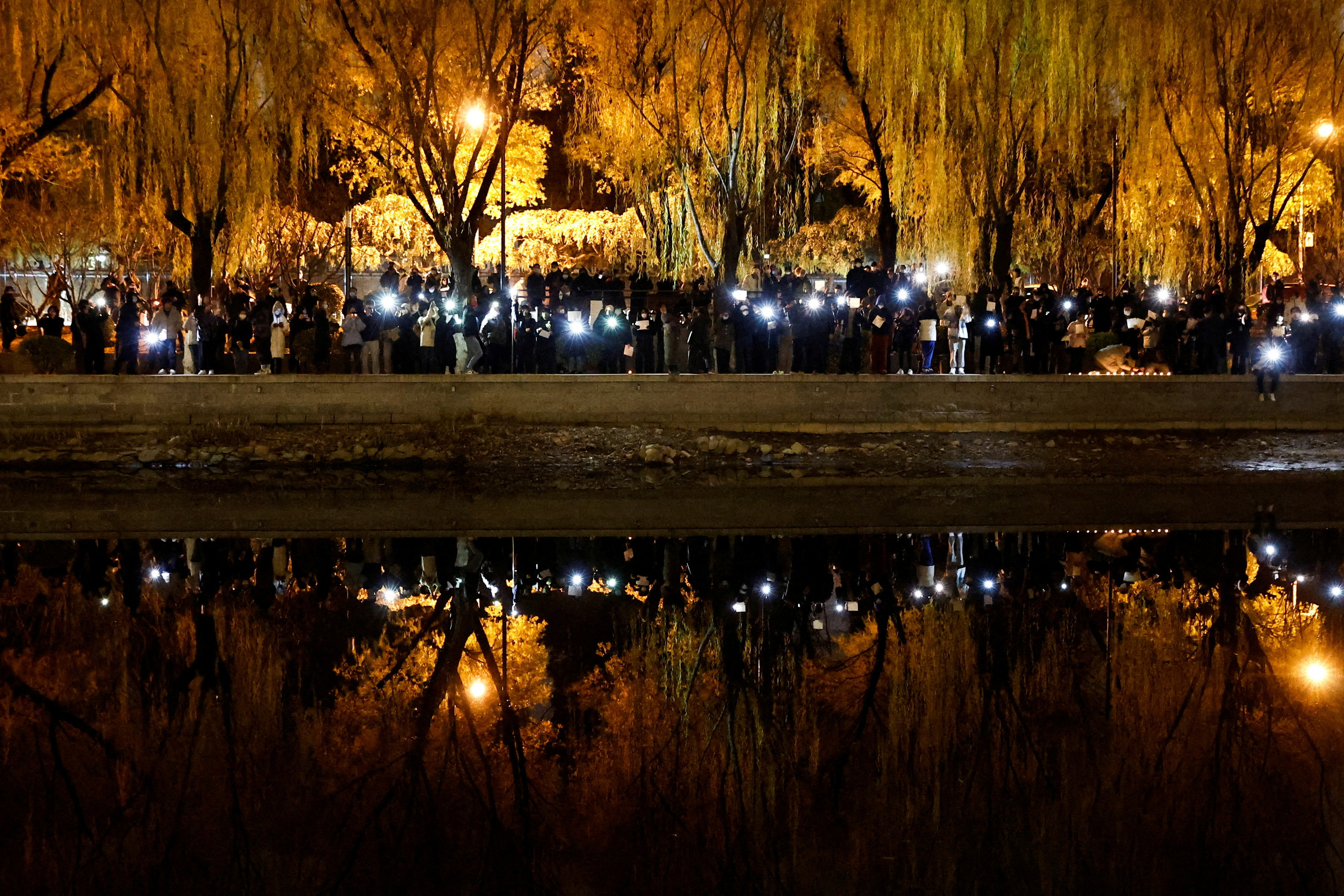
People gather for a vigil and hold white sheets of paper in protest of coronavirus disease (COVID-19) restrictions, as they commemorate the victims of a fire in Urumqi, as outbreaks of the coronavirus disease continue in Beijing, China, November 27, 2022. REUTERS/Thomas Peter
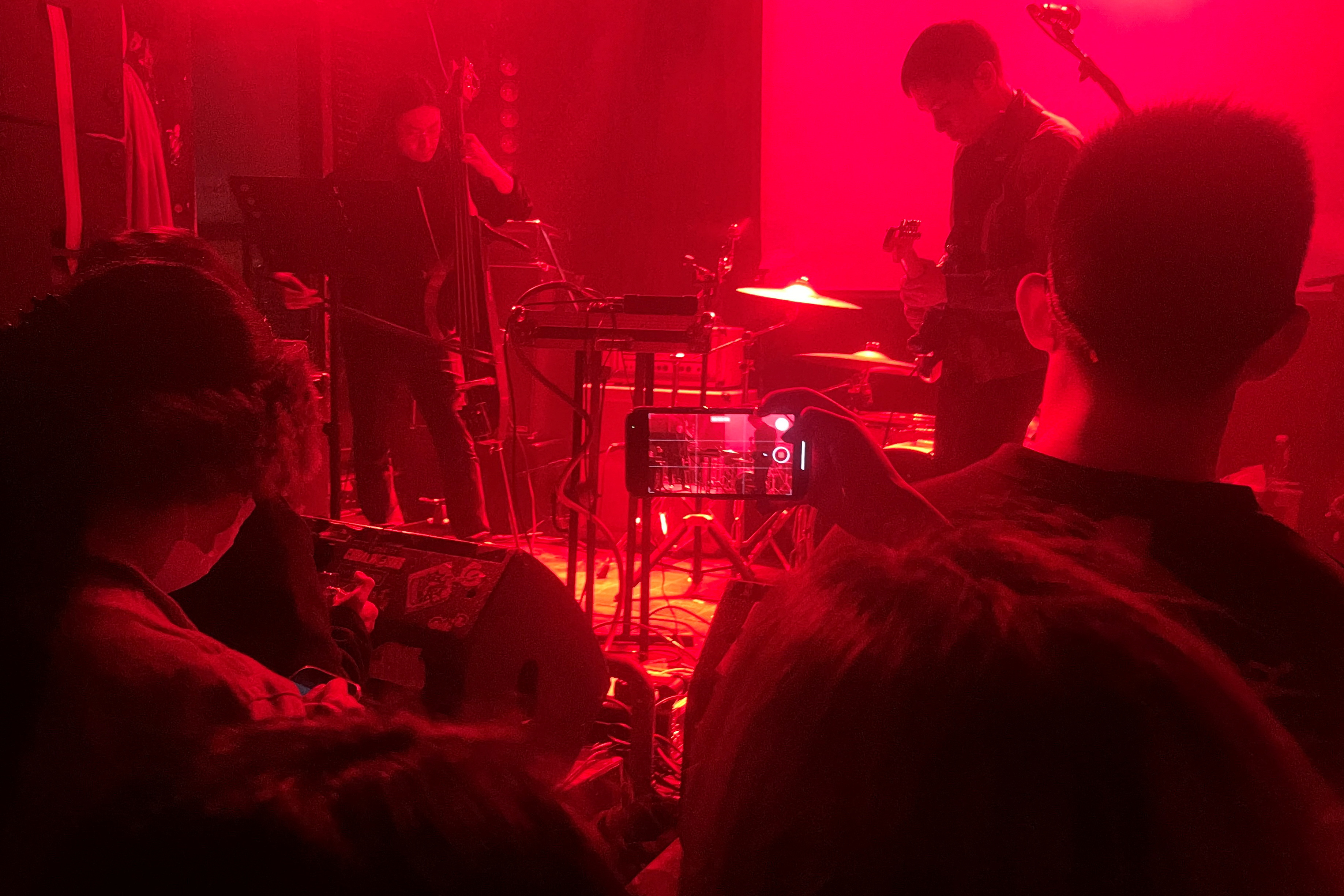
Alex and her friends attend a heavy metal concert on their first weekend after restrictions to curb the spread of the coronavirus disease (COVID-19) were lifted in Shanghai, China December 10, 2022. REUTERS/Casey Hall

People hold flags of the Communist Party of China as they visit an exhibition at the Memorial of the First National Congress of the Communist Party of China, ahead of the 100th founding anniversary of the party, in Shanghai, China June 22, 2021. REUTERS/Aly Song


Categories
Audio Sources - Full Text Articles

Sex pills, designer clothes found in mafia boss Messina Denaro“s hideout

2023-01-18T02:20:17Z

Perfumes, designer clothes and sex pills were found on Tuesday (January 17) in an apartment which investigators believe was the last hideout of Sicilian mafia boss Matteo Messina Denaro, judicial sources said, a day after the arrest of the fugitive. Emma Jehle reports.

Perfumes, designer clothes and sex pills were found on Tuesday in an apartment which investigators believe was the last hideout of Sicilian mafia boss Matteo Messina Denaro, judicial sources said, a day after the arrest of the fugitive.

Messina Denaro, 60, caught on Monday at a private hospital in Palermo after 30 years on the run, is being held in the central Italian city of L’Aquila, the Palermo prosecutor said. He was transferred from Sicily on the day of his arrest.

The apartment is in an a modest building near the centre of Campobello di Mazara, a town in the Western Sicilian province of Trapani, just a few kilometres from Messina Denaro’s home town of Castelvetrano.

Investigators found clothes, shoes, a well-stocked fridge and restaurant receipts there, judicial sources said. They also found potency pills.

“He had a regular life, he went to the supermarket,” said magistrate Paolo Guido, one the officials investigating Messina Denaro.

Neighbours described him as a friendly person.

“I live on the first floor of the building, sometimes I have seen this person, greeted him and nothing else. He responded in a cordial manner,” Rosario Cognata told Italian media.

Messina Denaro was known for his taste for luxury goods, including designer clothes and expensive sunglasses. Police said he was wearing a watch worth 35,000 euros ($38,000) when he was arrested.

Messina Denaro is believed to have lived in the apartment for the past year, judicial sources said, but police are still searching for other places where he might have spent time.

Investigators believe Messina Denaro was driven on Monday to Palermo’s La Maddalena hospital from Campobello di Mazara to be treated for cancer. The town was home to his alleged aide Giovanni Luppino, who was arrested with him.

Police placed under investigation medical doctor Alfonso Tumbarello on suspicion of aiding and abetting the mafia boss, judicial sources said, because he attended to Messina Denaro, who was undergoing anti-cancer treatment under a false name.

The sources said he gave the name of Andrea Bonafede, who was the owner of the apartment Messina Denaro was living in, and who is also under investigation.

Nicknamed “‘U Siccu” (The Skinny One), Messina Denaro picked up 20 life prison terms in trials held in absentia for his role in an array of mob murders, including the bomb attacks that killed anti-mafia prosecutors Giovanni Falcone and Paolo Borsellino in 1992.

Despite his illness, prosecutors said Messina Denaro was fit enough to serve time in prison where he will carry on with his cancer treatment.($1 = 0.9232 euros)

Related Galleries:

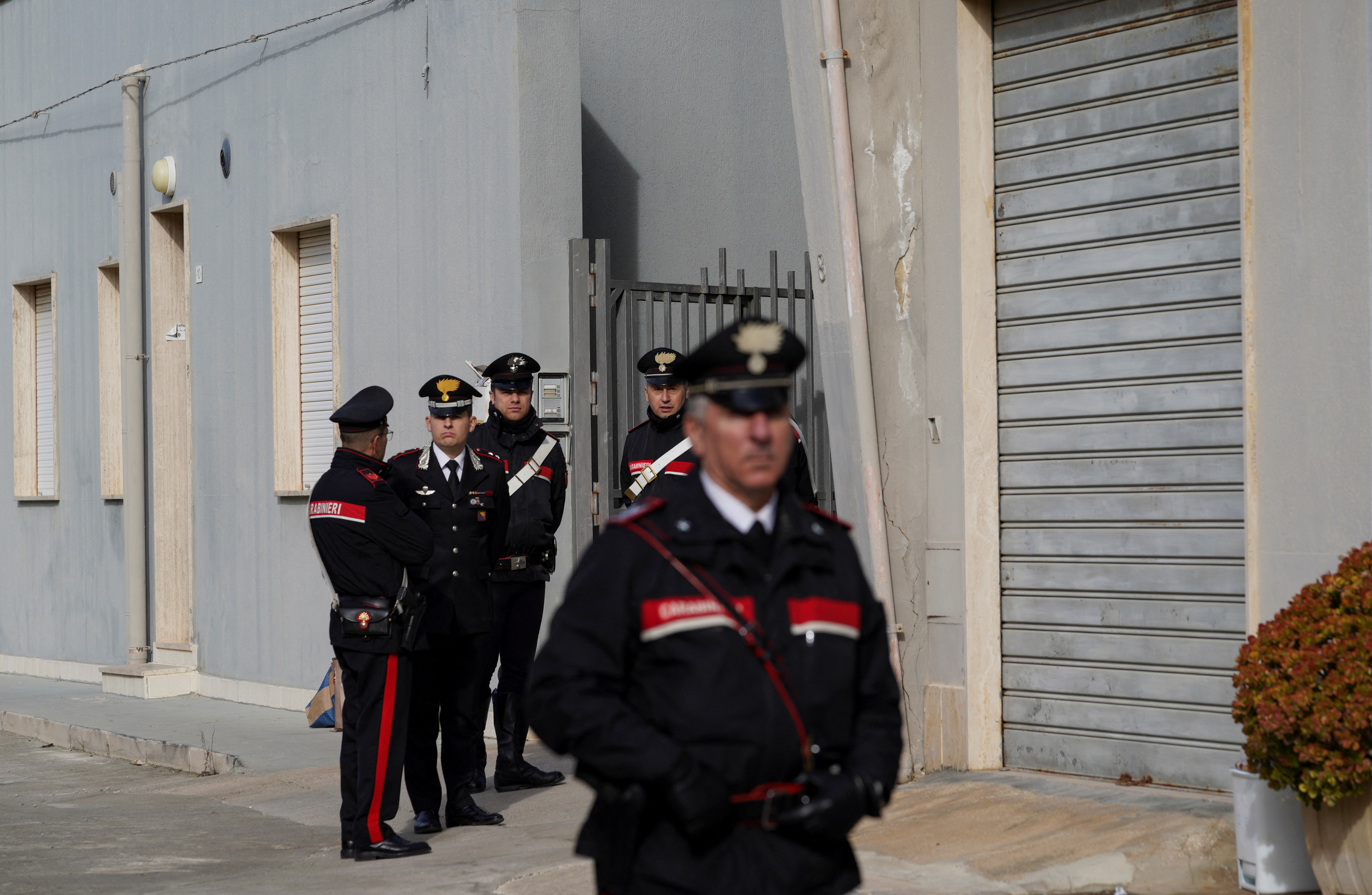
Carabinieri police stand guard near the hideout of Matteo Messina Denaro, Italy’s most wanted mafia boss, after he was arrested, in the Sicilian town of Campobello di Mazara, Italy, January 17, 2023. REUTERS/Antonio Parrinello

Carabinieri police stand guard near the hideout of Matteo Messina Denaro, Italy’s most wanted mafia boss, after he was arrested, in the Sicilian town of Campobello di Mazara, Italy, January 17, 2023. REUTERS/Antonio Parrinello

A screengrab taken from a video shows an entrance to the hideout of Matteo Messina Denaro, the country’s most wanted mafia boss, in the Sicilian town of Campobello di Mazara, Italy, January 17, 2023. Carabinieri/Handout via REUTERS ATTENTION EDITORS – THIS IMAGE HAS BEEN SUPPLIED BY A THIRD PARTY.

Carabinieri police stand guard near the hideout of Matteo Messina Denaro, Italy’s most wanted mafia boss, after he was arrested, in the Sicilian town of Campobello di Mazara, Italy, January 17, 2023. REUTERS/Antonio Parrinello

Carabinieri police stand guard near the hideout of Matteo Messina Denaro, Italy’s most wanted mafia boss, after he was arrested, in the Sicilian town of Campobello di Mazara, Italy, January 17, 2023. REUTERS/Antonio Parrinello
Categories
Audio Sources - Full Text Articles

Iran“s “death committee“ president unyielding in defence of clerical rule

2023-01-18T02:19:26Z

As a young prosecutor in Tehran, Ebrahim Raisi sat on a “death committee” overseeing the execution of hundreds of political prisoners in the Iranian capital, rights groups say.

Now president three decades later, and seen by many as Iran’s potential next Supreme Leader, Raisi is presiding over an uncompromising response to domestic and international challenges which have seen Iranian courts pass dozens of death sentences.

Four people have been hanged after being convicted on charges related to popular unrest that erupted in September over the death in police custody of Mahsa Amini, a 22-year-old Kurdish Iranian woman. On Saturday, Iranian media said former Defence Ministry aide Alireza Akbari was executed for spying.

The executions triggered condemnation from Europe and the United States, but Raisi has insisted that “identification, trial and punishment” of all those who authorities believe were involved in violence will continue.

“The executions are aimed at creating a republic of fear in which the people don’t dare to protest and the officials don’t dare to defect,” said Ali Vaez, the International Crisis Group think-tank’s Iran Project Director.

Akbari, who had acquired British nationality and was living abroad, was “lured back” and arrested three years ago, Britain’s foreign minister James Cleverly said this week.

Raisi is overseeing an unyielding crackdown on the unrest, in which campaigners say more than 500 protesters and dozens of security force personnel have been killed, echoes his role in a purge of political prisoners in 1988.

Then, in a few weeks following the July ceasefire which ended eight years of war with Iraq, Iranian authorities conducted secret mass executions of thousands of imprisoned dissidents and opponents of the Islamic Republic.

Inquisitions, known as “death committees”, were set up across Iran comprising religious judges, prosecutors and intelligence ministry officials to decide the fate of thousands of detainees in arbitrary trials which lasted just a few minutes, according to a report by Amnesty International.

While the number of people killed across the country was never confirmed, Amnesty said minimum estimates put it at 5,000.

Raisi, then deputy prosecutor general for Tehran, was a member of the capital’s death committee, according to Amnesty.

Human Rights Watch, in a report published last year, quoted a prisoner saying he saw Raisi at a prison outside Tehran and that Raisi would go to the execution site to ensure the process was carried out correctly.

Asked in 2021 about allegations he was involved in the killings, Raisi said: “If a judge, a prosecutor has defended the security of the people, he should be praised … I am proud to have defended human rights in every position I have held.”

The presidential office did not immediately respond to a request for comment on this article.

Iranian officials acknowledged the executions but played down the scale. In February 1989, President Akbar Hashemi Rafsanjani said that “less than 1,000 were executed”. In 2016, another member of the Tehran “death committee” said, “We are proud to have carried out God’s order,” state media reported.

“Raisi has been brought up as president for a few reasons, including his brutality, loyalty, and lack of conscience. He showed these characteristics in 1988,” said Saeid Golgar of the University of Tennessee at Chattanooga.

“He is entirely on board with political repression.”

SANCTIONED BY U.S.

Raisi was born in 1960 to a religious family in Iran’s northeastern Shi’ite Muslim city of Mashhad. He lost his father at the age of five, but followed his footsteps to become a cleric.

As a young student at a religious seminary in the central holy city of Qom, he joined protests against the Western-backed Shah in the 1979 revolution. Later his contacts with religious leaders in Qom made him a trusted figure in the judiciary.

Raisi served as deputy head of the judiciary for 10 years, before being appointed prosecutor-general in 2014. Five years later, the United States imposed sanctions on him for human rights violations, including the 1980s executions.

Seeking the presidency, Raisi lost to pragmatic incumbent Hassan Rouhani in a 2017 election. His failure was widely attributed to a then 28-year-old audio tape that surfaced in 2016 and purportedly highlighted his role in the executions.

In the recording, the late Ayatollah Hossein Ali Montazeri, then deputy supreme leader, spoke of the killings. Montazeri’s son was arrested and jailed for releasing the tape.

Raisi’s 2021 presidential campaign ended in a victory which brought all branches of power in the country under the control of hardliners loyal to Supreme Leader Ayatollah Ali Khamenei for the first time in years.

His election win appeared to burnish Raisi’s chances of one day succeeding the 83-year-old Khamenei, but some analysts and insiders believe that his failure to boost an ailing economy and his foreign policy difficulties have damaged his prospects.

Khamenei, not the president, has the final say on all major policy under Iran’s dual political system split between the Shi’ite clerical establishment and the government.

Raisi “is not driving the repression. He’s an instrument of it,” ICG’s Vaez said.

But his hardline stance, closely aligned with Khamenei, helped guide policy abroad as well as at home.

Since his election, Iran has played hardball in negotiations to salvage its tattered nuclear deal with world powers, betting it has the leverage to win wide sanctions relief in return for curbs on its increasingly advanced uranium enrichment technology.

Khamenei threw his weight behind the original 2015 deal negotiated by the government of pragmatist Rouhani, winning a temporary lifting of Iran’s economic and political isolation.

But in 2018 then-President Donald Trump withdrew the United States from the pact and reimposed sanctions, saying the deal – reached before he took office – was too lenient on Tehran.

Related Galleries:

Iranian President Ebrahim Raisi speaks during a meeting with the families of the security forces killed during the Iran’s protests, in Tehran, Iran, December 9, 2022. Presidential Website/WANA (West Asia News Agency)/Handout via REUTERS

Iranian President Ebrahim Raisi speaks during a meeting with the families of security forces killed during protests in Iran, in Tehran, Iran, December 9, 2022. Presidential Website/WANA (West Asia News Agency)/Handout via REUTERS

Iranian President Ebrahim Raisi meets with the new chief commander of the Iranian police force, Ahmad-Reza Radan, in Tehran, Iran, January 14, 2023. Presidential Website/WANA (West Asia News Agency)/Handout via REUTERS
Categories
Audio Sources - Full Text Articles

The female ghoul of Yarkon Park

PikiWiki_Israel_71587_yarkon_national_pa

איך האָב זײער גיך פֿאַרשטאַנען אַז דאָס פֿאָרן מיט אַ ראָװער דורכן פּאַרק הירקון, אין צפֿון תּל־אָביב, איז נישט קײן לײַכטע זאַך. אַן אָן־סופֿיקע בלאָנדזשערײַ פֿירט אײַך אַהין און אַהער, אַריבער צװײ שלעפֿעריקע טײַכן און אונטער עטלעכע שאָסײען, געװײנטלעך אָנגעפּאַקט מיט קװיטשענדיקן געפֿאָר.

דאָנערשטיק נאָך מיטאָג – דער סוף פֿון אַ װאָך אָנגעשטאָפּט מיט רעפֿעראַטן װעגן ייִדישן פֿאָלקלאָר – האָב איך פֿאַרבראַכט אין מײַן באַליבטסטן רעסטאָראַן „יוליאַ“, אינעם געגנט פֿון דעם אַלטן פּאָרט, לעבן פּאַרק הירקון. אָבער סאַראַ היץ! ס׳האָט זיך מיר געדאַכט אַז דרײַ אַ זײגער זיץ איך אין אַ מידבר אין סאַמע צענטער הױפּטשטאָט פֿון שװיצלאַנד. ס׳אַרט מיך נישט – יעדערער שװיצט אין יולי. שפּעטער, װען איך האָב שוין נישט געקענט אַראָפּנעמען די אױגן פֿונעם ברױזיקן ים מיט דער אונטערגײענדיקער זון, װען עס איז שױן געװאָרן בין־השמשות־קילער, זײַנען אַרײַנגעקומען אין רעסטאָראַן אַזױ פֿיל משפּחות און געשעפֿט־גרופּעס אַז איך, אַן אײנציקער, האָב מער נישט געקענט האַלטן מײַן טיש נאָר פֿאַר זיך. חוץ דעם איז פֿיר שעה שױן געװען גענוג צײַט װאָס איך מאַך אַן אָנשטעל אַז איך שרײַב טאַקע.

געסילוקט דעם חשבון, האָב איך אױפֿגעשלאָסן דעם ראָװער,  און אָנגעשטעלט „גוגל“ אַז ער זאָל מיך פֿירן צו מײַן געדונגענעם צימער אין רמת גן. װי געװײנטלעך, האָט ער צו ערשט זיך געלאָזט אין װעג אַרײַן דורך די טומלדיקע געזעמלעך אױפֿן ים־פּראָמענאַד („אין צװײ הונדערט מעטער, פֿאַרקערעווע זיך אױף רעכטס, דערנאָך אױף לינקס“) , װײַטער איבער דער שמאָלער בריק אין פּאַרק הירקון אַרײַן („פֿאַרקערעווע זיך אױף לינקס, דערנאָך אױף רעכטס“), און פֿון דאָרטן, אױף זײַן שײַנענדיקן עקראַן, האָט ער מיר אָנגעװיזן דעם ריכטיקן װעג, דורך די שטילע, נישט־לאַנג פֿאַרלאָזטע סטעשקעס. „אַ דאַנק, גילגול!“ האָב איך זיך געחכמהט.

נישט װײַט פֿונעם בנין „המועצה לישׂראל יפֿה“ (ד״ה, דער „ראַט פֿון אַ שײן ישׂראל“) האָבן זיך דרײַ שאַקאַלן זײער רויִק שאַטײַעט פֿאַר מיר אַריבער דעם װעג. עטלעכע פֿון מײַנע חבֿרים, װאָס װױנען אין צפֿון תּל־אָביב און הערן אַלע אָװנט דאָס יעלהן פֿון די שאַקאַלן, האָבן מיך לעצטנס באַרויִקט אַז איך דאַרף נישט מורא האָבן. די שאַקאַלן זײַנען נישט װי װעלף. אָבער עס האָט זיך מיר געדאַכט, אינעם דריקנדיקן פֿינצטערניש, אַז די דאָזיקע שאַקאַלן האָבן פֿױגלקעפּ… „אַן איבעראַקטיװער כּוח־המדמה,“ האָב איך דערהערט פֿון ערגעץ װוּ.

דערנאָכדעם האָט גילגול באַפֿוילן: „פֿאַרקערעווע זיך אױף רעכטס,“ און איך האָב אָנגעהױבן אַרױפֿצוקריכן מיטן ראָװער אױף דער „ראָש־ציפּור“־בריק װאָס שפּאַנט איבער די טײַכן, דאָס הײסט, דעם ירקון און איילון. אַ גליק װאָס איך האָב געהאַט אַ שטאַרקע פֿאָדערליכט אױף מײַן ראָװער, װײַל דער בריקװעג האָט זײער שאַרפֿע בײגן. אַרױף, אַריבער גלאַט, און אַראָפּ. אָבער…טשיקאַװע. צי האָב איך טאַקע פֿאַרזען אַז ס׳איז דאָ אַ דריטער טײַך? איך האָב געהערט פֿון גאָר אונטן דאָס פֿיצקען פֿון װילדן װאַסער. קױם װאָס איך האָב געכאַפּט די לעצטע װערטער פֿון גילגול אַראָפּגעקומענדיק בײַם ברעג טײַך: „פֿאַרקערעווע זיך אױף רעכטס. זײַ מיר געזונט. דאָס װײַטער איז נישט מײַן באָבעס עסק.“ און דער עקראַן האָט זיך פֿאַרלאָשן.

אָן גילגול װי אַ װעגװײַזער, האָב איך זיך אָפּגעשטעלט ניט װײַט פֿונעם עק בריקראַמפּע. אַ שװערע מראַקע האָט מיך אַרומגערינגלט, דעריבער האָב איך נישט געקענט זען אָדער הערן דעם טײַך. דערצו איז קײן סטעשקע נישט געװען. איך האָב דערפֿילט באַװעגונגען אין דער נאָענט… און װאָס נעענטער. איז פּלוצעם אַלץ געשען אַזױ גיך, אַז איך האָב נישט געהאַט קײן צײַט צו שױדערן. באַלײַכט דורך דער פֿאָדער־ליכט פֿון מײַן ראָװער – אַנטקעגן מיר, צענדליקער שאַקאַלן.

„פֿאָרט נאָך אונדז!“ האָט פֿאַרלאַנגט אַ שאַקאַל צװישן זײ מיט אַ פֿױגלקאָפּ, און די זיך באָרבלענדיקע סטײַע האָט מיך שטילערהײט דערפֿירט צו אַ פּאָליאַנע אַרום נישט קײן קלײנער כאַטע. פֿאַר דער כאַטע, באַהעלט פֿון דער מנוחהדיקער שײַן פֿון צװעלף נאַפֿטלאָמפּן, איז געשטאַנען עפּעס אַ בריאה. די שאַקאַלן זײַנען פֿאַרשװוּנדן געװאָרן.

„שלום-עליכם, רב ייִד, צום סוף ביסטו אָנגעקומען,“ האָט ער מיך באַגריסט. איך בין אַראָפּ פֿון ראָװער. כאָטש איך האָב אין יענעם מאָמענט געמײנט אַז דער בעסטער פּלאַן װאָלט געװען אַװעקצולױפֿן, װוּהין זאָל איך אָבער לױפֿן? אַן אױפֿגעציטערטער האָב איך דערזען, אונטער אַ לאַנגער קאַפּאָטע, זײַנע גענדזענע פֿיס. אָט די װערטער פֿון באַשעװיס, װאָס מיר האָבן דעם טאָג געהאַט געלײענט אין קלאַס, האָב איך זיך פּלוצלינג דערמאָנט: שװאַרץ װי פּעך, לאַנג װי אַ לאָפּעטע, מיט אײזלשע אױערן, הערנער פֿון אַ באָק, אַ מױל פֿון אַ פֿראָש, אַ באָרד פֿון אַ ציג. אַ דערשראָקענער האָב איך אױסגעשריגן: „ דו ביסט אַ שד!“

„אוּוואַ! כ׳בין צופֿרידן אַז מיר דוצן זיך שױן!“ האָט ער זיך צעלאַכט. „נו, זיץ. הײַנט האָסטו געשװיצט אין דער היץ.“ זײַן פֿראָש־מױל האָט אַ שמײכל געגעבן. אױפֿשױדערנדיק האָב איך זיך אַװעקגעזעצט אױף אַ בענקל װאָס האָט זיך געיאַװעט פֿאַר מיר. „צי װײסטו אַז שדים האָבן ליב גראַמען? איך בין זיך מחיה אַז דו האָסט אױך ליב גראַמען,“ האָט ער געזאָגט און דערנאָך, ווײַזנדיק מיט די הערנער צו דער כאַטע, צוגעגעבן: „װײַל גראַמען געפֿעלן איר נישט.“

איך האָב געהאַלטן בײַם זאָגן אַז איך האָב גאָרנישט נישט געזאָגט װעגן גראַמען, װען ער האָט זיך אַלײן איבערגעהאַקט. „װאָס זאָג איך? שדים.“ זײַן קול איז אַ ביסל פֿאַרטױבט געװאָרן. „ס׳זײַנען מער נישטאָ קײן שדים.“ ער האָט געשאַרט מיט די פֿיס פֿון זײַט צו זײַט.

איך האָב זיך געשטאַרקט מיט אַלע כּוחות און קװענקלענדיק געפֿרעגט: „װאָס מײנסטו אַז עס זײַנען מער נישטאָ קײן שדים? ביסטו דער לעצטער? װי אַזױ? פֿון װאַנען שטאַמסטו?“

„ אַזױ פֿיל פֿראַגעס! איך בין אַ לובלינער,“ האָט ער שטאָלץ געמאַכט, „אָבער אַשמדאַי האָט מיך געשיקט אױף אַ שליחות ערגעץ אין אַ העק. יאָ, אין דער העק טישעװיץ. מיט דער הילף פֿון אַ שרעטל האָב איך געפּרוּװט אַרײַננאַרן עפּעס אַ נײַ רבֿל. ער האָט זיך לעצטנס אַריבערגעקליבן קײן טישעװיץ מיט זײַן װײַב. אַ נעכטיקער טאָג! ער האָט מיך אָפּגענאַרט. מיך!“ ער האָט געגלעט די באָרד מיט מאַניקורירטע נעגלעך.

 „צוליב דעם — האָט ער אָפּגעזיפֿצט —איז אַ באַפֿעל געקומען אַז איך זאָל בלײַבן אין געהאַקטע צרות אין טישעװיץ. ׳ריר דיך נישט אַרױס װײַטער װי אַ תּחום־שבת! אױס לובלין! בין איך געבליבן שטעקן אין דער העק.“

װאָס פֿאַר אַ חידוש. צי האָב איך זיך דאָס אױסגעמאָלט? צי האָב איך טאַקע געזען טרערן אין זײַנע אױגן – אױגן װאָס האָבן נישט געהאַט קײן װײַסלען? „אױ טישעװיץ!“ האָט ער פּלוצלינג אַ קרעכץ געטאָן.

איר פֿאַרשטײט, טײַערע לײענערס, אַז דאָס רעדן מיט אַ שד איז נישט קײן לײַכטע זאַך. איך האָב געפֿונען אין מײַן פּעקל אַ פֿלעשל װאַסער. נאָך אַ שלוק, האָב איך געפֿרעגט: „אָבער דאָ איז תּל־אָביב? אמת?“

ער האָט מיך געהערט װי דעם קאָטער. פֿאַרטיפֿט אין זײַנע מחשבֿות, האָט ער געזאָגט: „כ׳האָב אַלץ בײַגעװױנט. חורבן טישעװיץ, חורבן פּױלן. מ׳דאַרף מער נישט קײן שדים. פֿאַרטיליקט. פֿאַר װאָס בין איך אַ לעבן געבליבענער – װײס איך נישט… אַלץ האָט זיך געביטן.“ ער האָט אױפֿגעהערט שאַרן מיט די פֿיס.

„אָבער איצט ביסטו דאָ, אין תּל־אָביב, אמת?“

„יאָרן לאַנג בין איך געבליבן אין טישעװיץ – אײביק מיט אַ מיטװאָך. צום סוף האָב איך זיך אײַנגערעדט אַז אַשמדאַי האָט פֿאַרגעסן אין מיר. גיך בין איך אַװעקגעפֿלױגן – װײַט, הױך, װײַטער, העכער – און פּונקט אין דעם מאָמענט װען איך האָב זיך געפֿרעגט: „װוּהין פֿליסטו?“ האָב איך דערהערט אַ טראַסק און דערזען אַ פֿאַרבלענדנדיק ליכט. כ׳בין אַראָפּגעפֿאַלן דאָ.“ דעמאָלט האָט ער שטילערהײט צוגעגעבן: „אפֿשר האָט אַשמדאַי מיך באַשטראָפֿט מיט אַ געפֿערלעכן שליחות?“

„אַ שליחות דאָ, אין תּל־אָביב?“

 „זי רופֿט עס עפּעס אַנדערש.“ ער האָט נאָך אַ מאָל געוויזן מיט די הערנער צו דער כאַטע. „זאָרג זיך נישט. דו ביסט נאָך אין פּאַרק הירקון.“

זאָרג זיך נישט. דאָס איז טאַקע געװען קאָמיש. איך שמועס מיט אַ שד ערגעץ װוּ אין פּאַרק הירקון. װי קען איך זיך ניט זאָרגן? „איר האָט , פּאַניע, שױן צװײ מאָל דערמאָנט אַ פֿרױ. װער איז זי?“

„פּאַניע!“ האָט ער אונטערגעשמײכלט, און איך האָב געכאַפּט דעם ריח פֿון אַן אָפּגאַנג. „פֿאַרגעס נישט װאָס איך בין! זי איז אַ פֿרױ, יאָ, אָבער װאָס פֿאַר אַ פֿרױ? אַ גולע – אַ טײל פֿון דעם פּאַלעסטינער פֿאָלקלאָר. די גולע װױנט אין אָט דער כאַטע. פֿאַרשטײסטו פֿאַר װאָס דער מצבֿ איז אַ געפֿערלעכער?“

איך האָב געװאָלט ענטפֿערן, אָבער עס האָט מיך נישט געפֿאָלגט די צונג. האָב איך געשאָקלט מיטן קאָפּ אױף נײן.

„בהמה!“ האָט ער אױסגעשפּיגן. „װײַל געװײנטלעך קענען זיך בריאות פֿונעם פֿאָלקלאָר פֿון פֿאַרשײדענע פֿעלקער ניט טרעפֿן!“ איך האָב באַמערקט אַז זײַנע נעגלעך האָבן גענומען װאַקסן און גרײַזלען.

אַזױ רויִק װי מעגלעך, האָב איך תּיכּף־ומיד געזאָגט: „מחילה, איך בעט דיך מחילה. כ׳פֿאַרשטײ, כ׳פֿאַרשטײ!“ כאָטש באמת האָב איך נישט פֿאַרשטאַנען גאָרנישט. „אַ גולע? װאָס פֿאַר אַ בריאה איז דאָס?“

„פֿײַן. מיר דוצן זיך, נאָך אַ מאָל. אױב דו געפֿעלסט איר נישט װעט זי דיך צערײַסן אױף שטיקער און… אָפּעסן.“

איך האָב נערװעיִש געגעבן אַ קוק אױף דער כאַטע. „זי איז איצט אין דער הײם?“

„נײן, איצט קאַראַפּקעט זי זיך דורך די צעשאַרטע חלומות פֿון איר פֿאָלק בכדי זי זאָל נישט פֿאַרגעסן װערן. באַלד װעט זי אַהײמקומען. די יללות פֿון די שאַקאַלן זײַנען אַ סימן אַז זי איז שוין כּמעט אָנגעקומען.”

„און… כ׳מעג פֿרעגן אױב איר זײַט אַ פּאָרל?“

נאָך אַ מאָל האָט ער זיך אָנגעברוגזט. „ס׳איז נישט דײַן עסק!  ס׳װאָלט זײַן בעסער צו פֿרעגן װי אַזױ דו קענסט אױסמײַדן דײַן גורל װי אַן אָפּגעגעסענער!“

אױפֿגערעגט האָב איך זיך פֿאַרענטפֿערט: „איך װײס נישט װאָס דו װילסט פֿון מיר, שד. כ׳בין  אַ ייִד פֿון אַ גאַנץ יאָר, אַ פֿרעמדער, װאָס האָט ליב שפּאַצירן אױף אַ ייִדישער גאַס, טראָגן אַ מגן־דוד אָן קיין שום אַנגסט, זיצן אױף אַן אָפּערע אַרומגערינגלט מיט אַ ייִדישן עולם, לײענען װעגן פֿאָלקלאָר אין אַ זומערקורס אין אַ ייִדישן אוניװערסיטעט… איך װיל זיך נישט טרעפֿן מיט קײן גולע! “

דער שד האָט מיך געװאָרנט: „היט זיך די בײנער!“

„איך װײס שױן װאָס איז דער עיקר,“ האָב איך ממשיך געװען. „מער פֿאַר אַלץ, זיכערקײט. זיכערקײט און רויִקײט דורכן גאַנצן לאַנד… מע טוט װאָס מע דאַרף טאָן – בעסער אַז מע זאָל ניט וויסן װאָס געשעט.“ נאָך אָט די װערטער מײַנע, האָט אַ פּחדימדיקע שתּיקה אַרויפֿגעבליט אַרום דער פּאָליאַנע.

פֿאַר מיר האָבן זיך געיאַװעט אַ טיש, מיט פּאַפּיר און אַ בלײַער. „באַלד װעט אַהײמקומען די גולע,“ האָט דער שד געבראָכן דאָס שװײַגעניש. „זיכער װעט זי װעלן רעדן מיט דיר װעגן זיכערקײט… און אַנדערע זאַכן. לאָמיר האָפֿן אַז זי װעט דערפֿילן אַז דו פֿאַרשטײסט איר צרה. פֿון דעסט װעגן, לײג איך פֿאָר אַז דו זאָלסט שרײַבן אַלץ װאָס האָט פּאַסירט זינט דו ביסט אַװעק פֿונעם רעסטאָראַן. עס קען זײַן אַז דײַן שרײַבעכץ װעט העלפֿן אַן אַנדערן.“

עס האָט זיך מיר געדאַכט אַז ער האָט טרױעריק צוגעגעבן: „און אָט דאָ איז אַ לעצטע מתּנה פֿון מיר. אַ גראַם. עס איז אַ נאַכט אַזאַ, װען שטערן װילן װײנען…עס איז אַ נאַכט אַזאַ, װאָס עס לײַטערן זיך די מײנען. שײן, נײן?“ נאָך די מאָדנע װערטער, האָט ער זיך אומגעדרייט, אױסגעשריגן: „אַשמדאַי, צו אַל די שוואַרצע יאָר!“ און גענומען זיך שאַרן צו דער כאַטע.

טײַערע לײענערס, איך װיל באמת שרײַבן װײַטער. אָבער איך האָב נאָר װאָס דערהערט די יללות פֿון די שאַקאַלן.

The post The female ghoul of Yarkon Park appeared first on The Forward.

Categories
Audio Sources - Full Text Articles

The Week That Will Be

TWTWBB_19_0.png

Event Announcements

Wednesday, Jan. 18, 2023, at 2:00 p.m. ET: The Brookings Institution and the Project on Constitutional Originalism and the Catholic Intellectual Tradition at Catholic University will host a panel discussion on the long-term viability of pluralist liberal society amidst renewed criticism of liberalism. Panelists include William A. Galston, Ezra K. Zilkha Chair in Governance Studies at the Brookings Institution and Robert P. George, McCormick Professor of Jurisprudence at Princeton University. The conversation will be moderated by J. Joel Alicea, assistant professor of law at the Catholic University of America.

Wednesday, Jan. 18, 2023, at 3:00 p.m. ET: The Brennan Center for Justice at NYU School of Law will host a panel discussion on how little-known laws have enabled hostilities in the name of “security cooperation.” Panelists for the event, which is called “Secret War: Unauthorized Combat and Legal Loopholes,” include Katherine Yon Ebright, Counsel, Brennan Center Liberty & National Security Program, Oona Hathaway, Professor of Law, Yale Law School, and Wesley Morgan, Journalist and Author, “The Hardest Place: The American Military Adrift in Afghanistan’s Pech Valley.” The conversation will be moderated by Elias Yousif, Research Analyst, Conventional Defense, Stimson Center.

Thursday, Jan. 19, 2023, at 10:00 a.m. ET: The Center for Strategic and International Studies (CSIS) will host a discussion on the current state and future of the Russian economy under international sanctions. The event will feature remarks from CSIS Senior Fellows Maria Snegovaya and Ben Cahill, as well as  Sergey Aleksashenko, an economist and member of the Board of the Boris Nemtsov Foundation for Freedom. It  will be moderated by Max Bergmann, director of the Europe Program and the Stuart Center in Euro-Atlantic and Northern European Studies at CSIS. 

Thursday, Jan. 19, 2023, at 10:00 a.m. ET: The Atlantic Council will host a panel discussion to examine innovations in international payments infrastructure, digital currencies, and their interaction with traditional payment platforms. Panelists include: Frederico Grinberg, economist in payments, currencies, and infrastructure division in the Monetary Capital Markets Department at the Internal Monetary Fund; Nick Kerigan, head of innovation execution at the Society for Worldwide Interbank Financial Telecom; R. Jesse McWaters, senior vice president and global head of regulatory advocacy at Mastercard; and Nasreen Quibria, senior director and head of cross-border policy engagement at Visa. The discussion will be moderated by Ananya Kumar, associate director of the Atlantic Council’s GeoEconomics Center. Josh Lipsky, senior director of the Atlantic Council’s GeoEconomics Center, will provide opening remarks.

Thursday, Jan. 19, 2023, at 12:30 p.m. ET: The Atlantic Council will host a conversation with Gen. Laura J. Richardson, commander of the U.S. Southern Command, about security issues across the Americas, and new strategies for the U.S. Southern Command to promote security in Latin America and the Caribbean. The event will be moderated by Courtney Kube, NBC news correspondent covering national security and the Pentagon. Michael Andersson, board director of the Atlantic Council, will deliver welcome remarks, and Adrienne Arsht, executive vice chair of the Atlantic Council board, will deliver introductory remarks.

Friday, Jan. 20, 2023, at 3:30 p.m. ET: The Center for Strategic and International Studies will host an event featuring a discussion of Suan Shirk’s book, entitled “Overreach: How China Derailed Its Peaceful Rise.” Shirik, chair of the 21st Century China Center at UC San Diego’s School of Global Policy & Strategy, and Jude Blanchette, CSIS Freeman chair in China studies, will discuss how the politics and history of post-Mao China provide insight into the country’s turn away from peaceful development.

Employment Announcements (More details on the Job Board)

Coalition Manager, Integrated Harm Reduction, R Street Institute

Fall 2024 Student Volunteer Program, U.S. Cyber Command

Program Officer, National Governing Institutions, The Hewlett Foundation

Research Assistant, Digital Innovation and Democracy Initiative

Professor of Practice for National Security, Cybersecurity, and Foreign Relations Law, The George Washington University Law School

Impact Associate/Paralegal, Protect Democracy

Research Assistant, National Security Institute, Antonin Scalia Law School at George Mason University

Request for Resumes, Department of Defense Office of the General Counsel

Categories
Audio Sources - Full Text Articles

Sinema and Manchin high-five over supporting the filibuster at World Economic Forum in Davos

World Economic Forum's 2023 Davos panel where Sens. Manchin and Sinema spoke and high fived.Sens. Manchin and Sinema high five over support for the filibuster at World Economic Forum’s American (Un)Bound 2023 Davos panel.

World Economic Forum American (Un)Bound

  • Sens. Kyrsten Sinema and Joe Manchin high-fived over their support for the filibuster on Tuesday.
  • The pair were speaking at the World Economic Forum in Davos, Switzerland.
  • Sinema said the 2022 election showed Democrats were wrong to oppose the Senate rule.

That the United States held a free and fair election in 2022 is evidence that Kyrsten Sinema was right to support a rule that prevents most legislation from passing the Senate without a 60-vote supermajority, or so the newly independent senator from Arizona argued while speaking in Davos on Tuesday.

Sinema, a former Green Party activist turned centrist, left the Democratic Party following last year’s vote. Speaking at the World Economic Forum in Switzerland, she attributed the move to her opposition to the two-party system and extremism on the left and right.

Collaboration between opposing political forces, she suggested, is also what motivates her support for the filibuster, which since 1975 has required three-fifths of the Senate chamber to support ending a floor debate in order to proceed to a vote on most major legislation — a fact that stymied efforts by President Joe Biden and congressional Democrats to pass a voting-rights bill in the last session.

Biden himself called for filibuster reform in order to pass the voting-rights package, which would have required states to speed up the pace of counting mail-in ballots, require automatic voter registration for those who obtain a driver’s license, and other measures intended to protect election workers from harassment.

“As we all know,” Sinema, flanked by West Virginia Democratic Sen. Joe Manchin, said Tuesday, “the filibuster was not eliminated. Joe and I were not interested in sacrificing that important guardrail for the institution.”

Supporters of the filibuster maintain that it encourages bipartisanship, with both parties typically having to work together in order to reach that 60-vote threshold. Opponents argue that it actually contributes to the dysfunction of Congress, preventing the winners of an election from pursuing much of their agenda.

Sinema, for her part, argued that the last election — held after the failure to pass voting legislation — showed that the two senators were right for supporting the Senate status quo.

“We had a free and fair election, so one could posit that the push by one political party to eliminate an important guardrail in an institution in our country may have been premature or overreaching in order to get the short-term victories they wanted,” Sinema said.

At the end of her remarks, Manchin chimed in: “We still don’t agree on getting rid of the filibuster.”

“That’s correct,” Sinema responded. The two then high-fived.

Read the original article on Business Insider
Categories
Audio Sources - Full Text Articles

Man accusing Matt Schlapp of sexual battery claims in suit the former Trump advisor’s wife defamed him by telling a neighborhood group chat he was a ‘troubled individual’

Matt Schlapp trumpPresident Donald Trump is greeted by Matt Schlapp, Chairman of the American Conservative Union, as the president arrives to speak at the Conservative Political Action Conference, CPAC 2020, at National Harbor, in Oxon Hill, Md., Saturday Feb. 29, 2020.

Jacquelyn Martin/AP

  • An anonymous accuser claimed Matt Schlapp and his wife defamed him, per a lawsuit filed Friday.
  • The accuser came forward with allegations of sexual battery against Schlapp to the media.
  • In one text purportedly sent by Schlapp’s wife, she calls the accuser a “troubled individual.” 

Following public allegations of groping against GOP organizer Matt Schlapp, the unnamed accuser who came forward also accused Schlapp and those around him of trying to defame his character. 

The complaint filed Tuesday and reviewed by Insider accuses Schlapp of sexual battery and he and his wife, Mercedes Schlapp, of defamation and conspiracy against the accuser. The accuser is seeking $6.85 million as well as punitive damages, for legal costs as well as for suffering “embarrassment, humiliation, distress, and reputational harm.”

The accuser, a former Herschel Walker campaign staff member who first approached The Daily Beast with his claims of sexual battery, said that in October of last year, Schlapp made unwanted advances while they were drinking at a bar and later fondled his genitals as he drove Schlapp home.  

The accuser, a man in his late 30s, chose to stay anonymous, according to the complaint, claiming that the Schlapps “are well known, and in some quarters revered, amongst a portion of the population that has demonstrated a proclivity for threatening violence against those with whom they disagree.”

Schlapp, a former advisor for Donald Trump, and his wife, a former White House strategic communications director for Trump, are both prominent figures in GOP circles. Schlapp is the chairman of the American Conservative Union and organizer of the Conservative Political Action Conference.

Following the public release of the news in January, the lawsuit states that Schlapp and his wife “began a campaign to impugn Mr. Doe’s character.”

An example of this is provided in a screenshot message, purportedly sent by Schlapp’s wife to a neighborhood group chat on January 7, which states that the accuser is a “troubled individual” who had been fired from multiple jobs “including one firing for lying and lying on his resume.” The lawsuit denies these claims.

The lawsuit also alleges that Schlapp worked with other individuals to spread false information about the accuser’s character. 

Charlie Spies, a lawyer for Schlapp, denied the allegations and said in a statement to Insider that Schlapp and his family were “suffering unbearable pain and stress.”

Spies did not verify the veracity of the message said to have been sent by Schlapp’s wife.

A lawyer for the unnamed accuser did not immediately respond to Insider’s request for comment.

Read the original article on Business Insider
WP Radio
WP Radio
OFFLINE LIVE