Categories
Audio Sources - Full Text Articles

The Golden Globes return Tuesday in a 1-year audition

After going dark for a year, the Golden Globes return to the air Tuesday on a one-year audition to try to win back their awards-season perch and relevancy to a Hollywood that shunned the awards after an ethics and diversity scandal.

Stars and studios boycotted last year’s ceremony, which NBC opted not to televise, saying the Hollywood Foreign Press Association needed time to make “meaningful reform.” A year later, much — though not all — of Hollywood appears ready to party, again.

Following red carpet coverage (E! will air it live beginning at 6 p.m. EDT), the broadcast from the Beverly Hilton in Beverly Hills, Calif., starts at 8 p.m. on NBC. For the first time, the show will also be live-streamed, on NBCUniversal’s Peacock. When the Globes were on the brink, NBC reworked its deal with the HFPA, putting the awards on a one-year contract and moving the show to Tuesday from its regular Sunday night spot.

Hosting is comedian Jerrod Carmichael, who won an Emmy last year for his HBO special “Rothaniel.” Eddie Murphy and Ryan Murphy are set to receive tributes. Presenters include Ana de Armas (a nominee for “Blonde”), Jenna Ortega (nominated for “Wednesday”), Billy Porter, Tracy Morgan, Jennifer Coolidge (nominated for “White Lotus”) and Quentin Tarantino. Sean Penn will also introduce a message from Ukraine’s President Volodymyr Zelenskyy.

UNTANGLING THE GLOBES’ MESS

The Globes were plunged into chaos shortly before a largely remote pandemic 2021 awards show when a Los Angeles Times report revealed that the HFPA, then numbering 87 members, had no Black members. A separate New York Times report showed that the group — an often ridiculed collection of little-known foreign journalists based in Los Angeles — paid its members some $3 million in annual salaries, and detailed a litany of ethical lapses in how the organization regularly interacted with potential nominees.

Under mounting pressure, the HFPA pledged to reform, diversified its membership and changed some of the ways it operates. It now has 96 members, including six Black members, along with 103 nonmember voters. Billionaire Todd Boehly purchased the Globes through his Eldridge Industries, and has begun turning the nonprofit group into a for-profit company.

IS ANYONE STILL BOYCOTTING?

Reaction to the Globe nominations last month was muted, with few stars publicly celebrating. But only one nominee has stated emphatically that he will not attend: Brendan Fraser. Though nominated for best actor for his performance in “The Whale,” Fraser said he would not participate in the Globes. In 2018, Fraser said he was groped in 2003 by longtime Hollywood Foreign Press Association member Philip Berk. Berk, who is no longer an HFPA member, denied it.

Eyes will be especially trained Tuesday on Tom Cruise, whose “Top Gun: Maverick” is nominated for best picture, drama. Cruise responded more forcefully to the HFPA revelations than almost anyone in the industry, returning his three Golden Globe awards.

But all studios are again participating in the Globes. As it has for most award shows, viewership to the Globes telecast has cratered. After the 2020 awards were watched by 18.4 million, the 2021 edition managed just 6.9 million, according to Nielsen. Still, the Globes remain a valuable marketing tool for awards contenders, propping up ads for films in the long stretch between the holidays and the Oscars, which air arch 12. Some of this season’s top contenders, including Steven Spielberg’s “The Fabelmans” and Todd Fields’ “Tár,” have struggled attract large audiences.

THE NOMINEES

Martin McDonagh’s feuding friends tale “The Banshees of Inisherin” comes in with a leading eight nominations, including nods for actors Colin Farrell, Brendan Gleeson, Kerry Condon and Barry Keoghan. Daniel Kwan and Daniel Scheinert’s existential action comedy “Everything Everywhere all at Once” is up for six awards, including nods for Michelle Yeoh, Ke Huy Quan and Jamie Lee Curtis.

Several of the past year’s biggest box-office hits are also in the mix. Along with “Top Gun: Maverick,” “Tár” and “The Fabelmans,” the nominees for best picture, drama include James Cameron “Avatar: The Way of Water” and Baz Luhrmann’s “Elvis.”

On the TV side, the public school sitcom “Abbott Elementary” leads with five nominations, including a nod for Quinta Brunson’s lead performance. “The White Lotus,” “Dahmer,” “The Crown,” “Pam & Tommy” and “Only Murders in the Building” all scored four nominations each.

Nominees include: Brad Pitt (“Babylon”), Viola Davis (“The Woman King”), Daniel Craig (“Glass Onion: A Knives Out Mystery”), Angela Bassett (“Black Panther: Wakanda Forever”), Julia Roberts (“Gaslit”), Donald Glover (“Atlanta”), Bill Hader (“Barry”), Selena Gomez (“Only Murders in the Building”), Kevin Costner (“Yellowstone”), Diego Luna (“Andor”) and Bob Odenkirk (“Better Call Saul”).

Categories
Audio Sources - Full Text Articles

China retaliates against South Korea, Japan over COVID curbs

2023-01-10T07:27:22Z

China began retaliating on Tuesday against South Korea and Japan, two of the countries which have imposed COVID-19 curbs on travellers from China, the last major economy to reopen its borders after three years of isolation.

China’s embassy in Seoul said it has suspended the issuance of short-term visas for visitors from South Korea. Japan’s Kyodo news agency reported that Beijing has imposed similar measures against Japan.

China reopened its borders on Sunday, removing the last major restriction that was part of a “zero-COVID” regime which it abruptly began dismantling in early December after historic protests against the curbs.

The frequent lockdowns, relentless testing and various other movement curbs since early 2020 have brought the world’s second-largest economy to one of its slowest growth rates in nearly half a century and caused widespread distress.

With the virus let loose, China has stopped publishing daily infection tallies. It has been reporting five or fewer deaths a day since the policy U-turn, figures that have been disputed by the World Health Organisation and are inconsistent with funeral homes reporting a surge in demand for their services.

The United States, South Korea, France and others introduced testing requirements in response to China’s COVID outbreak.

Some governments have raised concerns about Beijing’s transparency over the scale and impact of its outbreak, as international experts predict at least 1 million deaths in China this year. Washington has also raised concerns about future potential mutations of the virus.

Although Beijing also demands negative COVID test results from anyone landing in China, officials last week threatened retaliation against countries mandating tests for people coming from China.

China’s embassy in Seoul said on its official WeChat account it will adjust its latest visa rules subject to the lifting of South Korea’s “discriminatory entry restrictions” against China.

China has also told travel agencies that it has stopped issuing new visas in Japan, Kyodo said, quoting multiple travel industry sources.

China has dismissed criticism over its data as politically-motivated attempts to smear its “success” in handling the pandemic and said any future mutations are likely to be more infectious but less harmful.

State media on Tuesday continued to downplay the severity of the outbreak.

An article in Health Times, a publication managed by People’s Daily, the Communist Party’s official newspaper, quoted several officials as saying infections have been declining in the capital Beijing and several Chinese provinces.

Kan Quan, director of the Office of the Henan Provincial Epidemic Prevention and Control, said the infection rate in the central province of 100 million people was nearly 90% as of Jan. 6.

Yin Yong, acting mayor of Beijing, said the capital was also past its peak. Li Pan, deputy director of the Municipal Health Commission in the city of Chongqing said the peak there was reached on Dec. 20.

In the province of Jiangsu, the peak was reached on Dec. 22, while in Zheijiang province “the first wave of infections has passed smoothly,” officials said. Two cities in the southern Guangdong province, China’s manufacturing heartland, reached their peaks before the end of the year.

Financial markets looked through the latest border curbs as mere inconvenience, with the yuan hitting a nearly five-month high on Tuesday.

Although daily flights in and out of China are still a tenth of pre-COVID levels for the moment, businesses across Asia, including South Korean and Japanese shop owners, Thai tour bus operators and K-pop groups are licking their lips at the prospect of more Chinese tourists.

Spending abroad by Chinese shoppers was a $250 billion a year market before COVID.

The retaliation against South Korea and Japan was not the only COVID conflict brewing in China.

State media has also taken a swipe at Pfizer Inc (PFE.N) over the price for its COVID treatment Paxlovid.

“It is not a secret that U.S. capital forces have already accumulated quite a fortune from the world via selling vaccines and drugs, and the U.S. government has been coordinating all along,” nationalist tabloid Global Times said in an editorial.

Pfizer’s Chief Executive Albert Bourla said on Monday the company was in discussions with Chinese authorities about a price for Paxlovid, but not over licensing a generic version in China.

The abrupt change of course in COVID policies has caught many hospitals ill-equipped, while smaller cities were left scrambling to secure basic anti-fever drugs.

Yu Weishi, chairman of Youcare Pharmaceutical Group, told Reuters his firm boosted output of its anti-fever drugs five-fold to one million boxes a day in the past month.

Wang Lili, general manager at another pharmaceutical firm, CR Double Crane (600062.SS), told Reuters that intravenous drips were their most in-demand product.

The company has since Jan. 5 done away with weekends to meet demand.

“We are running 24/7,” Wang said.

Related Galleries:

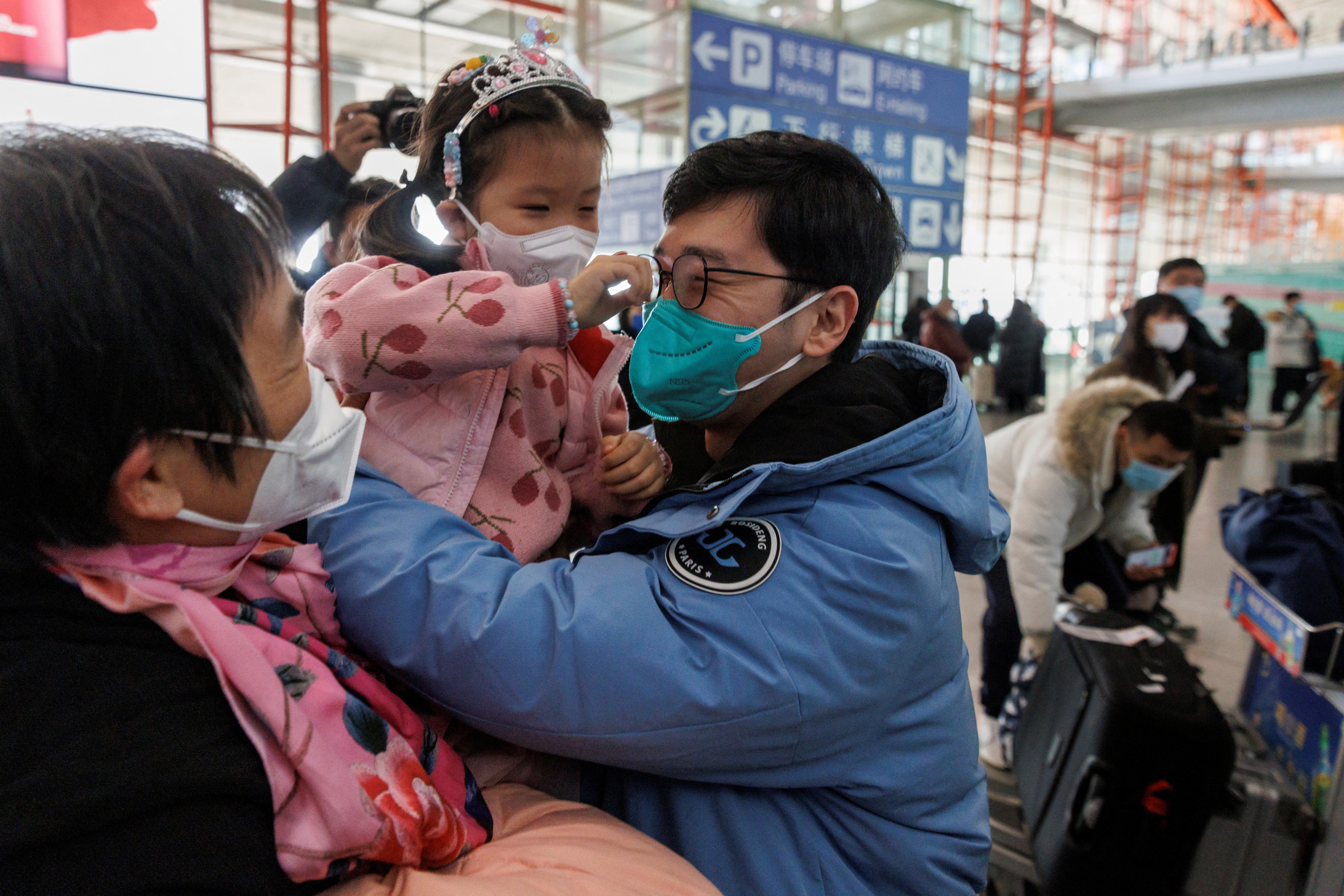
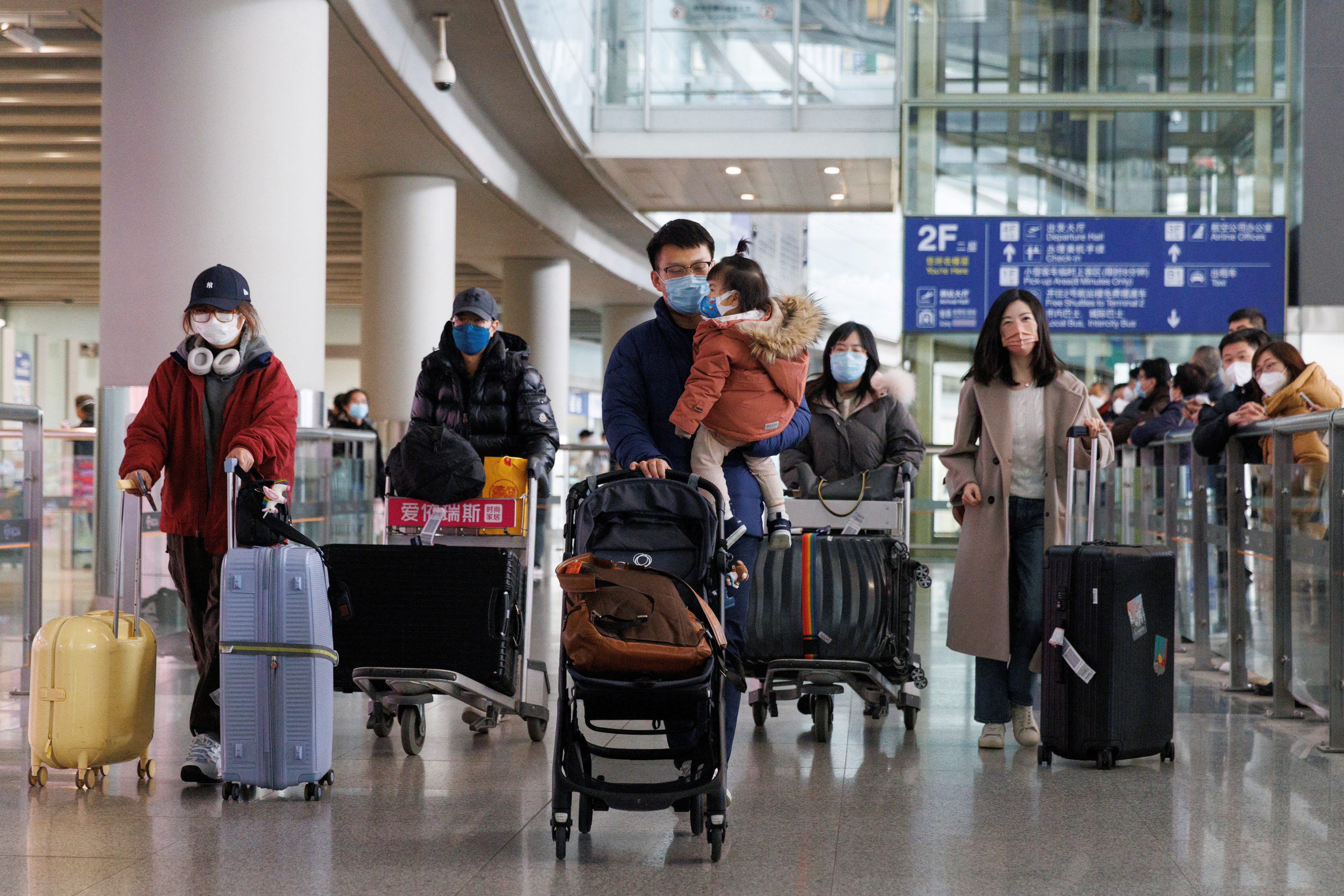
Passengers push their luggage through the international arrivals hall at Beijing Capital International Airport after China lifted the coronavirus disease (COVID-19) quarantine requirement for inbound travellers in Beijing, China January 8, 2023. REUTERS/Thomas Peter

People embrace at the international arrivals gate at Beijing Capital International Airport after China lifted the coronavirus disease (COVID-19) quarantine requirement for inbound travellers in Beijing, China January 8, 2023. REUTERS/Thomas Peter
Categories
Selected Articles

Putin’s Lonely Christmas Amid His Hopeless War

Putin-Christmas.jpeg

It was a striking image for a traditional season of joy and hope: Russian President Vladimir Putin attending the Orthodox Christmas service all alone in one of the Kremlin’s cathedrals. This loneliness stands in contrast with his persistent attempts to show himself actively engaging with subordinates, particularly servicemen—for example, during his visit to the Southern Military District’s headquarters on December 31, 2022 (Kremlin.ru, December 31). These staged performances cannot hide, however, the continuing pattern of Putin’s extreme self-isolation set from the start of the COVID-19 epidemic, when every person coming close to Putin has had to undergo numerous tests and quarantines. Dmitry Peskov, Putin’s long-serving press secretary, explained that his boss’ health is a matter of state security; therefore, all extraordinary precautions will remain in place (RBC, December 30). The Russian president’s fears, nonetheless, compromise his ability to execute the affairs of the state, as nothing of importance can be decided without his word.

This aloof but pretentious leadership style manifests itself particularly in the incompetent and calamitous command of Russia’s war against Ukraine, which Putin has tried to turn into a stalemate of attrition, as all his previous strategic designs have failed (Carnegie Politika, December 15). His New Year’s address to the country was supposed to be uplifting and a rally cry, but it coincided with a Ukrainian missile strike that caused hundreds of casualties among the recently mobilized Russian troops crammed into a school building converted into barracks. Even war-mongering “patriotic” bloggers were outraged (Topwar.ru, January 5).

For Orthodox Christmas, Putin tried to announce a ceasefire, which was so blatantly fake that Kyiv’s rejection did not disappoint even those who have heavily advocated for peace, including Turkish President Recep Tayyip Erdogan (Kommersant, January 4). The only real effect from Putin’s initiative was the highlighting of a deep crisis within the Russian Orthodox Church led by Patriarch Kirill, who has approved the invasion into Ukraine and duly destroyed his own authority among the Ukrainian Orthodox churches (Novayagazeta.eu, January 6).

Putin’s fraudulent ceasefire also confirmed that Russian troops desperately needed a break from the high-intensity trench warfare that has resulted not only in heavy casualties but also in deepening demoralization on the Russian side (Svaboda, January 6). A new surge in mobilization increasingly appears necessary for restoring the capacity for holding the unsteady defensive lines and sustaining the costly offensive effort in the battle for Bakhmut (Meduza, January 4; Republic.ru, January 6). The problem of training and arming the soon-to-be mobilized hundreds of thousands of reluctant men looms large, and the reaction of a profoundly discontented society cannot be reliably guided by the jingoist propaganda (Re:Russia, December 26). Putin’s pseudo-strategy ultimately aims at breaking the Ukrainian will to resist, but this calculus is underpinned by the complete inability to understand the societal strength that the Ukrainian state can still mobilize—not to mention the true state of Russian society at the start of another year of this senseless war (Grani.ru, January 6; Levada.ru, December 27).

Ukrainian defiance relies on and inspires sustained Western support, and the remarkable unity and motivation of the US-led coalition is another phenomenon that Putin has yet to fully comprehend. The Russian president counted on the accumulation of concerns in key European countries and on their reluctance to follow the US, but French President Emmanuel Macron opted instead for taking the lead in supplying Ukraine with the AMX-10 RC armored fighting vehicles, which will add significantly to Ukraine’s offensive capabilities (Novayagazeta.eu, January 5). In rapid succession, German Chancellor Olav Scholz hesitated only for a day before announcing the supply of Marder infantry fighting vehicles to the Ukrainian side, and President Joe Biden included in the new US aid package to Ukraine the M2 Bradley armored fighting vehicle. Now, it seems, the only postponed decision about Western aid is about providing main battle tanks, such as German Leopard-1 tanks (Rossiiskaya gazeta, January 7; Gazeta.ru, January 5). Germany has also committed to providing a battery of MIM-104 Patriot surface-to-air missiles in addition to the planned battery from the US. As such, the Ukrainian air defense system will be upgraded, and the next phase of decisions for Western policymakers is the supply of long-range strike weapon systems, starting with the MQ-9 Reaper drones (Svaboda, January 6).

Moscow used to take pride in the superior quality of its arms and is still trying to boost depressed public morale by asserting that the soon-to-be deployed electronic warfare systems will neutralize Ukrainian drones (Izvestiya, January 4). The plain fact, however, is that the much-advertised T-14 Armata main battle tank and the whole family of armored vehicles on this platform are currently not on the Donbas battlefields due to stalled production (Topwar.ru, December 30). As a result, the Ukrainian forces are gradually gaining advantage in the quality of all major weapon systems, and this trend is as incomprehensible for the Russian top brass as is the inability to ensure superior manpower on the battlefield.

Putin tried to disperse this glum outlook by making a big show of sending the Admiral Gorshkov–class frigate armed with the newly-developed 3M22 Tsirkon hypersonic anti-ship missile on a long ocean cruise (Moskovsky komsomolets, January 4). Even the Russian military-patriotic commentators, however, were skeptical about the strategic significance of this voyage of a small ship aimed at relieving the Admiral Kasatonov– and Admiral Grigorovich–class frigates, which have been stuck at the Tartus naval base in Syria for more than a year, without proper maintenance (Svobodnaya pressa, January 6).

Indeed, no wonder-weapon or tactical breakthrough alone will help Russia in regaining the initiative in this war, which it planned to win quickly and brutally. As such, Putin can only try to plug the holes in his defenses hoping that the rising tide will somehow turn. Yet, he has no trust in his generals, who know how to cover up failures but not how to learn from their blunders. The Russian president also has no confidence in his ministers, who excel at manipulating statistics but cannot effectively mobilize the corruption-ridden economy into a war machine. His cronies are useless in managing the war, and their loyalty is too demonstrative to be real. Putin is alone in his defeat, and the church, which he has turned into a pillar of his autocracy, cannot give him any solace.

Categories
Audio Sources - Full Text Articles

Michael Novakhov retweeted: thesoufancenter.org/intelbrief-202…

Michael Novakhov retweeted:

Categories
Audio Sources - Full Text Articles

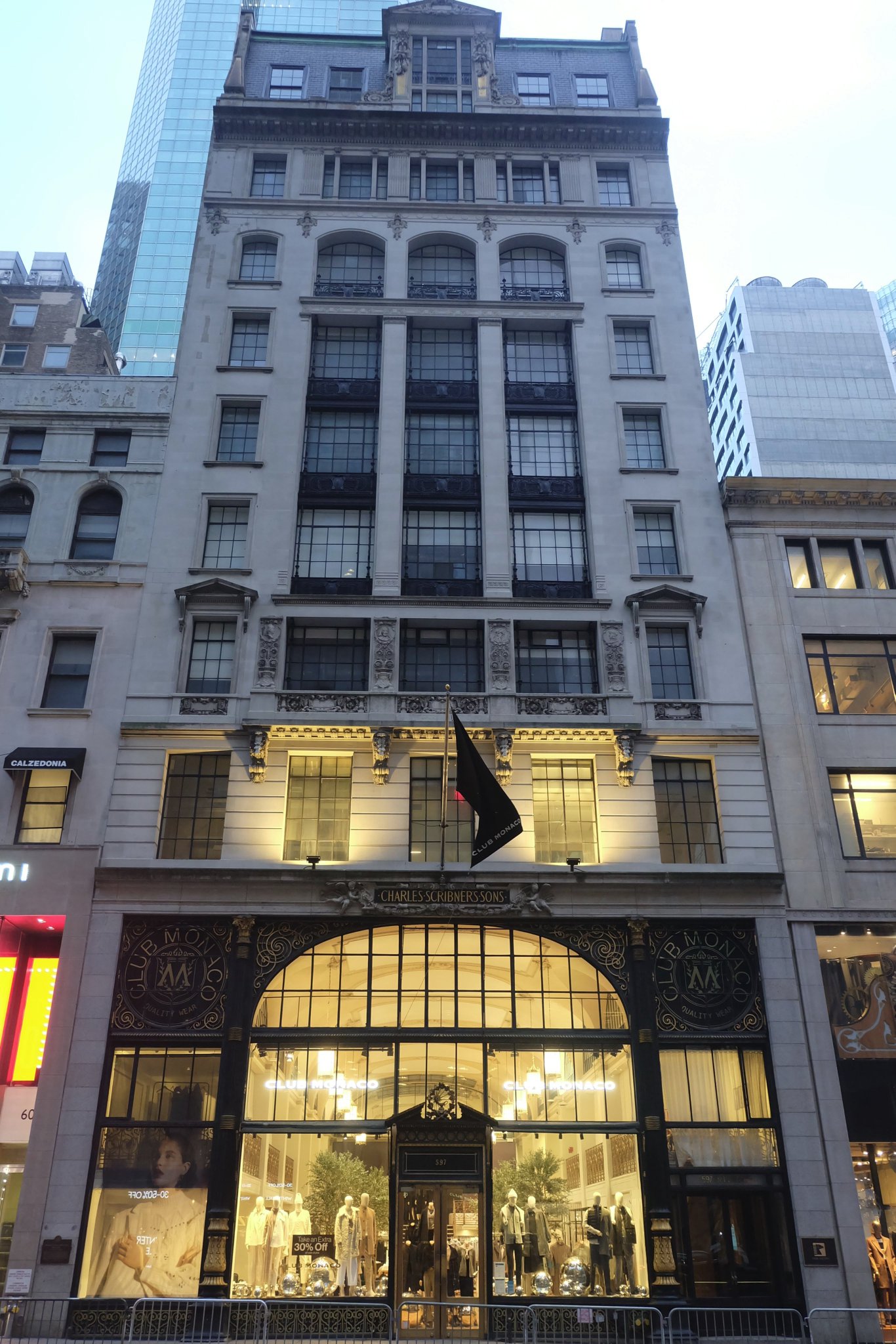
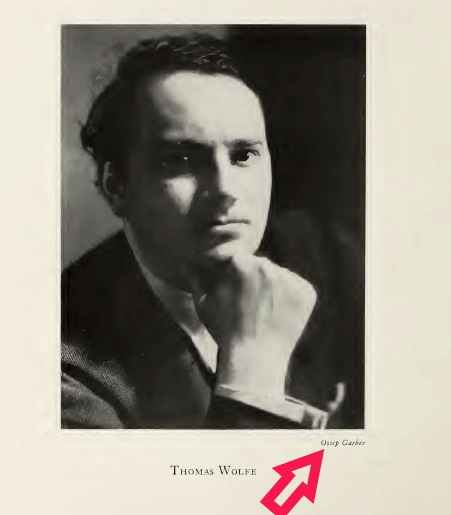
Michael Novakhov retweeted: TOO OBSCURE TO MATTER Ossip Garber provided forged passports for Soviet illegals in the 1930s while operating under the cover of photographer with a studio in the Scribner’s building on Fifth Ave. He also photographed several Scribner authors, including Thomas Wolfe.

Michael Novakhov retweeted:

TOO OBSCURE TO MATTER

Ossip Garber provided forged passports for Soviet illegals in the 1930s while operating under the cover of photographer with a studio in the Scribner’s building on Fifth Ave. He also photographed several Scribner authors, including Thomas Wolfe.

FmElwcEXgAcS07U.jpg:largeFmEl0CZWAAE9wiM.png:large

Categories
Audio Sources - Full Text Articles

Встреча с Министром просвещения Сергеем Кравцовым • Президент России kremlin.ru/events/preside…

Встреча с Министром просвещения Сергеем Кравцовым • Президент России kremlin.ru/events/preside…

FmF_o-raEAAHyra.jpg:large

Categories
Selected Articles

IntelBrief: The Secrets Are Out In the Open

AP22267585432357-768x384.jpg

AP Photo/Kevin Wolf

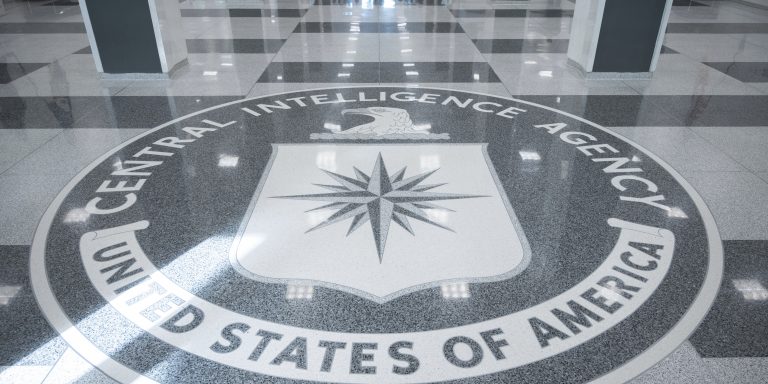
The Central Intelligence Agency (CIA), the U.S. foreign intelligence agency, has an unofficial motto and organizational ethos of “If it isn’t secret, it isn’t important.” This isn’t an ironclad rule — the CIA has long developed and refined its Open-Source Intelligence (OSINT) capabilities — but it remains somewhat of a foundational principle. For decades, the mission of the CIA and the larger U.S. Intelligence Community (IC) has understandably focused on clandestine collection efforts. This focus on hidden information has too often blinded the IC to that which is readily visible, though perhaps not always readily understandable. The tension between clandestine information operations and OSINT will never go away, nor should it; some things, such as the inner deliberations of an adversary, will always be hidden from open source information though they may be determined through closer discreet study. But the intentions of that adversary, or the early rumblings of global disruptions or conflicts such as a pandemic, global shipping issues, or an invasion, often hide in plain sight. What is therefore necessary is greater capacity to engage with wider sources of OSINT, deepen linguistic and cultural competencies to help properly process and analyze them, and ensure that the IC remains on top of new sources of information.

As noted recently by the Wall Street Journal, the U.S. government is lagging behind China in developing the capabilities to leverage OSINT effectively. There has been ample press on the perceived shortcomings of the U.S. vis-à-vis its most serious geopolitical rival. Yet, the issue of OSINT is different than other arenas, because it is not a capability the U.S. lacks, but a perception that persists that it is not important; in other words, open source is for amateurs and secrets are for pros. Even a cursory glance at the work of a firm like Bellingcat should quickly dispel this notion. The scale of the challenges facing the U.S. requires a fundamental shift in not just how the U.S. collects information but how it both analyzes and uses that information. OSINT needs to be a priority instead of relegated to an afterthought of the intelligence community.

OSINT isn’t secret but this doesn’t mean the information is easily obtained or understood by the broader public. Sometimes amorphous in nature, in this sense, ‘public’ means any data or information available by non-clandestine and non-technically exploitive means, obviating the need for hacking, espionage, or covert operations. There is a wealth of information that does not easily appear on Google but requires persistent and informed searching. There are terabytes and even petabytes and exabytes of information available in some form for nearly every major industry or trade — from oil and gas to transportation and logistics. Most large multinational corporations, including financial institutions, social media companies, healthcare networks, and global retailers, have developed their own in-house intelligence capabilities focused on emerging trends, consumer behaviors, risk mitigation, and geopolitics. This data and analysis are more than simply corporate information and intelligence aimed at gaining market share. Trends and specific developments in all manner of scientific endeavors and social challenges are considered OSINT, even if some specific uses of technology remain trade secrets. Furthermore, the information millions of people willingly, or sometimes unwittingly, provide to search engines and social media dwarfs in a week anything the U.S. intelligence community could ever hope to collect in a decade or more. There is no shortage of individual groups using OSINT for countless purposes, however, there is a shortage of U.S. IC focus on using the larger picture to understand smaller priorities. Utilizing, understanding, and leveraging such intelligence will be vital for the U.S. IC in the future, particularly in a renewed age of great power competition and the use of emerging technologies in conflict.

Shifting IC focus on OSINT must not mean increased scrutiny on individual privacy or tracking politically inconvenient or troublesome groups or issues, as the U.S. government has a history of overreach along those lines. Of all the resources the U.S. can dedicate to a specific challenge, time and focus are the two most precious. The U.S. can’t monitor everything because then it will understand nothing. Rather, the IC should facilitate and enable real-time tracking and persistent analysis of a clearly defined set of priorities and requirements on strategic issues. These priorities already exist, in the form of the National Security Strategy of the United States (NSS), the National Intelligence Priorities Framework (NIPF), and other mandated reporting requirements. The challenge for the IC is to place OSINT in the forefront of the effective tools/tactics needed to implement the various strategies of the Executive Branch. Moreover, human Intelligence (HUMINT) will remain vitally important and innovative agencies will need to find effective means of fusing HUMINT with OSINT for maximum impact. Ultimately, this “OSINT gap” matters more than any ‘missile gap’ or endless variation thereof, as it’s much larger than a military capability. It is not a capability as much as it is understanding and refocusing existing capabilities, while destigmatizing OSINT as a valuable asset in intelligence gathering. The age-old challenge of not finding more information but rather, understanding what one already has, has never been more pressing.

Categories
Selected Articles

West supplies Ukraine with expired weapons, says country’s envoy to London

West supplies Ukraine with expired weapons, says country’s envoy to London

The Sunday Mail

sundaymail_logo_small.png

NEW YORK – Western countries supply Ukraine with weapons that have already expired, Ukrainian envoy to the United Kingdom Vadim Pristayko told the Newsweek magazine in an interview.

“Some of the equipment has expired dates. We joke that if you want to dispose of them, give them to us. We will send them in the right direction. In a normal, peaceful time, nobody would want it to talk in terms like that. But now, why not?” he said.

At the same time, Pristayko noted that recently there have been positive developments in the supply of Western weapons to Ukraine. According to him, Kiev did not expect to receive Patriot missile defense systems. “We never expected a Patriot system. Seriously, this is a top of the line anti-ballistic missile system, which was totally out of the question. I guess tanks, helicopters and even planes are much easier now,” he added.

Last week France announced deliveries of light tanks to Ukraine. Germany and the US then announced plans to deliver infantry fighting vehicles to the country. Germany also announced its intention to send a Patriot system to Kiev in addition to another such system previously promised by the US. – Tass

Share This:

Categories
Selected Articles

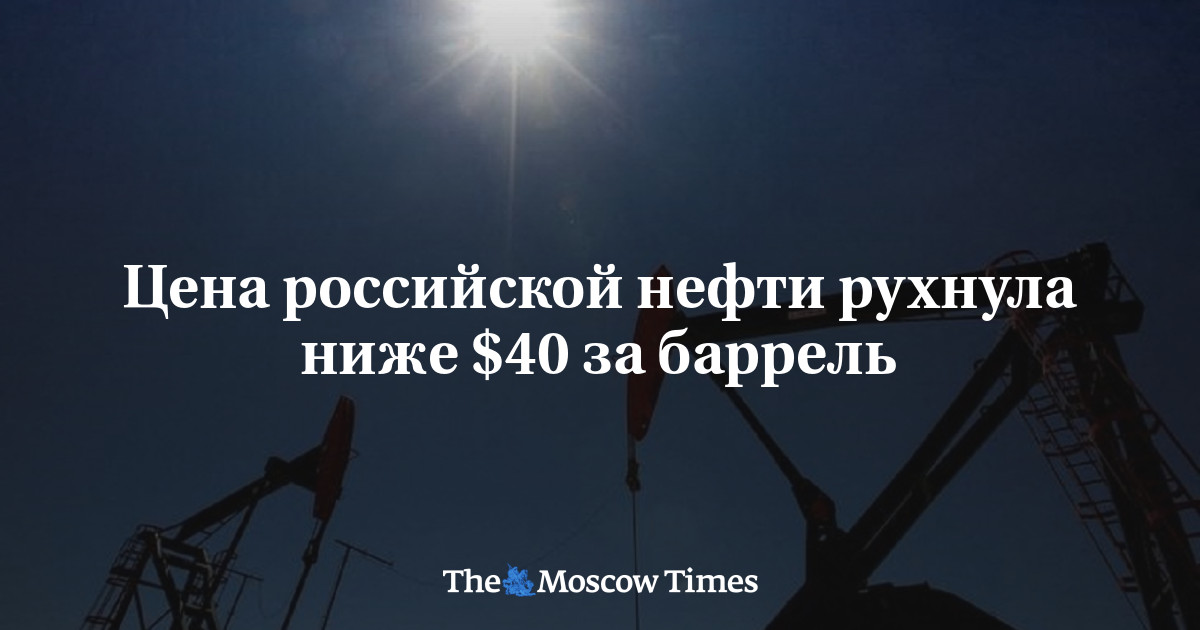
Цена российской нефти рухнула ниже $40 за баррель – Русская служба The Moscow Times

30309__756b48358bcdecd7f25216f4fb2a4e13.

Рынок российской нефти, с декабря находящийся под европейским эмбарго, встретил 2023 год новым обвалом цен.

Стоимость сорта Urals — основной марки российских нефтяников, на которую приходится почти две трети экспорта, — в пятницу, 6 января упала ниже $40 за баррель.

Партии с отгрузкой из порта Приморска в Балтийском море стоили $38,7 за бочку — рекордно дешево с весны 2020 года, сообщает Bloomberg со ссылкой на данные ценового агентства Argus.

С начала года Urals подешевела еще примерно на 10%. Ее текущие котировки уже вдвое ниже Brent ($78,57 на ту же дату) и на треть ниже ценового потолка, который страны G7 установили на отметке $60 за баррель.

«Рывок» на дно цены Urals начали в ноябре, когда стало известно, что Запад готовит новую порцию нефтяных санкций. С тех пор российская нефть подешевела уже почти вдвое, тогда как стоимость Brent снизилась лишь на 18%.

Из десятков стран, покупавших баррели в России, к началу 2023 года остались лишь единичные клиенты. В Европе российскую нефть продолжает импортировать Болгария, получившая «поблажку» в рамках эмбраго. Турция хотя и не присоединилась к санкциям официально в декабре сократила импорт на 86% после того, как крупнейший в стране НПЗ STAR прекратили закупки в России, опасаясь вторичных санкций.

Пул крупных покупателей российских баррелей ограничивается Индией и Китаем. Но их недостаточно, чтобы компенсировать европейский спрос. По итогам декабря Россия потеряла 20% нефтяного экспорта. В первую неделю санкций экспорт рушился почти вдвое, до 1,6 млн баррелей в сутки, а к концу месяца восстановился до 2,6 млн баррелей в день, но так и не вернулся на досанкционные уровни.

Цены Urals около $40 за баррель станут «настоящей катастрофой» для российского бюджета, пессимистичен Евгений Суворов, экономист банка Центрокредит. Минфин заложил в проект казны нефть по $70, а чтобы все доходы покрыли расходы нужен баррель дороже $100, оценивает Альфа-банк.

В декабре средняя цена Urals, по данным Минфина, составила $50,5 за баррель. И если это новая реальность, то бюджет недополучит больше 2 триллионов рублей, оценивает Суворов. С ценами около $40 правительству придется проводить бюджетную консолидацию, считает он: расходам – около 30 трлн рублей – предстоит пережить секвестр.

Более слабый курс рубля может отчасти компенсировать потери бюджет, но есть дополнительные стресс – с 5 февраля вслед за нефтью под европейское эмбарго попадут и нефтепродукты. А их перенаправить в Азию даже со скидками будет куда сложнее, предупреждает Наталия Орлова, главный экономист Альфа-банка.

Categories
Audio Sources - Full Text Articles

Classified Documents From Joe Biden’s Vice Presidency Were Found in a Private Office. Here’s What We Know So Far

The Justice Department is reviewing the discovery of classified documents in a private office used by Joe Biden between the end of his vice presidency in 2017 and the start of his 2020 campaign for the presidency, the White House confirmed on Monday.

In a statement, Richard Sauber, special counsel to the President, said, “The White House is cooperating with the National Archives and the Department of Justice” regarding the matter. “The documents were discovered when the President’s personal attorneys were packing files housed in a locked closet to prepare to vacate office space at the Penn Biden Center in Washington, D.C.” The statement added: “Since that discovery, the President’s personal attorneys have cooperated with the Archives and the Department of Justice in a process to ensure that any Obama-Biden Administration records are appropriately in the possession of the Archives.”

[time-brightcove not-tgx=”true”]

CBS News first reported on the documents.

When, where, and how were the classified documents found?

Sauber said the documents were discovered on Nov. 2, 2022, “when the President’s personal attorneys were packing files housed in a locked closet to prepare to vacate office space at the Penn Biden Center in Washington, D.C.”

That was six days before Election Day for the U.S. midterms and 16 days before the Department of Justice appointed a special counsel to investigate former President Donald Trump’s handling of classified documents.

Sauber added that the White House Counsel’s office immediately notified the National Archives and Records Administration of the discovery, and the agency took the documents under custody the next day.

What is the Penn Biden Center?

The Penn Biden Center for Diplomacy and Global Engagement is a research institution in Washington D.C. operating independently of the Biden administration. It launched in 2018 and is affiliated with the University of Pennsylvania, from which Biden earned more than $900,000 as an honorary professor and paid speaker between 2017 and 2019, according to the Philadelphia Inquirer.

Some sitting officials of the Biden administration were previously linked to the center, including Secretary of State Antony Blinken, who was a managing director in 2018, and Counselor to the President Steve Ricchetti, who was a managing director in 2019.

The Penn Biden Center’s office is located around a mile away from the White House. Biden used the space “periodically” before his 2020 presidential campaign, according to the statement from his attorney on Monday.

Is an investigation underway?

After the President’s attorneys alerted the National Archives, a source told CBS that representatives from the National Archives then notified the Justice Department. According to CNN, which confirmed CBS’s reporting, the Archives “came to view the situation as a mistake due to lack of safeguards for documents.” A referral letter was reportedly sent to the Justice Department in November to look into the matter.

Under the Presidential Records Act, official documents of the president and his staff—including the vice president—must be turned over to the National Archives at the end of their term.

Attorney General Merrick Garland has reportedly asked U.S. Attorney John Lausch Jr. to head the preliminary investigation. CBS also reports that the FBI is involved in the inquiry. According to CBS, Lausch recently briefed Garland and the investigation is reportedly expected to conclude soon. After Lausch submits a final report, Garland will determine whether a special counsel investigation is necessary.

Who is John Lausch Jr.?

Lausch currently serves as the U.S. Attorney for the Northern District of Illinois. He was appointed in 2017 by President Trump and confirmed unanimously in the Senate by a voice vote.

Lausch is a rare Trump-appointed U.S. attorney not asked to resign by the Biden administration, after the two Democratic senators from Illinois vouched for him “to remain in office to conclude sensitive investigations.” Chicago Mayor Lori Lightfoot also commended Lausch for his work fighting gun violence and crime in the city.

The only other Trump-appointed U.S. attorney not asked to resign is David Weiss, whose Delaware office is investigating the President’s son Hunter Biden for potential tax crimes.

What do we know about the documents?

The statement from the President’s attorney described the records in question as “a small number of documents with classified markings.”

Sources told CBS that “roughly 10” classified materials were found in a box with other unclassified materials. According to CNN, “fewer than a dozen” classified documents were found, including “some top-secret files with the ‘sensitive compartmented information’ designation, also known as SCI, which is used for highly sensitive information obtained from intelligence sources.”

A source told CBS that none of the documents contained nuclear secrets.

Has this kind of thing happened before?

The Justice Department is currently investigating the fact that more than 300 classified documents were in Trump’s possession after his presidency.

Jack Smith—a former prosecutor for the Justice Department as well as for The Hague who is also overseeing the criminal investigation into whether there was unlawful interference in the Jan. 6, 2021, transfer of power—was appointed special counsel to lead the probe into Trump’s handling of those classified documents as well as any potential related obstruction of justice.

Several years ago, former Secretary of State Hillary Clinton also drew controversy for using a private email server instead of official State Department accounts during her tenure. The Department of Justice ultimately did not prosecute Clinton; an investigation that concluded in 2019 found that she did not deliberately mishandle classified documents.

How is the Biden case different from the Trump case?

The main difference between the two recent cases is how the sensitive documents were handled following their discovery.

The statement from President Biden’s counsel on Monday noted that the classified documents found in the former Vice President’s office “were not the subject of any previous request or inquiry by the Archives.” Biden’s legal team says it promptly surrendered all documents in question to the proper authorities and has been cooperating with inquiries into the matter.

In Trump’s case, the FBI had to obtain a search warrant and retrieve a cache of classified documents from the former President’s Mar-a-Lago estate after the National Archives engaged with Trump for months after he left office over the handling of presidential records. The Washington Post reported that the agency emailed Trump’s lawyers in May 2021, notifying that some two dozen boxes of original presidential records had not been turned over per protocol.

In January 2022, Trump’s representatives supplied the National Archives with 15 boxes of documents and added they were looking for additional records. The Justice Department then issued a subpoena for Trump to turn over any other classified materials in June. Upon suspicion that Trump failed to comply with the subpoena, federal investigators searched the resort in August, where they found 11 additional sets of classified documents.

Since the seizure of documents from his Mar-a-Lago home, Trump and his conservative supporters have argued that the investigation into him is politically motivated.

In an interview with 60 Minutes on CBS in September, Biden was asked to react to a photograph showing documents the FBI retrieved from Mar-a-Lago. The President questioned “how that could possibly happen, how anyone could be that irresponsible.”

What are Republicans and Democrats saying after the latest revelation?

Following the reports of the discovery of classified documents at the Penn Biden Center, Trump took to his social media platform, Truth Social, and wrote: “When is the FBI going to raid the many homes of Joe Biden, perhaps even the White House? These documents were definitely not declassified.”

House Speaker Kevin McCarthy told reporters on Monday that the discovery of the classified documents at the Penn Biden Center proved the investigation into Trump was politically motivated.

“I just think it goes to prove what they tried to do to President Trump,” he said, according to CNN, “[they] overplayed their hand on that.”

Kentucky Rep. James Comer, the new chair of the House Oversight Committee, echoed McCarthy’s remarks: “President Biden has been very critical of President Trump mistakenly taking classified documents to the residence or wherever and now it seems he may have done the same,” CNN reported that he said. “How ironic.”

“This is further concern that there’s a two-tier justice system within the DOJ with how they treat Republicans versus Democrats, certainly how they treat the former president versus the current president,” Comer added, according to the Associated Press.

Rep. Jim Jordan of Ohio said the American public should have known about this earlier. It is unclear why the White House did not reveal the documents’ discovery sooner.

“They certainly knew about the raid on Mar-a-Lago 91 days before this election, but [it would have been] nice if on November 2, the country would have known that there were classified documents at the Biden Center,” Jordan said, according to the AP.

A statement from the House Oversight Committee’s ranking member Democratic Rep. Jamie Raskin said: “Attorneys for President Biden appear to have taken immediate and proper action to notify the National Archives about their discovery of a small handful of classified documents found in a locked cabinet at the Penn Biden Center so they could be returned to federal government custody. I have confidence that the Attorney General took the appropriate steps to ensure the careful review of the circumstances surrounding the possession and discovery of these documents and make an impartial decision about any further action that may be needed.”

McCarthy seemed to cast doubt on the reported timeline. When CBS asked the new Speaker if there were material differences between the Trump and Biden cases because Biden’s attorneys “immediately” handed over the classified material, he reportedly responded, “Oh, really? They just now found them after all those years.”

“There’s going to be nuances,” former Republican Rep. Adam Kinzinger, who spoke out against Trump and served on the House select committee investigating Jan. 6, told CNN on Monday, but he highlighted how Trump will use the latest revelation to deflect from any of his own potential wrongdoing. “So from a political perspective, this is actually probably pretty bad. Not just for [Biden], but really for the idea of getting justice through the political system.”

WP Radio
WP Radio
OFFLINE LIVE